2025 Lotus Emeya 600 Review

 Share
Share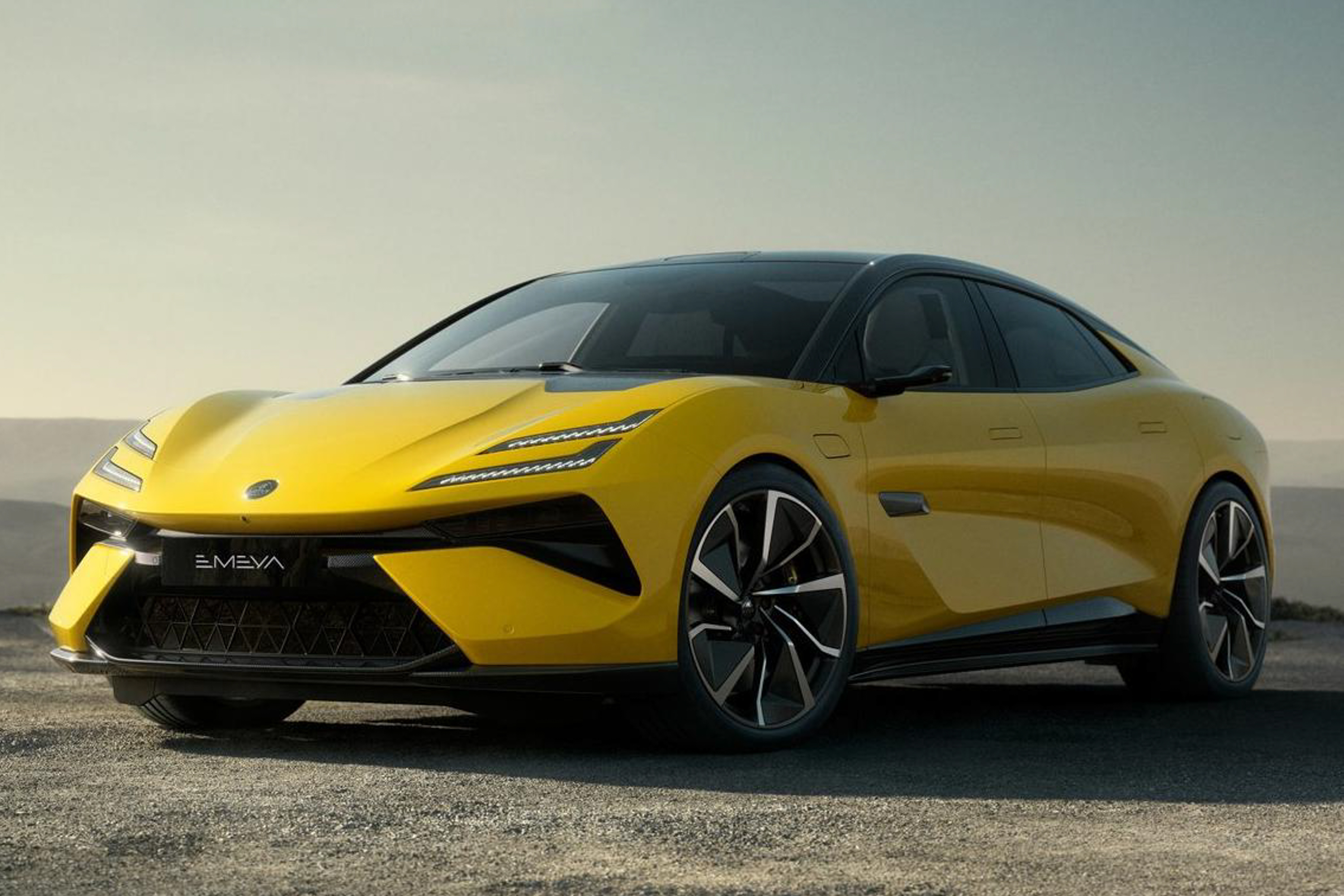
 Segment
 Body Type
 Motor Output(kW)
 Motor Torque(Nm)
 EV Range(km)
 Battery Capacity(kWh)
In the electric vehicle market, the competition among E-segment cars is increasingly focused on "balancing performance and luxury"—users want sports car-level power without sacrificing everyday comfort. The 2025 Lotus Emeya 600 we test-drove this time perfectly meets this demand: as the brand's first pure electric four-door GT, it boasts 612PS all-wheel drive, 610 kilometers of range, and rare luxury features within a sub-million price range. The core of this review is to see whether this "race track genetics + household attributes" electric vehicle can truly balance passion and practicality.
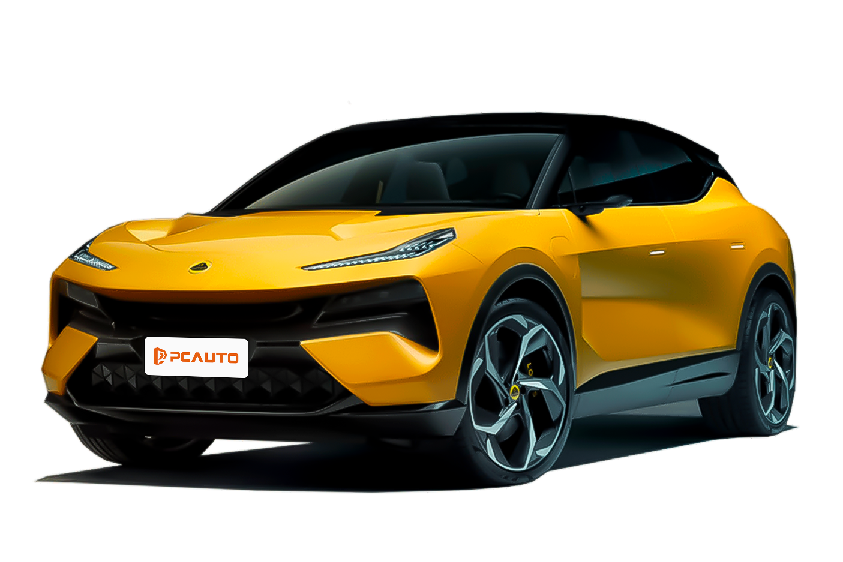
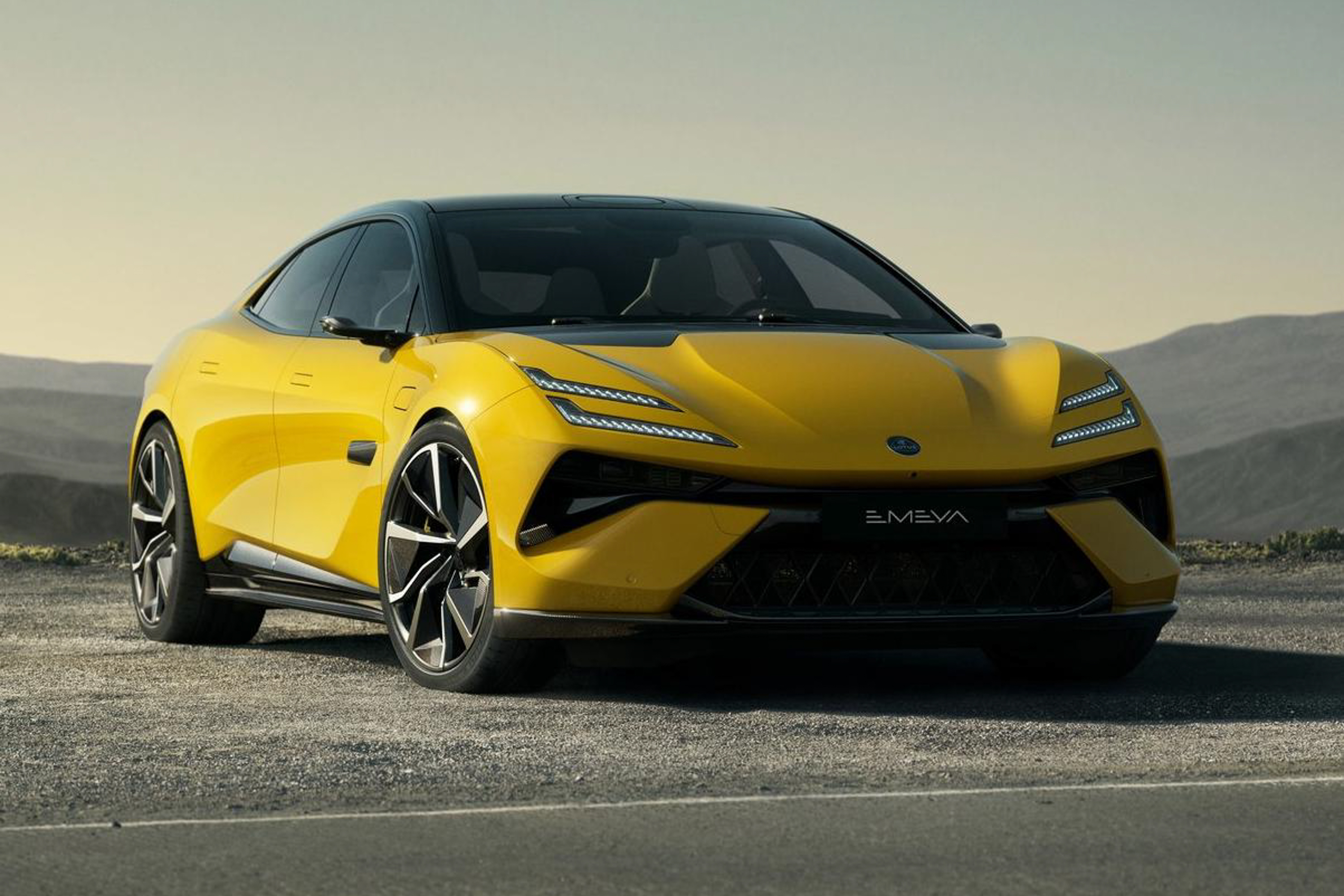
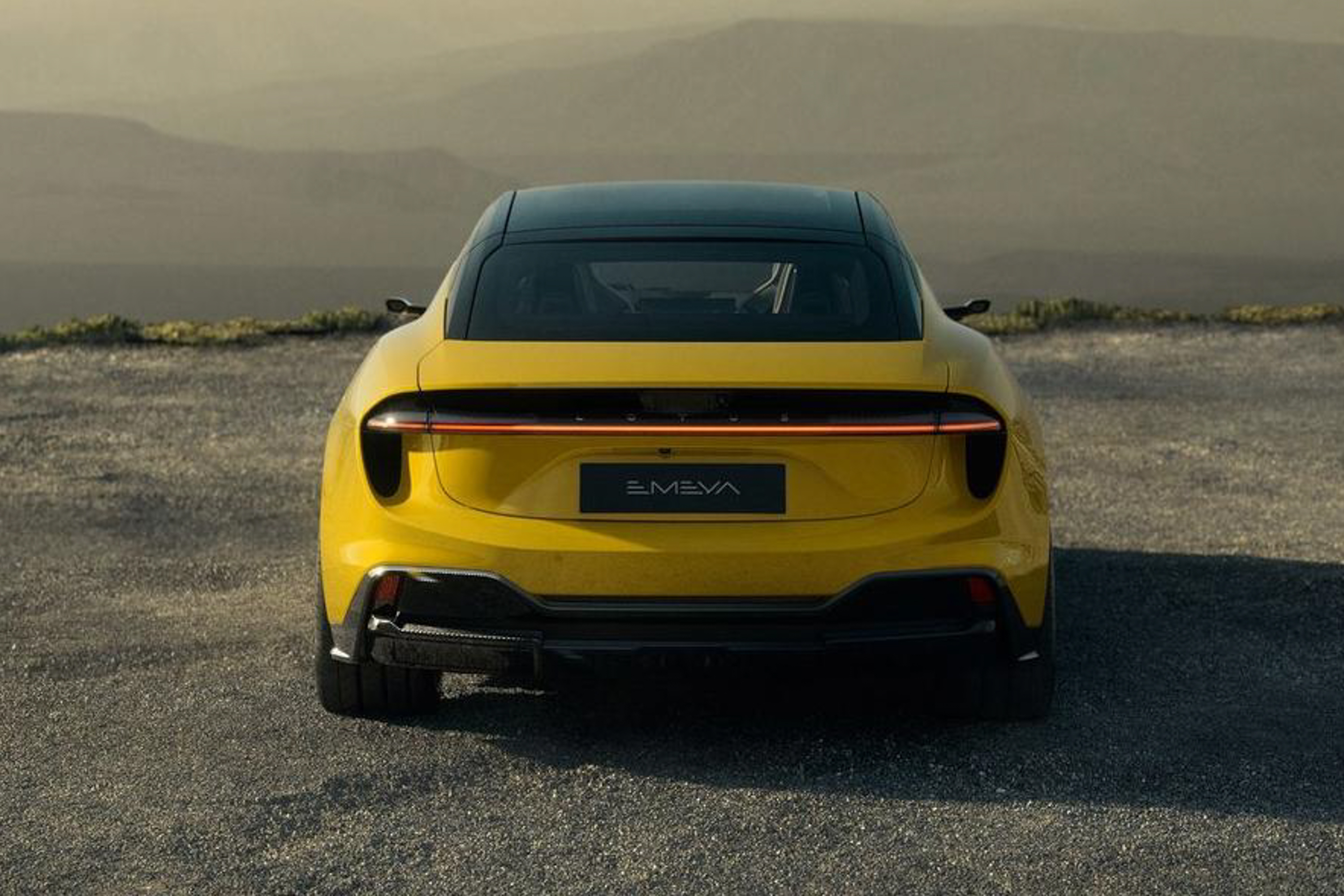
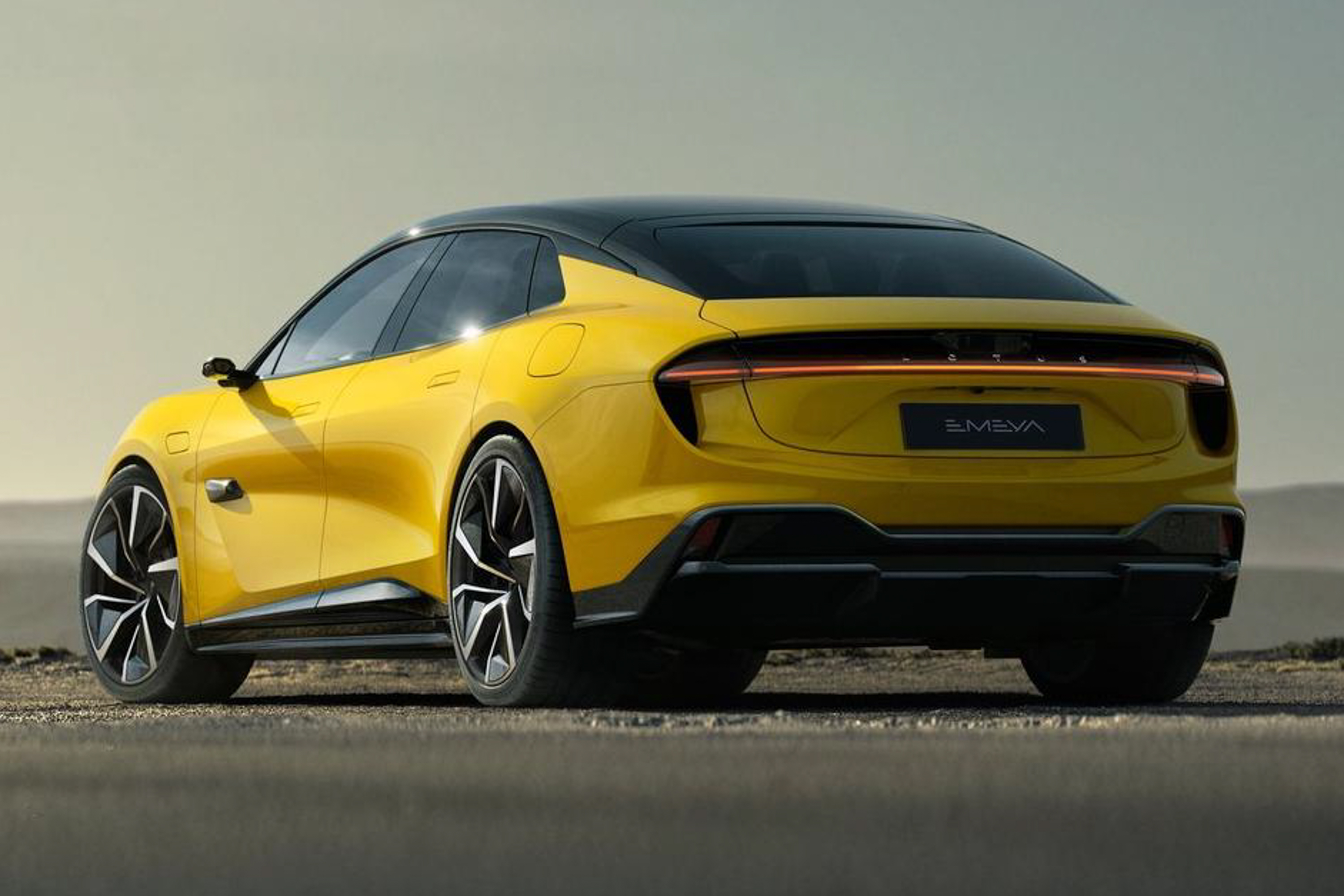
At first glance, the Emeya 600 immediately conveys a "low-profile sporty feel." With a length of 5139mm, a height of 1459mm, and a width of 2241mm, its overall stance resembles a coupe more than other electric vehicles in its class. The closed front grille features an active intake function that reduces air resistance at high speeds; the "aerodynamic air ducts" on both sides are standout details that not only enhance recognition but also provide cooling for the battery and brakes. The side profile's waistline runs from the fender to the rear of the car, paired with 20-inch multi-spoke wheels that create a powerful visual impact. The rear features a continuous LED tail light, a hallmark of the family design language, which offers high recognizability when illuminated; the diffuser below is ornamental, yet it blends well with the overall style. All lighting is LED, with automatic headlights and daytime running lights as standard, ensuring full practicality.
Sitting inside the car, the first thing you notice is the materials—extensive use of Alcantara and soft leather wrapping gives a solid tactile feel. The center console layout is minimalist, with a 15.1-inch touch screen as the centerpiece, boasting fast system response. Common features like navigation and music are accessible from the homepage, and the operation logic is similar to a smartphone, requiring no extra effort to adapt. The HUD head-up display is standard, showing speed, navigation, and driver assistance information, so you don’t need to look down at the dashboard while driving. The seating configuration is excellent: the front driver and passenger seats are both power-adjustable, with great backrest and cushion support for long-distance comfort. Though the rear seats are fixed, the 3069mm wheelbase ensures ample legroom—a 175cm passenger sitting in the back will have about two-fist-sized space from their knees to the seats in front. For storage, the central front armrest box can fit two bottles of water, and the door storage pockets are sizeable as well; the trunk's standard capacity can accommodate three 20-inch suitcases, making it suitable for short family trips. The air conditioning offers dual-zone automatic control for the front and rear, with independent rear vents, showcasing careful attention to detail.
Start the vehicle, shift into D gear, and press the accelerator—and you'll immediately feel the power of 612PS and 710N·m. While it's an all-wheel drive, the power delivery is very linear, avoiding the "jerky acceleration" seen in some performance electric vehicles. Switch to sport mode, and the throttle response becomes more immediate; when you floor it, the strong acceleration continues up to 120km/h, providing ample confidence for overtaking. For daily use, comfort mode is sufficient, offering smooth power delivery ideal for urban commutes. In terms of handling, the steering is precise with minimal play—it feels lightweight at low speeds and heavier at higher speeds, providing excellent feedback. The chassis features front and rear multi-link independent suspension, tuned towards a sporty feel but not excessively stiff. When driving over speed bumps, the suspension absorbs most of the impact, avoiding discomfort; when cornering, the body lean is minimal, and the chassis provides solid support. We tested its range: under full charge on city roads with the air conditioning on, the range reached about 85% of the official figure. On the highway at 120km/h, the range drops to roughly 500 kilometers, consistent with the standards for electric vehicles in this category. The fast-charging capabilities are impressive—it can charge from 10% to 80% in just 25 minutes, making emergency charging convenient. Noise control is well-managed, with wind and tire noise barely noticeable at speeds below 60km/h; at higher speeds, wind noise becomes slightly more apparent but does not affect conversation.
Overall, the core advantages of the 2025 Lotus Emeya 600 are obvious: its performance meets the needs of users pursuing speed, while its luxurious configuration and space cater to family usage. Compared to other electric vehicles in the same class, its price (RM 459,000) is significantly lower than the base model of the Porsche Taycan, yet its configuration and performance are no less impressive. This car is suitable for two types of people: one is young families seeking performance with a need for daily use; the other is business professionals who appreciate luxury and occasionally want to experience speed. If you're looking for a "performance electric car that is also family-friendly," the Emeya 600 is worth considering.