

2025 MINI Aceman JCW Review

 Share
Share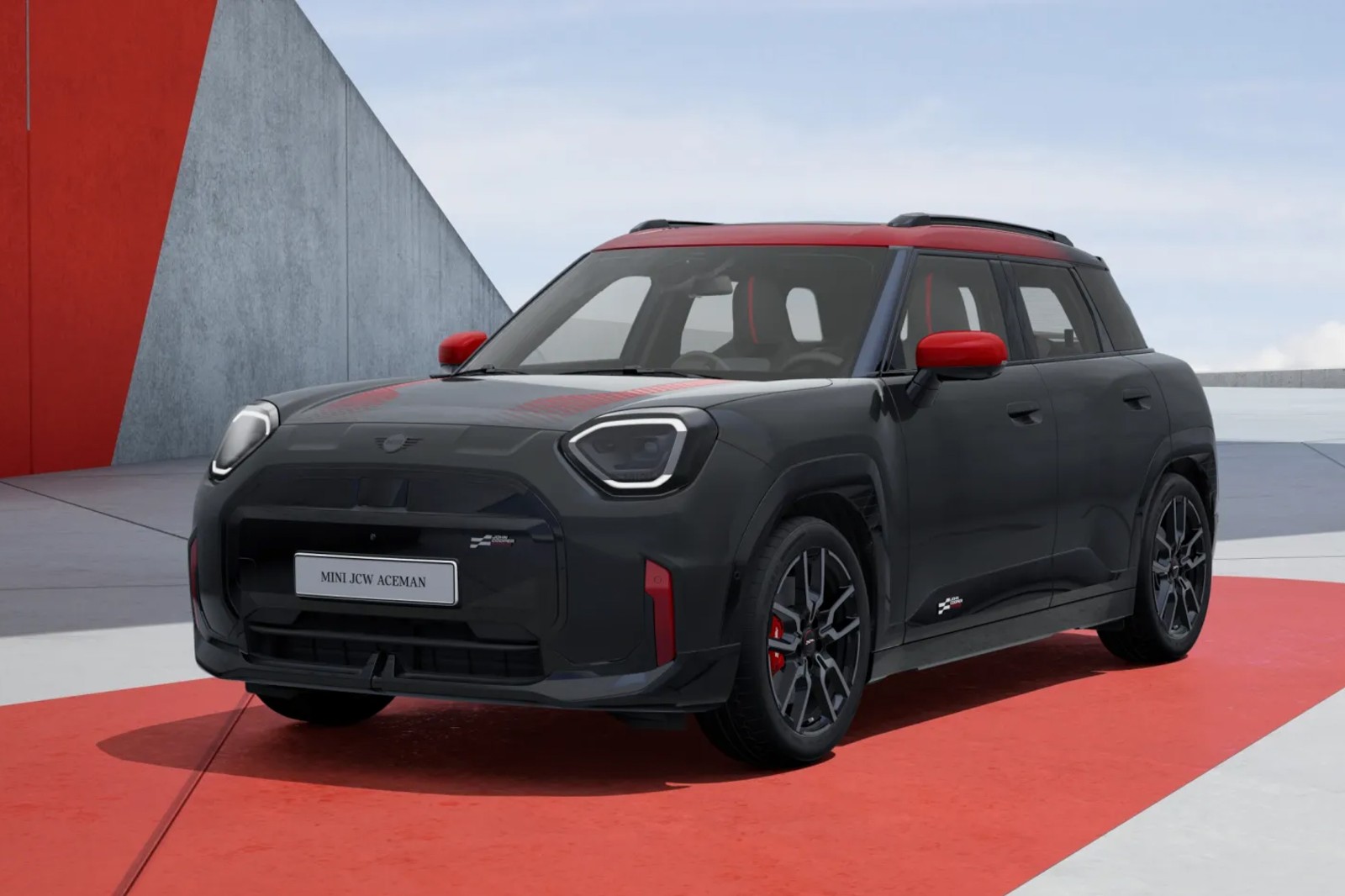
 Segment
 Body Type
 Motor Output(kW)
 Motor Torque(Nm)
 EV Range(km)
 Battery Capacity(kWh)
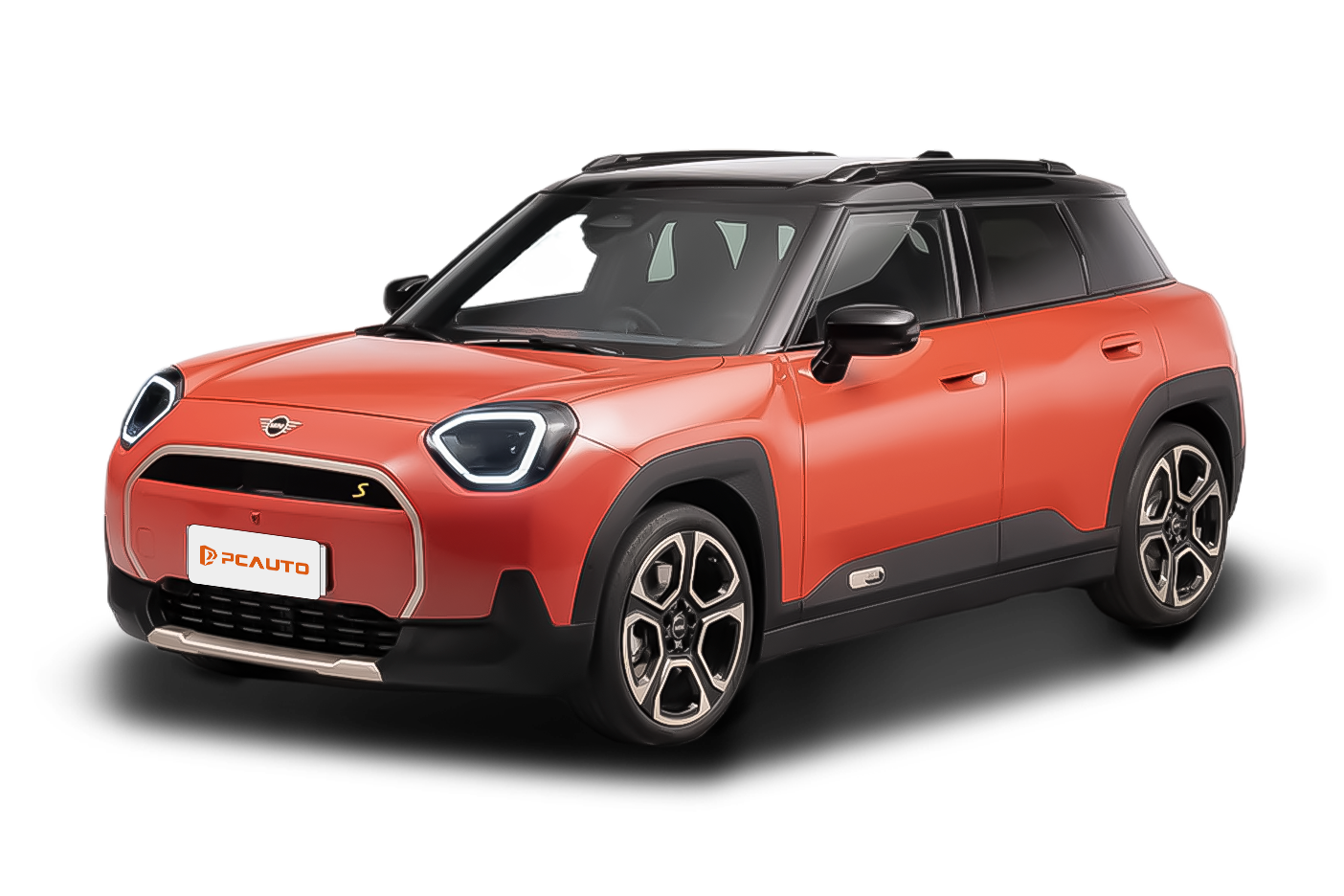
The market for B-segment electric vehicles has been growing rapidly in recent years in the local area. Consumers demand both stylish designs and practical features, while also expecting sufficient power performance—the 2025 MINI Aceman JCW is a pure electric compact SUV aimed at this need. It not only continues MINI's iconic design language but is also equipped with a 258-horsepower motor. The configuration list is packed with intelligent driving assistance and luxury details. In this test drive, we focused on whether it can balance the brand's sporty DNA with daily practicality, as well as its range and handling performance under local road conditions.
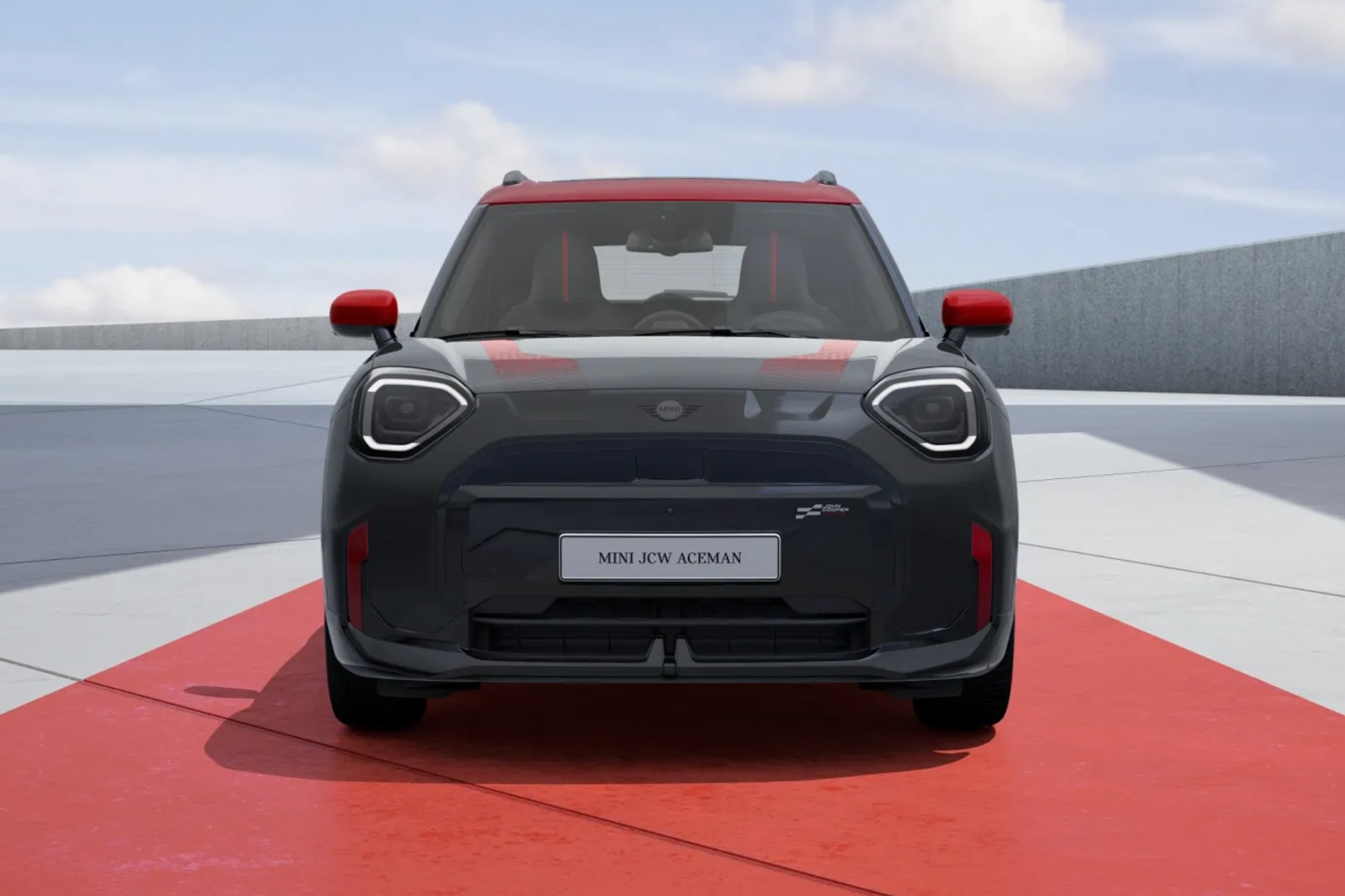
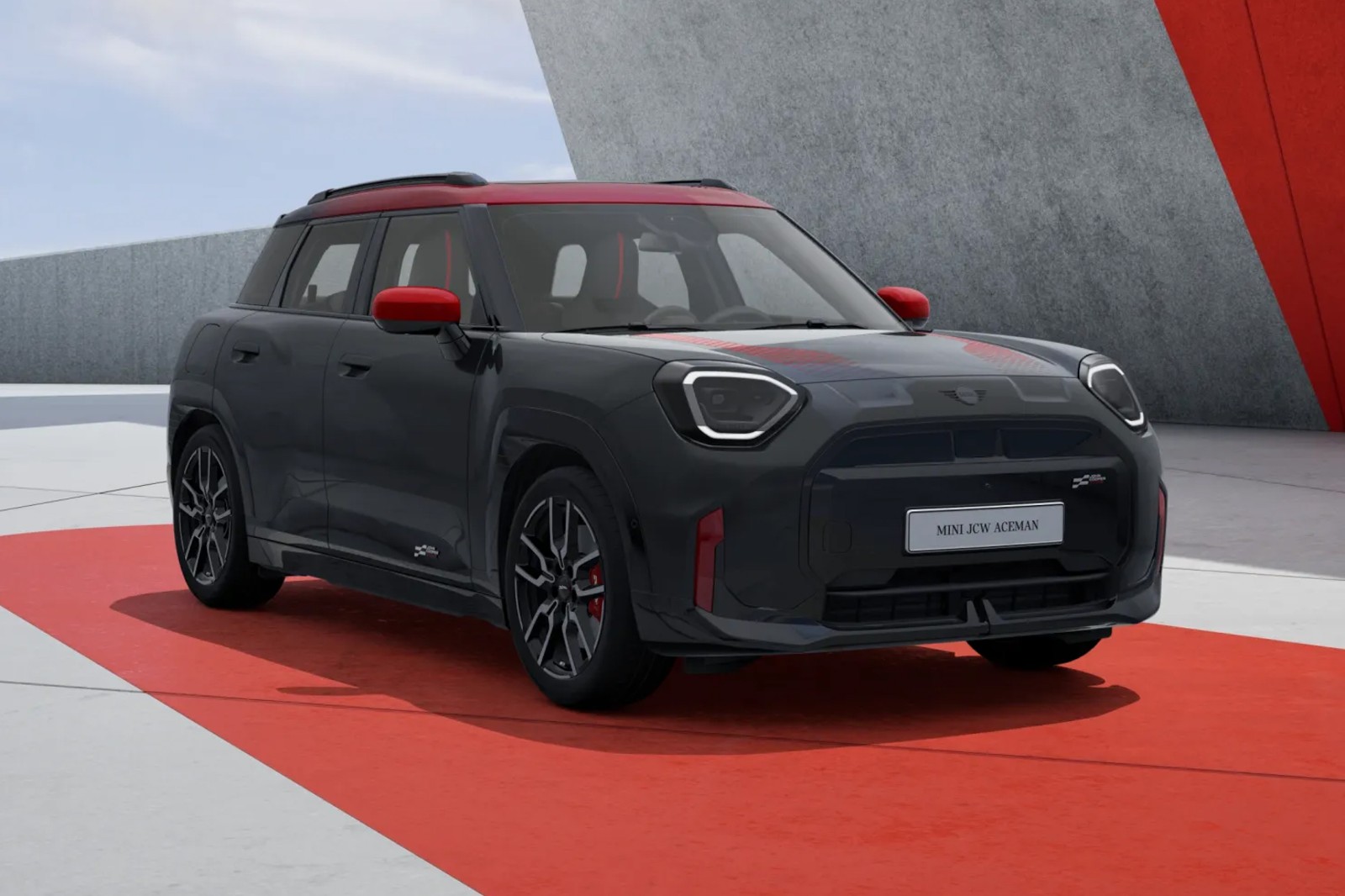
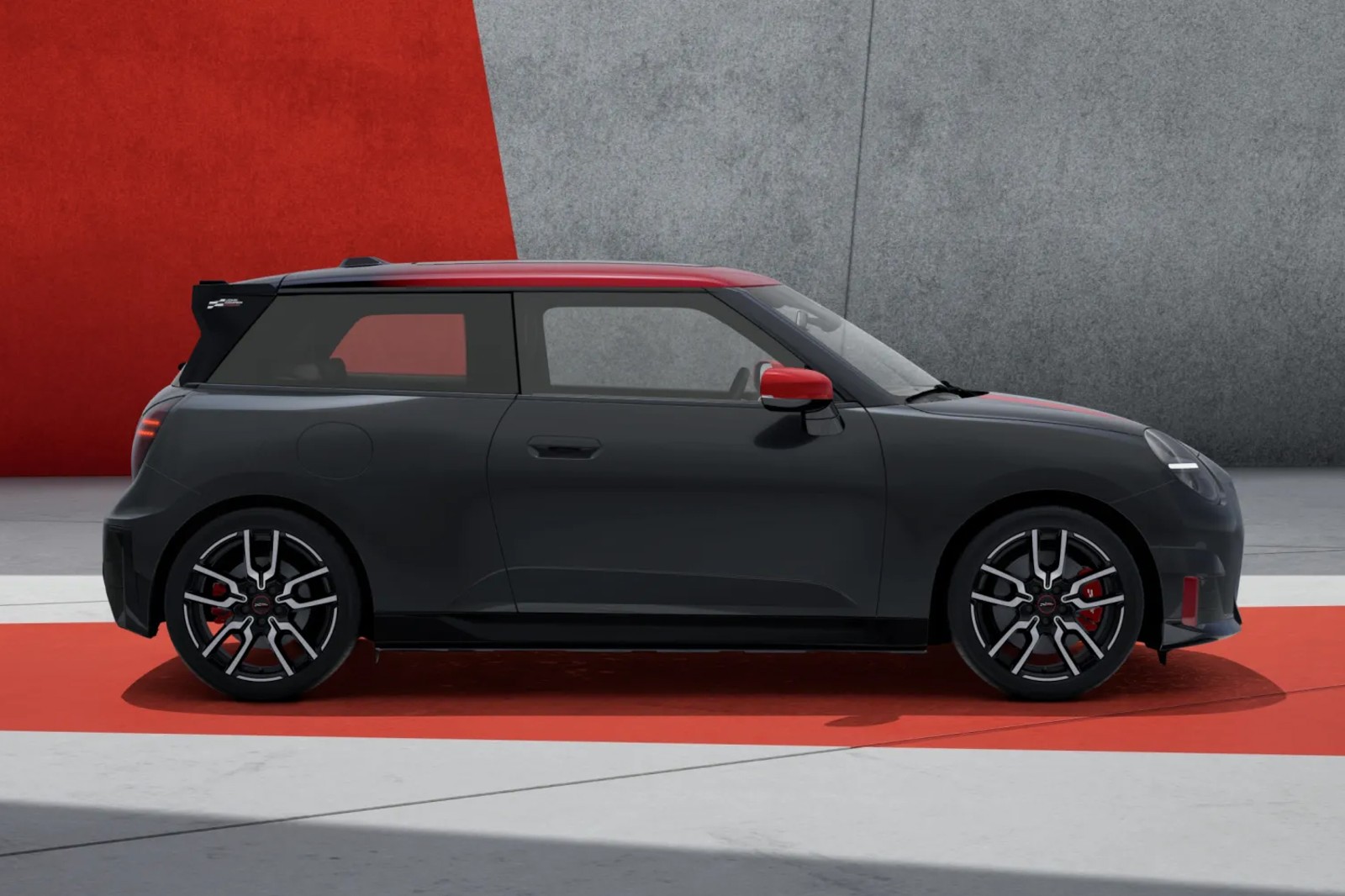
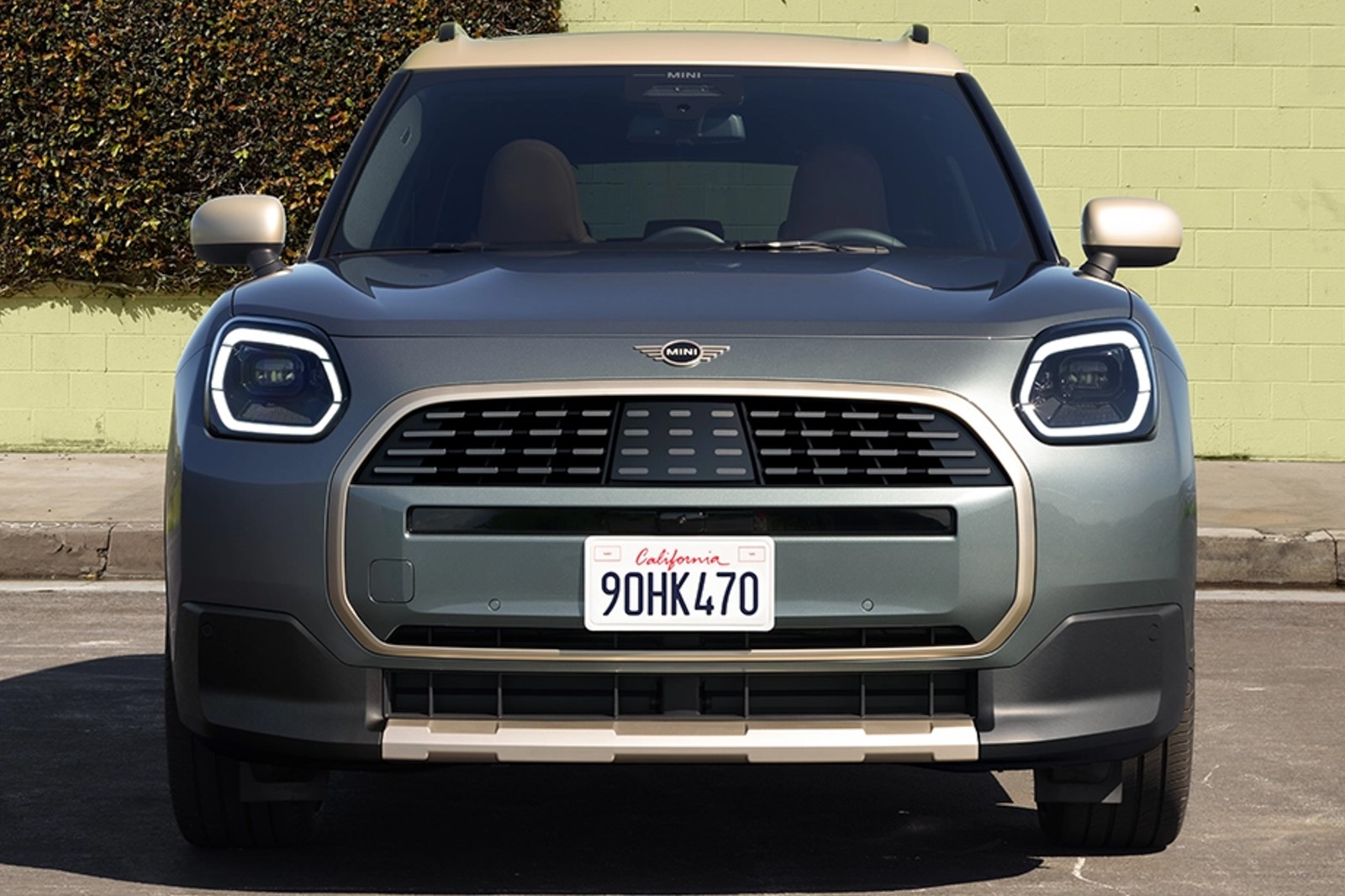
From a distance, the silhouette of the Aceman JCW carries MINI's distinct identity. The boxy body paired with rounded corners gives it a more imposing presence compared to traditional MINI models. The round headlights at the front are a classic family design, outlined with LED light sources that create a sharp and recognizable look when illuminated. The front grille has been designed as a closed structure, and the illuminated MINI logo at the center highlights its status as an electric vehicle. The side profile features clean lines, with 19-inch multi-spoke rims paired with 225/40 R19 tires, adding a sense of sportiness. The black roof rails and chrome trim below the windows add a touch of sophistication. The rear design is similarly compact, with L-shaped LED taillights echoing the front headlights, and the diffuser design below the rear bumper enhances the performance attributes of the JCW version. Overall, it retains MINI's charm while emphasizing sporty and electric characteristics through its details.
Stepping inside the vehicle, the first thing that catches the eye is the 9.4-inch OLED circular central control screen, which integrates almost all functional controls, including air conditioning, navigation, and vehicle settings. The interface is smooth, and the operation logic is clear. In terms of interior materials, the dashboard and inner door panels are wrapped in soft-touch materials, accentuated by silver trim, which give a solid and premium feel. The steering wheel is multifunctional, with the left side controlling driving assistance features and the right side for multimedia adjustments; its thickness feels just right. A HUD head-up display comes as standard, showing speed and navigation information, making it convenient to drive without needing to look down at the instrument panel. The seats are wrapped in leather, with the front seats supporting electric adjustment. The backrest and cushion provide good support, making long rides less tiring. The rear seats can be folded down in a 60:40 split, and the trunk has a standard capacity of 300 liters, which can be expanded for larger space to fit items like strollers or suitcases. In terms of space, the vehicle's length, width, and height are 4079mm, 1754mm, and 1514mm respectively, with a wheelbase of 2606mm. The front row offers ample space, and a 175cm tall passenger would still have a fist's worth of headroom. In the rear, there's about two fists of legroom and a fist of headroom, which is sufficient for daily family use.
In terms of power, the Aceman JCW is equipped with a front-mounted permanent magnet synchronous motor with a maximum power of 190kW (258 horsepower) and a maximum torque of 350 N·m, achieving an official 0-100km/h acceleration in 6.4 seconds. During actual driving, the power response is very direct at startup. A light press on the accelerator results in noticeable pushback, making overtaking or lane changes in urban roads effortless. It offers three driving modes: Sport, Comfort, and Eco. In Sport mode, the power output is more aggressive, the accelerator sensitivity increases, and the steering wheel becomes heavier. Comfort mode, on the other hand, is more suitable for daily commuting, providing smooth power delivery and lightweight steering. As for the chassis, the combination of front MacPherson and rear multi-link independent suspension is tuned for sportiness while maintaining comfort. When going over speed bumps, the suspension quickly filters out bumps, avoiding pronounced harshness. In corners, body roll is well controlled, and the steering is precise, making its overall handling performance stand out among vehicles in the same class of electric cars.
Range and charging are the core concerns for electric vehicles. The Aceman JCW has a battery capacity of 54.2kWh and an official pure electric range of 355km. In our road tests under mixed conditions—60% city roads and 40% highways—with the air conditioning set to 24°C in automatic mode, the range achievement rate was approximately 85%, meaning it could actually travel around 300km, which is sufficient for a week of commuting. Fast charging takes just 0.5 hours to charge from 10% to 80%, while slow charging takes 5.25 hours. Using a home charging station or public fast charging station for daily charging is very convenient. In terms of driver-assistance features, adaptive cruise control (ACC), lane change assist, lane departure warning, and automatic emergency braking are all standard. When ACC is activated on the highway, the vehicle maintains stable following, reducing long-distance driving fatigue. The 360-degree panoramic imaging has high clarity, making it easy to spot obstacles when parking, and the automatic parking function is very practical, allowing even beginners to park effortlessly.
Noise control is quite good; when driving at low speeds in urban areas, motor noise is almost inaudible, while tire and wind noise become slightly noticeable at high speeds, but still within an acceptable range. The comfort level of the seats is commendable, with lumbar support on the backrest being adequate, ensuring no back pain during long drives. The regenerative braking system is adjustable with three levels; at the highest level, releasing the accelerator provides a noticeable deceleration, allowing for almost single-pedal driving and reducing the burden on the right foot. Regarding energy consumption, as an electric vehicle, it consumes 16.4kWh per 100km. Based on local electricity rates, the cost per kilometer is just a few cents, much more economical than fuel vehicles.
Overall, the 2025 MINI Aceman JCW demonstrates clear core advantages: firstly, it offers strong performance, with a 6.4-second acceleration that satisfies young drivers’ desire for sportiness; secondly, it is richly equipped with standard features such as a HUD, Harman Kardon sound system, and a panoramic sunroof, which make it more appealing compared to competitors in the same class (e.g., Volkswagen ID.3 or Honda e:NP1); thirdly, it’s practical in terms of space, with a wheelbase of 2606mm providing a spacious rear seat, making it suitable for families. However, its driving range is not the best among electric vehicles in its class, making it more suited for urban commutes or short trips.
If you’re someone who appreciates the MINI brand’s aesthetics and needs a practical electric vehicle for daily family use, the Aceman JCW is a good choice—it reflects MINI’s design sense, provides ample power, has practical features, and is reasonably priced at RM233,888 among B-segment electric SUVs. In summary, this is a car that balances individuality, performance, and practicality, meeting the needs of most family users.
MINI Aceman Car Compare
MINI Aceman Loan Calculator
Cars With Similar Price And Features

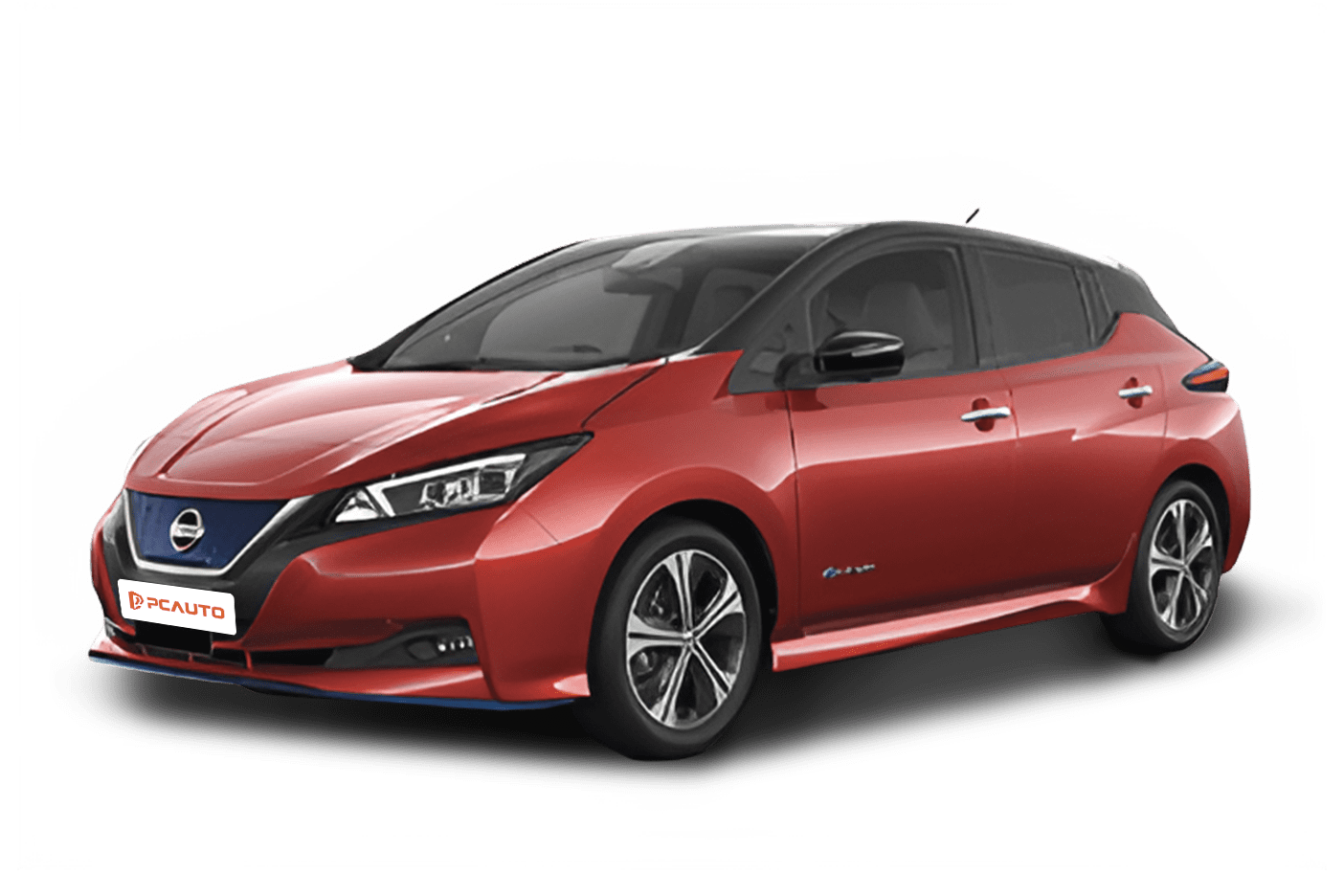
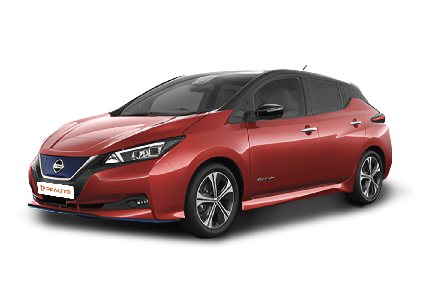
2026 Nissan Leaf, as a pioneer in B-segment pure electric vehicles, precisely meets the needs of family commuting and urban travel with an ultra-long range of 604km, 160kW power upgrade, and a tech-sophisticated interior.
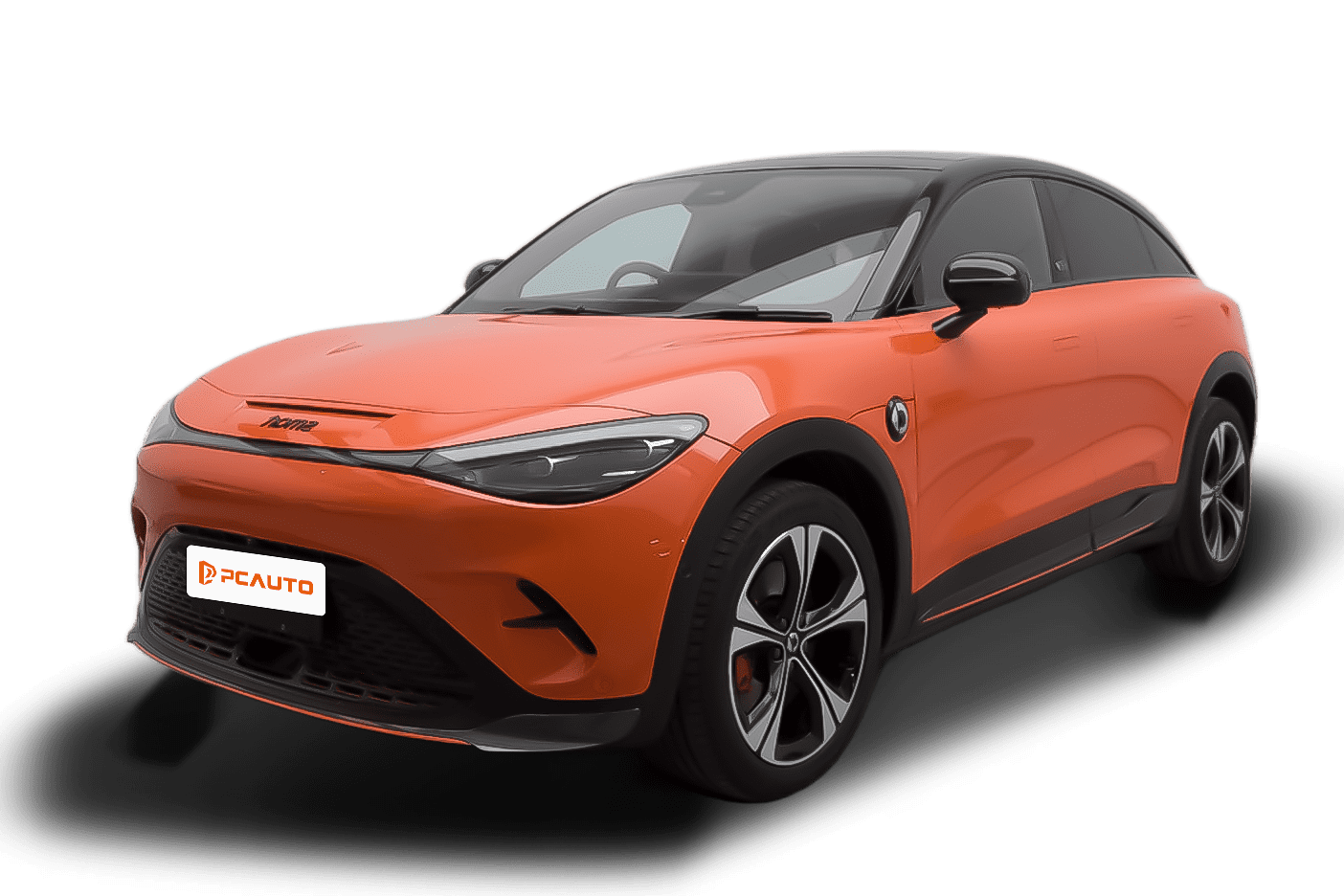
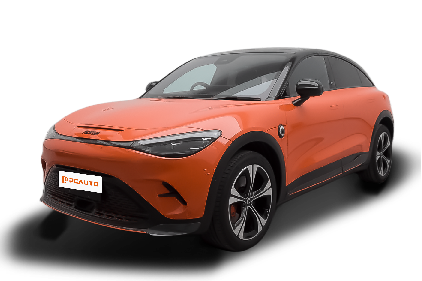
2024 Smart #3 Pro is positioned as a city compact electric coupe, offering 268PS rear-wheel drive, 7 airbags + full active safety suite, and a 12.8-inch screen at a price of RM175,000. It boasts outstanding value for money, balancing sportiness and practicality for family use.
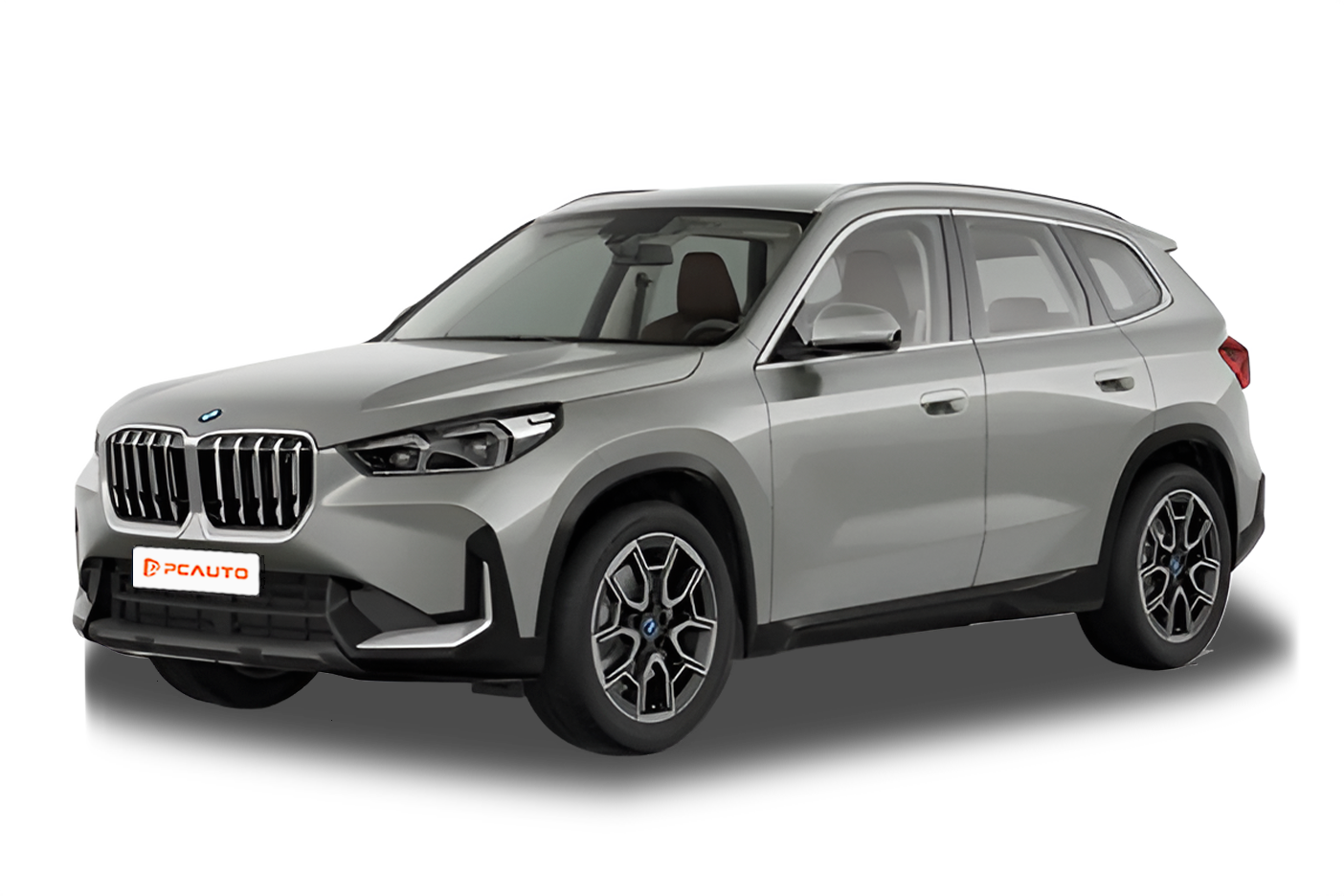
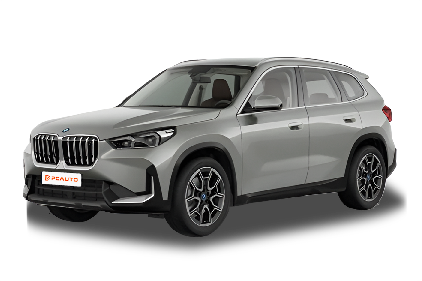
2024 BMW iX1 eDrive20 M Sport is a new choice for a C-Segment all-electric SUV, combining a 475km range, M Sport package, and BMW driving quality, suitable for consumers with a budget of 250,000 MYR.