

Nissan Leaf Review

 Share
Share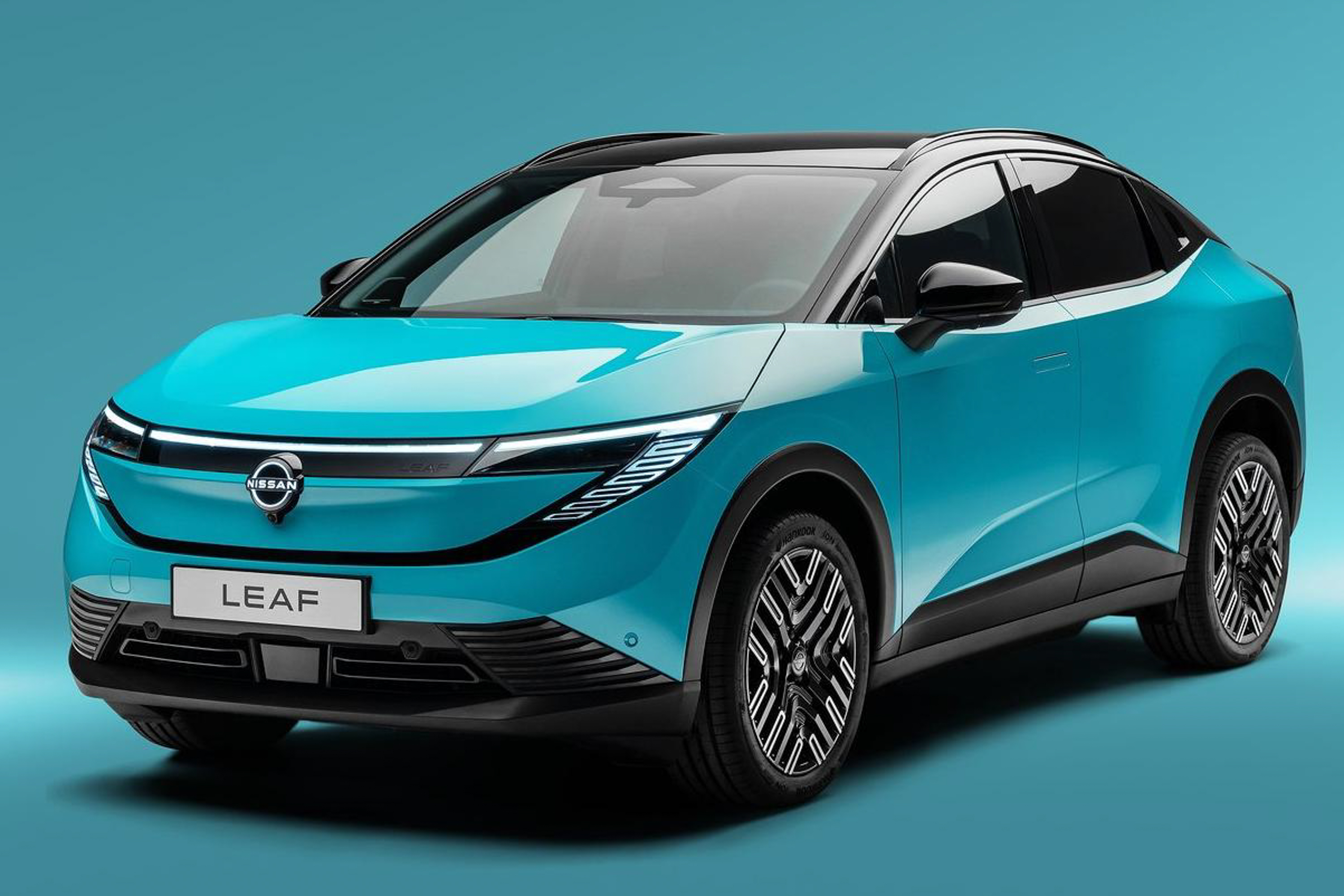
 Segment
 Body Type
 Motor Torque(Nm)
 EV Range(km)
 Battery Capacity(kWh)
 Driven Wheels
As Malaysia's new energy market gradually shifts towards compact and long-range models, B-Segment pure electric vehicles have become a popular choice for daily family commuting and short city trips. As a pioneer in electric vehicles, the Nissan Leaf has undergone multiple iterations, and the 2026 model focuses directly on two core selling points: "ultra-long range" and "power upgrade"—with an official range of 604 km and a motor power of 160 kW. Can these specifications meet real-world usage scenarios? The core purpose of this test drive is to verify the new car's range performance in Malaysian road conditions, driving quality, and whether it meets the core needs of B-segment electric vehicle consumers.
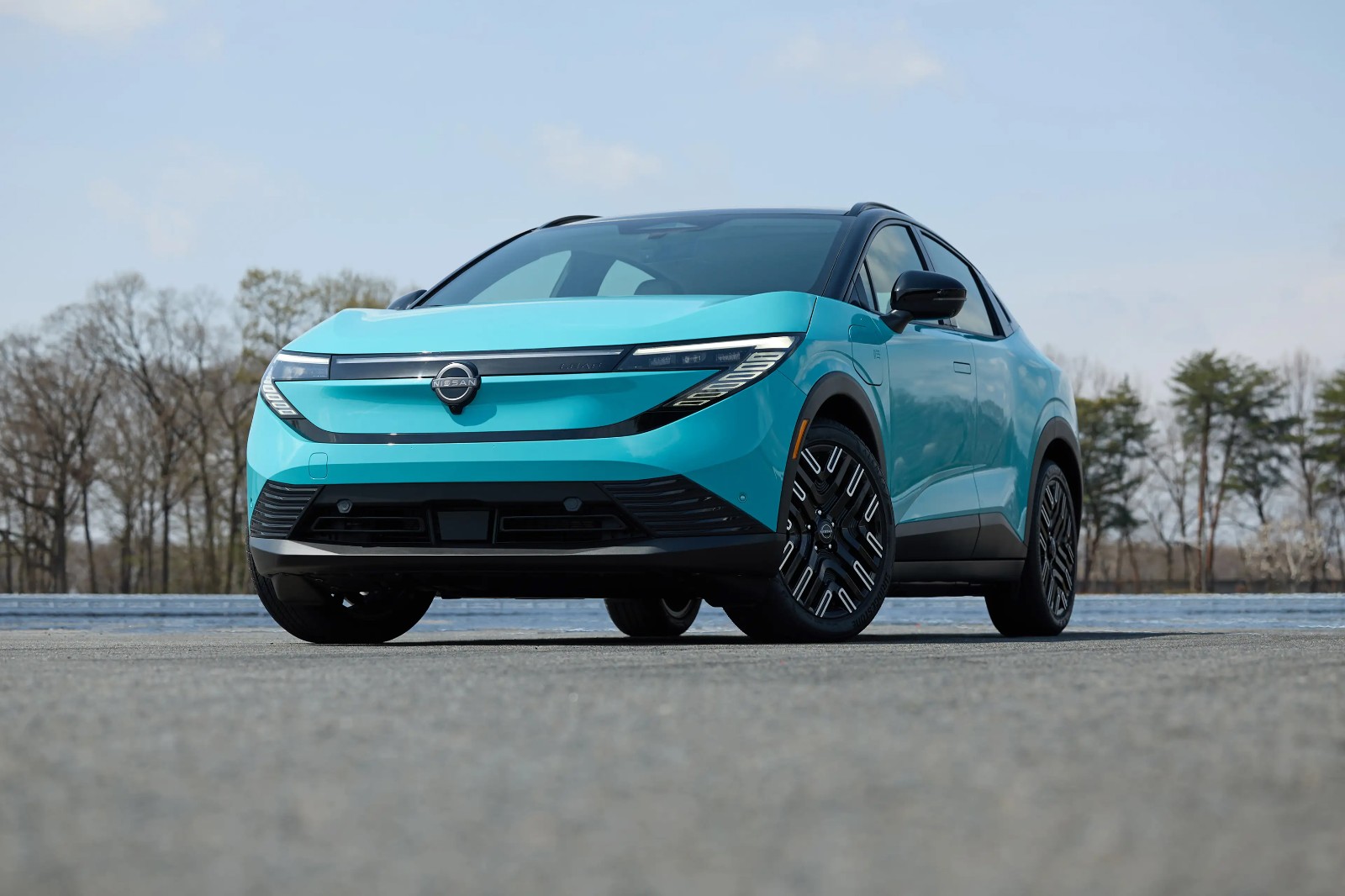
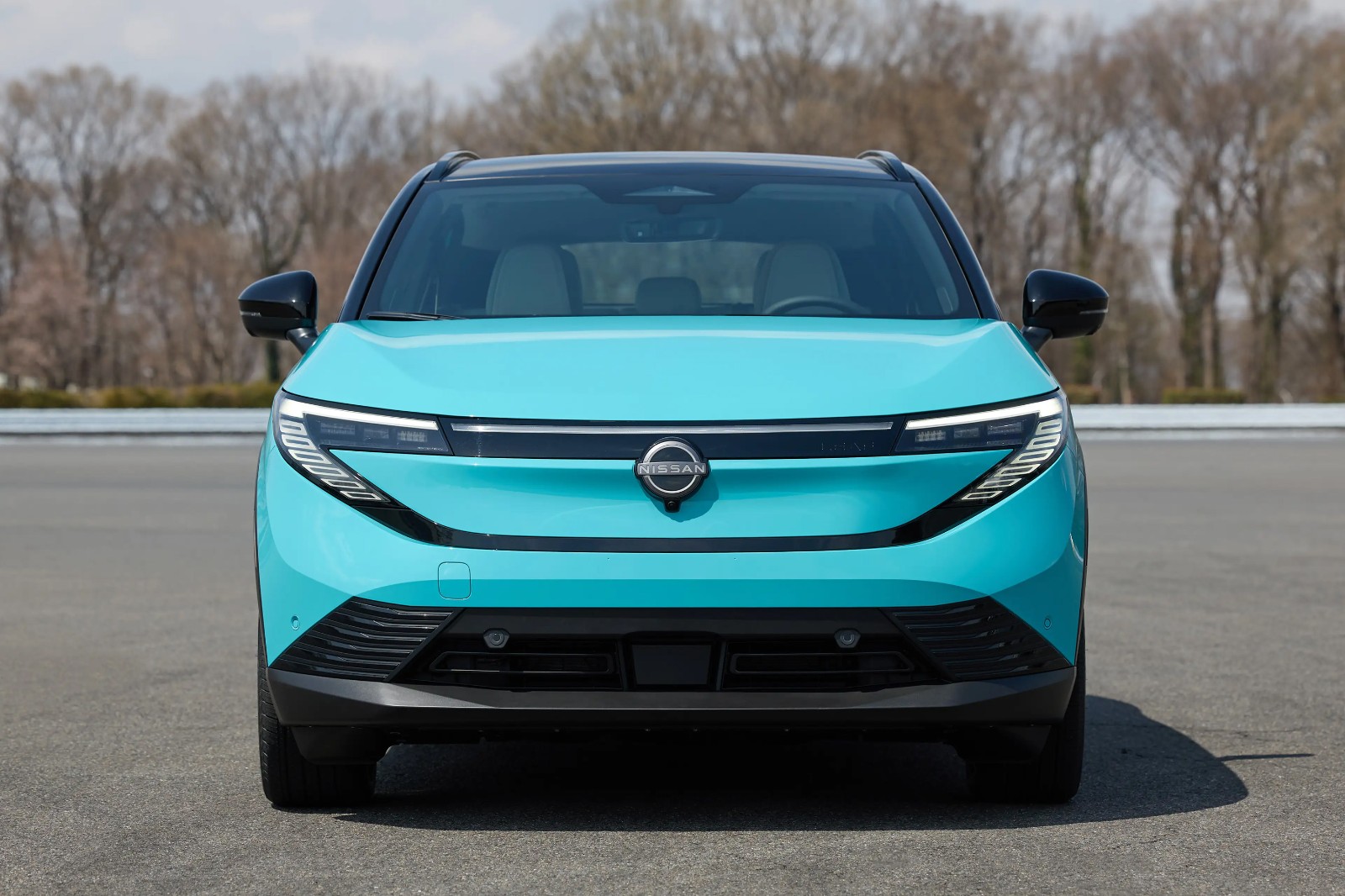
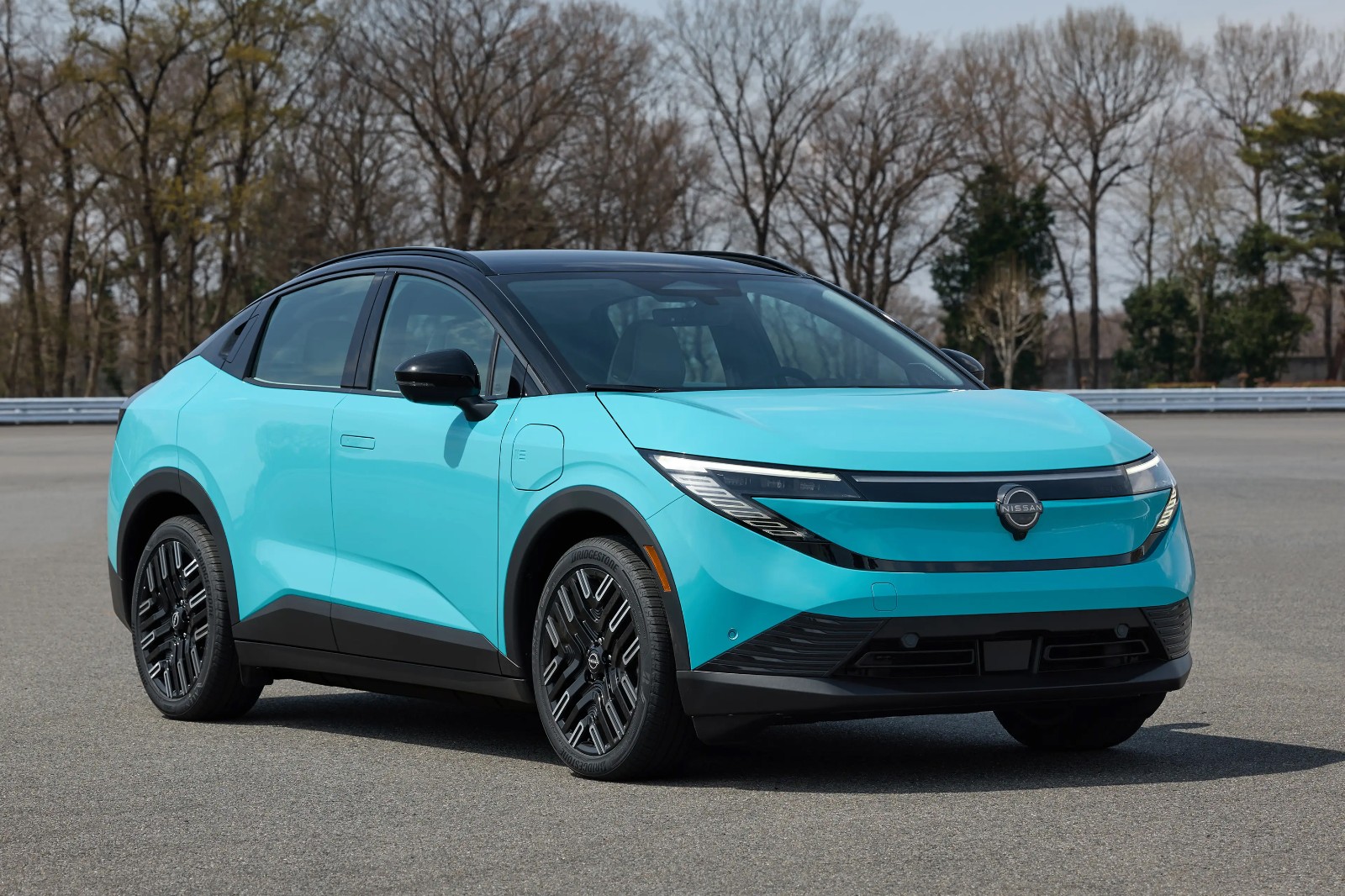
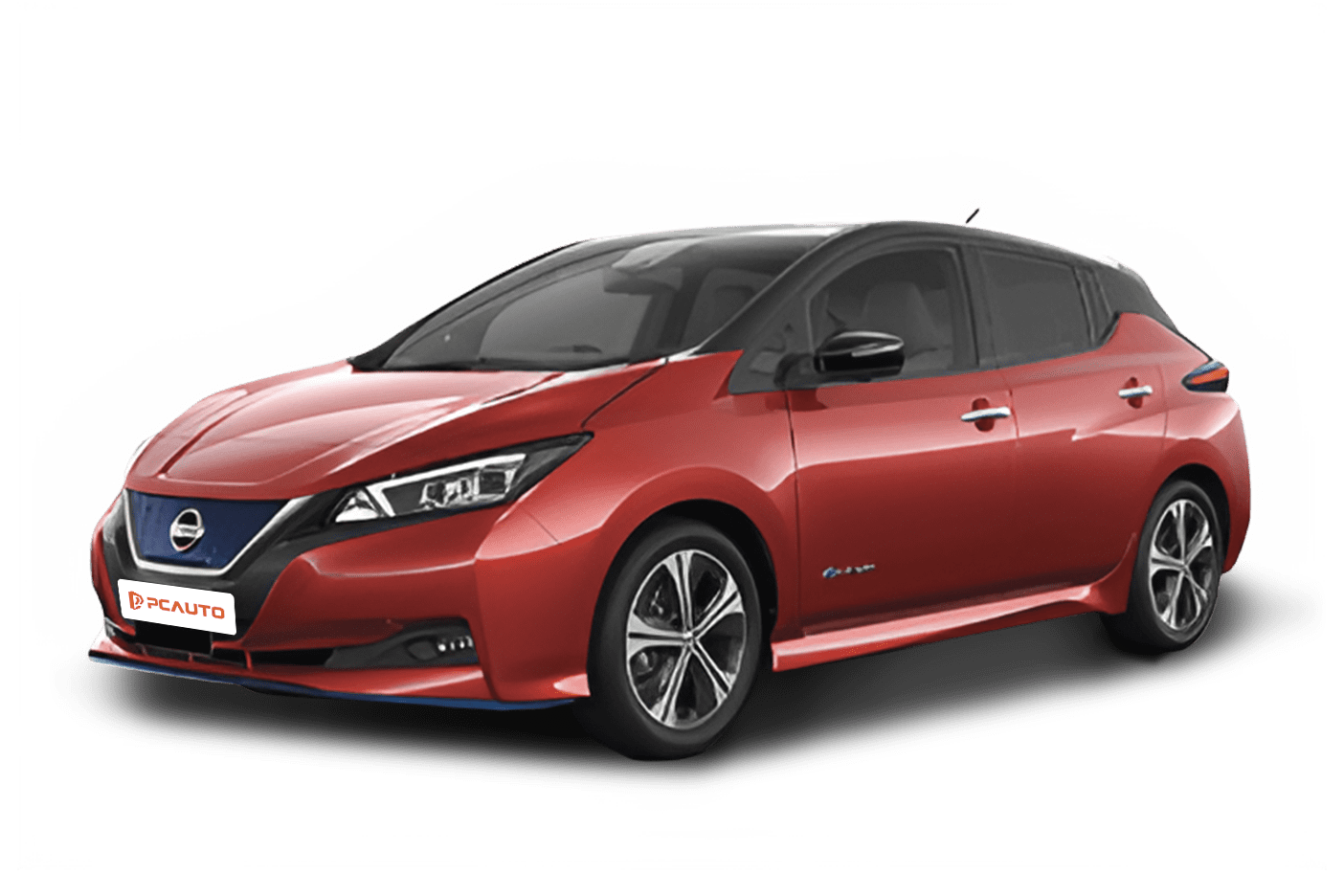
The exterior design changes of the 2026 Leaf are more in line with modern aesthetics. The front face eliminates the closed grille design of the old model and switches to a slim, full-width LED light strip. The headlights on both sides adopt a sharp polygonal design, offering high recognition when illuminated. A trapezoidal air inlet has been added to the lower front bumper, paired with black plastic surrounds for a sportier overall appearance. The side profile retains its smooth lines, with a waistline running from the front fender to the rear tightening the visual width, and 17-inch multi-spoke alloy wheels add a sharper look compared to the rounded design of the 2023 model. At the rear, the full-width taillights echo the front design, while a diffuser-style element has been added to the lower rear bumper to further enhance the technological feel of the new energy vehicle. The lighting system is equipped with LED light sources across all configurations, with the low beams supporting automatic switching. Nighttime illumination range and brightness performance are stable.
Opening the door, the upgrades in the interior are even more apparent compared to the exterior. The dashboard features a layered design, with the upper layer covered in soft-touch plastic materials and the lower layer using hard plastic, although the seams are consistently treated, resulting in a significantly improved overall texture compared to the 2023 model. The size of the central control screen has been upgraded from 7 inches to 10.25 inches and comes with Nissan's latest Nissan Connect intelligent system, supporting wireless connections for Apple CarPlay and Android Auto. The operation smoothness and response speed have been greatly improved. The instrument panel has also been replaced with a 12.3-inch all-digital display, allowing users to switch between various display modes such as range and power output for clear information readability. In terms of features, the driver's seat now includes electric adjustment functionality, and the front seats are equipped with heating modules. The single-zone automatic air conditioning system of the previous model has been replaced with a dual-zone automatic system. The rear now includes independent air conditioning vents and USB-C charging ports. Standard safety features such as blind-spot assistance, lane-keep assist, and active braking remain, while the newly added 360-degree panoramic camera enhances convenience during parking maneuvers.
In terms of body dimensions, the 2026 Leaf measures 4,350×1,810×1,550mm. Although its length has been reduced by 130mm compared to the 2023 model, the wheelbase remains at 2,690mm. During actual passenger tests, a person with a height of 175cm seated in the front row had a headroom of 1 fist and 2 fingers. In the rear row, there was approximately 2 fists of legroom and 1 fist of headroom, comfortably accommodating 4-5 people for short family trips. Regarding storage space, the trunk's standard capacity is 410L, which is slightly smaller than the 435L of the 2023 model. However, the rear seats can be folded down in a 6:4 ratio, expanding the space to 1,200L, making it easy to store strollers or suitcases. The center console armrest storage box has a moderate capacity, and the door panel storage slots can hold two 500ml bottles of mineral water, meeting the practicality expectations for a B-Segment vehicle.
Powertrain: The 2026 Leaf is equipped with a permanent magnet synchronous motor with a maximum output of 160kW and a peak torque of 355N·m, a significant improvement compared to the 110kW and 320N·m of the 2023 model. There are three driving modes available: Eco, Normal, and Sport. In Eco mode, power output is gentle, suitable for daily commuting. Normal mode offers a more direct acceleration response, with a 0-100km/h acceleration time of approximately 6.5 seconds, 1.4 seconds faster than the previous model. In Sport mode, the throttle pedal sensitivity is significantly enhanced, providing a noticeable push-back feeling when accelerating, and high-speed acceleration from 100-120km/h is responsive. The energy recovery system supports three levels of adjustment. In the highest setting, releasing the accelerator pedal creates a noticeable drag, approaching a single-pedal mode, suitable for users familiar with electric vehicles. In the lowest setting, it mimics the coasting feel of gasoline vehicles, making it easy for beginners to adapt.
In terms of handling and chassis performance, the new car still adopts a front MacPherson independent suspension and a rear torsion beam non-independent suspension combination, but the suspension tuning is stiffer compared to the 2023 model. On Malaysia's common asphalt roads, the chassis effectively filters out minor bumps. While passing over speed bumps or uneven road sections, the suspension quickly suppresses residual vibrations, keeping the body stable, though rear passengers may experience slight bouncing. The steering wheel offers moderate effort and improved precision compared to the previous model. Body roll during cornering is well-controlled, and at high speeds, the steering wheel has minimal free play, ensuring good stability. Additionally, the brake pedal is linearly calibrated, and braking force is distributed evenly, achieving a 100-0km/h braking distance of about 38 meters, which is in line with vehicles in the same class.
Range and energy consumption were key focuses of this test drive. The official WLTP-rated range is 604km. In our test on mixed Malaysian road conditions—urban areas (approximately 60%), highways (around 30%), and rural roads (about 10%)—with the air conditioning set to 24°C, Eco mode activated, and mid-level energy recovery, the vehicle achieved 485km after which the dashboard displayed a remaining range of 110km, yielding an estimated range achievement rate of about 82%, exceeding expectations. In terms of energy consumption, urban driving consumed approximately 12.5kWh/100km, while highway driving at a cruising speed of 110km/h consumed about 16.8kWh/100km, giving an overall average energy consumption of 14.2kWh/100km. Based on the electricity price for Malaysian households, the cost per kilometer is approximately 0.15 MYR, making it more economical than gasoline vehicles. For charging, a 150kW fast-charging station can charge the battery from 30% to 80% in 35 minutes, while a home 7kW slow charger takes 11 hours to fully charge, meeting daily charging needs.
Regarding driving comfort, the noise control performance of the new car is outstanding. In urban driving, road noise and wind noise are almost negligible. At a cruising speed of 120km/h on highways, there is a slight increase in wind noise near the A-pillar, but it does not interfere with conversations inside the vehicle. The seat cushioning is thicker than in the previous model, with enhanced side bolster support, reducing fatigue during long drives. The rear seatback angle is moderate, and the cushion length provides adequate thigh support, ensuring good comfort for short trips. Additionally, the air conditioning system cools quickly, and the dual-zone control feature caters to the different preferences of front and rear passengers, aligning with the comfort orientation of a family car.
In summary, the core advantages of the 2026 Nissan Leaf focus on three aspects: First, the ultra-long range and high-efficient mileage realization rate address users' range anxiety; second, the upgraded power significantly enhances the driving experience while retaining Nissan's consistent comfort; third, the upgraded intelligent features and interior quality narrow the gap with competitors in the same segment. Comparing with B-segment electric vehicles in the Malaysian market, such as the Honda e:N1 (range of 401km) and Hyundai Kona Electric (range of 484km), the 2026 Leaf offers better range performance and more outstanding power parameters. Although the price has not yet been announced, based on the pricing strategy of the 2023 model, it is expected to maintain a high cost-performance ratio.
In terms of application scenarios, the 2026 Leaf is more suitable for family users who value range and practicality—the 604km range can support short inter-state trips, the B-segment body size is convenient for city parking, and the abundant safety features and comfortable driving experience cater to daily commuting needs. At the same time, the improved performance can also attract young users who pursue driving pleasure. However, if users have higher requirements for rear space or frequently need to take long trips with a full load, they may need to consider a larger-class model.
In conclusion, the 2026 Nissan Leaf, with its comprehensive upgrades in range, power, and features, has redefined the range benchmark for B-segment electric vehicles, making it a practical choice that caters to both daily commuting and short trips.
Nissan Leaf Car Compare


Nissan Leaf Loan Calculator
More Nissan Reviews
Cars With Similar Price And Features

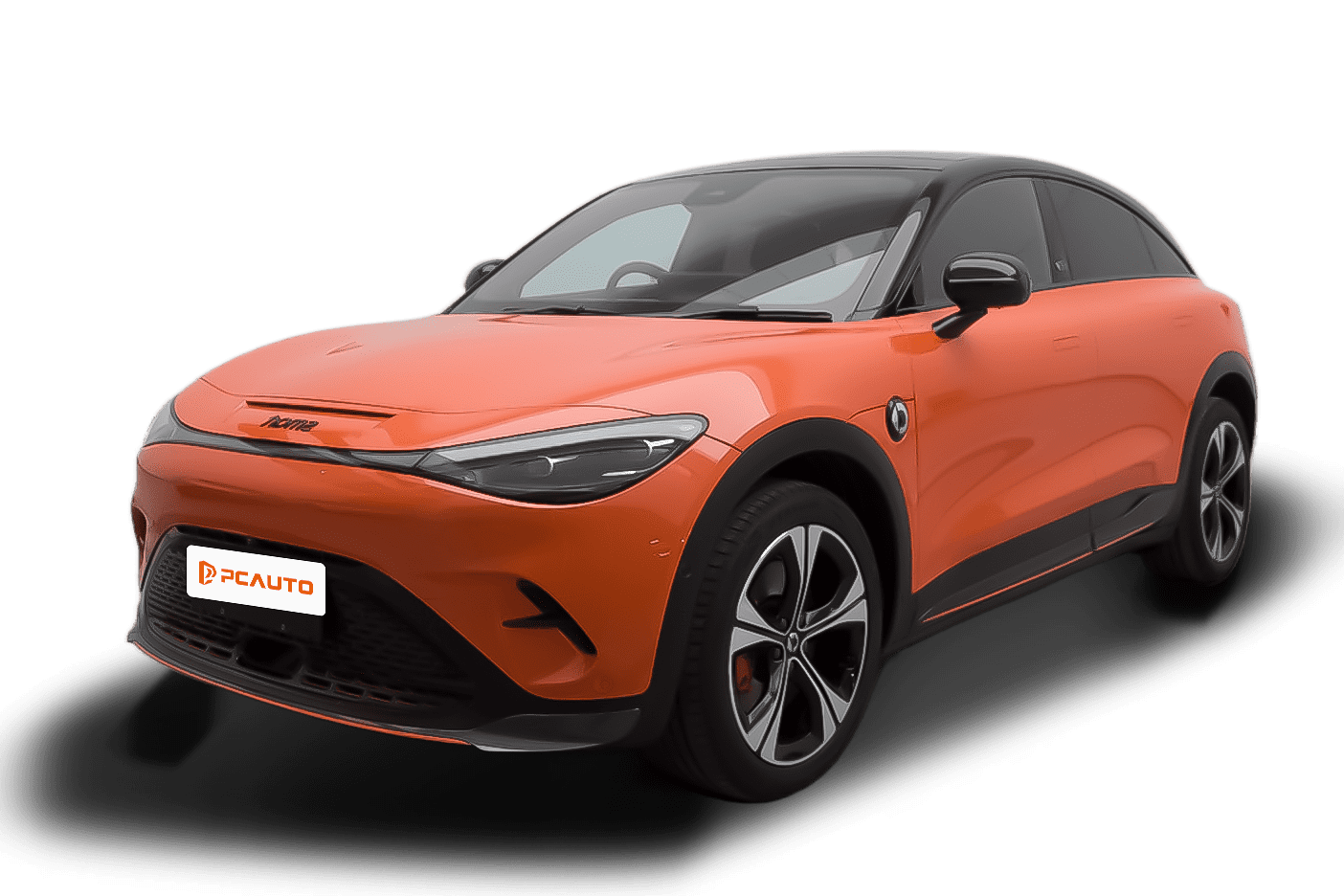
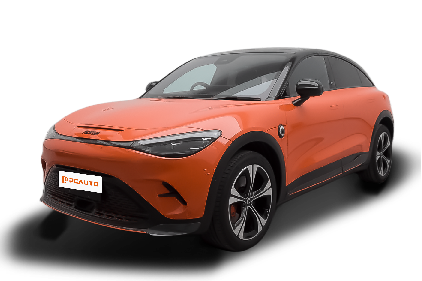
2024 Smart #3 Pro is positioned as a city compact electric coupe, offering 268PS rear-wheel drive, 7 airbags + full active safety suite, and a 12.8-inch screen at a price of RM175,000. It boasts outstanding value for money, balancing sportiness and practicality for family use.
14
Rank in Hatchback

2025 MINI Aceman JCW is a B-segment pure electric performance SUV, featuring a 190kW motor capable of 0-100 km/h in 6.4 seconds, with sporty exterior and interior design, balancing urban agility and family practicality.
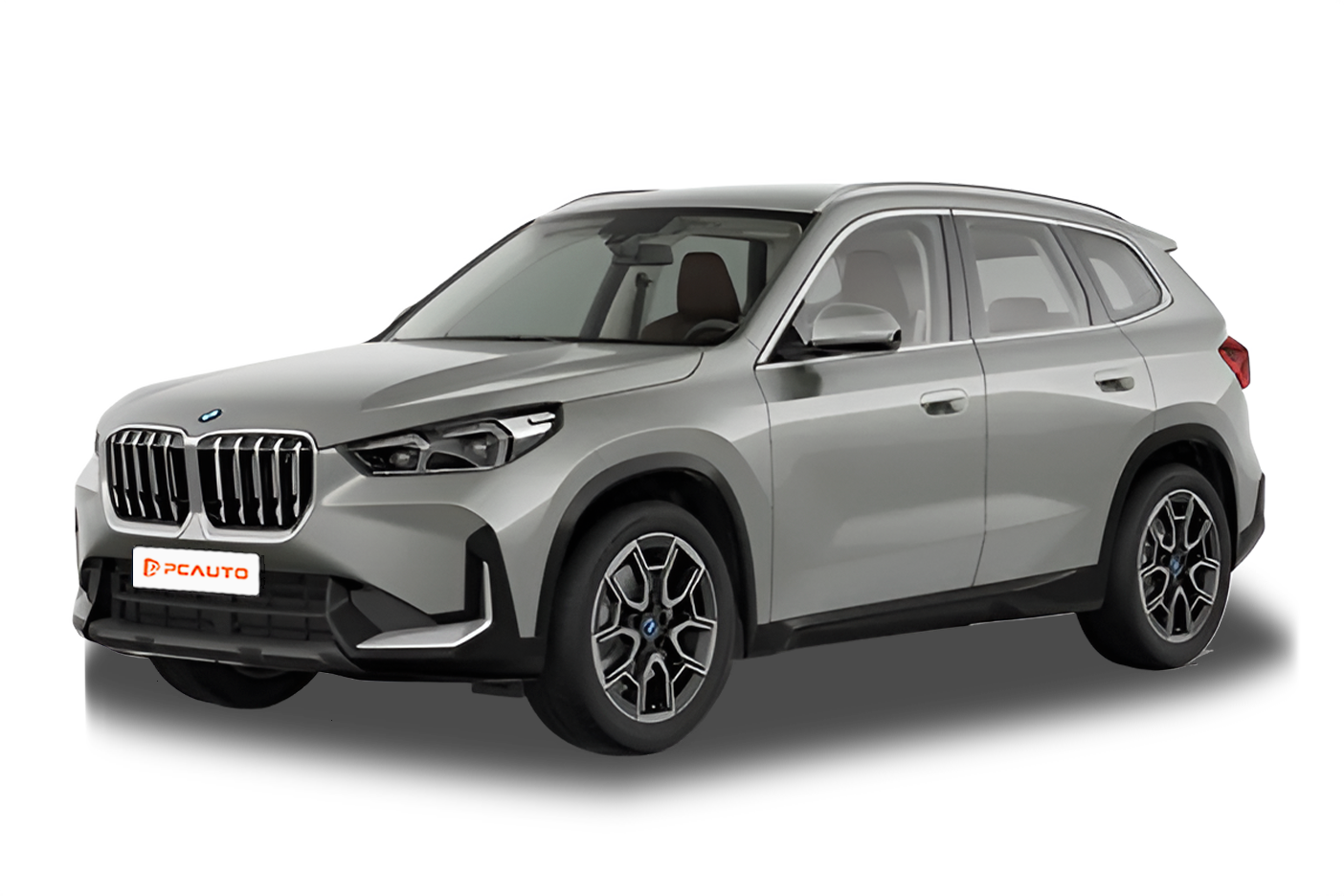
2024 BMW iX1 eDrive20 M Sport is a new choice for a C-Segment all-electric SUV, combining a 475km range, M Sport package, and BMW driving quality, suitable for consumers with a budget of 250,000 MYR.