

2025 Porsche Cayenne S E-Hybrid Review

 Share
Share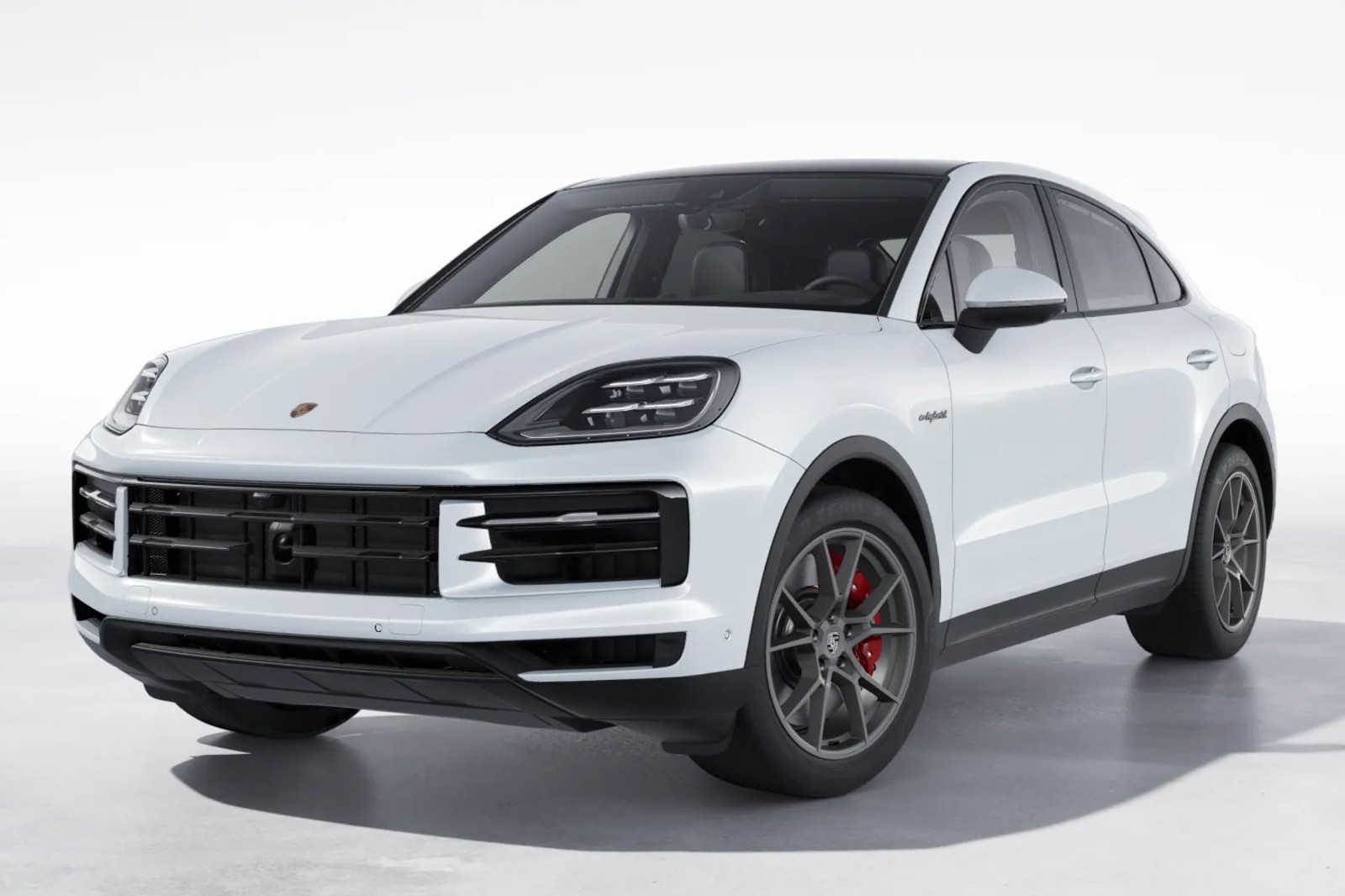
 Segment
 Body Type
 Capacity(L)
 Combined System Output(PS)
 EV Range(km)
 Driven Wheels
At the beginning of 2025, the luxury mid-size SUV market in the PHEV segment welcomes a new contender—Porsche Cayenne S E-Hybrid officially lands in the local market. The most eye-catching aspect of this vehicle is how it closely integrates Porsche's iconic performance DNA with the practicality of a plug-in hybrid: with an official electric-only range of 90 kilometers, it essentially covers daily commutes, while the combined 520 horsepower meets driving passion. Priced at RM728,000, it is more accessible than the purely fuel-driven high-performance versions of the same series. In this test drive, we focus on verifying its "balance between performance and practicality" to see if it truly meets both family car needs and the driving expectations of Porsche fans.
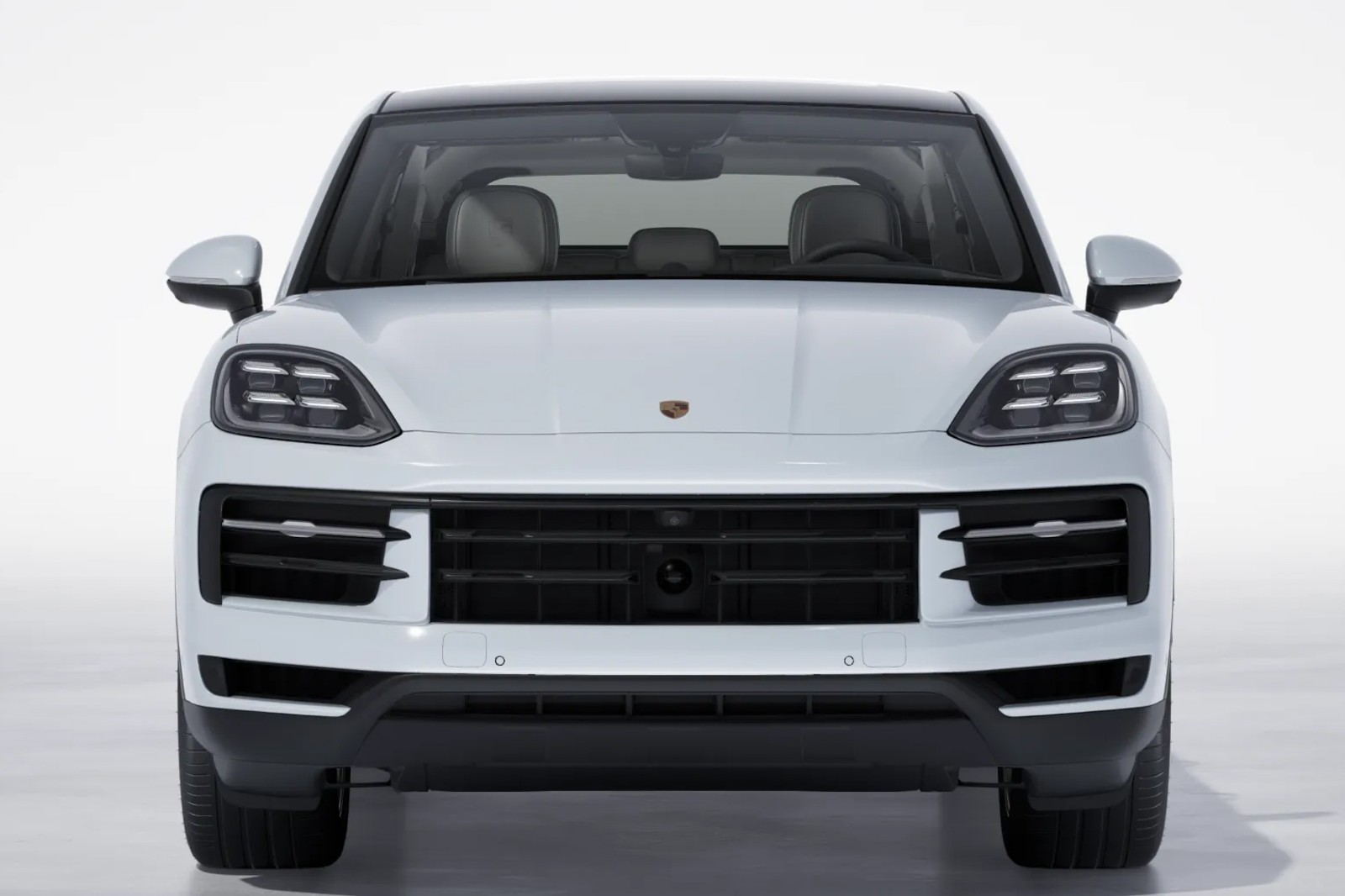
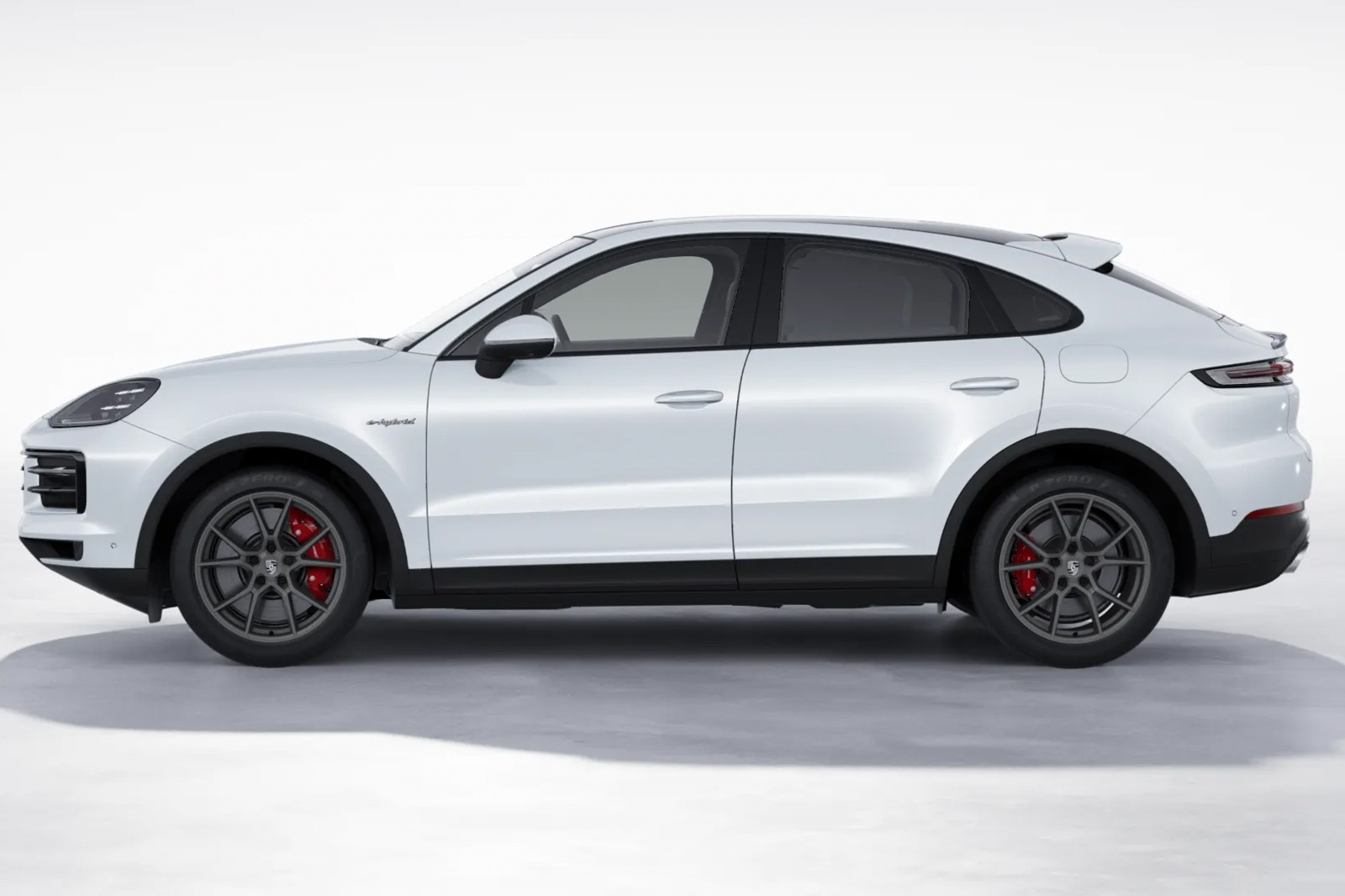
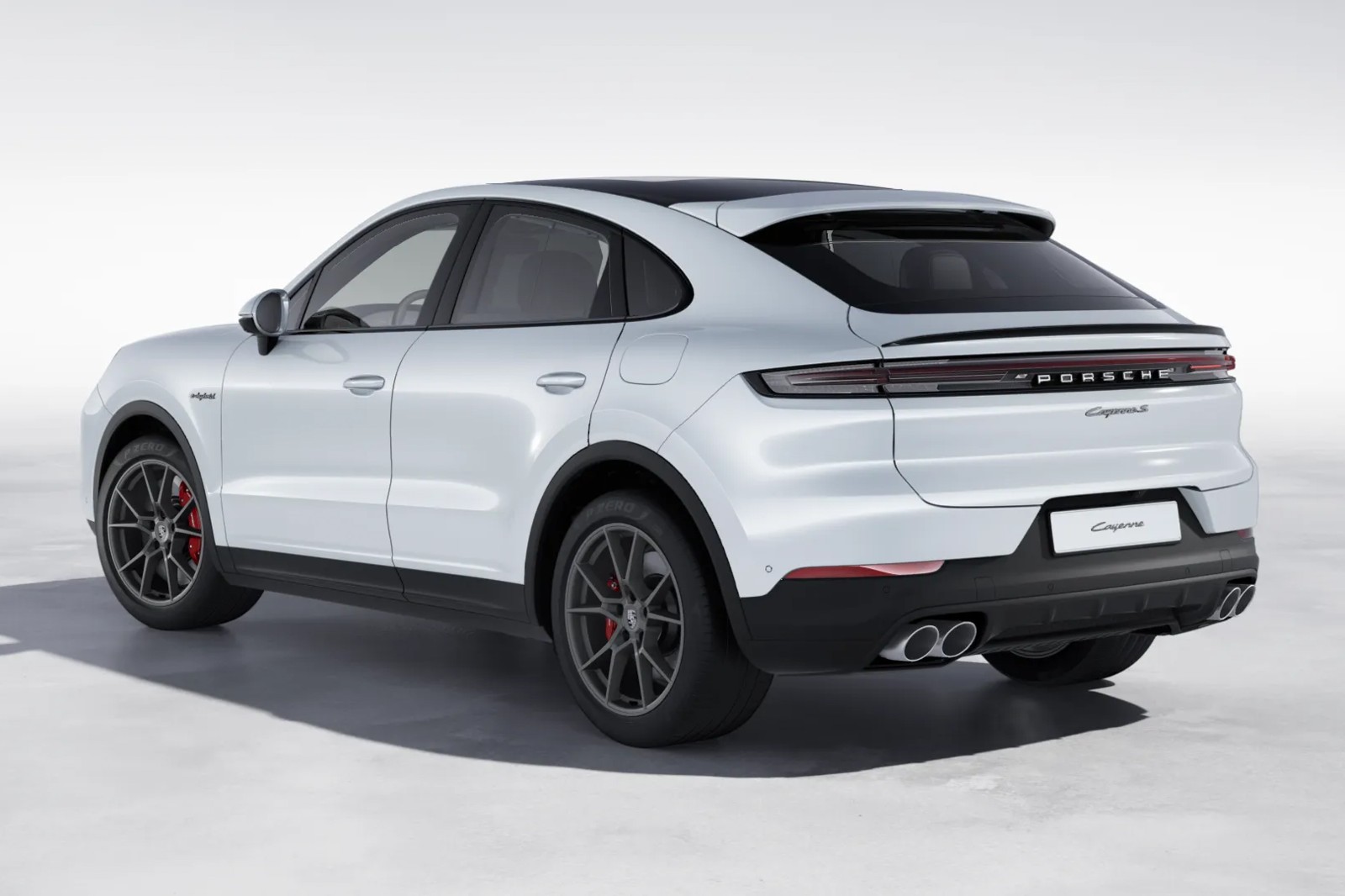
Starting with the exterior, the new Cayenne S E-Hybrid continues the family-style robust silhouette. Its 4,930 mm length and 2,895 mm wheelbase make it steady but not bulky in the D-segment. The LED headlights at the front have sharp designs, and the four-dot daytime running lights retain Porsche's recognizability. The chrome trim around the grille adds more refinement than the standard version. The side profile of the car features sleek lines, with 20-inch wheels and wide tires—275/45 R20 at the front and 305/40 R20 at the rear—enhancing its sporty stance while improving road grip. The rear LED taillights adopt a through-type design, visually extending the width when illuminated. The twin dual-exhaust layout under the rear bumper subtly hints at its performance potential. The overall design does not overdo flamboyance, but the sporty elements in the details are enough for car enthusiasts to identify it at a glance.
Entering the interior, the luxurious and technological feel is apparent. A 12.6-inch curved dashboard replaces the traditional analog dials, providing clear and customizable information. The paddle shifters and multi-function buttons on the steering wheel are within easy reach. Although the manually adjustable steering wheel lacks the convenience of electric adjustment, the feedback force aligns with the settings of a sports vehicle. The 12.3-inch central touchscreen is responsive, featuring a system that supports CarPlay and Android Auto with an intuitive operation logic. Regarding materials, the seats and inside of the door panels are wrapped in soft leather, ensuring the necessary sense of delicacy. In terms of configurations, the front seats support electric adjustment, while the four-zone climate control allows both front and rear passengers to adjust the temperature individually. The standard 14-speaker Bose sound system delivers above-average audio quality. For storage space, the door panel compartments can fit two large water bottles, the center armrest box is sufficiently deep, and the rear central armrest comes with cup holders—all offering convenient locations for daily essentials.
The space performance meets family needs. After adjusting the front driver's seat to a suitable position, a passenger measuring 175 cm still has a one-fist-two-finger gap of headroom and ample legroom. A similarly tall passenger in the rear can have two fists of legroom and one fist of headroom, and it isn't overly cramped even with three people seated. The trunk space has a capacity of 404 liters, sufficient for accommodating two 28-inch suitcases plus several backpacks. The rear seats can be folded down in a split configuration, enabling it to handle the transportation of larger items. Noteworthy is the standard rear-seat side airbags and head curtains. Combined with a total of eight airbags throughout the vehicle, the safety features are generously equipped.
The dynamic aspect is the core highlight of this car. The power system consists of a 3.0T V6 turbocharged engine and a rear-mounted single electric motor, delivering a combined output of 520 horsepower and 750 Nm of torque, paired with an 8AT gearbox and all-wheel drive. In pure electric mode, the 177-horsepower motor isn't particularly quick when pushing the 2.4-ton body, but the start is smooth. The 90-kilometer pure electric range is generally sufficient for city commuting—our testing showed it could achieve about 82 kilometers for daily use (air conditioning at 24°C, congested urban roads), with an achievement rate of nearly 90%. It takes 8 hours to fully charge the 25.9kWh battery with slow charging, which can be easily handled with a home charging station. Switching to sport mode, the engine engages quickly, throttle response becomes aggressive, and the official 0-100km/h acceleration time of 4.7 seconds is not just a gimmick. During overtaking, stepping hard on the accelerator results in decisive downshifting from the gearbox. The push-back sensation is continuous and linear, more in line with the driving habits of fuel-powered performance cars rather than the abrupt bursts of pure electric vehicles.
Handling and chassis performance remain Porsche's strong suit. The multi-link independent suspension at the front and rear provides excellent support in sport mode, with minimal body roll during cornering, precision steering, and very little play, allowing clear feedback from the road. Even when switched to comfort mode, the suspension filters out most small vibrations, and there’s no harsh impact when going over speed bumps, achieving a balance between sportiness and daily comfort. The all-wheel-drive system performs steadily on slippery roads, preventing tire slippage during starts and acceleration. As for braking, the ventilated discs at both the front and rear provide linear feedback. The initial phase isn't too soft, and during emergency braking, the vehicle maintains stability, delivering a strong sense of security.
In terms of specific tests, the pure electric range achieved 85 kilometers under mixed road conditions, with a 94% achievement rate, which exceeded expectations. The fuel consumption in depleted battery mode is about 9.5L/100km, which is reasonable for a performance SUV of this class. Noise control is done well; in pure electric mode, the motor noise is virtually inaudible, and at a highway cruising speed of 120km/h, wind and tire noise are kept within an acceptable range, not affecting in-car conversations. The regenerative braking has three adjustable levels, with the highest level offering a drag effect close to the braking power of a fuel car, while the lowest feels more like coasting. Once accustomed to it, brake usage is reduced, improving the range.
To summarize, the core advantages of the 2025 Cayenne S E-Hybrid are clear: First, the balance between performance and practicality—pure electric range covers daily use, and the combined power satisfies driving enjoyment. Second, it is well-equipped, with safety and comfort features as standard, leaving little need for additional options. Third, Porsche's brand and handling genes provide a driving texture superior to other luxury plug-in hybrid SUVs in the same price range. Compared to peers like the BMW X5 xDrive45e or Mercedes-Benz GLE 400 e, it offers stronger combined power, longer pure electric range, and relatively competitive pricing.
This car is suitable for two groups of people: one is middle-class families who value practicality but don’t want to give up driving enjoyment—pure electric commuting saves costs, it has enough space for weekend family trips, and it can satisfy occasional spirited driving. The other group is young Porsche enthusiasts—those who cannot afford the Turbo version but still desire performance and brand value will find the PHEV version to be a compromise without concessions.
Overall, the 2025 Porsche Cayenne S E-Hybrid has no obvious weaknesses. It achieves top-tier levels of luxury, performance, and practicality among its class, making it a well-rounded luxury PHEV SUV. If you're looking for a luxury vehicle that is suitable for daily commuting and can occasionally let you experience speed, it’s worth adding to your shortlist.
Porsche Cayenne Loan Calculator
More Porsche Reviews
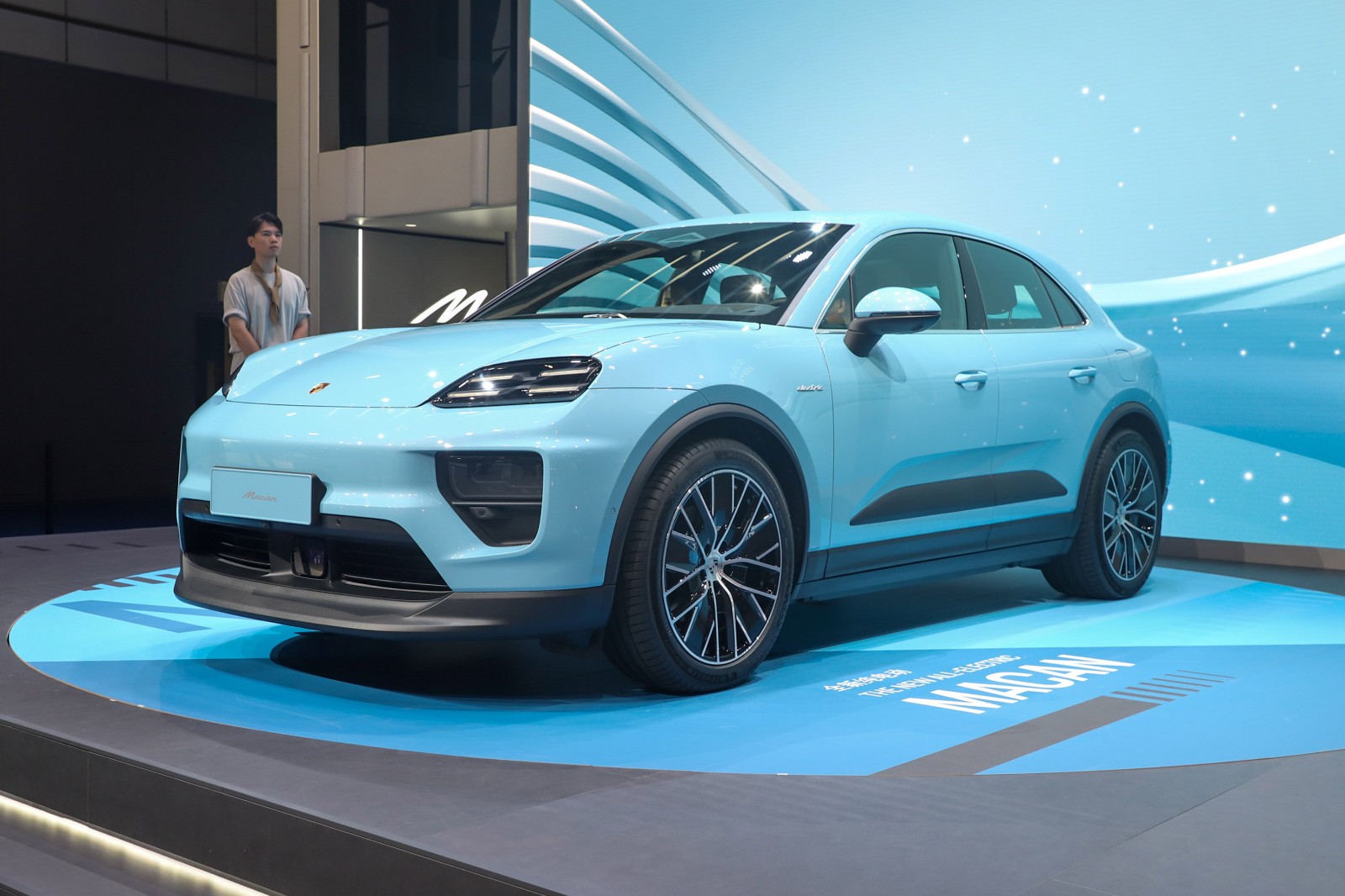
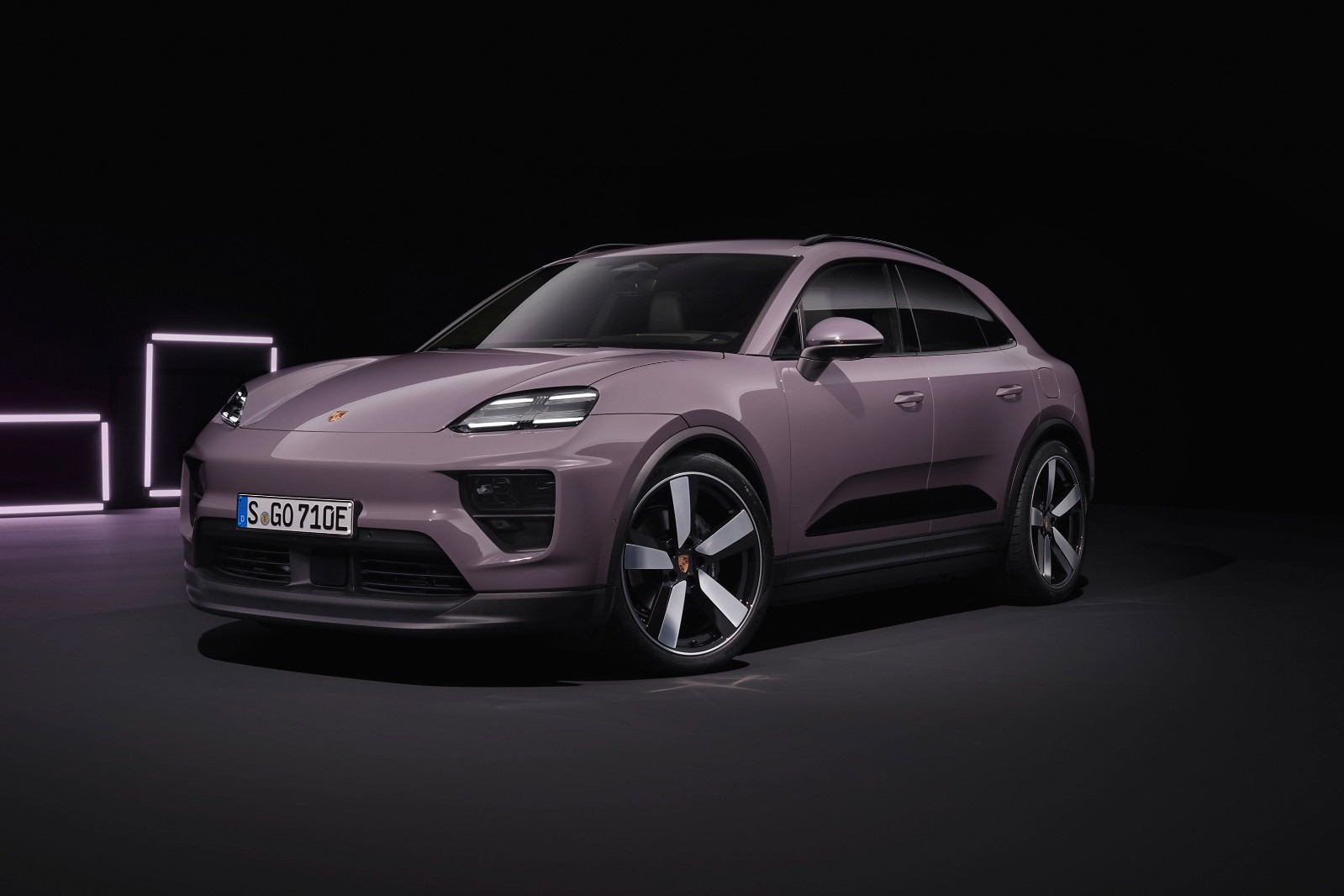
Cars With Similar Price And Features
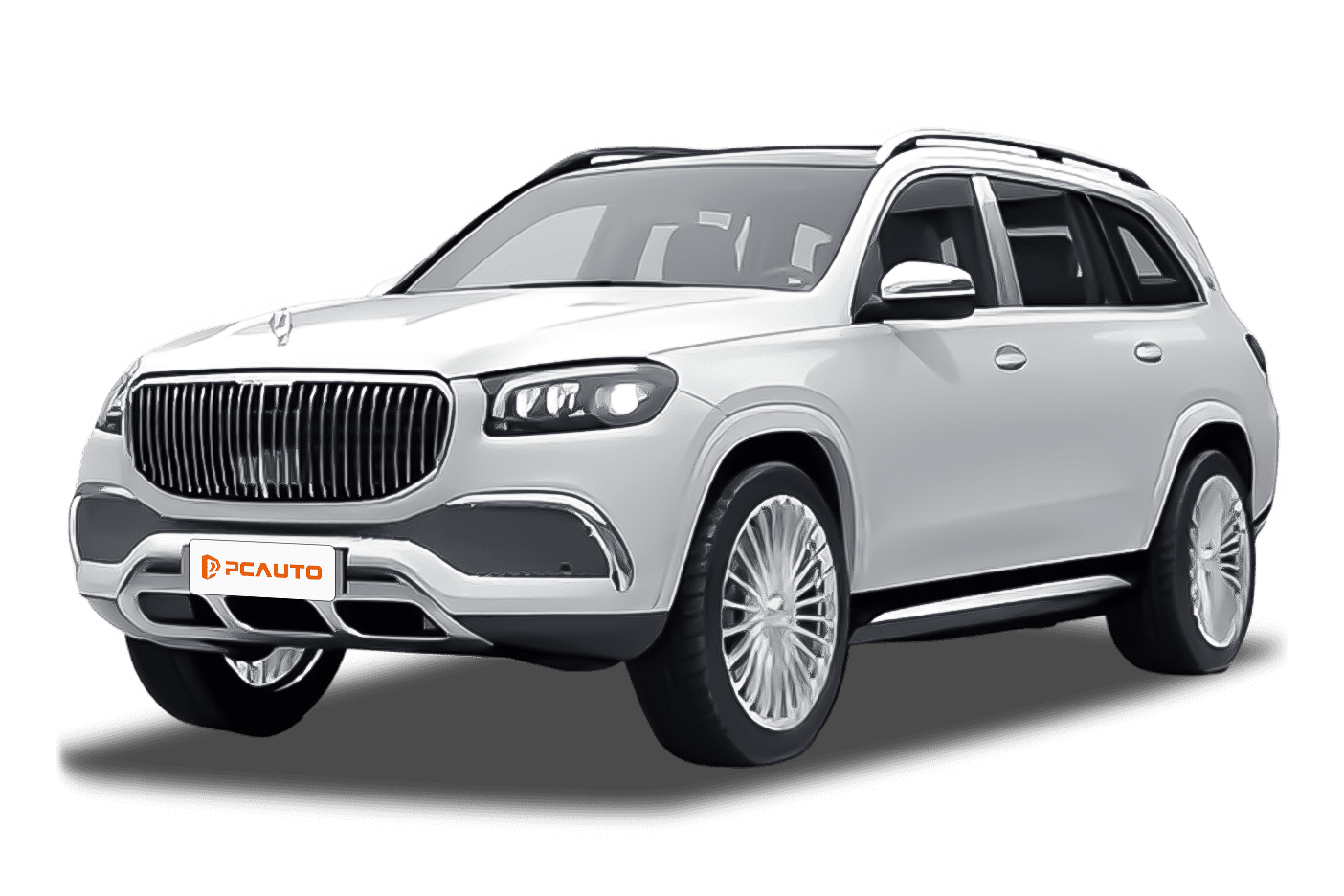
2024 Mercedes-Benz Maybach GLS 600 4MATIC, as a benchmark for million-level luxury SUVs, continues its noble status as a "mobile palace" with a first-class rear-seat experience, V8 power, and refined texture.
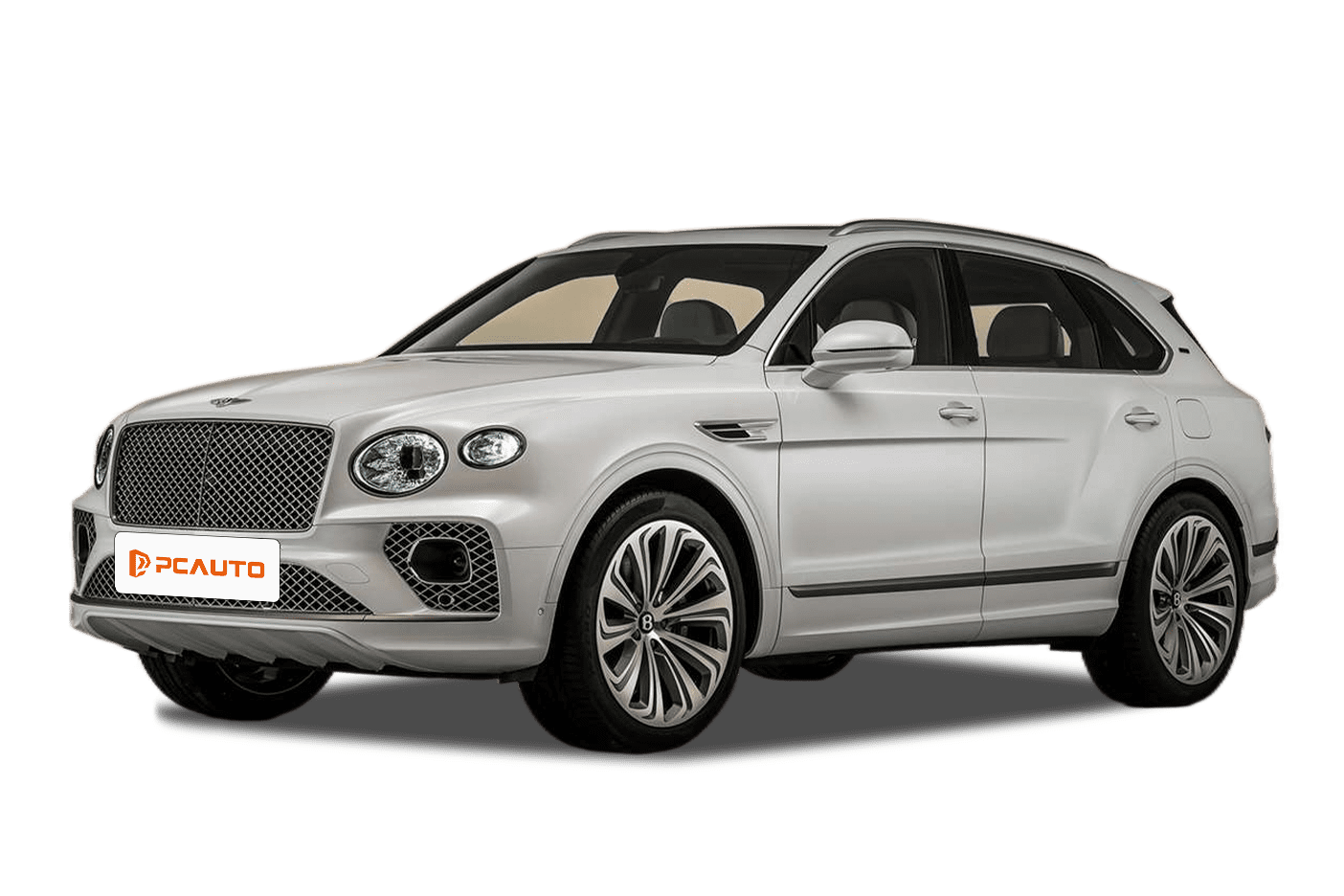
2025 Bentley Bentayga Speed is a top luxury SUV that combines 650 horsepower performance (0-100 km/h in 3.6 seconds) with luxurious refinement, defining a new benchmark for luxury performance with exclusive sporty design and handcrafted interiors.