

Audi A4 1999 Review

 Share
Share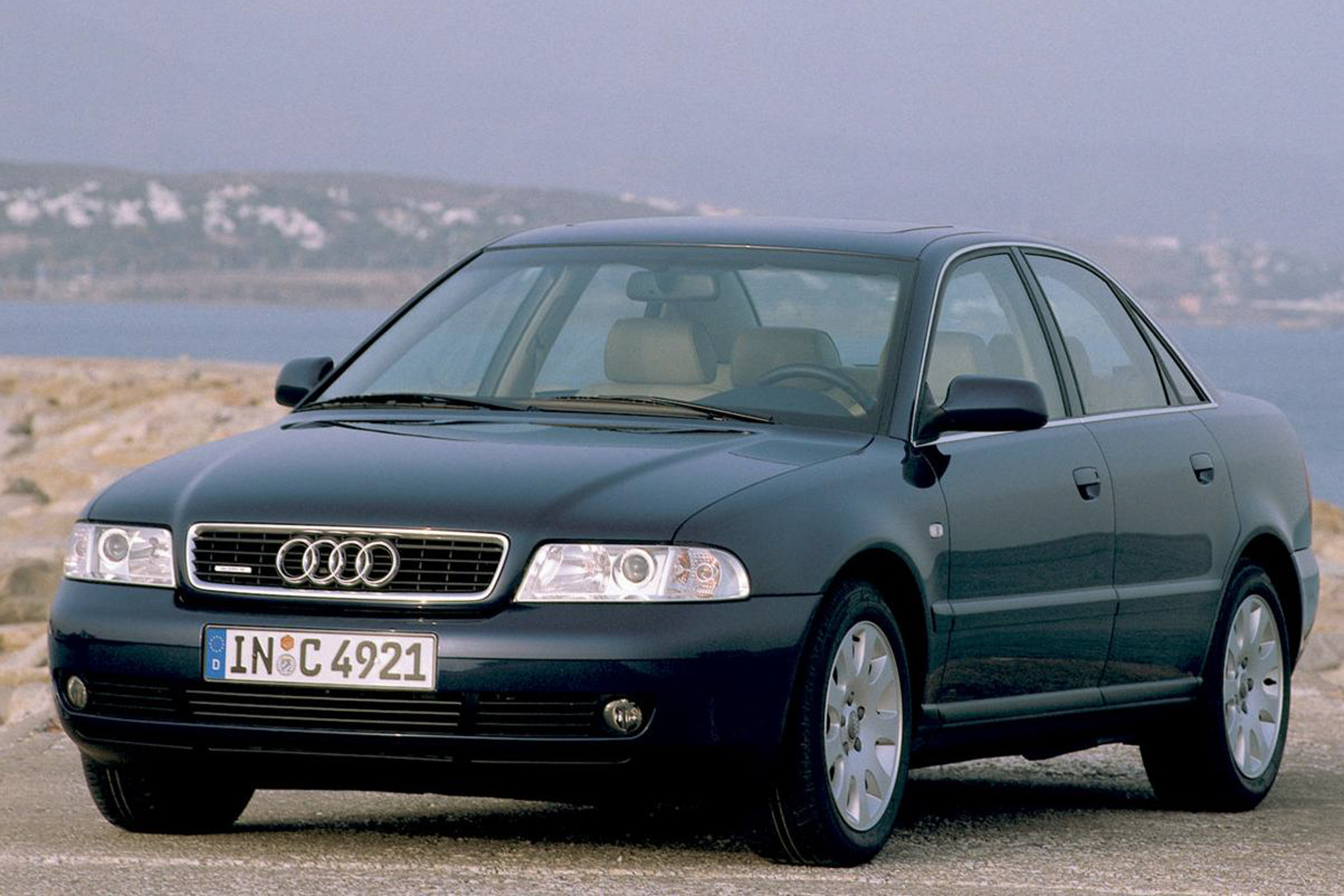
 Body Type
 Segment
 Capacity(L)
 Engine Power(PS)
 Engine Torque(Nm)
 Transmission
Entering the Malaysian mid-size sedan market before the new millennium, German brands carved out a niche with their solid build quality and driving dynamics, and the 1999 Audi A4 public is a typical representative of this period. As a mid-facelift model on the B5 platform, it not only continued the sporty genes of the first-generation A4 but also optimized details to enhance practicality for household use. This time, we got our hands on a well-maintained 1999 A4 public, with the main goal of testing whether it can still meet classic car enthusiasts' expectations for "German balance" even after more than 20 years, while also recreating its product strength as a mainstream mid-size sedan of its time.
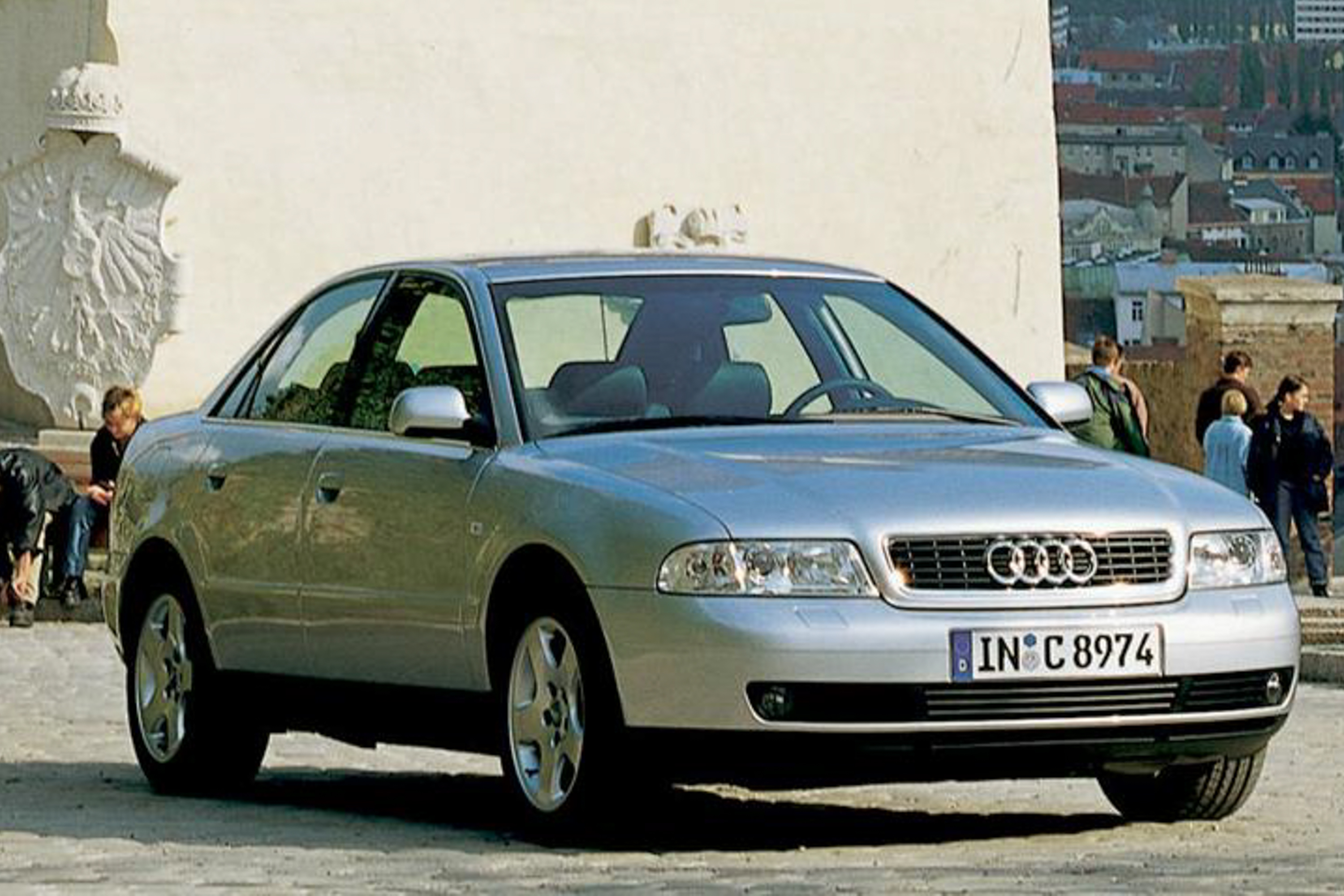
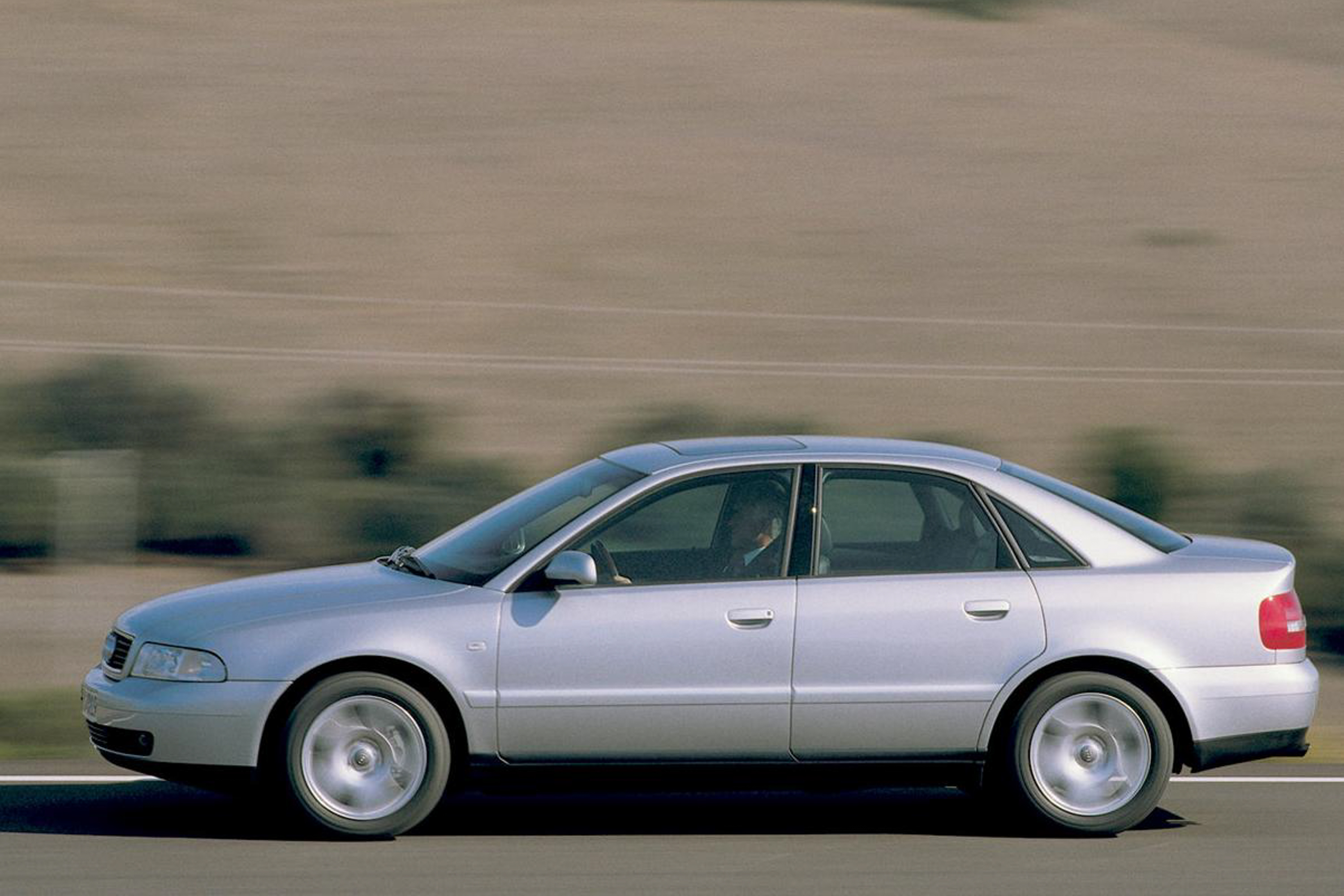
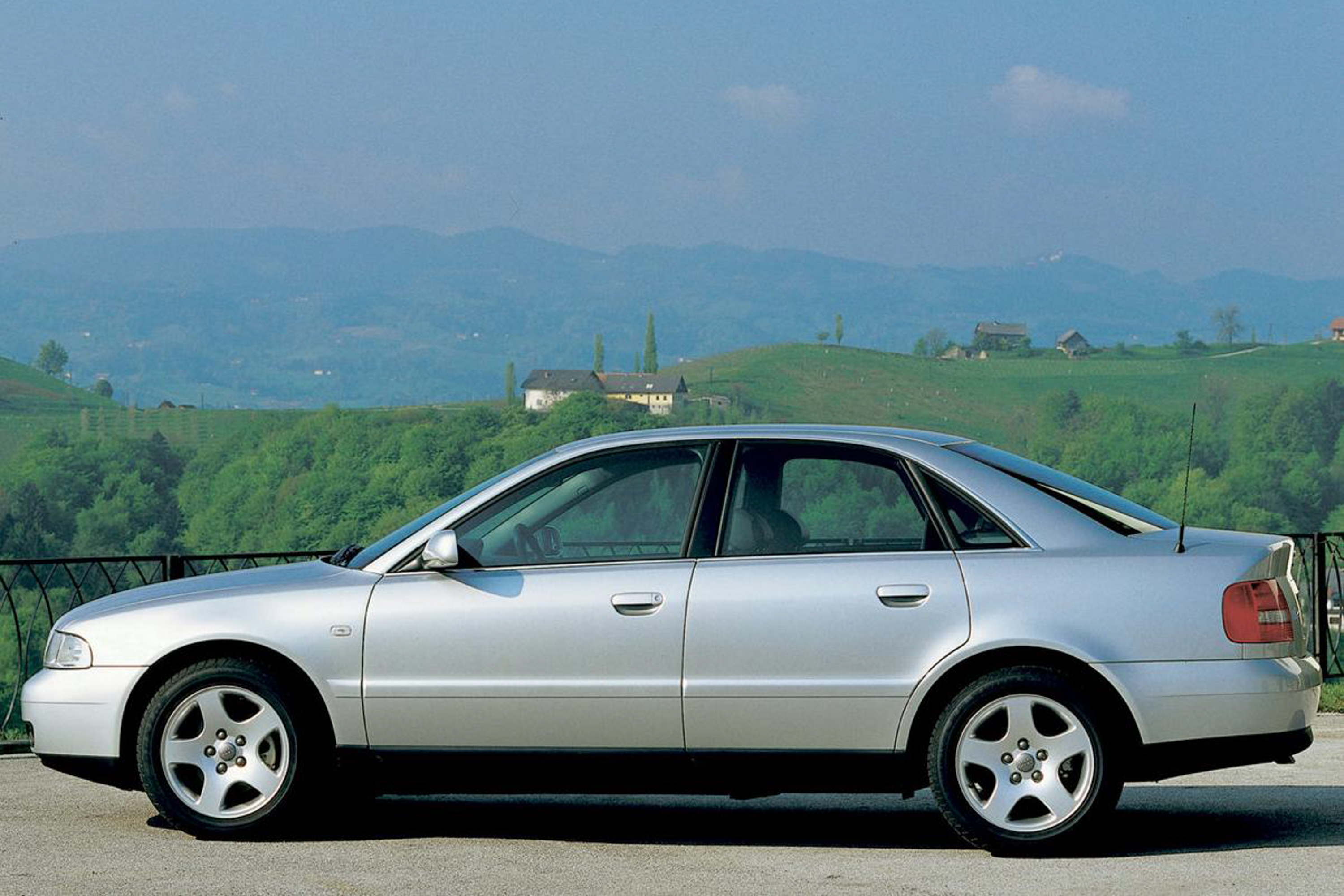
In terms of appearance, the 1999 A4 public retains the compact and dynamic lines of the B5 platform. The front end features Audi's signature trapezoidal grille filled with horizontal chrome strips, flanked by sharply shaped rectangular halogen headlights, which made it quite distinctive among mid-size sedans of its time. The lower part of the front bumper incorporates a three-segment air intake design, with a trapezoidal main air intake in the middle and slim auxiliary intakes on both sides, subtly hinting at a sporty character. The sides of the body have smooth lines, with a waistline extending from the front fender through the door handles to the rear, complemented by 15-inch multi-spoke alloy wheels (16-inch options were available on some models). The overall proportions are harmonious, with no unnecessary embellishments. At the rear, the horizontally arranged taillights echo the front headlights, while the Audi four-ring logo is embedded in the center of the trunk lid. Below, the bumper integrates a hidden exhaust pipe, resulting in a clean and timeless design that still looks contemporary today. For the lighting system, halogen headlights and taillights come standard across all models, with fog lights available as an option on higher trims. Nighttime illumination is moderate but aligns with industry standards at the time.
Opening the doors reveals the pervasive sense of German precision inside the cabin. The dashboard adopts a dual-tone color scheme with a dark upper section made of hard plastic and a shallow beige lower section made of soft-touch materials. Although modern screens and intelligent features are absent, the materials feel solid and the panel gaps are uniform. The three-spoke steering wheel features integrated volume controls and call buttons (on higher trims) on the left side, offering a full grip and moderate feedback during steering. The instrument cluster features a classic dual-dial design, with a tachometer on the left, a speedometer on the right, and a monochrome display in the center showing fuel level, water temperature, mileage, and other basic information, which is clear and intuitive. The center console is designed with a simple layout, including a single-disc CD player at the top (early models featured a cassette option) and a manual air-conditioning control area in the middle. The knobs and buttons have a solid feel with clear operational logic, making it easy for even beginners to quickly master. For seating, fabric seats come standard across all models, with leather seats available as an option on higher trims. The front seats offer manual adjustments (including forward/backward, height, and backrest angle), with decent side support that ensures comfortable long drives. The rear seats provide ample cushion length, offering about two fists of legroom for passengers around 175 cm tall and one fist of headroom, making it suitable for daily family use. For storage, the door panel compartments can hold two bottles of water, the central armrest box is deep enough to store items like phones and wallets, and the trunk has a capacity of 440L, which can be expanded to 820L with the rear seats folded down, providing above-average practicality for the class at the time.
Powertrain-wise, the 1999 A4 public offers multiple engine options. The version we tested is equipped with a 1.8T turbocharged engine, delivering a maximum power of 150 horsepower and a peak torque of 210N·m, paired with a 5-speed manual transmission (some models offer a 4-speed automatic as an option). During actual driving, the turbo engagement at the start is not too abrupt, and you can feel noticeable power output at around 1500 rpm. The acceleration smoothness is commendable; the mid-range acceleration (60-120km/h) performance is impressive, with power readily available when stepping on the gas pedal, giving you great confidence when overtaking. In terms of driving modes, although there weren’t multiple modes like today, the gear ratio of the transmission is tuned to balance both power and fuel efficiency. For regular commutes, engaging 3rd or 4th gear is sufficient to handle most road conditions. On the handling side, the A4 public’s chassis uses a front MacPherson strut and rear multi-link independent suspension, with a tuning bias towards sportiness. The steering is precise with minimal play, and body roll is well-controlled during cornering, inspiring confidence. When navigating bumpy roads, the suspension effectively filters out most small vibrations, although rear passengers will feel noticeable jolts when going over speed bumps or large potholes. This was a common characteristic of sporty mid-size cars at the time. Regarding fuel consumption, our tests on urban roads (a mix of heavy and light traffic) showed a consumption of approximately 10 liters per 100 kilometers, dropping to about 7.5 liters per 100 kilometers on highways. For a turbocharged engine over 20 years old, this performance is acceptable.
In terms of ride comfort, the 1999 A4 public has both strengths and weaknesses. For noise control, engine noise at idle is minimal, but wind and tire noise become more noticeable inside the cabin once speeds exceed 100km/h. However, this was within normal levels for vehicles in its class at the time. Seat comfort is quite good; the cloth seats are more breathable than leather ones, making long journeys less stuffy. It's worth noting that the chassis of this A4 public remains very rigid despite years of use, showing the solid build quality typical of German cars and retaining the sense of sturdiness.
In summary, the 1999 Audi A4 public stands out for its balanced product strength—it combines sporty handling with practical usability, while solid craftsmanship and timeless design continue to make it attractive over 20 years later. Compared to its competitors of the time (such as the BMW 3 Series E46 and Mercedes-Benz C-Class W203), the A4 public’s advantages included its more affordable pricing and more balanced tuning, making it suitable both for young enthusiasts chasing driving pleasure and families needing a reliable daily driver. For classic car enthusiasts today, the 1999 A4 public is a solid choice: its maintenance parts are relatively easy to find, it has great modification potential, and it lets you experience the original driving feel of the first-generation A4. If you're a fan of classic German cars, seek balanced performance, and don't mind the maintenance costs of older vehicles, the 1999 A4 public is worth considering.
Overall, the 1999 Audi A4 public is a well-rounded mid-size car that has no significant weaknesses. With its solid mechanical quality and timeless design, it perfectly showcases the charm of pre-millennium German cars. Even today, it can still meet the needs of daily commuting and occasional driving enjoyment, making it a noteworthy presence in the classic car market.
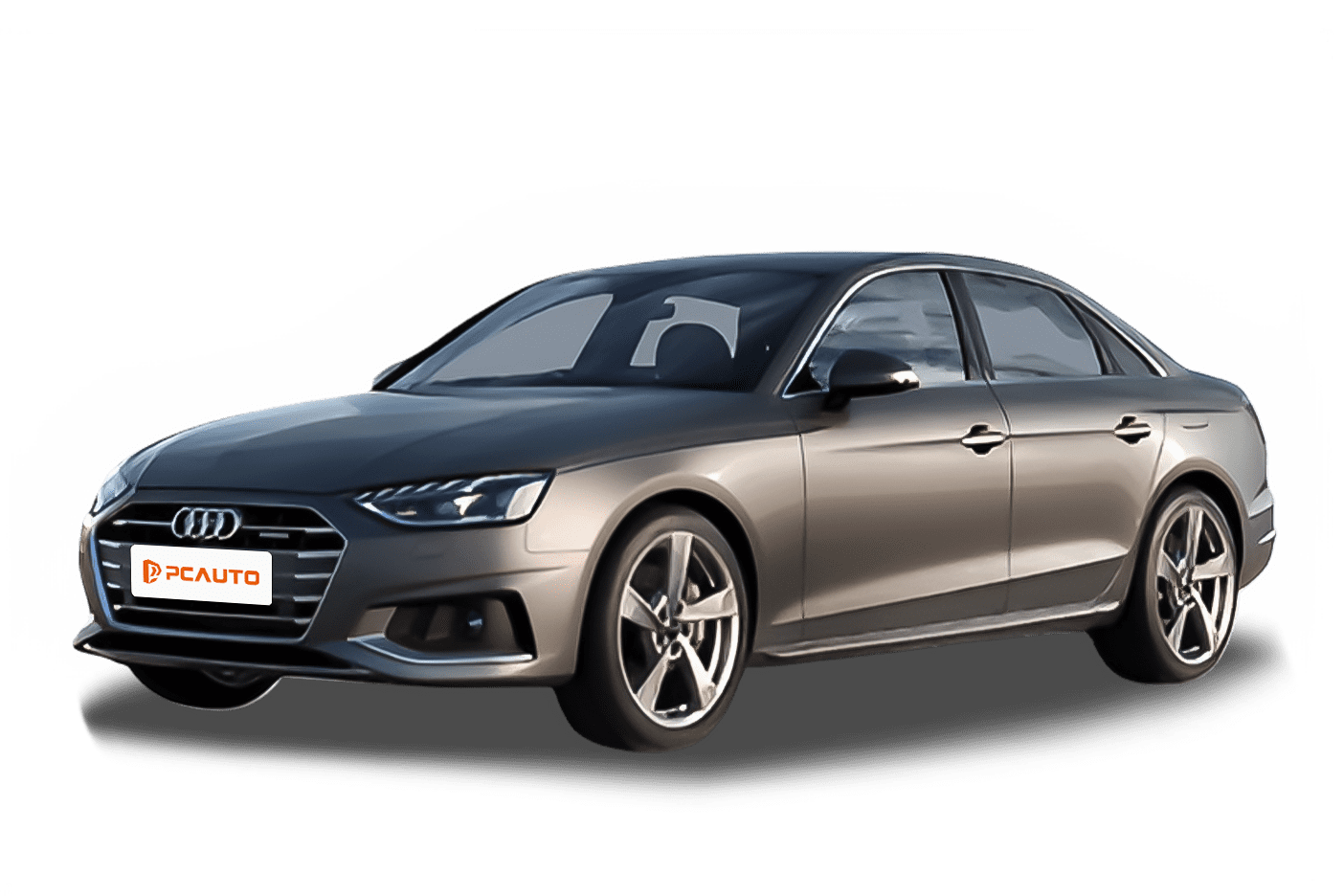
Audi A4 Car Compare
Cars With Similar Price And Features
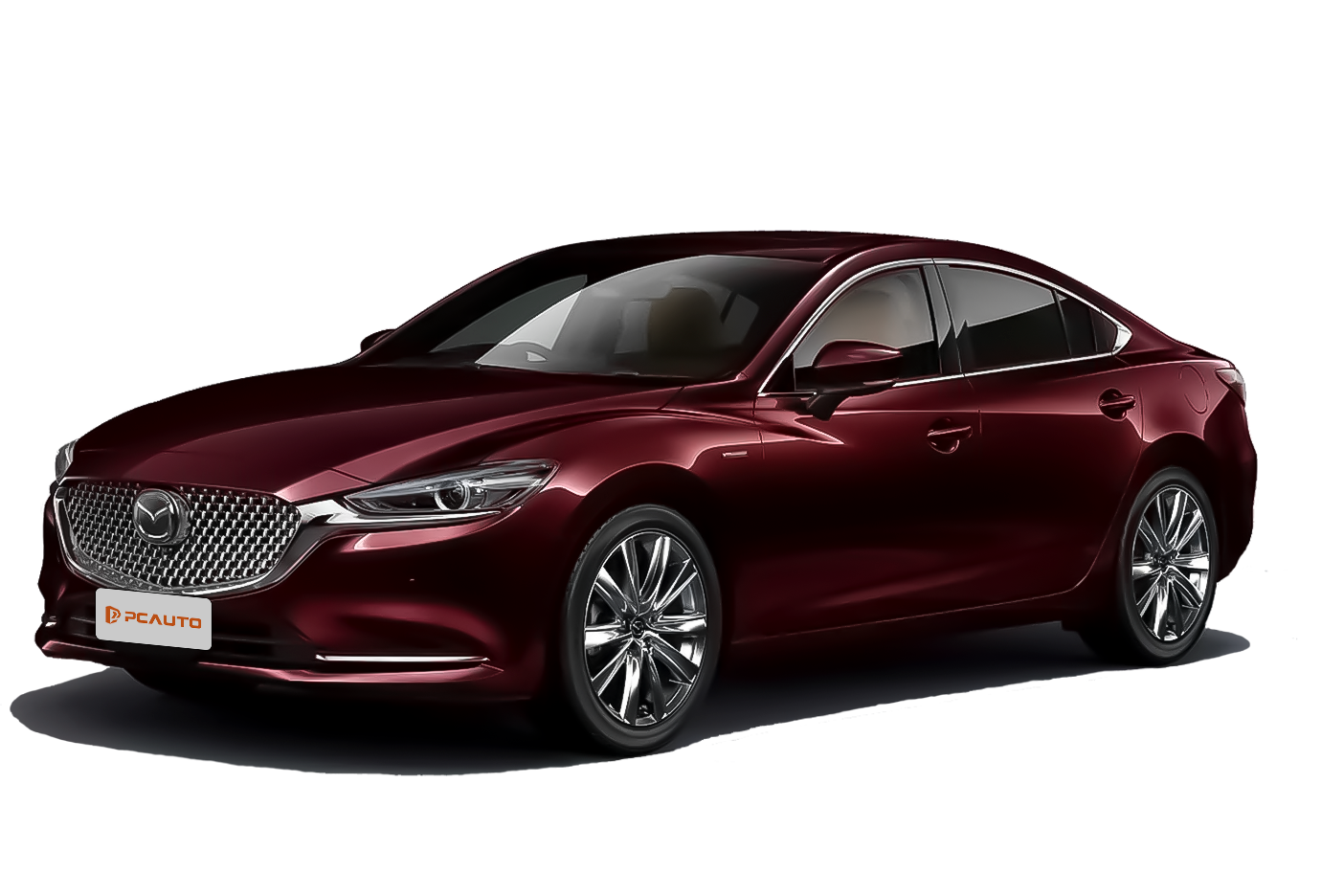
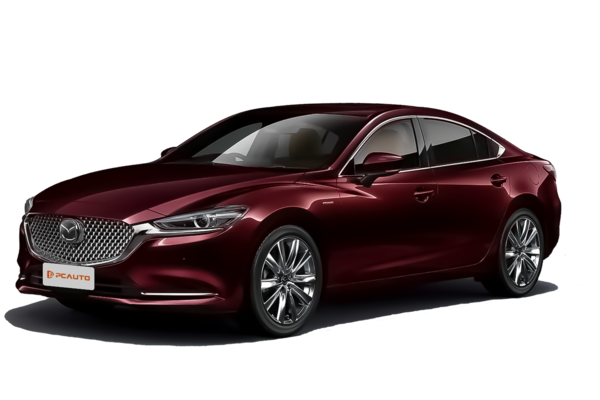
2023 Mazda 6 Sedan 2.0 SkyActiv-G meets the rational needs of family users for joint-venture quality, comfortable configurations, and fuel economy with its KODO design, practical space, and balanced driving control.

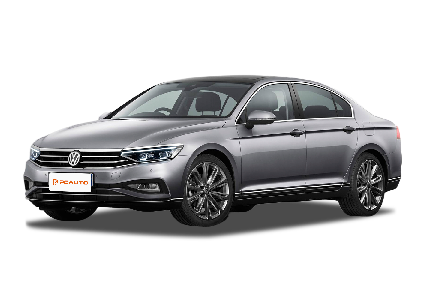
2022 Volkswagen Passat 2.0 TSI R-Line combines business elegance with sporty personality, featuring 220PS power, 14-way massage seats, and Harman Kardon audio system to meet the diverse needs of families and young professionals.
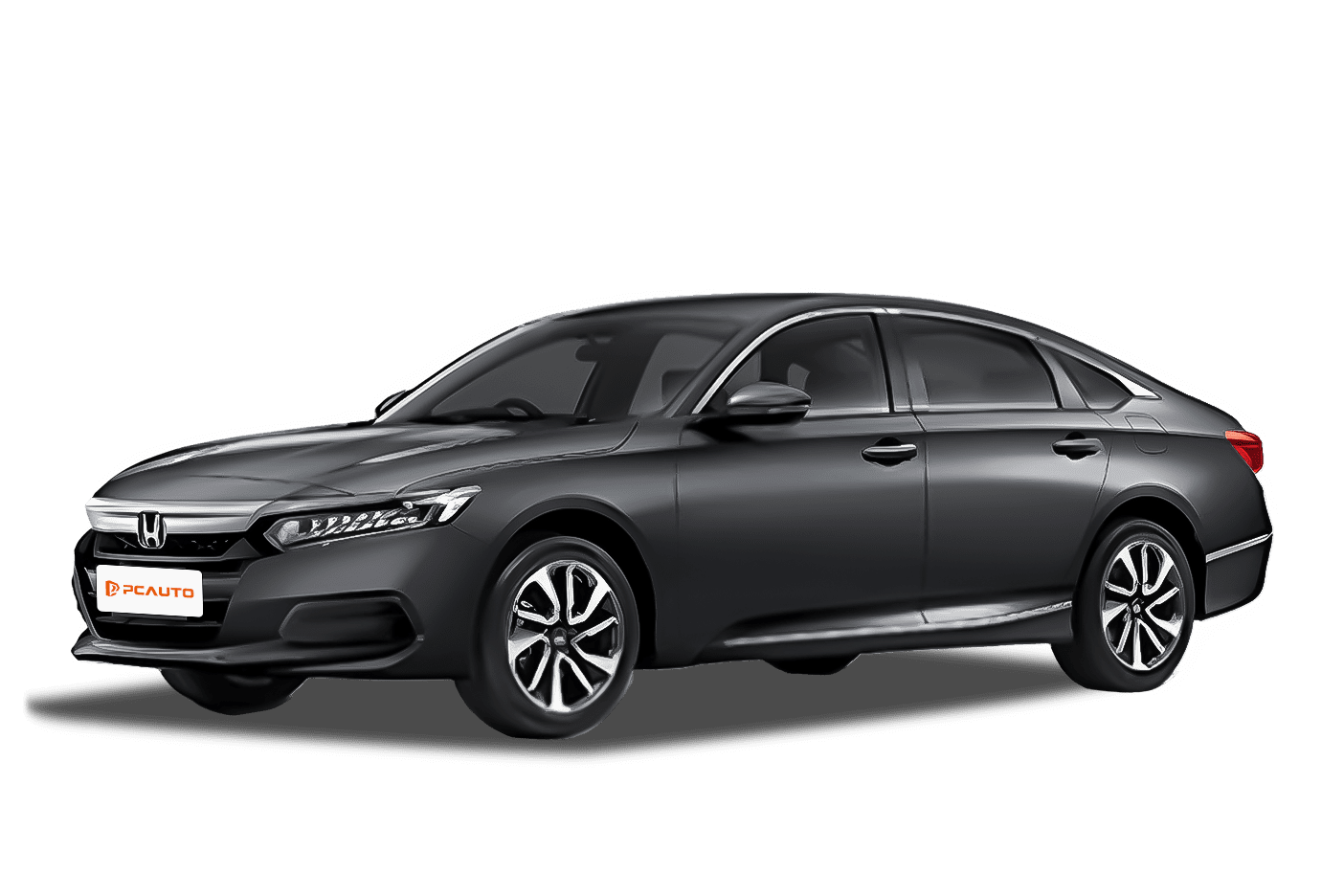
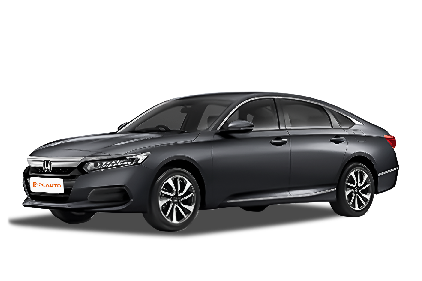
The 2023 Honda Accord 1.5 TC is a D-segment sedan that balances both business and family use, with core selling points of spacious interior, comfortable driving, and efficient performance, making it suitable for practical family users.

2024 Hyundai Sonata public is positioned as a D-Segment family and business sedan, combining dynamic design, practical configurations, and spacious space, balancing power and fuel consumption, safe and reliable.