

Hyundai Sonata Review

 Share
Share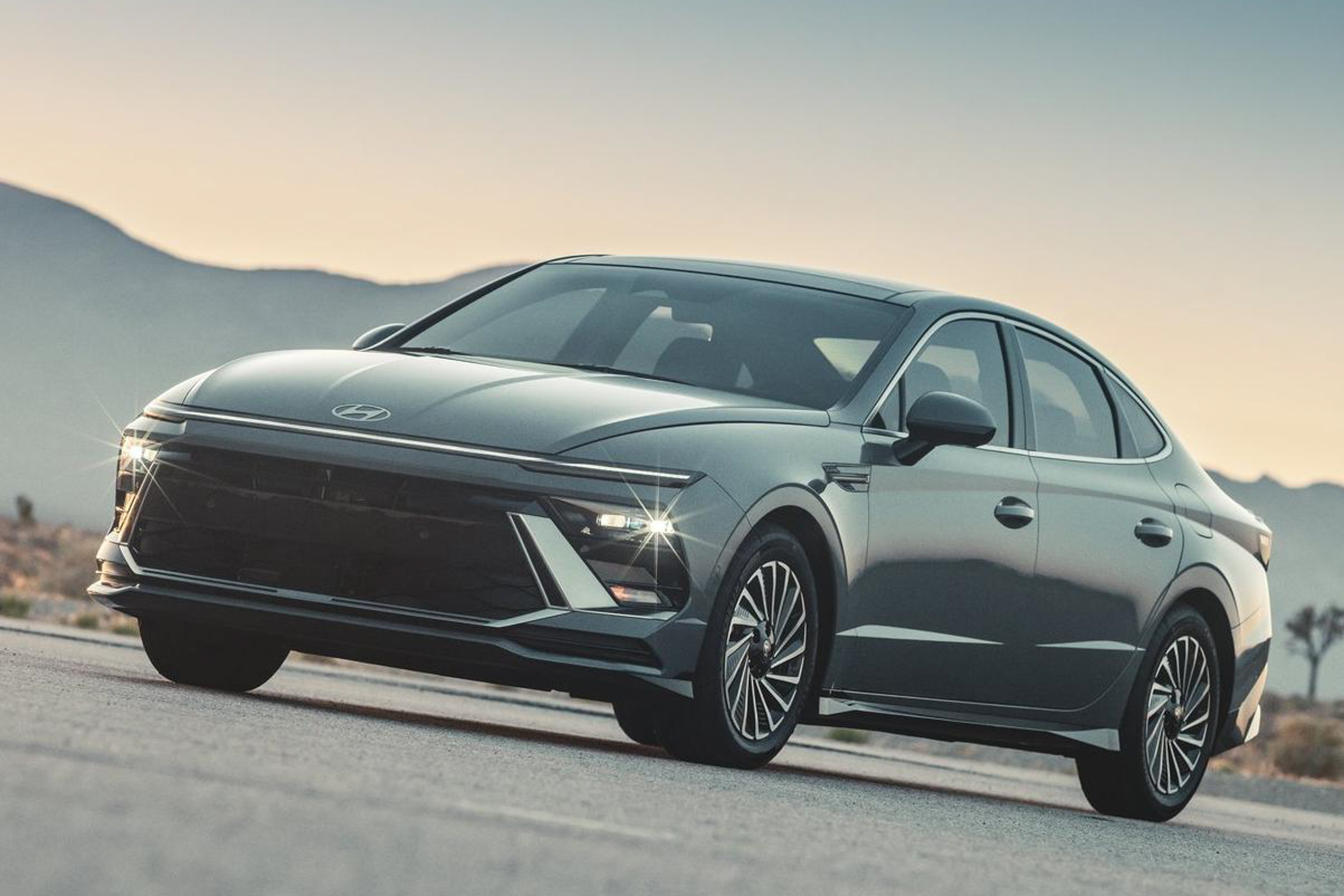
 Segment
 Body Type
 Capacity(L)
 Engine Power(PS)
 Transmission
 Driven Wheels
In Malaysia's D-segment sedan market, the overlap between household and business needs is becoming increasingly significant. Consumers not only desire spaciousness and comfortable configurations but also hope for a balance between power and fuel efficiency. As Hyundai's core sedan model, the 2024 Hyundai Sonata public has not yet officially announced its local pricing, but based on the logical configuration upgrades of the previous 2020 2.5 Premium version, the new model is likely to continue the strategy of "impressing family users with practical features." This time, combining the existing data and the product characteristics of previous models, we analyze the core performance of the new Sonata public to see if it can establish a firm foothold in the fiercely competitive mid-size car market.
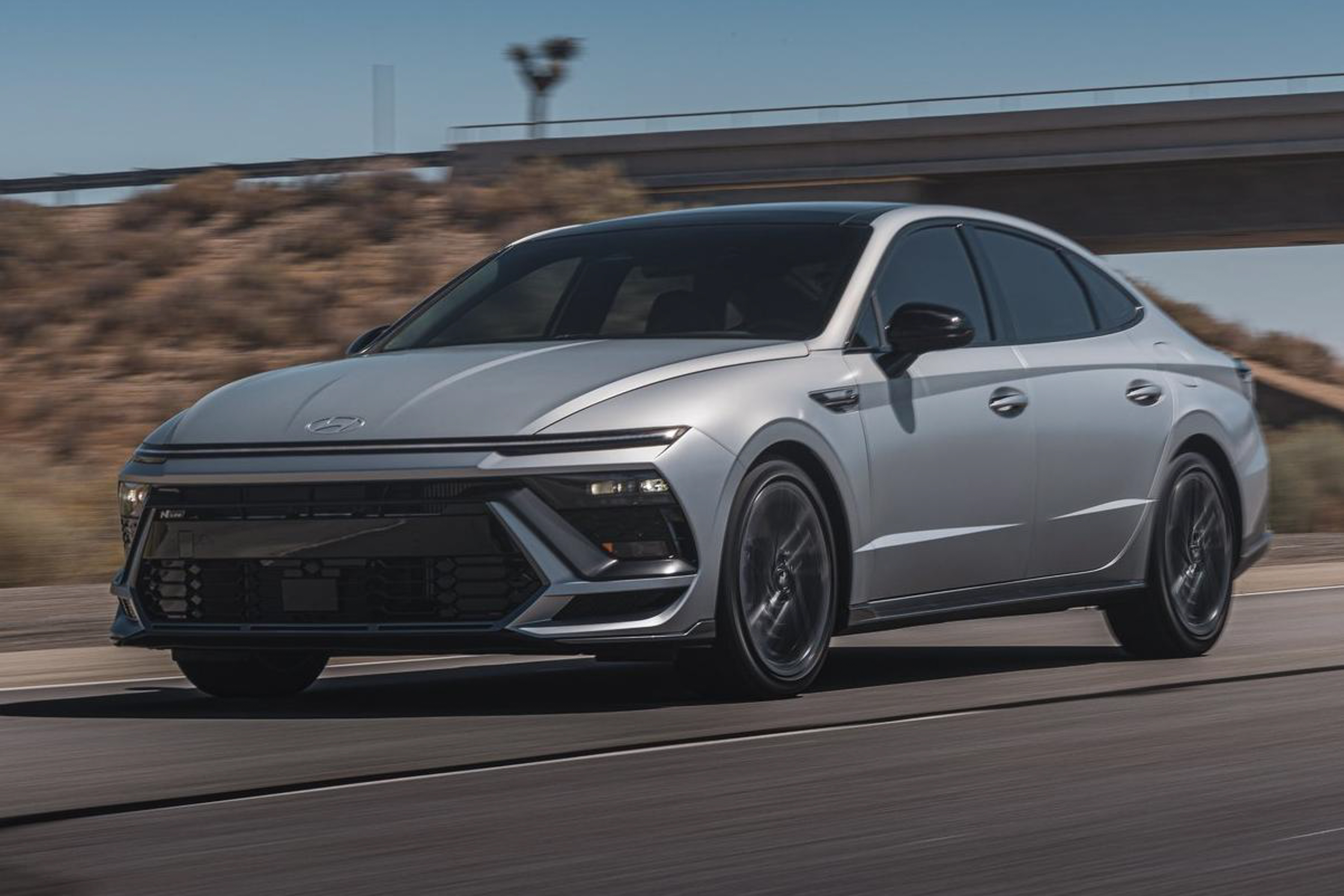
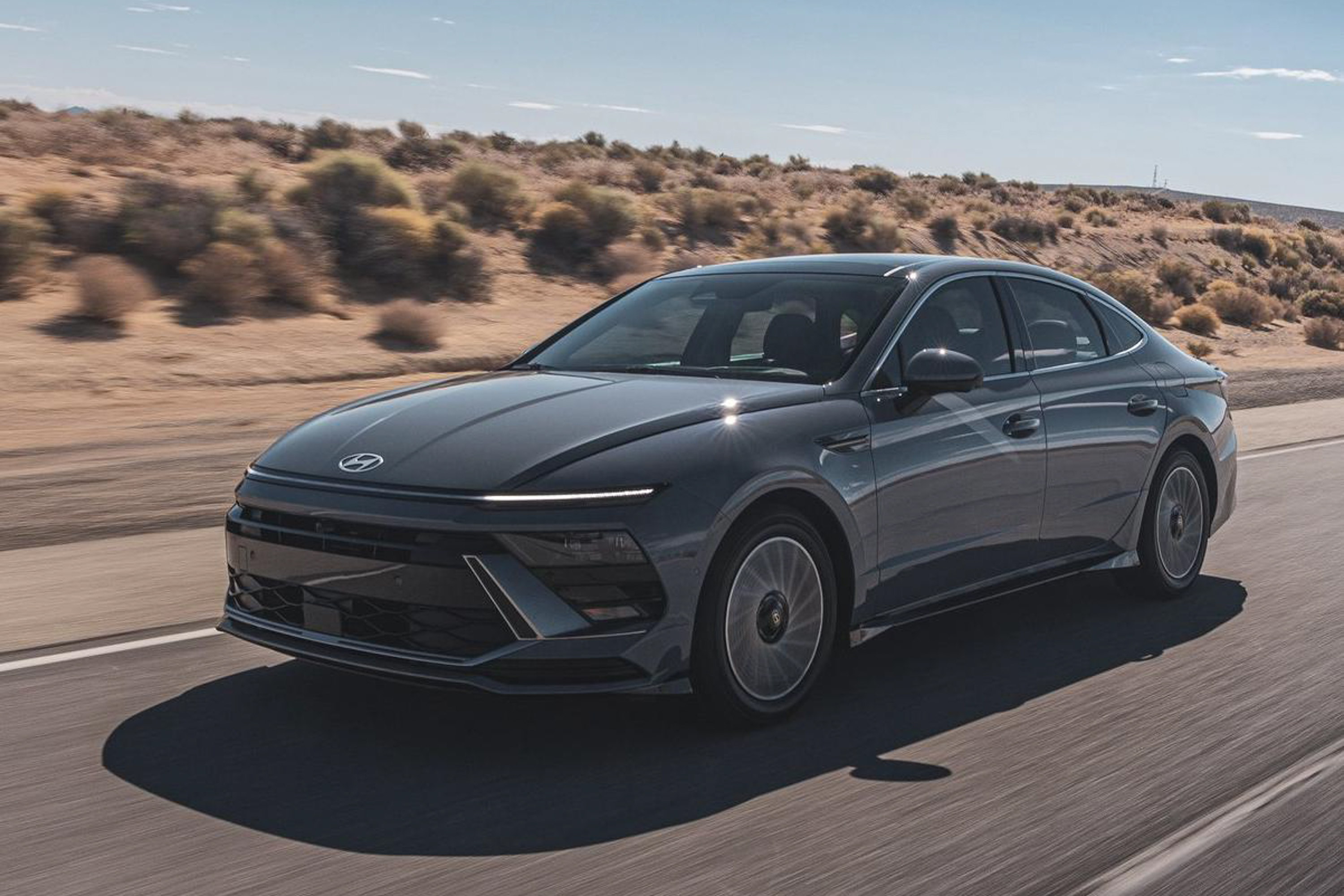
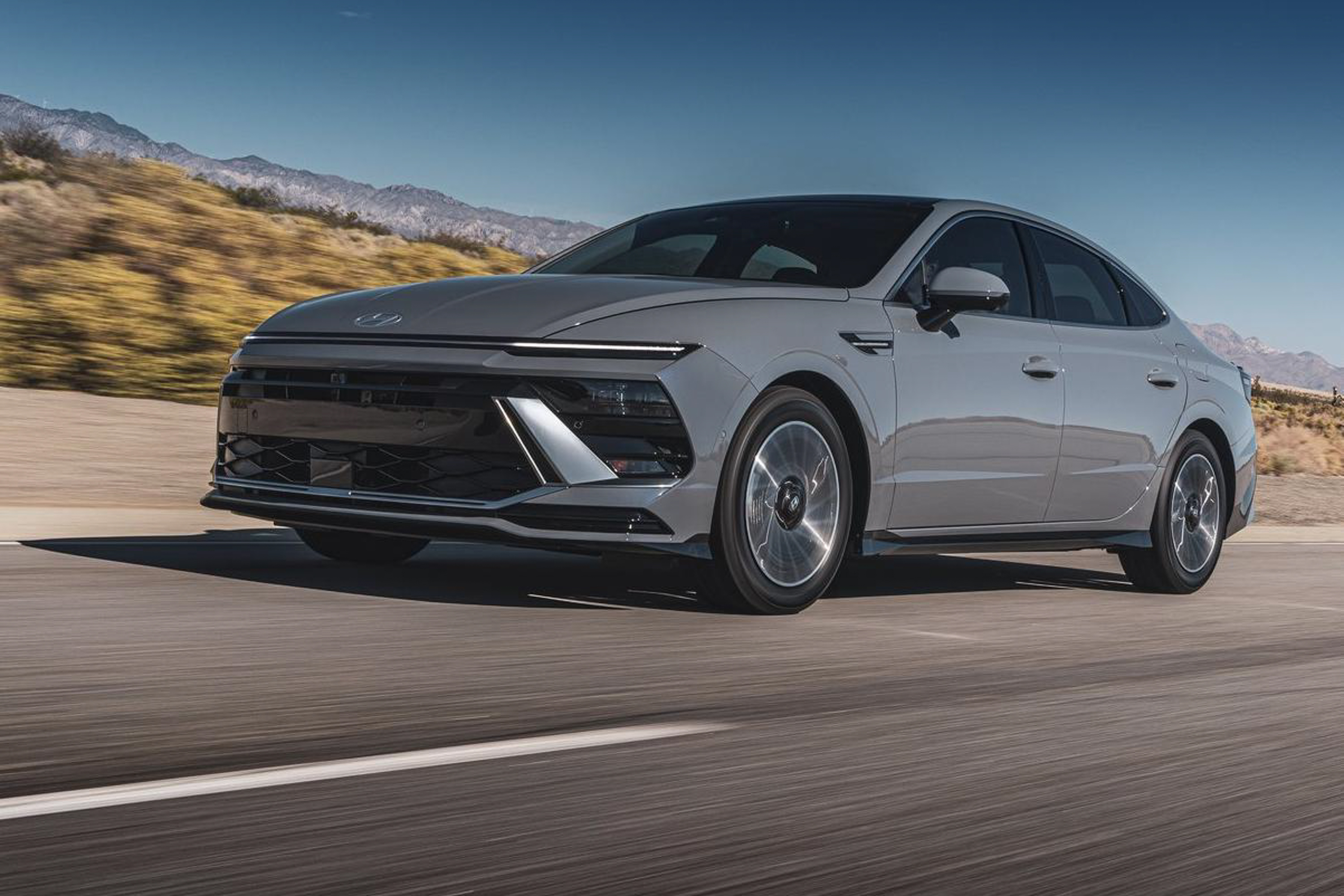
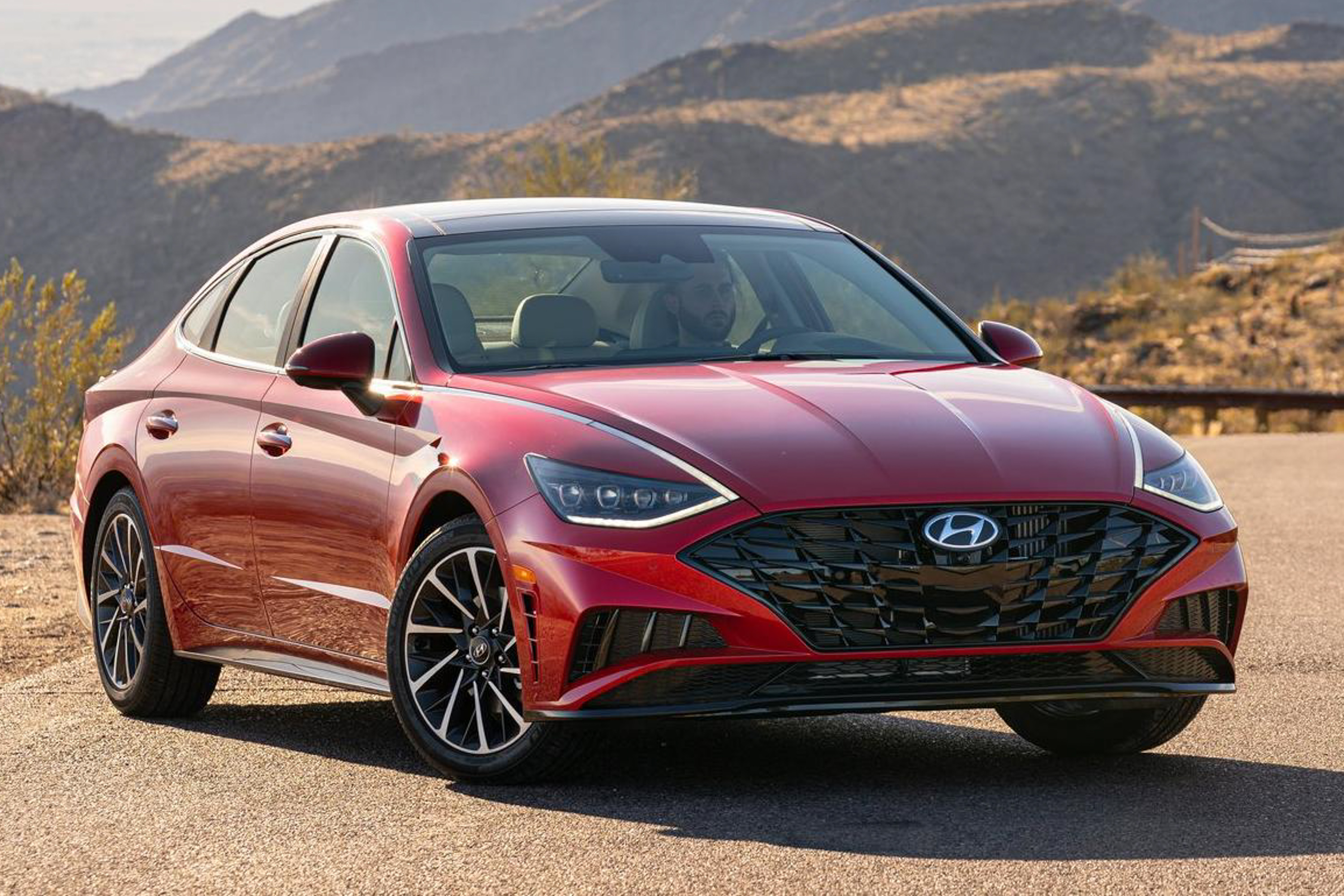
In terms of appearance, the 2024 Sonata public is expected to follow Hyundai's family-style "Sensuous Sportiness" design language. The front features a large hexagonal grille with an internal smoked mesh structure, paired with sharp LED headlamp assemblies on both sides, delivering high visual recognition. The side profile has smooth lines, with a waistline extending from the front fender to the rear to enhance muscularity. The 18-inch multi-spoke alloy wheels boost the sporty vibe. At the rear, the through-type LED taillight set complements the front design, while a subtly raised ducktail design adds depth, and chrome decorative strips at the lower rear bumper contribute a refined touch.
Inside, the interior layout of the new Sonata public is driver-focused, with the center console tilted towards the driver. The top of the console is wrapped in soft-touch materials, paired with metal trims at the bottom, providing a texture that matches the D-segment positioning. The center console features an 8-inch touchscreen that supports Apple CarPlay and Android Auto connectivity, offering a smooth system response. The instrument cluster is a 12.3-inch full LCD display that can switch between different themes and shows driving data, navigation information, and other content. A head-up display (HUD) system comes as standard, capable of projecting speed, navigation instructions, and other information onto the windshield to enhance driving safety.
In terms of space performance, the body dimensions of the new Sonata public are expected to be similar to the 2020 model, with a length of approximately 4900mm, a width of 1860mm, a height of 1445mm, and a wheelbase of 2840mm. The front seats support electric adjustment; the driver’s seat is 8-way adjustable and the passenger seat is 4-way adjustable. The seat padding is full and supportive, making long-duration drives less tiring. The rear space is spacious; a passenger with a height of 175cm sitting in the rear has a legroom distance of two fists from the front seat and headroom of about one fist. The rear is equipped with independent air conditioning vents and USB charging ports, offering strong practicality. The trunk has a volume of 510 liters, and the rear seats can be folded in a 60:40 split, extending storage space to accommodate family outings or the transport of large items.
In terms of power, referencing the 2020 2.5L naturally aspirated engine, the new Sonata public is expected to be equipped with the same engine, delivering a maximum power of 180PS and a peak torque of 232N·m, paired with a 6-speed automatic transmission. During daily driving, the power output is smooth during the initial acceleration phase. Pressing the accelerator pedal brings a linear rise in RPM; in the low to mid-speed range, acceleration is responsive, and stepping hard on the accelerator provides sufficient power reserves for overtaking. The transmission has a clear shifting logic, with proactive upshifting and slightly slower downshifting that does not affect daily usage. The driving modes include Eco, Normal, and Sport, with Sport mode providing more responsive acceleration, which appeals to driving enthusiasts.
In terms of handling performance, the new Sonata public uses a combination of front MacPherson independent suspension and rear multi-link independent suspension. The suspension tuning leans towards comfort, effectively filtering minor vibrations when passing speed bumps or bumpy roads, with minimal body roll. At high speeds, the chassis stability is good, the steering wheel is precise with minimal play, and body roll is controlled within a reasonable range during turns. Regarding noise control, the cabin offers good quietness at low speeds, with minimal tire and engine noise. At higher speeds, wind noise increases but remains within an acceptable range.
In terms of fuel efficiency, referencing the official comprehensive fuel consumption figure for the 2020 model at 9.1L/100km, road tests show that urban conditions yield about 10.5L/100km, while highway conditions result in around 7.8L/100km, making the overall fuel consumption mid-range among similar models. As for safety features, the new Sonata public comes standard with 6 airbags, ABS anti-lock braking system, vehicle stability control, lane change assist, 360-degree panoramic camera, front/rear parking sensors, and other features, ensuring reliable safety performance.
Overall, the core advantages of the 2024 Hyundai Sonata public lie in its spacious interior, rich practical configurations, and balanced power performance. Compared with similar models like the Toyota Camry, Sonata public offers better value for money in terms of configurations, with features like HUD and a fully digital instrument panel as standard, while some Camry models require additional options for these features. It is suitable for consumers such as families who prioritize space and comfort, as well as office workers who need to balance business use.
In summary, the 2024 Hyundai Sonata public is a well-balanced mid-size sedan with no significant shortcomings, making it an ideal primary vehicle for family or business use. If its local pricing is reasonable, it is expected to achieve good sales in Malaysia's D-Segment market.
Hyundai Sonata Car Compare

Hyundai Sonata Loan Calculator
More Hyundai Reviews
Cars With Similar Price And Features
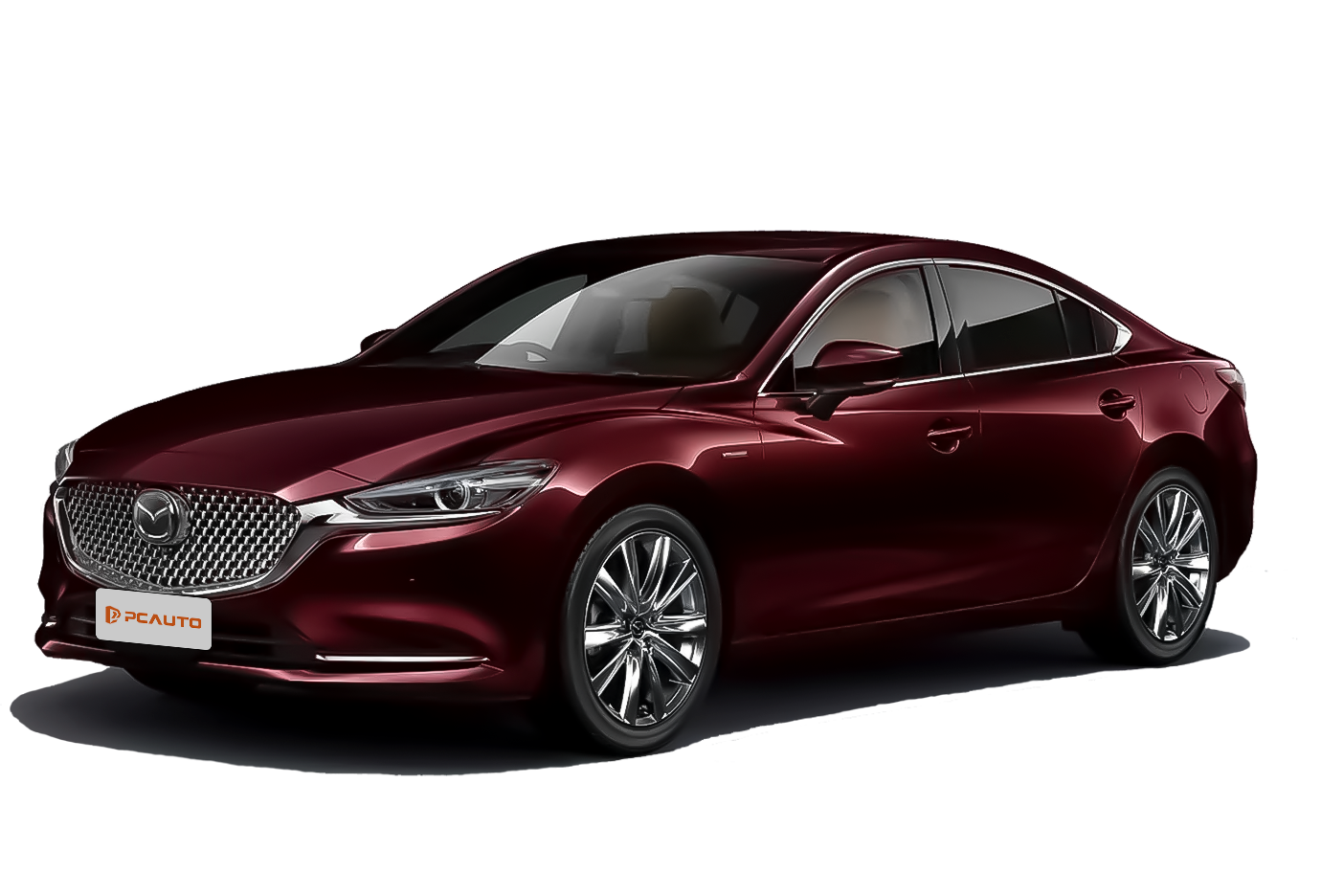
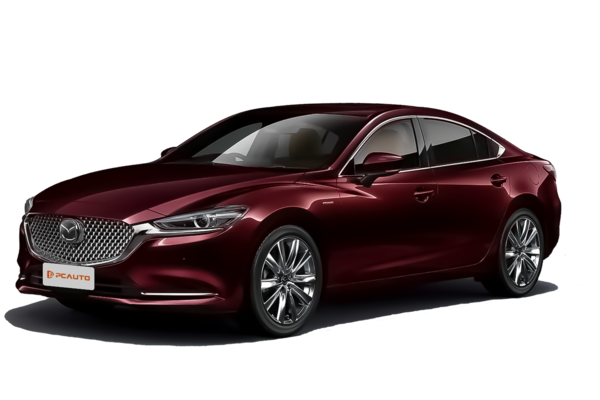
2023 Mazda 6 Sedan 2.0 SkyActiv-G meets the rational needs of family users for joint-venture quality, comfortable configurations, and fuel economy with its KODO design, practical space, and balanced driving control.

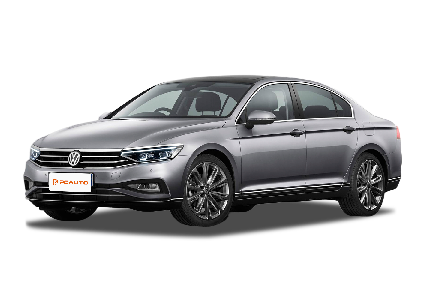
2022 Volkswagen Passat 2.0 TSI R-Line combines business elegance with sporty personality, featuring 220PS power, 14-way massage seats, and Harman Kardon audio system to meet the diverse needs of families and young professionals.
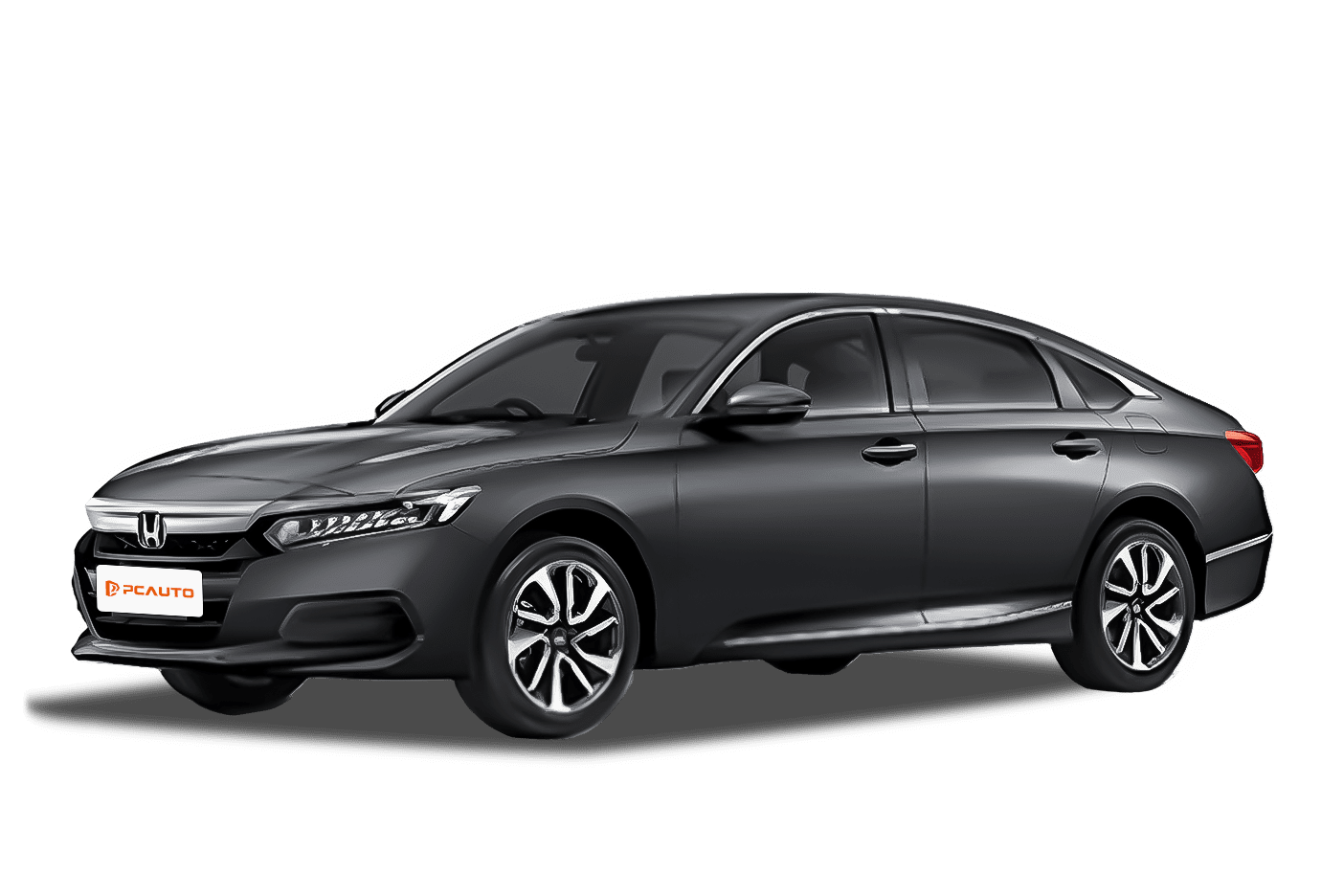
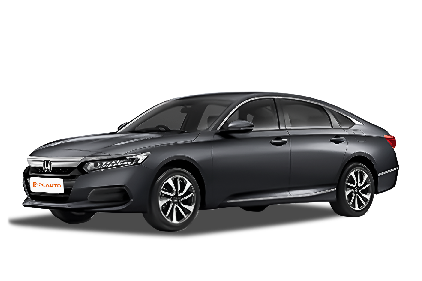
The 2023 Honda Accord 1.5 TC is a D-segment sedan that balances both business and family use, with core selling points of spacious interior, comfortable driving, and efficient performance, making it suitable for practical family users.
23
Rank in Sedan
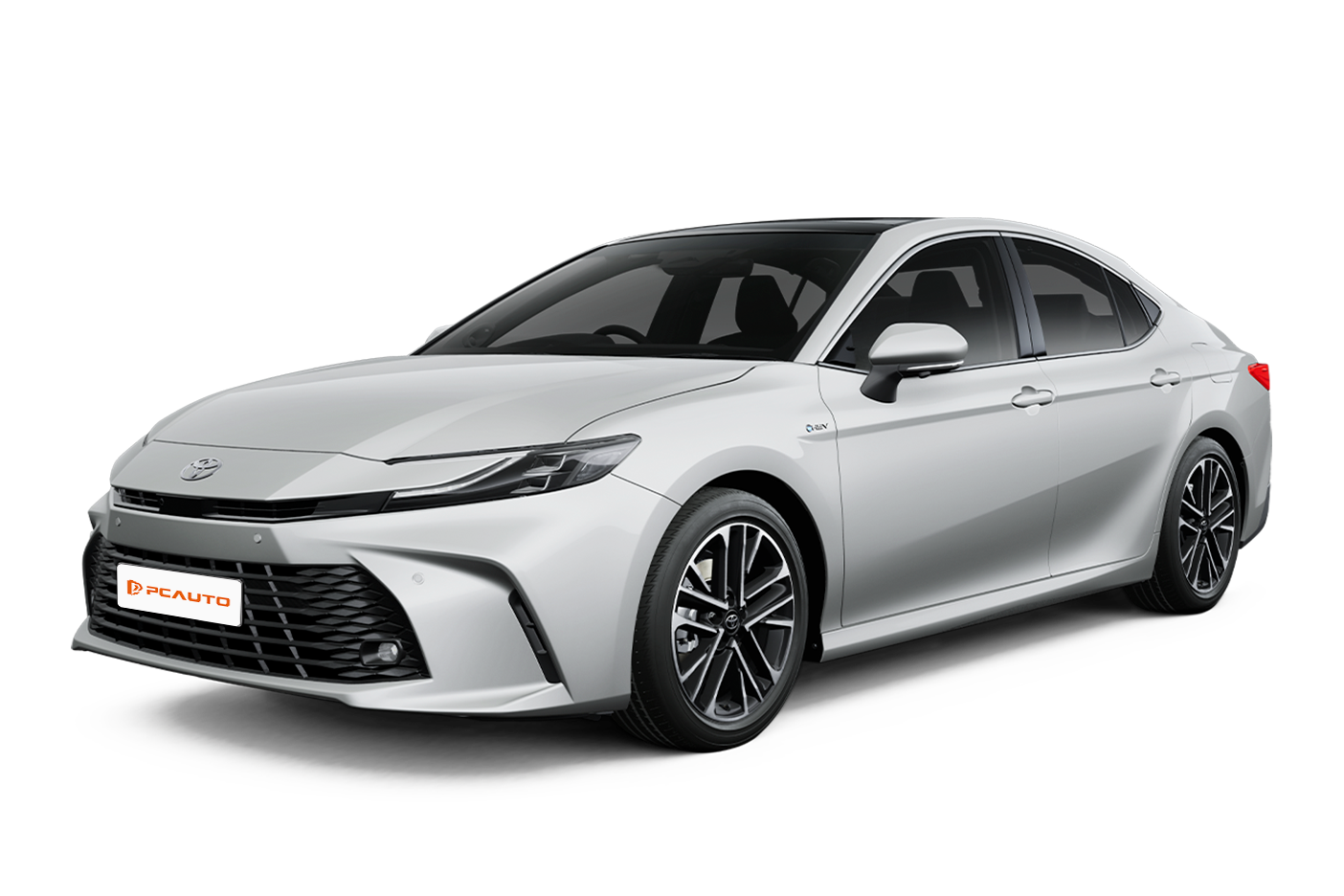
2025 Toyota Camry 2.5 V features an extended body, upgraded large-screen interior to enhance household comfort, 2.5L+8AT smooth power with more comprehensive intelligent driving, precisely meeting the reliable household needs of the D-segment.