

Audi Q7 2025 Review

 Share
Share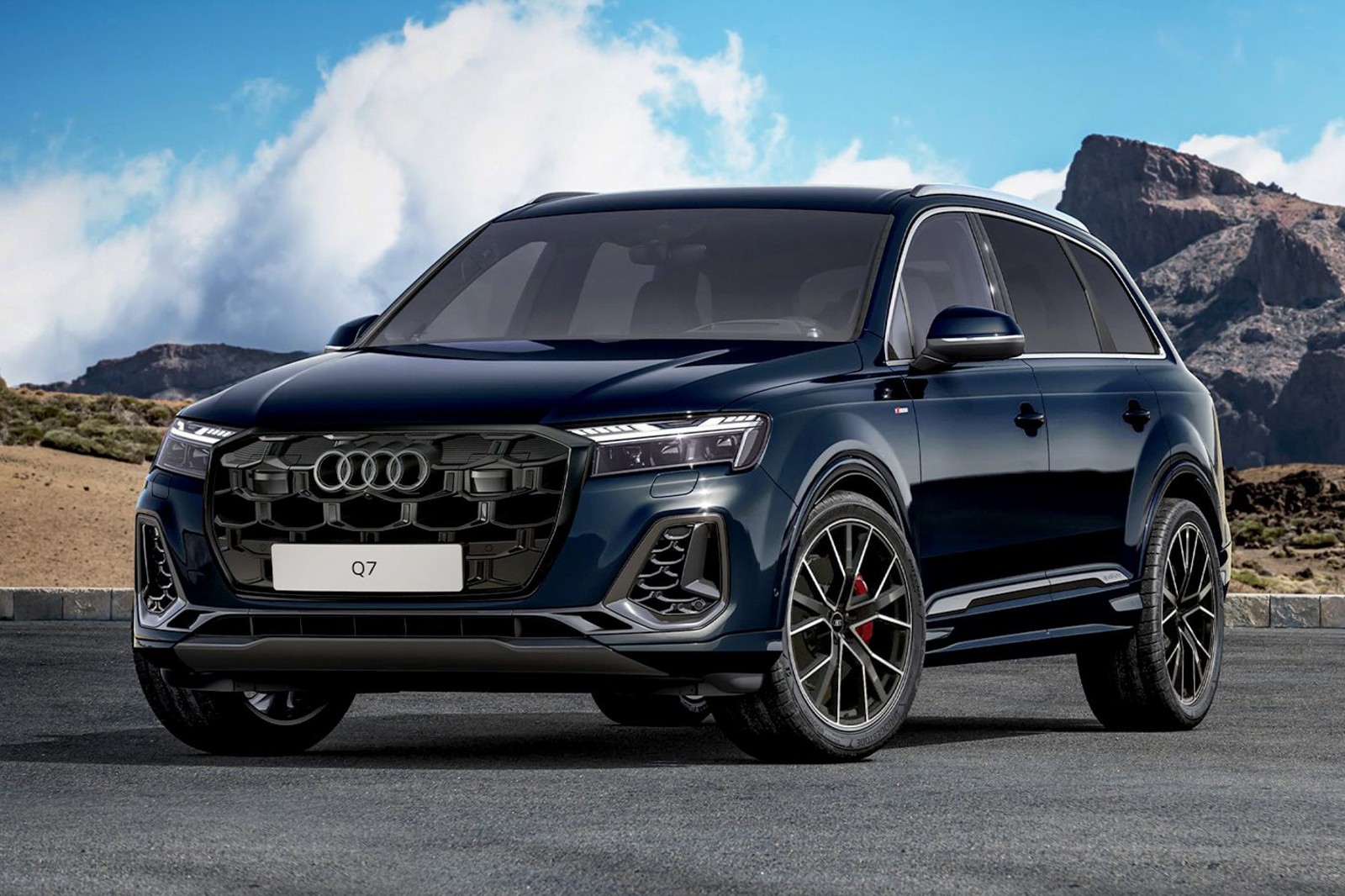
 Segment
 Body Type
 Capacity(L)
 Engine Power(PS)
 Engine Torque(Nm)
 Transmission
In 2025, competition in the mid-to-high-end 7-seater SUV market is becoming increasingly fierce. Consumers not only pursue the texture of luxury brands but also value practicality of space and performance. As a veteran player in this segment, the Audi Q7 introduces the S line 3.0 TFSI version, which optimizes power output through a mild hybrid system. It also comes standard with air suspension and Bang & Olufsen audio system, aiming to further enhance its overall balance. The core of our test drive this time is to verify whether this model, priced at RM459,990, can meet the dual expectations of family users and business needs in terms of configuration, space, and driving experience.
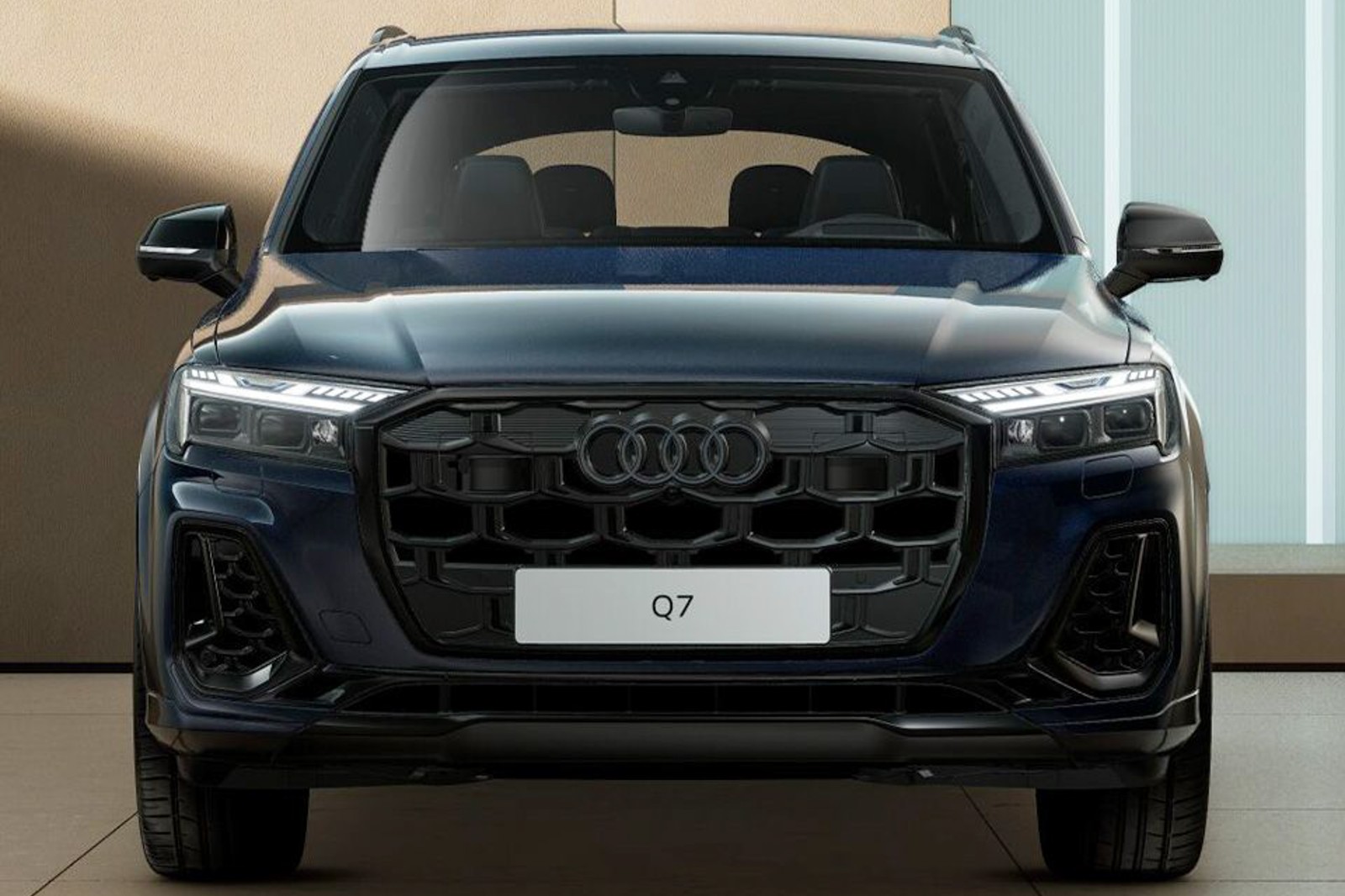
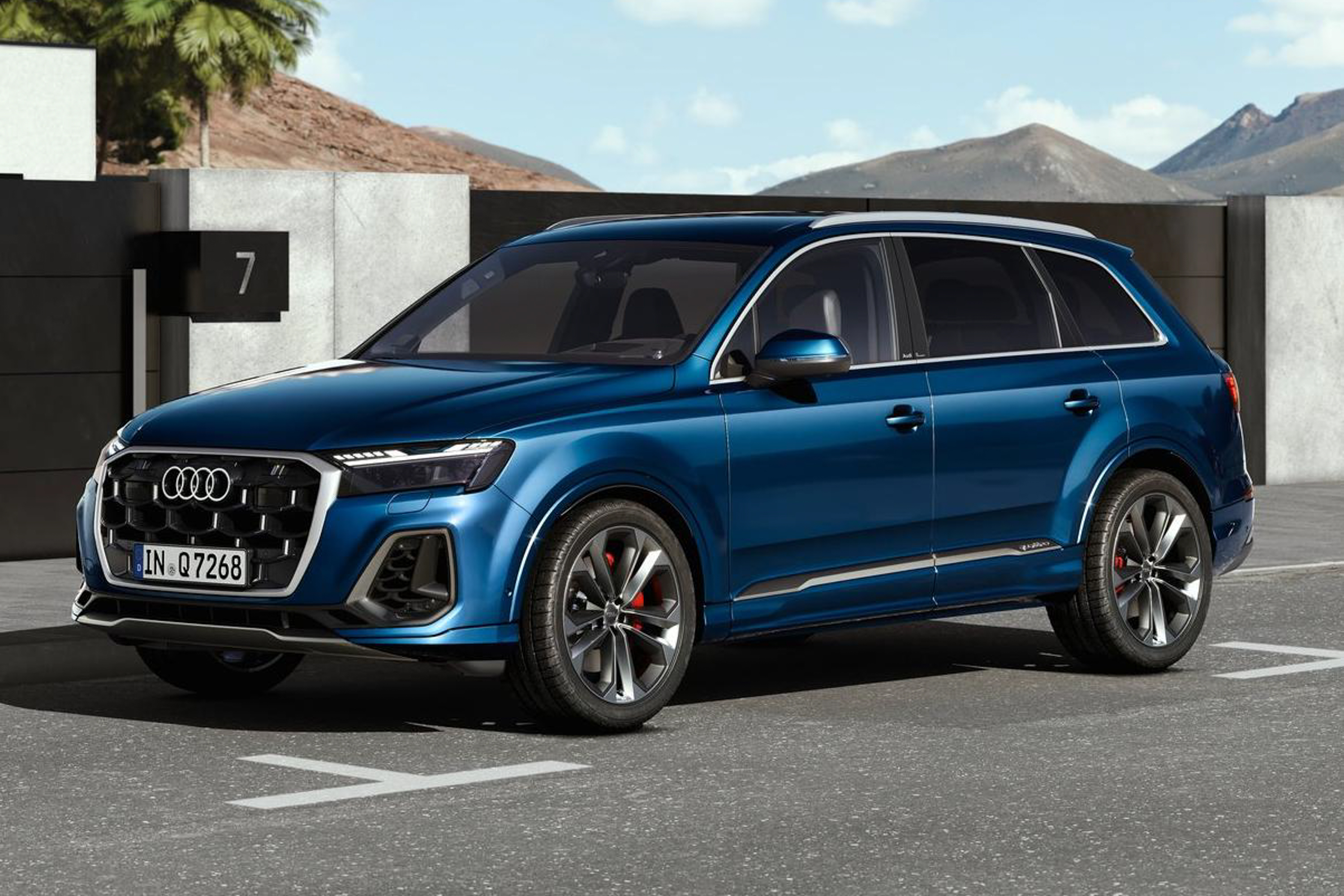
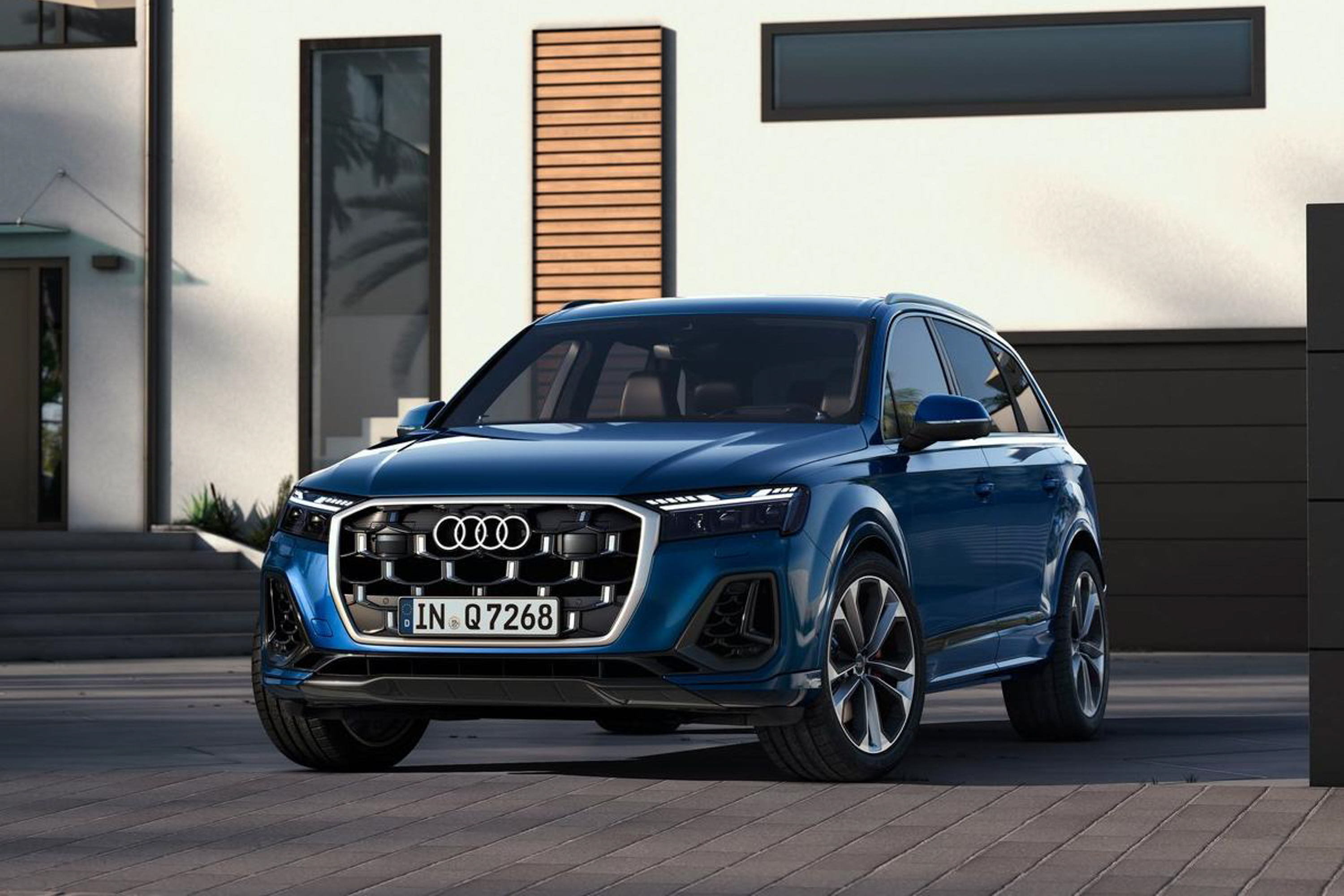
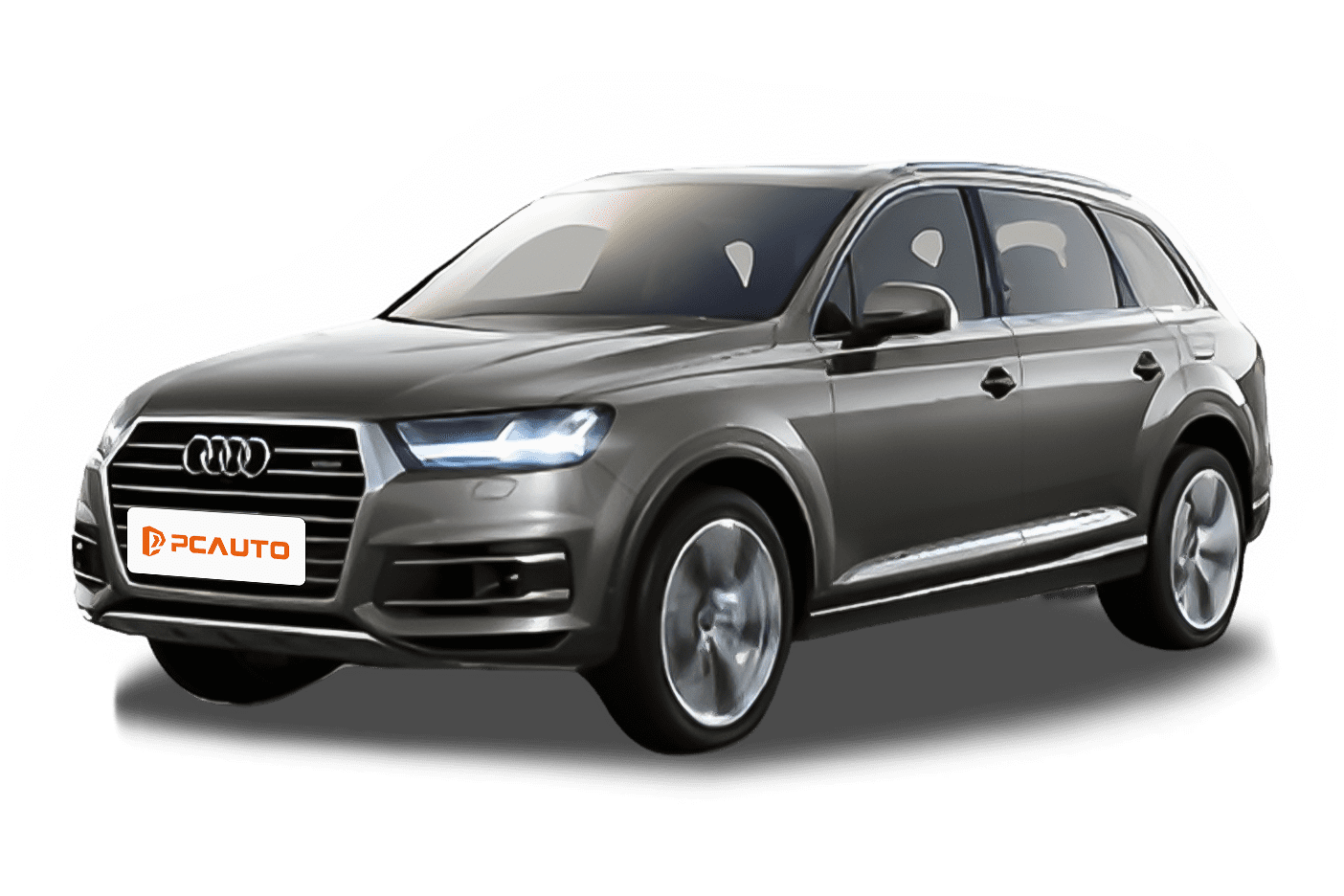
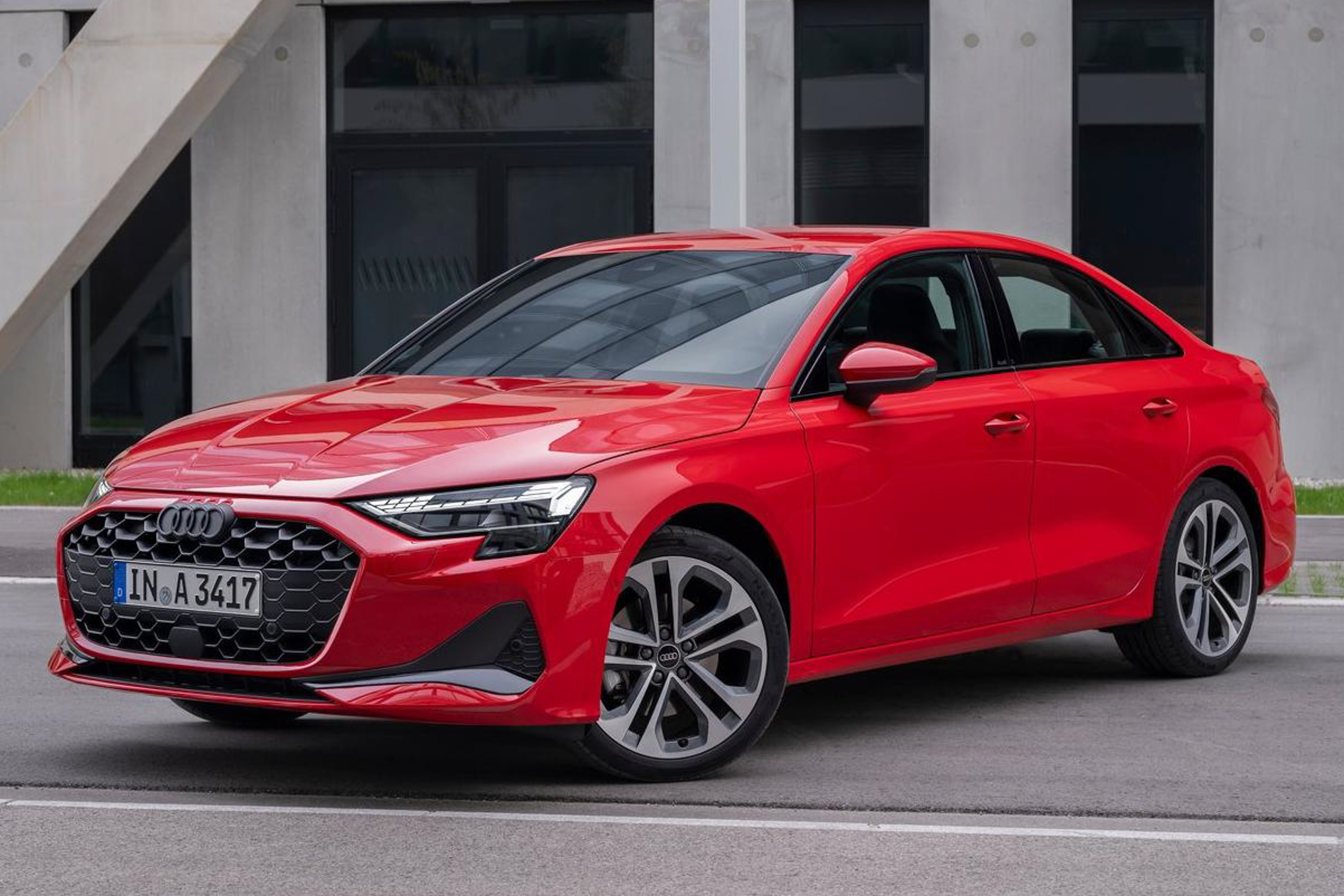
The first impression of the 2025 Q7 S line is "stability with a touch of sharpness." The vehicle measures over 5 meters in length and nearly 2 meters in width, maintaining the heft of an executive SUV. However, the addition of the S line package gives its details a sportier look: the octagonal front grille adopts a honeycomb design, paired with a blackened Audi logo that is highly recognizable; the sharp styling of the LED headlights on both sides, combined with Audi's iconic "teardrop" design for daytime running lights, creates a distinctive visual effect when illuminated. The side profile of the vehicle is sleek, with a body line extending from the fender to the rear, making the sides seem less bulky. The 22-inch large wheels paired with 285/35 R22 wide tires further emphasize its sporty stance. At the rear, the blackened LED taillight cluster echoes the front headlights, and the dual exhaust layout (primarily for decoration) aligns with the S line positioning. The overall design reflects the standard of a luxury brand without being overly old-fashioned.
Opening the car door reveals an interior that maximizes both luxury and technological appeal. The layered design of the dashboard includes soft leather wrapping on the upper layer, complemented by silver trim in the middle. Almost every touchpoint features soft materials that feel solid and high-quality. The 10.1-inch central touchscreen is positioned at the top of the dashboard and boasts a clear interface with smooth operation. Below it is an 8.6-inch touch panel (responsible for climate control and vehicle settings). Although the configuration list of this test drive model did not list this panel separately, in practice, its interaction with the central screen was seamless. Audi’s 12.3-inch virtual cockpit is a signature feature, with fine display quality and multiple modes available, allowing for clear visibility of navigation, RPM, fuel consumption, and other information. As for the seats, the front row supports electric adjustment, with soft leather material and good support, making long periods of sitting comfortable. The second row of seats is split in a 40:20:40 configuration, while the third row adopts a 50:50 split. This level of flexibility is highly practical for a 7-seater SUV. In terms of space, the nearly 3-meter wheelbase provides a clear advantage: passengers standing at 175 cm tall in the second row have more than two fist-lengths of legroom and one fist of headroom. Although the third row is best suited for children or short-distance adult passengers, its legroom ranks among the upper mid-tier in the same class, not feeling overly cramped. The trunk offers a regular capacity of 770 liters, which can be expanded significantly when the third row is folded down, easily accommodating large luggage for daily use.
Sitting in the driver's seat and starting the vehicle, the sound of the 3.0T V6 engine is very steady, without any noticeable turbulence. This engine delivers a maximum horsepower of 340PS and a peak torque of 500N·m, paired with a 48V mild hybrid system and an 8AT gearbox, offering very linear power output. During daily driving, the intervention of the mild hybrid system is very smooth. At the start, the electric motor provides assistance, and during acceleration, the engine's power reserve is ample, capable of delivering maximum torque from just 1370 rpm. This gives confidence even when driving such a large vehicle—press the accelerator deeply, and the gearbox downshifts swiftly, creating a noticeable thrust. The official 0-100km/h acceleration time of 5.6 seconds is indeed tangible during actual driving experience. The car offers three driving modes: Comfort, Auto, and Dynamic. Switching to Dynamic mode makes the steering wheel heavier, and the gearbox adopts a more aggressive shifting logic, making it perfect for those occasional wild drives.
In terms of handling, the performance of the air suspension is a highlight. During everyday driving, the suspension is tuned to be relatively soft, filtering out most minor road bumps effectively. When driving over speed bumps or uneven roads, the vehicle experiences minimal shaking, providing excellent comfort. In Dynamic mode, the suspension becomes firmer, with noticeable improvements in support. When cornering, body roll is well-controlled, and with the added quattro all-wheel-drive system, the car has excellent tracking performance. Even during high-speed cornering, there’s no sense of "floating." The steering wheel’s precision is above average with minimal play, making daily driving quite easy. In terms of braking, the ventilated discs at the front and rear provide linear braking performance. The initial bite is not overly sensitive, but the braking force in the latter stages is sufficient, with braking distances comparable to others in the same class.
The fuel consumption performance was a surprising aspect during this test drive. Despite being powered by a large 3.0T engine, the mild hybrid system contributed significantly. In urban driving, the fuel consumption is around 11-12L/100km. On highway cruises, it can drop to about 8-9L/100km. For a 7-seat SUV weighing over 2 tons, this result is quite impressive. Noise control is also well-executed. While driving at high speeds, wind and tire noise are well suppressed, with only the engine noise becoming noticeable during rapid acceleration. However, the engine sound is not harsh, and the overall quietness aligns well with the positioning of a premium SUV.
In summary, the 2025 Audi Q7 S line 3.0 TFSI boasts clear core strengths: First, it offers a balance between power and fuel efficiency. The 3.0T V6 engine delivers strong performance while the mild hybrid system reduces everyday running costs. Second, it features a luxurious interior with abundant configurations. The standard equipment includes the virtual cockpit, air suspension, Bang & Olufsen sound system, and L2-level driver assistance options (ACC, lane-keeping assist, automatic emergency braking, etc.), which make it quite competitive among peers in the same segment. Third, it provides a practical 7-seat layout, offering sufficient flexibility for families with multiple children or users who frequently need to transport multiple passengers. However, there are some minor drawbacks, such as the third row not being particularly spacious and the steering wheel only being manually adjustable (for a vehicle in this price range, electric adjustment would have been more convenient).
Compared to its counterparts like the Mercedes-Benz GLE 450 or the BMW X5 40i, the Q7 S line offers more comprehensive configurations while being relatively budget-friendly, making its cost-performance ratio particularly outstanding. Its target audience is clear: firstly, the upper-middle-class focusing on family practicality, requiring 7-seat space but unwilling to compromise on luxury; secondly, users who occasionally need to host business receptions, as the Q7’s brand image and interior quality are up to the task; thirdly, those who enjoy driving, as the 3.0T powertrain and air suspension can provide a certain level of driving pleasure.
Overall, the 2025 Audi Q7 S line 3.0 TFSI is an "all-rounder." It has no obvious weaknesses and achieves balance in terms of power, features, space, and comfort. Combined with its relatively reasonable pricing, it is indeed a compelling option to prioritize in the executive-level 7-seater SUV market.
Audi Q7 Car Compare
Audi Q7 Loan Calculator
Cars With Similar Price And Features

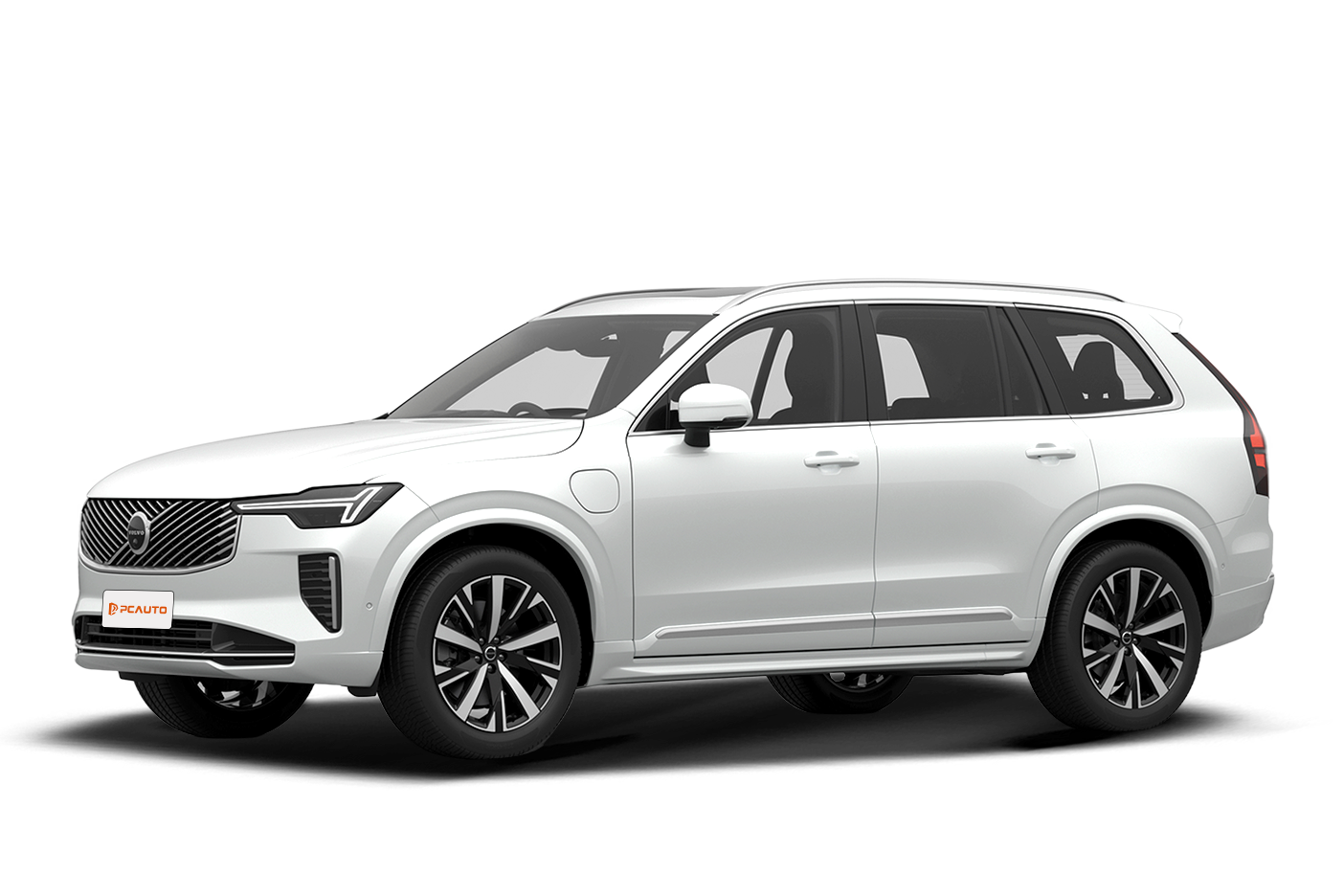
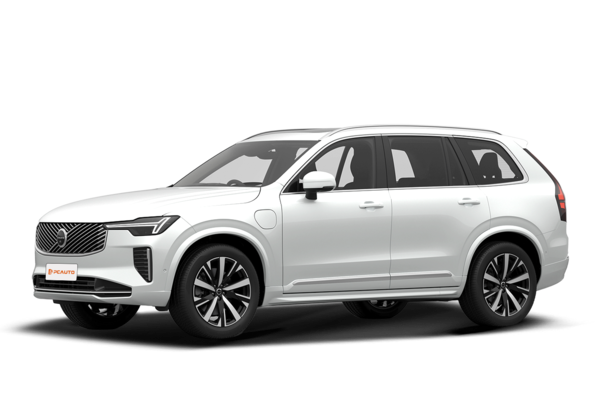
2025 Volvo XC90 Ultra B5, as an Executive-level luxury 7-seat SUV, optimizes fuel efficiency with a mild hybrid system, enhances comfort with air suspension across the range, coupled with an intelligent cockpit, balancing space and safety, showcasing outstanding capability.
23
Rank in SUV
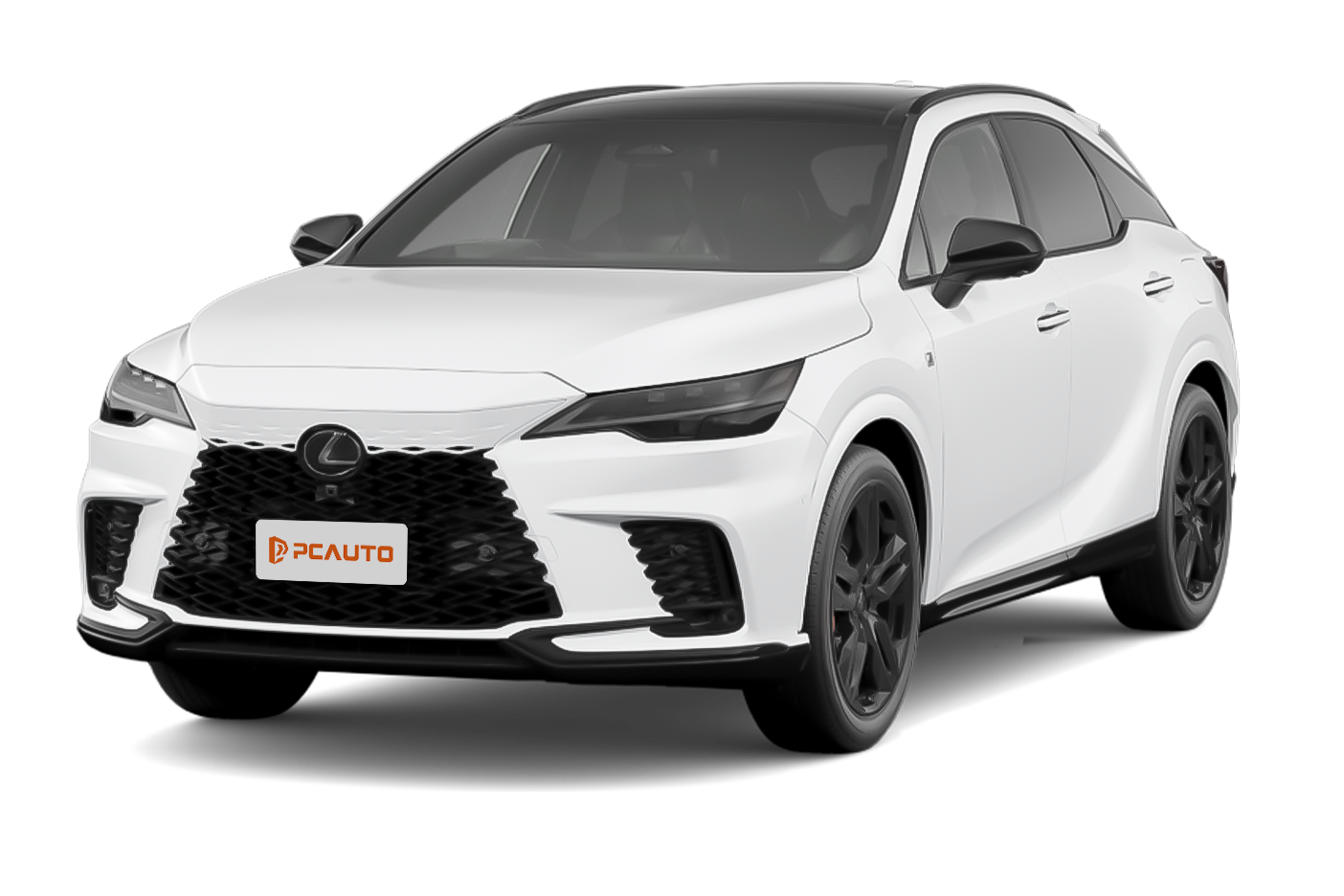
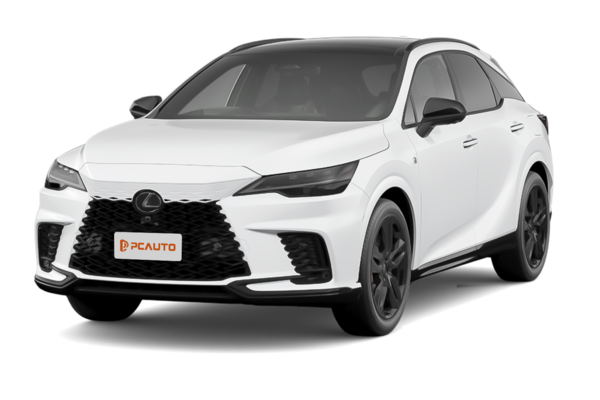
2025 Lexus RX 500h F Sport Special Edition is an executive-level hybrid SUV that balances performance, luxury, and technology, featuring a 2.4T hybrid system, exclusive 21-inch wheels, and a 14-inch central control screen as its core highlights.
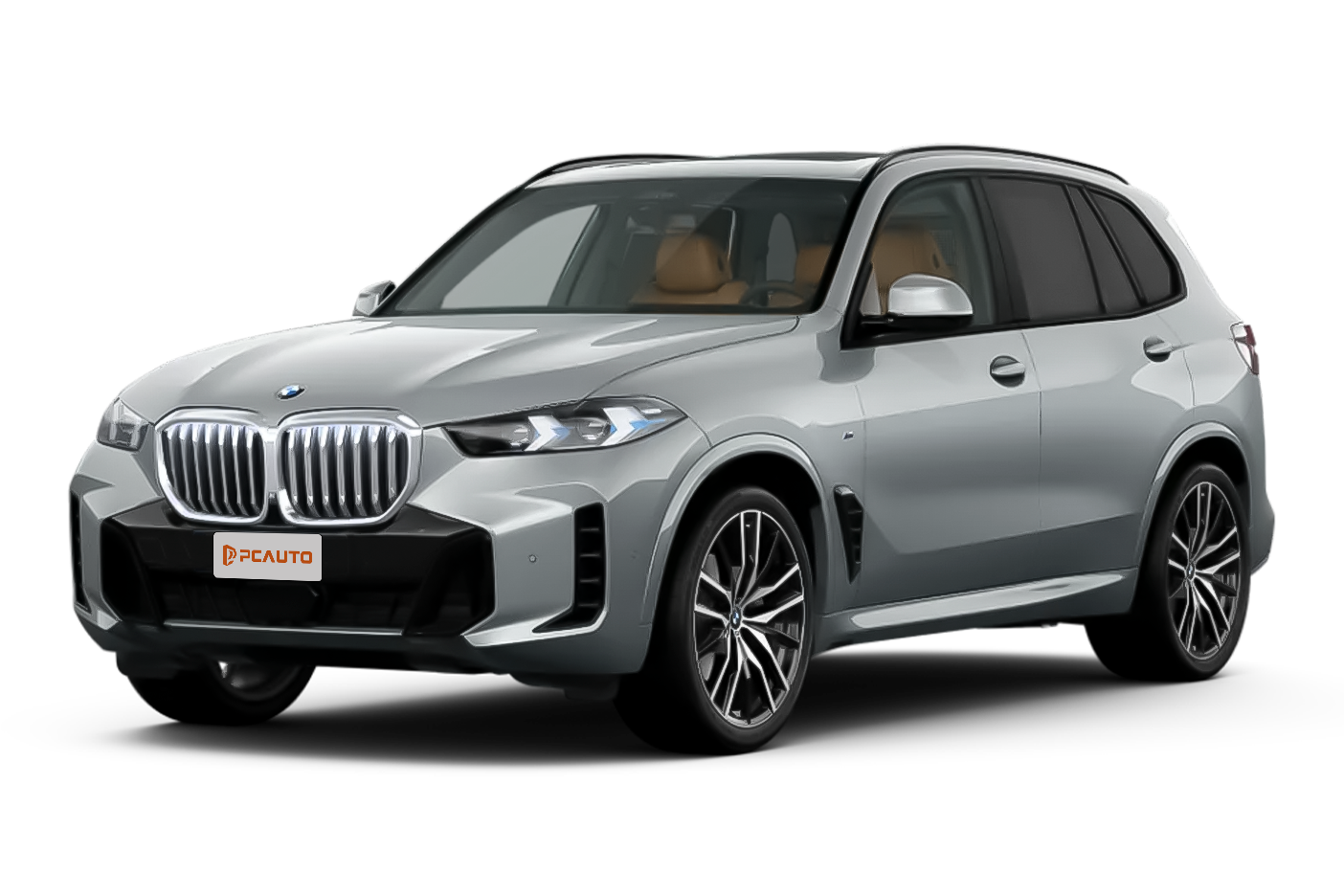
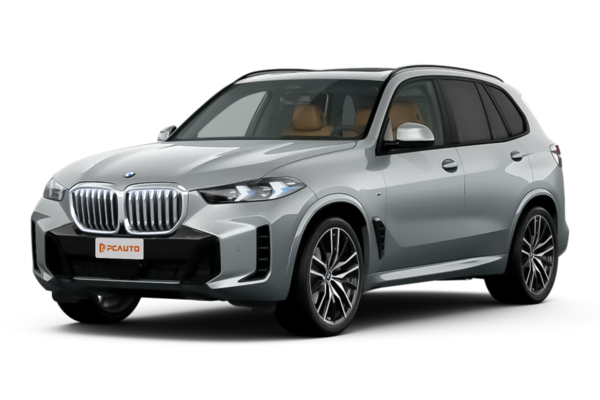
2025 BMW X5 xDrive40i M Sport is a luxury mid-to-large SUV that balances family comfort with driving pleasure. It features upgraded power, rich configurations, and more affordable pricing.
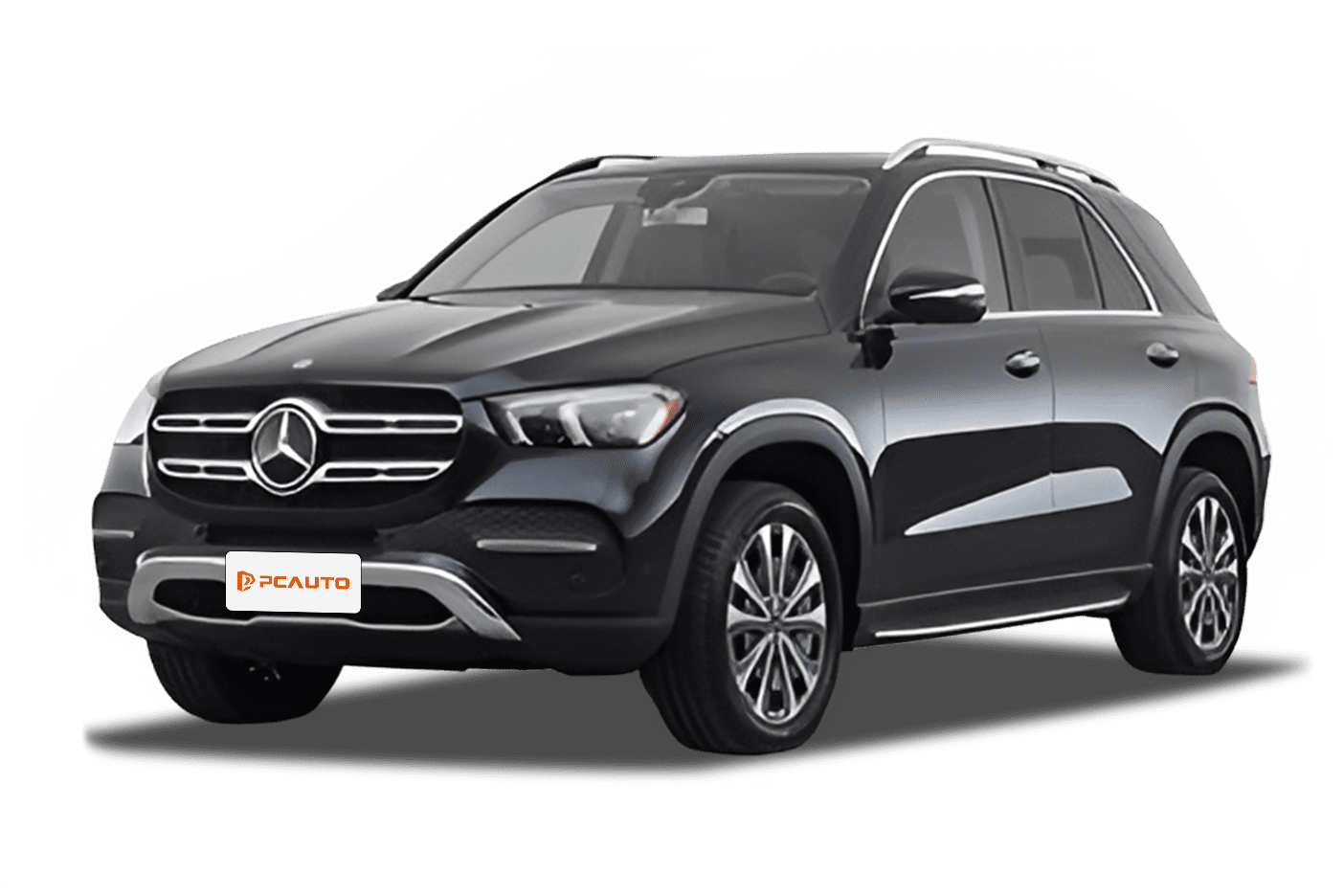
2024 Mercedes-Benz GLE 450 4MATIC AMG Line FL (CKD) is a locally assembled executive-level luxury SUV that lowers the entry threshold while upgrading power and intelligent features, balancing a sense of status and practicality.