

BMW 3 Series 2019 Review

 Share
Share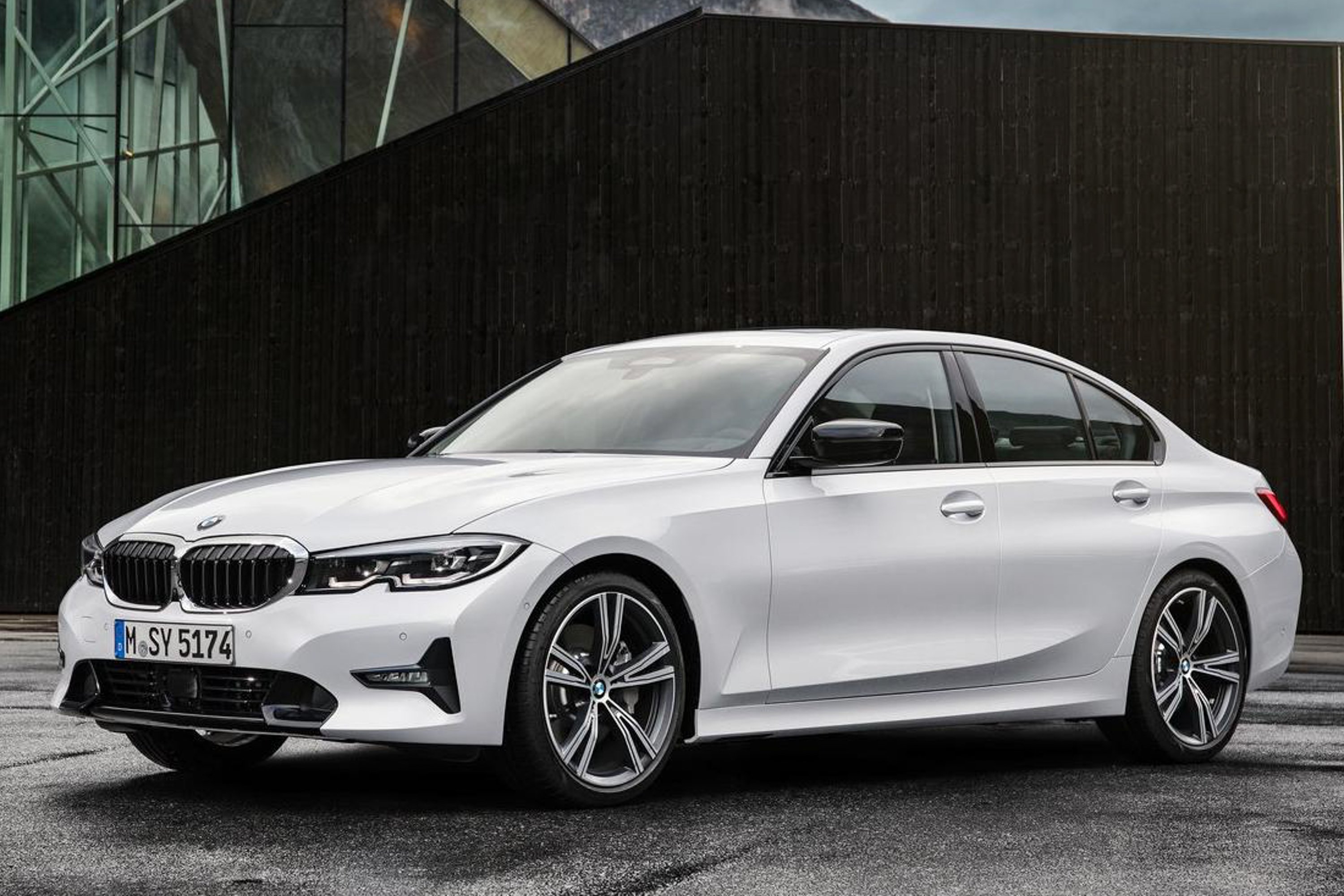
 Segment
 Body Type
 Capacity(L)
 Engine Power(PS)
 Transmission
 Driven Wheels
In recent years, in the Malaysian D-segment sedan market, plug-in hybrid models that combine fuel economy with driving fun have gradually become a new choice for families and young consumers. The 2019 BMW 3 Series 330e M Sport is a representative in this niche market. It achieves low fuel consumption with its PHEV power system while retaining the sporty feel of the M Sport package, and it comes standard with features like an HUD head-up display and electronically adjustable memory seats, offering premium configurations. This test drive will focus on evaluating its power response, daily practicality, and configuration experience to see if they align with its positioning and to provide references for potential buyers.
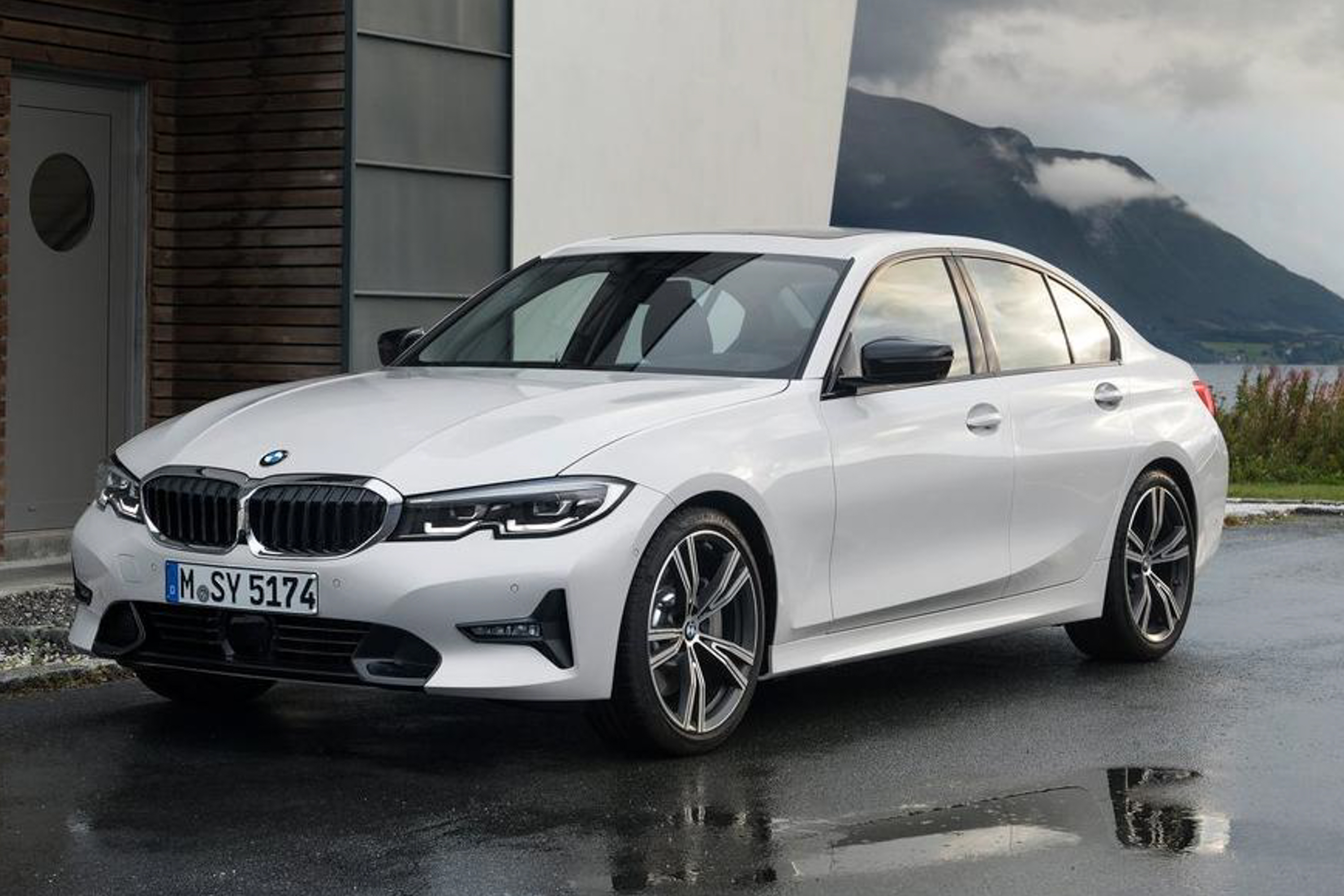
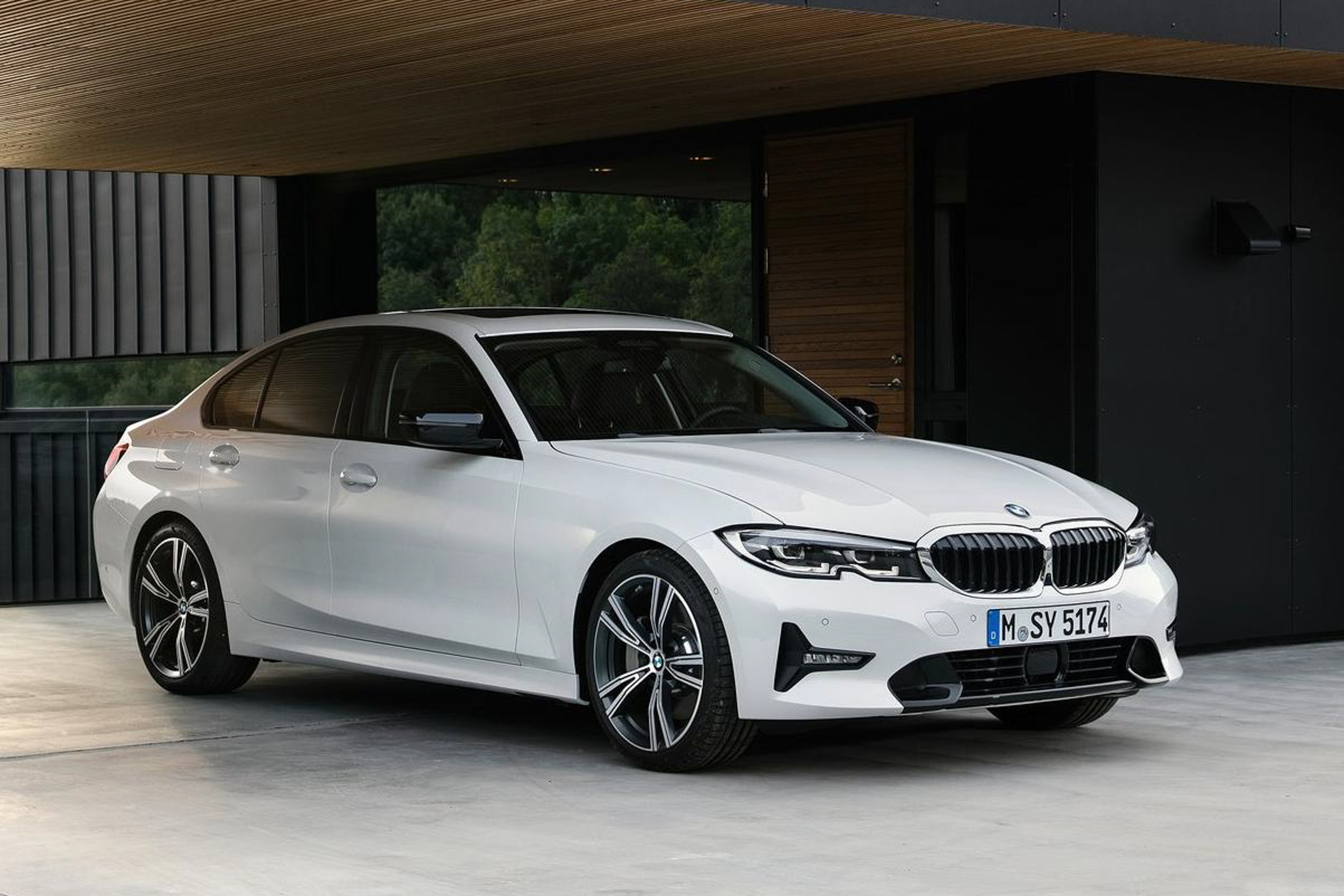
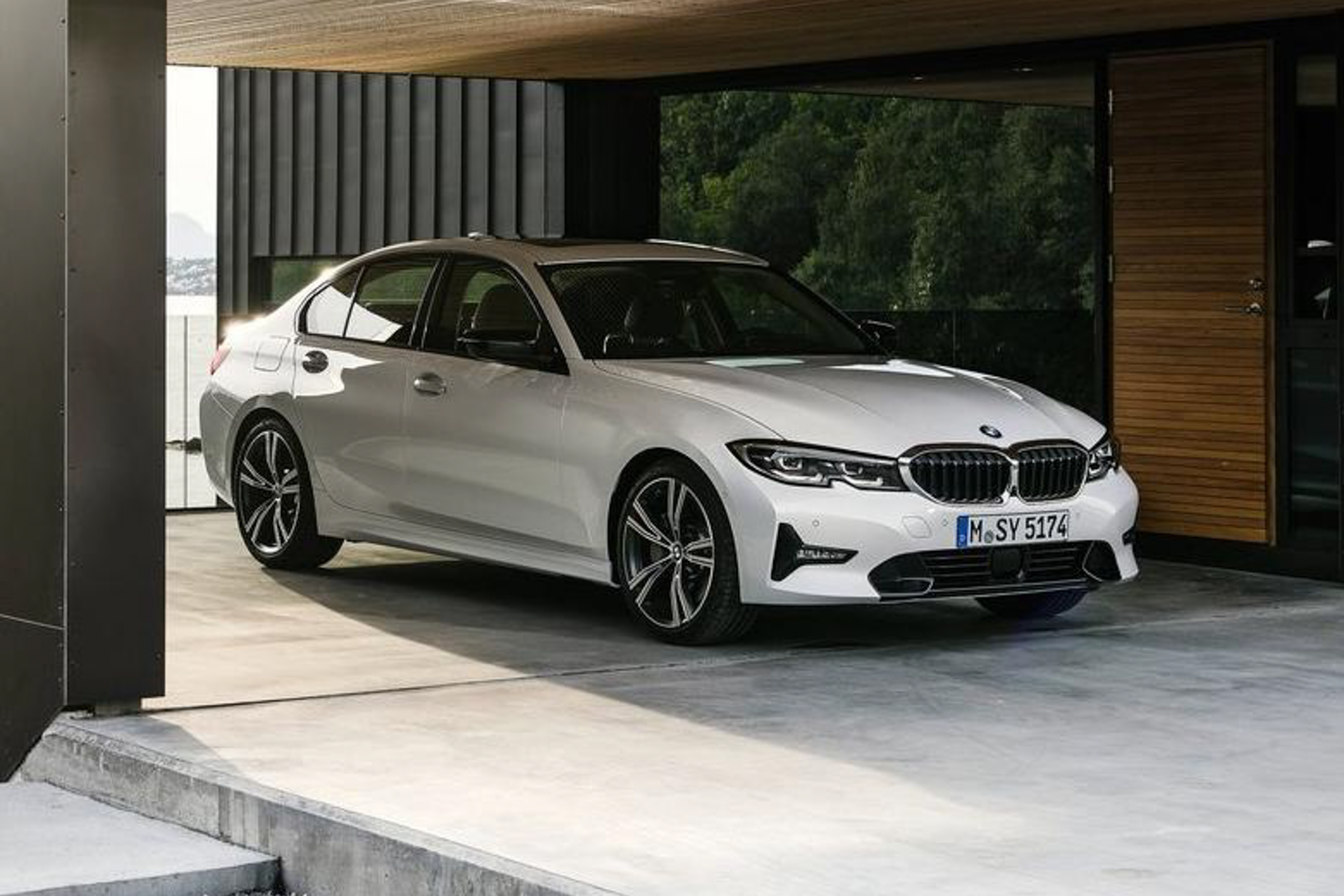
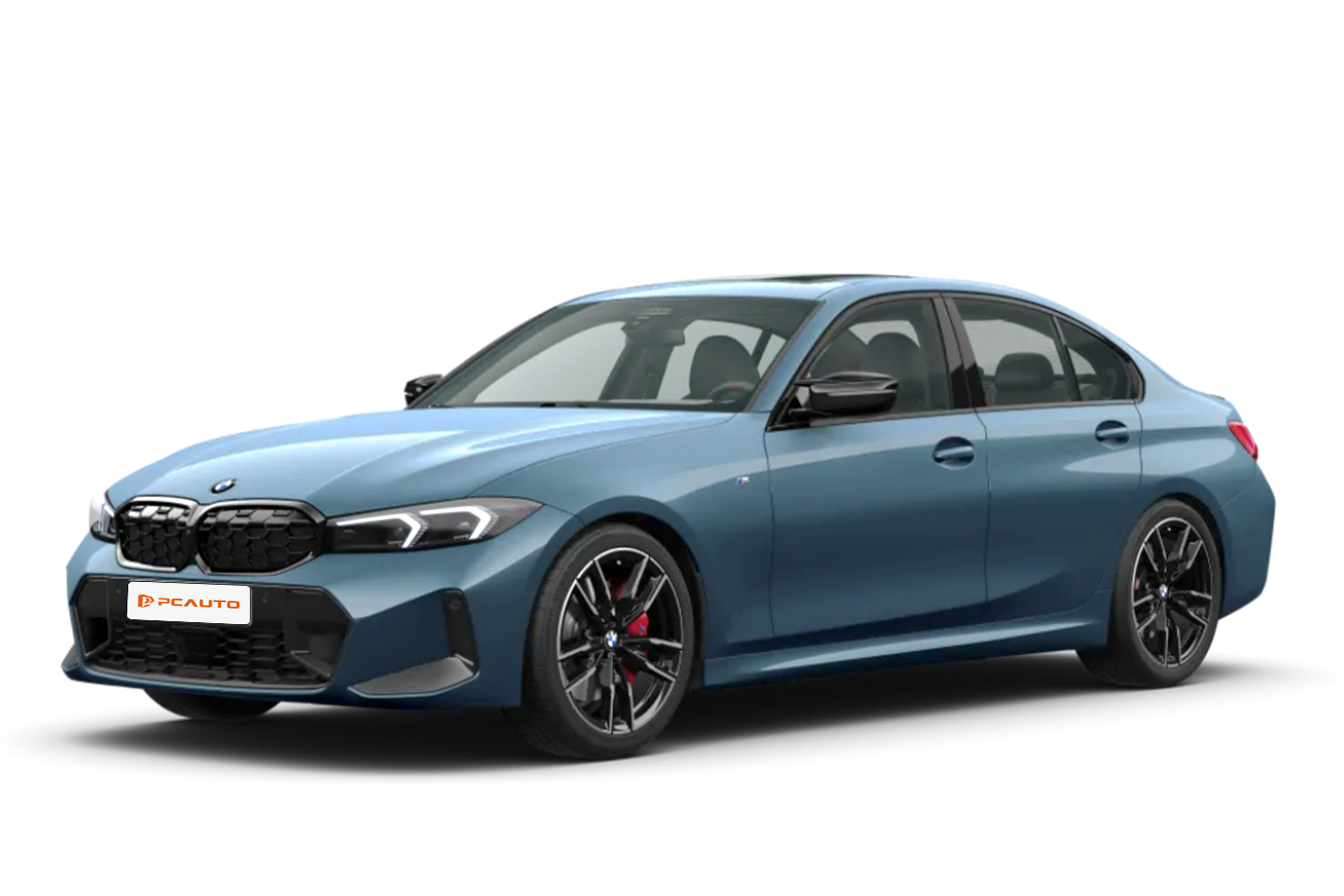
The exterior of the 2019 330e M Sport continues the sporty DNA of the 3 Series family. The front features a large double-kidney grille combined with the exclusive M Sport front bumper, with sharp-shaped air intakes on both sides, enhancing its visual impact. The side profile of the car has smooth lines, with the waistline extending from the front fender to the rear. The 18-inch dual-tone wheels (front 225/45 R18, rear 255/40 R18) paired with the short front overhang design of the rear-wheel-drive layout further emphasize its sporty stance. At the rear, the LED taillights feature L-shaped light strips for high recognizability. The dual exhaust outlets align with the M Sport badge, creating a look that is dynamic yet refined. The lighting system comes standard with LED headlights and daytime running lights, and the inclusion of automatic headlights and front fog lamps enhances everyday convenience.
Inside, the interior employs black as the primary color, accented by metallic trim pieces to create a simple yet sophisticated atmosphere. In terms of materials, the upper part of the central console is wrapped in soft-touch materials, offering a comfortable tactile experience. The central console is clearly laid out, with a 10.25-inch touch screen (specific dimensions not specified but supports touch operation) positioned at the center, ensuring smooth operation. The 12.3-inch digital instrument cluster is clear and can switch between different display modes. The HUD head-up digital display is standard, projecting speed, navigation, and other information onto the windshield, enhancing driving safety. In terms of configuration, the front seats support electric adjustment and memory functions, and the rear seats are equipped with a central armrest, meeting the comfort needs of family users. Dual-zone automatic climate control, rear air vents, and a 220V power outlet further enhance practicality.
In terms of dimensions, the length, width, and height are 4633mm/1811mm/1429mm, with a wheelbase of 2810mm. Rear legroom is average; a 175cm tall passenger has about two fists of space between their knees and the front seat back when seated. The trunk has a capacity of 370L, slightly smaller than the 318i’s 480L due to the space occupied by the battery pack, but can still accommodate 2-3 carry-on suitcases, meeting the needs of short family trips. As for storage space, the design of the front central armrest box, door panel storage compartments, and cup holders is reasonable, allowing for the placement of phones, water bottles, and other daily items.
The power system is equipped with a 2.0T turbocharged engine paired with an electric motor to form a plug-in hybrid system. The engine delivers a maximum horsepower of 181 hp, while the motor provides an additional 113 hp, resulting in a combined output of 252 hp and 420 Nm of torque. It is mated to an 8-speed automatic transmission. The official 0-100 km/h acceleration time is 6.0 seconds. During actual driving, the hybrid mode offers smooth and quick starts, as the motor's involvement effectively reduces turbo lag. The acceleration process is smooth yet powerful. When switched to sport mode, the power response becomes more aggressive, gear shifting speed increases, and deep pressing of the accelerator produces a noticeable push-back sensation during overtaking.
In terms of handling, the rear-wheel-drive layout combined with the front MacPherson and rear multi-link independent suspension is tuned towards sportiness. The steering is precise with minimal play and provides moderate feedback. The body roll is well-controlled during cornering, showcasing the consistent handling advantage of the 3 Series. During daily driving, the suspension effectively filters out small road bumps, but passengers in the rear may feel some vibrations when crossing speed bumps or rough road surfaces. Overall comfort is medium-level among sporty sedans.
Fuel consumption and range are the core focuses of plug-in hybrid vehicles. The official combined fuel consumption is 1.6L/100km. In actual testing, the pure electric mode range is approximately 50km (official pure electric range is not specified; this is the actual city driving test result), sufficient for daily commuting needs. In hybrid mode, the combined fuel consumption is about 4.2L/100km, which outperforms similar fuel-powered vehicles (e.g., the 5.1L/100km of the 318i). When it comes to charging, it takes about 3.5 hours to fully charge using a home charging station, which is quite convenient.
Regarding driving comfort, the seats offer moderate support and do not cause fatigue during long drives. The NVH performance is average, with wind and tire noise becoming somewhat noticeable at high speeds but still within an acceptable range. The energy recovery system offers different intensity levels, and the weak recovery mode delivers a driving experience similar to a fuel-powered vehicle, without producing a noticeable dragging sensation.
Overall, the core advantages of the 2019 BMW 330e M Sport lie in its PHEV powertrain, which balances performance and fuel efficiency. The M Sport package enhances the sporty feel, and standard features such as the HUD and electrically adjustable memory seats add to its practicality. Compared to its peers, it has better fuel consumption than the 318i (1.5T gasoline engine), and its configuration level is close to the higher-priced 330i M Sport (293,800 RM), yet it is more competitively priced (258,800 RM).
This car is suitable for two groups of people: First, eco-conscious families focused on fuel economy, for whom the pure electric commuting plus hybrid long-distance driving mode can reduce usage costs. Second, young consumers seeking a sporty style and a high configuration experience will appreciate the M Sport exterior and rich features. However, the limited trunk space and average rear-seat comfort are its drawbacks, so consumers with extremely high space requirements should consider carefully.
In summary, the 2019 BMW 330e M Sport is a mid-sized plug-in hybrid sedan with a good balance of performance, fuel efficiency, and features. It offers high cost-performance in the D-segment sedan market and is suitable for consumers looking for a well-rounded vehicle.
BMW 3 Series Car Compare
BMW 3 Series Loan Calculator
More BMW Reviews
Cars With Similar Price And Features
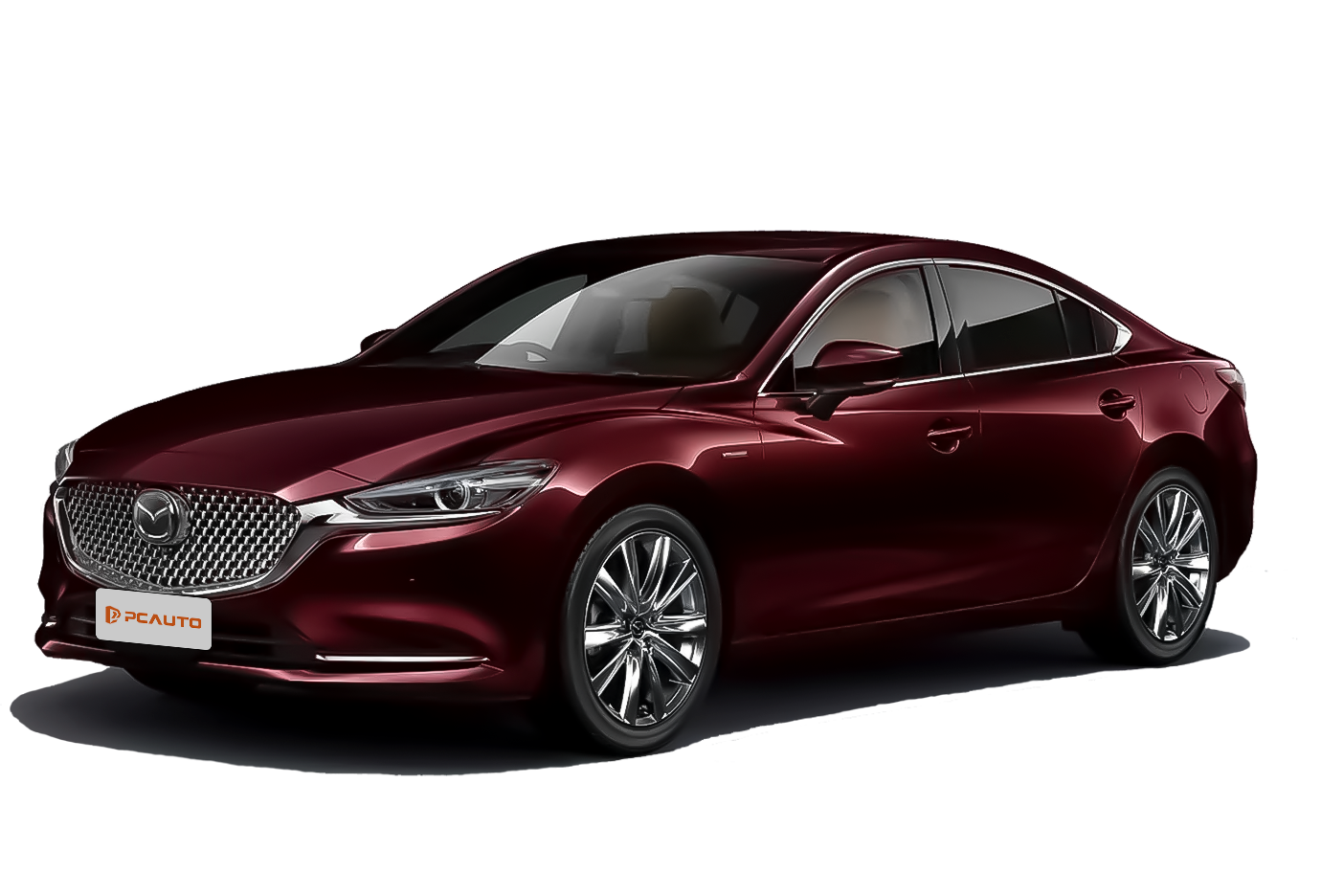
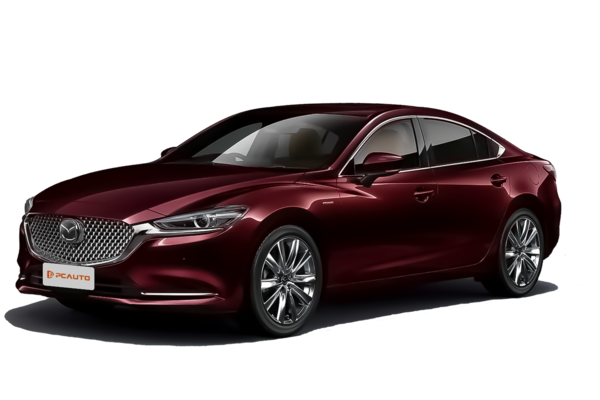
2023 Mazda 6 Sedan 2.0 SkyActiv-G meets the rational needs of family users for joint-venture quality, comfortable configurations, and fuel economy with its KODO design, practical space, and balanced driving control.

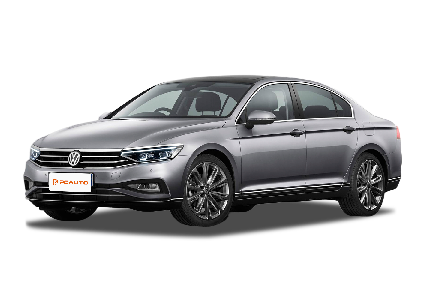
2022 Volkswagen Passat 2.0 TSI R-Line combines business elegance with sporty personality, featuring 220PS power, 14-way massage seats, and Harman Kardon audio system to meet the diverse needs of families and young professionals.
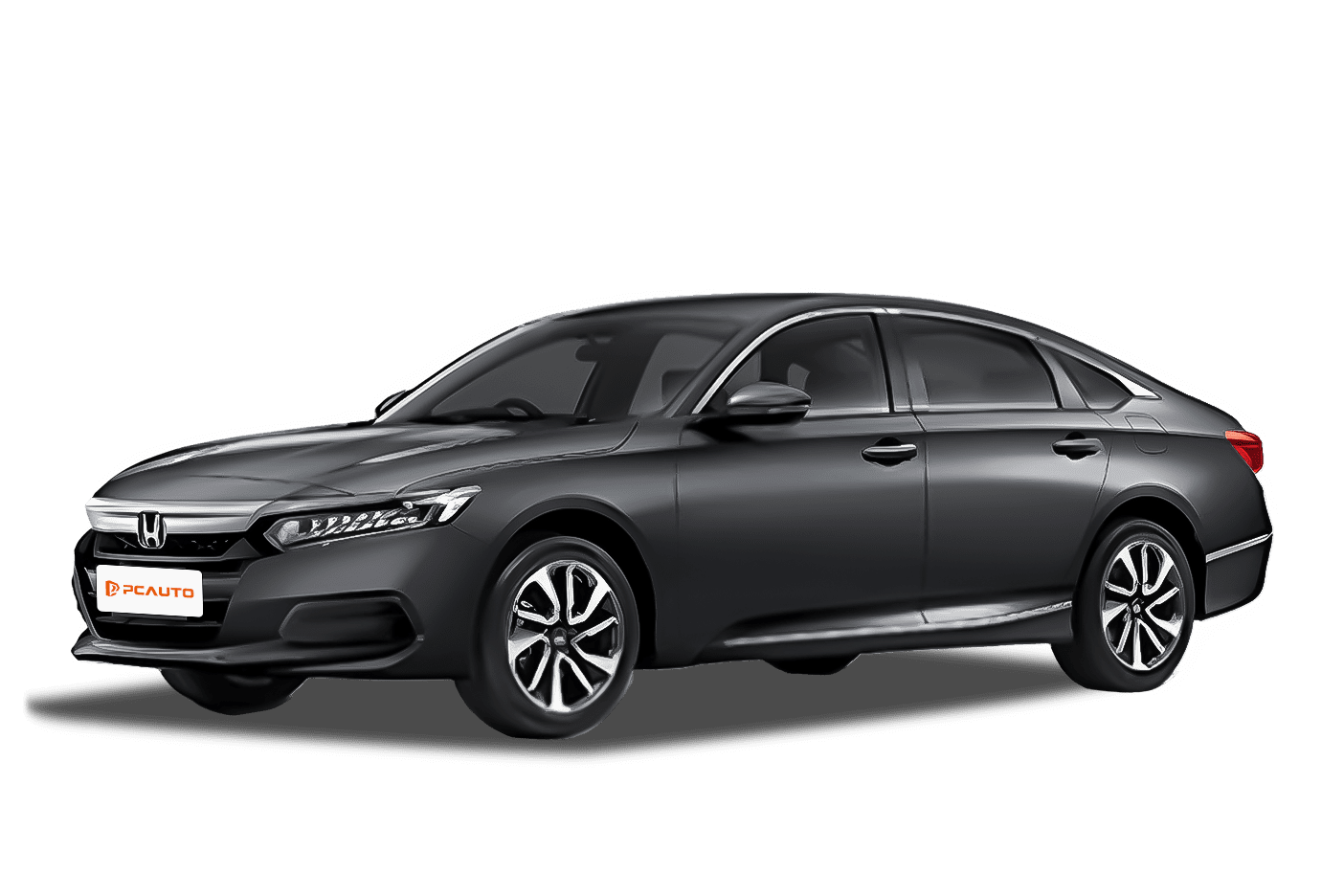
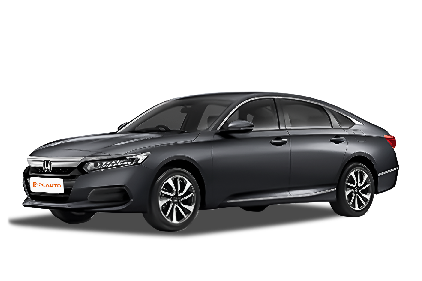
The 2023 Honda Accord 1.5 TC is a D-segment sedan that balances both business and family use, with core selling points of spacious interior, comfortable driving, and efficient performance, making it suitable for practical family users.
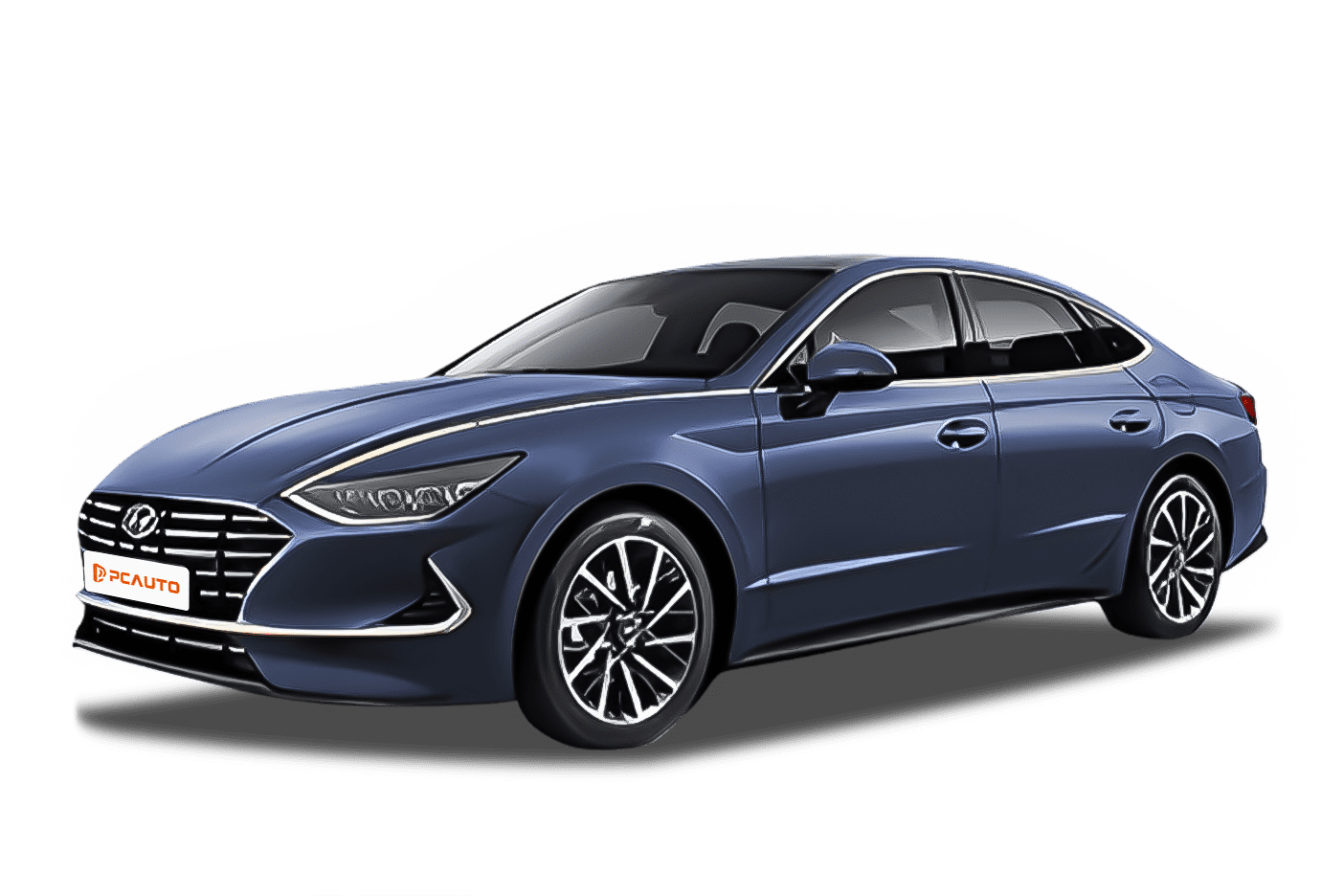
2024 Hyundai Sonata public is positioned as a D-Segment family and business sedan, combining dynamic design, practical configurations, and spacious space, balancing power and fuel consumption, safe and reliable.