

BMW 7 Series 1977 Review

 Share
Share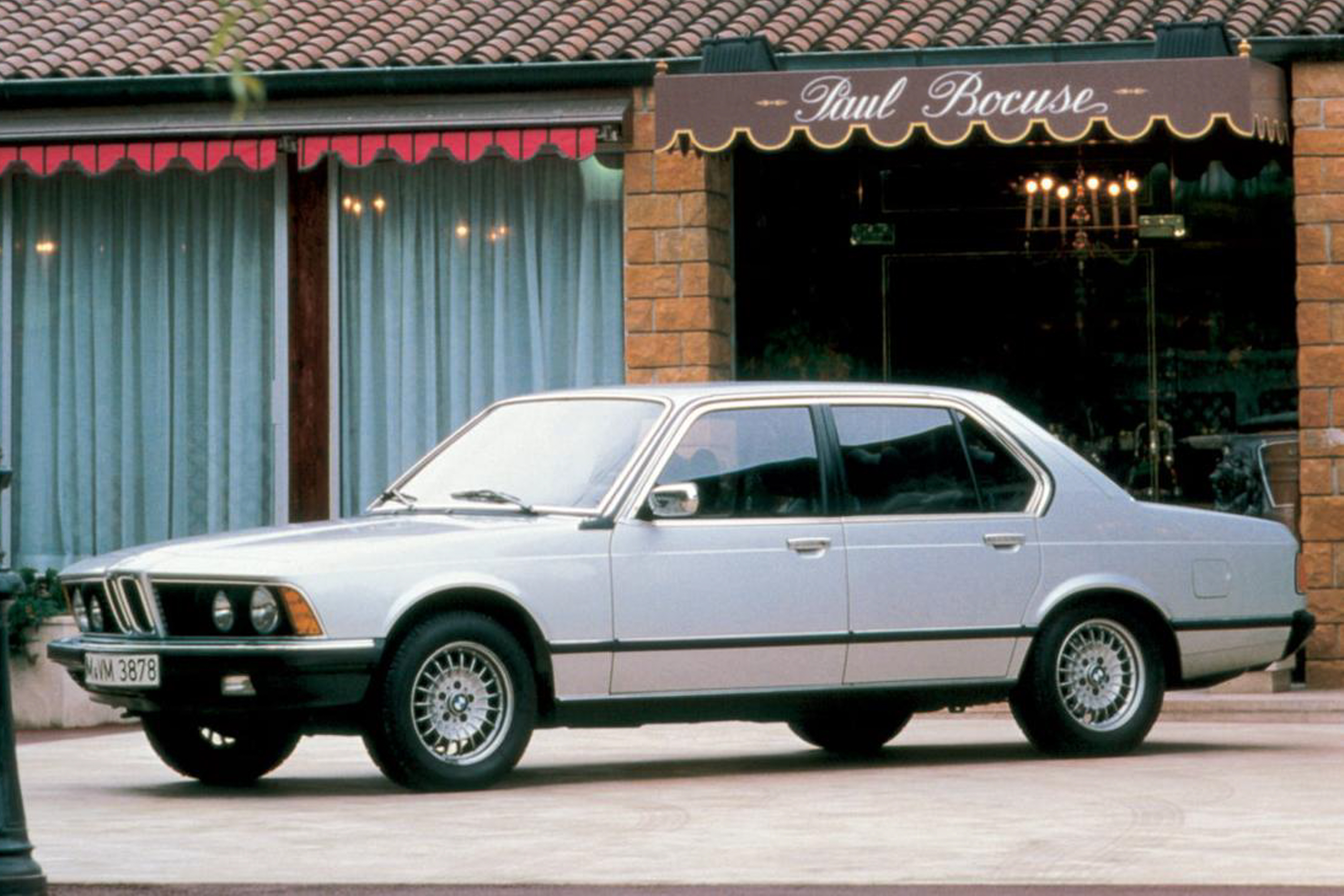
 Body Type
 Segment
 Capacity(L)
 Engine Power(PS)
 Engine Torque(Nm)
 Transmission
As competition in Malaysia's luxury sedan market increasingly focuses on balancing "classic heritage and modern practicality," the 1977 BMW 7 Series (E23 generation), the brand's first independently named flagship luxury sedan, has targeted the high-end executive market since its inception. Unlike its competitors in the same segment at the time, which relied on a "feature-stuffing" strategy, this vehicle offered "precise luxury" as its core selling point—it retained BMW's sporty DNA while meeting business needs with top-tier configurations and spacious interiors, successfully carving out a differentiation from competitors like the Mercedes-Benz S-Class. This review centers on the theme of "revalidating the contemporary practicality of a vintage flagship," guiding readers to re-examine this classic model, which debuted 46 years ago, and see whether it still displays the confidence expected of a flagship in today's daily scenarios.
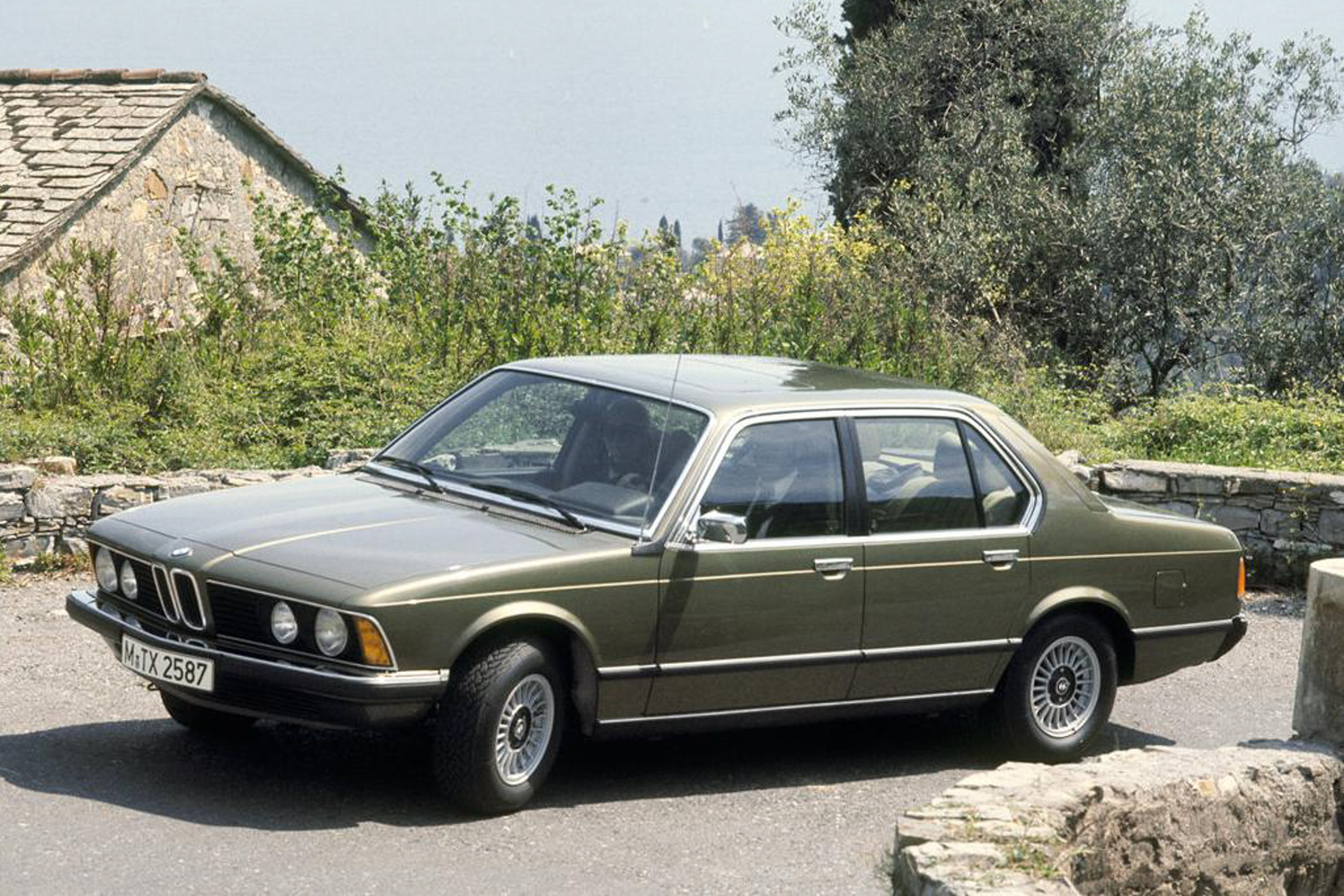
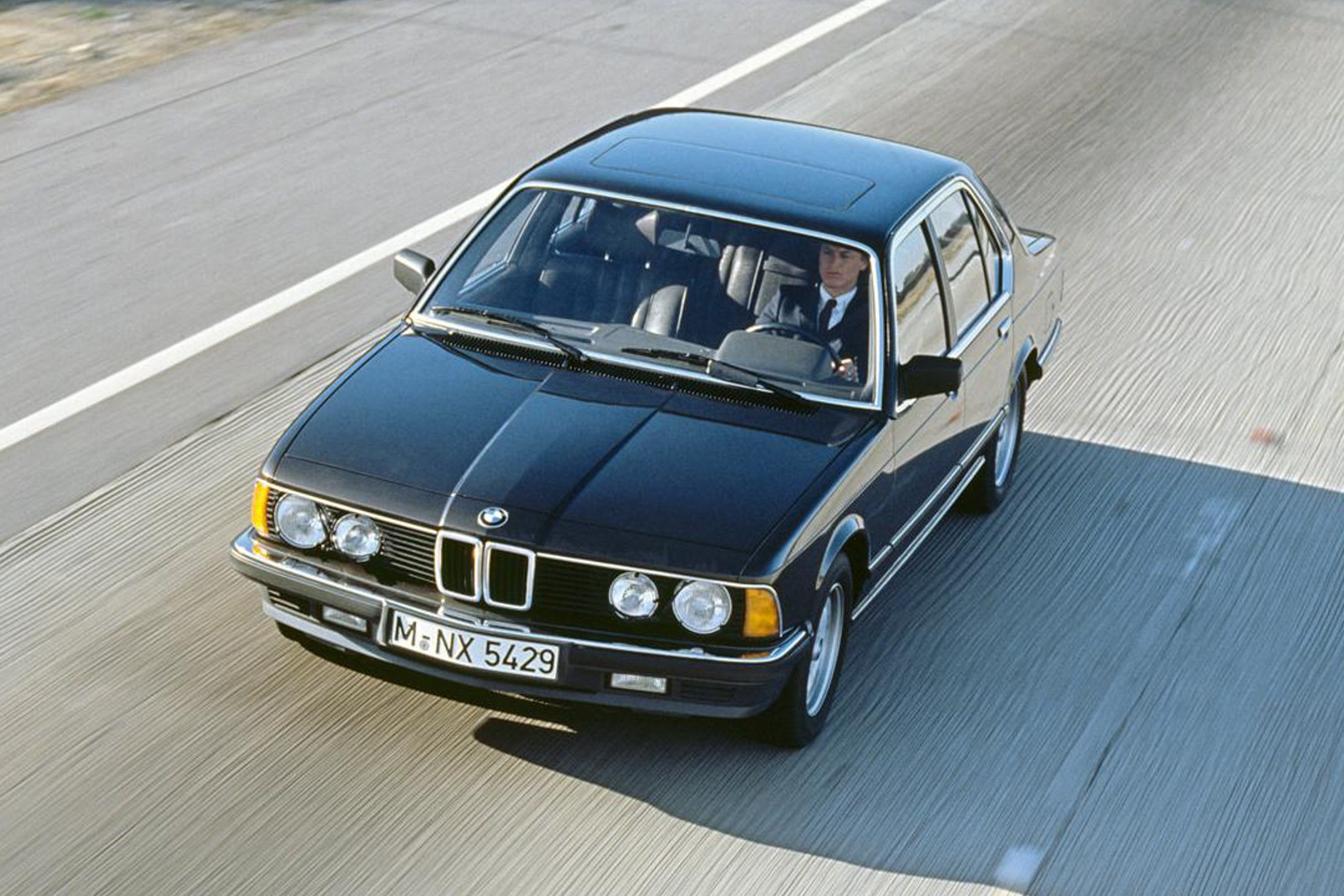
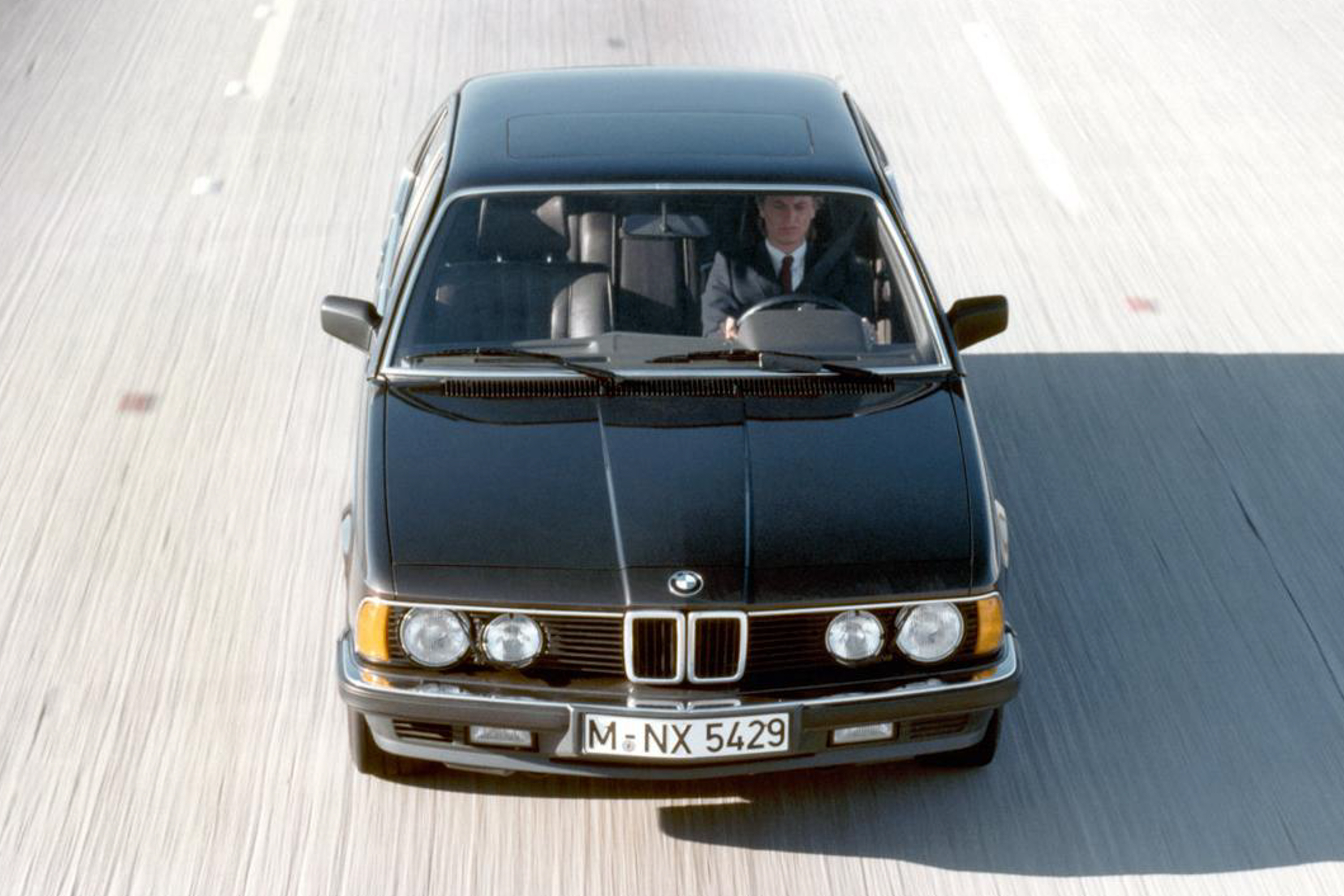
The first sight of this 1977 BMW 7 Series instantly exudes the aura of a classic luxury executive sedan. The overall body design leans toward stability and dignity, with a long wheelbase of 2830mm and smooth side lines extending from the front fender to the rear. This not only ensures the elegance of an executive car but also subtly conveys BMW's signature sporty stance. The front face features an uncommon "kidney grille" design of the era with widened chrome trim. The metallic edging around the grille echoes the two raised ridges on the hood, adding a sense of power to the front. The round headlamp assembly houses single halogen bulbs, which, although lacking the technological edge of modern LEDs, still stand out notably among classic cars when illuminated. The rear design is relatively simple, with a rectangular trunk lid paired with horizontal chrome trim, complemented by dual round exhaust pipes on either side. The vertically arranged combination tail lights create a unique nighttime identity compared to other cars of its time. Notably, the chrome "7 Series" badge on the car's side and the "Hofmeister kink" on the C-pillar are design elements of BMW's signature style that remain iconic even today.
Opening the car doors reveals an interior that epitomizes luxury, setting a benchmark among executive cars of its era. Featuring a "T-shaped" central console layout, extensive wood grain panels cover the dashboard, center console, and door panels. Combined with leather seats and wool carpeting, nearly every touchpoint eschews hard plastics, offering a level of refinement far beyond Japanese competitors of the same period. At the center of the dashboard, a 7-inch mechanical dial instrument cluster—a large size for the time—is complemented by a physical button-based climate control system below it. The knobs and buttons have a clear tactile feedback, with user-friendly controls. In terms of core features, the car comes equipped with power-adjustable leather seats (with lumbar support), independent front and rear air conditioning, a car radio, and an electric sunroof as standard. Some models also offer rear seat folding tables and independent power outlets, emphasizing its strong focus on business needs. The only disappointment is the absence of modern smart systems, with no touchscreen interface, but for a vehicle from 46 years ago, this level of equipment was more than adequate to meet executive demands.
The space performance directly matches the flagship standards of the time. The vehicle's dimensions, measuring 4900mm × 1800mm × 1430mm with a 2830mm wheelbase, placed it at the top tier of executive cars in 1977. The front seats support 8-way electric adjustments. For a driver standing 175cm tall, there is an ample headroom of a fist and two fingers above and plenty of legroom to stretch comfortably. The rear seats are focused on providing a premium business experience, with more than two fist-lengths of legroom, comfortably accommodating three adult passengers without feeling cramped. The center armrest also hides cup holders and a storage compartment. For storage capacity, the trunk offers around 450L of space, enough to fit two 28-inch suitcases and a handbag, while storage slots in the door panels and center armrest are sufficient for small items like phones and wallets. The rear seats are equipped with independent air conditioning vents and a 12V power outlet, ensuring both comfort and practicality during long journeys.
In terms of power, the 1977 7 Series offers three gasoline engine options: a 2.5L inline six-cylinder (122PS/190Nm), a 3.0L inline six-cylinder (184PS/260Nm), and a 3.3L inline six-cylinder (197PS/280Nm). The model tested this time is the 3.0L version, paired with a 4-speed automatic transmission, and the official 0-100km/h acceleration time is approximately 9.5 seconds. In actual experience, the start in economy mode is relatively smooth, making it suitable for congested urban sections; switching to sport mode noticeably speeds up throttle response, delivering a sustained output of torque when the pedal is pressed one-third of the way down. During mid-to-late acceleration or overtaking, the power reserve feels sufficient, and even at a speed of 120km/h, pressing the throttle deeply still provides a distinct push-back sensation. However, restricted by the 4-speed transmission, the engine maintains a speed of about 2500rpm during high-speed cruising, slightly affecting fuel economy. Nevertheless, for an executive sedan, the preference for smoothness over aggressive performance aligns more with its positioning.
The handling and chassis performance carry forward BMW's sporty DNA. The steering wheel has minimal play and balanced return force, making it light and easy for parking at low speeds while becoming heavier at higher speeds to enhance stability. The chassis uses a combination of front MacPherson struts and rear independent suspension, tuned towards “comfort with a sporty bias” — it effectively filters out fine bumps when passing over speed bumps or uneven roads, keeping the body stable. When cornering, body roll is well-controlled within a reasonable range, and even during quick lane changes, there is no obvious swaying sensation. This strikes a balance between the comfort required for business travel and the joy of driving. Notably, the overall noise insulation exceeds expectations, with wind and tire noise not being noticeable below speeds of 80km/h. Only during rapid acceleration does the engine's roar gently enter the cabin, without affecting conversations among rear passengers.
As a classic flagship model from 46 years ago, the core strength of the 1977 BMW 7 Series lies in its “balance”—neither excessively pursuing luxury at the expense of practicality, nor sacrificing the comfort of an executive sedan in the name of sportiness. Compared to its contemporaries like the Mercedes-Benz S-Class (W116), it offered a more affordable price while retaining BMW's driving pleasure. Meanwhile, against the Jaguar XJ6, it had superior practicality in terms of space and features. Overall, this car suits two groups of people: vintage car collectors who want to experience the origins of BMW's flagship design, and owners who value “classic practicality,” as even today, its space and comfort can meet the needs of daily commuting or short business trips.
In summary, the 1977 BMW 7 Series is not a “nostalgic car for nostalgia’s sake,” but a paragon of “balanced aesthetics, comfort, and performance” in luxury executive sedans 46 years ago. With its solid mechanical integrity and precise luxury positioning, it defined the original form of BMW's flagship models, and even today, it can captivate people with the unique charm of a classic car.
More BMW Reviews
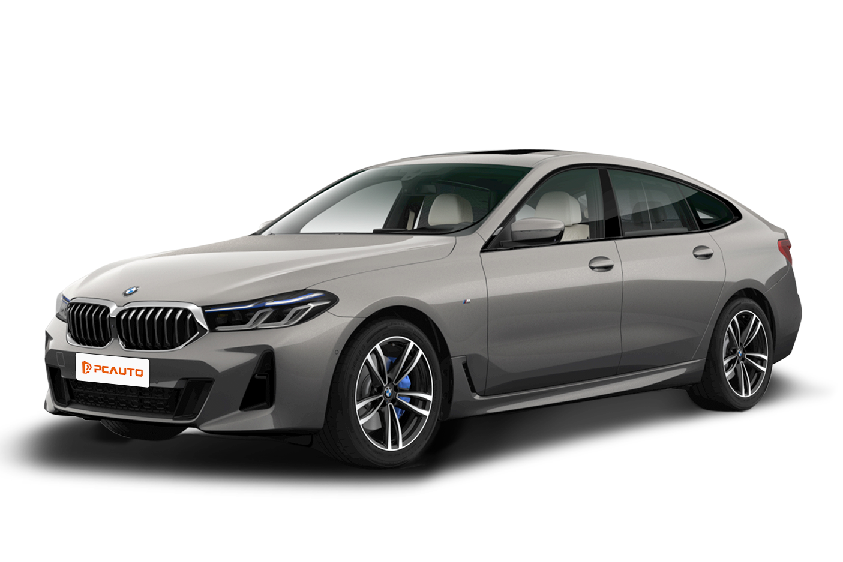
Cars With Similar Price And Features

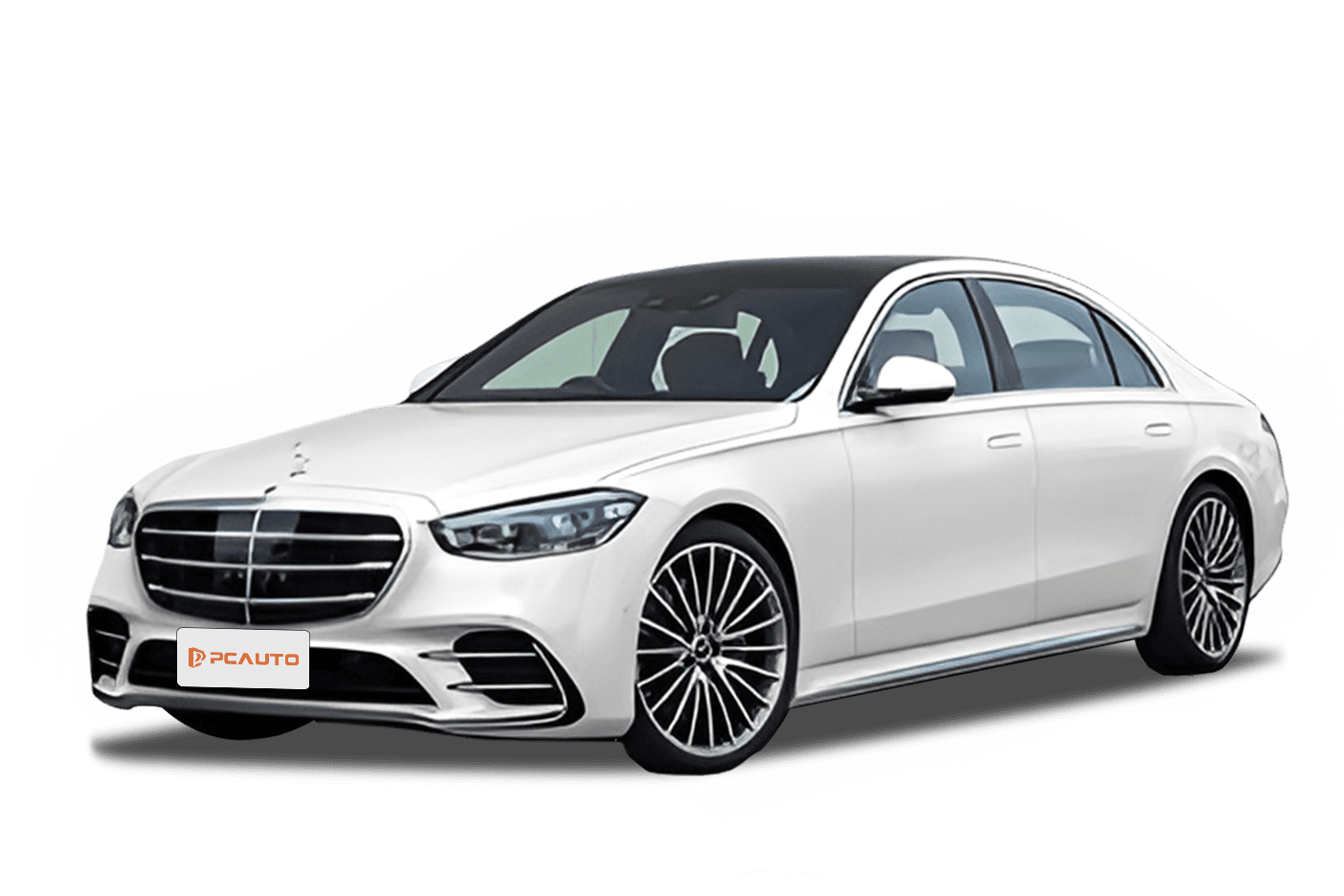
2022 Mercedes-Benz S-Class S 580 e, as the flagship plug-in hybrid model, offers a luxurious rear-seat experience with its extended wheelbase, a practical 100km pure electric range, and advanced intelligent features, balancing luxury and the practicality of new energy.
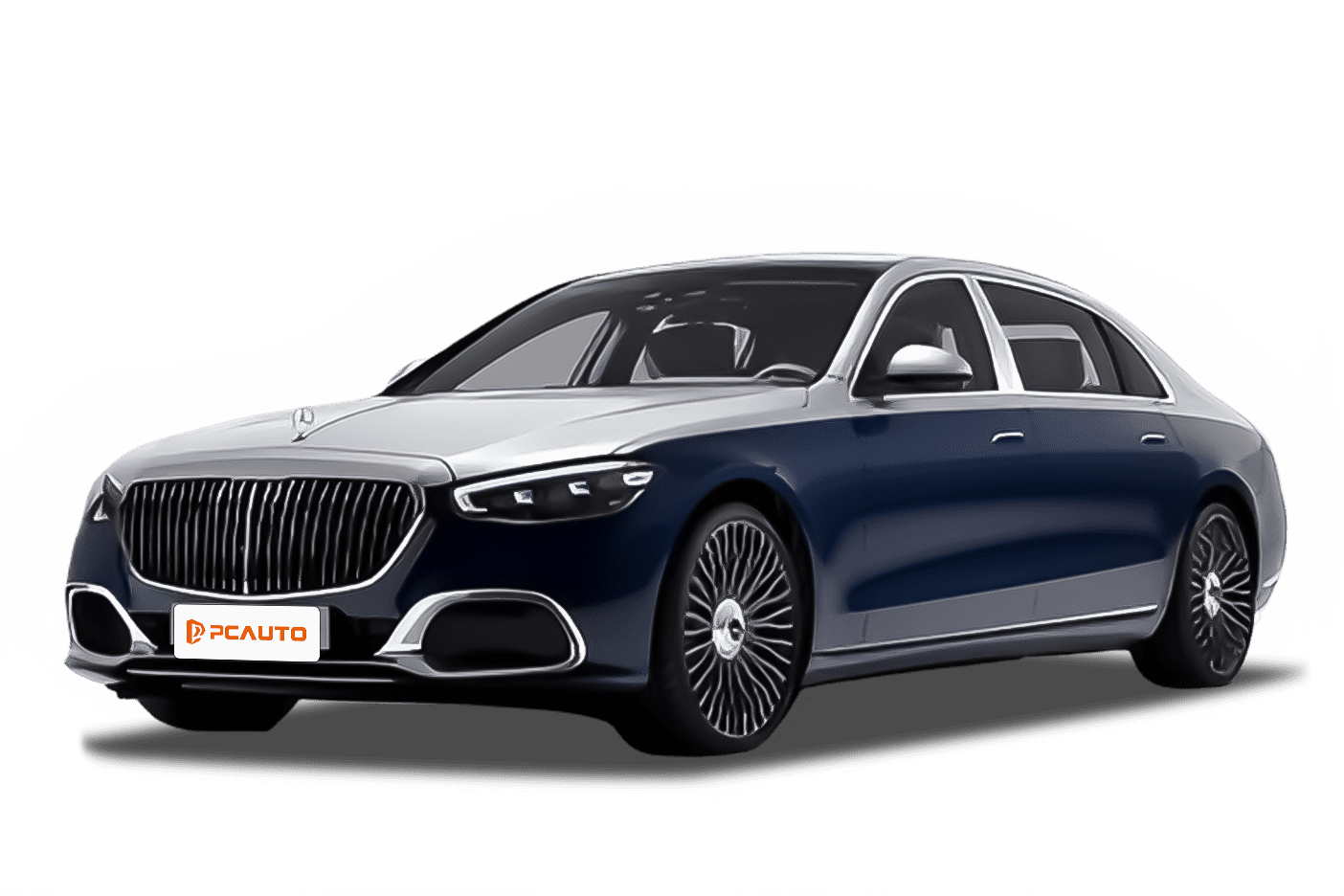
2022 Mercedes-Benz Maybach S-Class S 580 4Matic sets a new benchmark for top-tier luxury sedans with its luxurious design, upgraded hybrid system, and ultimate rear-seat comfort experience.