

BMW 8 Series 1989 Review

 Share
Share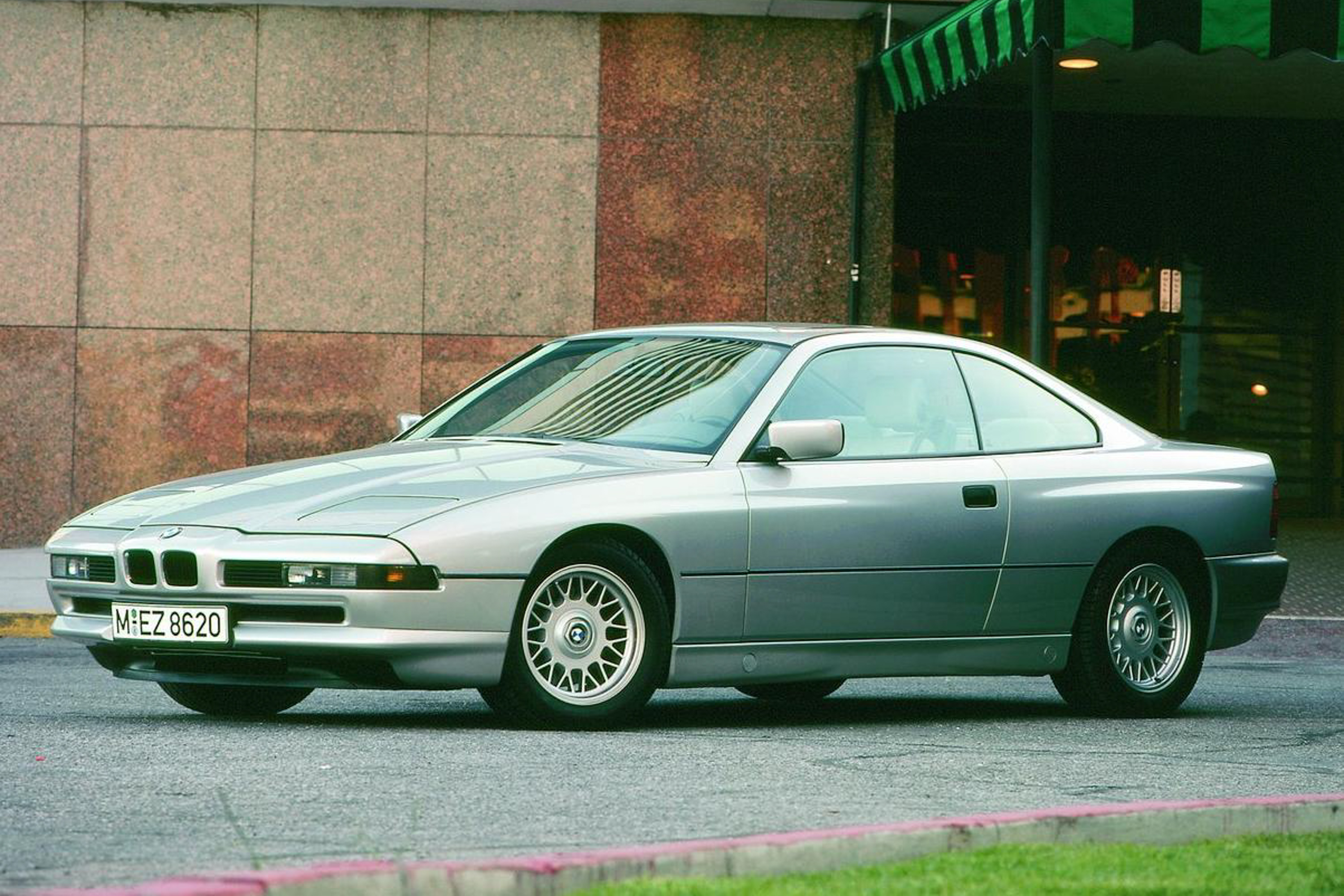
 Body Type
 Segment
 Capacity(L)
 Engine Power(PS)
 Engine Torque(Nm)
 Transmission
When the luxury GT market began transitioning towards the "combination of technology and performance" in the late 1980s, BMW responded with a flagship model that completely broke traditional perceptions — the 8 Series, launched in 1989. As the brand's highest-positioned coupe at the time, it was designed not only to replace the market position of the old 6 Series but also to prove to the world that BMW could achieve ultimate performance and cutting-edge design in the luxury GT segment. This time, we got our hands on an early version of the 8 Series test car, and our main goal is to see how much innovation this "future flagship" from over 30 years ago actually offered in terms of design, mechanical quality, and daily practicality, as well as whether it can still display the unique charm of a classic GT today.
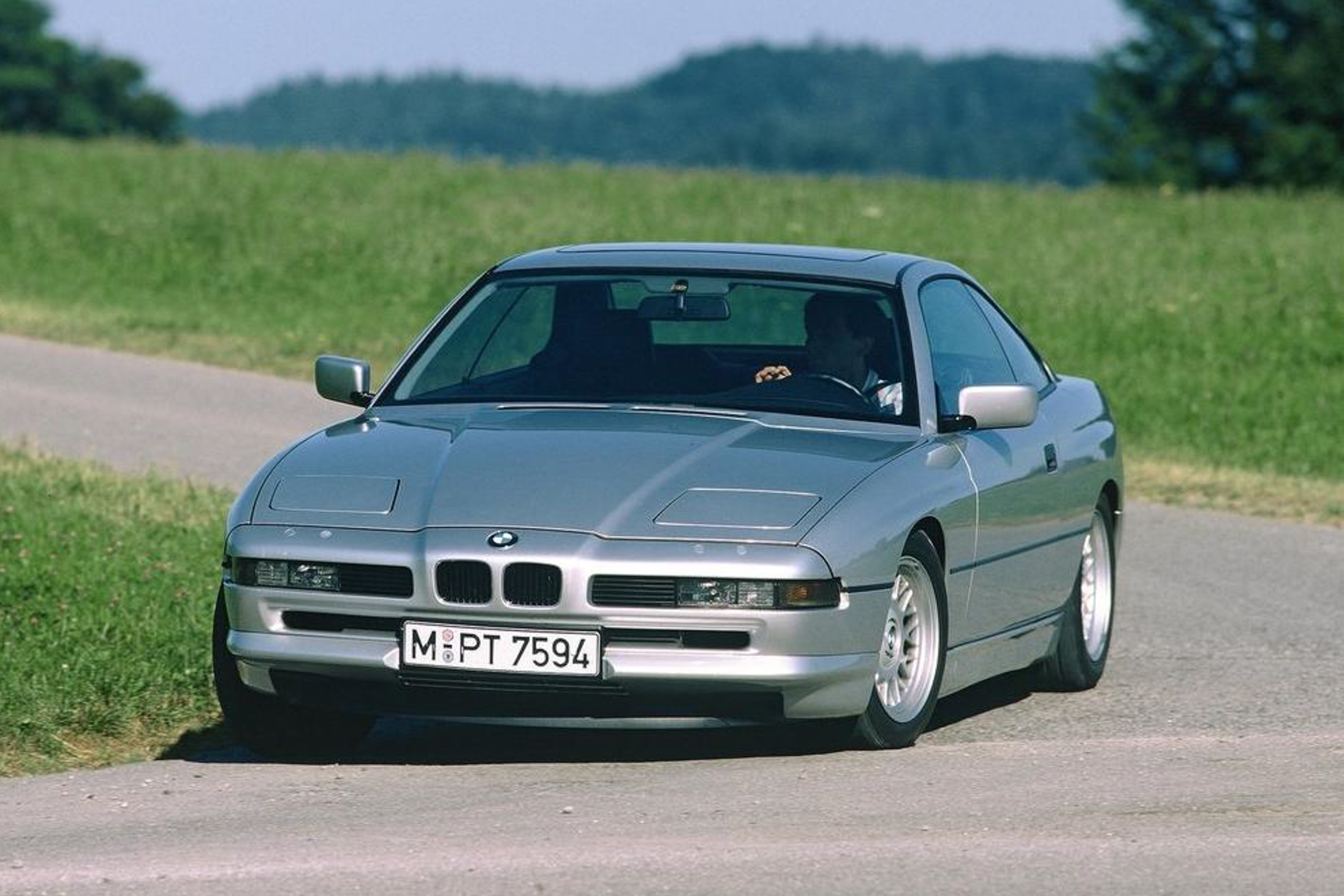
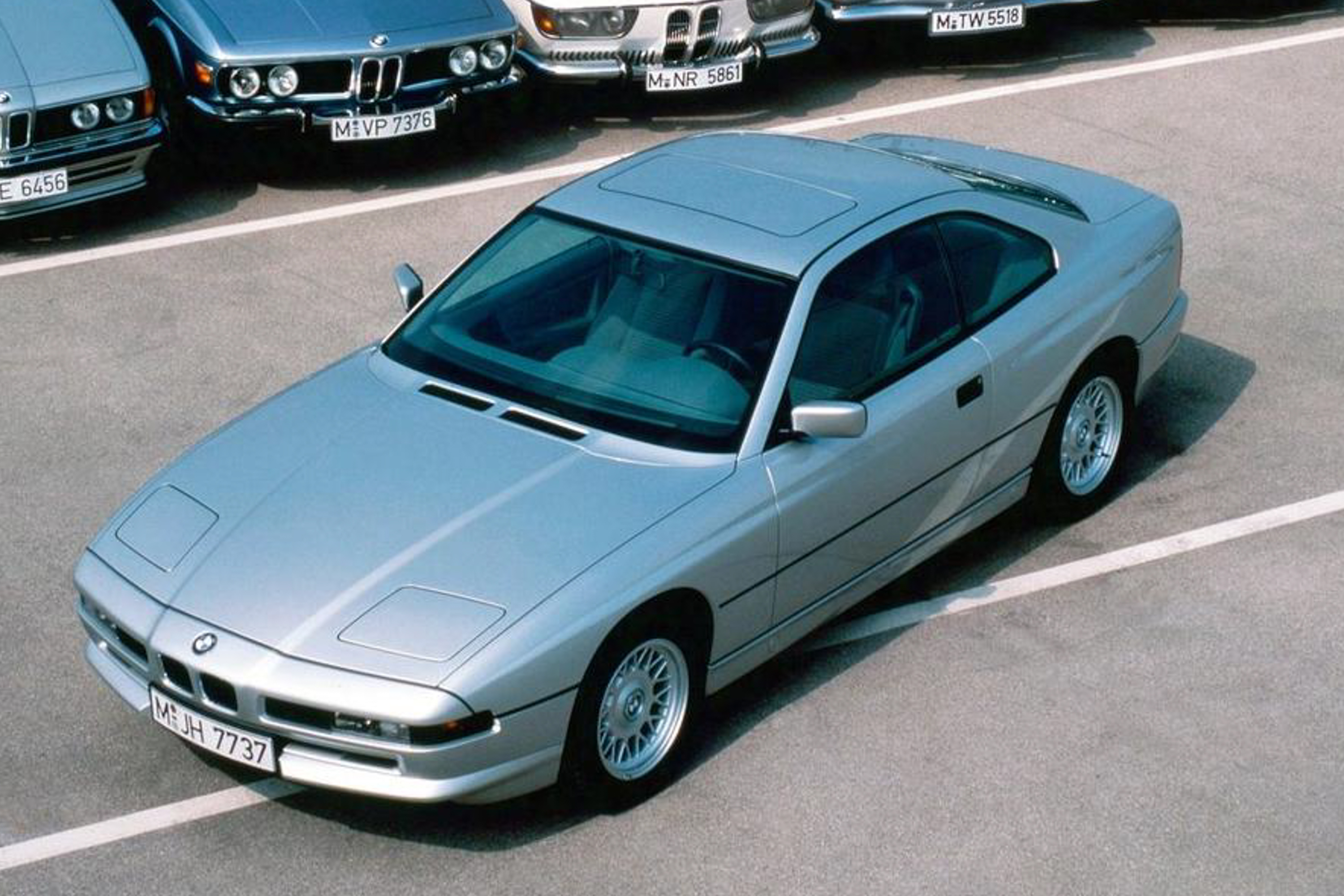
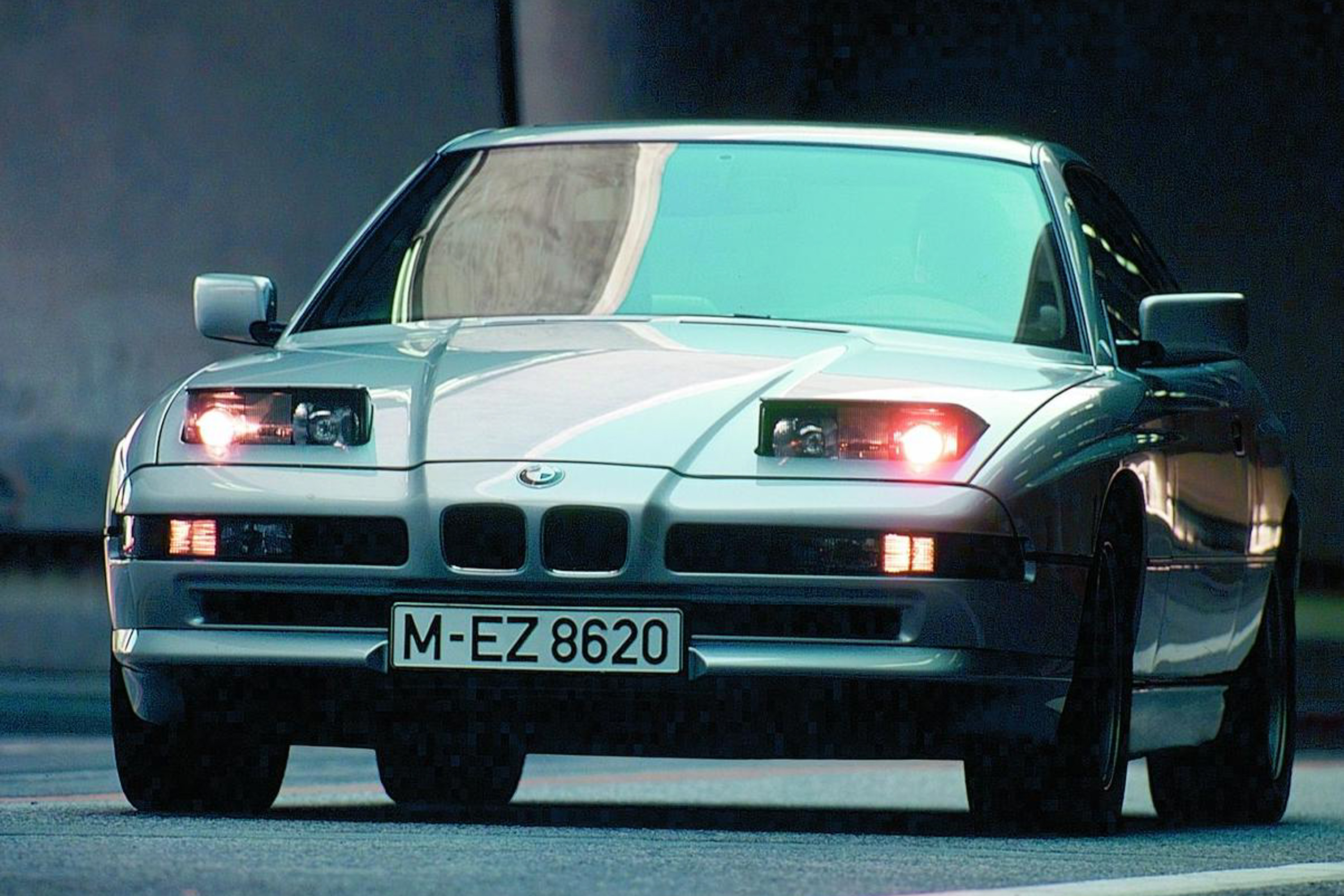
The exterior of the 8 Series immediately conveys its flagship status. The overall design adopts a streamlined shape, which was rare at the time; the body lines extend from the front to the rear without unnecessary angles. With a drag coefficient reportedly as low as 0.29, it was considered one of the best in the coupe category at that time. At the front, the iconic kidney grille is larger than that of the contemporary 3 and 5 Series models, flanked by slim rectangular headlights with high recognition. The subtle creases visible under the hood hint at its performance potential. The most striking feature of the car's side profile is the absence of a B-pillar, allowing the front and rear windows to roll down completely. Combined with the fastback roofline, the side profile looks exceptionally sleek. The rear design is relatively simple, with horizontal taillights integrated into the rear bumper, and the dual-exit exhaust layout below directly highlights its sporty attributes. Notably, the 8 Series was equipped with hidden door handles, which were uncommon in mass-production cars of the late 1980s, further enhancing its sense of modernity.
Stepping inside, the interior design of the 8 Series is distinctly different from other BMW models of the same period. The center console is angled towards the driver, with all buttons and knobs conveniently within reach, making operation intuitive and easy. Regarding materials, the cabin is extensively covered in leather and wood trim, with the steering wheel, seats, and the inner sides of the door panels wrapped in high-quality leather, offering a top-tier level of luxury for that time. In terms of key features, this test vehicle comes equipped with a rare electronic instrument cluster that displays speed, RPM, fuel level, and other information. Although its resolution doesn't compare to modern LCD dashboards, it was undoubtedly a cutting-edge offering three decades ago. The climate control panel on the center console uses physical knobs for precise and intuitive adjustments, and below it is a cassette player and radio. As for the seats, the front seats support multi-directional manual adjustments and offer decent lumbar support and lateral bolstering, ensuring comfort during long drives. Although rear seats are present, space is quite limited, with only minimal legroom and headroom. They are more suited for occasional use, which was a common design choice for GT coupes at the time. Regarding storage space, the door pockets and center armrest compartment are relatively small, and the trunk can typically accommodate about two carry-on suitcases, which is enough for short trips but may require extra packing considerations for long journeys.
Powertrain-wise, the early 8 Series we tested is equipped with a 4.0L V8 engine, delivering a maximum power of 210kW (286 horsepower) and a maximum torque of 400N·m, paired with a 4-speed automatic transmission. In actual driving, the power response during the initial acceleration is not particularly aggressive, but once the revs exceed 2,000 rpm, there is a noticeable burst of torque, and the acceleration becomes more intense. While overtaking, as long as you press the accelerator hard, the transmission downshifts actively, and the power delivery is very direct. As for driving modes, the 8 Series of that time offered two options: Economy and Sport. When switching to Sport mode, the shifting logic of the transmission becomes more aggressive, maintaining higher revs for longer periods, making it suitable for spirited driving. In terms of handling, the steering feel of the 8 Series leans towards being heavy, but it is very precise, with almost no play, and the dynamics of the front end can be clearly felt when cornering. The chassis features a front double-wishbone and rear multi-link suspension setup, tuned for sportiness. It efficiently filters out fine vibrations on bumpy roads, but when encountering speed bumps or larger potholes, the bumps are more noticeable in the rear. During cornering, the body roll is well-controlled, and the suspension provides adequate support, instilling a great deal of confidence in the driver. Regarding fuel consumption, we drove 100 kilometers both on urban roads and highways, with a combined fuel consumption of approximately 15L/100km, which was in line with the flagship coupe standard of that era, considering its displacement and weight.
In terms of ride comfort, the 8 Series performs moderately. Regarding noise control, wind noise and tire noise become more noticeable during high-speed driving, especially when exceeding 120km/h, as wind noise enters the cabin through the A-pillars and windows. However, the engine noise is well-controlled, and even at high revs, the sound transmitted into the cabin is not too intrusive. The comfort of the seats has already been mentioned: the front seats offer great support and wrapping, while the rear seats, due to their limited space, can be uncomfortable for prolonged seating. Additionally, this early model of the 8 Series lacks many comfort features, such as seat heating and automatic air conditioning, which were gradually introduced in later versions, making it feel somewhat "basic" for daily use.
To sum up, the core advantages of the 1989 BMW 8 Series lie in its innovative design and mechanical quality. As BMW's flagship coupe of the time, its streamlined exterior, hidden door handles, and electronic dashboard were all cutting-edge designs for that era. Meanwhile, the power delivery of the V8 engine and its precise handling allowed it to combine the comfort of a GT coupe with impressive sporty performance. Compared to its contemporaries, such as the Mercedes-Benz SL-Class, the 8 Series boasts better handling and a more aggressive design, though it slightly falls short in rear space and luxury features. In terms of target audience, the 8 Series is more suitable for collectors who appreciate classic GT coupe styles, enthusiasts intrigued by 1980s automotive design and technology, or those with a taste for mechanical sophistication. However, as an everyday commuter, its fuel consumption, rear space, and features might not meet the demands of modern users. All in all, the 1989 BMW 8 Series is a classic flagship filled with the spirit of its time. Its design and mechanical excellence still allow us to appreciate BMW's understanding of a "luxury sports coupe" back in the day—not merely stacking up features, but creating a GT car that balances performance and elegance through innovative design and solid mechanical foundations.
More BMW Reviews
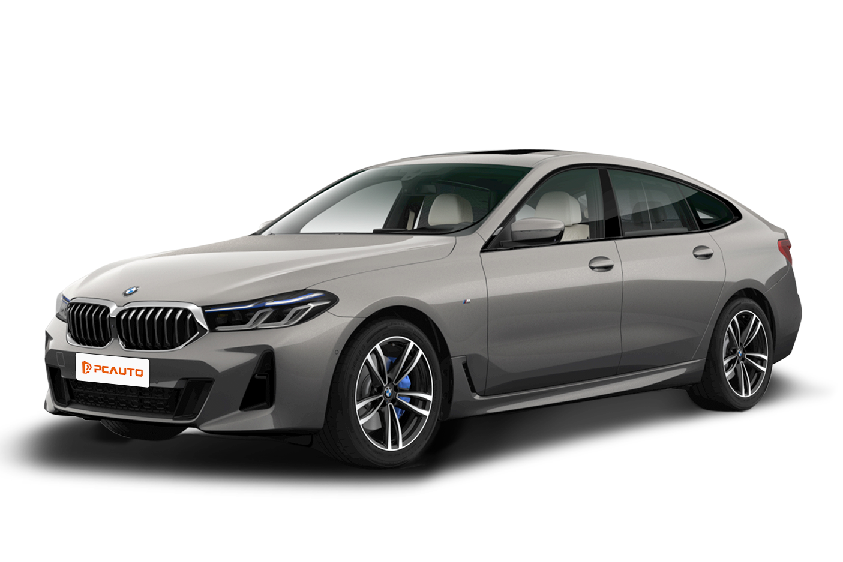
Cars With Similar Price And Features
9
Rank in Coupe
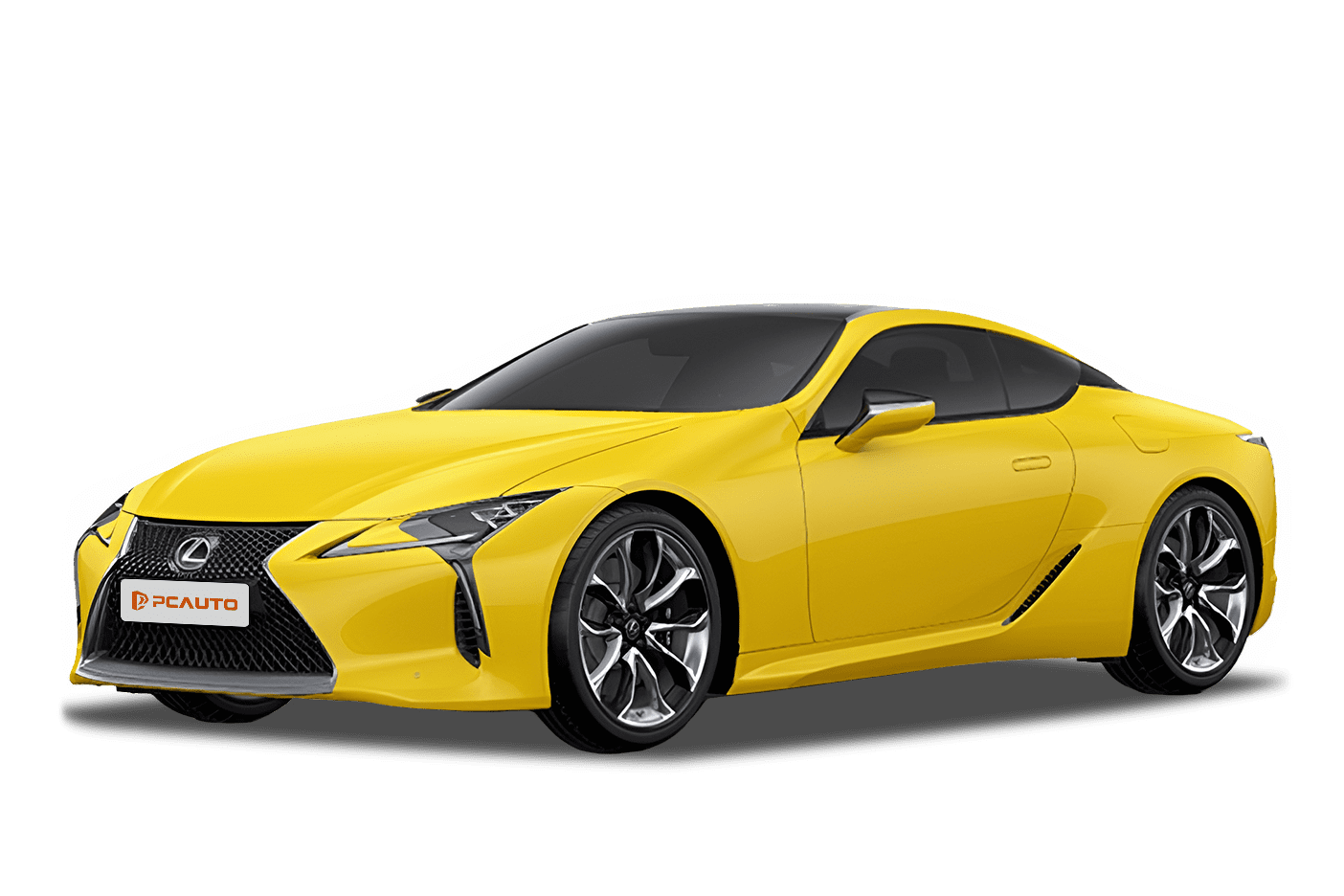
2020 Lexus LC 500, as a Japanese luxury sports car, features a large-displacement naturally aspirated V8 engine, avant-garde family design, combining luxurious configuration and handling, precisely meeting the driving needs of those pursuing quality and style.

8
Rank in Coupe
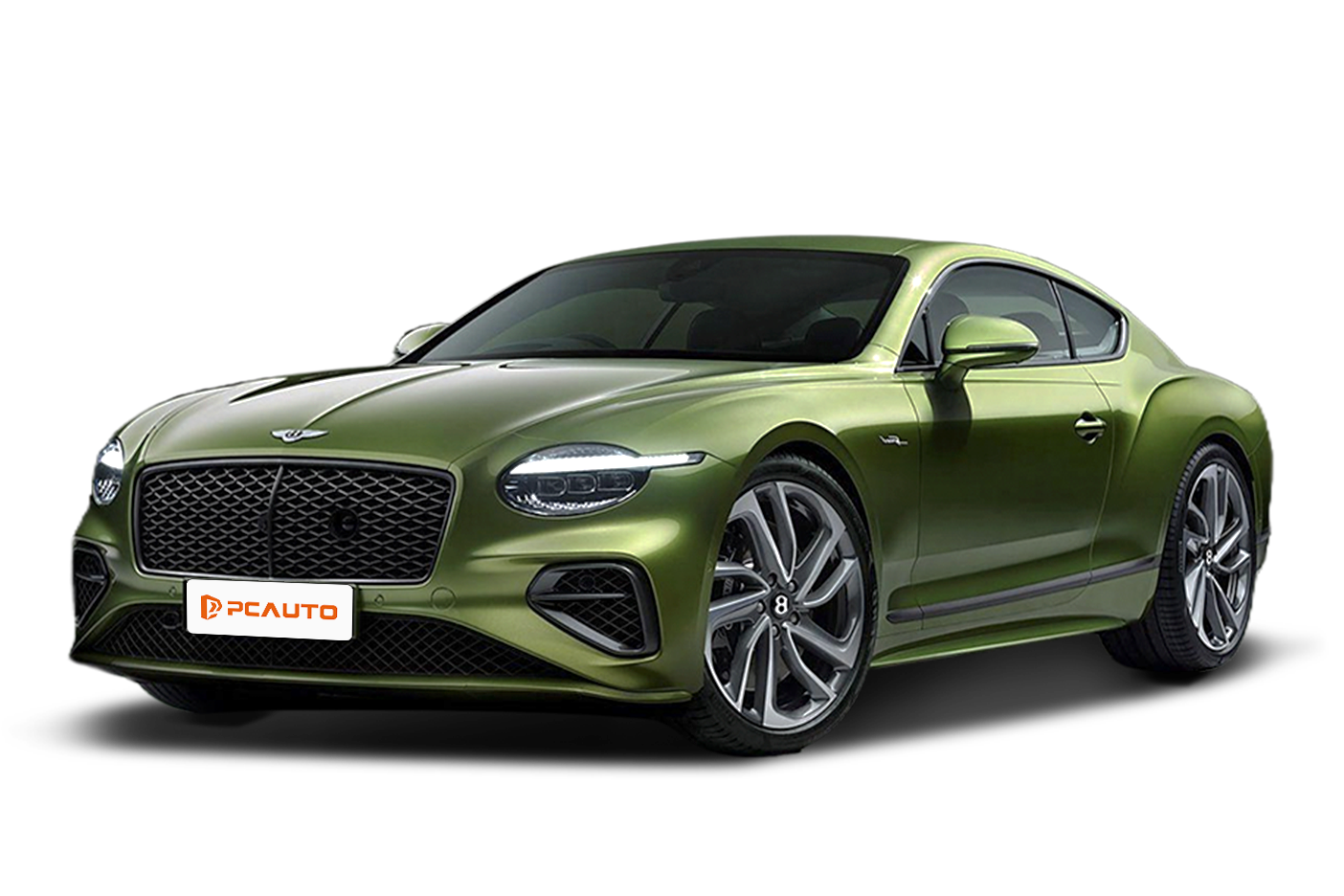
2025 Bentley Continental GT Speed, as the brand's first plug-in hybrid Speed model, features a combined output of 782PS, 80km pure electric range, balancing ultra-luxury quality with low running costs, redefining the benchmark for hybrid GTs.