BMW M5 1984 Review

 Share
Share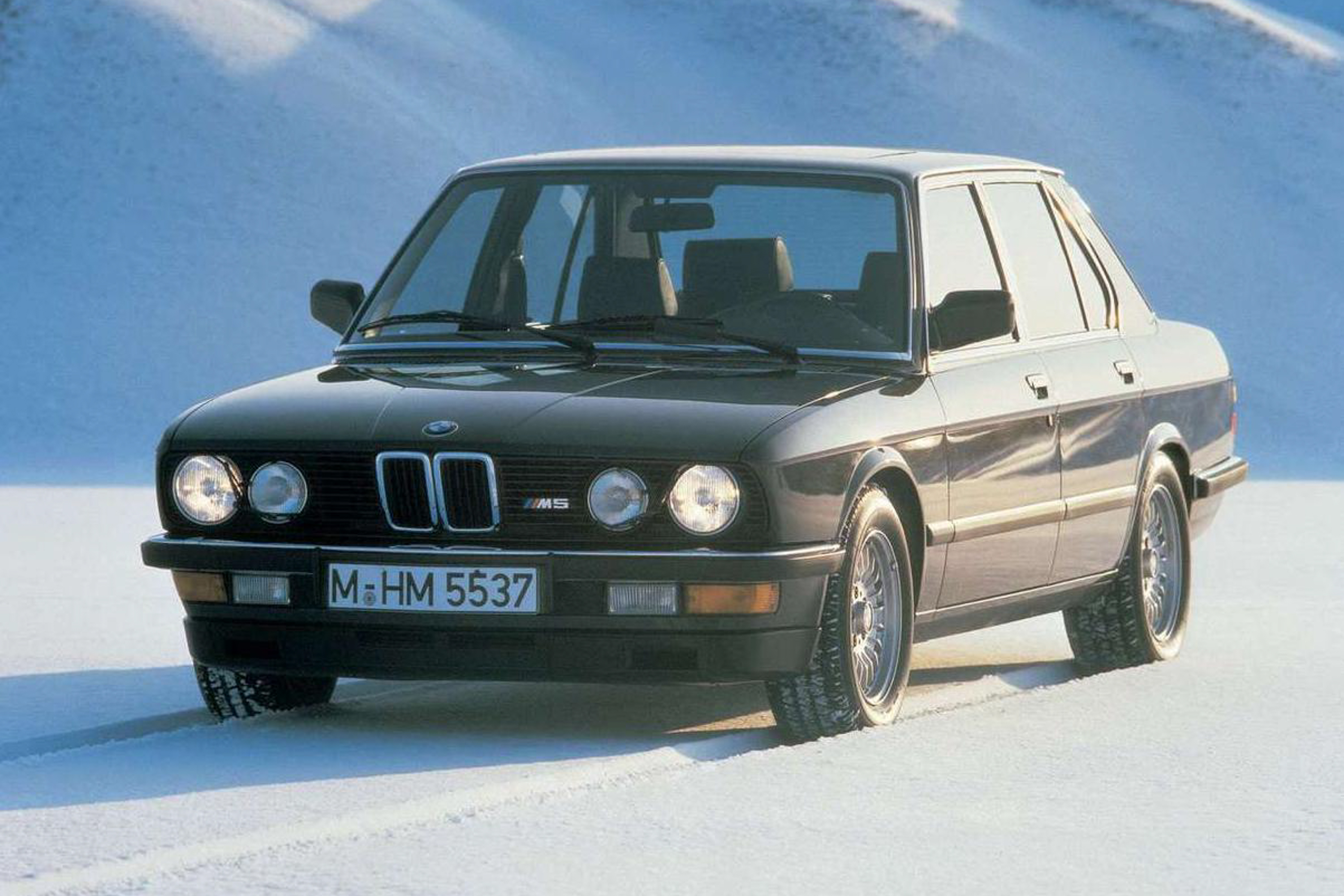
 Body Type
 Segment
 Capacity(L)
 Combined System Output(PS)
 Combined System Torque(Nm)
 EV Range(km)
In the high-performance sedan market of 1984, the arrival of the BMW M5 nearly redefined the concept of a "four-door sports car" — before this, few manufacturers were able to perfectly combine the practicality of a family sedan with the power of a race car. As the first four-door sedan of the M Power series, its core selling point was straightforward: equipped with a 3.5-liter inline-six engine derived from the M1 supercar, while retaining the everyday practicality of the 5 Series. The primary goal of this test drive is to verify whether the original charm of this "performance suit rebel" withstands the test of time and how unique it was in the market positioning of that era.
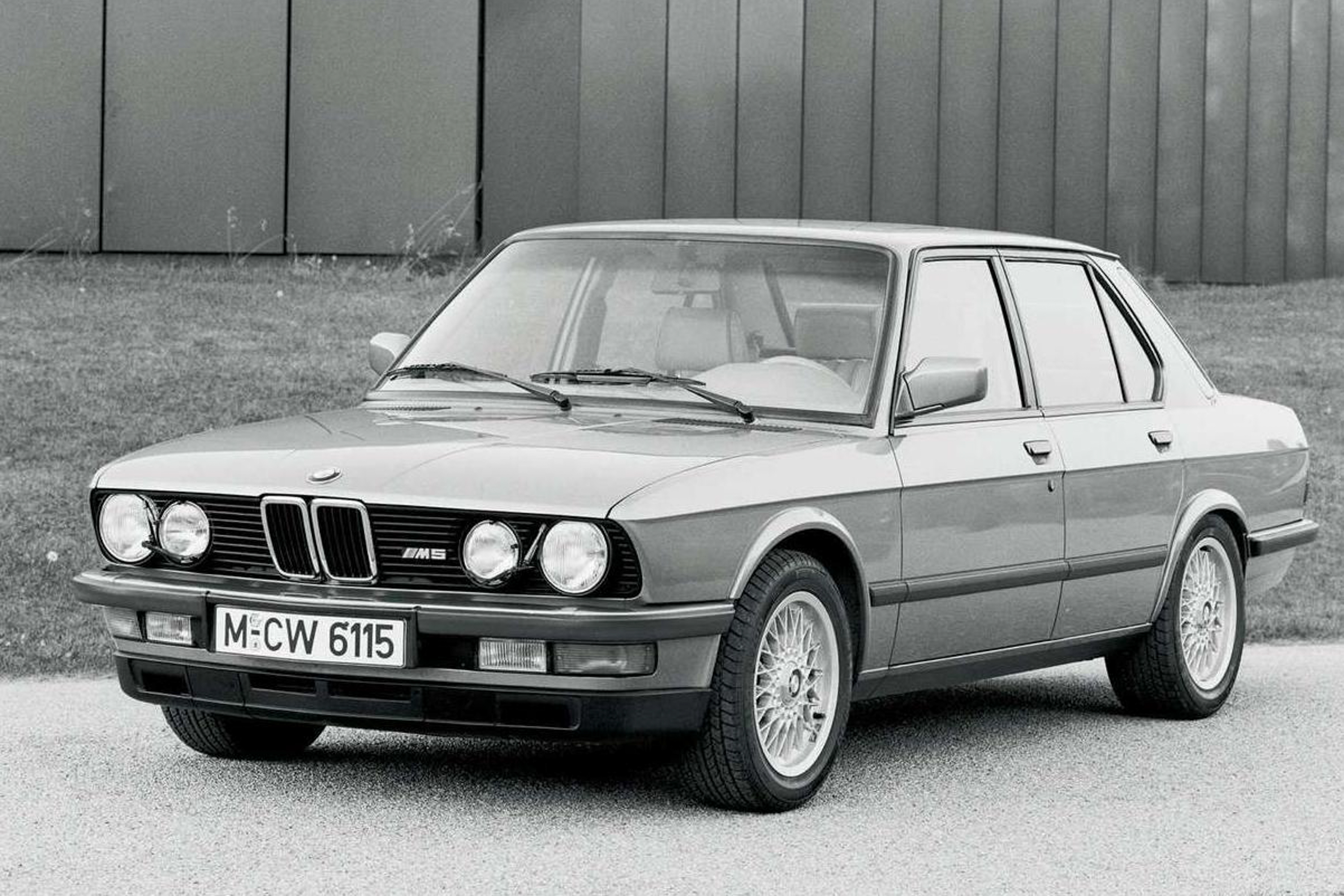
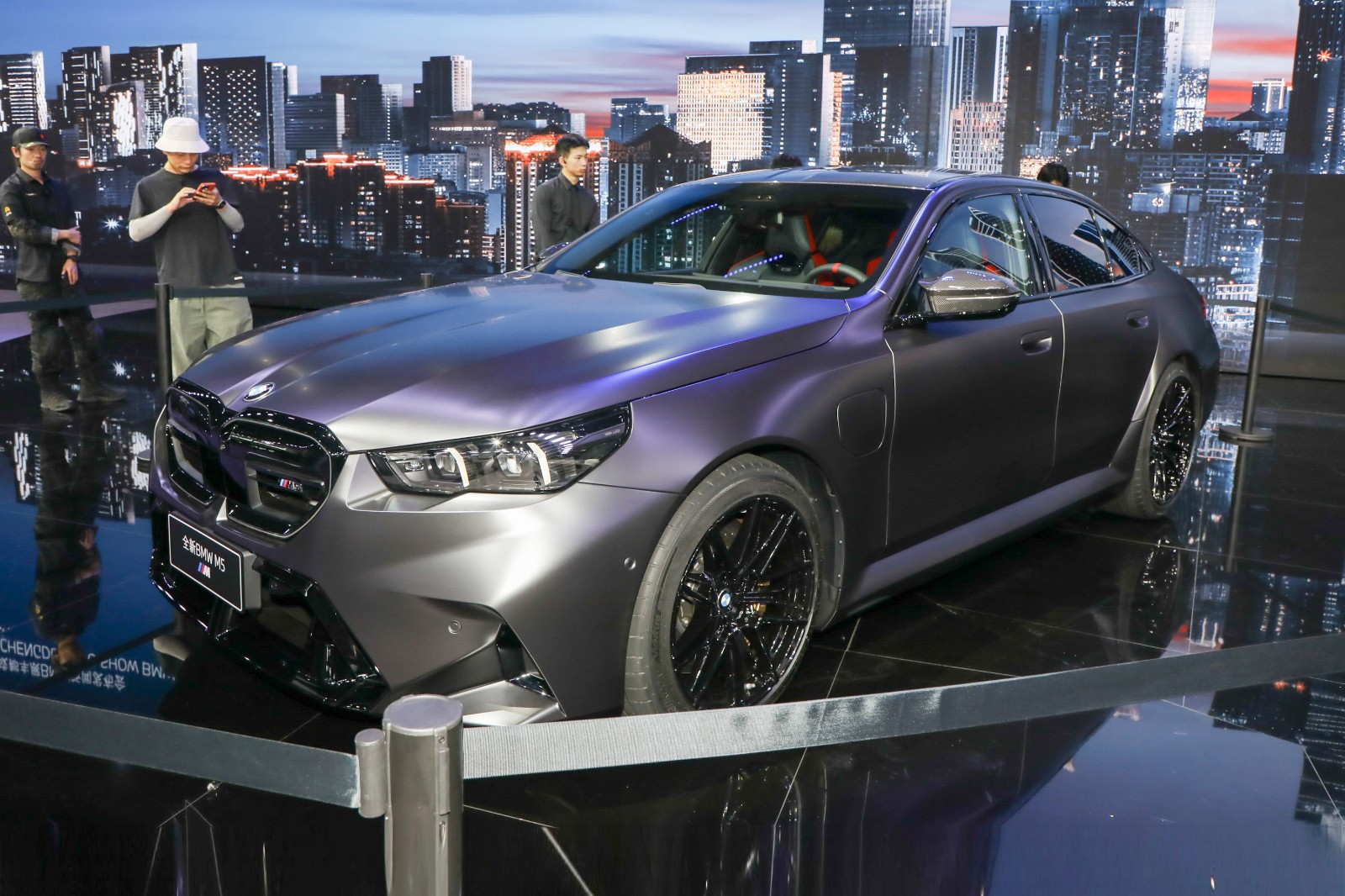
In terms of exterior design, the 1984 M5 retained the classic three-box silhouette of the E28 5 Series, but sporty adjustments in the details made it highly recognizable. The front end replaced the grille with a more aggressive black honeycomb design, paired with squarer rectangular headlights on both sides. The overall style is steady yet exudes hidden sharpness. The side profile of the car features simple and smooth lines, with 15-inch lightweight alloy wheels (wider than the standard 5 Series) and the "M" badge on the front fender as key symbols. At the rear, the body-colored rear bumper is complemented by dual round exhaust tips on one side, giving off a low-key but performance-oriented vibe. Notably, the ride height is about 10mm lower than that of the standard 5 Series, giving it a more grounded stance.
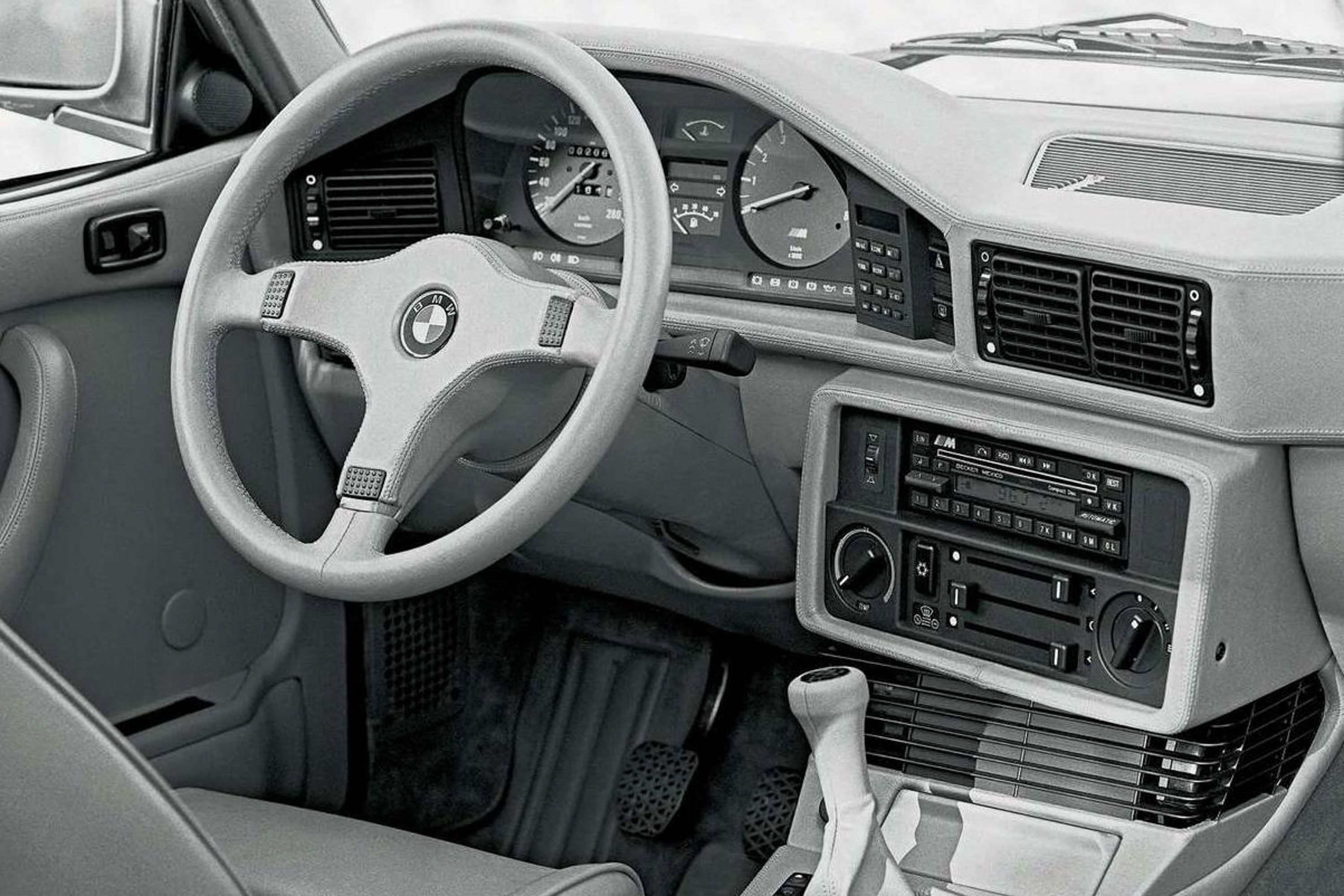
Opening the door, the interior's sense of luxury was leading within its class at the time. The dashboard featured extensive use of genuine leather and wood trim, and the steering wheel was a three-spoke M sport design with a solid grip and its distinctive blue stitching. The instrument cluster maintained the classic layout of mechanical gauges, but included an exclusive M tachometer (redline at 6,500 rpm). The center console had a clean and practical layout, equipped with a manual air conditioning system and a cassette player. The gear lever was a short-throw 5-speed manual design, offering tight and crisp shifting. The seats were sporty bucket seats with excellent support, also offering manual adjustments for lumbar and thigh support, balancing the needs for track driving and daily commuting.
In terms of space, its body size measures 4620mm×1740mm×1410mm, with a wheelbase of 2625mm, making it a typical mid-sized sedan. The front row offers ample space, and for a passenger around 180cm tall, there is still about a fist's worth of headroom after seat adjustment. The rear row space was adequate for family needs of that era, with about two fists of room between the knees and the front seats. However, the high floor hump in the center makes it unsuitable for a third passenger over long periods. As for storage capacity, the front door pockets can accommodate two bottles of cola, while the central armrest box offers moderate storage space. The trunk has a standard capacity of 460 liters, sufficient to hold two 28-inch suitcases for daily outings or short trips.
The powertrain is the soul of this car, equipped with the M88/3 3.5-liter inline-six naturally aspirated engine, delivering a maximum output of 286 horsepower (6,500 rpm) and peak torque of 340 Nm (4,500 rpm), paired with a 5-speed manual transmission. During actual driving, the throttle response is immediate during the initial acceleration, and the torque delivery is smooth at low rpm. When the engine speed exceeds 3,000 rpm, there is a noticeable power surge, especially beyond 5,000 rpm, where the sound of the inline-six engine becomes crisp and exhilarating. The thrust continues to build right up to the redline. The official 0-100 km/h acceleration time stands at 6.3 seconds, which in 1984 was competitive with many sports cars. While it lacks the driving mode selections of modern vehicles, adjusting the throttle response and gearshift timing allows for an effortless switch between "daily cruising" and "performance mode." During overtaking, downshifting two gears and blipping the throttle delivers instant and seamless power.
The handling and chassis performance are equally outstanding. The steering wheel's precision is very high, with minimal slack; it turns exactly as you steer it and clearly conveys road feedback. The chassis adopts a front MacPherson + rear torsion beam structure, but with exclusive tuning by the M department, the suspension damping is stiffer than that of a regular 5 Series. The body handles leaning very well in corners, maintaining a stable posture. When dealing with bumpy roads, the suspension filters out most minor vibrations, but when encountering speed bumps or large potholes, the feedback is quite direct—this is also a typical characteristic of performance cars. The braking system is equipped with ventilated disc brakes at the front and solid discs at the rear. The brake pedal offers linear feedback and stable brake force output, with a braking distance from 100-0 km/h of approximately 38 meters, which was an excellent level for its time.
In terms of driving comfort, although this is a performance car, it is not tiring to drive daily. The hydraulic power-assisted steering wheel feels slightly heavy at low speeds but becomes stable at high speeds, suitable for precise handling. The engine noise is very quiet at idle, but once the RPM exceeds 4,000, it transmits into the cabin. However, the inline-six engine's sound is not harsh; instead, it evokes a desire to drive. The tire noise becomes more noticeable during high-speed driving, though this was normal given the manufacturing technology of the time. The seats provide excellent support, and long journeys don't leave you feeling sore or fatigued. However, the rear seat padding is slightly firmer than the front, reducing long-distance comfort somewhat.
Overall, the core highlights of the 1984 BMW M5 are very pronounced: a racing-derived powertrain, precise handling performance, and practical interior space. Compared to same-class models of the time, such as the Mercedes-Benz 500E (which wouldn't be introduced until 1990), its advantage lay in achieving a balance between performance and everyday usability much earlier. Additionally, the driving thrill of a manual transmission is more pure. The car's target audience was very clear—buyers who wanted practical daily commuting combined with exceptional driving fun, such as young entrepreneurs, racing enthusiasts, or those seeking a unique identity statement.
As a milestone model in the M Power series, the 1984 M5 established the benchmark for "four-door performance sedans" with its raw mechanical feel and pure driving pleasure. Even today, its power response and handling performance can still inspire excitement in driving enthusiasts. If you're a classic car collector or a fan of retro performance vehicles, this car is an absolute must-have—it is not just a car but a living piece of BMW's performance culture.