BMW M5 1995 Review

 Share
Share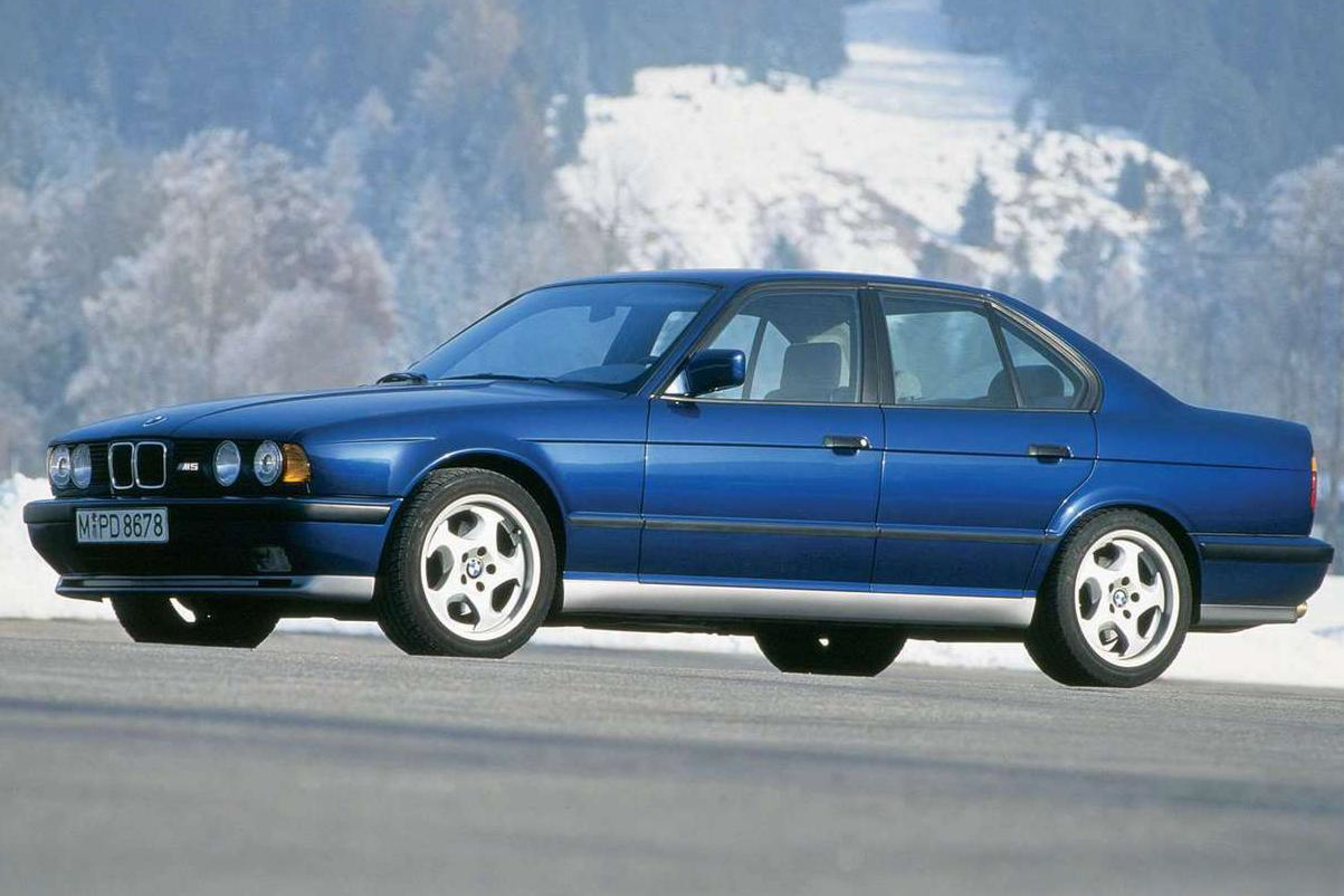
 Body Type
 Segment
 Capacity(L)
 Combined System Output(PS)
 Combined System Torque(Nm)
 EV Range(km)
Recently, the market for classic performance cars has seen a resurgence in popularity, with many enthusiasts turning their attention to the iconic German performance sedans of the 1990s—particularly in the mid-to-large sedan segment, where vehicles that combine daily practicality with ferocious performance are quite rare. The 1995 BMW M5 (E34 generation) is a "timeless classic" in this niche market. Its 3.8L naturally aspirated inline-six engine delivers a deep and throaty roar, paired with the pure pleasure of rear-wheel drive handling and a discreet yet sharp exterior design, making it a topic of admiration among car enthusiasts even today. This time, we had the chance to thoroughly test a 1995 M5 Public version in good maintenance condition, with the main aim of assessing whether, 30 years later, it can still fulfill a performance car lover's expectations of "pure driving pleasure."
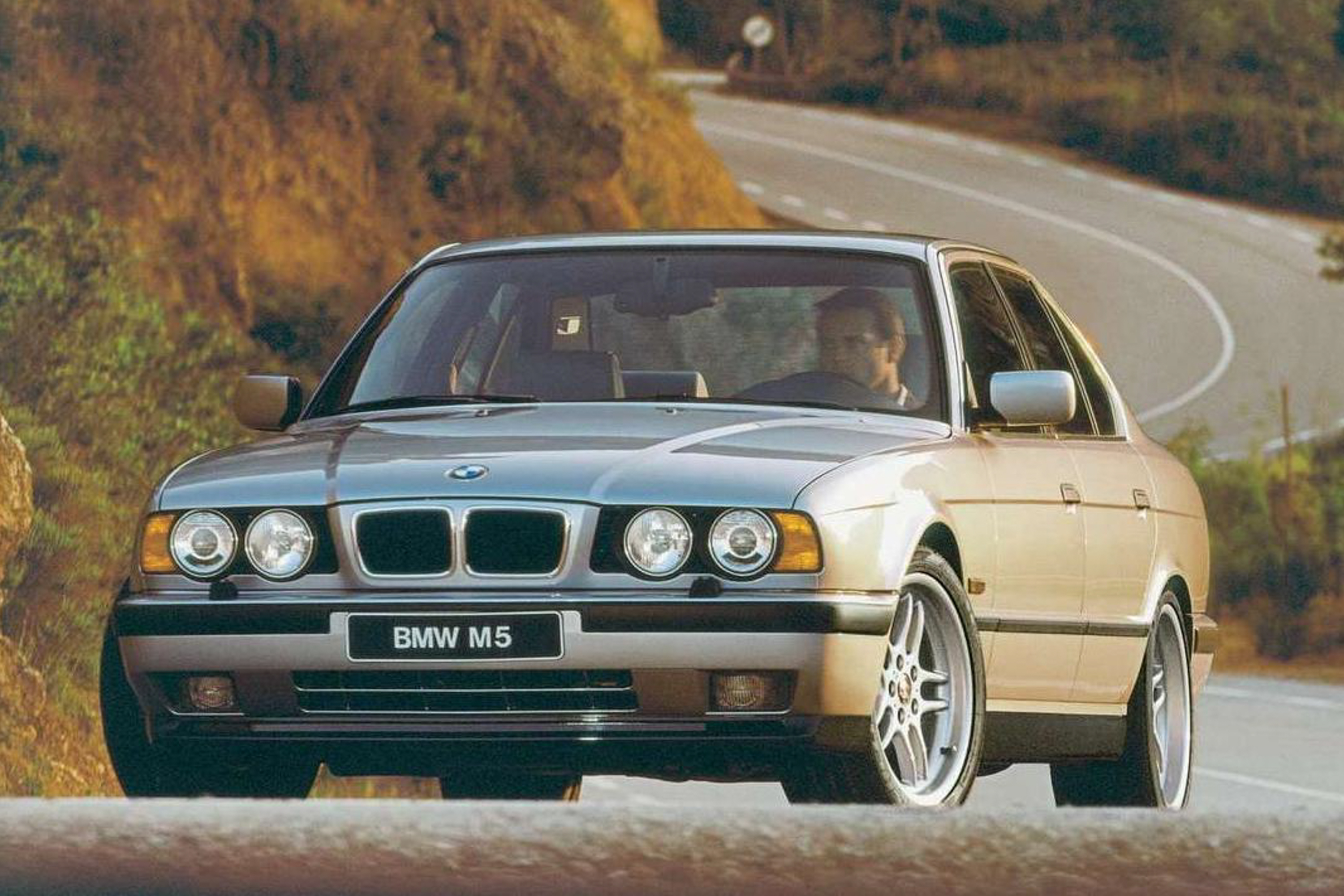
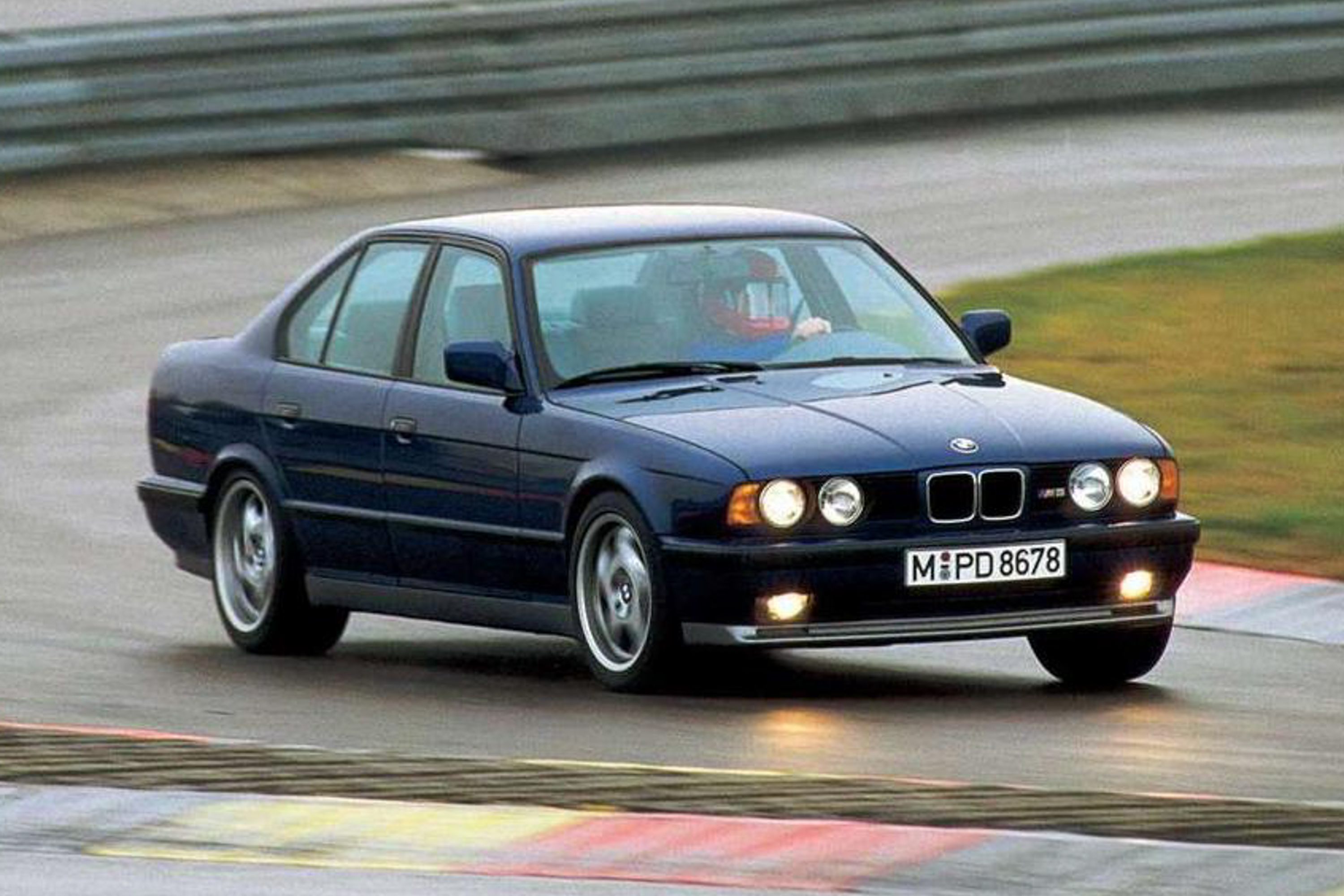
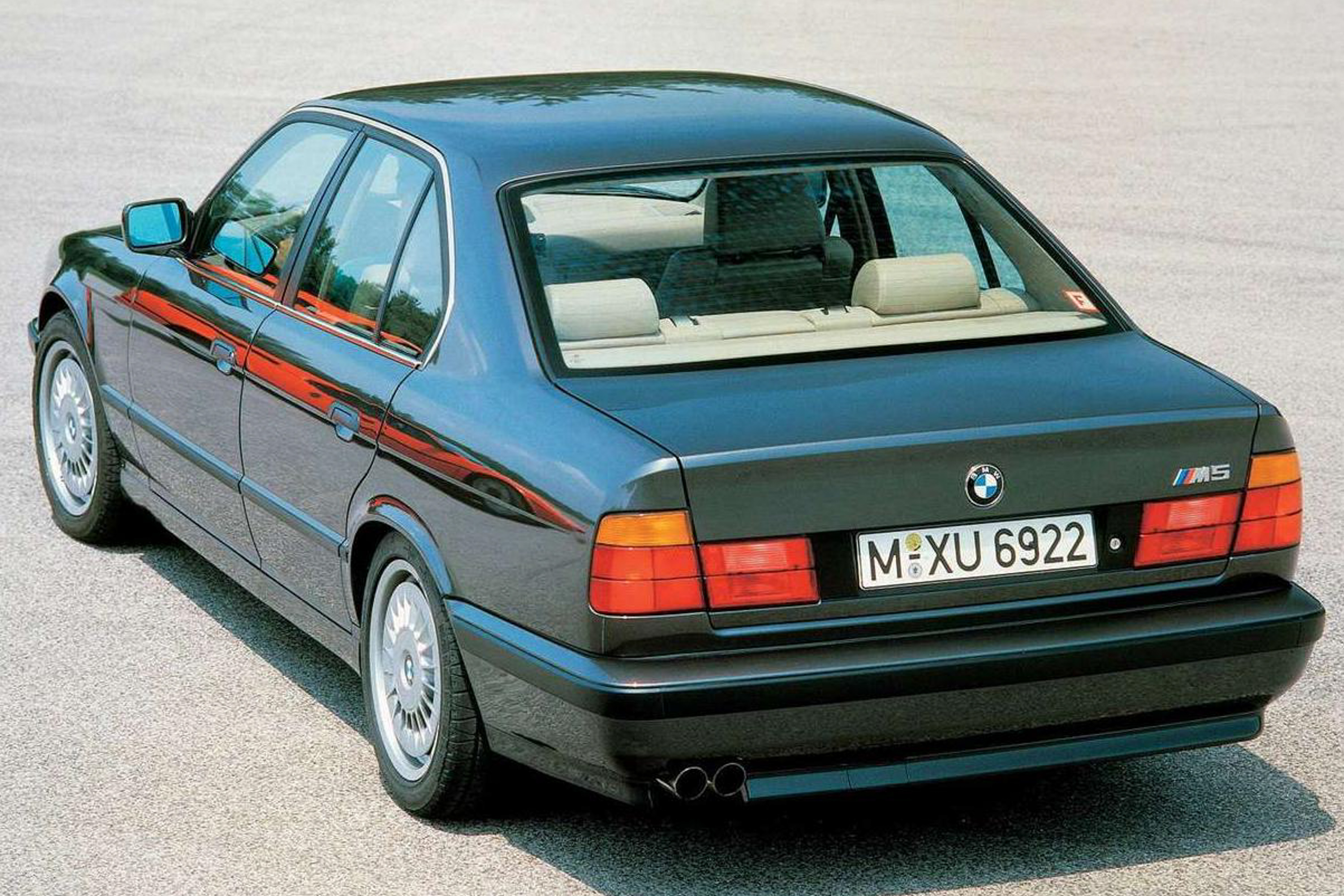
At first glance, it's hard to immediately associate this E34 M5 with the "performance car" label—it retains the executive sedan silhouette of a standard 5 Series, with upright, sturdy lines and none of the exaggerated wide-body kits or large wings you might expect. However, the M-specific details are distinctly recognizable: the front features the iconic kidney grilles, which are slightly wider than the standard version and framed by a thin chrome trim. The headlights are rectangular halogen units with integrated turn signals located below, giving off a nostalgic, vintage vibe when lit. The most striking feature on the side of the car is the 17-inch five-spoke M wheels, paired with classic Michelin Pilot Sport tires. Though the tire thickness is greater than that of modern performance cars, it harmonizes well visually. On the fender, there's a small "M" badge, and a recessed character line runs from the taillight to the front door below the rear window, adding a muscular touch to the profile. The rear design is clean, with a subtle ducktail spoiler at the edge of the trunk lid. The taillights are L-shaped red halogen units, and the lower rear bumper houses dual exhaust tips on one side—not a dual-output configuration on both sides. When the car starts, the unique sound of the inline-six engine is immediately recognizable—powerful but not harsh.
When you take a seat inside, the 1990s "mechanical feel" of German cars greets you. The interior is predominantly black, with extensive use of soft-touch materials on the dashboard and door panels. While there's no leather wrap like in modern cars, the tactile quality is solid, and there are no obvious signs of aging. The steering wheel is a three-spoke M sports wheel wrapped in leather, offering a thick grip with slight wear at the 3 o'clock and 9 o'clock positions. Paddle shifters? Not here—this M5 comes equipped with a five-speed manual transmission. The shift knob is a classic spherical design, leather-wrapped, and shifting gears provides a clear "notch" sensation with moderate travel and smooth resistance. The center console layout is straightforward: at the top is a small monochrome LCD screen showing basic information such as fuel level and water temperature; in the middle is the climate control panel, with rotary knobs and buttons offering a satisfying and firm operating feel. Below that is the audio system. While the sound quality falls short of modern cars, the combination of a cassette player and CD player adds a nostalgic charm. The seats are M-specific sports seats, upholstered in a leather and fabric combination. They provide excellent lateral support and keep the body firmly in place while driving, yet remain comfortable for long journeys. Both the driver and front passenger seats are manually adjustable—not as convenient as electric adjustments, but the mechanism operates smoothly.
In terms of space, this M5 has a wheelbase of 2765mm and a length of 4720mm, similar to today's 3 Series, yet the rear seating space is surprisingly roomy. A 175cm tall passenger will have about two fists of legroom, and one fist's worth of headroom, resulting in a comfortable and uncramped experience. The trunk offers an official capacity of 460 liters, with a wide opening and flat interior, easily accommodating two 28-inch suitcases—sufficient for daily use or short trips. Storage compartments are limited but adequate: the door panels have slots that can hold two water bottles, the central armrest provides space for a phone and wallet, and there are drawers under the front seats for small items.
Start the engine, and the idle sound of the 3.8L inline-six naturally aspirated engine is very steady, with no vibrations. The specifications of this engine are not particularly impressive by today's standards: a maximum power of 286 horsepower (6000rpm) and a maximum torque of 360N·m (4500rpm). However, the linear power delivery of the naturally aspirated engine is very pleasing. Shift into first gear, gently release the clutch, and the throttle response is very direct, with no sluggishness during takeoff. When the revs exceed 3000rpm, power starts to surge, and the push-back sensation becomes more apparent. By 5000rpm, the engine sound becomes deep and rich, and even as you continue to press the accelerator and the revs exceed 6000rpm, the power remains abundant until it reaches the redline (6800rpm) and the fuel cutoff kicks in. The 5-speed manual transmission has a precise shifting logic, and the mechanical feedback during gear changes is highly addictive. Coupled with a precise clutch engagement point, driving in the city does not feel tiring.
In terms of handling, the steering of this M5 uses hydraulic assistance, which is heavier than electric power steering, but its precision is excellent—turn the wheel a certain degree, and the tires follow exactly without any slack. The suspension consists of a front MacPherson and rear multi-link independent setup, tuned to be firm but not harsh—when going over speed bumps, the suspension quickly absorbs the vibrations with no unnecessary bouncing. On winding roads, body roll is minimal. The rear-wheel-drive design makes the rear very agile, and as long as you control the throttle well, you can enjoy the fun of "drifting" without losing control. We tested a section of mountain road, and during consecutive corners, the vehicle showed excellent track-holding capabilities. The feedback through the steering wheel is precise, allowing you to clearly sense the grip of the tires.
Fuel consumption is an unavoidable topic for a 30-year-old gasoline car. This time, we tested two driving conditions: in city traffic, fuel consumption is about 15L/100km; at a steady speed of 120km/h on the highway, fuel consumption drops to about 9L/100km. These figures are not outstanding compared to today's performance cars, but considering its engine displacement and age, they are quite reasonable. As for braking performance, it features front four-piston calipers with ventilated discs and rear two-piston calipers with ventilated discs. The brake pedal has a linear feel; the initial response might feel a bit soft, but deeper pressing provides ample braking force. Our test showed a 100-0km/h braking distance of about 42 meters, which is a decent performance for an old car.
In terms of ride comfort, it exceeds expectations. Although the suspension is firm, the seats offer excellent support, ensuring that you won’t feel back pain during long drives. The engine noise is almost imperceptible at idle, and even at a high speed of 120km/h on the highway, wind and tire noise are noticeable but do not affect normal conversation. It's worth mentioning the clutch pedal feel—it is moderately firm despite being a manual transmission. Even driving in the city for half an hour won’t leave your foot feeling tired, which is friendlier compared to some modern manual transmission models.
To summarize, the core advantages of this 1995 M5 Public are evident: pure manual control, linear naturally aspirated power delivery, a low-key yet distinctive appearance, and a mechanical quality that remains timeless after 30 years. Compared to peers of the same era (such as the Mercedes-Benz E500 and Audi S6), its handling stands out more, and it is more affordable—the current price for a well-maintained E34 M5 on the used car market is around 150,000 to 200,000 Malaysian Ringgit, which is 30,000 to 50,000 cheaper than performance versions of the Mercedes E-Class from the same period.
Who is it suitable for? First of all, performance car enthusiasts, especially "old players" who enjoy manual transmissions and nostalgic naturally aspirated engine roars; secondly, users who pursue "low-key luxury"—its appearance is not as flamboyant as modern performance cars, so it won’t attract attention when driving, but car enthusiasts can recognize its identity at a glance; lastly, those who like collecting classic cars—being one of the "benchmarks" of the M generation, the E34 M5 has maintained a very stable value, and with proper maintenance, it has the potential to appreciate in the future.
30 years have passed, and this M5 has not been "outdated" by time. Instead, its "purity" makes it even more charming. It’s not a car for everyone—if you are looking for high-tech features, an automatic transmission, or low fuel consumption, it may not be the best choice; but if you want a classic performance car that you can drive daily and have some fun with occasionally, it is definitely the "one and only choice." After all, pure driving pleasure is the most essential quality of a performance car.