BMW M5 2001 Review

 Share
Share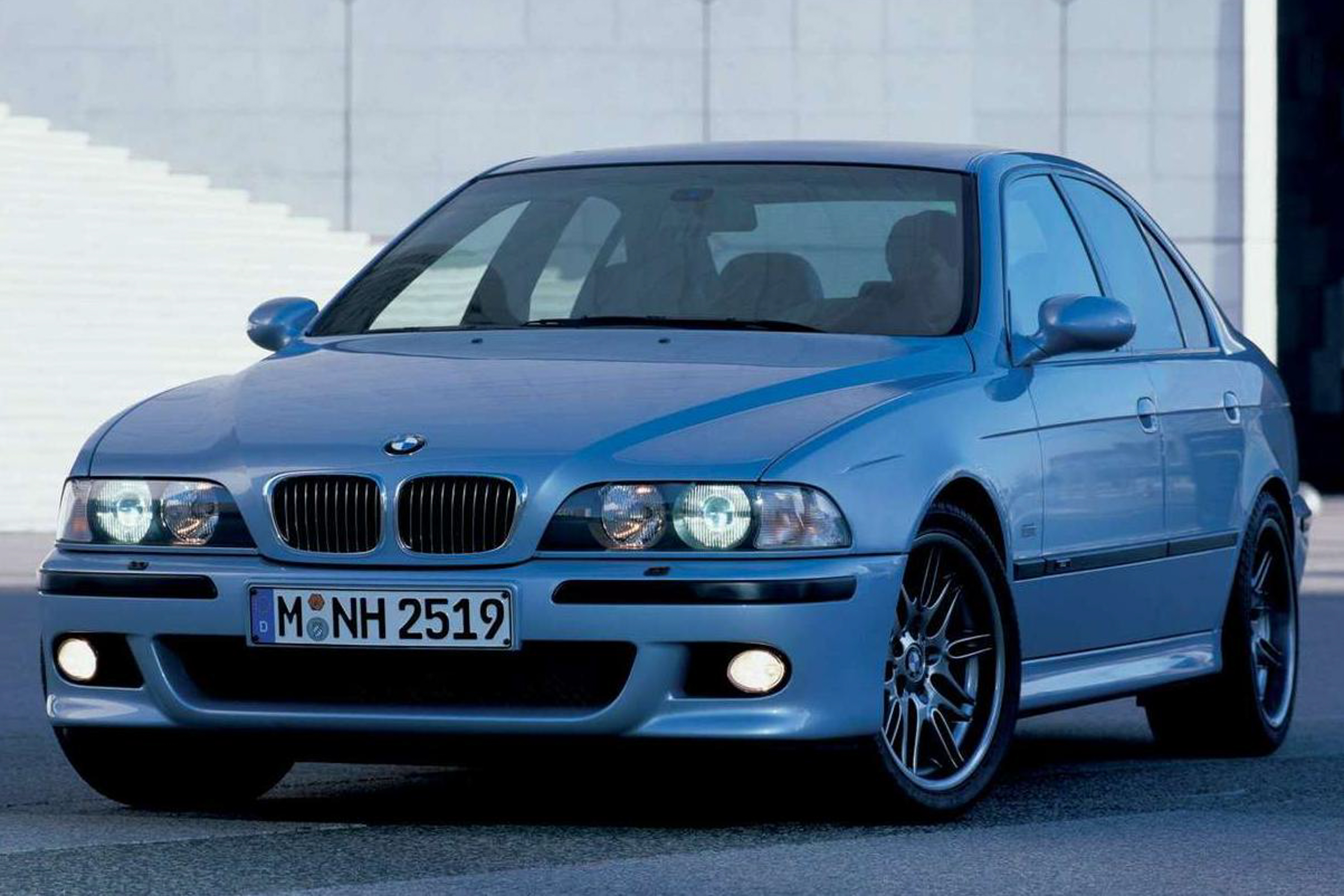
 Body Type
 Segment
 Capacity(L)
 Combined System Output(PS)
 Combined System Torque(Nm)
 EV Range(km)
The mid-level high-performance sedan market in Malaysia has always been dominated by German brands. The 2001 BMW M5, as the pinnacle of the E39 generation, became the "emotional choice" for many performance car enthusiasts and family users, thanks to its leap in power from an inline-six to a V8 engine, paired with a daily practical four-door layout. This time, we got our hands on a 2001 M5 in reasonably well-maintained condition, with the main goal of evaluating how this "performance benchmark of 20 years ago" performs in today's daily use — can it still balance passion and practicality?
Static Experience: Classic Design Remains, Details Reflect Performance Genes
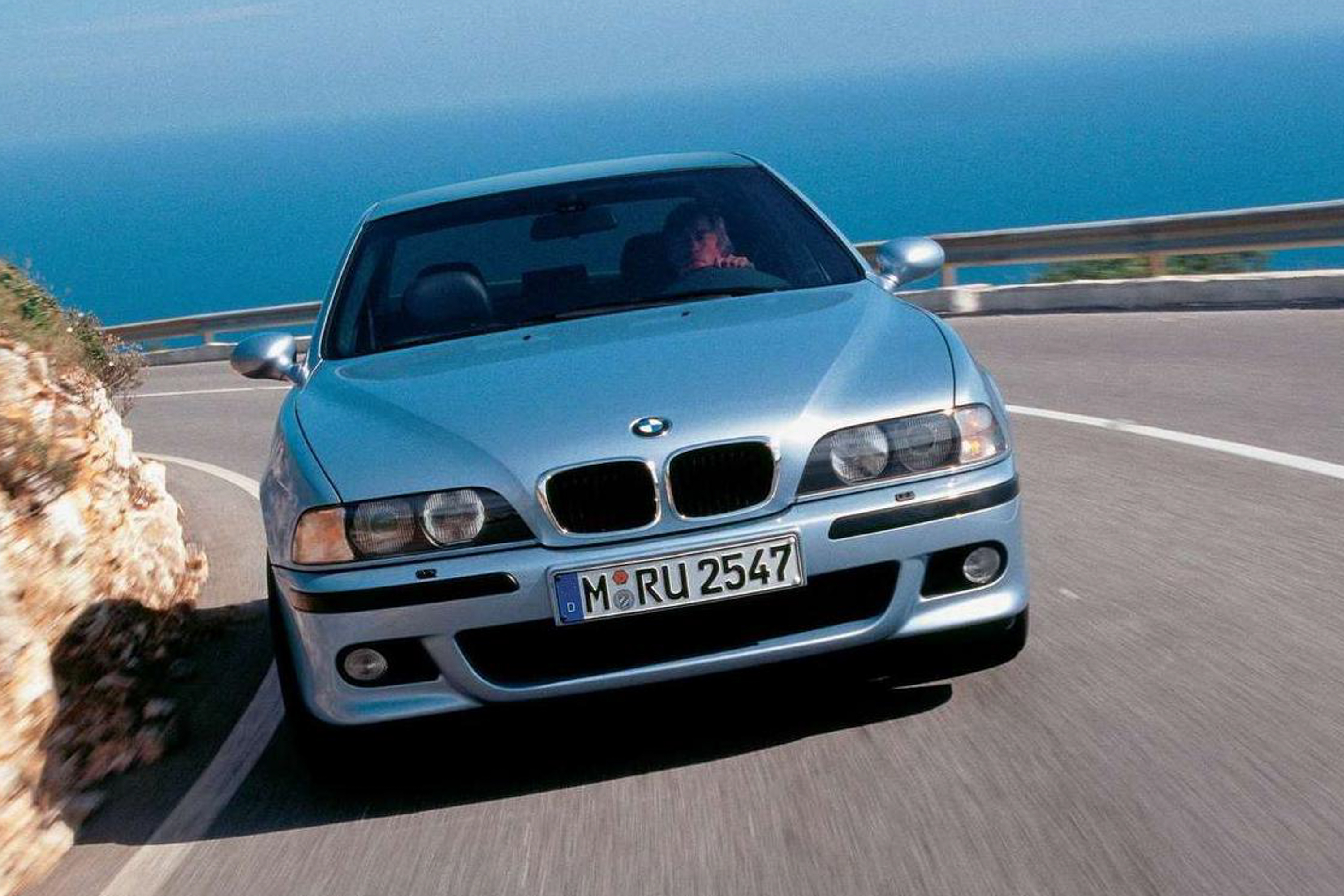
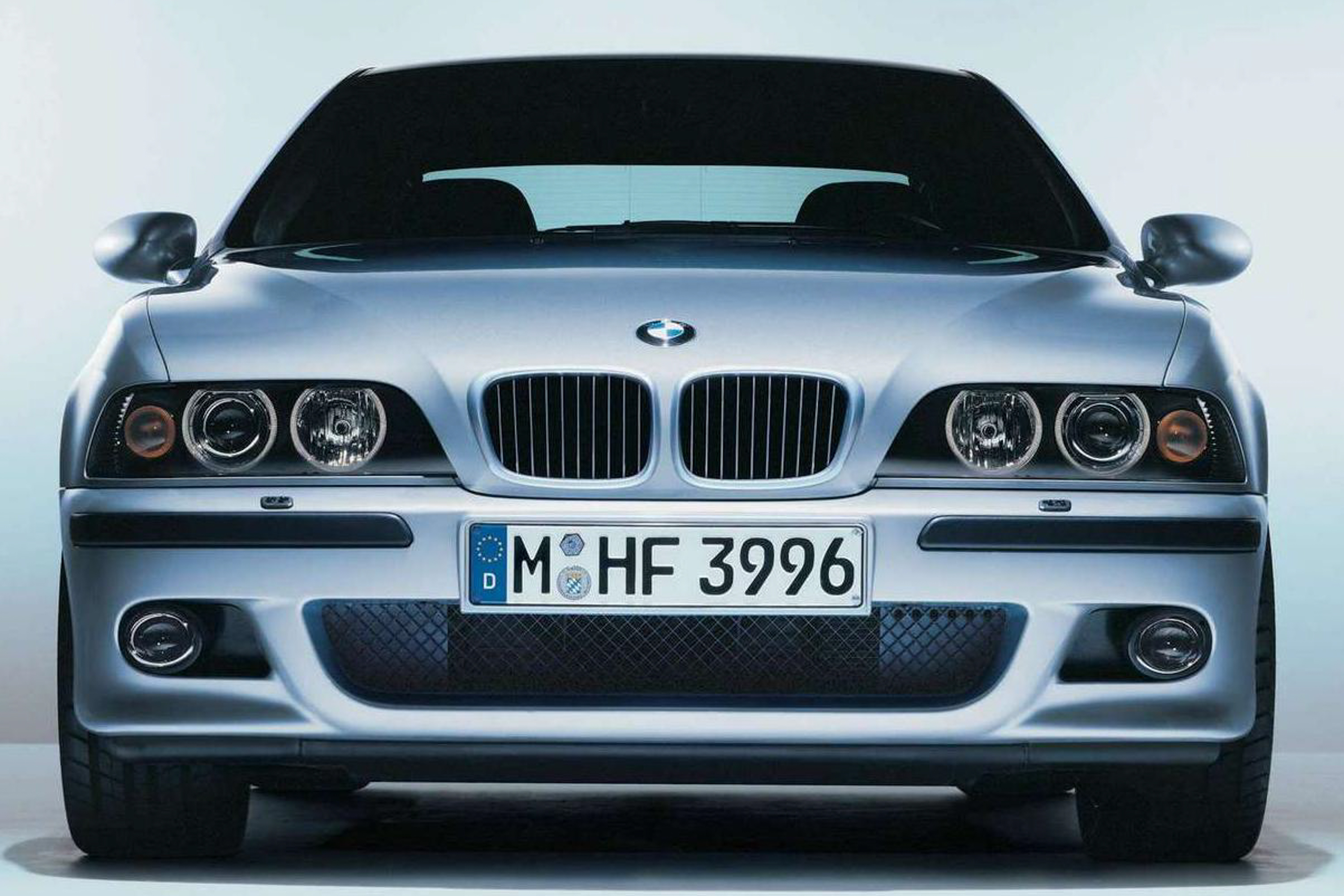
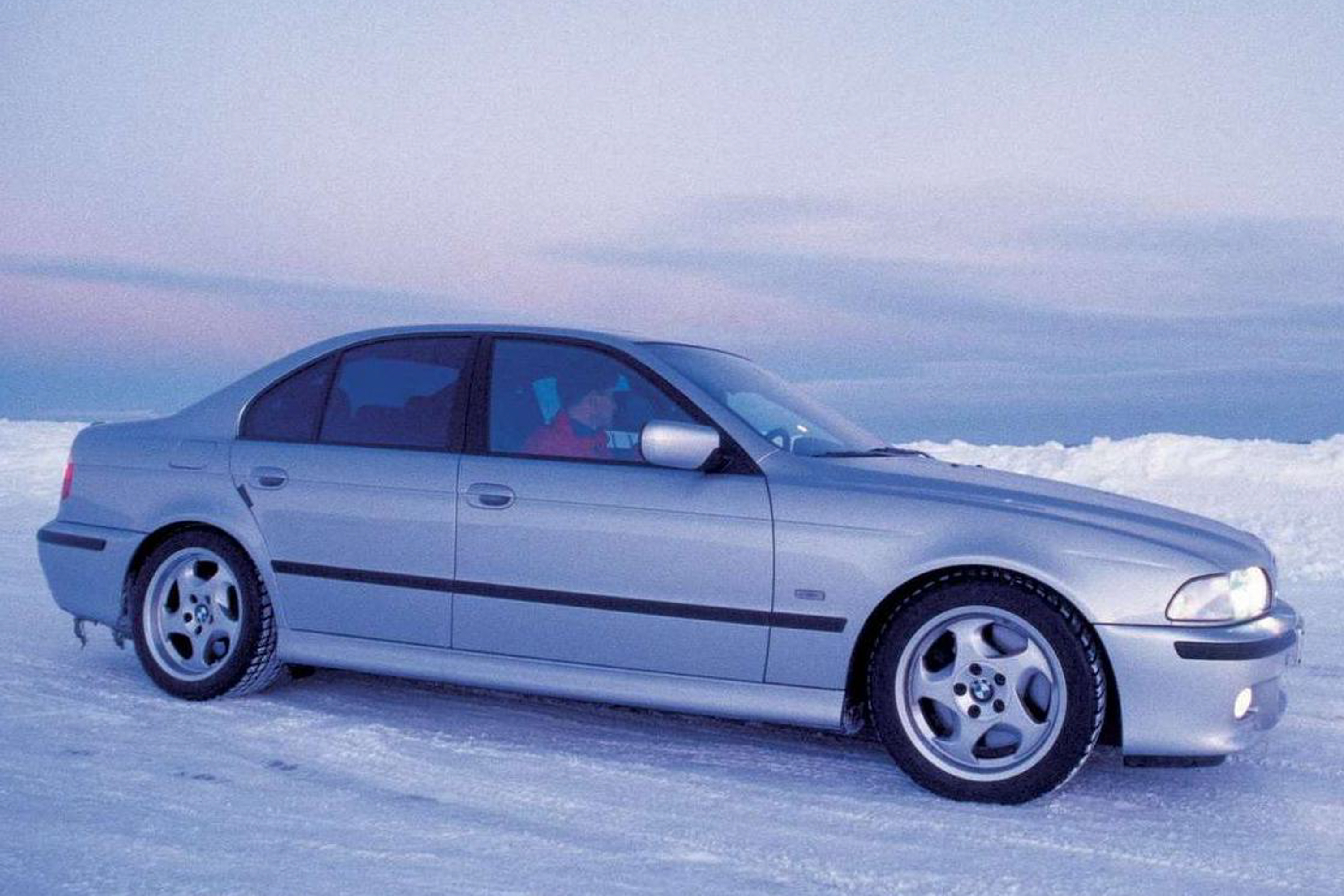
The 2001 M5’s exterior retains the elegant contours of the E39 5 Series, but its details are all marked with M Power branding. The front face features twin kidney grilles paired with smoked angel eye headlights. The lower part of the front bumper incorporates a three-segment air intake, enhancing both aerodynamics and sportiness. On the side, the "M" exclusive side skirts and 18-inch star-spoke wheels (with 245/40 ZR18 tires) and the "M5" badge on the fender maximize its recognition. At the rear, the dual-sided quad round exhausts (a classic M Power design) and a small ducktail spoiler emit a subtle performance aura. As for the lighting system, the halogen headlights are sufficient for nighttime visibility, but they are slightly inferior compared to modern LED headlights.
Sitting inside, the interior adopts a black-and-brown color scheme, with large areas wrapped in Nappa leather on the seats and door panels, which still feel delicate to the touch. The center console is driver-centric in layout, and the M sport seats with 8-way electric adjustments, lumbar support, and memory function offer a strong wrap-around feeling, ensuring comfort over long durations. In terms of core features, this M5 is equipped with the iDrive 1.0 system (6.5-inch central screen), supporting Bluetooth connectivity and navigation, though its operational logic is less intuitive than today's smart car systems. The automatic air-conditioning system has rear air vents, and front seats come with heating, cruise control, and a multifunction steering wheel as standard. Notably, it retains many physical buttons, making blind operation very convenient, which contrasts with today's touchscreen era and has become an advantage.
In terms of space, the vehicle dimensions are 4854×1800×1437mm, with a wheelbase of 2830mm, categorizing it as a mid-to-large-sized sedan. The front row headroom is approximately 950mm (tested by a 175cm tall individual), and legroom is ample. The rear row can feel slightly cramped when seating three adults together, although there are still two fists of legroom remaining, and headroom measures about 900mm — sufficient for daily family use. As for storage, the trunk has a capacity of 501L, enough to fit two 28-inch suitcases, and the rear seats support a split-folding function, offering decent expandability.
Dynamic Experience: The Charm of a Naturally Aspirated V8, Still Excellent Handling
In terms of power, the 2001 M5 is equipped with a 4.9L naturally aspirated V8 engine, delivering a maximum power output of 294kW (400 horsepower) and a peak torque of 500N·m, paired with a 6-speed manual transmission (some models offer an SMG automatic transmission). In actual driving, throttle response upon start-up is linear. Below 2000 rpm, the power delivery is gentle, making it suitable for daily commuting. Above 3000 rpm, the V8 engine’s roar begins to unleash, and the push-back sensation continues until 6000 rpm. The official 0-100 km/h acceleration is 5.3 seconds, and current tests show it at approximately 5.5 seconds — still faster than many 2.0T models. When overtaking, the downshift rev-matching delivers immediate power, free of turbo lag issues. This kind of natural aspiration exhilaration is hard to replicate in today’s turbocharged cars.
In terms of handling, the steering is precise with minimal dead zone, the return force is moderate, slightly heavy at low speeds but stable at high speeds. The chassis adopts a front double-wishbone + rear multi-link independent suspension, tuned for sportiness by M Power, providing strong support. During cornering, body roll is kept within a reasonable range, and there is ample grip. On bumpy roads, the suspension can filter out most fine vibrations, but over speed bumps, the rear feels slightly stiff—after all, this is a performance-oriented setup. The braking system uses front four-piston calipers and ventilated discs, with sensitive braking response, and a braking distance of approximately 38 meters from 100 km/h, meeting expectations.
In terms of fuel consumption, it is about 15L/100km in congested urban conditions and about 10L/100km on highways. For a V8 engine above 4.0L, this fuel consumption is considered normal. As for noise control, the engine noise is around 45 dB at idle, and wind and tire noise is about 65 dB at 120 km/h on highways, making it excellent compared to models of the same era.
Summary: The Balance Between Passion and Practicality, Suitable for Pragmatic Performance Enthusiasts
The core highlights of the 2001 M5 are clear: a classic V8 naturally aspirated engine providing linear power delivery and a deep exhaust note, precise handling that balances daily practicality, premium interior materials, and benchmark-level configurations for its time. Compared to its peer, the 2000 Mercedes E55 AMG, the M5 offers more agile handling and relatively lower maintenance costs; compared to the current BMW M5 (G90), while it lags in technological features, its mechanical feel and driving pleasure remain purer.
Overall, this 2001 M5 can still meet the needs for "daily commutes and weekend thrills," making it suitable for those who want the excitement of a performance car while also needing practicality for family use—such as performance car enthusiasts aged 30-45, or family users seeking classic sentimentality.
If you don’t mind its outdated technological features and can accept the fuel consumption of a V8 engine, the 2001 M5 is definitely a classic car that “gets better the more you drive it.” It proves over 20 years that good mechanical quality never goes out of style.