BMW M5 2025 Review

 Share
Share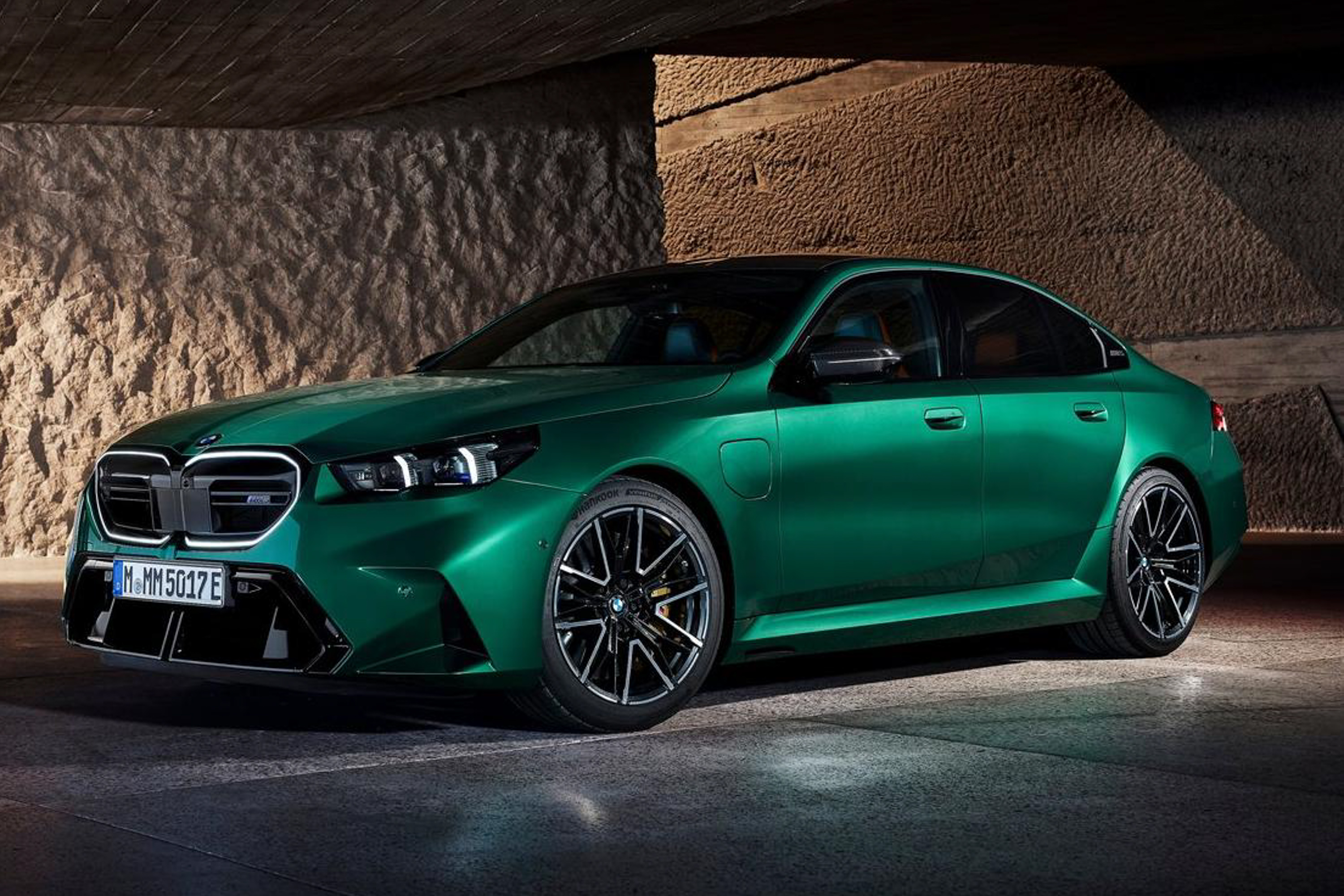
 Segment
 Body Type
 Capacity(L)
 Combined System Output(PS)
 EV Range(km)
 Driven Wheels
In 2025, Malaysia's luxury executive sedan market is experiencing a wave of PHEV model updates, as consumers' demands for "performance + fuel efficiency" become increasingly clear—after all, they want both the economic practicality for daily commutes and uncompromised driving pleasure on highways and winding roads. As BMW M series' flagship executive sedan, the new M5 has now been equipped with a 4.4T V8 engine paired with an electric motor in a plug-in hybrid system, boasting an impressive combined output of 727 horsepower, which is quite eye-catching in its class. Our core objective for this test drive is to see whether this plug-in hybrid system can balance "M-badge performance" with the "comfort of an executive sedan," and how practical it is for everyday use.
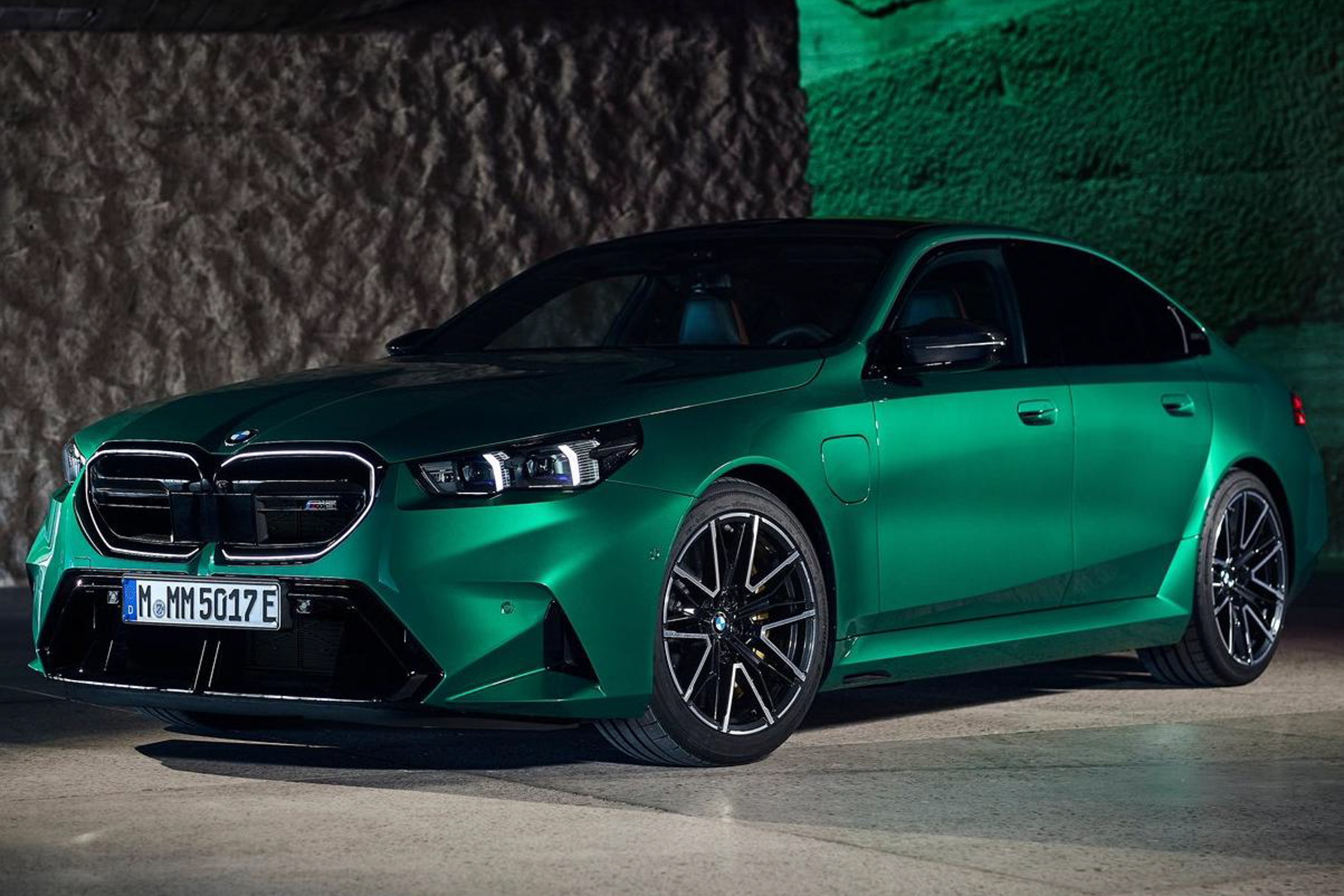
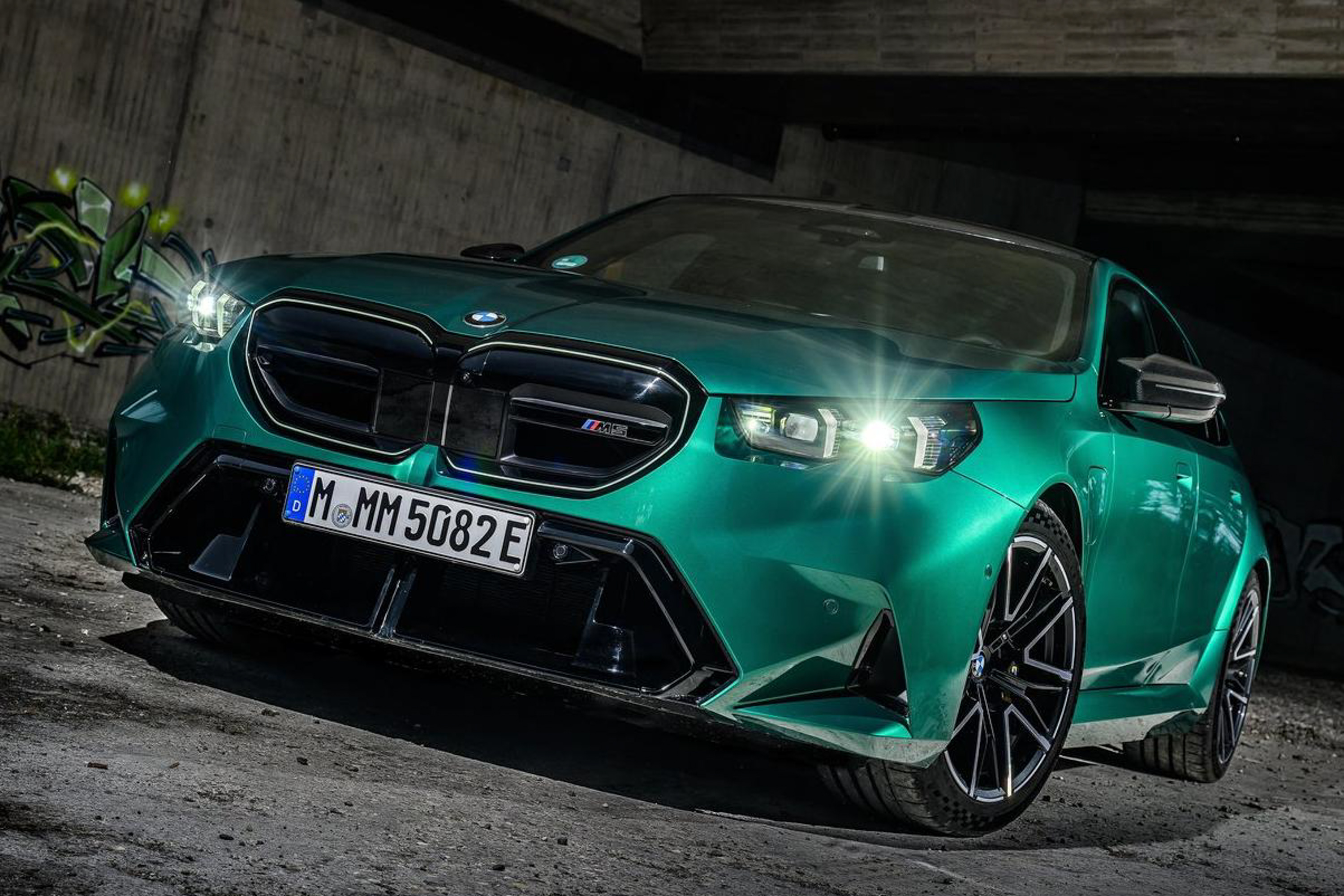
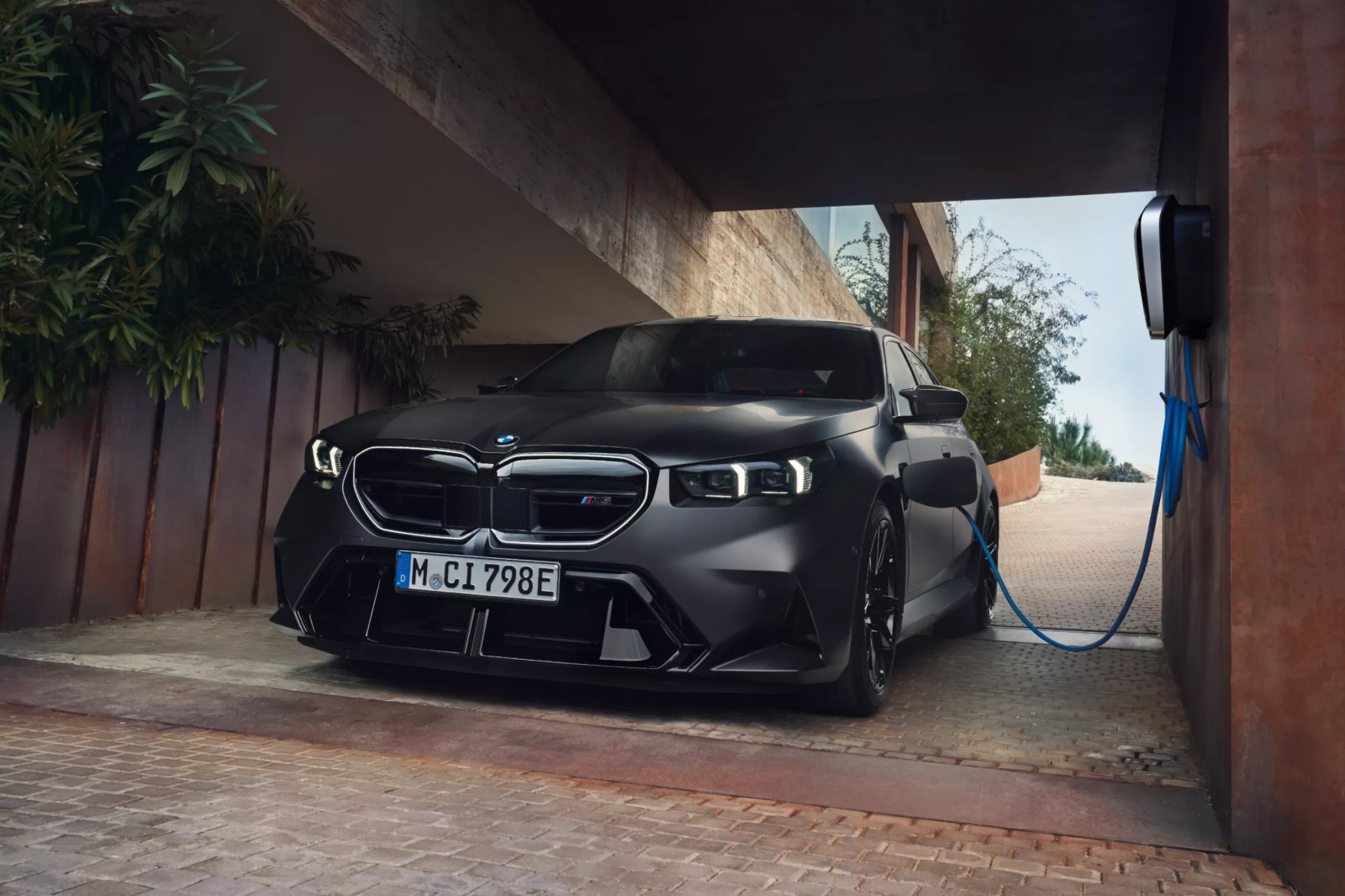
Standing in front of the new M5, you can immediately discern the differences from the standard 5 Series: while the front kidney grille isn't exaggerated to the extent of the XM, it features a smoked outer edge and vertical slats with a hint of sportiness; the air intakes on the lower part of the bumper are visibly larger, complemented by air ducts on both sides, maximizing aerodynamics. The side profile retains the elongated body typical of executive sedans, with a length of 5096 mm, a differential wheel design of 20 inches at the front and 21 inches at the rear, and a beltline stretching from the front fender to the rear. The overall impression is one of both sophistication and an underlying sense of "don't mess with me" authority. The taillights incorporate BMW's latest L-shaped LED design, offering high recognizability when illuminated. The small lip spoiler on the trunk and the quad exhaust pipes integrated on both sides at the bottom—despite being a PHEV—ensure the M series' performance aesthetics are unmistakable. The entire exterior requires no excessive embellishment; any car enthusiast will immediately recognize this as an M Power vehicle.
Sitting inside the car, the first thing you notice is the materials used: the side bolsters of the front seats are quite substantial, covered with fine-textured Merino leather that feels luxurious to the touch; the soft materials covering the dashboard and door panels are extensive, ensuring that any part you touch feels cushioned, creating a sense of luxury. The center console features a 14.9-inch curved display seamlessly integrated with a 12.3-inch fully digital instrument cluster, maintaining the straightforward operational logic of the standard 5 Series and being easy to use quickly. The Bowers & Wilkins 18-speaker sound system comes standard, which is quite generous for the class. In terms of features, the front seats offer electric adjustment and memory functions, and there are Type-C ports under the rear air vents for convenient everyday use. The space inside is in line with its executive-class positioning: my height of 178 cm allows for a fist and two fingers of headroom when seated in the front, and when adjusting to a comfortable driving position, I still have over two fist-widths of legroom and one fist of headroom when seated in the rear, which allows three adults to sit side by side with ease. The trunk has a capacity of 466 liters, which can fit two 28-inch suitcases and a carry-on bag with no problem; moreover, the rear seats can be folded 40:20:40, making it possible to accommodate longer items when needed.
The core focus of this test drive is the powertrain: the 4.4T V8 engine alone delivers 585 horsepower, and when combined with the 197-horsepower electric motor, achieves a total output of 727 horsepower and 1000 N·m of torque. The moment you press the accelerator, you can feel the push-back sensation—it's already very quick to start in normal mode, and once you switch to Sport mode, the transmission becomes more aggressive with its downshifts. Upon acceleration, the sheer power pins you directly into your seat—BMW's claimed 3.5-second 0–100 kph time is no exaggeration. On the highway, as long as you press harder on the accelerator, the power delivery is almost immediate, effortlessly raising the speed. In terms of handling, the steering wheel is slightly heavier than that of a standard 5 Series but provides highly precise feedback, responding exactly to your input. The suspension system employs front double wishbones and a rear multi-link independent configuration, delivering excellent support in Sport mode with minimal body roll during cornering, making it feel almost seamless. Even when switched to Comfort mode, the suspension absorbs most of the bumps and potholes effectively, ensuring that passengers in the rear don't feel jolted. The braking performance is also commendable; the front ventilated discs deliver linear and responsive braking force, corresponding directly to pedal input, while emergency braking keeps the car well-balanced and stable.
The details of daily use have not been overlooked: the official pure electric range is 69km. This time we tried it in urban commuting conditions, with air conditioning on and in heavy traffic, the actual range was around 62km, which is quite high in terms of achievement rate; it takes 3.25 hours to fully charge using a slow charger, so plug it in after coming home at night and it’s enough to meet commuting needs the next day. Noise control is better than the old model: in pure electric mode, you can hardly hear the motor, and even in engine mode, at a highway speed of 120km/h, both wind and road noise only slightly infiltrate and won’t affect conversations inside the car. The energy recovery system is adjustable in three levels; setting it to the highest level lets you feel a significant dragging effect when releasing the accelerator, almost like braking; the lowest level offers a coasting feel similar to a fuel car, suitable for users transitioning from fuel vehicles. The seat comfort is also noteworthy: the lumbar support of the front seats is adjustable, making long drives less tiring; the padding of the rear seats is softer than the front, providing comfort even for long durations.
Overall, the core advantages of the new M5 are very clear: a rare plug-in hybrid system in its class that not only allows cost-efficient pure electric commuting but also delivers M-level performance with the combination of the V8 engine and electric motor. In terms of configuration, it comes with standard B&W audio system and HUD head-up display, which provides better value and equipment compared to the E63 AMG plug-in hybrid version in the same class. It is best suited for people who want the comfort and practicality of an executive sedan but don’t want to give up the performance of M Power—for example, owners who often need to host business guests but enjoy taking their family on mountain drives over the weekend; or affluent younger buyers who don’t want to compromise between “performance” and “comfort.”
All in all, the 2025 BMW M5 has not lost the soul of the M series due to the plug-in hybrid system; instead, it strikes a great balance between “performance” and “practicality.” With a power reserve of 727 hp, it is sufficient to handle any driving scenario, the executive-level space and configuration meet both daily household and business needs, and its pure electric range can cover most commuting scenarios. If your budget is around 1.2 million MYR and you’re looking for a luxury sedan that is both “capable and comfortable,” the new M5 is definitely an option you shouldn’t miss.