BMW M5 Review

 Share
Share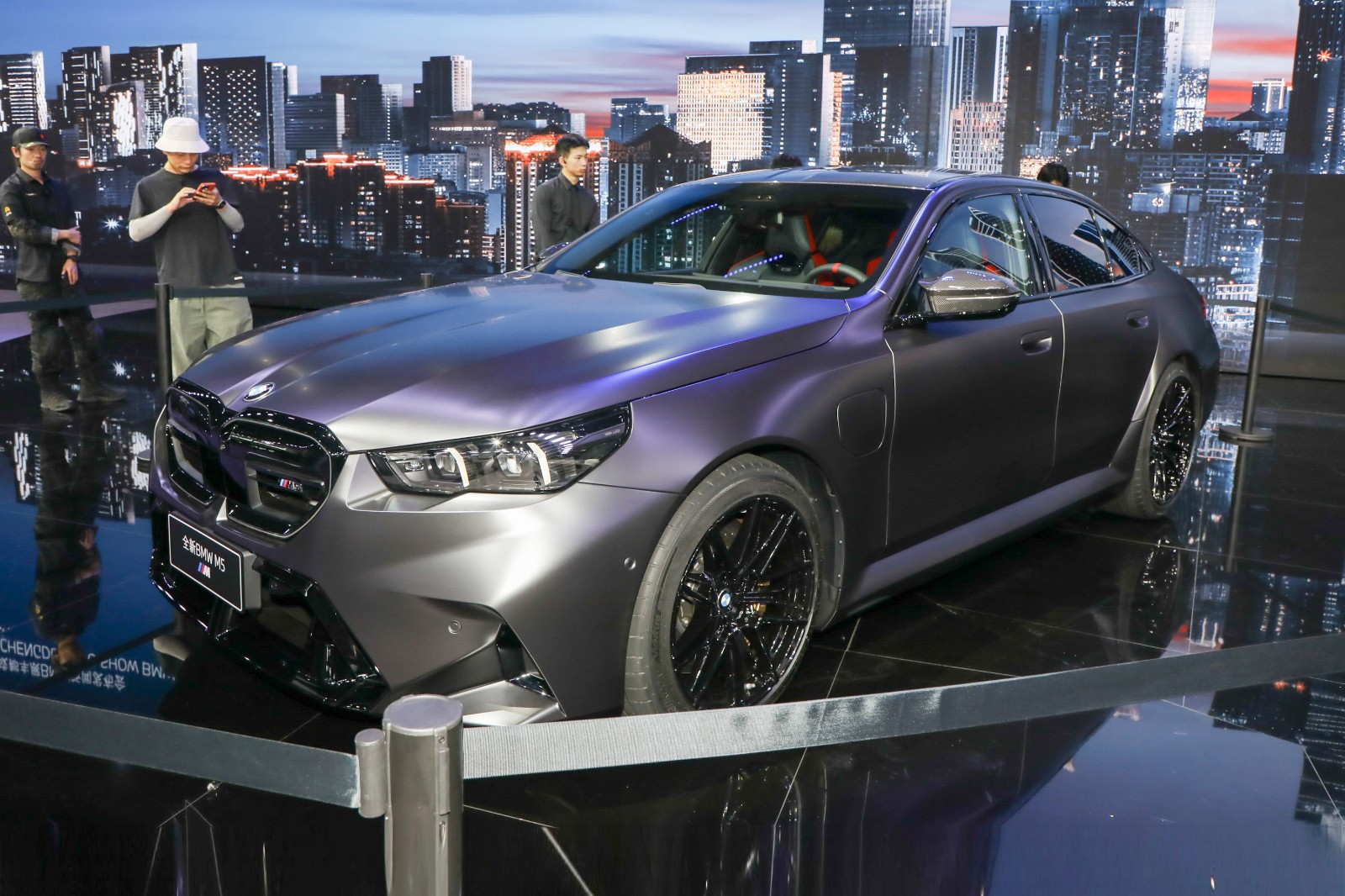
 Segment
 Body Type
 Capacity(L)
 Combined System Output(PS)
 EV Range(km)
 Driven Wheels
In the luxury executive sedan market, consumer demands for performance and practicality are becoming increasingly diversified, with both a craving for speed and a desire for comfortable daily commuting and fuel efficiency. The 2025 BMW M5, as a new contender in this segment, introduces for the first time a plug-in hybrid system that combines a 4.4-liter twin-turbocharged V8 engine with an electric motor, delivering a combined system output of 727PS, while maintaining the space advantages of an executive sedan. This test drive focuses on assessing the actual performance of its hybrid system and whether the balance between performance and practicality aligns with the positioning of the M series.
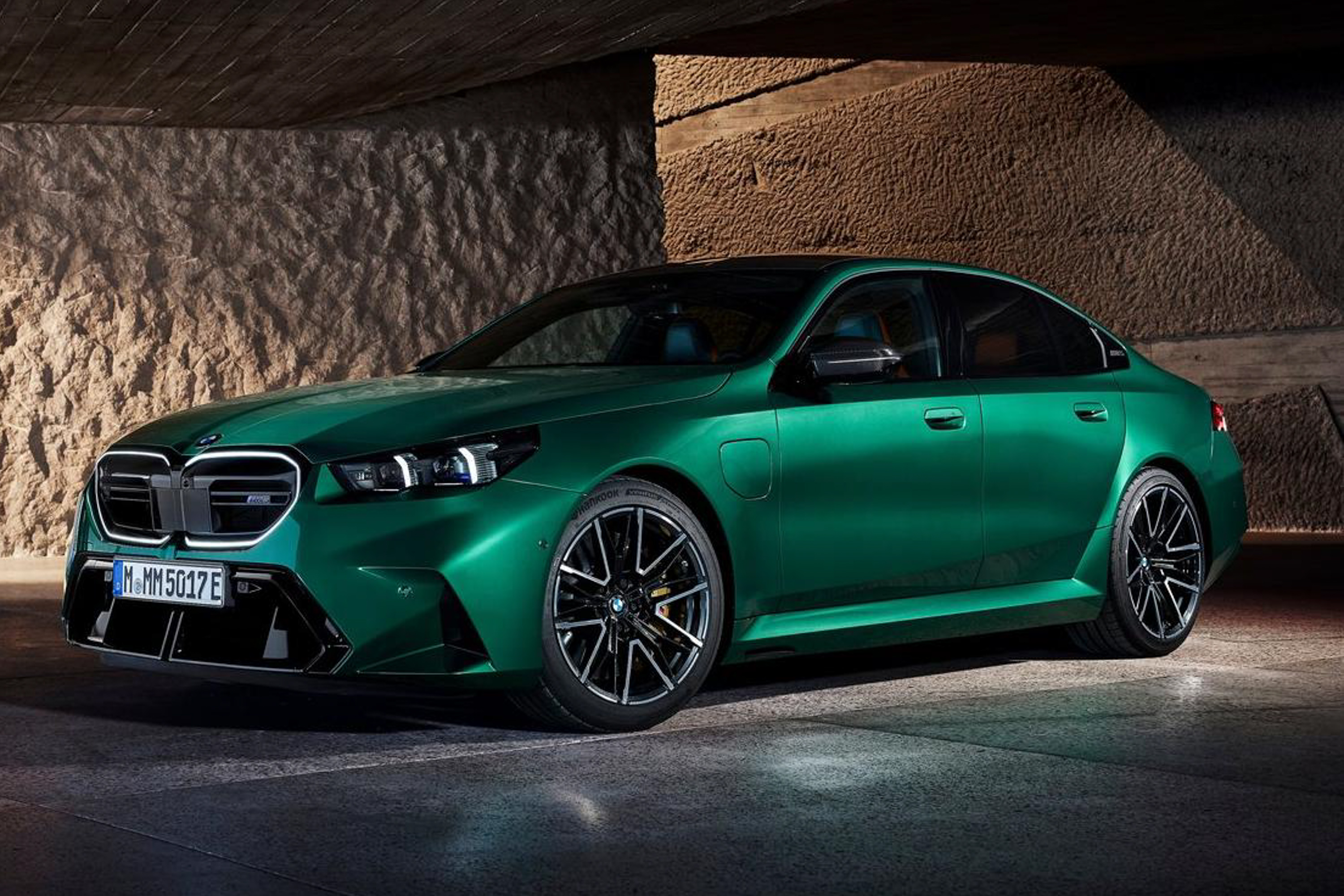
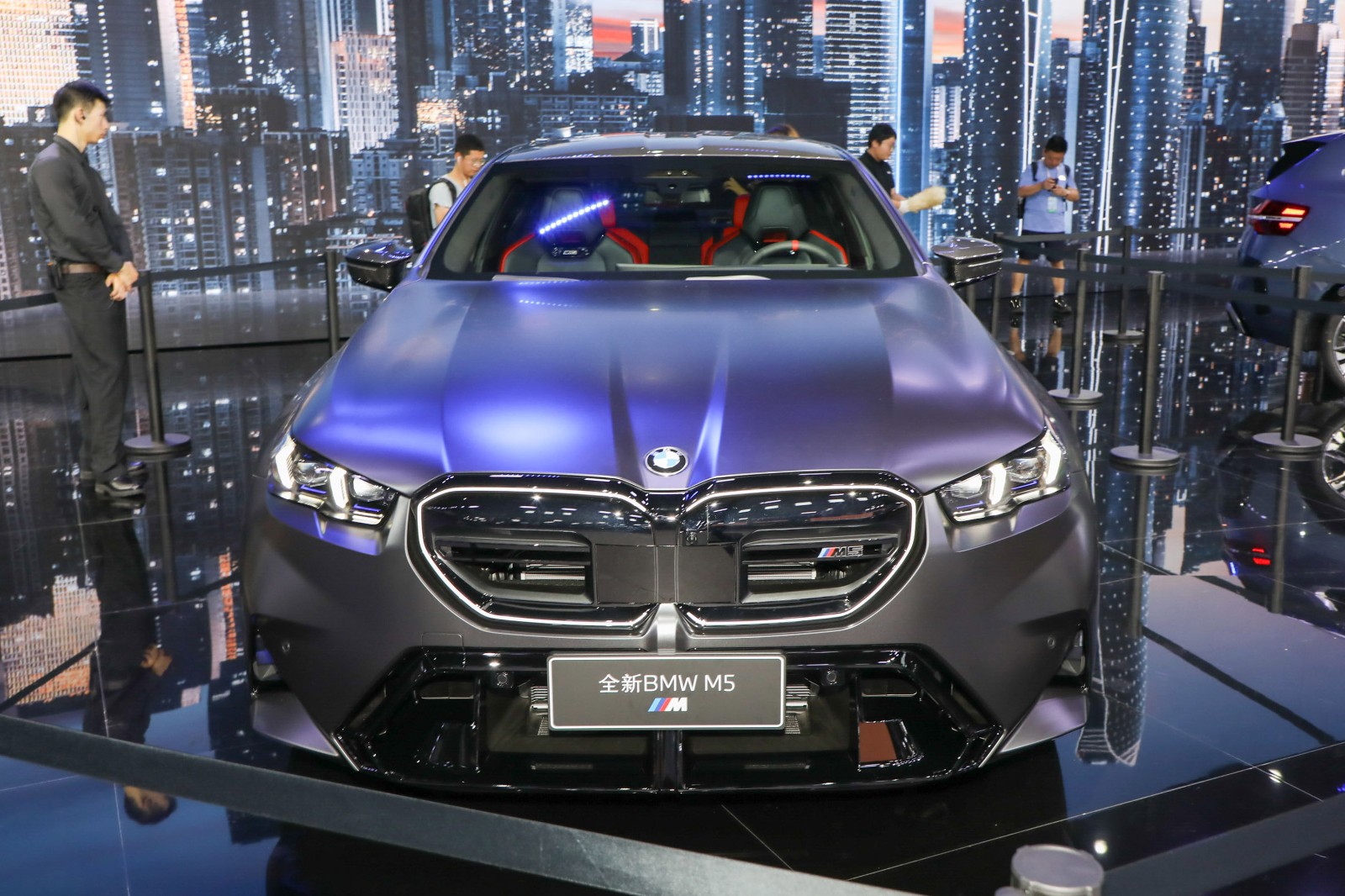
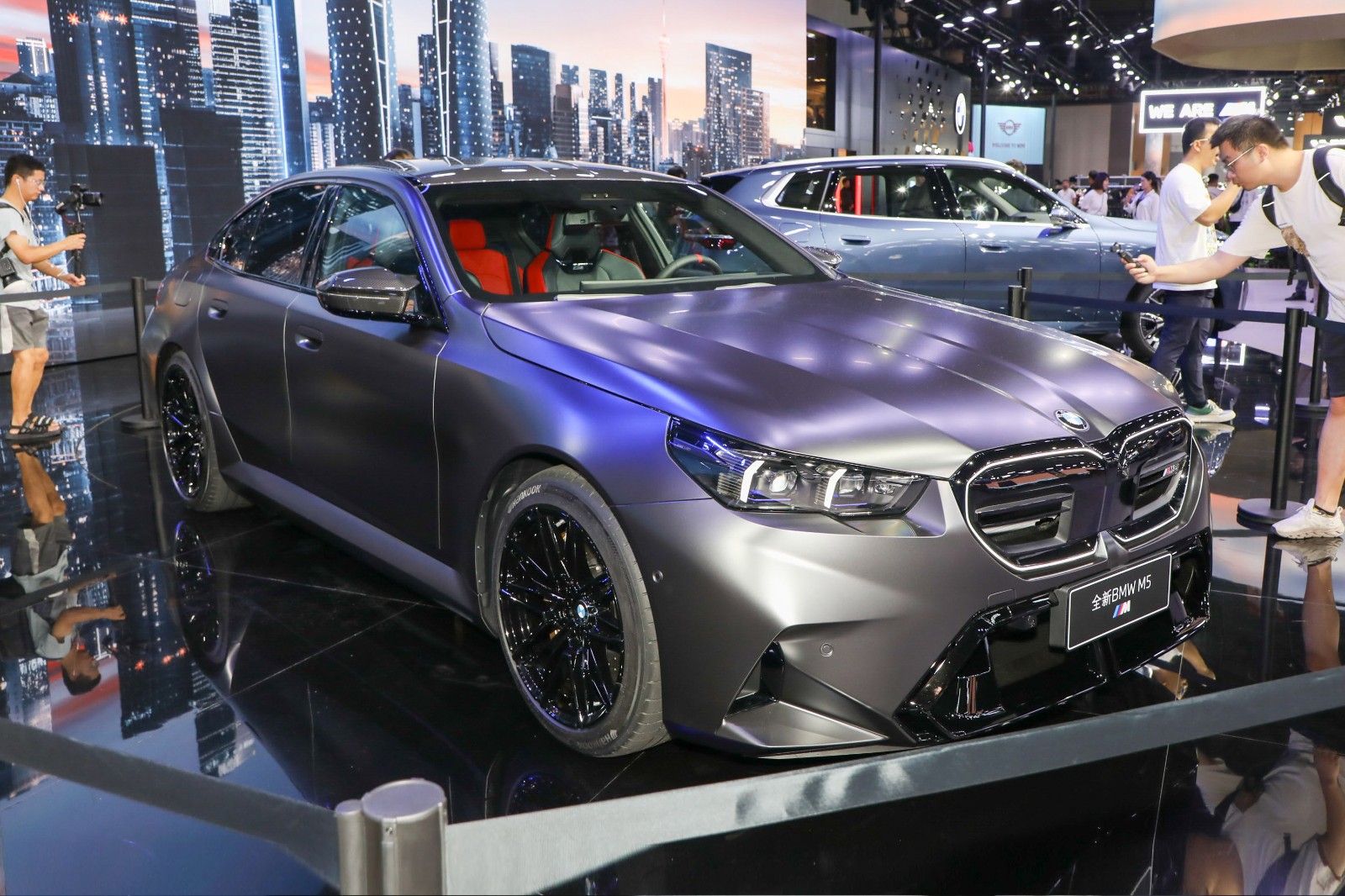
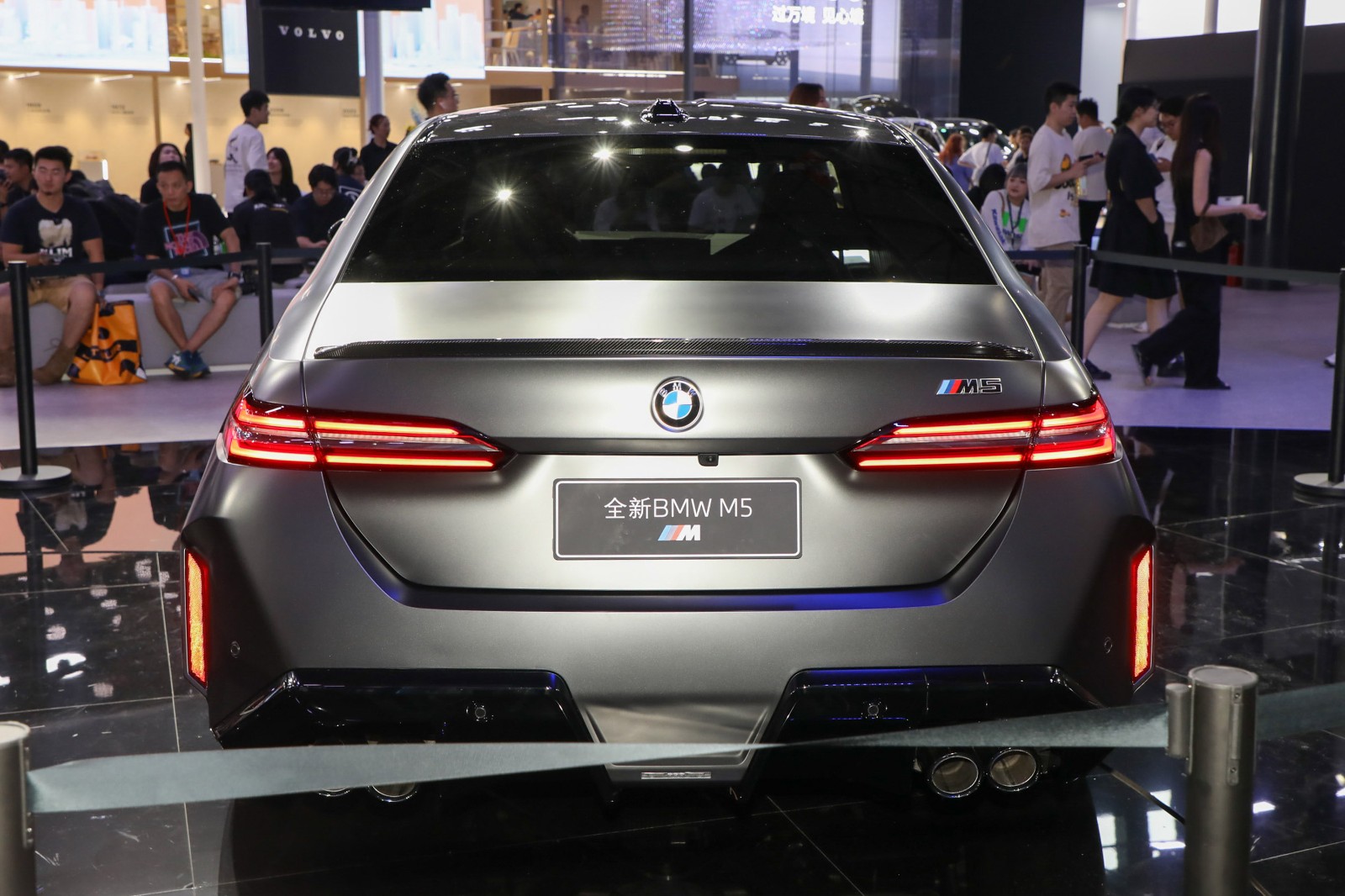
From the exterior, the 2025 M5 continues the sporty DNA of the M series but features adjusted dimensions compared to the previous model: length, width, and height are 5096mm, 1970mm, and 1510mm respectively. The wheelbase is 2857mm, which is 124mm longer, 67mm wider, and 37mm higher than the 2022 model, giving it a broader and more robust stance. The front features a large blacked-out kidney grille paired with LED angel-eye headlights for high recognition; the body side profile is sleek, with M-series-exclusive gill-shaped vents on the front fenders. The front and rear wheels have different specifications, 285/40 ZR20 at the front and 295/35 ZR21 at the rear, enhancing its sporty feel. The rear is equipped with dual-side quad round exhaust pipes, and LED taillights use a blacked-out design, echoing the front design. The overall style brings more performance-oriented details to the executive stability.
Sitting inside the car, the center console tilts toward the driver, with a 14.9-inch curved display combined with a 12.3-inch fully digital dashboard to create a dual-screen setup, equipped with the latest iDrive system for smooth operation. The interior materials primarily include genuine leather and Alcantara, with electrically adjustable seats. The driver’s seat comes with a memory function, and the rear seats support a 40:20:40 split-folding configuration, offering greater flexibility compared to the fixed rear seats in the 2022 model. In terms of space, although the wheelbase is 125mm shorter than the 2022 model, the actual passenger space remains largely unaffected, with a 180cm passenger still having two fistfuls of legroom in the rear seats. Storage spaces include a front central armrest box, door storage compartments, and a trunk with a capacity of 466L, which is 64L smaller than the 2022 model but remains sufficient for daily luggage needs. Standard features include Bowers & Wilkins sound system (18 speakers), tri-zone automatic climate control, HUD head-up display, and 360-degree panoramic camera. Safety configuration sees the addition of knee airbags, bringing the total number of airbags to seven, one more than the previous model.
Starting the vehicle activates varied driving modes for the hybrid system. In pure electric mode, the motor outputs 197PS with a top speed of 140km/h, suitable for short urban commutes. The official pure electric range is 69km, with an actual test achieving about 85% under congested urban conditions and an energy consumption of 18kWh/100km. Switching to sport mode, the V8 engine and electric motor work in tandem to deliver a combined system torque of 1000N·m. The official 0-100km/h acceleration is 3.5 seconds, which is consistent with actual test results. During takeoff, the motor’s immediate torque delivery provides a strong push-back feeling, with ample power reserves for mid-to-high-speed acceleration. The transmission is an 8AT with clear shifting logic and quick paddle response in manual mode.
In terms of handling, the front double-wishbone and rear multi-link independent suspension, tuned by the M series, provide excellent support. During cornering, body roll is well-controlled, the steering is precise, and there’s minimal play. When driving on bumpy roads, the suspension effectively absorbs small vibrations, retaining some road feel without compromising comfort. The all-wheel-drive system primarily favors rear-wheel drive by default, but the distribution ratio can be adjusted through modes, significantly improving stability on slippery roads. The fuel consumption performance is noteworthy, with a combined fuel consumption of about 8.5L/100km in hybrid mode, which is approximately 24% lower than the 11.2L/100km of the 2022 model. Highway cruising fuel consumption is about 7L/100km, delivering significantly improved fuel efficiency.
In terms of driving comfort, the vehicle's sound insulation is excellent, with wind and tire noise kept within reasonable limits at a speed of 120km/h on the highway. The seats provide strong support and are not fatiguing on long journeys. Energy regeneration has three adjustable levels, with the highest level exhibiting noticeable drag and the lowest level closely resembling the coasting experience of a fuel vehicle. The braking system features ventilated discs both front and rear, offering short braking distances and linear pedal feedback.
In summary, the core advantage of the 2025 BMW M5 lies in its balance between performance and fuel efficiency brought by the hybrid system. With a system combined power output of 727PS, it surpasses the 626PS of the 2022 Competition model, while fuel consumption is reduced by about 24%. Configuration updates include the addition of a curved display, foldable rear seats, and knee airbags, making it more competitive in terms of technology and practicality compared to the Mercedes-AMG E 63 S in the same class. It is suitable for individuals such as business professionals who pursue performance but need to balance daily commuting, families who value space and configuration, and consumers who enjoy the M-series driving experience while looking to reduce usage costs.
Overall, the 2025 BMW M5, through plug-in hybrid technology, enhances practicality and fuel economy while retaining the performance DNA of the M series. It is a luxury executive sedan that combines speed with everyday usability.