Hyundai Staria 2021 Review

 Share
Share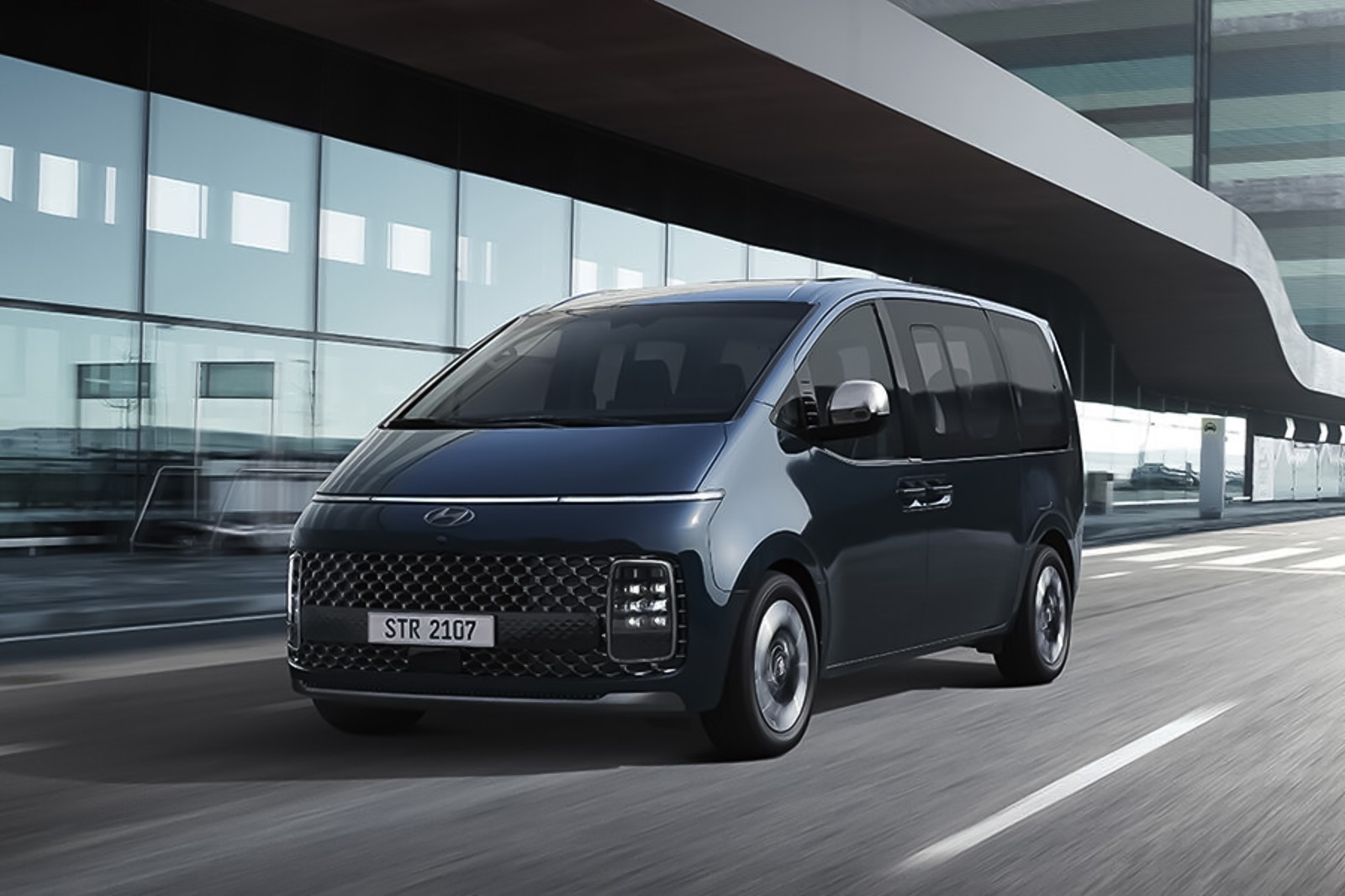
 Segment
 Body Type
 Capacity(L)
 Engine Power(PS)
 Transmission
 Driven Wheels
Southeast Asian household users have always focused on space, comfort, and practicality when it comes to seven-seater MPVs. However, with the rise of consumer demand, the market has also set higher expectations for luxurious features and intelligent experiences in MPVs. The 2021 Hyundai Staria 2.2 Premium, positioned as a high-end model under the brand, retains the traditional MPV's space advantages while incorporating premium comfort configurations and advanced safety systems. This makes it stand out in the competitive mid-to-high-end MPV market. In this review, we will analyze the vehicle comprehensively from four aspects: static design, space performance, dynamic driving, and practical details, to evaluate whether it truly meets the family users' expectations for an "all-round MPV."
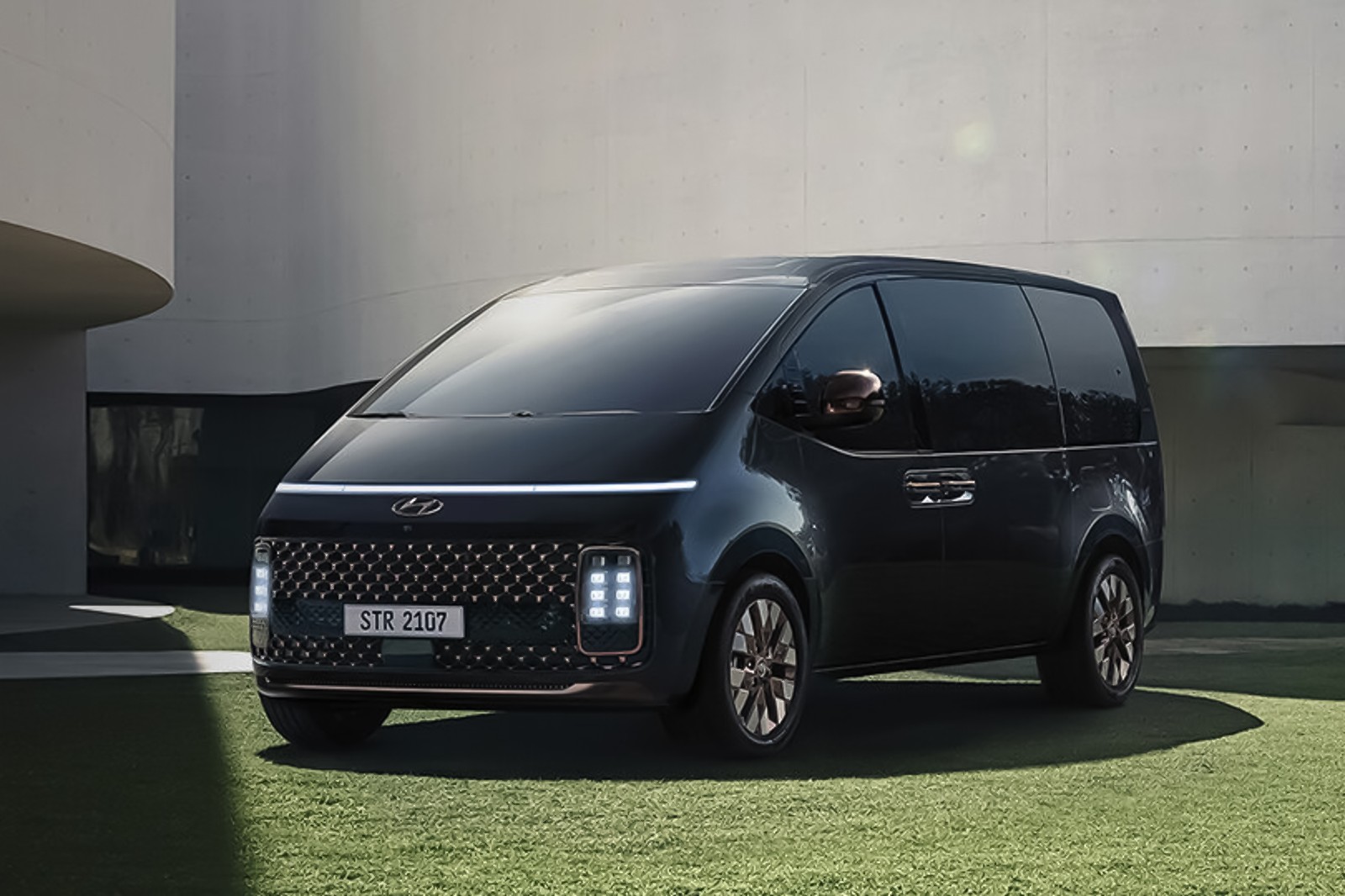
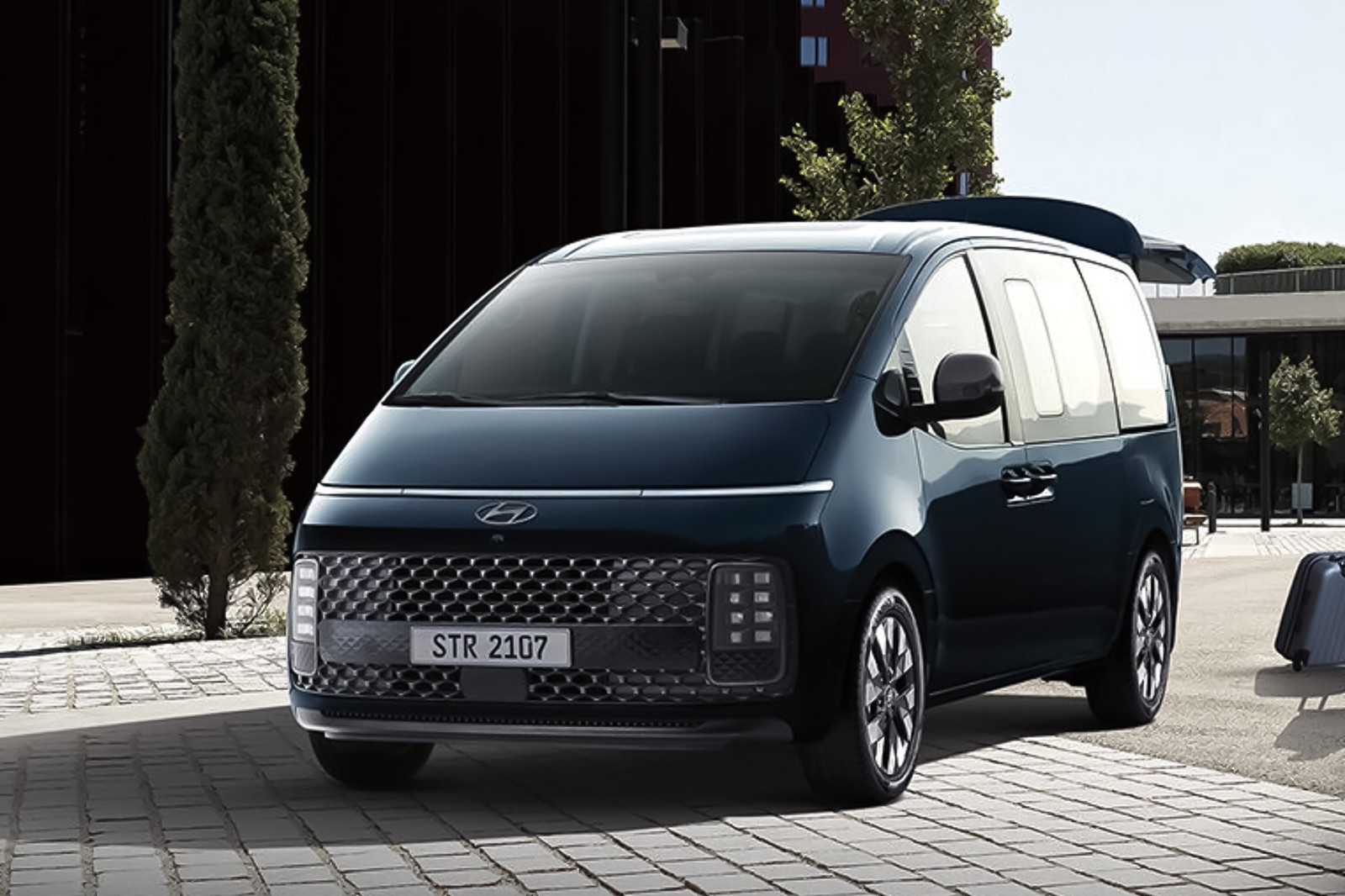
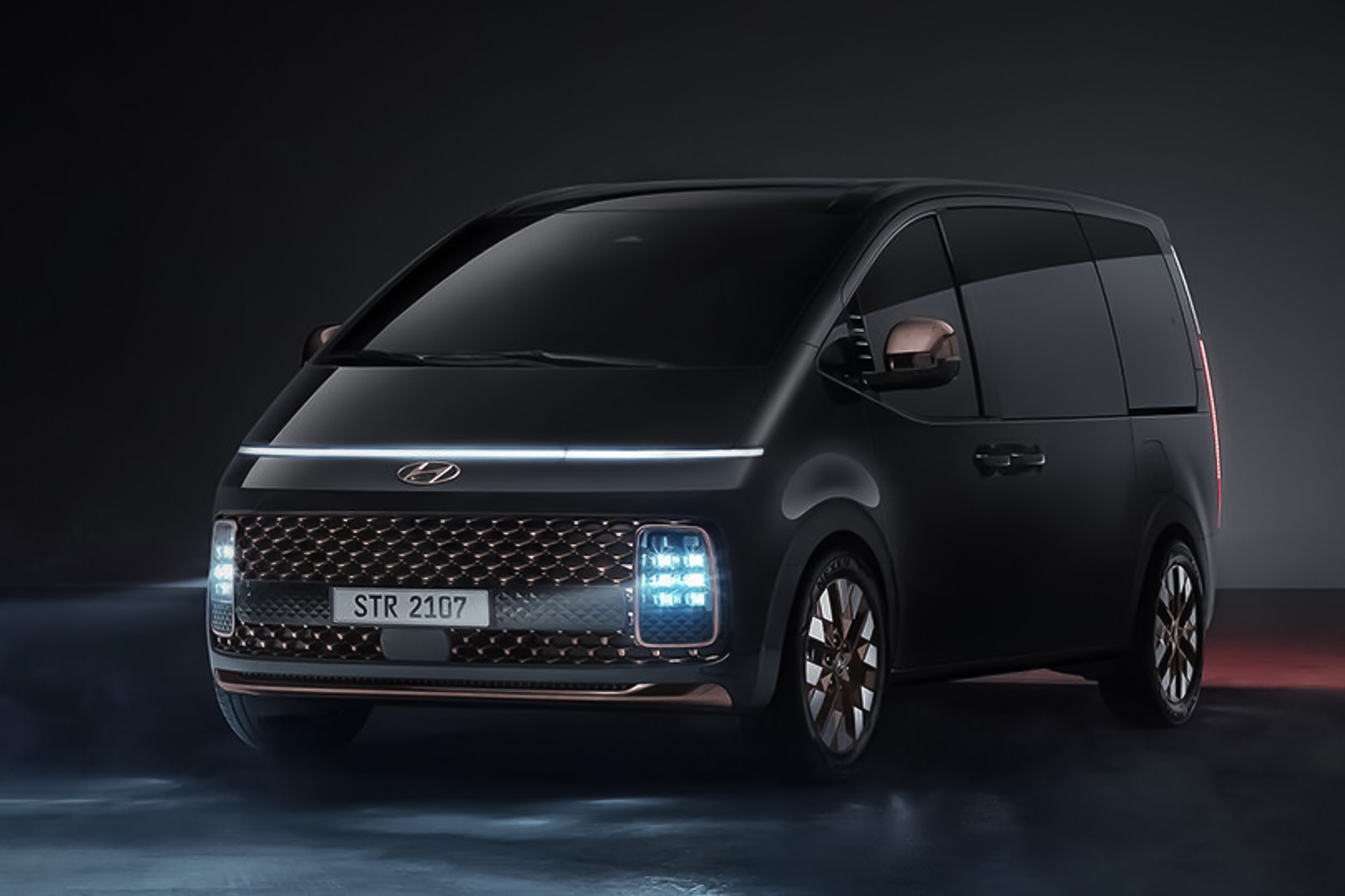
At first glance, the Staria 2.2 Premium gives an immediate impression of breaking away from the conventional box-shaped design stereotype of traditional MPVs. The body features smooth and rounded lines, with the front adopting a large trapezoidal grille complemented by horizontal chrome accents, flanked by slim LED headlights, which create a modern and upscale visual impression. The side profile is free of complex contour lines, instead using a simple line that extends from the front to the rear to shape the silhouette, accompanied by 18-inch multi-spoke wheels, giving the side a sleek and well-proportioned appearance. The rear design is relatively simple, with LED taillights laid out in a horizontal layout, boasting high recognition when illuminated. The rear fog lamps and reflectors below enhance nighttime driving safety. Notably, the car comes standard with an LED lighting system, not only enhancing the technological feel but also providing sufficient illumination. The combination of automatic headlights and rain-sensing wipers further simplifies daily operation.
Upon entering the cabin, the Staria 2.2 Premium's interior design leans towards simplicity and practicality, yet the materials and configurations exude a sense of luxury. The dashboard adopts a symmetrical layout, covered with soft-touch materials and accented with silver trims in the center, offering a pleasant tactile and visual experience. An 8-inch touchscreen is positioned atop the dashboard, and while its responsiveness is satisfactory, the screen size is not the largest in its class. The screen supports Bluetooth, CarPlay, and Android Auto connectivity. Below the screen, some physical buttons are retained for convenient blind operations while driving, and the air conditioning control area uses standalone knobs with a clear and logical design.
The configuration offers several highlights: the 12-speaker Bose sound system, standard across the lineup, delivers audio performance well above the average level of its peers; the front seats support 8-way electric adjustment, with heating and ventilation functions, ensuring comfort even during long drives; the second-row seats also provide 4-way electric adjustment, heating, and ventilation, and can be manually moved forward and backward for high spatial flexibility; the third-row seats adopt a manual folding design, which, while less convenient than electric adjustments, can still create a 431L trunk space when folded, meeting daily cargo needs. Additionally, the vehicle is equipped with six airbags, a 360-degree surround-view system, blind-spot monitoring, lane departure warning, and other advanced safety features, which are considered standard for vehicles in this price range, providing ample safety guarantees for family travel.
Space is the core advantage of the Staria 2.2 Premium. The body dimensions are 5253mm×1995mm×1990mm, with a wheelbase of 3273mm, which is among the top levels for 7-seater MPVs. In terms of actual seating experience, a front-row passenger with a height of 175cm has a headroom of one fist and two fingers, with spacious legroom; when the second-row seat is adjusted to the rearmost position, the legroom exceeds two fists, and the headroom is also one fist, ensuring even larger passengers can stretch out comfortably. The performance of the third-row seats is equally excellent, with one fist of legroom remaining when one fist of space is left for the second row, and one fist of headroom, eliminating any significant sense of confinement. Regarding storage space, the front door panels and the central armrest box offer considerable volume, and the second-row seats also have independent cup holders and storage compartments on both sides, showcasing thoughtful attention to details.
The Staria 2.2 Premium used in this test drive is equipped with a 2.2T diesel engine, delivering a maximum power of 177PS and a maximum torque of 431N·m, paired with an 8-speed automatic transmission. Judging from the parameters, the power output leans toward smoothness, fitting the MPV's positioning. During actual driving, the power response at the start phase is not particularly aggressive, but once the turbo kicks in (around 1500rpm), the torque release is quite linear. The acceleration process is smooth and robust, with the gearbox responding promptly by downshifting during overtaking, ensuring adequate power reserve for highway driving. The driving modes include Economy, Normal, and Sport. In Sport mode, the throttle sensitivity is improved, but the overall style still prioritizes comfort.
In terms of handling, the steering of the Staria 2.2 Premium is light and responsive, with minimal dead zone, making it quite agile for daily driving. The suspension system features a front MacPherson independent suspension combined with a rear multi-link independent suspension, tuned for comfort. When driving over speed bumps or bumpy roads, the suspension effectively absorbs most vibrations, ensuring a stable experience for passengers inside the vehicle. The body remains stable even at a speed of 120km/h on highways, without noticeable floating. However, due to the large body size, extra attention is needed in narrow roads or when making U-turns. Fortunately, the 360-degree panoramic camera is highly clear, effectively reducing the blind spots and associated challenges.
Fuel efficiency is an advantage of diesel vehicles. The official comprehensive fuel consumption of the Staria 2.2 Premium is 8.2L/100km. During the actual test drive, the fuel consumption in urban conditions (including congestion and normal traffic) was approximately 9.5L/100km, while on highways, it dropped to 7.8L/100km. These figures are quite outstanding for a 7-seater MPV. As for comfort, the vehicle's sound insulation is commendable, with wind noise and tire noise maintained at reasonable levels during high-speed driving, and the noise of the diesel engine is not obvious inside the car. The seats offer excellent wrapping and support, reducing fatigue during long journeys. The independent air conditioning and sunroof in the second row further enhance the comfort of rear passengers.
In summary, the 2021 Hyundai Staria 2.2 Premium is a mid-to-high-end MPV that balances space, comfort, and safety. Its advantages include spacious seating, a wealth of luxury features (such as heated/ventilated seats and Bose audio system), and reliable advanced safety systems. These characteristics perfectly meet the core needs of family users. Compared with competitors in the same class, the Staria 2.2 Premium offers a higher level of configuration while being relatively more affordable, making it highly cost-effective.
However, it also has some minor shortcomings: the central control screen is slightly small, and the operational smoothness needs improvement; while the space is adequate after folding the third-row seats, the operation is not as convenient as electric folding. But overall, these minor flaws do not affect its positioning as an "all-around family MPV".
If you frequently travel with your family or have high requirements for in-car comfort and safety features, the Staria 2.2 Premium would be a good choice. It can meet the needs of daily commuting as well as long-distance travel tasks, making it a practical MPV truly designed for families.