

Hyundai Creta Review

 Share
Share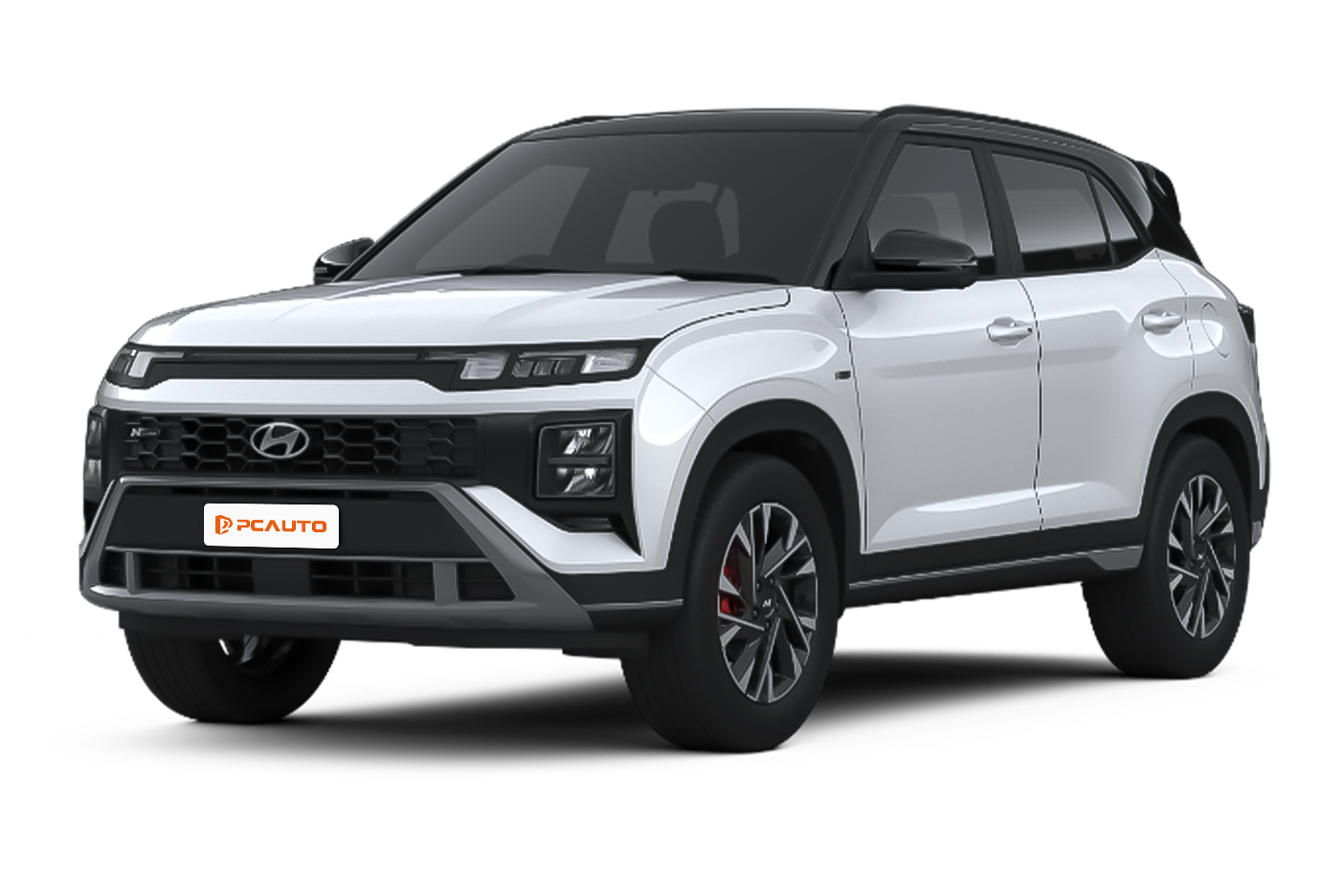
 Segment
 Body Type
 Engine Power(PS)
 Transmission
 Driven Wheels
 Capacity(L)
In Malaysia's C-Segment SUV market, a budget of around RM150,000 is the core choice for most family users. It needs to meet the practical needs of daily commuting while also balancing configuration and space. As a popular model in this price range, the 2023 Hyundai Creta 1.5 PLUS has enhanced its intelligent features and comfort experience with this facelift. Our test drive aims to verify whether its performance in real-world scenarios can meet the core demands of family users.
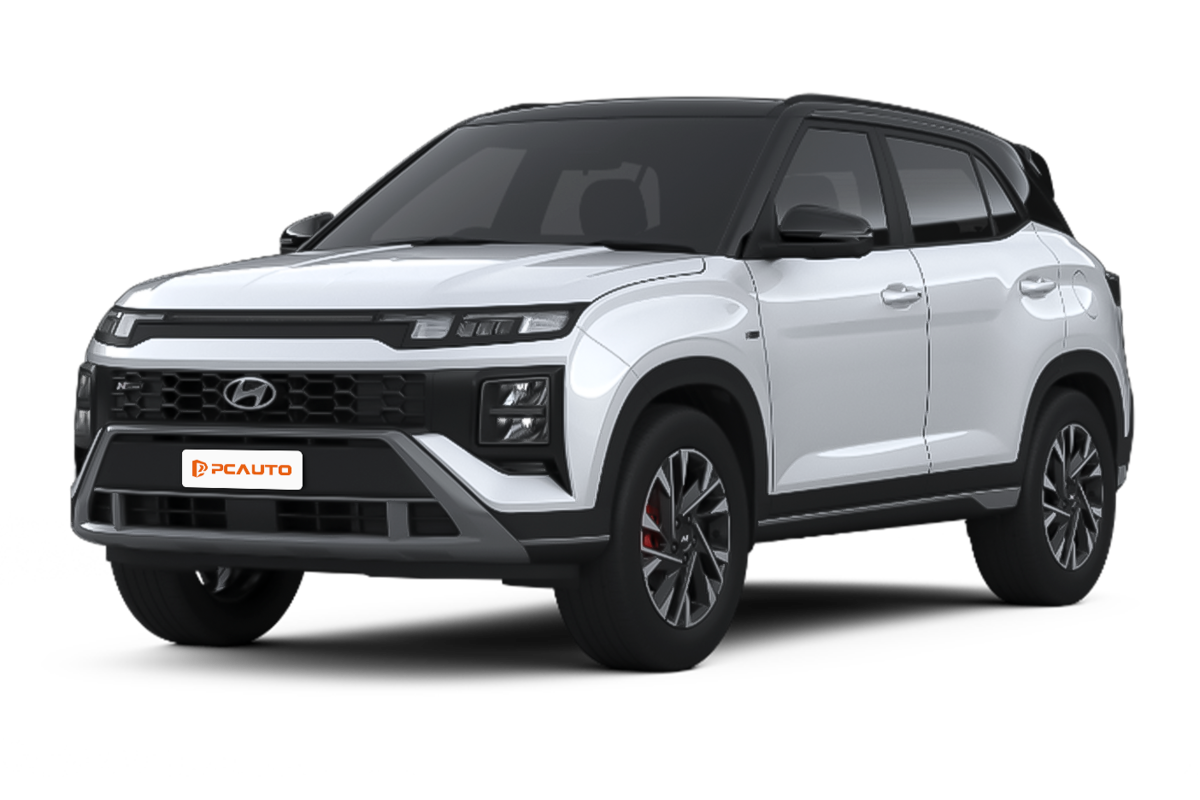
From a distance, the 2023 Creta 1.5 PLUS continues Hyundai's family design language, with an overall style leaning towards a youthful and dynamic aesthetic. The large front grille, combined with horizontal blackened trim, gives it a high level of recognition; the LED headlights on both sides connect with the grille, visually widening the front end. Automatic headlights and front fog lights are standard, ensuring practicality is not compromised. The side profile is characterized by smooth lines, and the proportion of the 17-inch wheels to the body appears well-coordinated, avoiding a "small wheel" feel. At the rear, the LED taillights adopt a through-type design, creating a striking effect when illuminated, while the addition of rear fog lights enhances safety in adverse weather conditions.
Upon entering the cabin, the interior layout is simple and well-organized, with the center console inclined toward the driver for easier operation. The 10.25-inch touchscreen infotainment display serves as the visual focal point, offering responsiveness and clarity that meet mainstream class standards. Below it, some physical buttons are retained for adjusting the air conditioning temperature and fan speed, making blind operation more convenient. As for materials, the upper section of the dashboard is covered with soft materials that should provide a decent tactile feel. The steering wheel supports multifunctional controls and paddle shifters, while the addition of a Head-Up Display (HUD) reduces the frequency of looking down at the instrument cluster while driving. Seat configuration is a highlight; both the driver and front passenger seats support electric adjustment, while the rear seats are split 60:40 and can be folded down. Combined with the 416L trunk capacity, it easily accommodates baby strollers or foldable bicycles for daily use.
In terms of space, its dimensions are 4315mm in length, 1790mm in width, and 1630mm in height, with a wheelbase of 2610mm. After adjusting the front seats to a comfortable position, a passenger who is 175cm tall still has a fist's space above their head. Rear legroom measures about two fists, with one fist of headroom. The nearly flat floor in the rear ensures that the middle passenger's comfort is not severely compromised when the car is fully loaded with five occupants. Storage details are well-implemented. The front door panels can hold two 500ml water bottles, the central armrest box offers sufficient depth, and there are independent air vents and power outlets in the rear, meeting passengers' charging needs.
In terms of power, the Creta 1.5 PLUS is equipped with a 1.5L naturally aspirated engine, producing a maximum horsepower of 115PS and a peak torque of 144Nm, paired with a CVT transmission. The power output during start-up is smooth, with no significant jerking. It handles daily city commuting, stop-and-go traffic, and starting from a standstill quite easily. Acceleration response is particularly good within speeds of 60km/h, making it well-suited for frequent start-stop scenarios in urban areas. When switched to Sport mode, throttle sensitivity improves, and the CVT keeps the car in relatively low gears, providing adequate power reserves for overtaking. However, when traveling at speeds above 80km/h, the acceleration feels somewhat weak, and high-speed overtaking requires pre-planned distance.
Handling performance is decent, with a lightweight steering effort that makes daily driving effortless, and the steering accuracy is also quite precise. The chassis uses a front MacPherson independent suspension, which effectively absorbs common city speed bumps or minor jolts, with no noticeable bouncing from the car body. When cornering, the suspension provides sufficient support, and the body roll is within an acceptable range, without causing significant swaying for passengers. As for braking, the brake pedal travel is moderate, the braking force is released linearly, and the car body remains stable during emergency braking.
The comfort details are commendable. Noise control inside the car performs well, with almost no noticeable wind noise or tire noise below a speed of 60km/h. At a highway speed of 100km/h, wind noise increases slightly but remains within acceptable limits. The seat cushioning has a moderate softness, and the lumbar support is adequate, making long drives less tiring. As for fuel consumption, after testing on routes equally divided between city and highway, the average fuel consumption is about 6.8L per 100km. It runs on 92-octane gasoline, keeping daily operating costs low.
Compared to competing models in the same segment, such as the Honda HR-V or Toyota Corolla Cross, the Creta 1.5 PLUS stands out with its feature advantages—front power seats, HUD head-up display, and six airbags, which are often optional or reserved for higher trims in similarly priced competitors. However, its power performance is relatively modest, so users with higher power demands may need to consider other versions.
Overall, the 2023 Hyundai Creta 1.5 PLUS is a balanced SUV that is ideal for family use. With rich features, practical space, and excellent comfort, it can meet the needs of daily commuting or short family trips. It is especially suited for families who prioritize configuration cost-effectiveness and a smooth driving experience, particularly those who need a vehicle for city commuting and occasional family outings. If you have a budget of around 150,000 MYR and are looking for a well-equipped, hassle-free family SUV, the Creta 1.5 PLUS is worth considering.
Hyundai Creta Car Compare
Hyundai Creta Loan Calculator
More Hyundai Reviews
Cars With Similar Price And Features
4
Rank in SUV
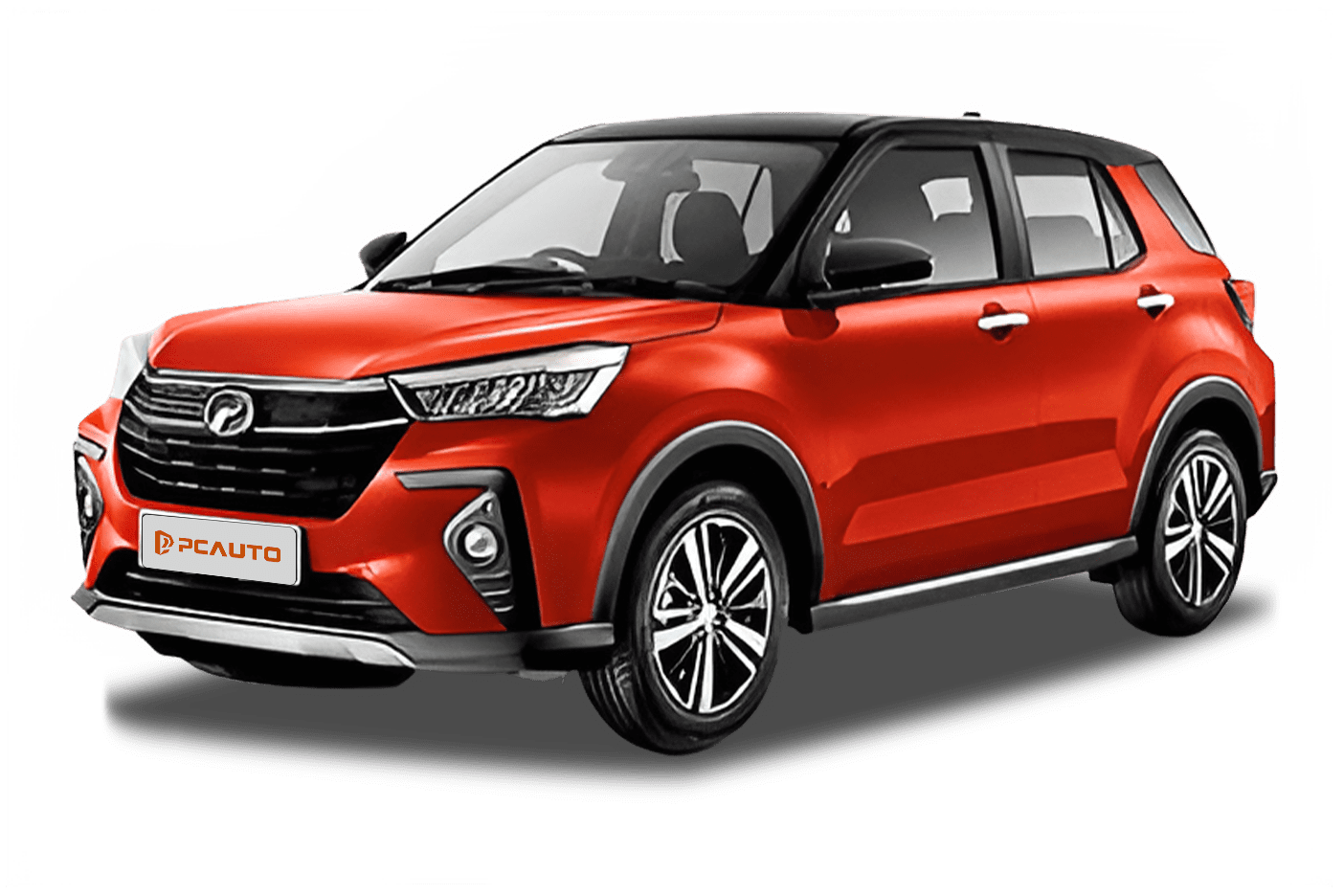
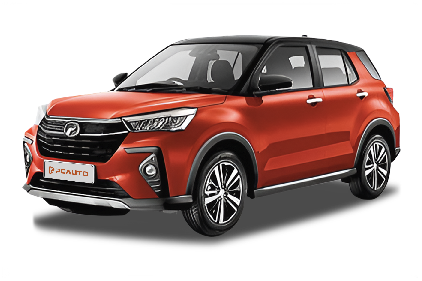
2023 Perodua Ativa 1.0L Turbo X, as a high-value-for-money entry-level B-SUV, meets the commuting and short-distance travel needs of family users with advanced safety features, practical space, and economical fuel consumption.
15
Rank in SUV
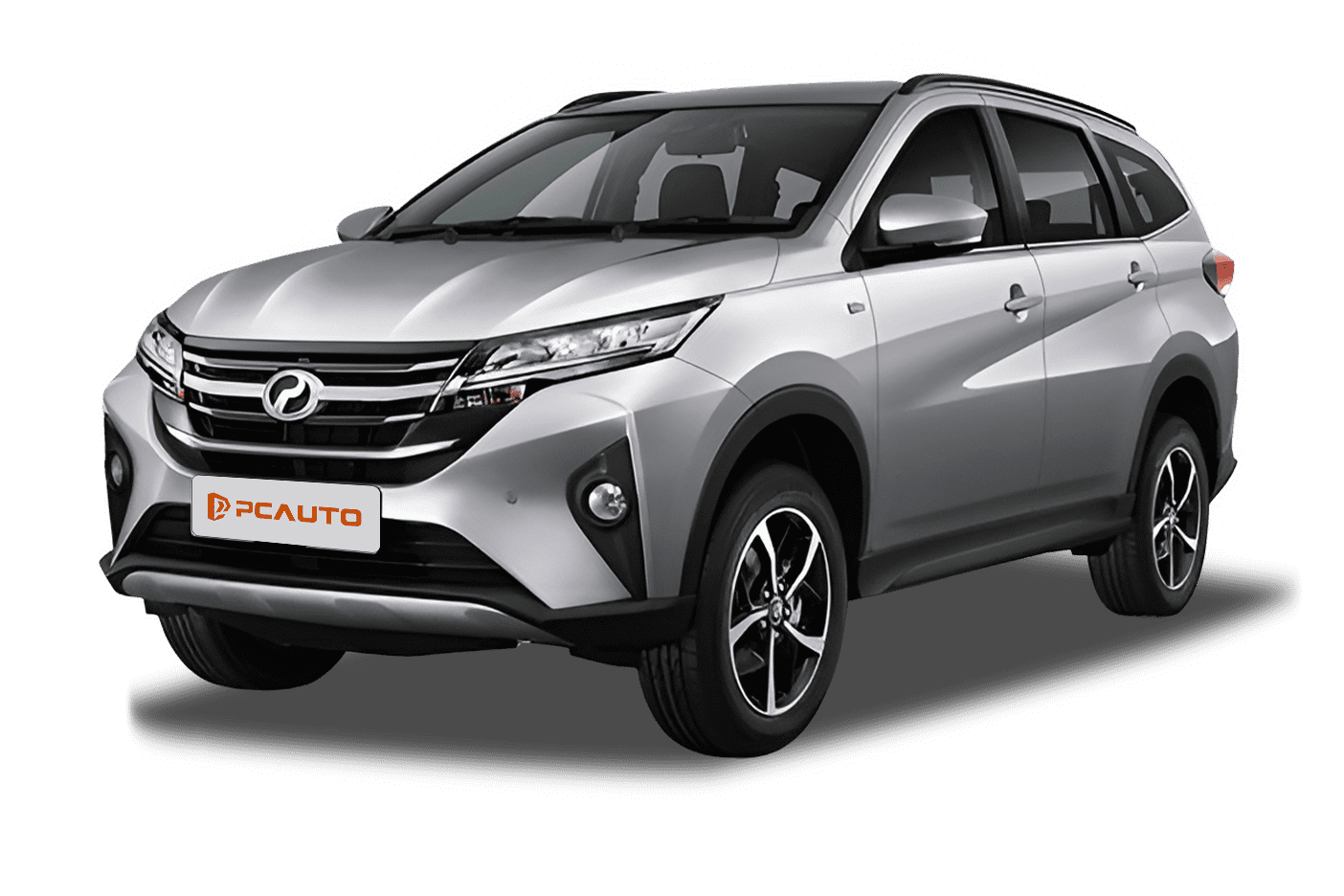
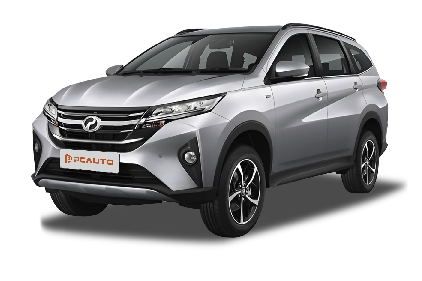
The 2023 Perodua Aruz 1.5L X is a high-value-for-money B-segment 7-seater SUV, offering 6 airbags and active safety systems as standard equipment for under RM63k. It balances practical space and daily commuting needs, making it a pragmatic choice for budget-conscious families.
3
Rank in SUV
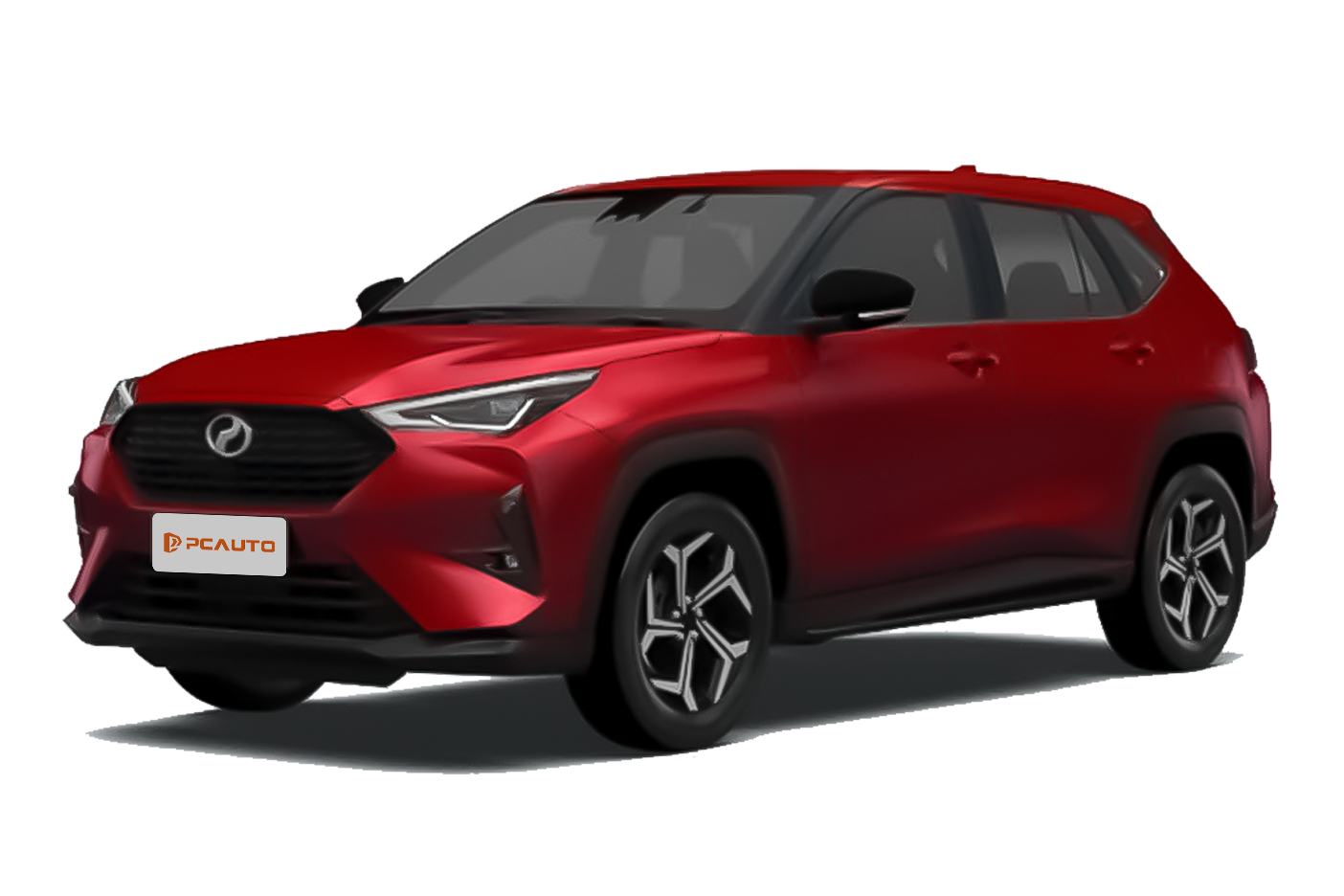
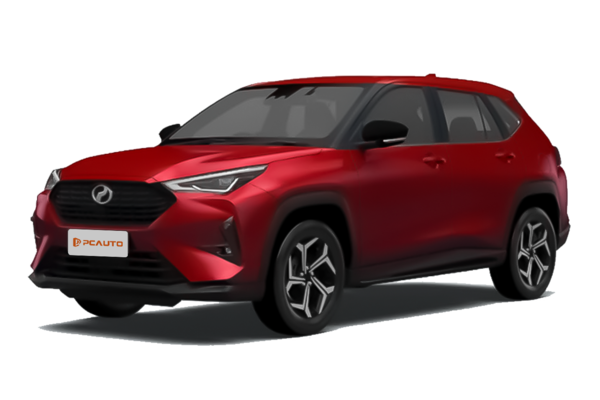
2025 Perodua Traz X, positioned as a B-segment SUV for family users, highlights advanced safety features, 210mm high ground clearance, and practical spaciousness as its main selling points, balancing flexibility and practicality.
2
Rank in SUV
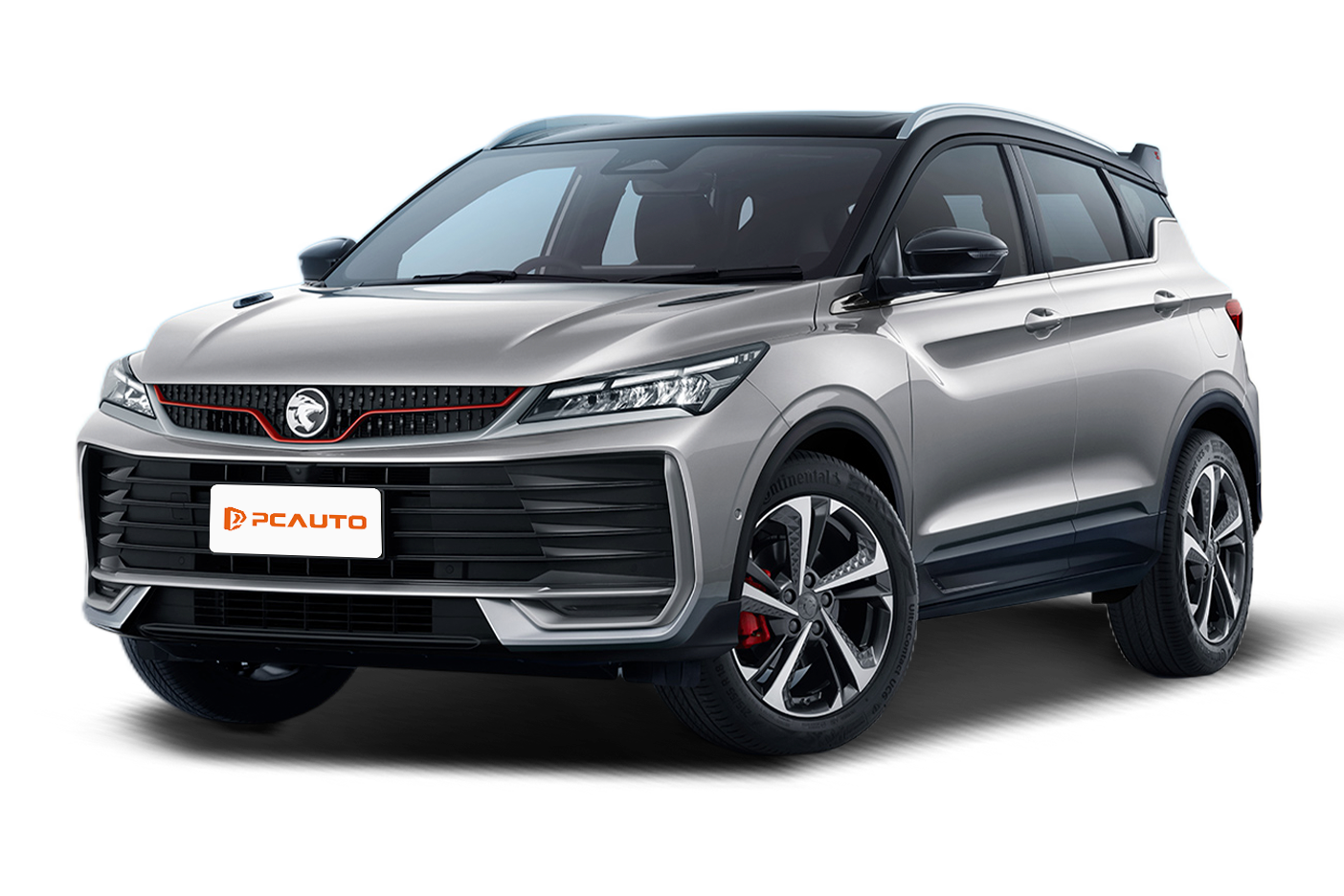
2025 Proton X50 Executive is an upgraded and price-reduced mid-size SUV that combines refined exterior, tech-savvy interior, powerful performance, and practical space, offering exceptional value for money.