

Infiniti Q60 Review

 Share
Share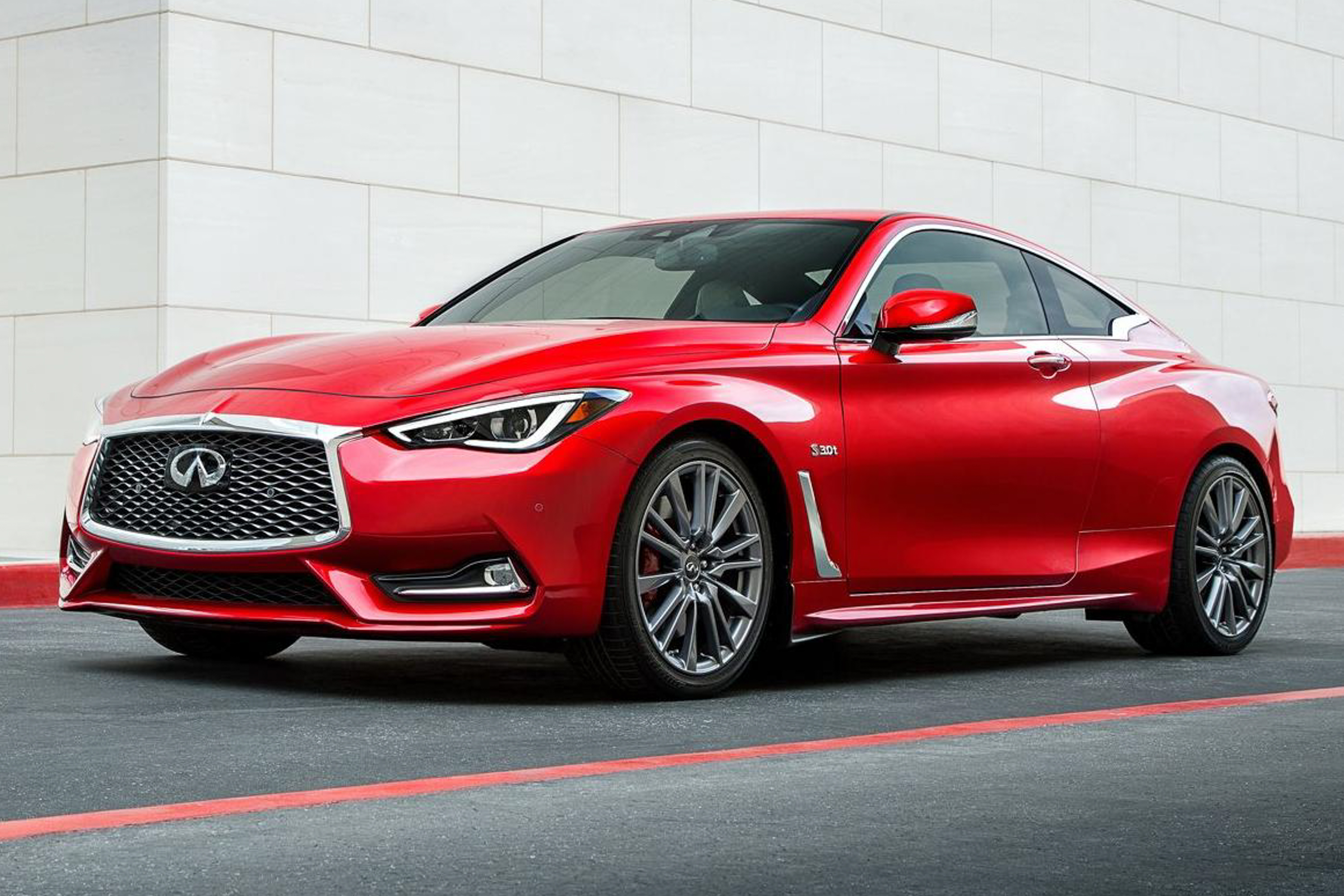
 Segment
 Body Type
 Capacity(L)
 Engine Power(PS)
 Transmission
 Driven Wheels
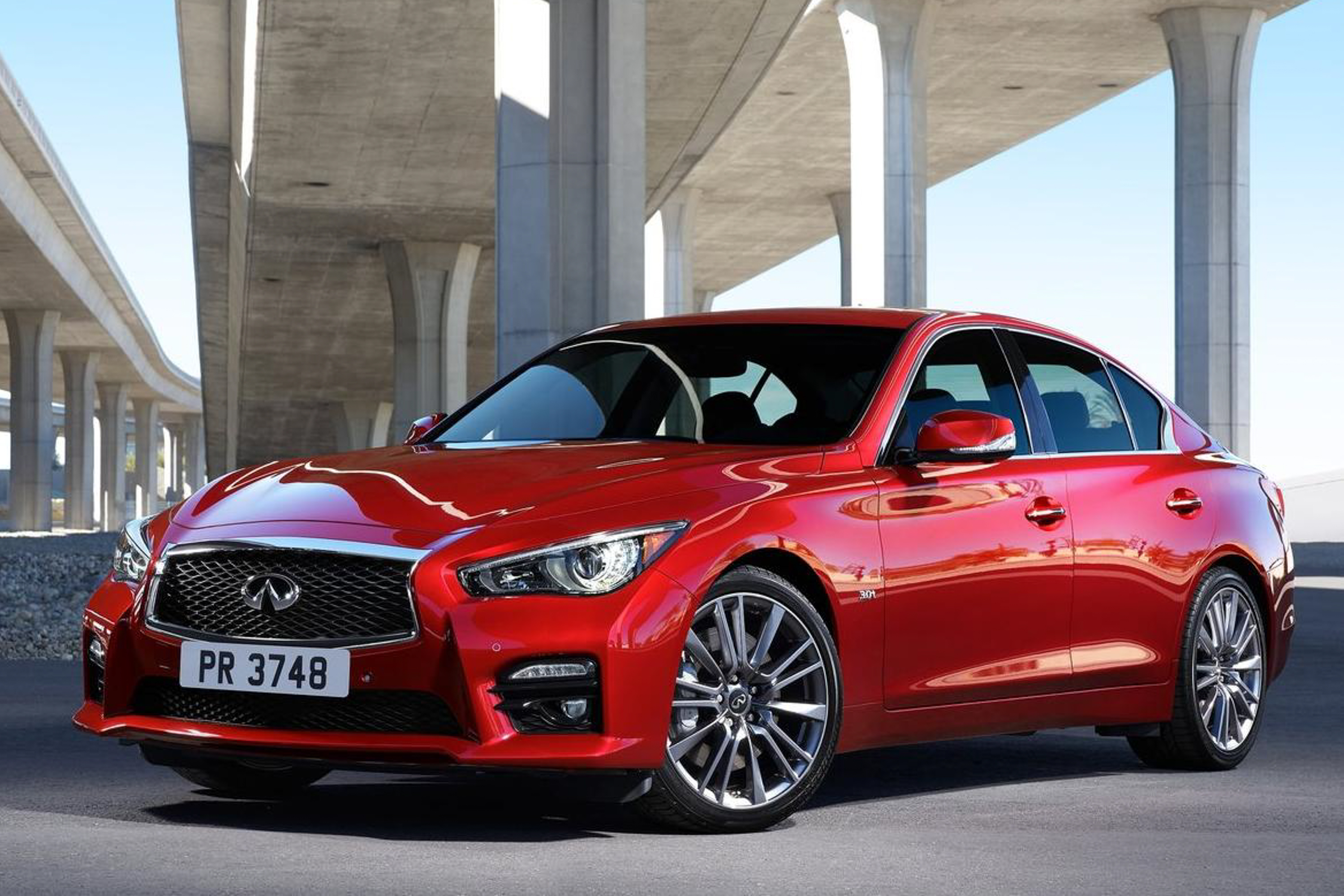
In recent years, the competition in Malaysia's luxury coupe market has become increasingly segmented. The 2017 Infiniti Q60 2.0t, as a two-door sports coupe under the brand, targets a user group that pursues both sporty design and daily practicality. Its core selling points include Infiniti's family design language, premium features like BOSE sound system, and a balanced performance of the 2.0T turbocharged engine. In this review, we will focus on its design details, spatial practicality, and power response to see if this car meets the core needs of luxury coupe users.
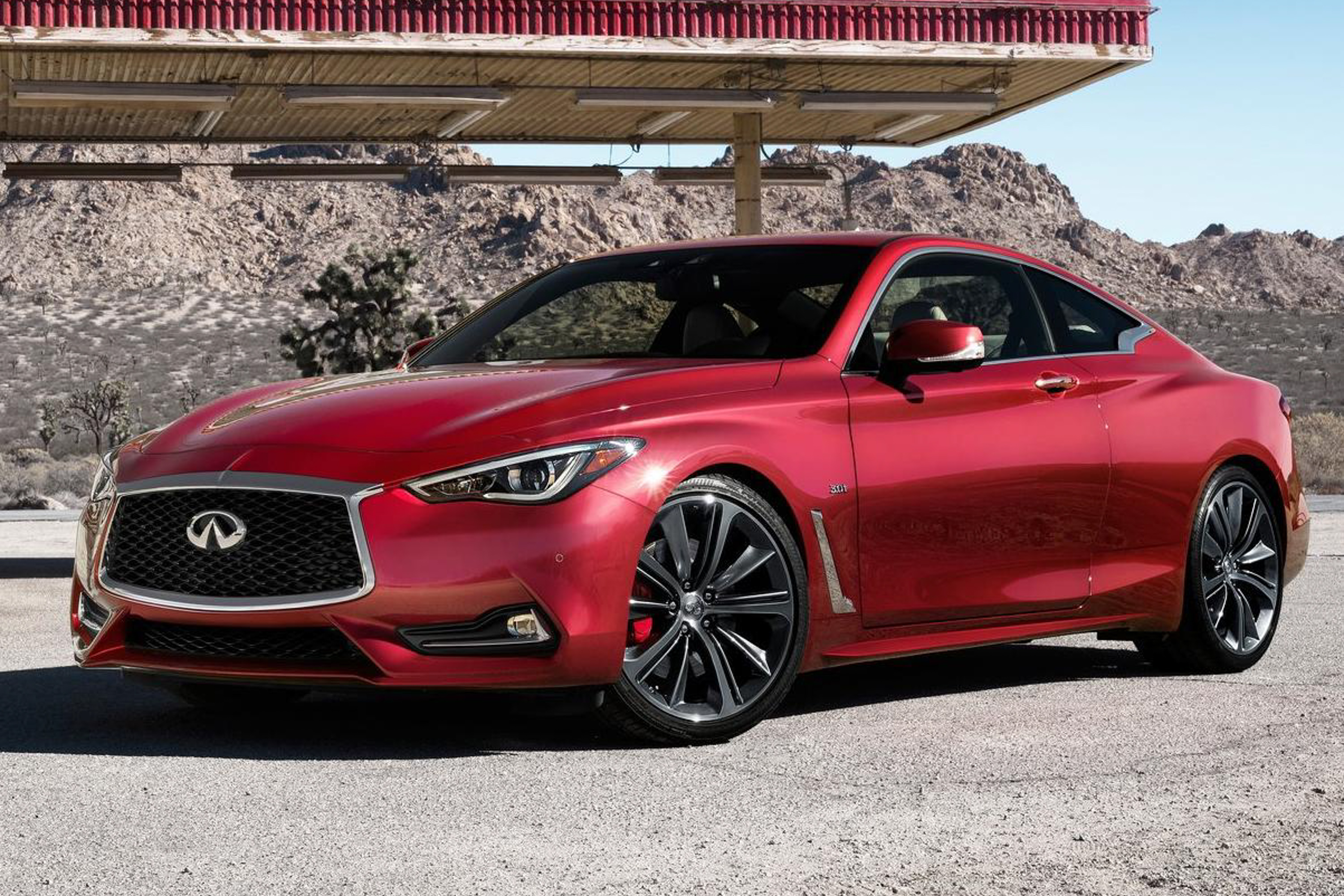
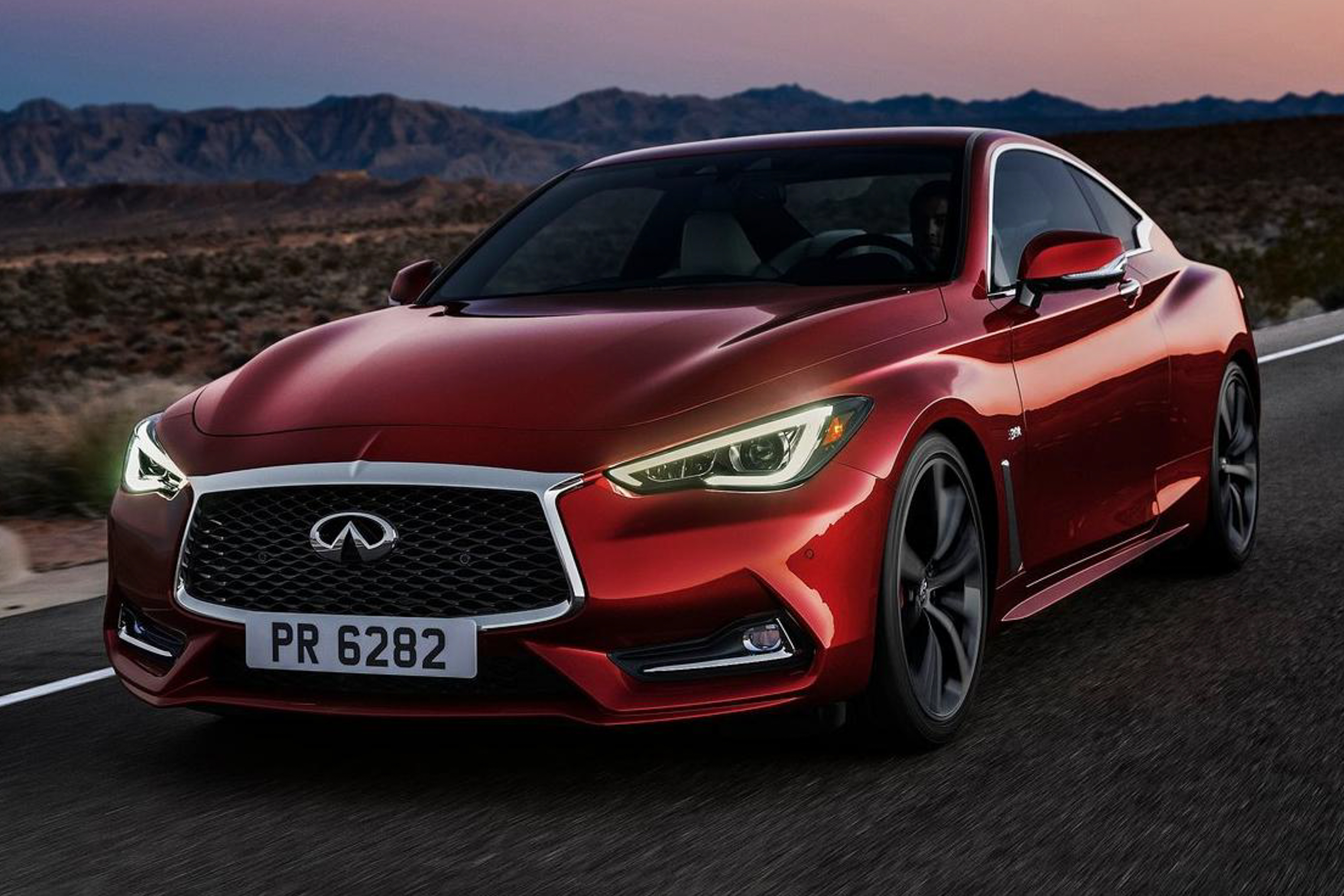
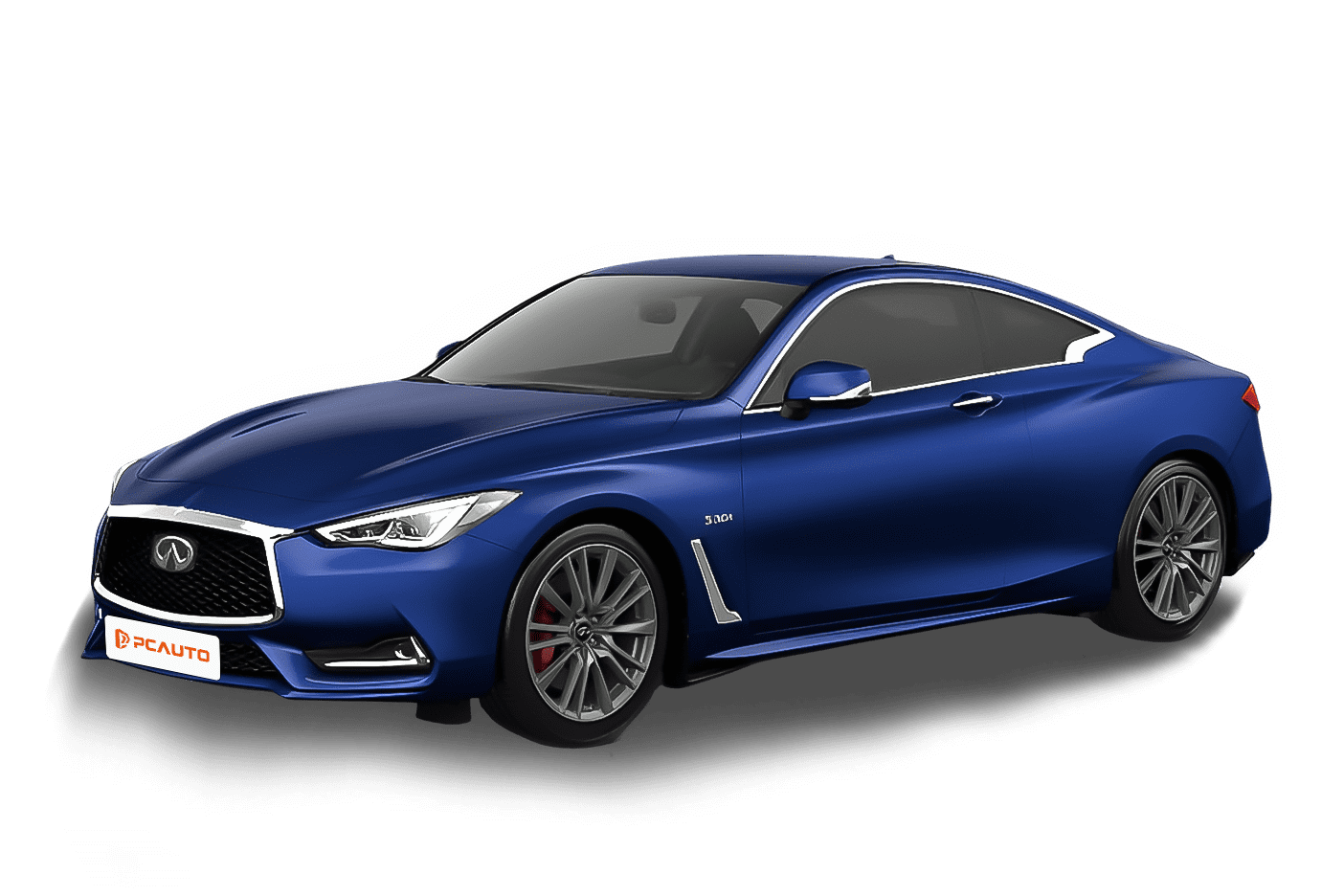
From the exterior, the 2017 Q60 2.0t retains Infiniti's iconic V-Motion grille, complemented by chrome trims and the muscular lines on the hood. The overall style leans sporty but is not overly aggressive. The side profile features a streamlined design typical of a two-door coupe, with lines extending from the front to the rear, paired with 19-inch wheels (both front and rear tire specifications are 255/40R19), enhancing its visual sportiness. At the rear, the LED taillights adopt Infiniti's unique family design, offering high recognition when lit. However, the rear bumper lines are relatively simple, without excessive ornate decorations. As for the lighting system, LED headlights, daytime running lights, and front and rear fog lights come standard, and the automatic headlight function adds convenience to daily use.
Sitting inside, the interior of the Q60 2.0t features a predominantly dark color scheme, with the center console layout tilted towards the driver's side for easier operation. In terms of materials, the steering wheel and seats use leather, with a tactile feel at par with the standard in its class. The front seats are 10-way power-adjustable with memory function, offering good support and wrap-around comfort, making long drives less fatiguing. The rear seats support folding backrests, and although space is limited and can accommodate only two passengers, it is adequate for short trips. Folding the seats can also extend the trunk space (trunk capacity is 342L). Regarding features, dual-zone automatic climate control, a 13-speaker BOSE sound system, keyless entry, front and rear parking cameras, front radar, rear parking sensors, and a 220V/230V power outlet are all standard, enhancing practicality. The instrument cluster uses an electronically controlled illuminated analog design, with clear information display, though it lacks the technological feel of a fully digital instrument panel.
In terms of space, the car's dimensions are 4690mm in length, 1850mm in width, and 1395mm in height, with a wheelbase of 2850mm. The front seating area is spacious, with sufficient headroom and legroom for passengers of about 175cm in height. The rear legroom is about two fists' width, and the headroom is slightly cramped, with roughly a fist's width, making it suitable for shorter passengers or short trips. As for storage space, the door storage compartments and central armrest box are adequate, and the cup holder design meets daily usage needs.
In terms of power, the Q60 2.0t is equipped with a 2.0L turbocharged engine, with a maximum power output of 214PS/5500rpm and peak torque available from as low as 1250rpm. It is paired with an AT gearbox. During actual driving, the power response is relatively brisk in the initial stage, and low-speed gear changes are smooth. When accelerating with a heavy foot, the power output becomes linear as the turbo kicks in, providing sufficient confidence for overtaking. The official 0-100km/h acceleration time is 7.2 seconds, aligning well with the positioning of a luxury coupe. The driving modes offer multiple options, and switching to sport mode adjusts the throttle sensitivity and shift logic accordingly, enhancing the driving experience.
In terms of handling and chassis performance, the combination of front double-wishbone independent suspension and rear multi-link independent suspension effectively filters out road bumps, providing good comfort during daily urban driving. Body roll is well-controlled during cornering, the steering wheel has moderate precision, and the feedback is well-balanced, making it suitable for daily driving and occasional light handling demands. As for braking performance, the front and rear ventilated disc brakes are responsive, and the braking distance falls within the normal range for its class. Fuel consumption-wise, the official combined fuel consumption is 6.8L/100km, while actual city driving consumption is around 8-9L/100km and highway consumption is about 6-7L/100km, which meets expectations.
Regarding ride comfort, the noise control of the vehicle performs well. Wind and tire noise are not obvious at speeds below 80km/h, and while wind noise increases slightly at high speeds, it remains acceptable. As previously mentioned, the seat comfort achieves a good balance between wrapping and support. The addition of engine start-stop technology and hill start assist has also improved the convenience of daily driving.
In summary, the core advantages of the 2017 Infiniti Q60 2.0t lie in the luxury attributes of the Infiniti brand, its standard BOSE sound system and practical features, and its balanced performance in power and handling. Compared to rivals in the same class such as the BMW 4 Series or Mercedes-Benz C-Class Coupe, the Q60 2.0t has some advantages in terms of features (e.g., 13-speaker BOSE sound system, 220V power outlet) and is relatively more affordable (RM 291,362), offering good value for money. However, its rear seat space and dashboard technology feel are its shortcomings.
Overall, the Q60 2.0t is suitable for users who value brand prestige, features, and everyday practicality while appreciating the design of a two-door coupe. It is particularly appealing to young consumers or small families who don’t need to use the rear seat space frequently. Its balanced power and handling, along with its rich features, make it a luxurious coupe that delivers both style and substance.
Infiniti Q60 Car Compare

Infiniti Q60 Loan Calculator
More Infiniti Reviews
Cars With Similar Price And Features
1
Rank in Coupe
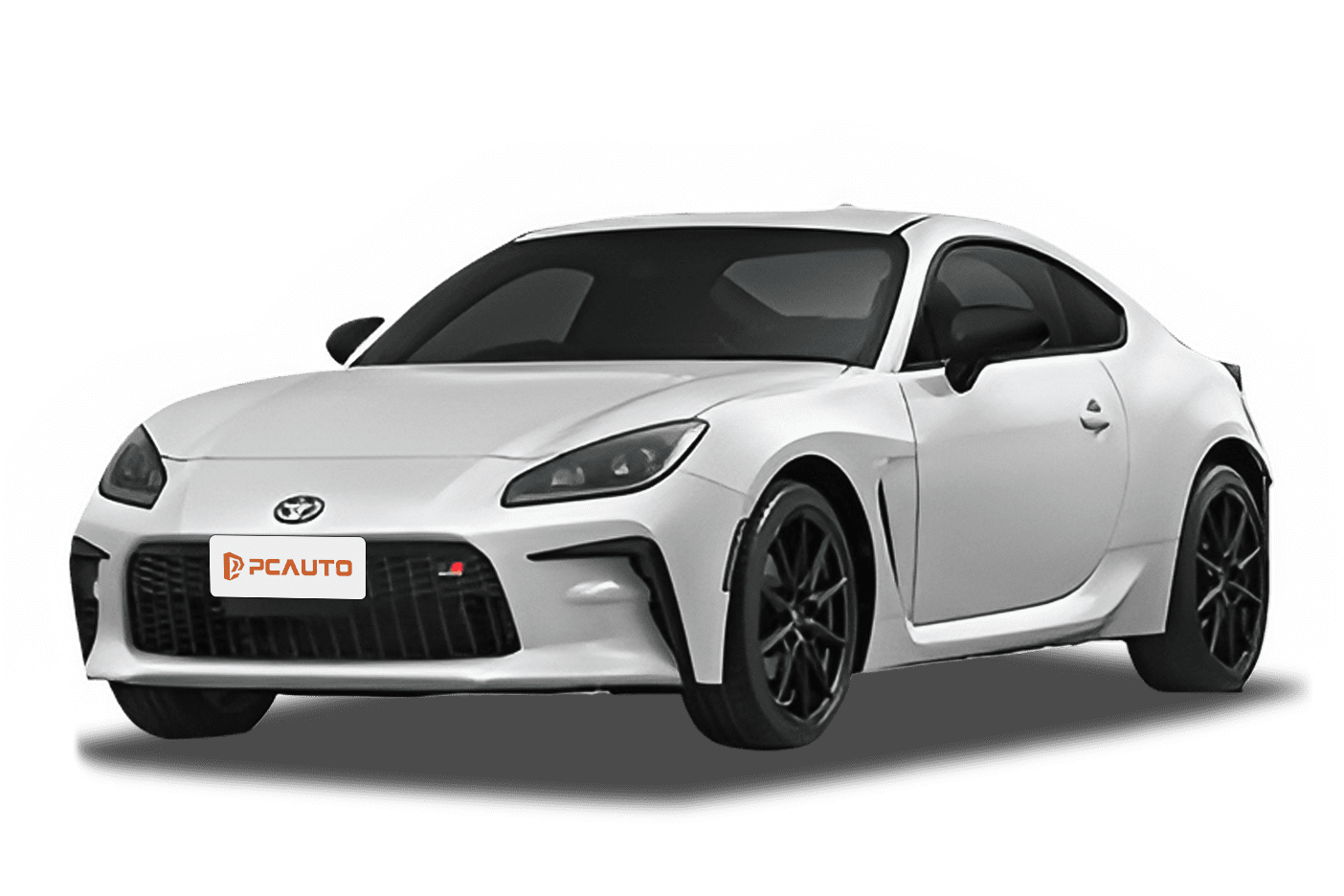
2023 Toyota GR 86 2.4 AT is a rear-wheel-drive sports coupe upgraded with a 2.4L naturally aspirated engine to address low torque issues, balancing daily commuting with pure driving pleasure.
10
Rank in Coupe
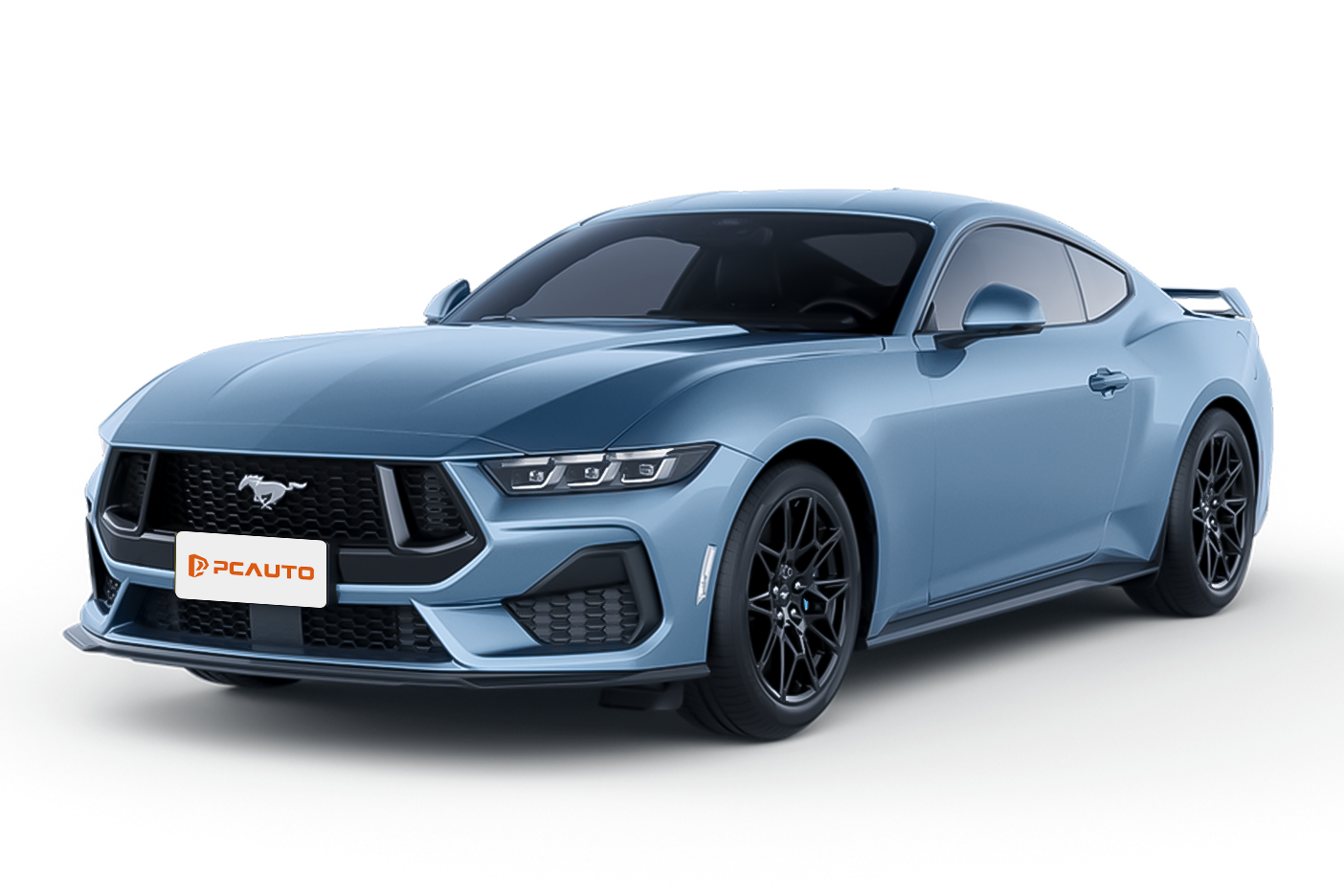
2018 Ford Mustang 2.3 EcoBoost retains the classic muscle car appearance with high cost performance, the 2.3T engine delivers 310PS horsepower, balancing performance and practicality for daily driving.
6
Rank in Coupe
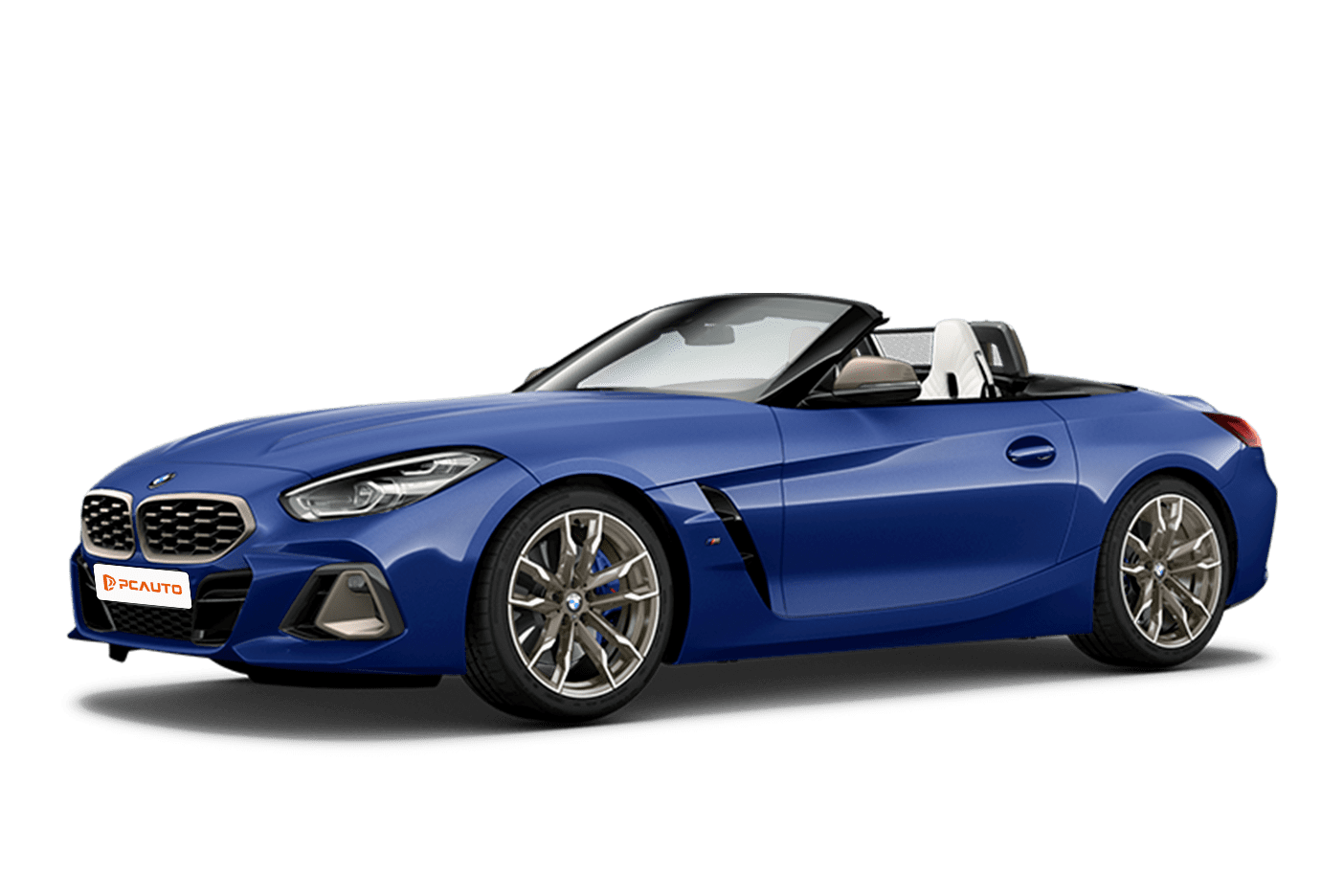
2023 BMW Z4 public, as a classic rear-wheel-drive convertible sports car, balances driving pleasure and daily practicality, with class-leading intelligent features and a compact body precisely meeting the needs of Malaysian users.

2018 Mercedes-Benz AMG C-Class Coupe AMG C 43 4MATIC is centered around a 3.0T V6 twin-turbo engine + 4MATIC all-wheel drive, balancing luxury texture, daily commuting, and performance driving, making it a high-value, well-rounded luxury performance coupe.