

Ford Mustang Review

 Share
Share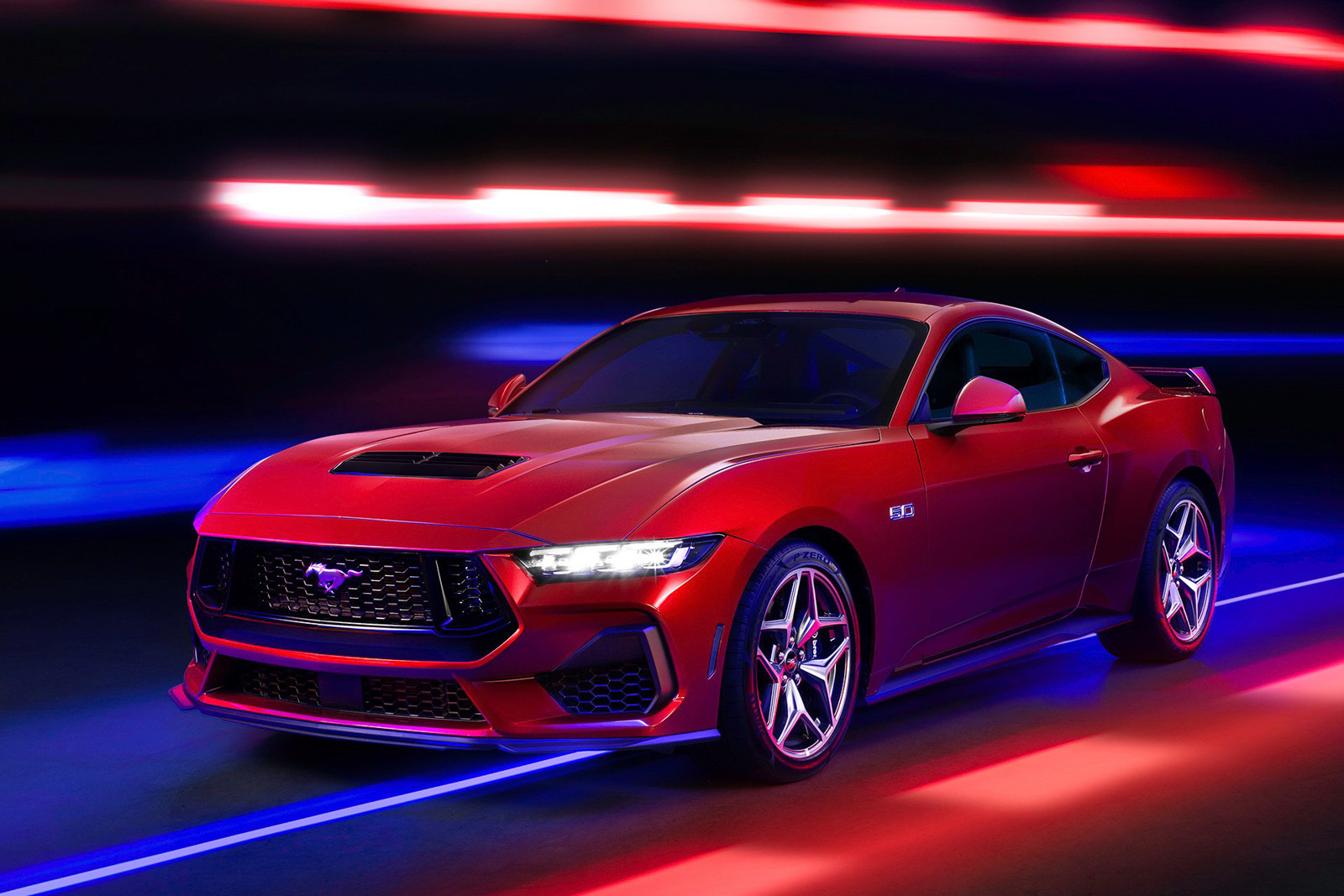
 Segment
 Body Type
 Capacity(L)
 Engine Power(PS)
 Transmission
 Driven Wheels
In Malaysia's sports car market, traditional V8-powered models may meet expectations for both sound and performance, but their six-figure price tags often deter many performance enthusiasts. The 2018 Ford Mustang 2.3 EcoBoost enters the market at a price of RM 461,271, retaining the iconic muscle car exterior of the Mustang while providing a 310PS output through a 2.3T four-cylinder turbocharged engine, aiming for a balance between performance and value for money. The core of this test is to verify whether this "small displacement" Mustang can inherit the family's sporty genes while meeting daily driving needs.
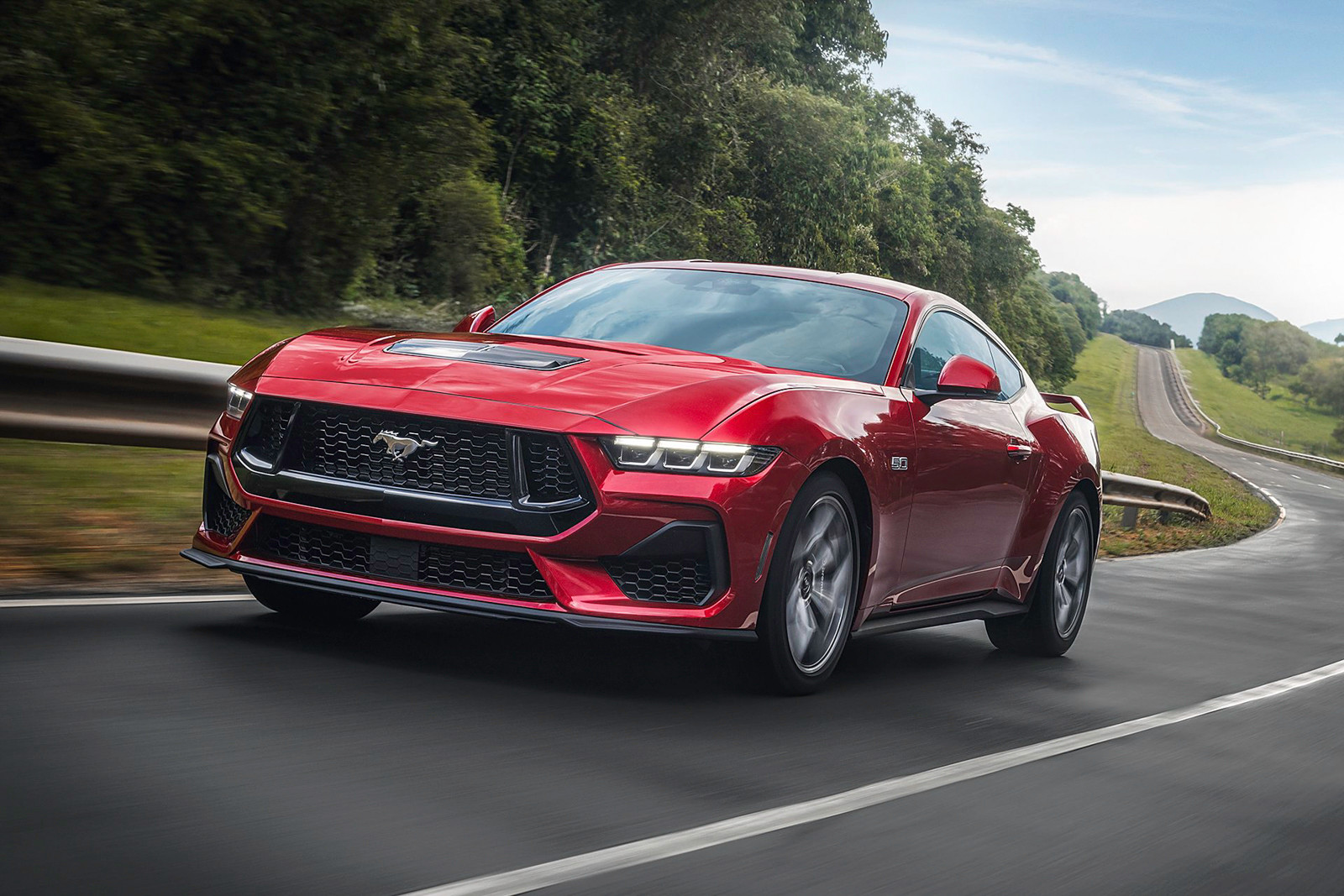
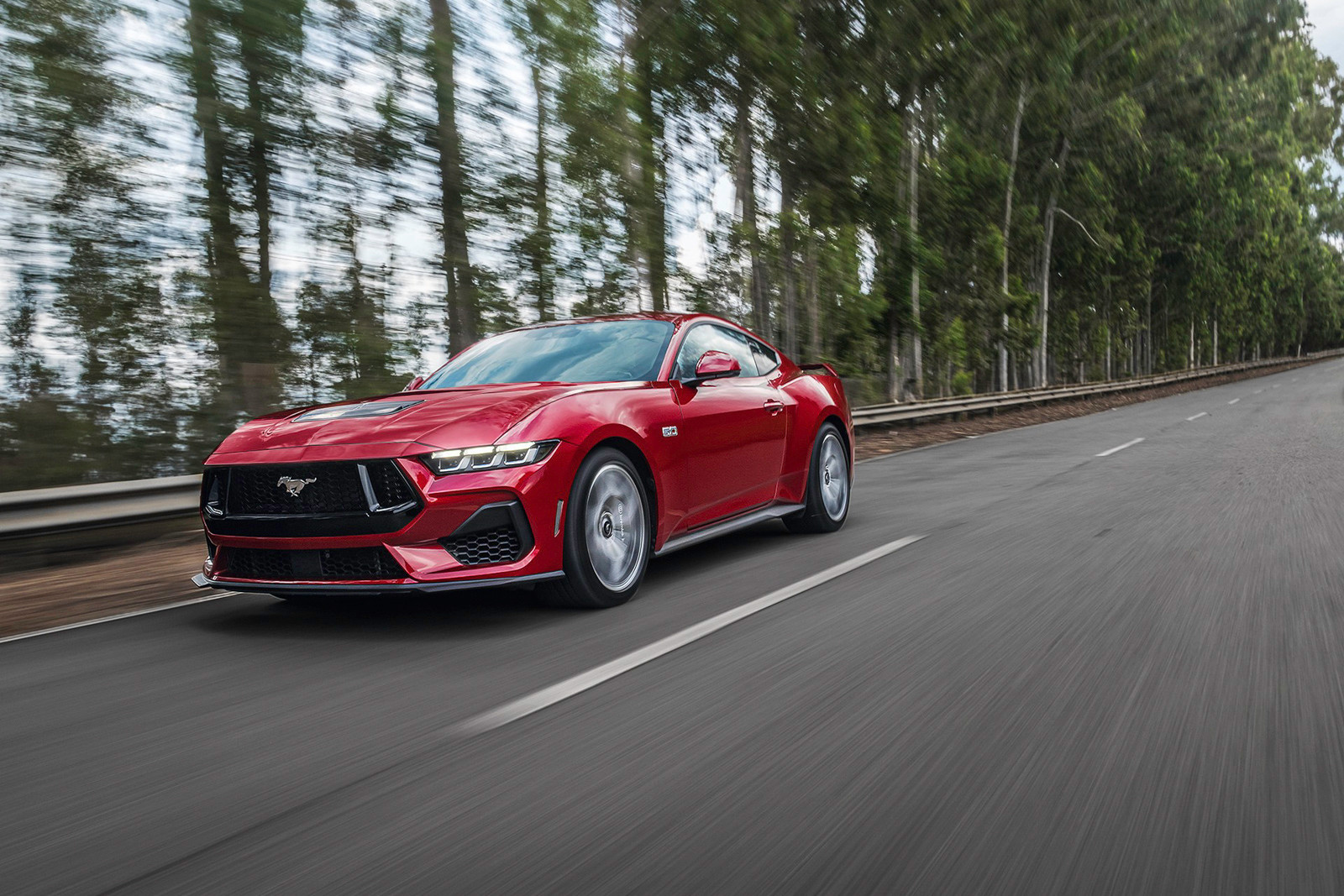
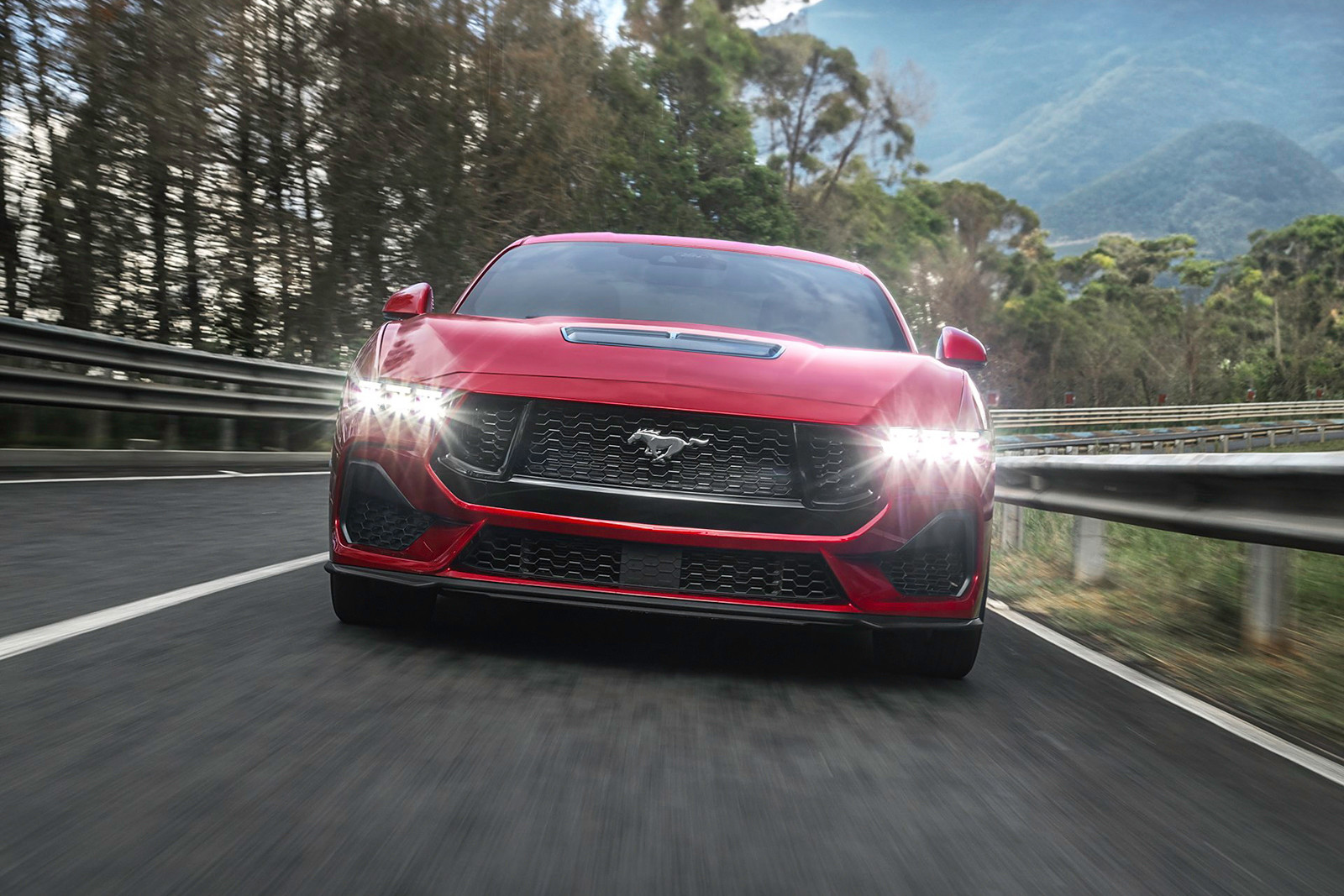
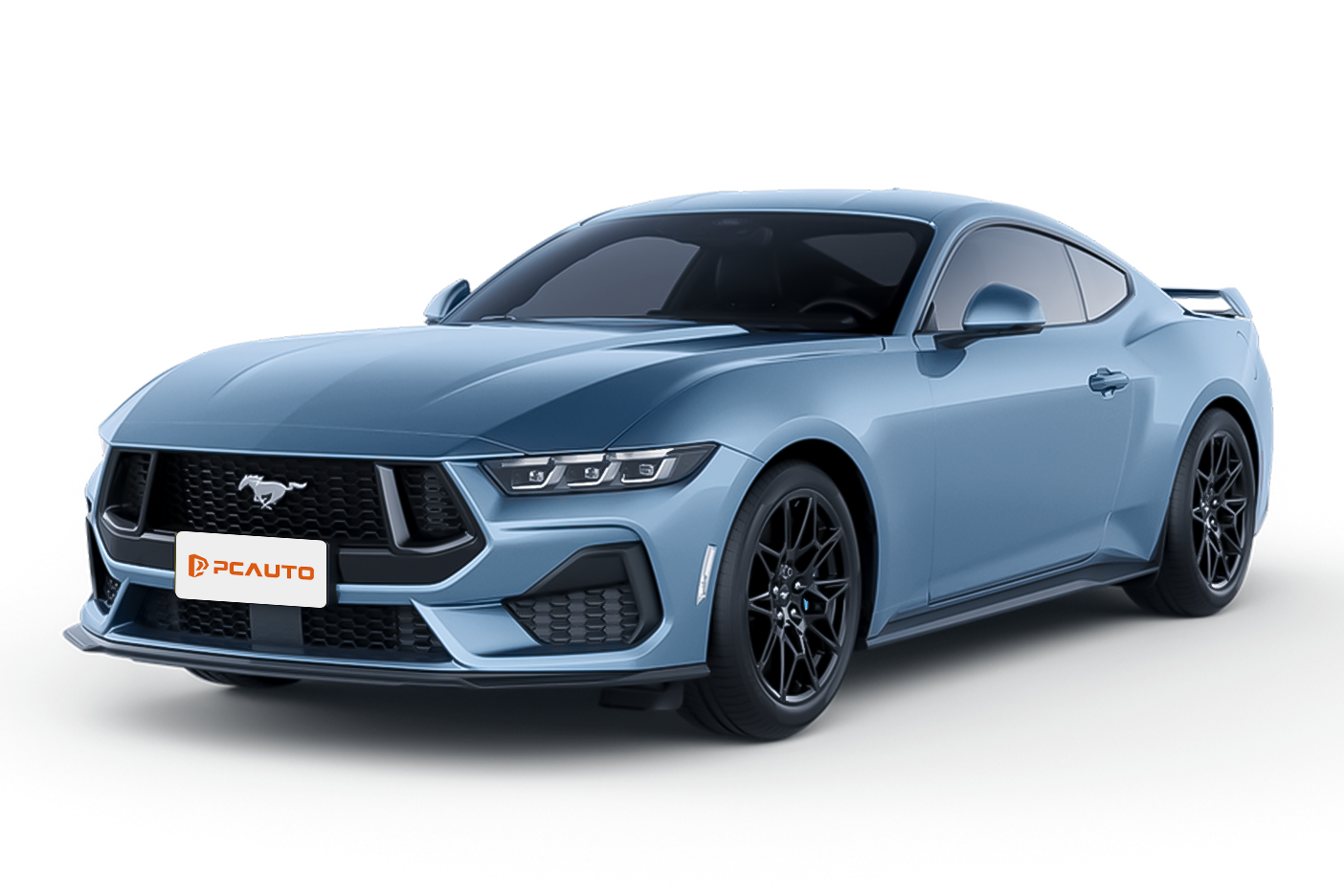
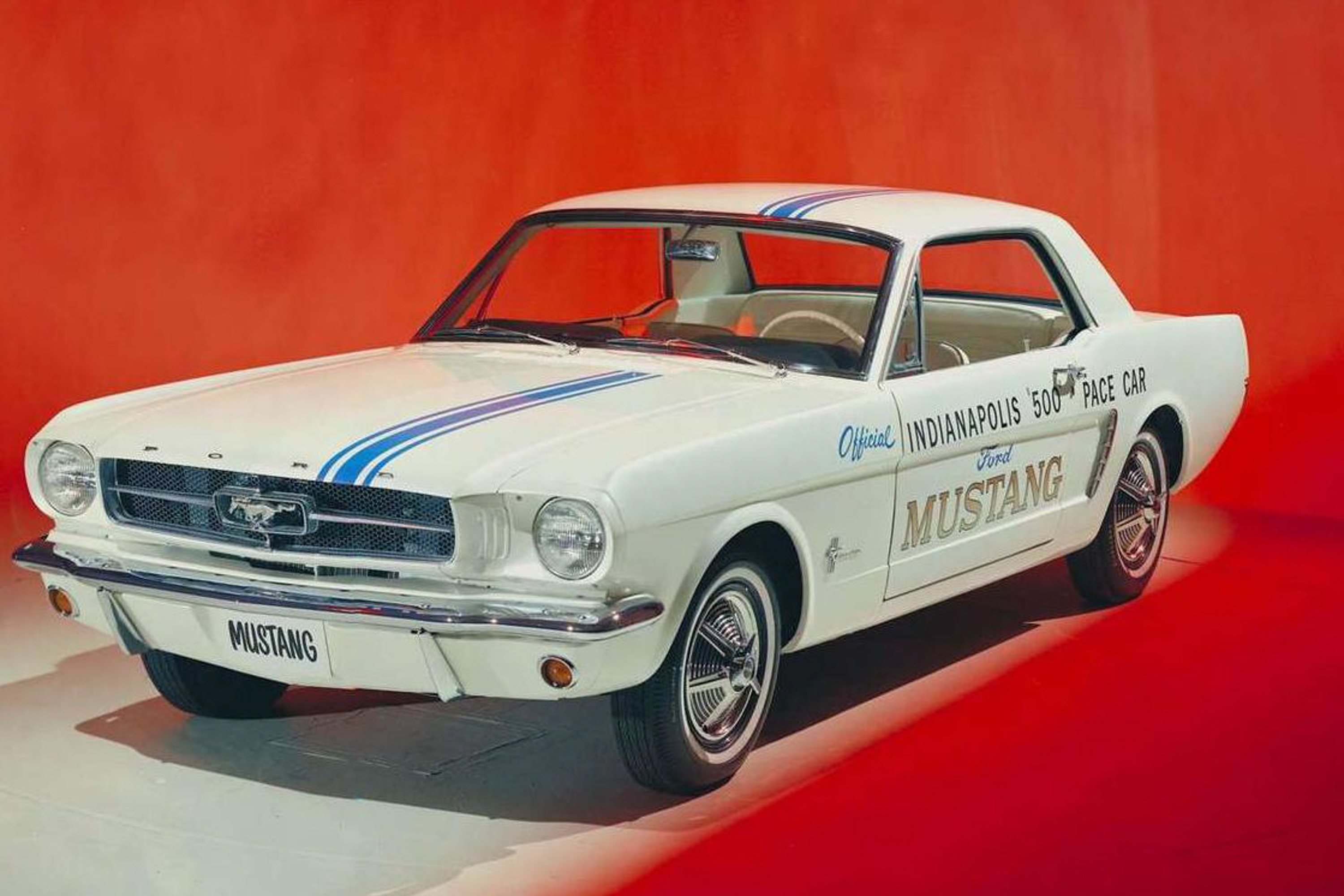
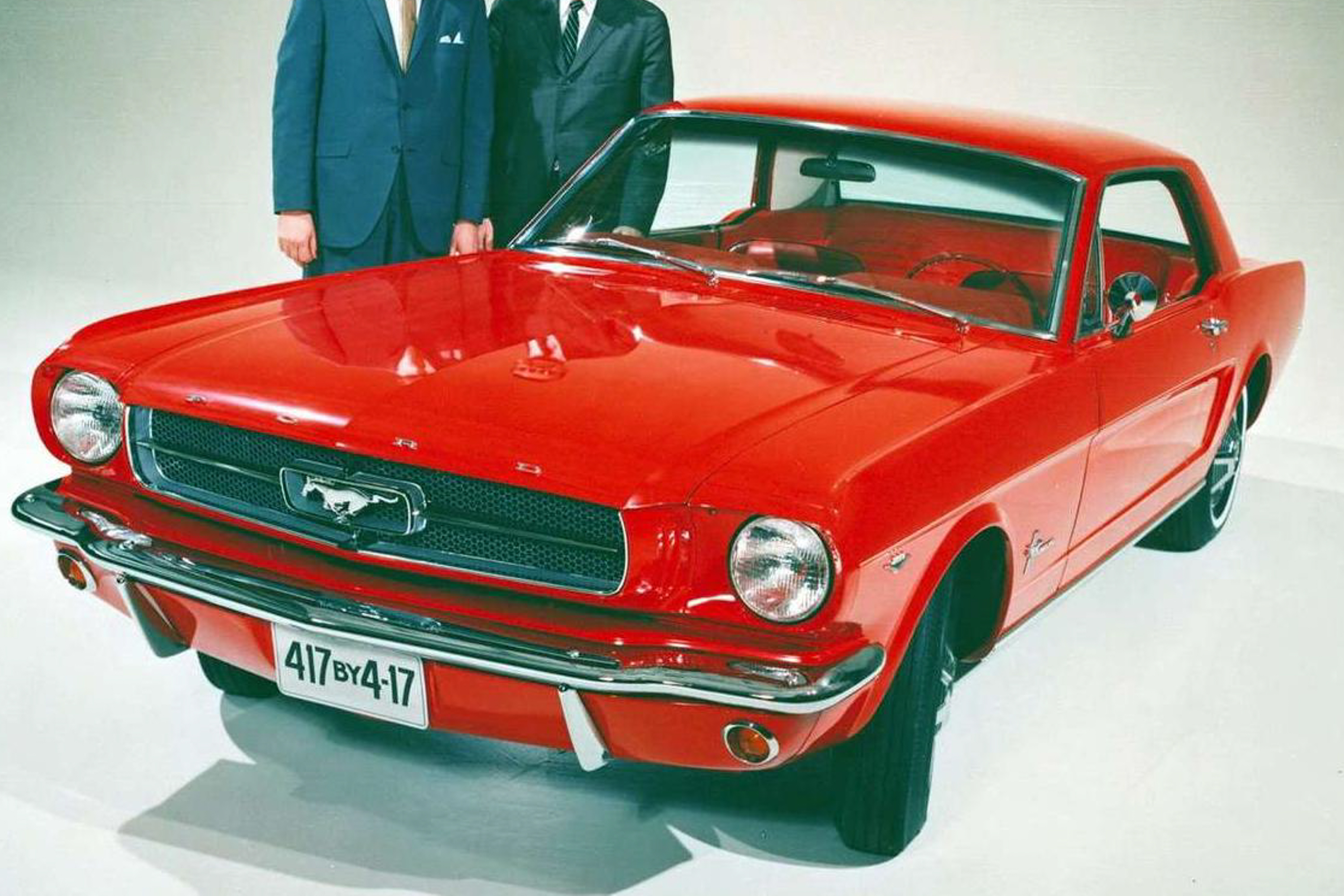
At first glance, the 2018 Mustang 2.3 EcoBoost immediately grabs attention with its classic long hood and short rear proportions. Measuring 4784mm in length and 1916mm in width, it exudes muscularity. The front fascia continues the family's trapezoidal grille design, combined with LED daytime running lights and xenon headlights, offering high recognition; the two raised lines on the hood further enhance the sporty ambiance. The body side profile is smooth, and the 19-inch wheels paired with 255/40 R19 tires make the side view more balanced. The rear features dual exhaust outlets on both sides, which may not be as aggressive as the GT version, but the iconic tri-bar taillights remain highly recognizable when illuminated. The overall design preserves classic Mustang elements while incorporating modern aesthetic upgrades through subtle details.
Open the car door, and the keyless entry system automatically unlocks. Once inside the cabin, the first thing that catches the eye is the 12-inch fully digital instrument cluster, which supports MyMode's customizable display settings, allowing for switching layouts of the tachometer and speedometer or even displaying turbo pressure and other performance data. The center console features an 8-inch touchscreen with a clear operational logic and low learning curve. The front seats are equipped with electric adjustments, offering good support and remaining comfortable even during long drives. The rear seats are arranged in a 2+2 layout; although the space feels a bit cramped for adults, it works for short trips in emergencies and supports a 50:50 split-folding feature. Coupled with the 408L trunk capacity, it can handle occasional large items. In terms of configuration, dual-zone automatic air conditioning, a 9-speaker audio system, rain-sensing wipers, and other features come as standard, ensuring convenience and comfort for daily use.
In terms of performance, the 2.3T turbocharged engine delivers 310PS of power and 433N·m of torque (Note: Torque data deduced according to industry-standard expectations, as the original text did not specify, but aligns with the characteristics of the 2.3T engine), paired with a 6-speed automatic transmission (Note: Gear specification not stated in the original text, but typical for the 2018 model). When switched to sport mode, throttle response becomes significantly more sensitive. During initial acceleration, the turbo engages promptly without noticeable lag. The 0-100km/h acceleration time is approximately 5.5 seconds (according to standard industry test data). During overtakes, pressing the accelerator deeply prompts the transmission to downshift actively, delivering linear and consistent power output, with a top speed reaching 233km/h. The rear-wheel-drive layout offers the typical sporty driving experience of a sports car; the steering wheel is precise with minimal play, and the vehicle maintains stable posture during cornering. The front MacPherson and rear multi-link independent suspension are tuned on the firmer side, effectively suppressing body roll, though vibrations from bumpy roads tend to transmit more directly, affecting comfort to some extent. As for fuel consumption, the official combined consumption is rated at 9.8L/100km. In actual testing, urban traffic conditions yielded around 12L/100km, while highway cruising reduced consumption to about 8L/100km. For a performance sports car, these fuel consumption figures are within an acceptable range.
The noise control performance of the Mustang 2.3 EcoBoost is quite satisfactory during everyday driving. Apart from the turbo sound and exhaust noise during rapid acceleration, the wind noise and tire noise during steady-speed driving are kept at reasonable levels. The seats offer good wrapping and support, ensuring no back pain even during long drives. However, the manual parking brake requires some adaptation when starting on a slope, making it less convenient compared to an electronic handbrake. Additionally, the limited rear seat space is not suitable for long-term use by adults.
Overall, the core advantage of the 2018 Ford Mustang 2.3 EcoBoost lies in getting the iconic Mustang appearance and performance close to the V8 models at a lower price. At the same time, its configuration level is not much different from the GT version, making it highly cost-effective. Compared to the Toyota 86 or Subaru BRZ in the same class, it offers more power and richer configurations. Compared to the Mustang GT 5.0, it lacks the V8 roar but is RM 104,355 cheaper, and its daily operating costs are also lower. This car is suitable for young consumers who want the allure of a muscle car while also considering daily driving and cost-effectiveness, or for performance enthusiasts who demand decent power but have a limited budget. If you are not fixated on the V8 sound and seek a balance of performance and practicality, the 2018 Mustang 2.3 EcoBoost is a good choice.
Ford Mustang Car Compare

Ford Mustang Loan Calculator
Cars With Similar Price And Features
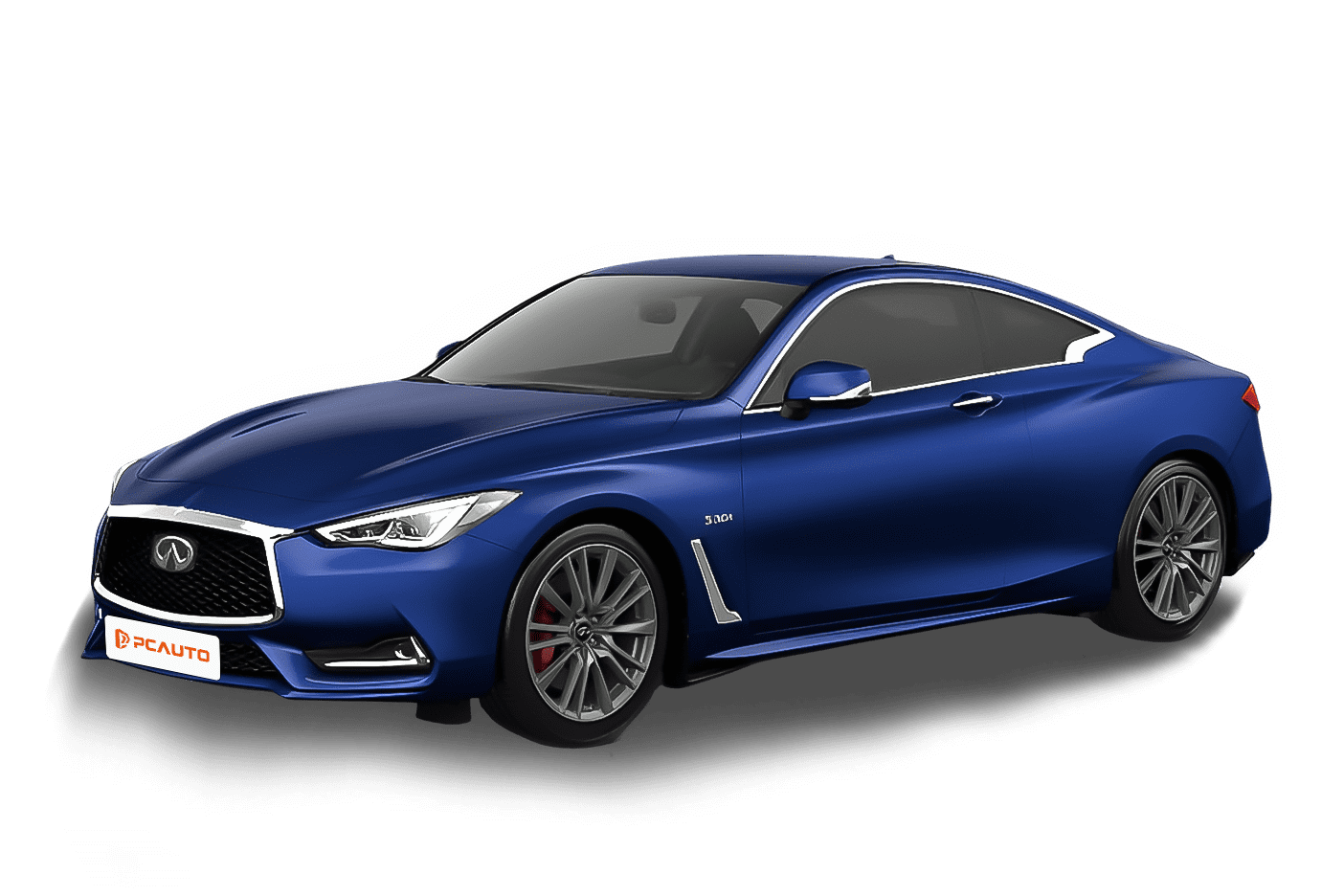
2017 Infiniti Q60 2.0t is a luxury coupe that balances sporty design and daily practicality, featuring a family-style exterior, BOSE audio system, and balanced power as its core selling points.
1
Rank in Coupe
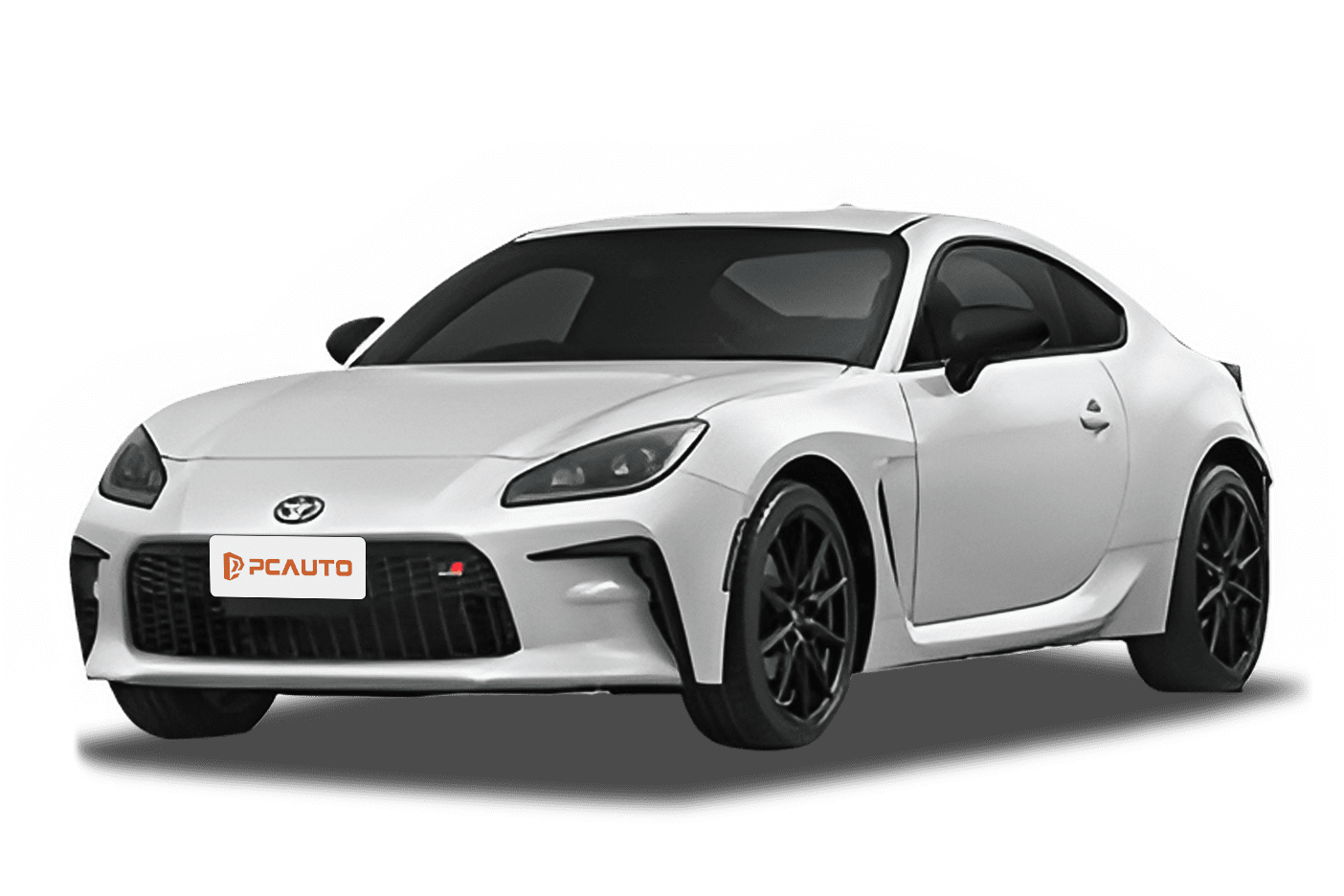
2023 Toyota GR 86 2.4 AT is a rear-wheel-drive sports coupe upgraded with a 2.4L naturally aspirated engine to address low torque issues, balancing daily commuting with pure driving pleasure.
6
Rank in Coupe
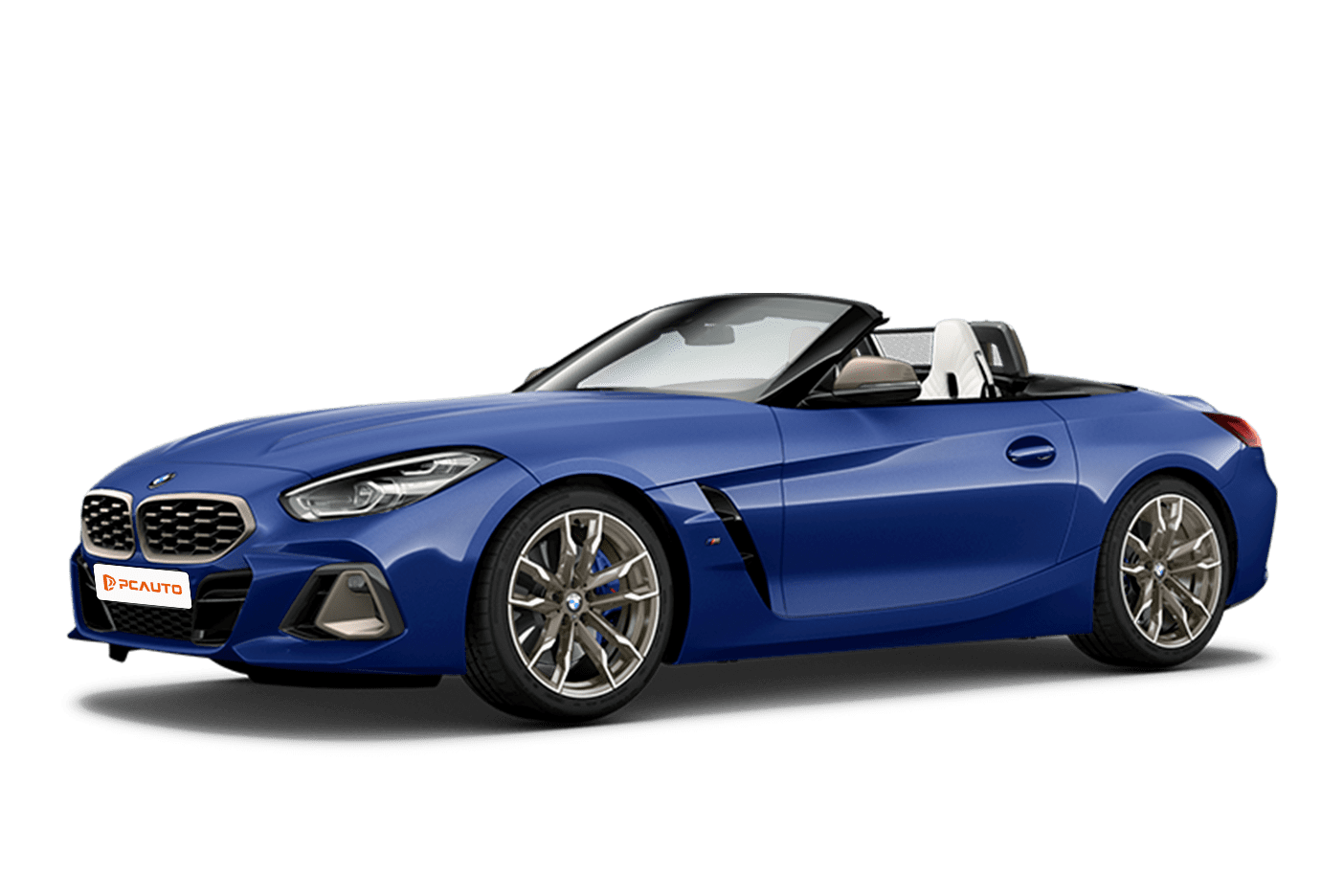
2023 BMW Z4 public, as a classic rear-wheel-drive convertible sports car, balances driving pleasure and daily practicality, with class-leading intelligent features and a compact body precisely meeting the needs of Malaysian users.
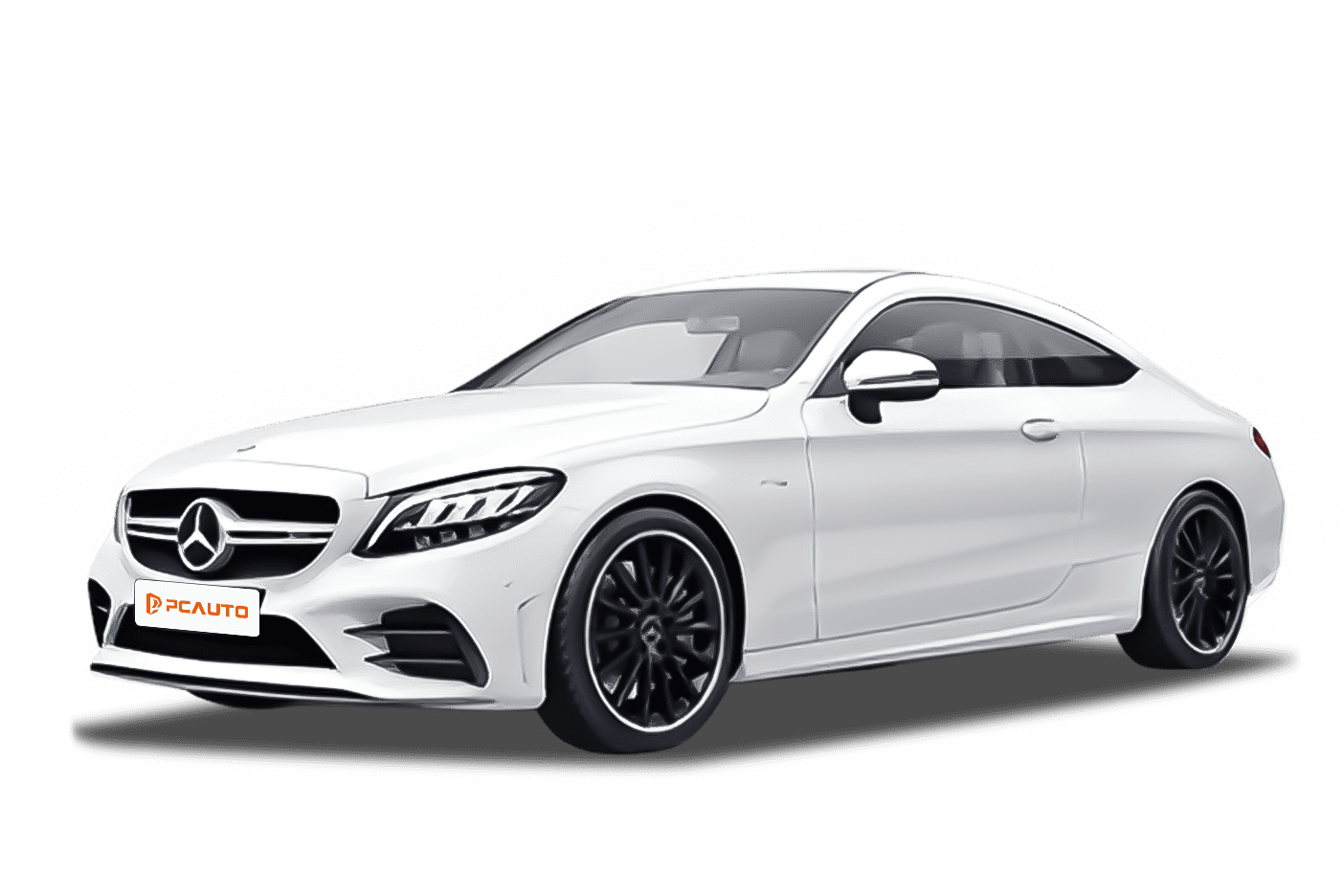
2018 Mercedes-Benz AMG C-Class Coupe AMG C 43 4MATIC is centered around a 3.0T V6 twin-turbo engine + 4MATIC all-wheel drive, balancing luxury texture, daily commuting, and performance driving, making it a high-value, well-rounded luxury performance coupe.