

Kia Carnival 2024 Review

 Share
Share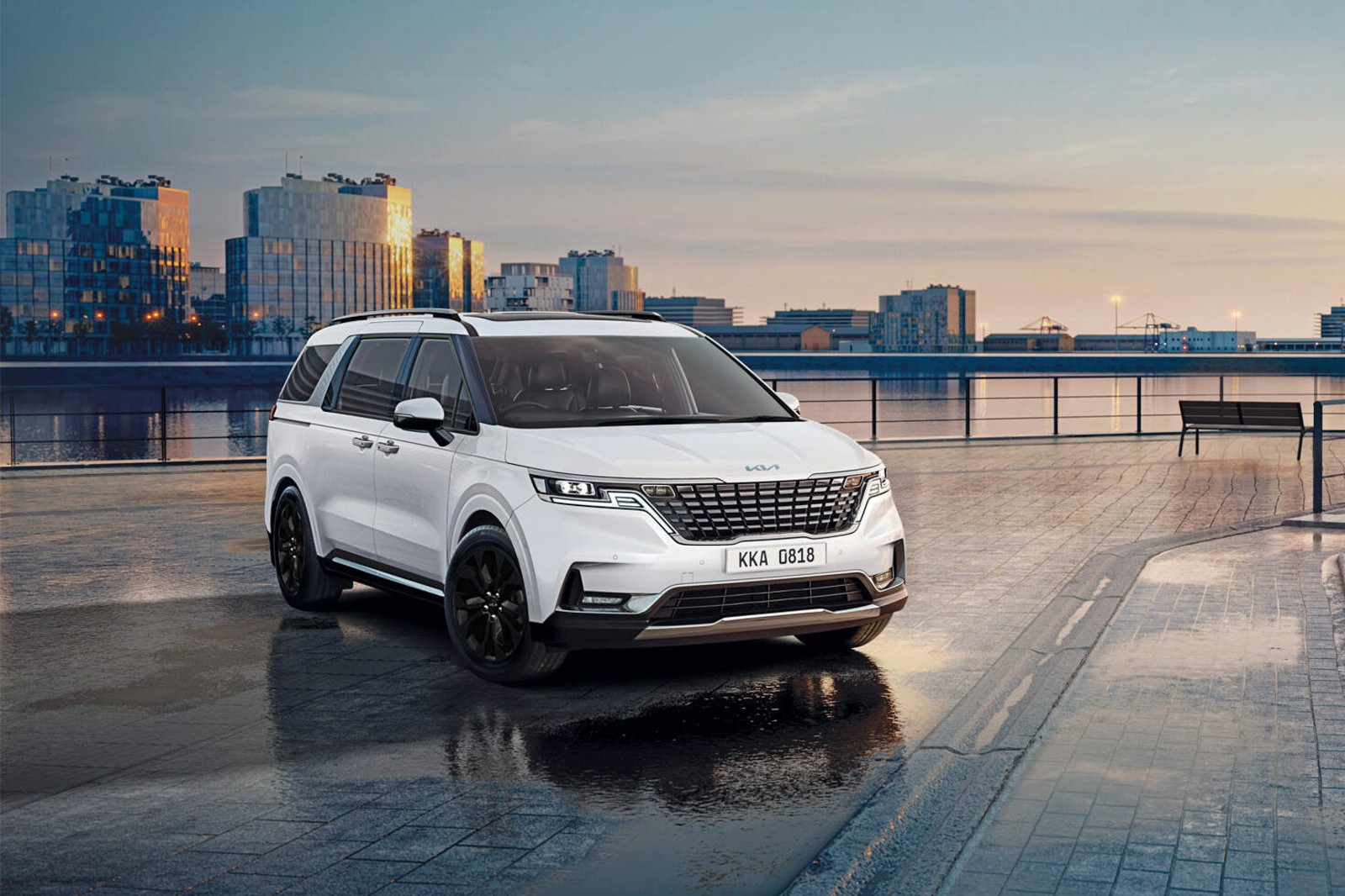

 Segment
 Body Type
 Capacity(L)
 Engine Power(PS)
 Engine Torque(Nm)
 Transmission
The demand for spacious multi-seat MPVs in the Malaysian market continues to grow, especially among users with a budget around RM200,000 who need a vehicle that balances daily family needs and multi-passenger travel. The 2024 Kia Carnival 2.2T Diesel 11-Seater, as the entry-level and high-value choice in the series, highlights its flexible 11-seat layout and the fuel efficiency offered by its diesel engine. In this test drive, we will focus on verifying its spatial practicality, powertrain performance, and overall driving balance in daily use.
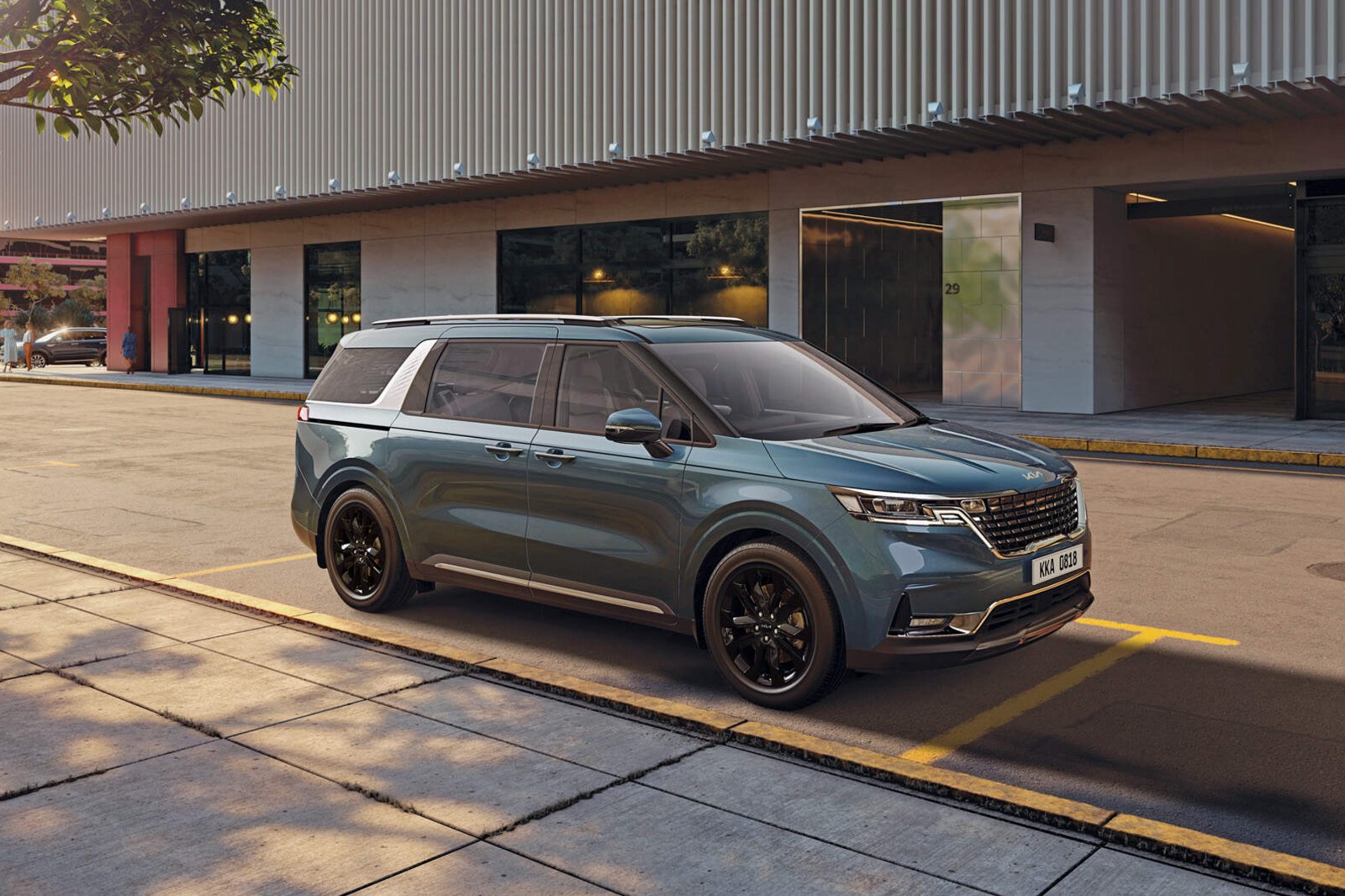
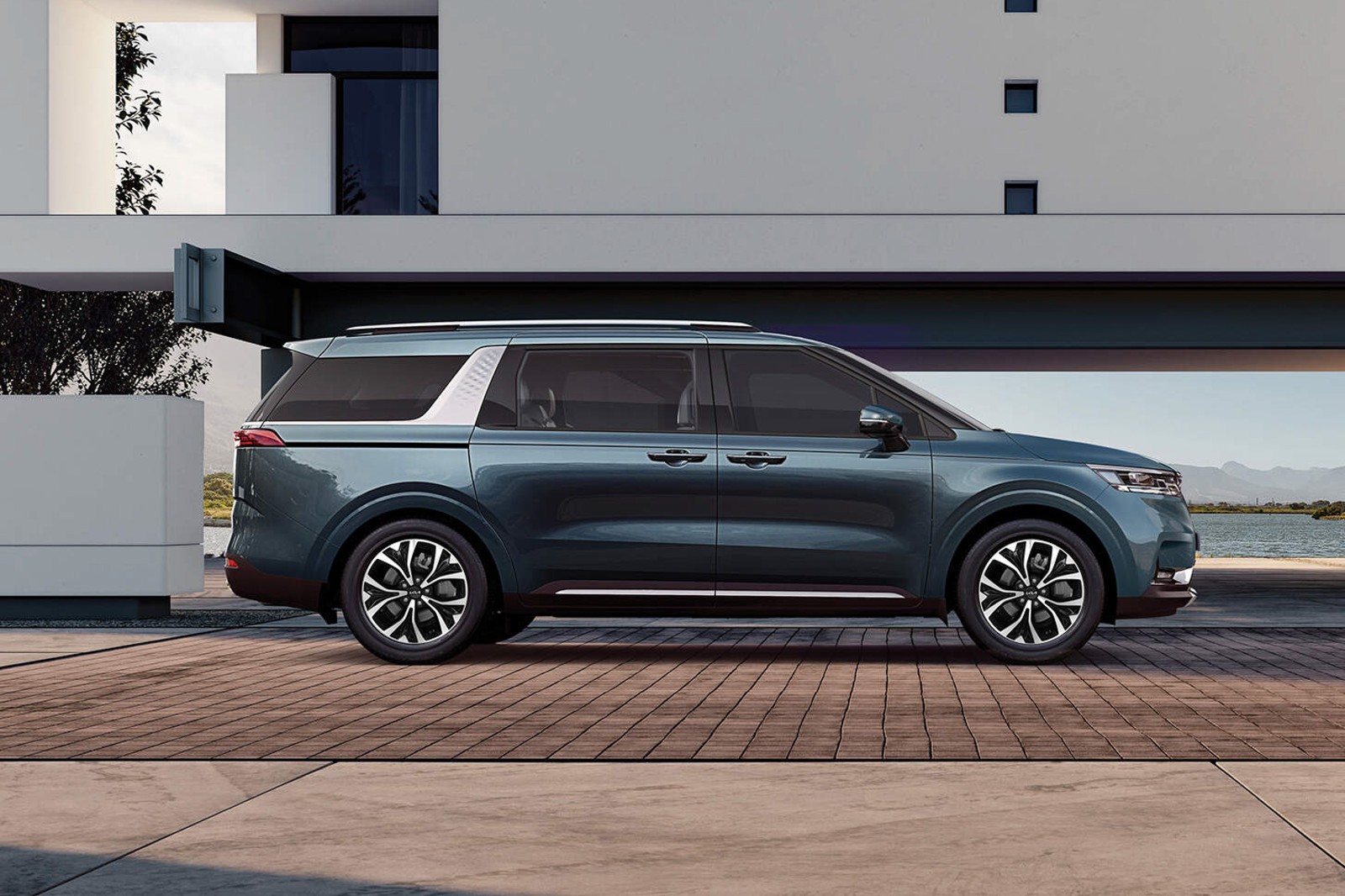
From the exterior, the Carnival 11-Seater continues the robust style of the series. It measures 5155mm × 1995mm × 1775mm, with a wheelbase of 3090mm. The side profile of the body is straight, ensuring maximum interior space. The front features the family-style "Tiger Nose" grille, paired with a combination of halogen and LED headlights. The daytime running lights use LED sources, offering high recognition when lit. The rear design is simple, with LED taillights echoing the front design. The silver trim on the lower part of the rear bumper adds a touch of ruggedness. The 18-inch alloy wheels paired with 235/60 R18 tires present a stable stance, aligning well with the MPV's positioning.
Entering the interior, the cabin adopts a symmetrical layout. The center console is covered with soft materials, accented with silver trim, giving it a mid-to-upper level feel within its class. The 12.3-inch touchscreen infotainment display is the focal point, supporting Apple CarPlay and Android Auto, offering smooth operation and a clear user interface. The instrument cluster uses traditional illuminated analog gauges, displaying comprehensive information, although it lacks the technological appeal of a full LCD cluster. The front seats have 8-way power adjustment, providing moderate support and reducing fatigue during long drives. The second row features a 40:20:40 split design, with the middle seat foldable, and the side seats offer sliding and reclining functionality, allowing easy access for third-row passengers. The third row also has a 40:20:40 split design, with sliding and reclining options. The fourth row consists of foldable seats that, when stowed, expand the luggage space. In terms of storage, the door pockets, center armrest box, and front cupholders are thoughtfully designed, while the second and third rows come equipped with air conditioning vents and USB ports. Additionally, the third row offers a 220V/230V power outlet to meet multi-passenger power needs.
Regarding power, the vehicle is equipped with a 2.2T turbocharged diesel engine, delivering a maximum power output of 146kW (199PS) and a peak torque of 440 N·m, paired with an 8-speed automatic transmission. During initial acceleration, the power response feels slightly delayed, but once the turbo kicks in (around 2000rpm), the torque is ample, and there's no need to step on the accelerator hard to achieve sufficient power for overtaking. The 8-speed automatic gearbox provides smooth gear shifts with clear logic, and gear changes are virtually imperceptible during daily driving. The car offers three driving modes: Eco, Normal, and Sport. In Eco mode, throttle response becomes slower, suitable for highway cruising; in Sport mode, the gearbox delays shifts, and power delivery becomes more direct, ideal for scenarios requiring rapid acceleration.
In terms of handling, the combination of front MacPherson independent suspension and rear multi-link independent suspension is tuned for comfort. When passing speed bumps or bumpy roads, the suspension effectively absorbs most vibrations, keeping the body stable without noticeable bouncing. The steering wheel has moderate weight, minimal slack, and performs well in terms of precision among MPVs. The vehicle's responsiveness during lane changes or turns is good, and the body follows well. At high speeds, the vehicle maintains good stability, while wind and tire noise remain within an acceptable range. The noise from the diesel engine is slightly noticeable at idle, but it is masked by wind and tire noise during driving, with the overall NVH performance meeting expectations.
In the fuel consumption test, we drove 100km under mixed road conditions (30% city + 70% highway), and the displayed fuel consumption was 8.2L/100km, slightly higher than the official 7.9L/100km combined fuel consumption. However, considering the 11-seater vehicle's weight of 2129kg, this result is excellent within the same class of diesel MPVs. With a 72L fuel tank capacity, the full-tank driving range is approximately 870km, which makes long-distance trips less likely to require frequent refueling. In terms of safety features, it comes standard with 7 airbags, vehicle stability control, lane change assist, a 360-degree surround-view camera, front and rear parking sensors, etc., offering comprehensive safety performance.
Compared to competitors in the same category, such as the Toyota Alphard (higher price) or the Honda Odyssey (higher fuel consumption for the gasoline version), the Carnival 11-Seater has the advantages of a lower price (RM 198,500) and flexible 11-seater space. It is suitable for families who need to regularly transport multiple people or small business users. Its disadvantages include less advanced tech configurations compared to higher trims (e.g., lacking a full LCD instrument panel and advanced driver assistance systems). However, as an entry-level model, these missing features are acceptable within the budget range.
In summary, the core highlights of the 2024 Kia Carnival 2.2T Diesel 11-Seater are its flexible 11-seater space, low fuel consumption and high torque of the diesel engine, and comprehensive safety features. It is suitable for users with a budget of approximately RM 200,000, who need to accommodate multi-person travel and daily family use, especially consumers with large families or those frequently organizing group activities. If you value spatial practicality and fuel economy and have modest requirements for configurations, this car is worth considering.