

Kia Picanto 2024 Review

 Share
Share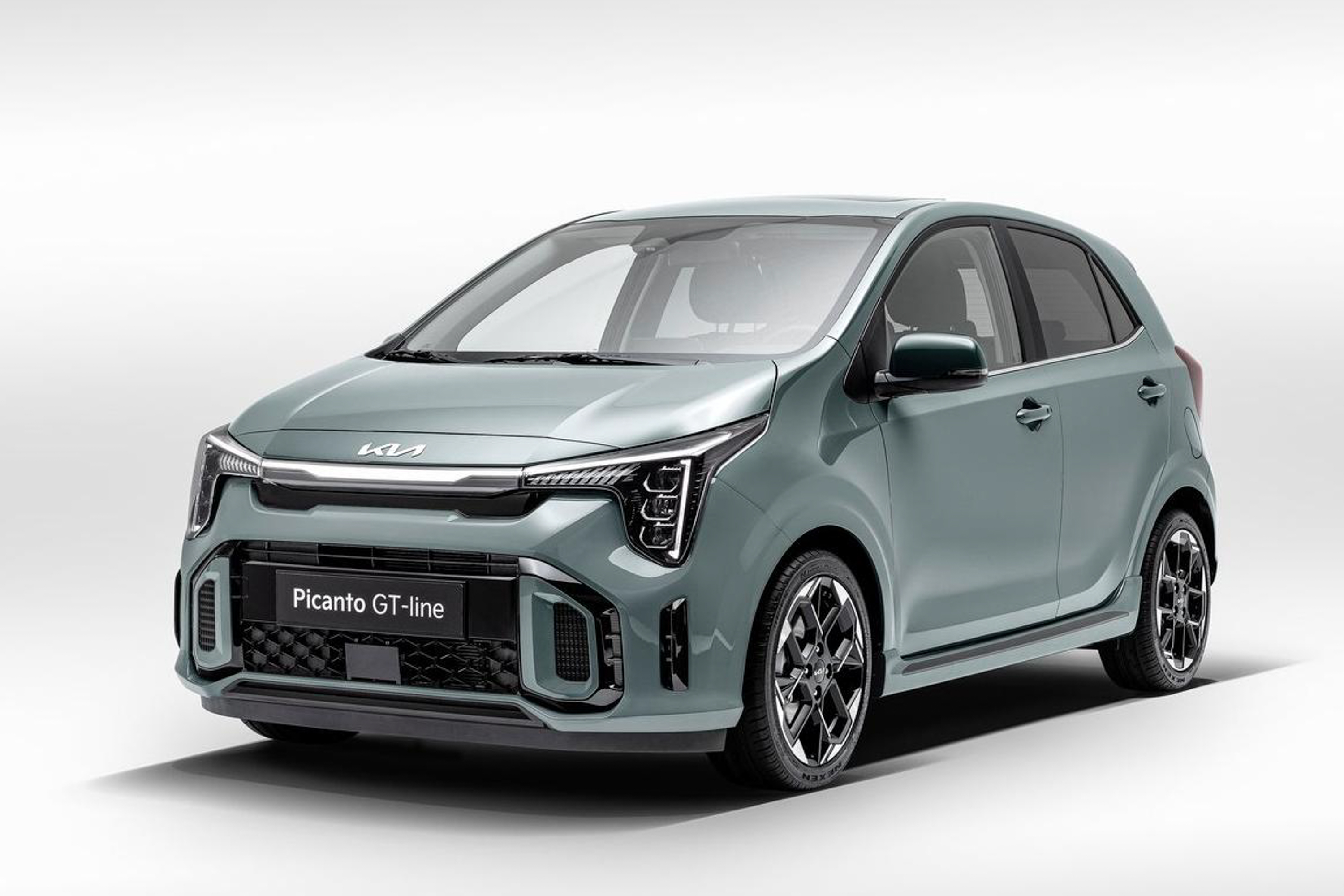
 Body Type
 Segment
 Capacity(L)
 Engine Power(PS)
 Engine Torque(Nm)
 Transmission
The compact car market has always been a necessity in Malaysia, especially for urban commuters and budget-conscious families. There has been stable demand for models that are "easy to drive and park, well-equipped, fuel-efficient, and worry-free." As a popular contender in this segment, the 2024 Kia Picanto Public’s latest facelift focuses on configuration upgrades and fuel efficiency optimization. After receiving the test car, we focused on evaluating its daily commuting performance and practicality of its space.
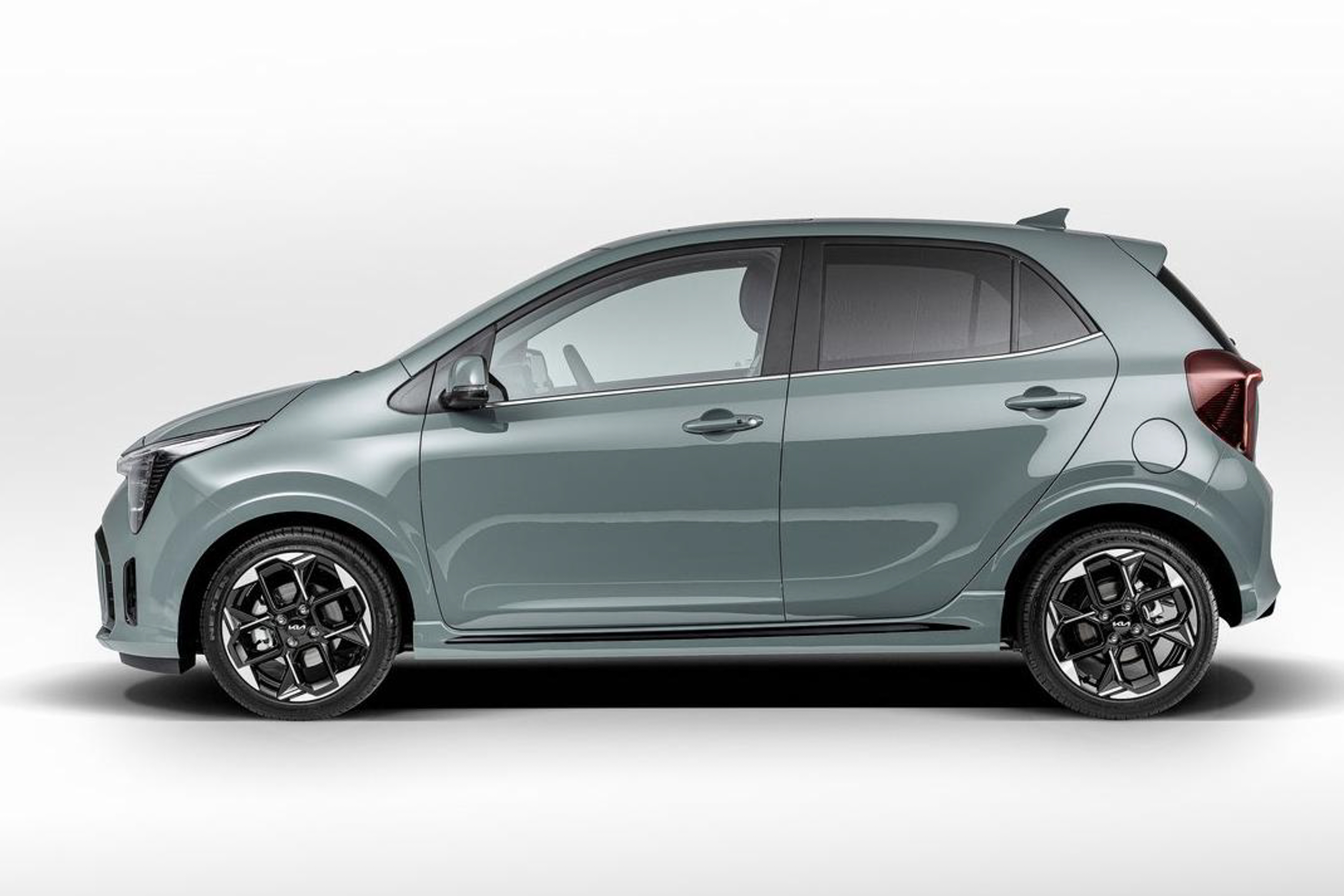
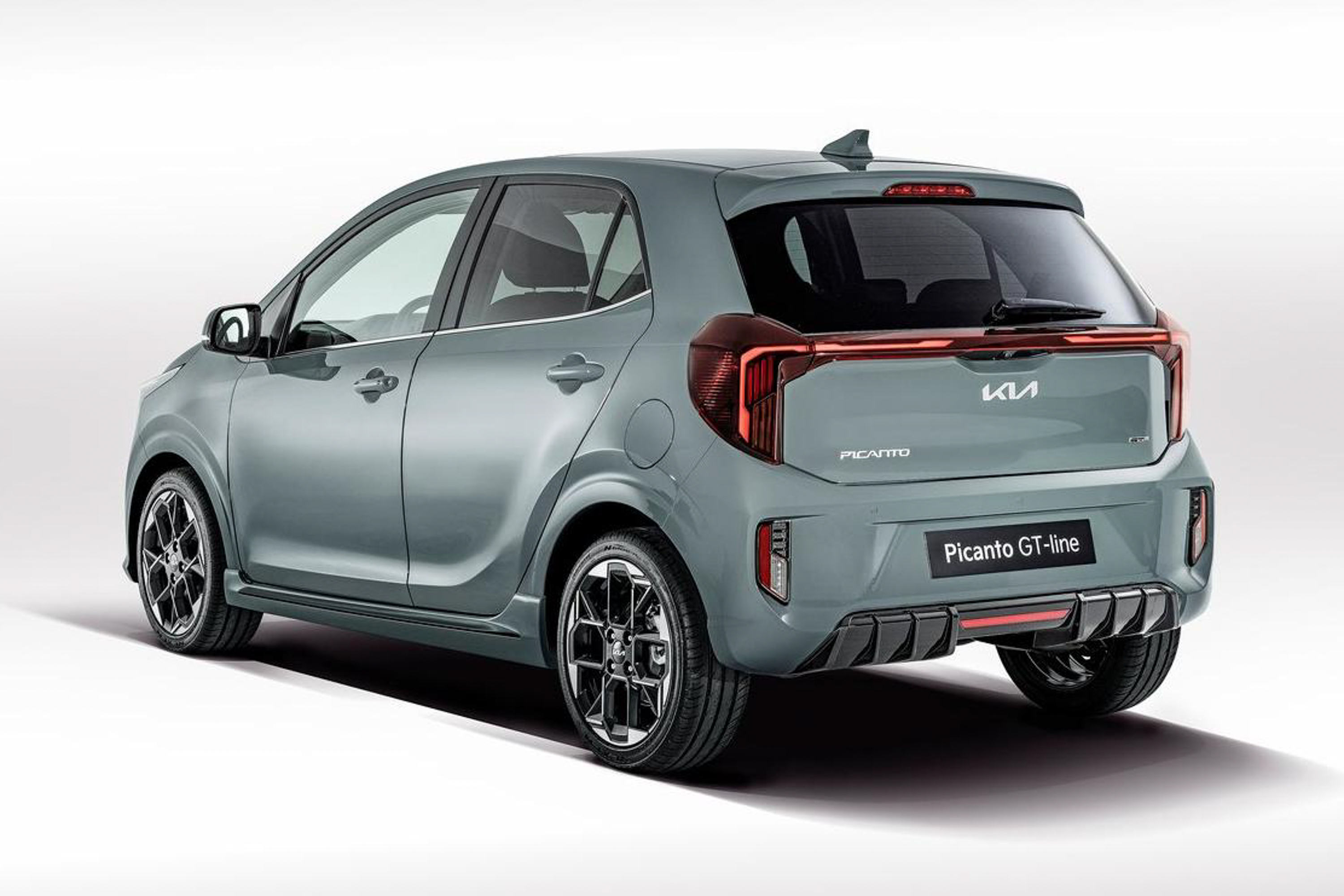
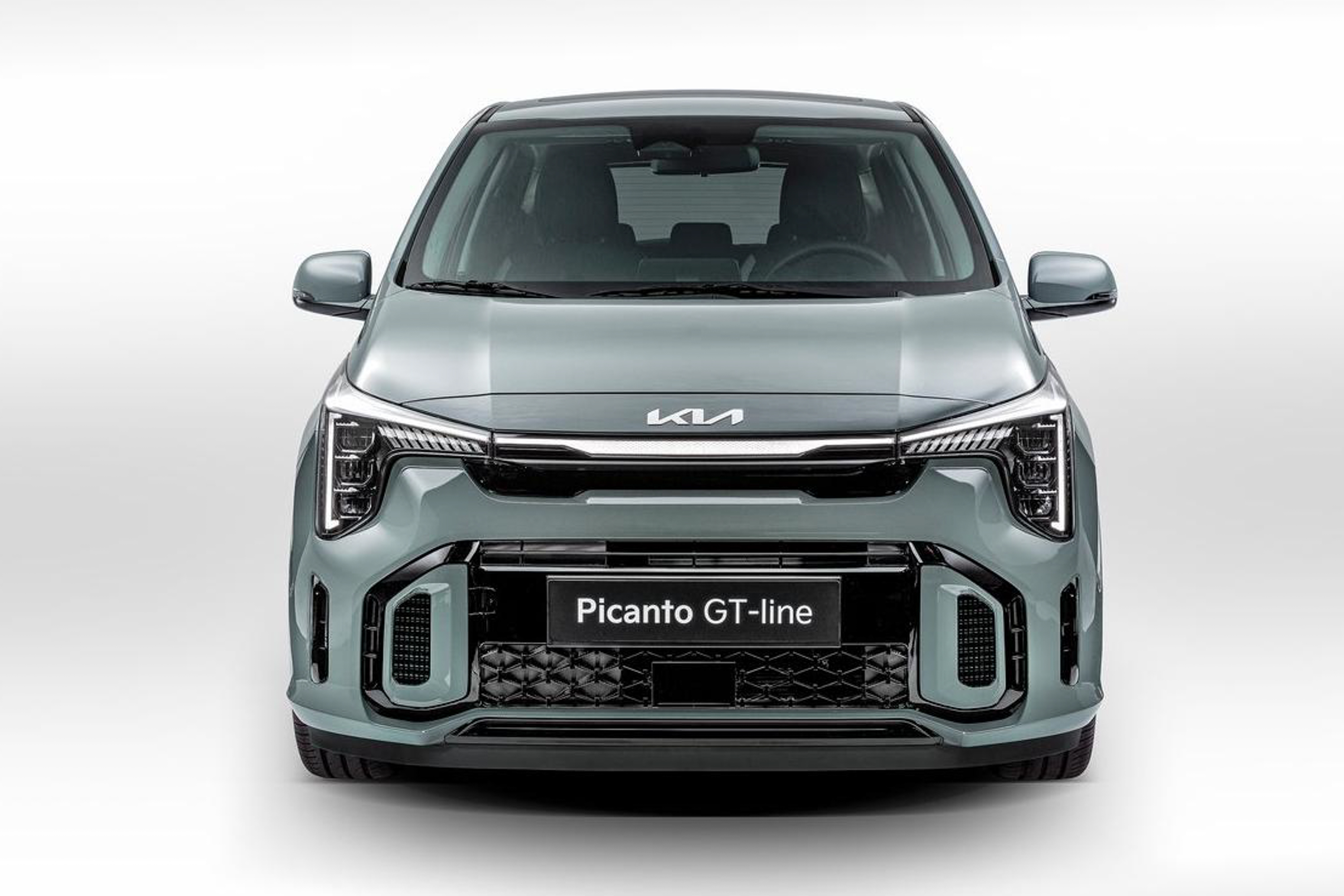
In terms of appearance, the new Picanto Public retains the family-style "tiger nose" front grille, but the grille size has been reduced and replaced with a black honeycomb design. This, combined with reshaped LED daytime running lights on both sides, gives it greater recognition compared to the old model. The side profile of the car features clean lines, while the 14-inch alloy wheels have been updated from multi-spoke to dual five-spoke designs, making it visually sharper. The rear design changes are minimal, with adjustments mainly to the internal structure of the taillights, which now include smoked treatments. The silver skid plate below the rear bumper remains, maintaining a youthful and lively style overall.
Stepping into the cabin, the interior changes are more noticeable than the exterior. The center console has been switched to an 8-inch floating touch screen, replacing the inset design of the older model. With slimmer bezels, the sense of technology has been significantly enhanced. The infotainment system supports Apple CarPlay and Android Auto with quick connection speeds, making daily navigation and music playback very convenient. The seats have been upgraded from fabric to faux leather. Though not genuine leather, the texture feels softer than the old model. The side bolsters of the front seats have also been slightly improved. In terms of configuration, newly added features include automatic air conditioning and a reversing camera, both of which are highly practical for city parking. However, it’s a pity that the rear seats still lack USB ports, so passengers must rely on a front-row adapter.
As for space, the dimensions and wheelbase remain consistent with the previous model, measuring 3595mm in length, 1595mm in width, and 1485mm in height, with a wheelbase of 2400mm. After adjusting the front seats to a comfortable driving position, a passenger with a height of 175cm still has about one fist of headroom. The rear seats can accommodate two adults without issue, but legroom is limited to two fingers and could feel cramped on long drives. The storage capacity is not very large, with a standard trunk volume of 255L, just enough to fit two 20-inch suitcases. Folding down the rear seats expands the capacity to 1010L, making it manageable for occasionally transporting larger items.
In terms of power, it is still equipped with a 1.2L naturally aspirated engine that delivers a maximum power of 84 horsepower and a peak torque of 115N·m, paired with a 4-speed automatic transmission. The initial acceleration is not particularly strong, but the throttle responds linearly, so pressing the accelerator does deliver noticeable power output, making it suitable for low-speed city driving. However, beyond 60km/h, acceleration becomes somewhat sluggish, and overtaking requires pressing the accelerator more deeply in advance. The fuel consumption performance is impressive; during our test in congested urban areas, the consumption was about 6.8L per 100 kilometers, while on the highway, it dropped to 5.2L, which is consistent with the officially announced average fuel consumption of 6.0L.
In terms of handling, the steering wheel is relatively light, making it easy for female drivers to handle. The steering precision is average, but sufficient for daily commuting needs. The suspension system combines MacPherson struts at the front with a torsion beam at the rear, tuned for comfort. Most vibrations are absorbed when going over speed bumps, but the rear seats experience noticeable jolts when encountering large potholes. The body has good rigidity, and lateral body roll is well-controlled when cornering, with no significant swaying sensation.
The noise control performs decently. Below 60km/h, tire noise and engine noise are not noticeable, but after exceeding 80km/h, wind noise comes from the A-pillar; however, the volume is within an acceptable range. The seat support is quite good, with excellent lumbar and back conformity, making long drives fatigue-free.
Overall, the core advantages of the 2024 Kia Picanto Public lie in its upgraded features and fuel efficiency. Although there are no changes in power and space, the addition of a touchscreen, faux leather seats, and automatic air conditioning makes it more competitive among models in the same category. Compared to its peer, the Perodua Axia, the Picanto Public has slightly better interior quality and features, though it might be priced slightly higher.
This car is most suitable for young city commuters and small families with limited budgets. It's ideal for daily commuting, grocery shopping, and picking up kids, and it can also handle occasional short road trips. If you don't have high space requirements and prioritize features and fuel efficiency, the new Picanto Public is worth considering.
Cars With Similar Price And Features
1
Rank in Hatchback

2023 Perodua Axia E 1.0 MT, with an extremely low entry price, reliable warranty, and solid fuel efficiency, offering practical space and basic configurations, is a high-value-for-money choice for budget-conscious users seeking a practical vehicle.

2023 Daihatsu Ayla 1.0 X CVT is an automatic transmission model in Malaysia's A-segment market, offering balanced features, a worry-free CVT gearbox, and low fuel consumption to meet the needs of daily commuting and short family trips.