

Perodua Axia Review

 Share
Share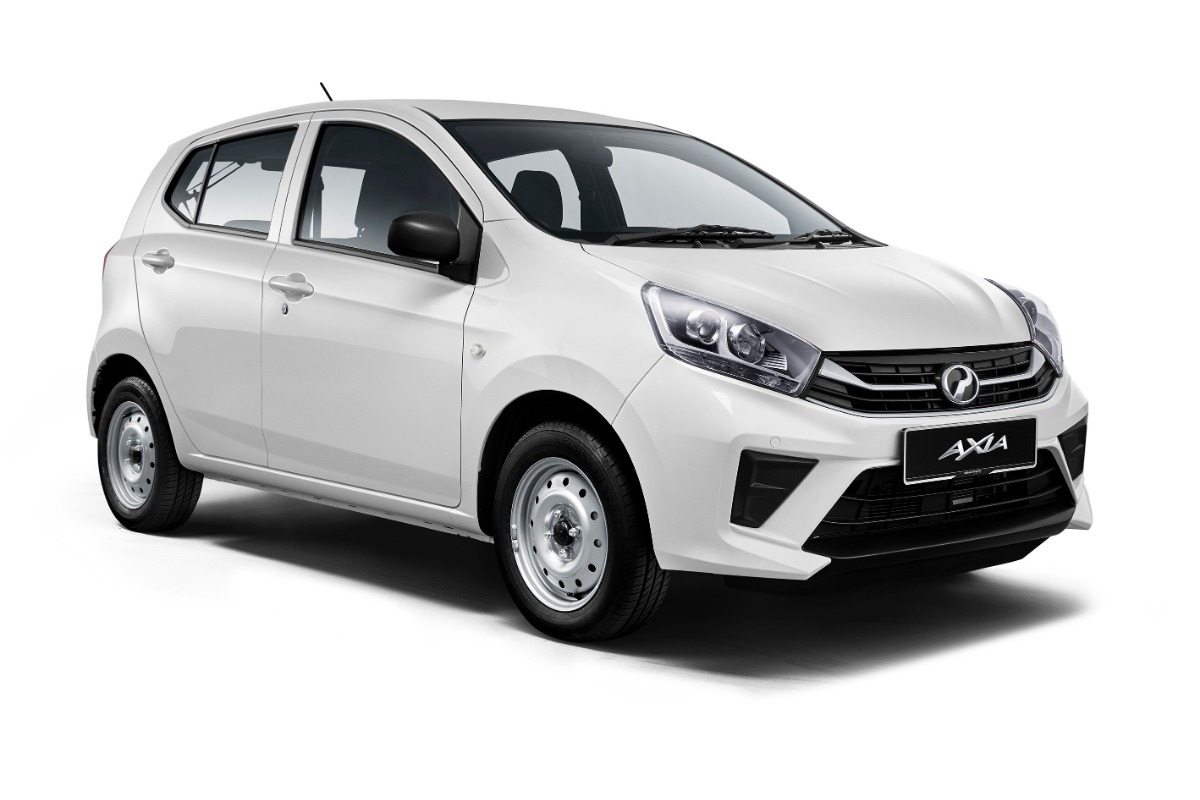
 Segment
 Body Type
 Capacity(L)
 Engine Power(PS)
 Engine Torque(Nm)
 Transmission
In the A-segment small car market, budget-conscious users have always lacked an "affordable yet reliable" mobility choice—one that keeps the on-road price in a very low range while meeting basic needs for carrying passengers and cargo. The 2023 Perodua Axia E 1.0 MT aims to address this pain point, with a price tag of under RM25,000, a 5-year or 150,000-kilometer warranty, and an official fuel consumption rating of 4.4L/100km. It essentially combines an "entry-level price" with practicality at the lowest end of this class. This time, we got our hands on the actual vehicle to verify whether it can truly become the "no-brainer choice" for budget-constrained users and see if the basic variant is really "basic but not rudimentary."
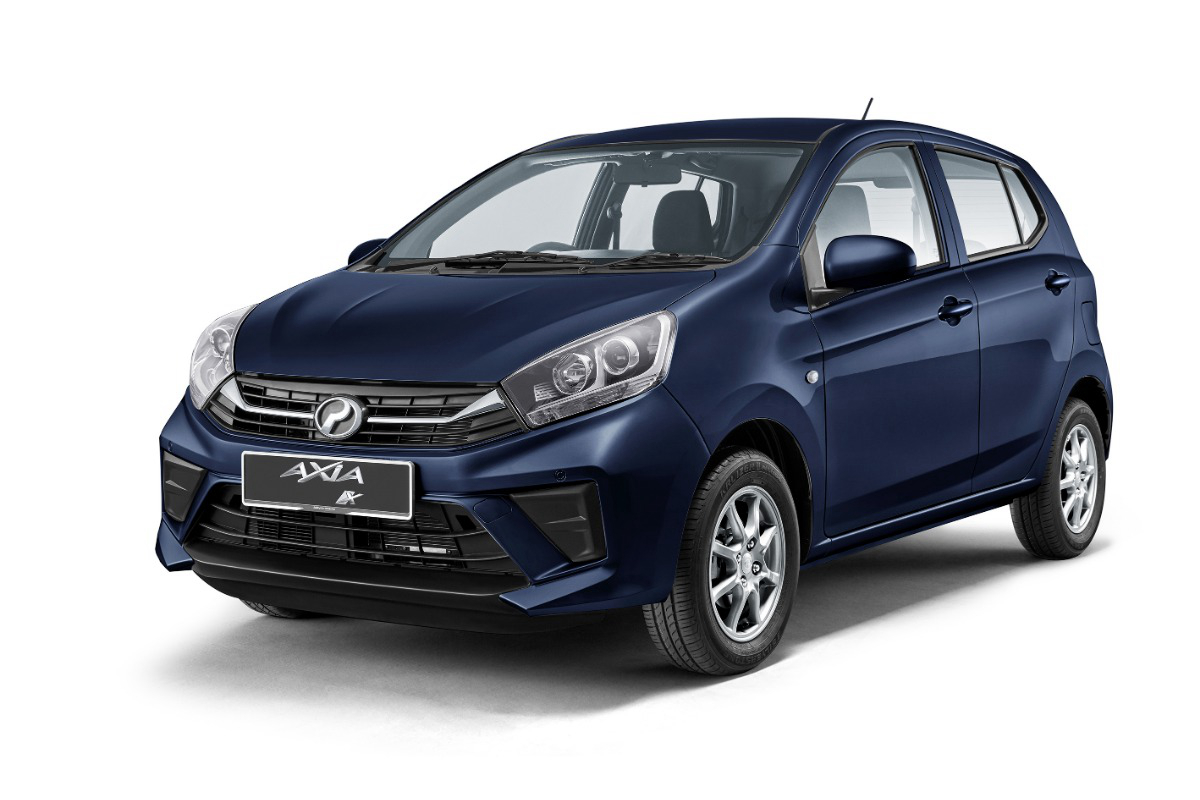
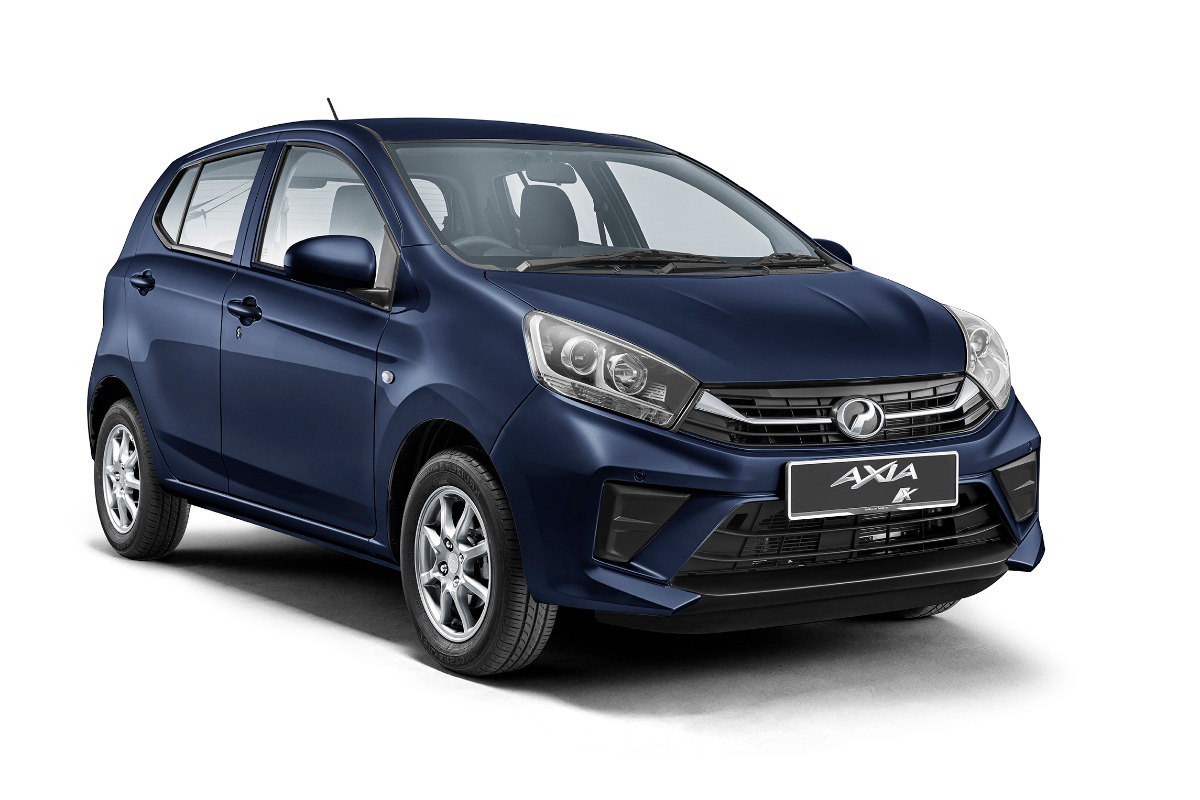
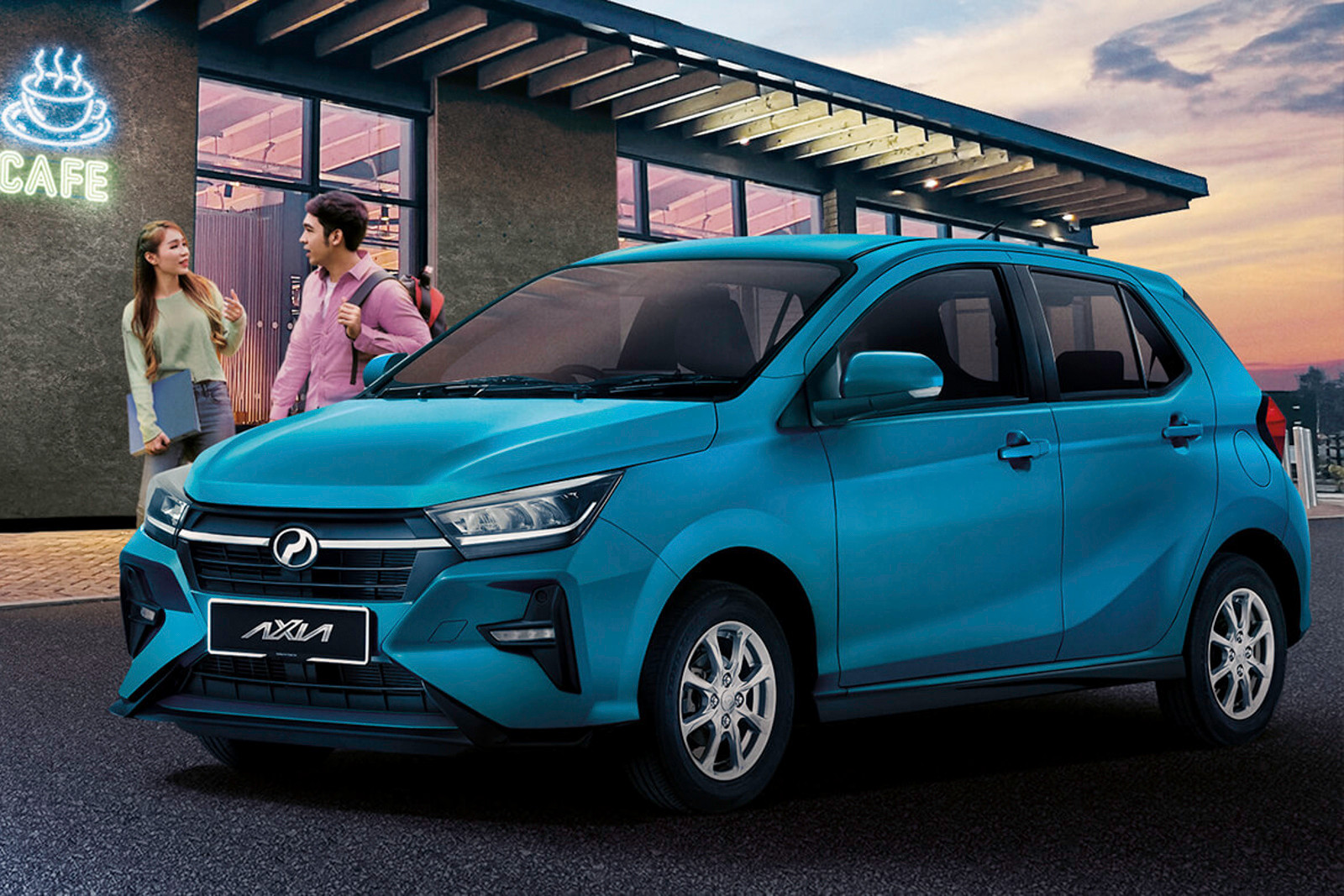
Approaching the Axia E, the first impression is that it hasn’t sacrificed design integrity for a lower price. The front end features contours similar to the higher trims, with a layered grille and a halogen+LED headlamp combo. While there are no chrome decorative strips, the black plastic parts have well-aligned seams that don't feel cheap. The side profile is simple and clean, with a length of 3,645mm and a width of 1,620mm, making U-turns and parking in tight spaces easy, especially in narrow residential parking lots. The 14-inch steel wheels may look basic, but paired with 175/65 R14 tires, they ensure adequate grip for daily driving. The rear design is relatively simple, with tail lamps also comprising a halogen+LED combination. The trunk lid lines blend well with the body, avoiding any sense of abruptness. Overall, its aesthetic is "enduringly appealing," without flashy details; yet as a daily commuter car, it scores well on both recognizability and practicality.
Opening the door and stepping into the driver's cabin, the Axia E’s interior follows a purely utilitarian approach. The dashboard is made of hard plastic, but the textured finish minimizes the "cheap hard plastic" feel to the touch. The instrument cluster adopts a backlit analog design, with a tachometer, speedometer, and fuel gauge that are clear and intuitive, even under direct sunlight. The seats are fabric, and while they lack electric adjustment, the manual range of adjustment allows a 175cm tall driver to find a comfortable driving position. The rear seats can fold down entirely, making it easier to transport long items. In terms of features, there is no central control screen or multifunction steering wheel, but all the basics are present: the manual air conditioning knobs have moderate resistance and are easy to use; the front door panels have storage compartments that can hold water bottles; and the front row even comes with a 220V/230V power socket, facilitating phone charging or the use of small appliances when necessary. Surprisingly, despite using a mechanical key, the door locks feel solid, and the sound when opening and closing the doors feels sturdy.
The space performance of the Axia E is a pleasant surprise. Although its 2,455mm wheelbase is not outstanding for an A-segment car, in actual use, a 175cm passenger seated in the rear has about a fist’s worth of knee clearance from the front seats, without feeling cramped; there’s also a four-finger headroom, avoiding a sense of oppression. The trunk capacity is 260L, enough to fit two carry-on suitcases or several shopping bags, and with the rear seats folded down, it can accommodate larger items such as a baby stroller or a folding bike. In terms of details, the rear seats are equipped with ISOFIX child seat anchors, which are very practical for families with children. The front seats offer decent support, ensuring you don’t feel sore on long drives, although the rear middle seat lacks a headrest, compromising comfort for the middle passenger.
Starting the engine, the idling noise of this 1.0L three-cylinder naturally aspirated engine is smaller than expected, with no noticeable vibrations transmitted to the steering wheel. The maximum horsepower of 69PS and torque of 91N·m may not look impressive on paper, but in actual driving, its response at low RPMs is very lively. Shifting into first gear and starting off, as long as you give enough throttle, the start is not sluggish; the power transition from second to third gear is smooth, and when following traffic in urban areas, frequent gear shifting is hardly necessary. At highway speeds of 100km/h, its acceleration capability weakens, but maintaining cruising speed is not an issue. The clutch engagement point is clear, making it easy for new drivers to handle; the shift lever has a moderate travel, and while the shifting engagement is not particularly strong, it does not feel loose. The combination of front MacPherson independent suspension and rear torsion beam non-independent suspension is tuned for comfort. It filters out most bumps when going over speed bumps, ensuring passengers do not feel too jarred; when cornering, the body roll is controlled within a reasonable range, and does not give off a "floating" sensation. The brake pedal feels linear, the front ventilated discs provide sufficient braking force for daily use, and the posture during emergency braking stays relatively stable.
After a week-long test drive, we recorded an average fuel consumption of 4.6L/100km, slightly higher than the official 4.4L, but considering most of the time was spent driving in congested urban areas, this performance is already excellent—a full 33L fuel tank can cover 700 kilometers, saving a lot of fuel costs. In terms of noise control, tire and wind noise are not noticeable during city driving; at highway speeds of 110km/h, wind noise gradually increases, but it remains within an acceptable range, not affecting normal conversation. The fabric material of the seats is breathable, making them comfortable for long durations in summer, though the lack of air-conditioning vents in the rear means rear passengers might feel warmer during summer.
In conclusion, the core strengths of the 2023 Perodua Axia E 1.0 MT are clear: priced under RM25,000, it offers a 5-year/150,000km warranty, stable fuel efficiency, and adequate space. Compared to competitors in the same price range, its features are not overly abundant, but the basic functionalities are not missing. Moreover, Perodua has a wide network of service centers and low maintenance costs. Its target user group is straightforward—budget-conscious consumers looking for a vehicle under RM30,000, such as new drivers, office workers needing a commuting car, or households in need of a second car. If you're seeking high-end features or powerful performance, this might not be your best choice. However, if you need an affordable, practical, and reliable car, the Axia E is definitely one of the top 3 choices in its class. Simply put, it’s a car that “avoids unnecessary frills but excels in practicality,” making it an ideal entry-level small car.
Perodua Axia Loan Calculator
More Perodua Reviews
Cars With Similar Price And Features

2023 Daihatsu Ayla 1.0 X CVT is an automatic transmission model in Malaysia's A-segment market, offering balanced features, a worry-free CVT gearbox, and low fuel consumption to meet the needs of daily commuting and short family trips.
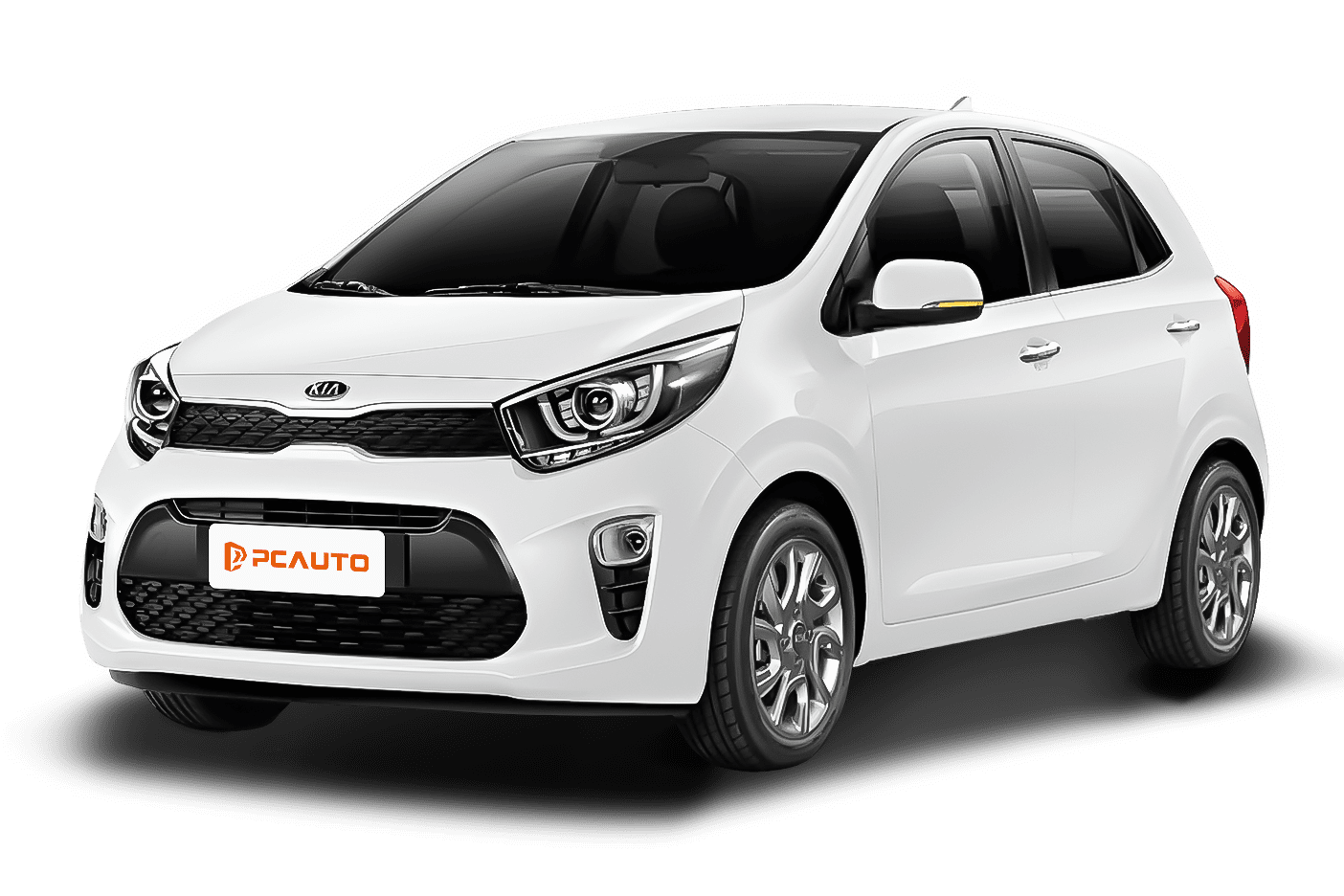
2024 Kia Picanto public is a high-value-for-money commuter car in the Malaysian A-Segment market, practical and attractive, with sufficient space and comprehensive safety features, suitable for commuting.