

Lexus ES 2024 Review

 Share
Share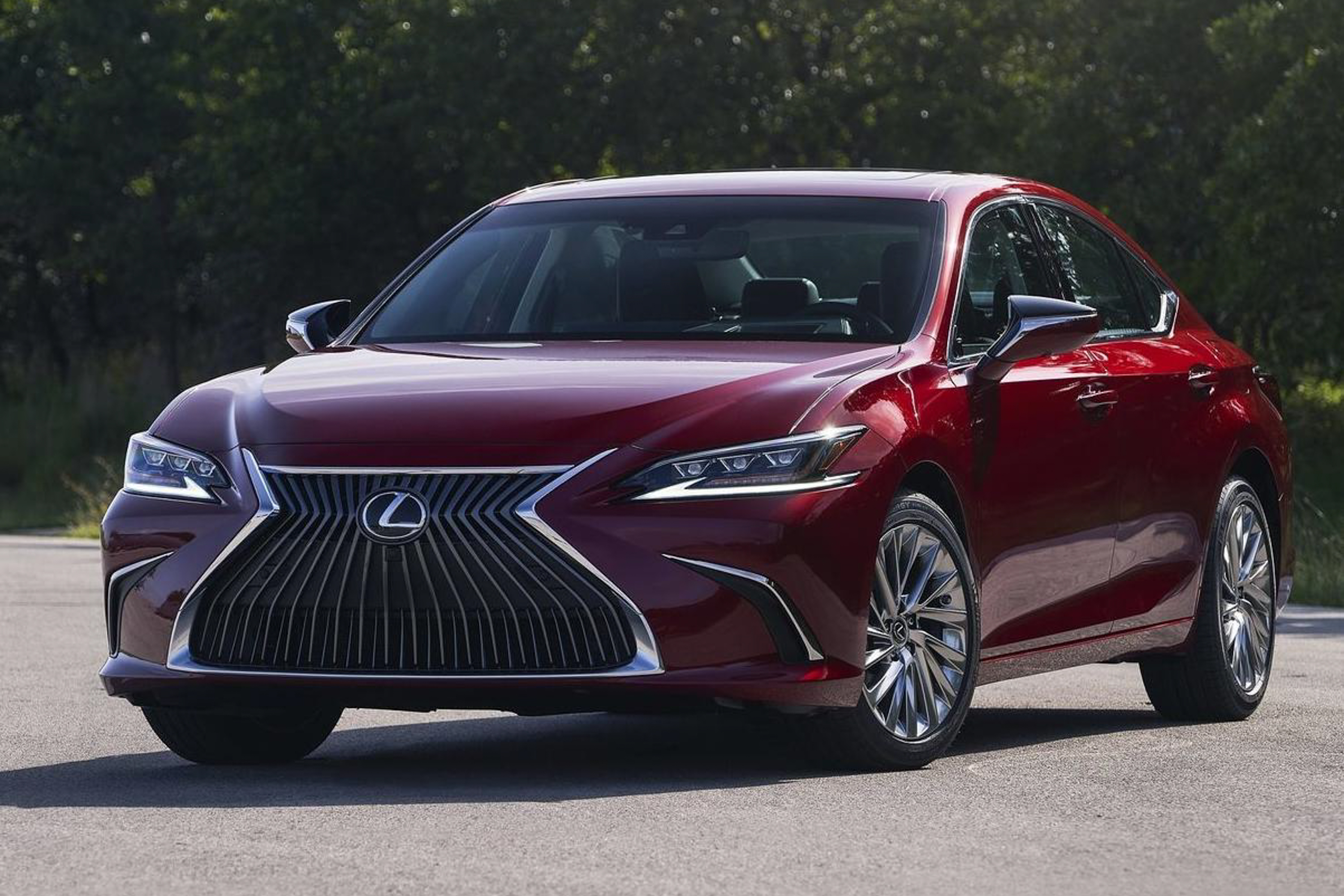
 Body Type
 Segment
 Capacity(L)
 Engine Power(PS)
 Engine Torque(Nm)
 Transmission
In the mid-to-high-end executive sedan market, stability and a sense of luxury have always been core requirements—consumers value both the comfort of daily commuting and the dignity required in business settings. This has been the niche that the Lexus ES has deeply rooted itself in over the years. As a mid-cycle facelift model, the 2024 Lexus ES focuses on optimizing intelligent features and driving quality. The main purpose of our test drive was to verify whether its upgrades genuinely cater to the actual needs of local users.
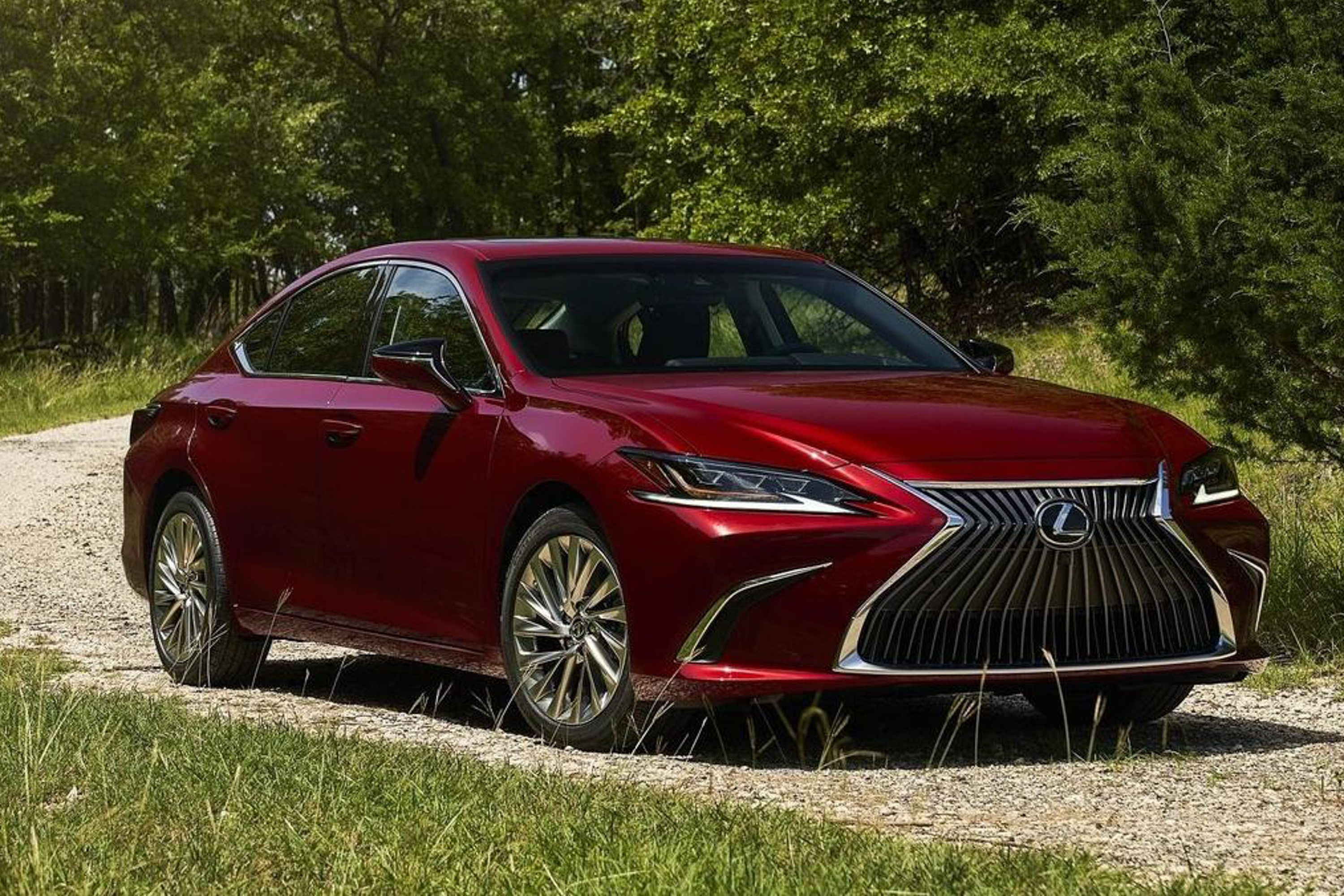
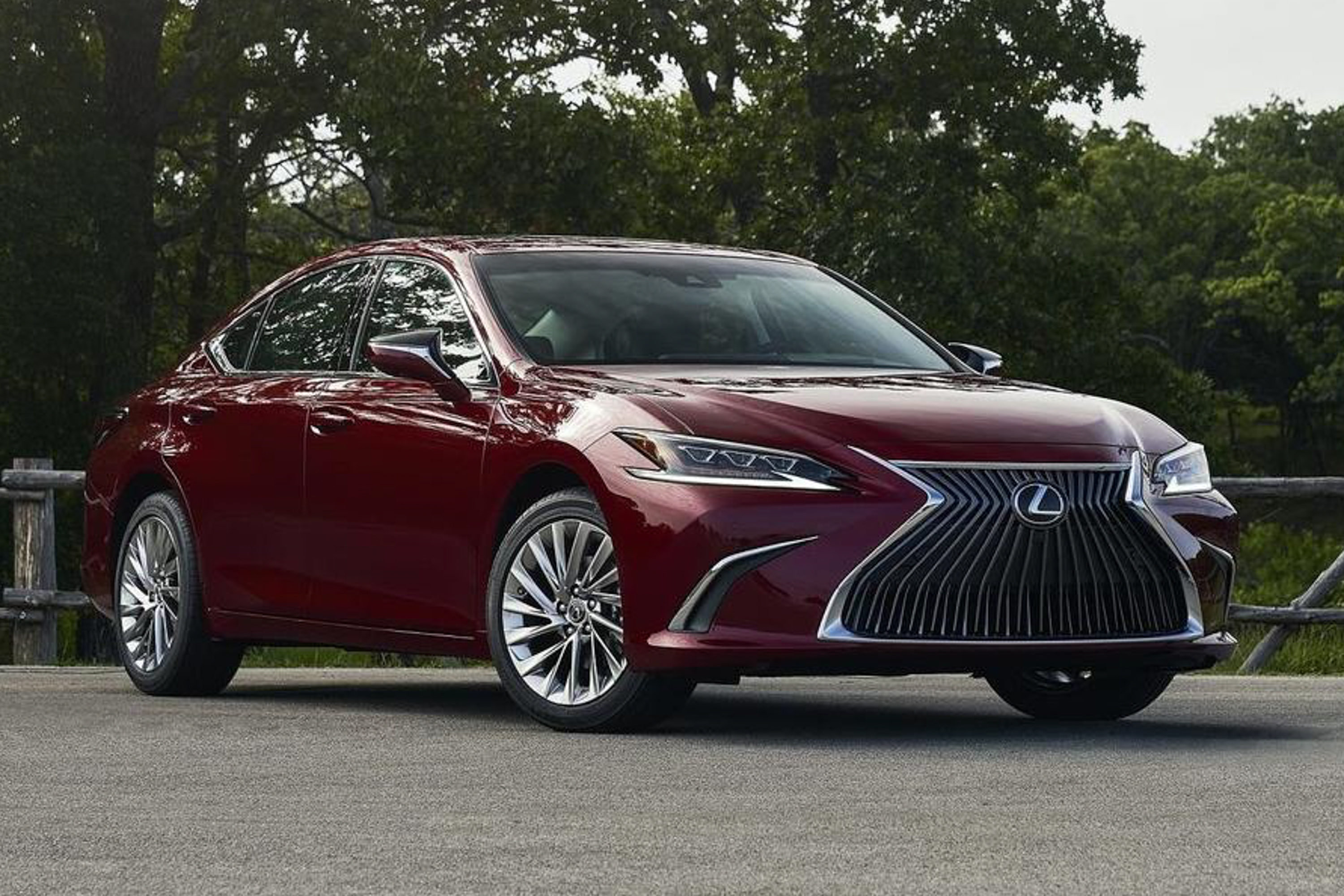
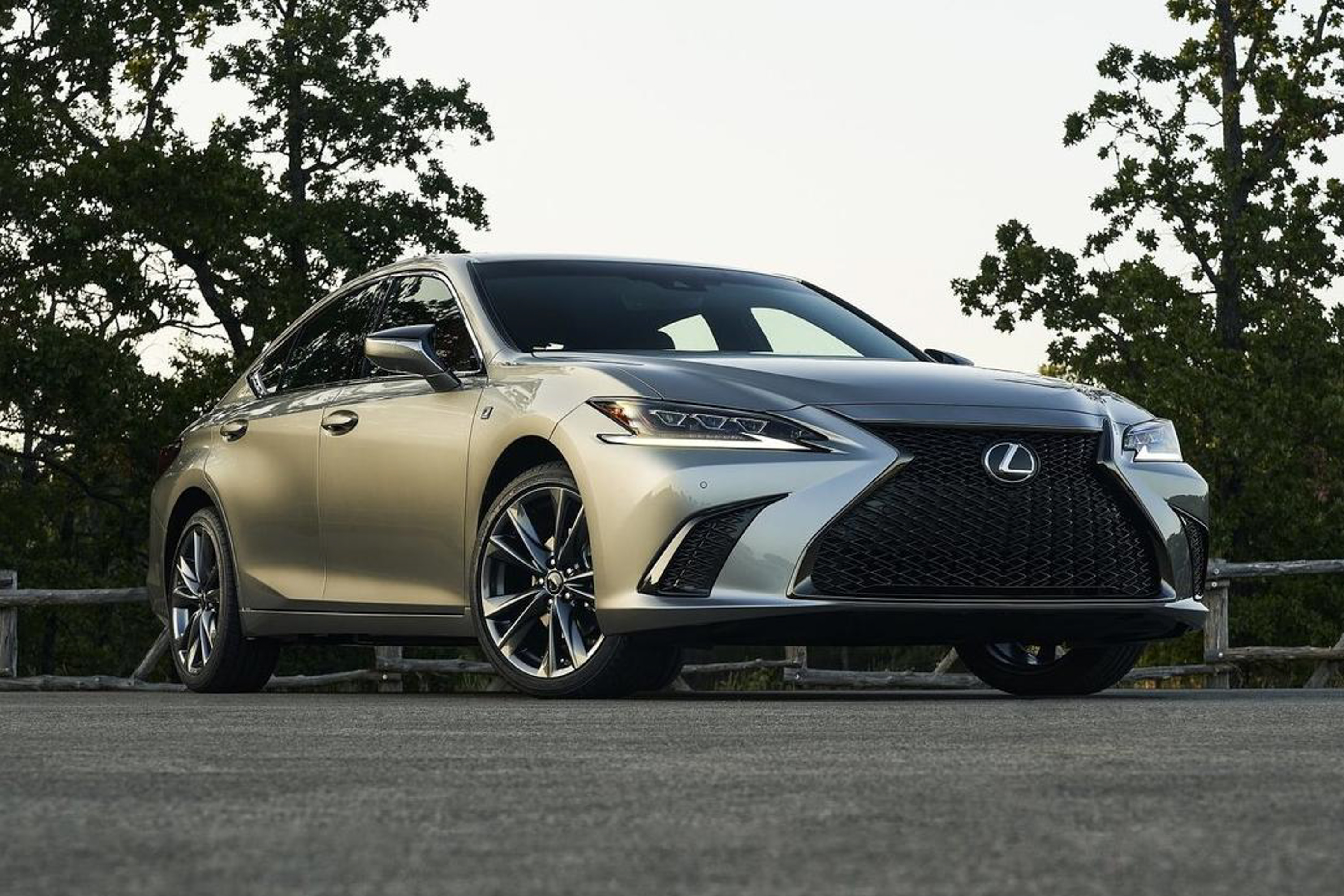
In terms of exterior design, the new car retains the Lexus family’s signature spindle-shaped grille, but it now features a denser smoked mesh design. Combined with the reconfigured L-shaped LED daytime running lights on both sides, the overall recognition is higher compared to the previous model. The side profile of the car remains sleek, with a waistline extending from the front fender to the rear. The design of the 18-inch multi-spoke alloy wheels also appears more refined than before. At the rear, the brand-new through-type LED taillights are the biggest highlight. Not only do they enhance nighttime visibility, but they also make the rear end appear visually wider. Additionally, the dual chrome exhaust outlets on both sides maintain the executive sedan’s sense of poise.
Stepping inside, the interior layout is essentially the same as the previous model, but there are notable material and feature upgrades. The asymmetrical design of the center console is angled just right toward the driver, making it convenient to operate. The soft leather-covered dashboard, faux suede material on the inner door panels, and wood grain accents feel refined to the touch, bringing a level of luxury comparable to competing models in the same class. As for core features, the 12.3-inch central touchscreen now finally supports touch functionality, no longer relying solely on the traditional touchpad. The system's response speed is much faster than the previous model, and it incorporates wireless connectivity for Apple CarPlay and Android Auto, making everyday use even more convenient. The instrument cluster combines a 7-inch LCD display with mechanical gauges, offering clear readouts, and switches theme colors when changing driving modes. The seats are wrapped in genuine leather, with the front seats supporting 10-way electric adjustments and lumbar support. The seat padding is soft yet sufficiently supportive, ensuring comfort during long drives.
In terms of space, the new car retains a wheelbase of 2870mm, which is considered standard in the mid-to-high-end sedan segment. With a test driver of 175cm tall sitting in the front and adjusting to a comfortable position, there’s still a clearance of one fist and two fingers for headroom. The rear legroom exceeds two fists, and headroom also has a clearance of one fist. Even with three adults sitting in the back, it doesn’t feel cramped. In terms of storage capability, the front center armrest box has a spacious compartment that can fit four bottles of mineral water. The door panel storage compartments can also accommodate phones and water cups. The trunk has a capacity of 454 liters, with a regular opening that can easily fit two 28-inch suitcases, which is more than sufficient for family outings or business trips. The rear row is also equipped with independent air vents, two USB-C charging ports, and adjustable rear seat backrests, showcasing careful attention to detail.
In terms of power, the version we test-drove features a 2.5L naturally aspirated engine paired with an 8-speed automatic transmission. The engine delivers a maximum power of 152kW (207 horsepower) and a peak torque of 243Nm. During everyday driving, throttle response is quite linear, with no noticeable jerkiness during start-ups. The acceleration process feels smooth. When the throttle is pressed hard, the transmission downshifts promptly. While the power delivery is not overly aggressive, it instills enough confidence for overtaking. There are three driving modes to choose from—Eco, Normal, and Sport. In Sport mode, throttle sensitivity improves, and the transmission's shift logic becomes more proactive, making it suitable for occasional spirited driving scenarios.
In terms of handling and chassis performance, the new car's steering wheel has moderate turning resistance and offers good steering precision. It feels light when changing lanes or making turns during daily driving, and becomes more stable at high speeds, providing sufficient sense of safety. The chassis features a combination of front MacPherson independent suspension and rear multi-link independent suspension, tuned towards comfort. When going over speed bumps or uneven roads, the suspension filters out most vibrations well, without transmitting obvious jolts into the cabin. When cornering, the body roll is well controlled without significant wobbling, balancing both comfort and handling.
Regarding fuel consumption, this test drive primarily focused on urban roads with a small segment of highways, resulting in an average fuel consumption of about 7.2 liters per 100 kilometers. This figure is considered above average among models equipped with a 2.5L naturally aspirated engine, showing commendable fuel efficiency.
As for driving and riding comfort, the new car excels in noise control. Even at high speeds, wind and tire noise are kept to a low level, ensuring normal conversations inside the cabin are unaffected. The comfort of the seats has been mentioned earlier; the rear seats feature adjustable backrest angles coupled with soft cushioning, making long journeys quite pleasant. The air conditioning system cools quickly and supports zone control, catering to the needs of different passengers.
In summary, the 2024 Lexus ES public's updates effectively address user pain points: the addition of a touchscreen resolves the cumbersome operation issues of the previous model, and features like wireless CarPlay better suit local users' habits. At the same time, it maintains Lexus's signature luxurious feel and comfortable driving experience. Compared with competitors like the BMW 3 Series Li or Mercedes-Benz C-Class, its advantages lie in smoother power delivery, more comfortable seating, and lower long-term maintenance costs. However, its drawback is that its performance is less aggressive than the 2.0T models of its competitors.
The target audience for this car is very clear: users who prioritize daily driving comfort and value luxurious quality and reliability, such as small to medium business owners in need of a vehicle for professional use, or families seeking steady and comfortable transportation. If you aren’t looking for a car for sporty driving but value practicality and long-term peace of mind, the 2024 Lexus ES public could be a great choice.
In conclusion, the 2024 Lexus ES public does not blindly pursue aggressive design or performance. Instead, it optimizes core features based on user feedback while retaining its strengths, making it a well-rounded mid-to-high-end executive sedan.
Lexus ES Car Compare

More Lexus Reviews
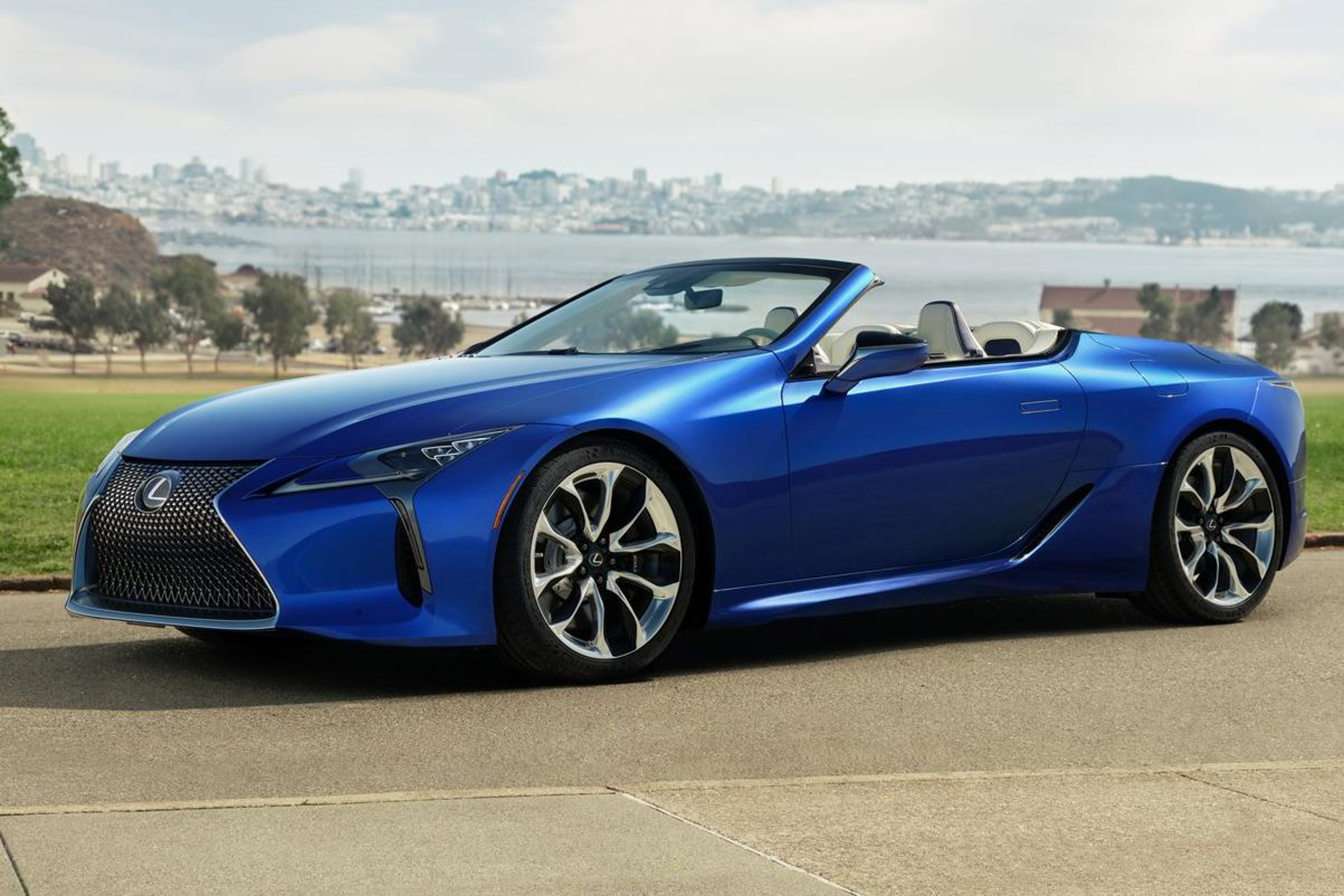
Cars With Similar Price And Features
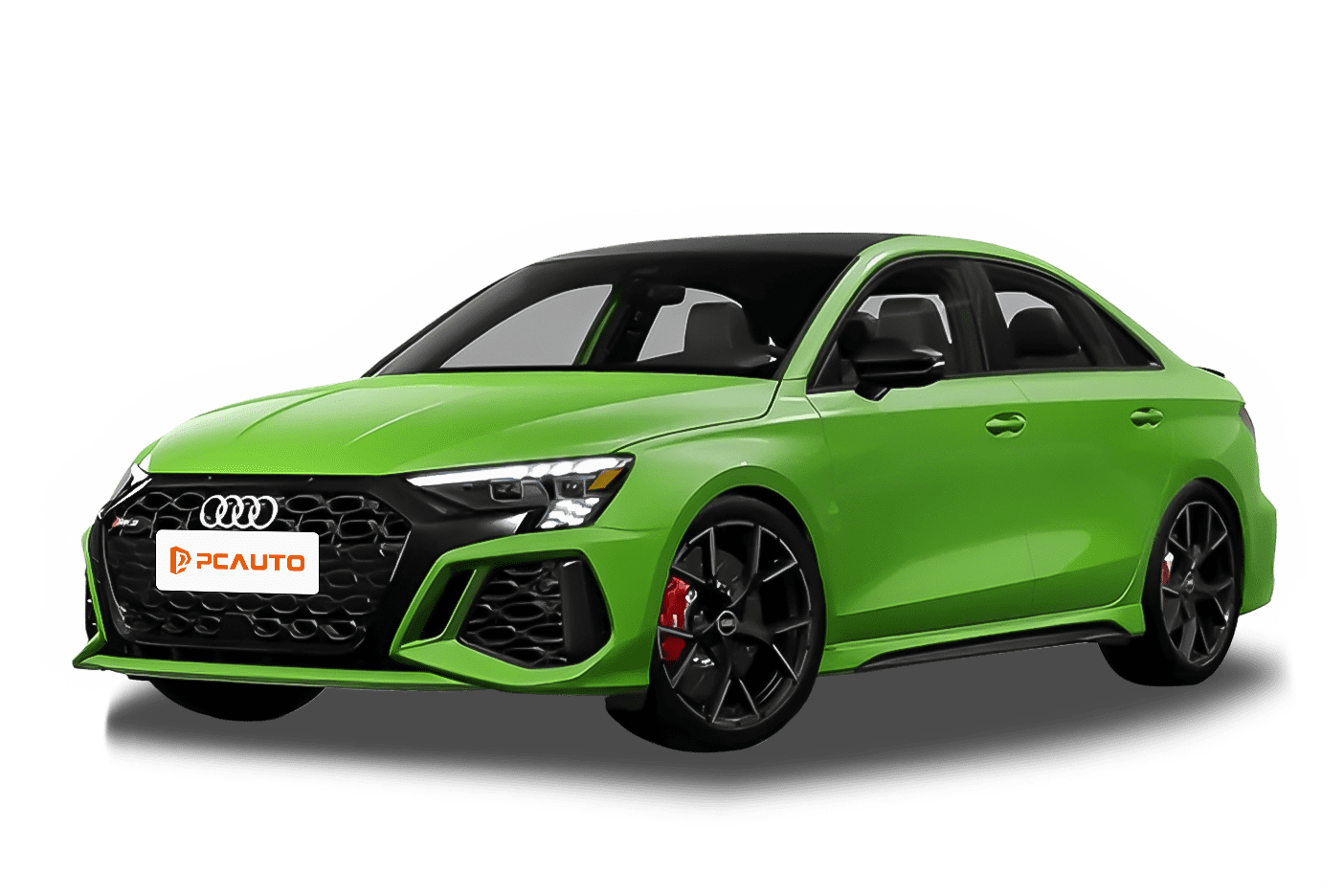
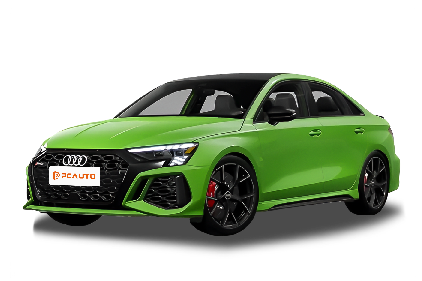
Audi RS3 Sportback is a luxurious and compact "pocket rocket" that balances 400PS five-cylinder performance, Quattro control, and practicality for family use, with a sporty design and a full sense of technology.

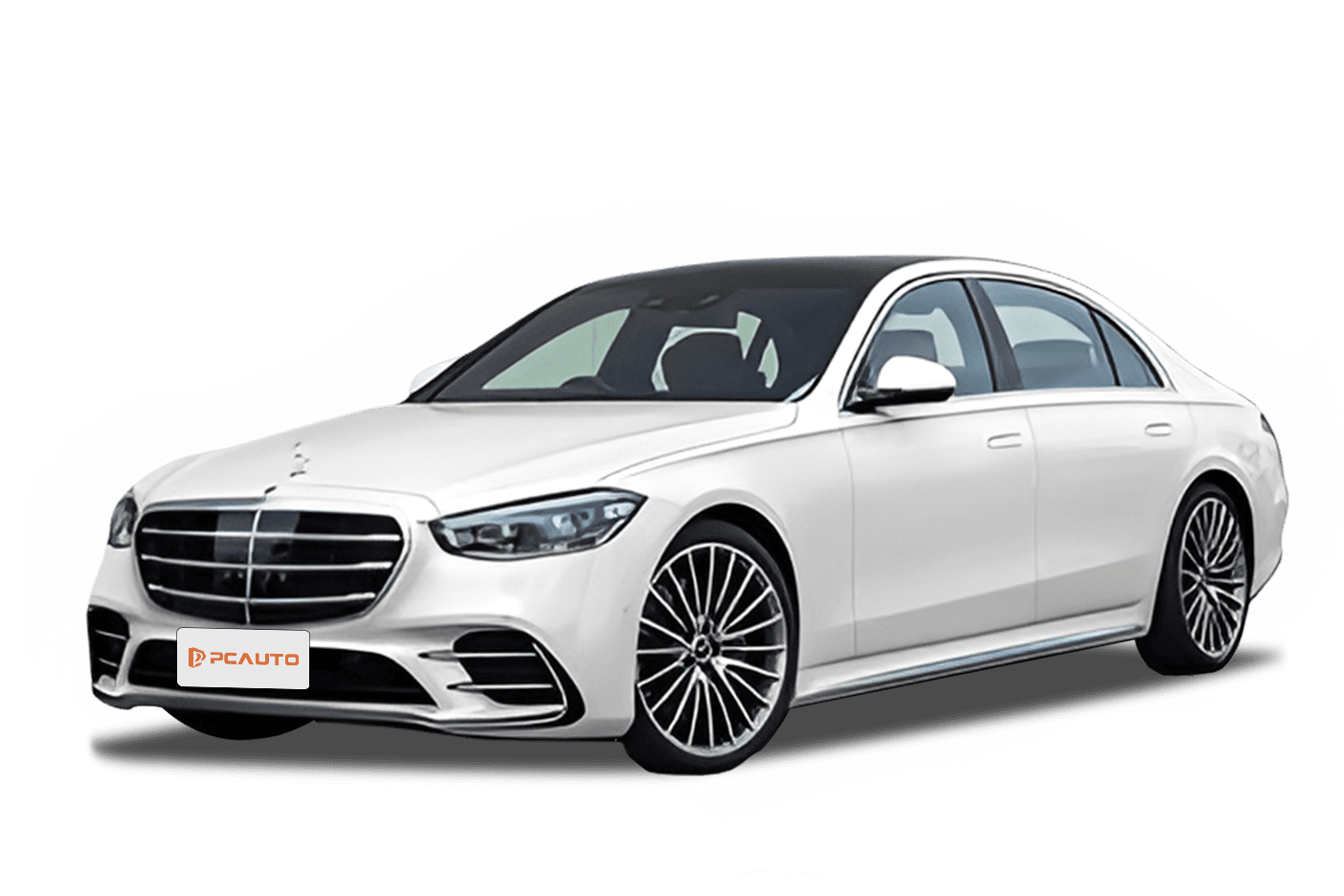
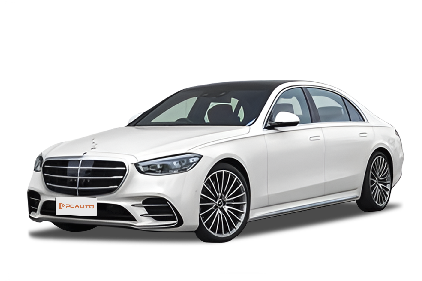
2022 Mercedes-Benz S-Class S 580 e, as the flagship plug-in hybrid model, offers a luxurious rear-seat experience with its extended wheelbase, a practical 100km pure electric range, and advanced intelligent features, balancing luxury and the practicality of new energy.

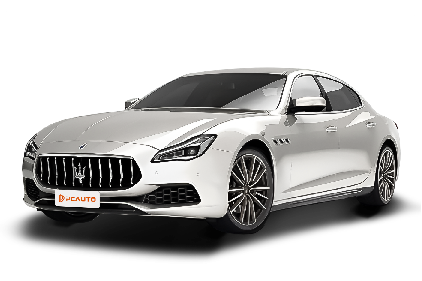
2019 Maserati Quattroporte GranSport is a luxury sedan that combines Italian sporty design with executive-level space. With a powerful 3.0T engine and precise handling, it balances the needs of passionate driving and business travel.
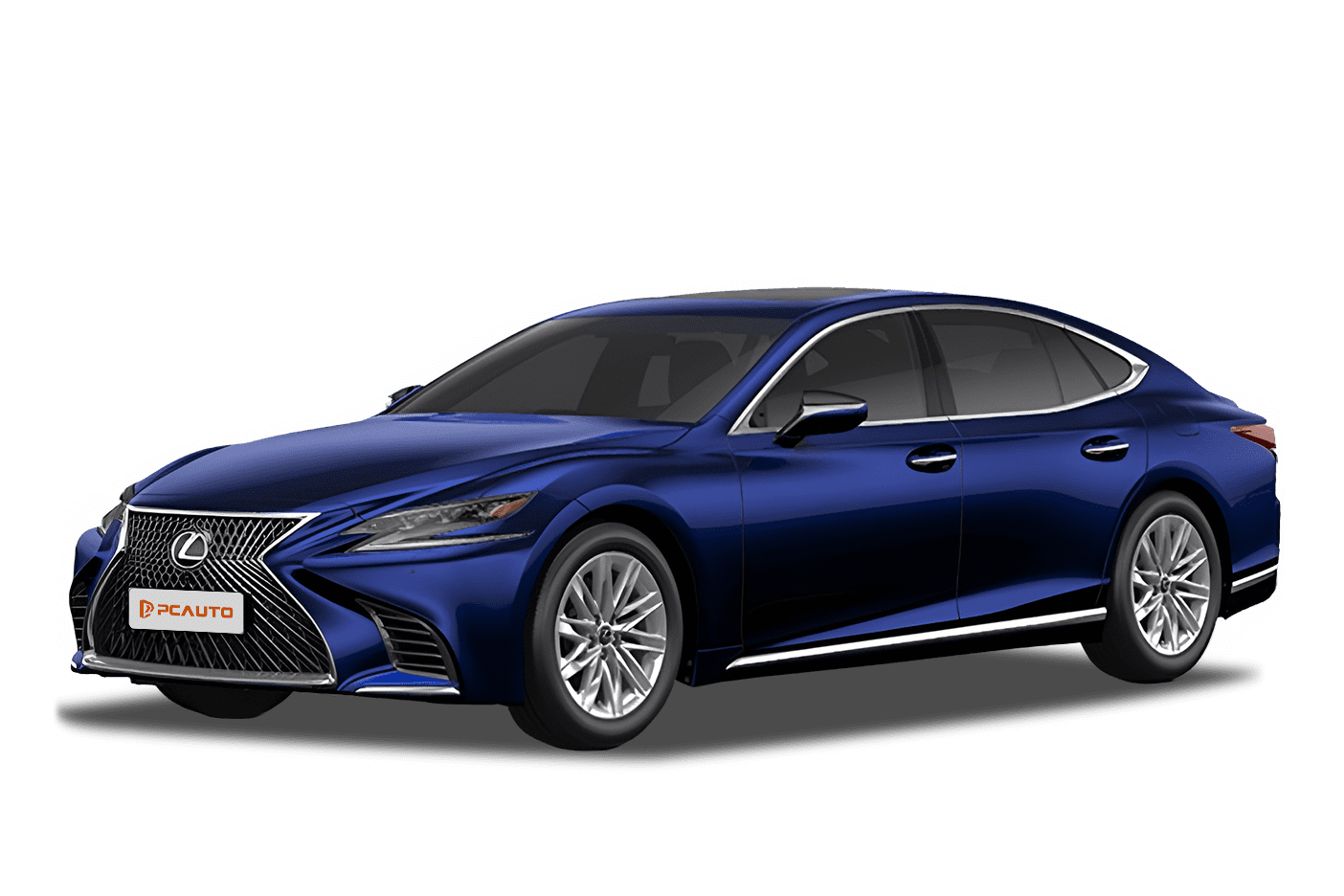
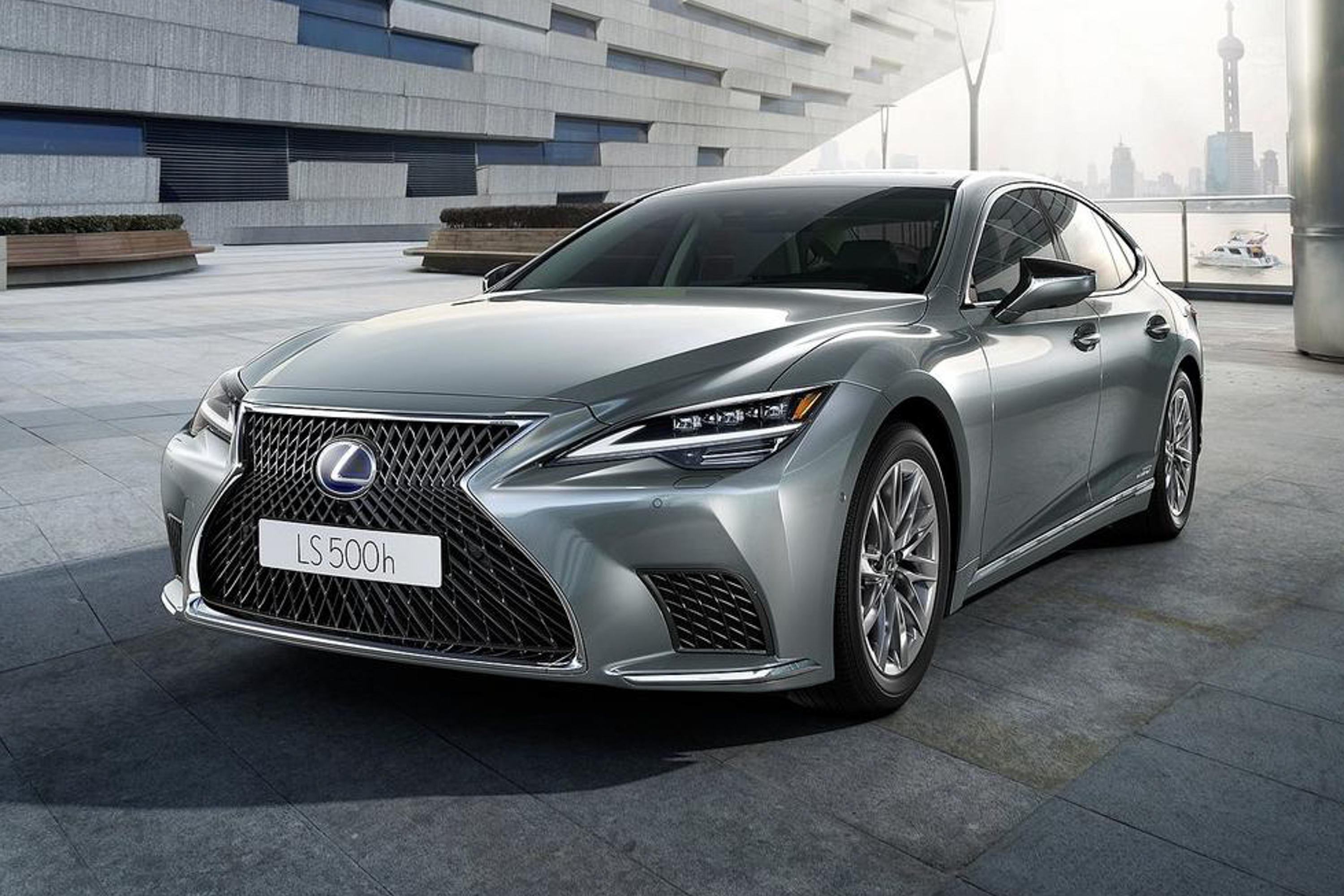
2021 Lexus LS 500 Luxury built with the concept of Oriental luxury, 28-way power-adjustable massage seats + 3.4T powerful performance, high cost-effectiveness competing with German counterparts.