
McLaren P1 Review

 Share
Share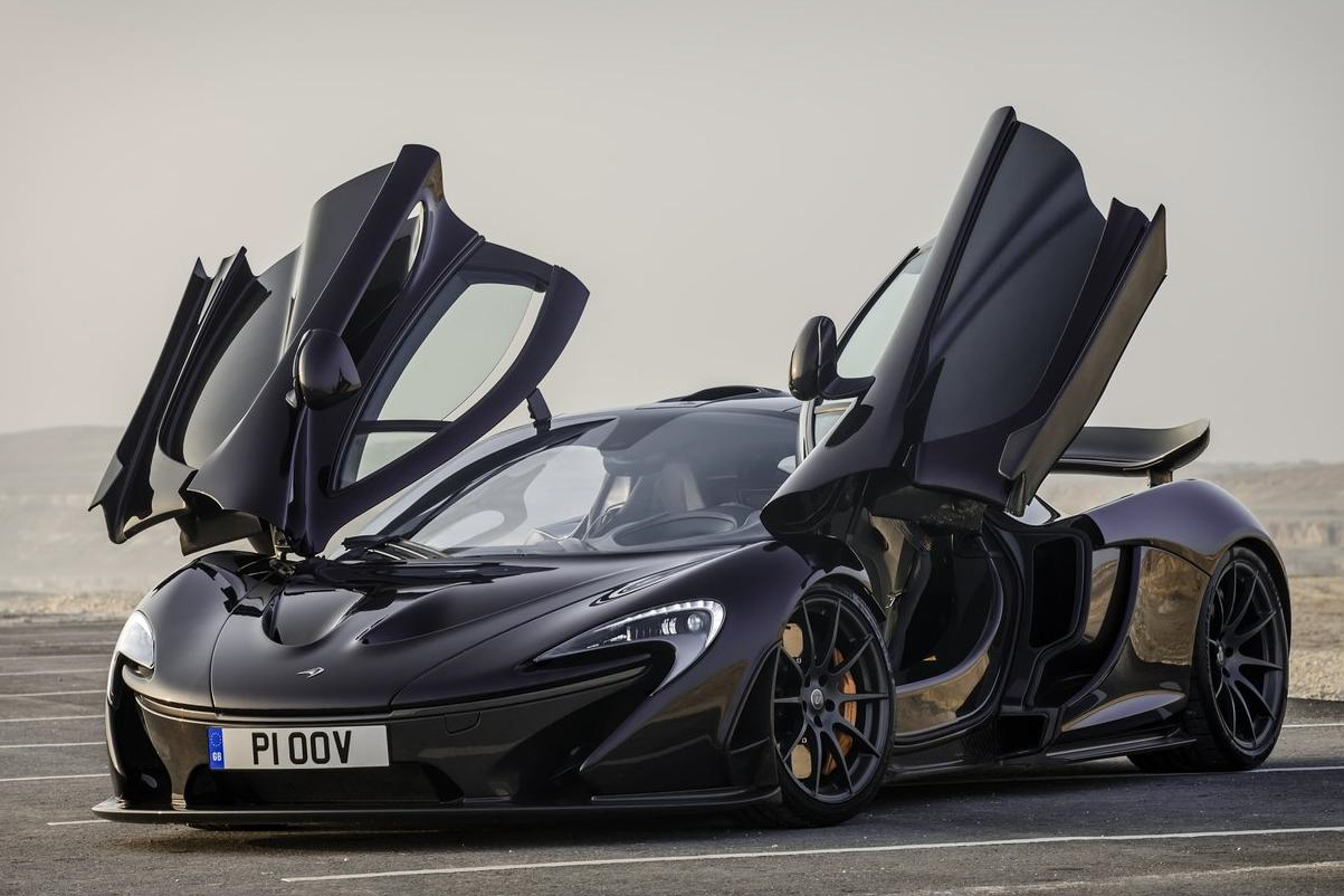
 Segment
 Body Type
 Capacity(L)
 Engine Power(PS)
 Transmission
 Driven Wheels
In recent years, Malaysia's supercar market has consistently maintained high attention towards models that merge extreme performance with advanced technology. As the representative hybrid supercar under the brand, the 2023 McLaren P1 3.8L V8, boasting a total output of 916PS and a 0-100 km/h acceleration time of just 2.8 seconds, undoubtedly stands out as one of the most captivating highlights in its segment. The core purpose of this test drive is to verify the actual performance of this model on both daily roads and on the edge of the racetrack, and to assess whether the balance between performance and energy efficiency brought by the hybrid system meets the expectations of supercar users.
From the exterior design, the 2023 P1 continues the brand's iconic streamlined design, with an overall low-profile and aggressive look. The front end features a large air intake grille paired with sharp LED headlamps on both sides, not only enhancing aerodynamic efficiency but also giving the car a strong static presence and visual identity. The silhouette of the car is sleek, with lines flowing from the A-pillar to the rear, further accentuated by the 19-inch front and 20-inch rear wheels, enhancing its sporty stance. At the rear, the combination of an active spoiler and diffuser is a design highlight, automatically adjusting its angle at high speeds to provide adequate downforce for the vehicle. In terms of lighting, the vehicle is equipped with full LED lights, including daytime running lights, automatic headlamps, and front and rear fog lights, which balance functionality with visual appeal.
Inside, the interior is primarily fashioned from carbon fiber and Alcantara materials, with a minimalist layout leaning towards the driver’s side. The center console is equipped with a touchscreen audio display with straightforward operational logic. A full LCD instrument panel adapts to the driving mode, and together with the HUD (head-up digital display), it allows the driver to access key information without having to look down. The seats are electrically adjustable with strong wrapping and solid support, making them suitable for long-distance driving. Standard features include keyless entry, rain-sensing wipers, and automatic air conditioning, while advanced safety systems such as blind-spot monitoring, lane departure warning, and active braking are also fully equipped, balancing performance with daily usability and convenience.
As for space, being a two-door, two-seater supercar, the driving space of the 2023 P1 is entirely dedicated to the front-seat passengers. A person with a height of 180cm can sit in the driver's seat with approximately one fist-width of headroom and legroom, without feeling cramped. In terms of storage capabilities, small items can be stored in the door panels and central armrest console, which, while not as practical as traditional family cars, is in line with its supercar positioning. Furthermore, the interior is equipped with 220V/230V power outlets, making it convenient for charging electronic devices.
In terms of dynamic performance, the 2023 P1 is equipped with a 3.8L V8 twin-turbocharged engine paired with a rear-mounted electric motor, delivering a combined output of 916PS and mated to a 7-speed DCT transmission. In normal mode, the power output feels relatively smooth, and the intervention of the electric motor makes the initial start more brisk. Switching to sport mode, both the engine and electric motor deliver their power simultaneously, with the throttle responding extremely quickly. A firm push on the accelerator produces an instant surge of acceleration, making overtaking clean and effortless. The steering is precise with minimal play, and combined with the double-wishbone independent suspension, the car exhibits excellent cornering control. The suspension provides solid support to the body, excellently suppressing body roll.
In terms of the chassis, the vehicle's minimum ground clearance is 109mm, requiring caution on speed bumps during daily road driving. However, its performance on tracks or smooth roads can be described as impeccable. When dealing with bumpy roads, the suspension system effectively filters out minor vibrations, though the firm tuning causes noticeable impacts inside the car when passing over larger potholes, which is a common characteristic of performance-oriented models. Regarding energy consumption, the official combined fuel consumption is 8.1L/100km, making it relatively economical within the supercar category. With a full 72L fuel tank, the range is sufficient for short to medium-distance travel needs.
In terms of driving comfort, the vehicle's wind and road noise control is quite impressive, maintaining a relatively quiet cabin environment even at high speeds. The seats strike a good balance between support and cushioning, making long drives less tiring. It’s worth noting that the vehicle is not equipped with a spare tire, which could be somewhat inconvenient for long-distance trips. However, as a supercar focused on performance, this trade-off is understandable.
In summary, the 2023 McLaren P1 3.8L V8's core strengths lie in its ultimate performance, well-balanced configuration, and the fuel efficiency provided by the hybrid system. Compared to competitors like the Ferrari LaFerrari or Porsche 918 in the same class, the P1 does not have a significant price advantage. However, it offers more targeted strengths in power responsiveness and handling, making it suitable for users who seek pure driving pleasure. Overall, this model is better suited for supercar enthusiasts who need a vehicle for daily commuting while also desiring to unleash its performance on tracks or open roads. Its combination of performance and practicality also makes it a highly competitive choice in the supercar market.
McLaren P1 Car Compare

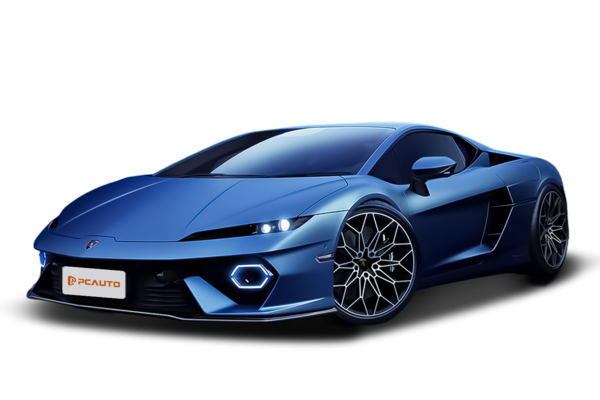
McLaren P1 Loan Calculator
More McLaren Reviews
Cars With Similar Price And Features

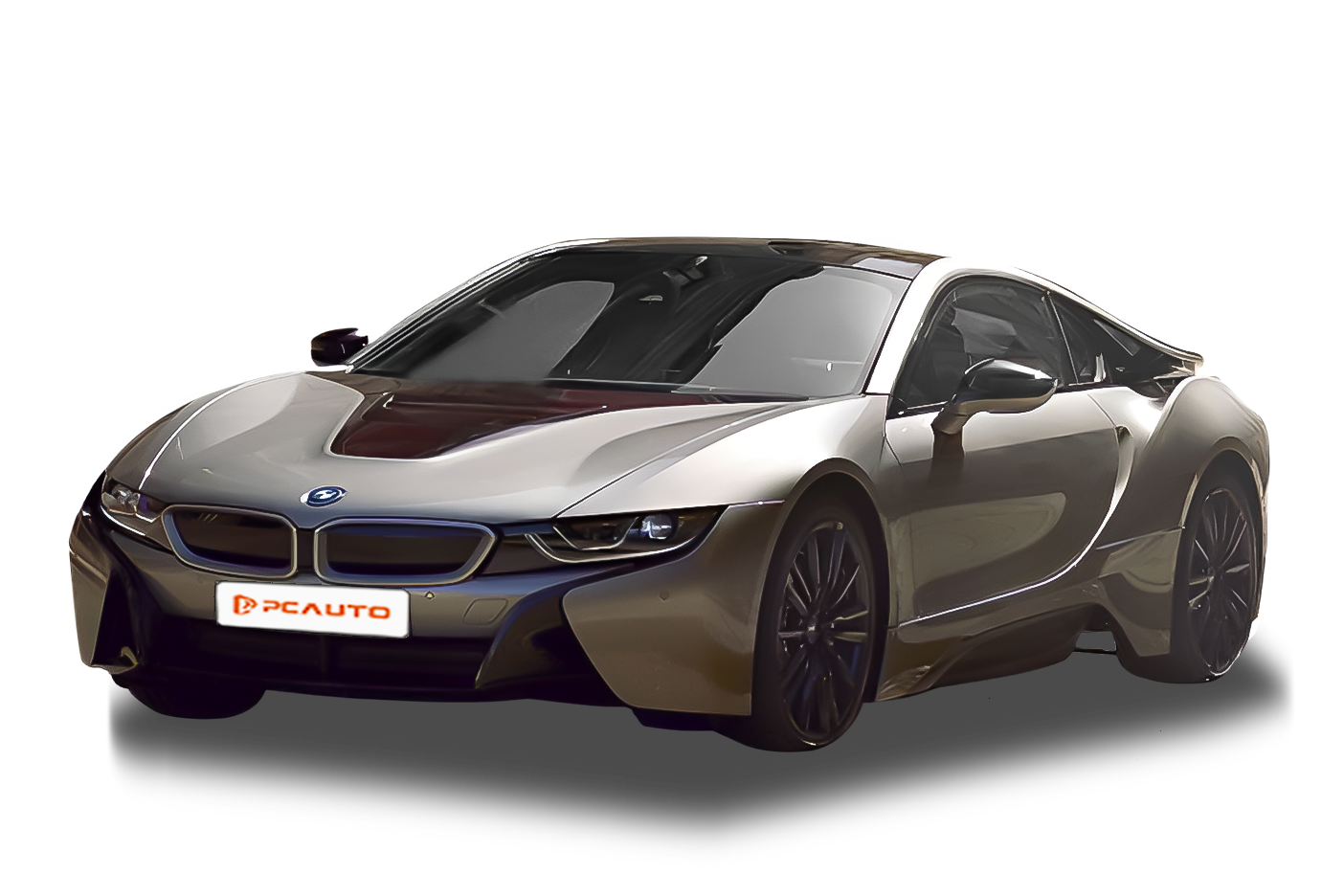
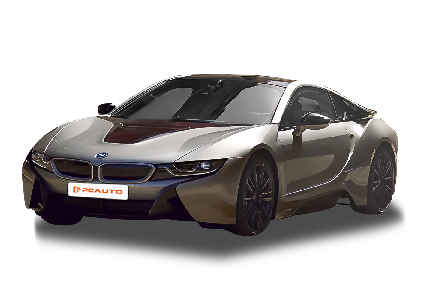
2019 BMW i8 Coupe eDrive is a luxury sports car with futuristic design and plug-in hybrid performance, meeting personalized and eco-friendly travel needs with technological features and agile handling.
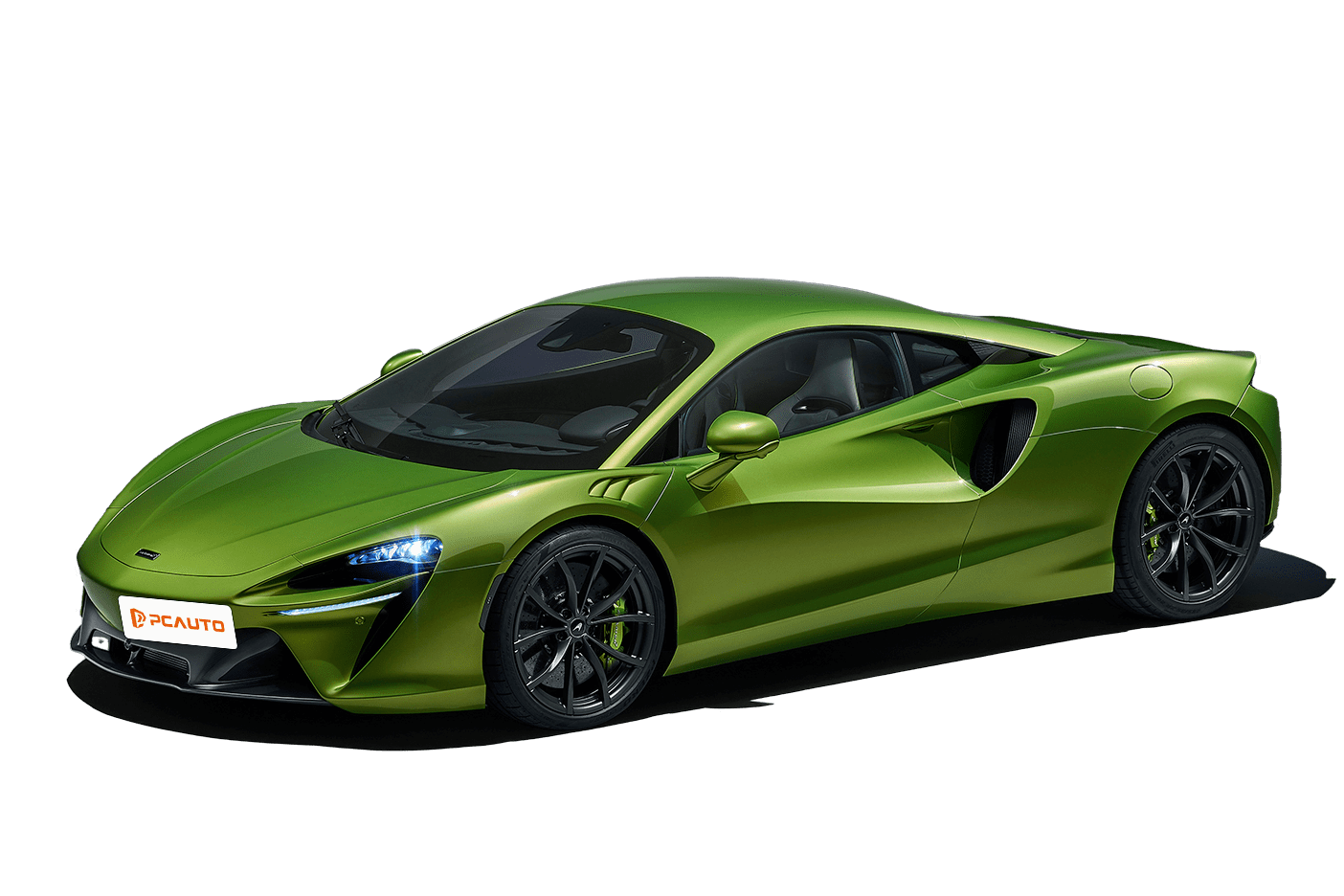
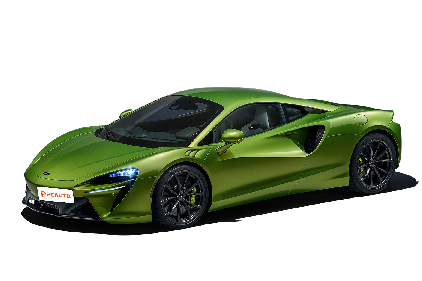
2024 McLaren Artura Spider is a convertible supercar that combines 700PS hybrid performance with daily practicality, featuring a hardtop convertible that is easy to operate, excellent handling, and fuel-efficient.
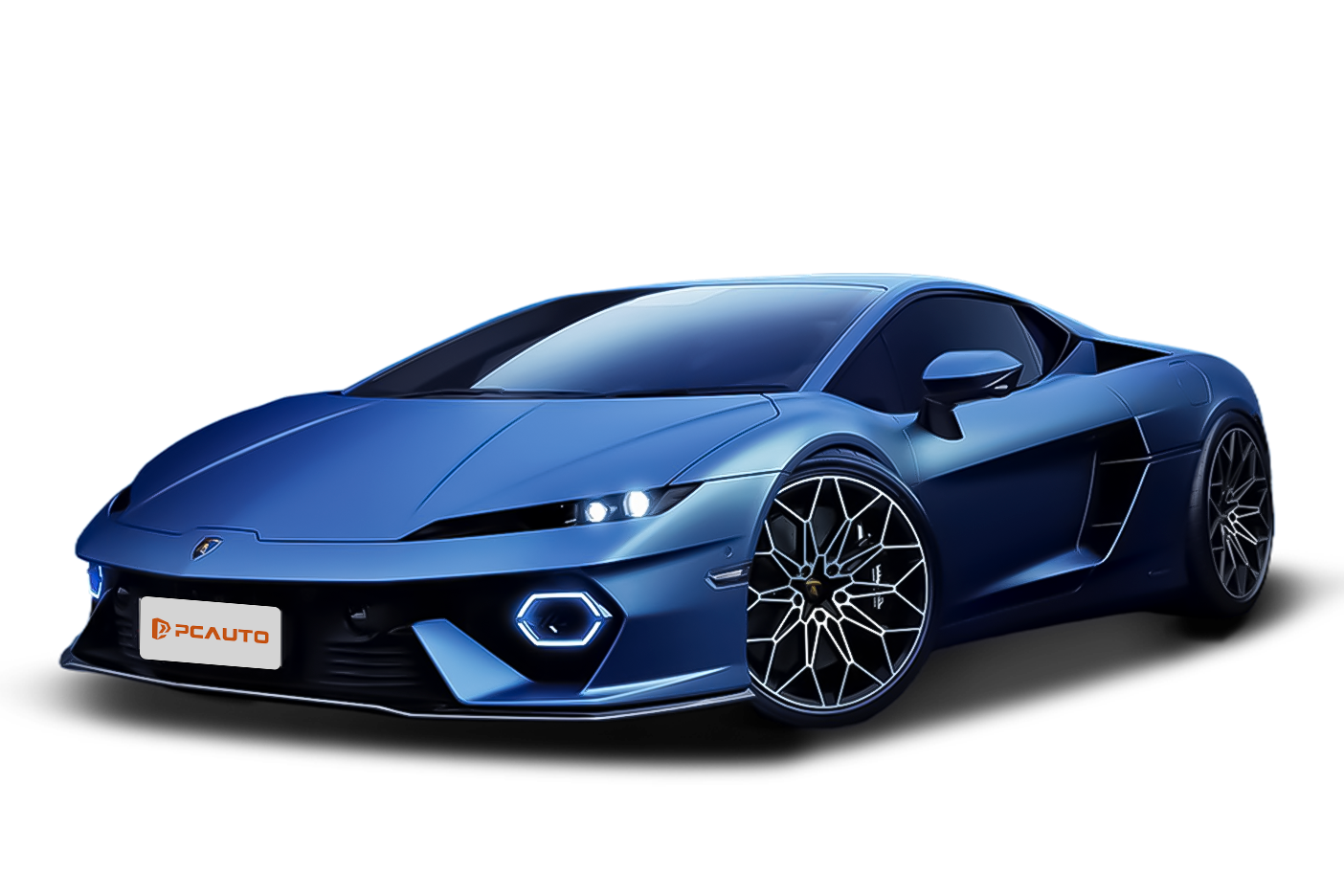
2025 Lamborghini Temerario is a mid-engine rear-wheel-drive hybrid supercar that combines extreme performance with everyday versatility, 920Ps combined power + 2.7 seconds to accelerate from 0 to 100 km/h, and also offers 3.5 kilometers of pure electric range.