

2023 McLaren P1 3.8L V8 Review

 Share
Share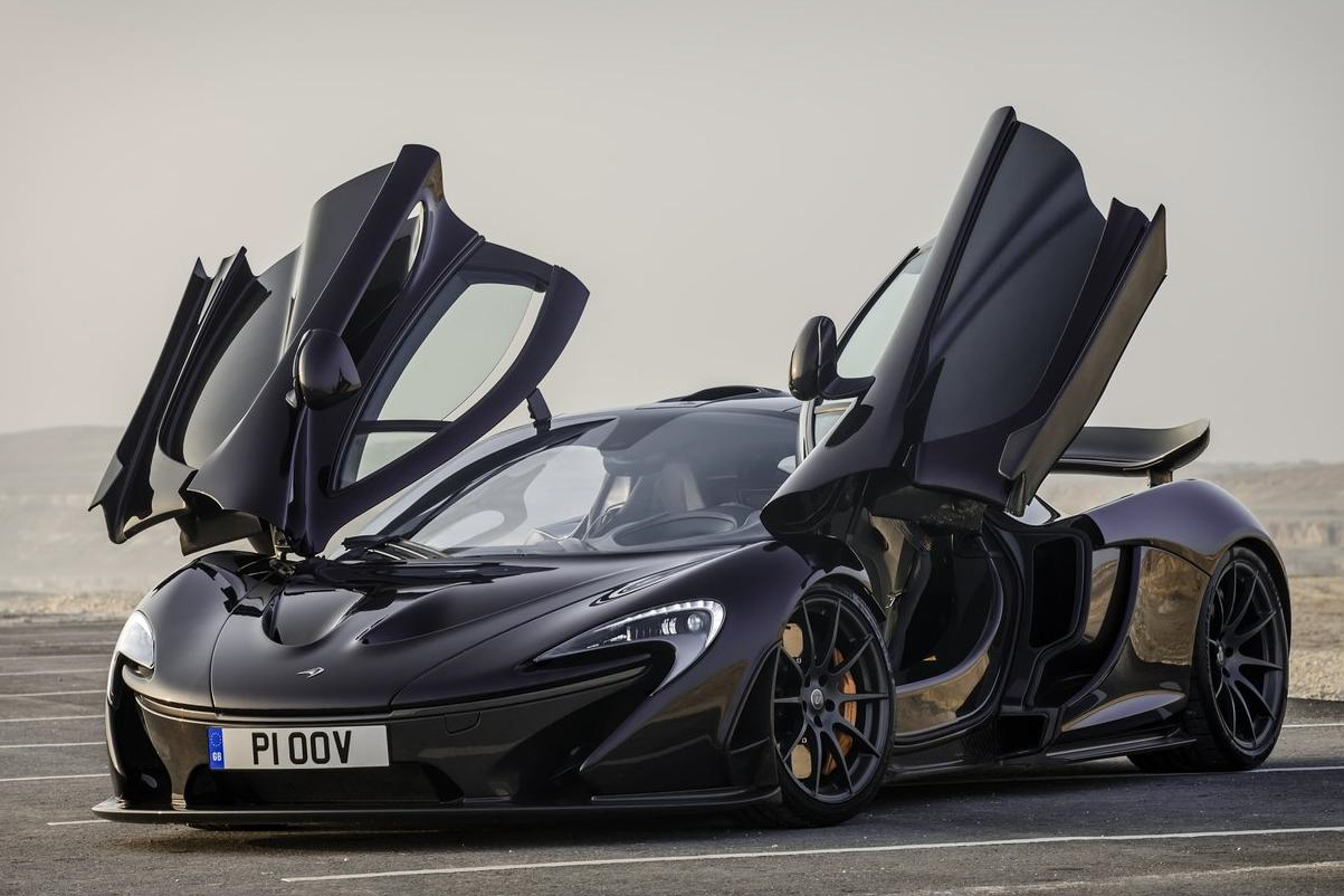
 Segment
 Body Type
 Capacity(L)
 Engine Power(PS)
 Transmission
 Driven Wheels
The supercar market in 2023 continues to focus on high performance and technological innovation. As an iconic model of McLaren's hybrid supercars, the P1, with its 916 horsepower hybrid system and carbon fiber body design, remains the focal point for enthusiasts and collectors. This test drive will focus on the P1's actual driving performance, daily practicality, and configuration experience to see if this million-dollar supercar can truly balance track performance with road usability.
From the exterior perspective, the P1's design is entirely geared toward aerodynamics. The front is low and sharp, with a large air intake grille complemented by slender LED headlights on both sides, giving it a highly recognizable look. The body side lines are smooth, with a waistline extending from the A-pillar to the rear, which not only enhances the muscular feel but also guides airflow. The active rear spoiler is a design highlight, capable of automatically adjusting its angle based on speed, working together with the diffuser below to enhance high-speed stability. The overall style is aggressive and full of a sense of attack, fitting the positioning of a supercar.
Sitting inside, the first impression is simplicity yet not plainness. The interior is mainly composed of carbon fiber and Alcantara materials, with solid craftsmanship and outstanding texture. The center console layout is compact, with an 8-inch touchscreen in the center, featuring a clear operation logic and fast responsiveness. The flat-bottomed steering wheel incorporates multifunction buttons and paddle shifters, providing a solid grip. In terms of features, the HUD head-up display, digital dashboard, and electrically adjustable seats come as standard, with the addition of a 220V power outlet significantly enhancing convenience for long-distance driving. However, the limited vehicle structure restricts storage space to some extent, with only the front cup holders and central armrest box accommodating small items.
Regarding space performance, as a two-door, two-seater sports car, the P1 has a wheelbase of 2670mm, offering ample front-row seating space. A 180cm tall driver can still have some headroom and legroom after adjusting the seat. The seats provide excellent support, and the electric adjustment function ensures a precise and comfortable seating position. There are no rear seats, and the trunk capacity is minimal, accommodating only one carry-on suitcase. The daily practicality is indeed limited, making it more suitable for short trips for two people or track driving.
The powertrain is the core advantage of the P1. The 3.8L V8 twin-turbocharged engine, paired with a rear electric motor, delivers a combined output of 916 horsepower and 900 Nm of torque, matched with a 7-speed DCT gearbox. In sports mode, the startup response is extremely quick, achieving 0-100km/h acceleration in just 2.8 seconds, with a strong and continuous push-back feeling. Mid-to-high-speed acceleration remains swift; when overtaking at speeds above 120km/h, pressing the accelerator provides instant power feedback. Even in normal mode, the power output is sufficiently smooth, suitable for everyday road driving.
The handling performance is equally impressive. The front double-wishbone independent suspension is paired with a rear double-wishbone structure, offering a setup that leans toward firmness but is highly resilient. When cornering, the body roll is minimal, and the steering wheel is precise with virtually no dead zone, clearly transmitting road information. While handling bumpy roads, the suspension quickly filters out fine vibrations, achieving a level of comfort remarkable for a supercar, though still not on par with a luxury sedan. The braking system features ceramic ventilated discs, with linear and strong braking power, achieving a 100-0km/h braking distance of less than 30 meters, inspiring utmost confidence.
In terms of fuel consumption, the official combined fuel consumption is 8.1L/100km. During actual driving, if mainly used for urban commuting, the fuel consumption is about 12-15L/100km; during highway cruising, it can drop to 8-9L/100km. The electric assistance of the hybrid system at low speeds does effectively reduce fuel consumption. Noise control performs well, with tire noise and wind noise not being significant below 80km/h. At higher speeds, wind noise increases slightly but remains within an acceptable range.
Compared to competitors in the same class like Ferrari LaFerrari and Porsche 918 Spyder, the P1's advantage lies in its more balanced performance and relatively more affordable price (though still in the million-dollar range). In terms of configuration, it comes standard with safety systems such as lane-keeping assist and active braking, making it more convenient for daily use. However, in terms of brand premium and collectible value, it is slightly inferior to the other two.
Overall, the McLaren P1 is a hybrid supercar that combines track performance and road practicality very well. It is suitable for players seeking the ultimate driving experience while occasionally needing it for daily commuting, or for collectors who value technological innovation and brand heritage. If you are looking for a car that can perform well on the track while also being a stylish ride to the coffee shop, the P1 would be an excellent choice.
McLaren P1 Car Compare

McLaren P1 Loan Calculator
More McLaren Reviews
Cars With Similar Price And Features

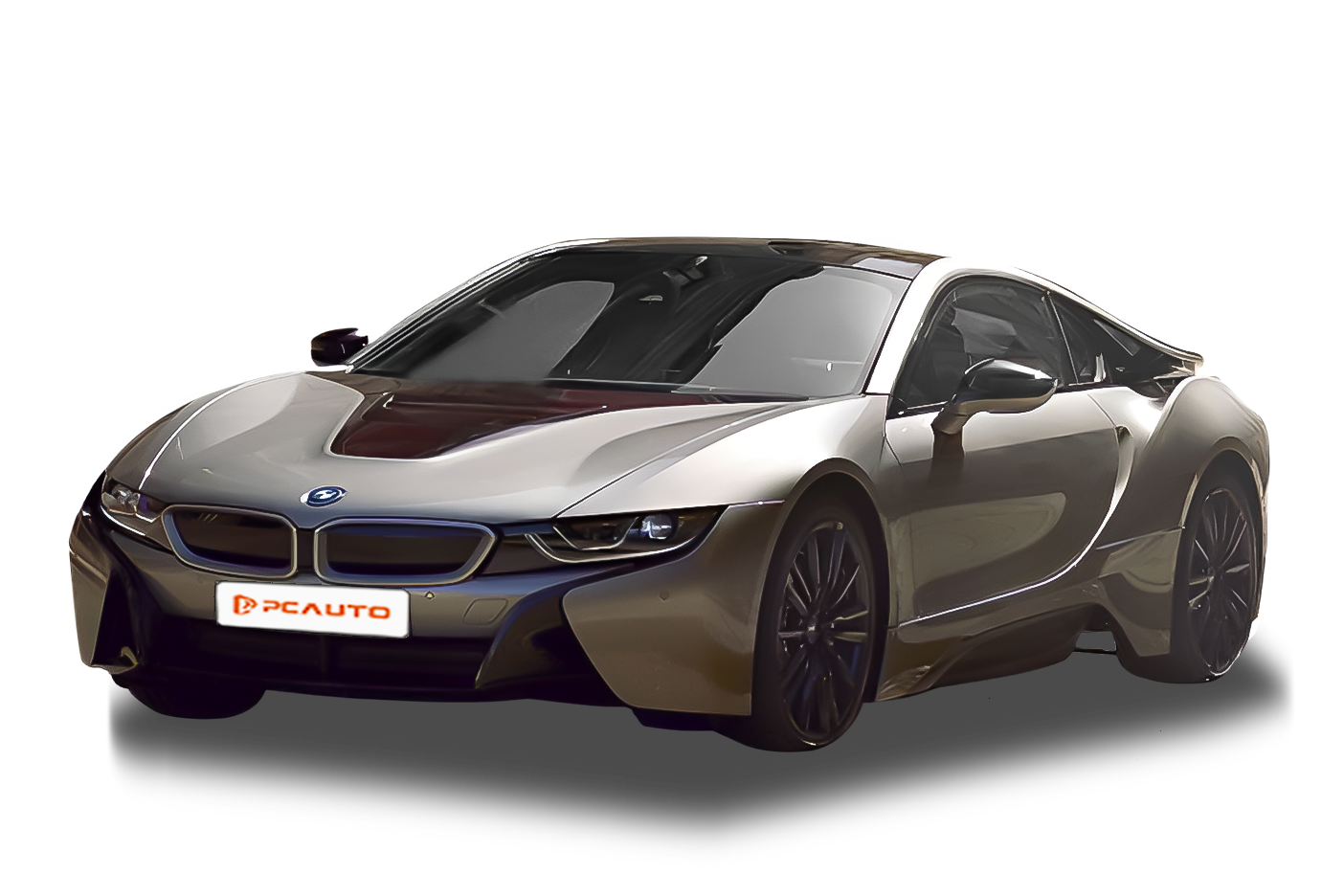
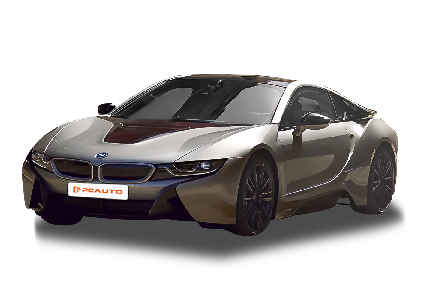
2019 BMW i8 Coupe eDrive is a luxury sports car with futuristic design and plug-in hybrid performance, meeting personalized and eco-friendly travel needs with technological features and agile handling.
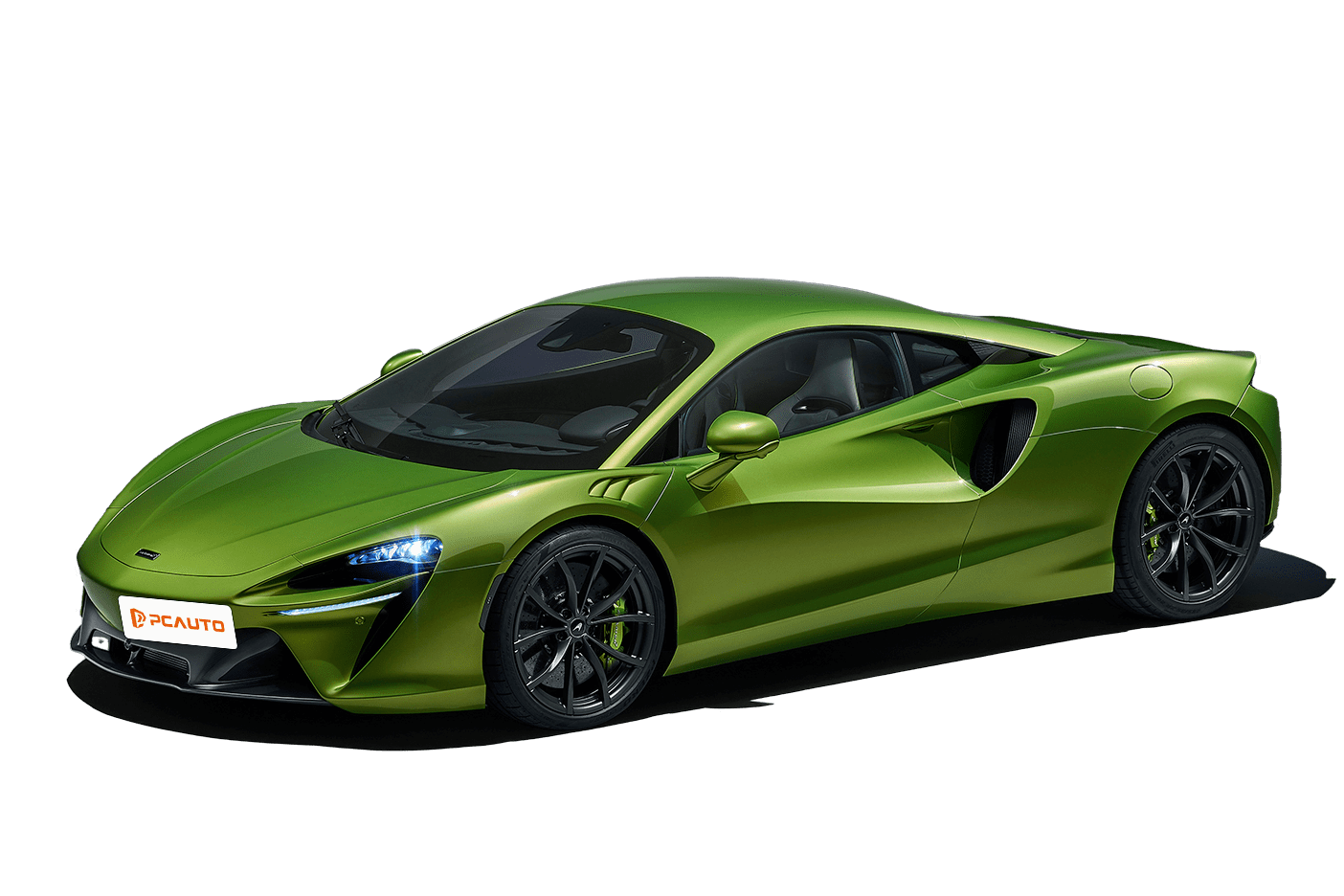
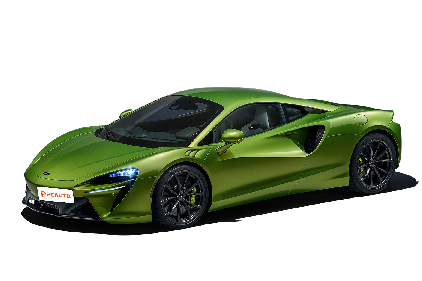
2024 McLaren Artura Spider is a convertible supercar that combines 700PS hybrid performance with daily practicality, featuring a hardtop convertible that is easy to operate, excellent handling, and fuel-efficient.
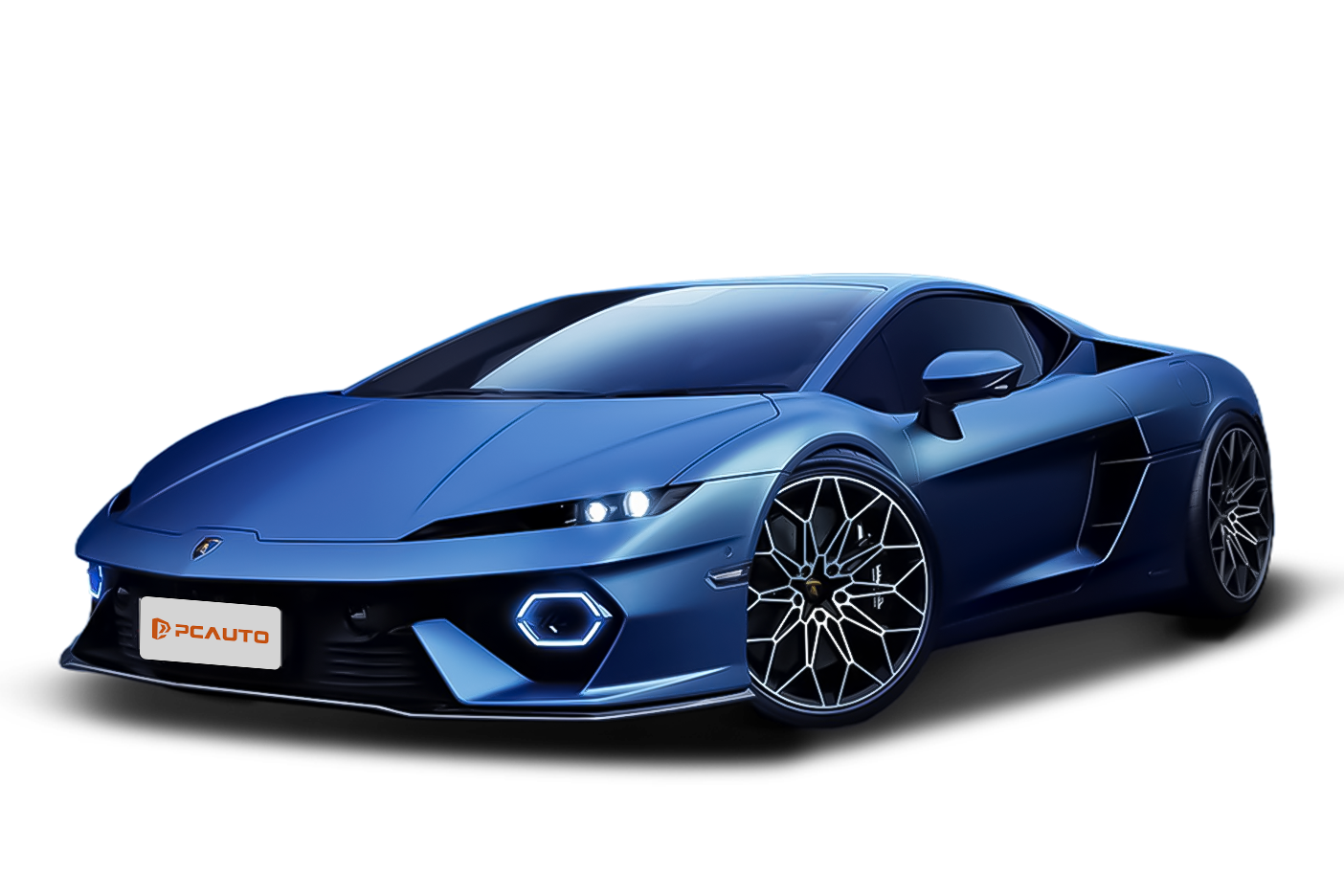
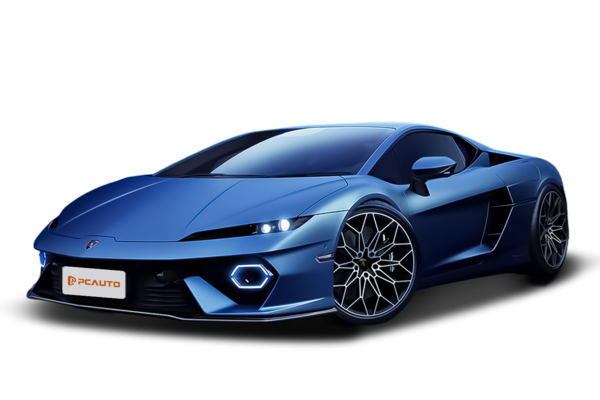
2025 Lamborghini Temerario is a mid-engine rear-wheel-drive hybrid supercar that combines extreme performance with everyday versatility, 920Ps combined power + 2.7 seconds to accelerate from 0 to 100 km/h, and also offers 3.5 kilometers of pure electric range.