

MG Cyberster Review

 Share
Share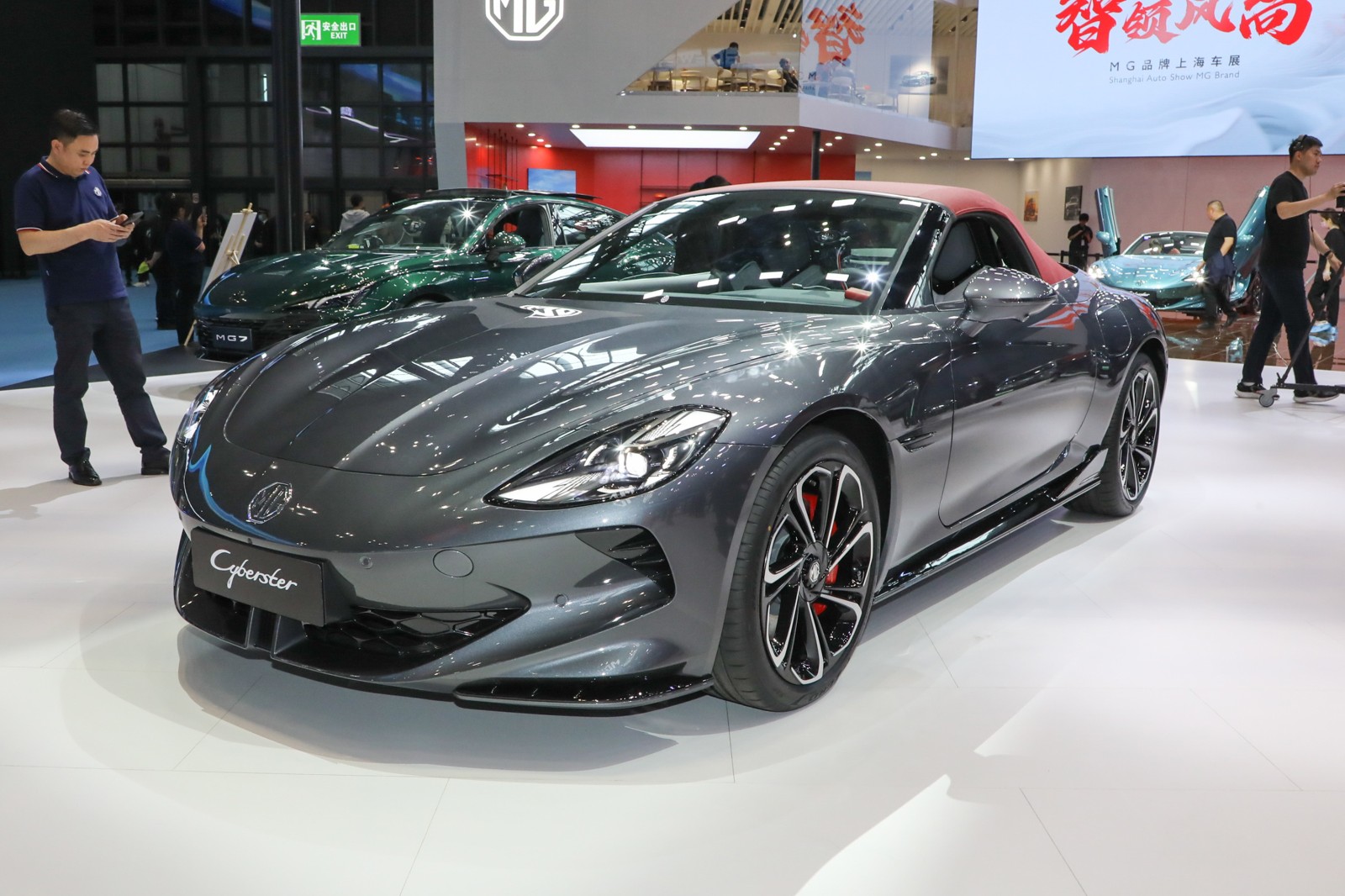
 Segment
 Body Type
 Motor Output(kW)
 Motor Torque(Nm)
 EV Range(km)
 Battery Capacity(kWh)
In recent years, Malaysia's market for pure electric sports cars has been heating up, with a notable increase in consumer demand for electric two-door models that combine performance and daily practicality. The MG Cyberster is precisely aimed at this niche market of pure electric sports cars. With an official acceleration time of 3.2 seconds from 0 to 100 km/h, a dual-motor four-wheel-drive layout, and its brand-new status as a late 2024 model, it has become a focal point among performance car enthusiasts. In this test drive, we aim to verify whether its performance data holds up in real-world experience, while also assessing its feasibility as a daily commuting tool, to see if this sports car can balance both excitement and practicality.
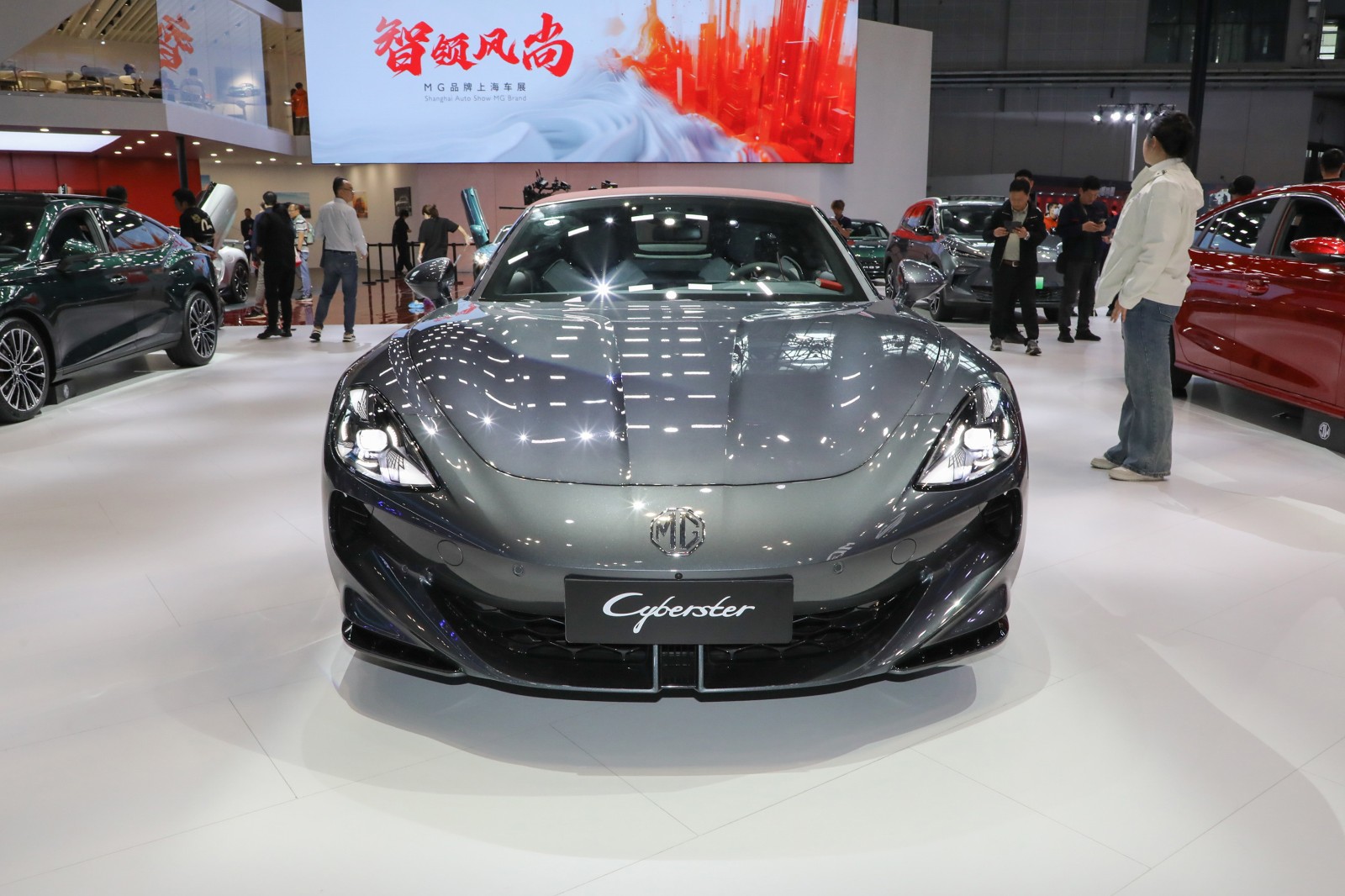
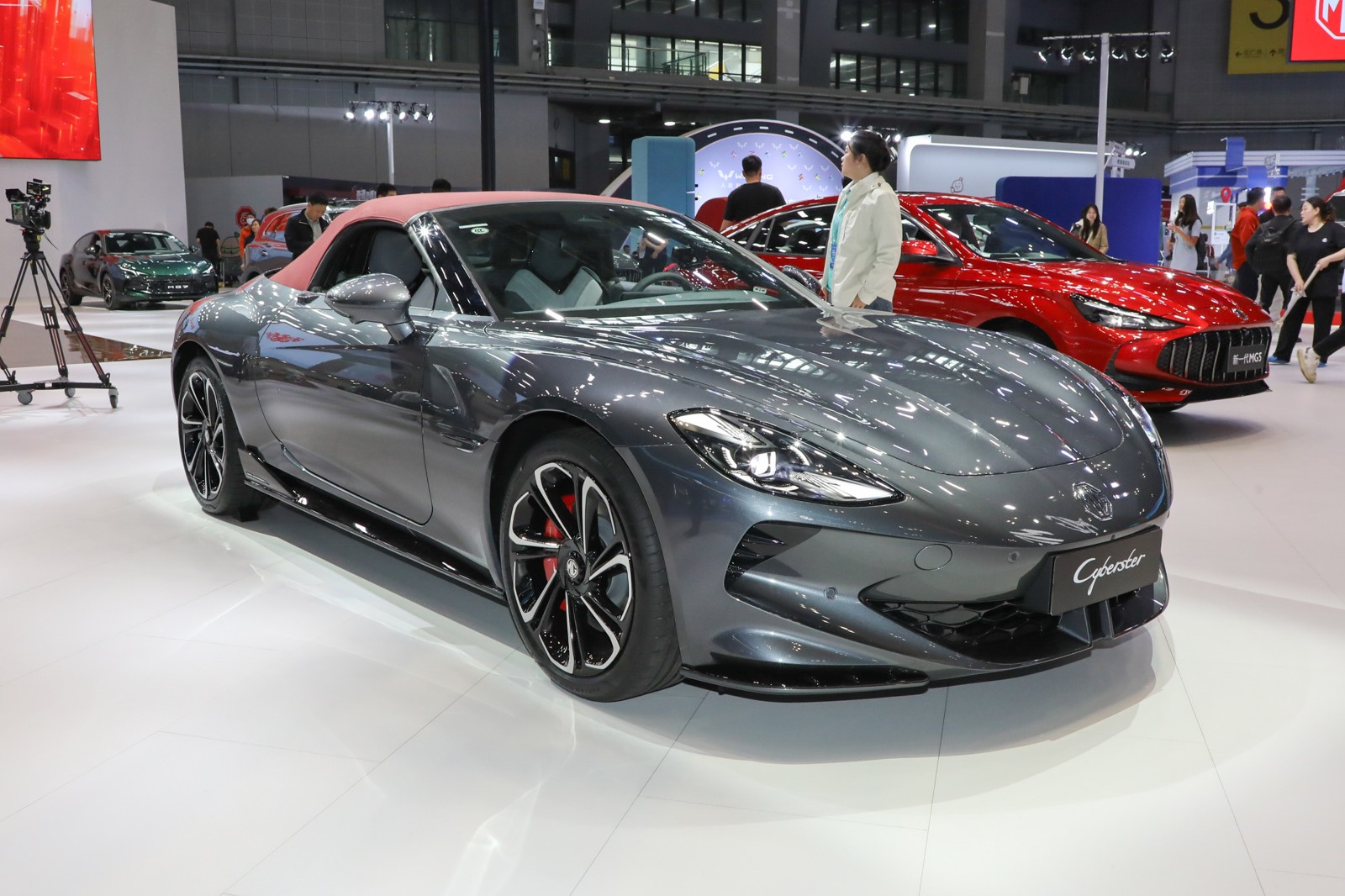
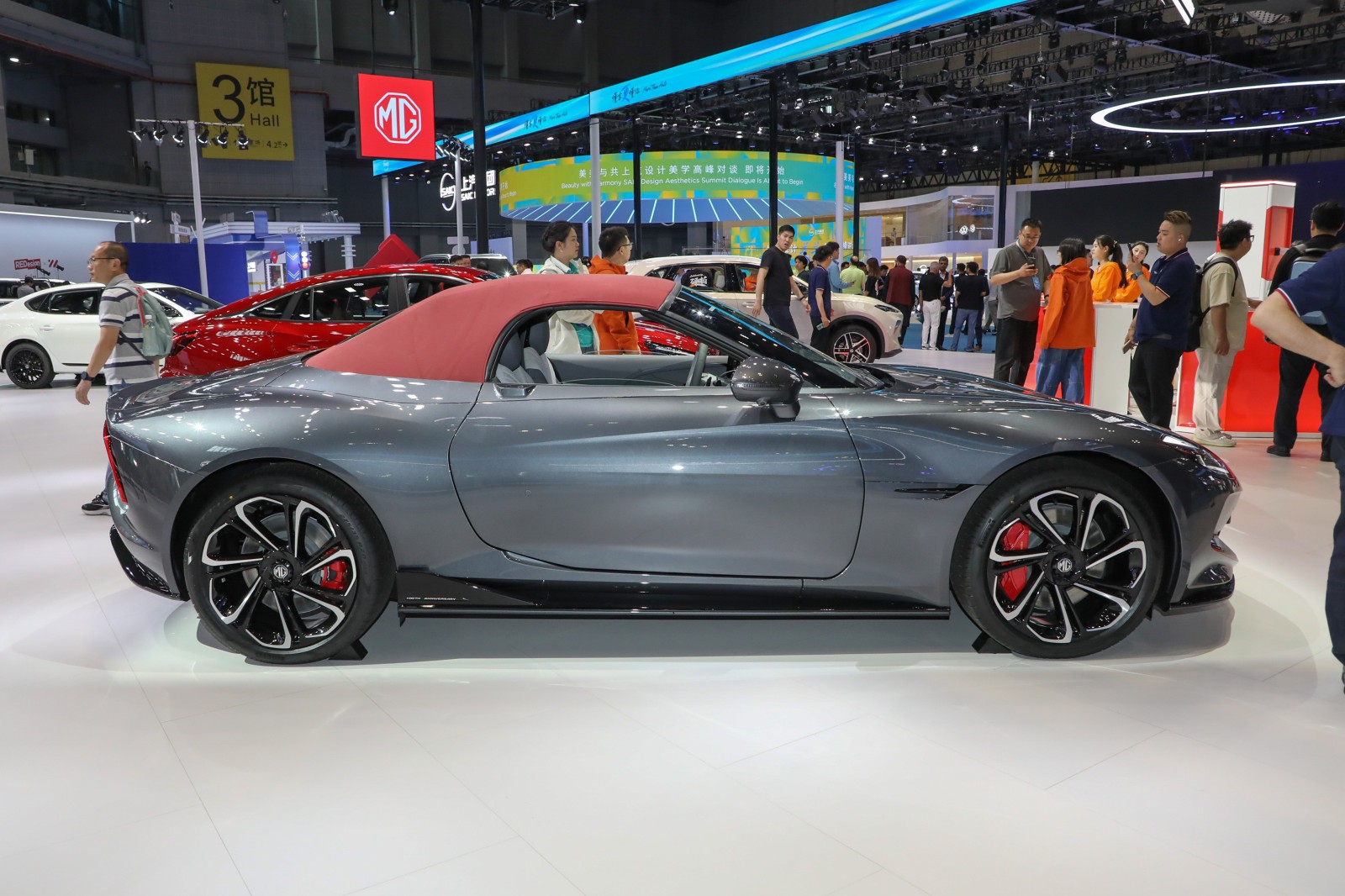
From the exterior, the MG Cyberster features the low-slung stance of a classic two-door sports car, with smooth and aggressive lines throughout the body. At the front, the closed-off grille with a smoked finish is paired with slim LED daytime running lights, offering high recognition; the large air intakes on both sides of the front bumper not only enhance the sporty look but also provide cooling for the motor and battery system. On the sides, the sleek body, with a height of only 1.329 meters and 20-inch two-tone wheels, further enhances the visual tension of the sports car. The front and rear wheels are fitted with 245/40 R20 and 275/35 R20 wide tires, which promise excellent grip. The rear design is equally simple yet powerful, with the dynamic effect of the full-width LED taillights when illuminated. A diffuser below and decorative dual exhaust tips (purely for aesthetics, as this is an electric vehicle) continue the design language of a performance car.
Upon entering the interior, the cabin of the Cyberster adopts a wrap-around design, with extensive use of Alcantara materials and leather upholstery that enhances the overall texture. The center console is equipped with a 7-inch touchscreen; although not large, it offers a clear operation logic. Some physical buttons are retained below, which is convenient for tactile operation while driving. The instrument panel consists of a 10.25-inch main screen flanked by two 7-inch side screens, displaying information such as speed, range, and driving modes, with an intuitive interface layout. For seats, the front features sporty bucket seats with six-way electric adjustment and lumbar support, providing moderate cushioning that does not feel restrictive even during extended drives. In terms of storage space, the cup holders under the center console and the central armrest box can accommodate daily small items, while the 249-liter trunk can hold two carry-on suitcases, which exceeds expectations for a two-door sports car in terms of practicality.
In terms of performance, the Cyberster is equipped with front and rear permanent magnet synchronous motors, delivering a combined system output of 375 kW (503 PS) and a maximum torque of 725 N·m. Officially, it accelerates from 0 to 100 km/h in just 3.2 seconds. In actual driving, switching to sport mode and pressing the accelerator deeply immediately delivers a strong push-back sensation, with nearly no delay in power response. Overtaking requires only a light press of the accelerator, and high-speed acceleration capacity is also abundant. In standard mode, the power delivery is smoother and more linear, suitable for daily commutes. The chassis features a front double-wishbone and rear five-link independent suspension setup, tuned towards sporty handling without compromising comfort. The body roll is well-controlled during cornering, and the steering wheel is precise without noticeable slack. When driving over speed bumps or uneven roads, the suspension effectively absorbs vibrations, preventing sharp impacts from being transferred to the cabin.
In terms of range performance, the official CLTC pure electric range is 446 kilometers. During our real-world test under mixed road conditions (60% urban roads + 40% highways), with the economy mode enabled and regenerative braking set to medium, the range realization rate was approximately 85%, meaning the actual distance covered on a full charge is around 380 kilometers. Fast charging from 30% to 80% takes only 38 minutes, while slow charging requires 10.5 hours, which aligns with the charging efficiency of electric vehicles in this class. In terms of comfort, the overall sound insulation of the vehicle is excellent, and the electric motor noise is almost inaudible at speeds below 80 km/h. Wind and tire noise at highway speeds are also kept within acceptable levels. The regenerative braking system is adjustable in three levels, and the drag effect at the highest level is not obvious, making it suitable for daily driving.
The core advantage of the MG Cyberster lies in its balance between performance and practicality. With an acceleration time of 3.2 seconds, it rivals fuel-powered sports cars in the same price range. Meanwhile, its 249-liter trunk and relatively comfortable suspension tuning allow it to meet daily commuting needs. Compared to competitors in the same class, such as the Porsche 718 Electric Edition (not yet launched in Malaysia), the Cyberster is more competitively priced and comes standard with features like Bose audio and a 360-degree panoramic camera. Overall, this car is suitable for two types of consumers: young buyers who pursue performance but also need a car for daily commuting, and sports car enthusiasts wanting to experience electric vehicles. If extreme track performance is not a requirement, the Cyberster is a pure electric sports car that balances excitement and practicality.
