

MINI 3 Door 2025 Review

 Share
Share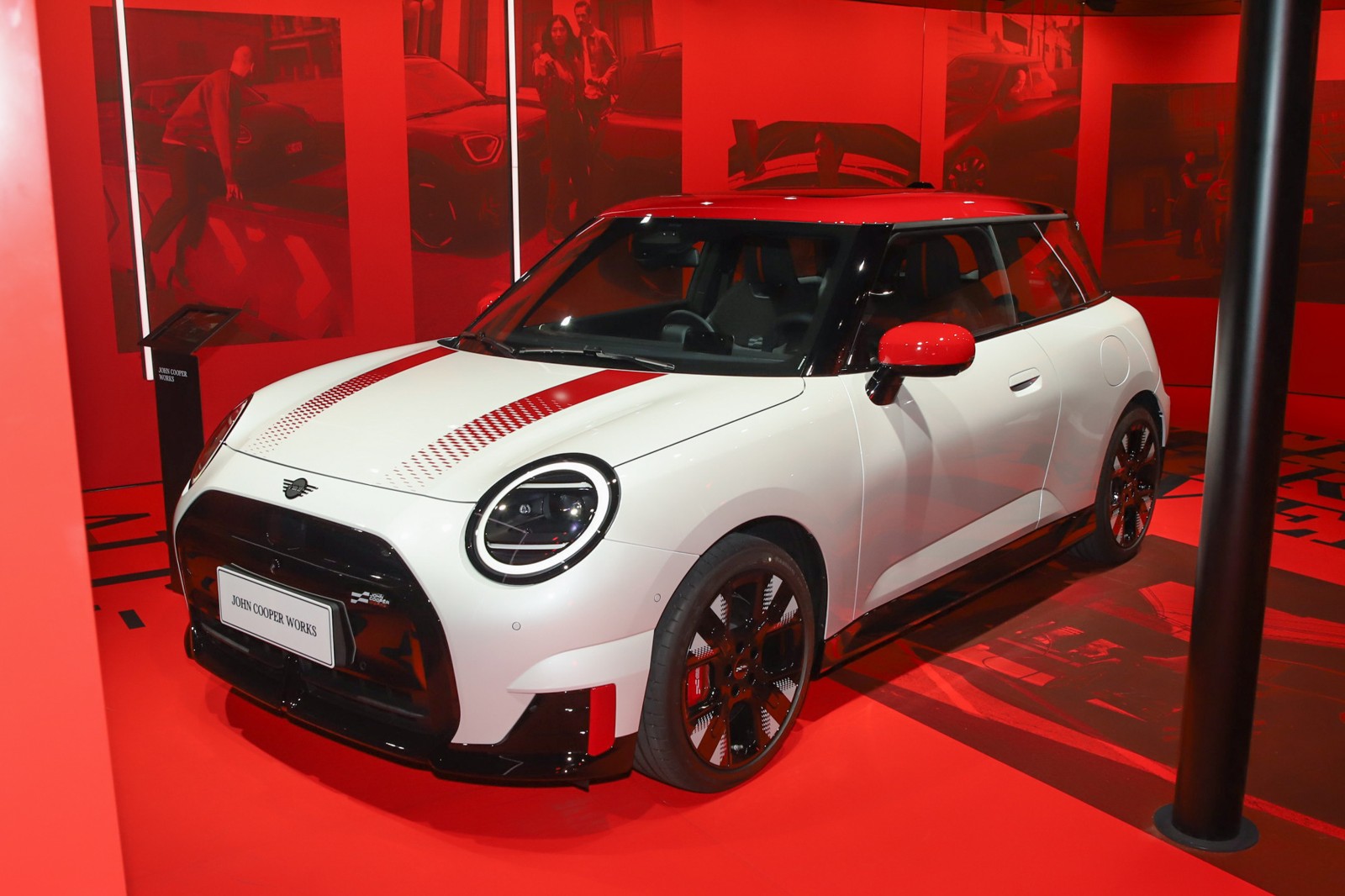
 Segment
 Body Type
 Motor Output(kW)
 Motor Torque(Nm)
 EV Range(km)
 Battery Capacity(kWh)
As the wave of electrification sweeps through the B-segment sedan market, more and more consumers are looking for a balance between performance and environmental consciousness—they want MINI's iconic driving pleasure without compromising on everyday commuting efficiency. The 2025 MINI 3 Door John Cooper Works Electric (hereafter referred to as JCW Electric) was born to meet such demands. It achieves faster acceleration than its petrol-powered counterparts through pure electric driving while retaining the sporty DNA of the JCW series. This test drive focuses on verifying whether MINI's first pure electric JCW model can simultaneously meet performance enthusiasts' expectations for handling and family users' practical needs.
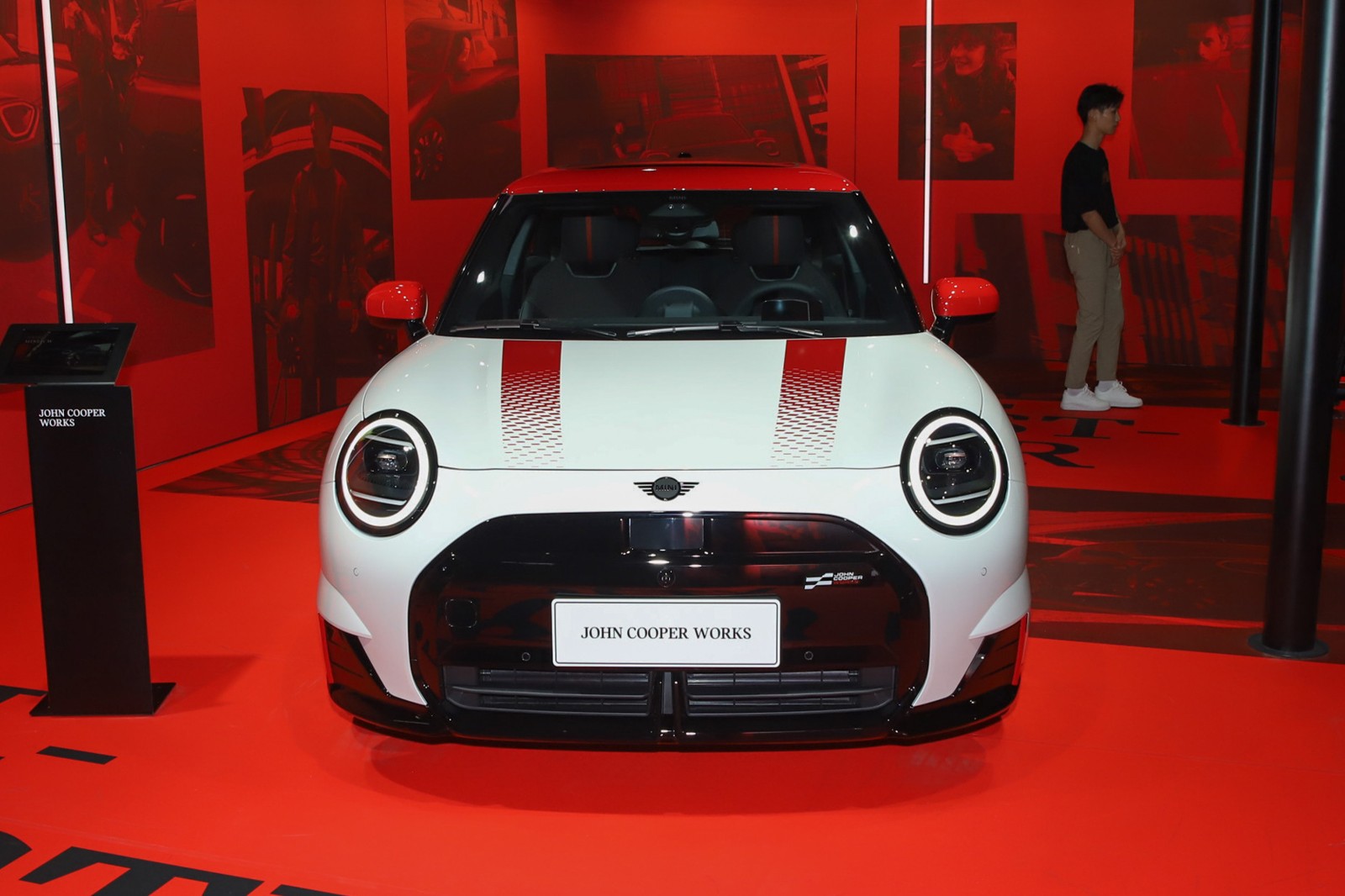
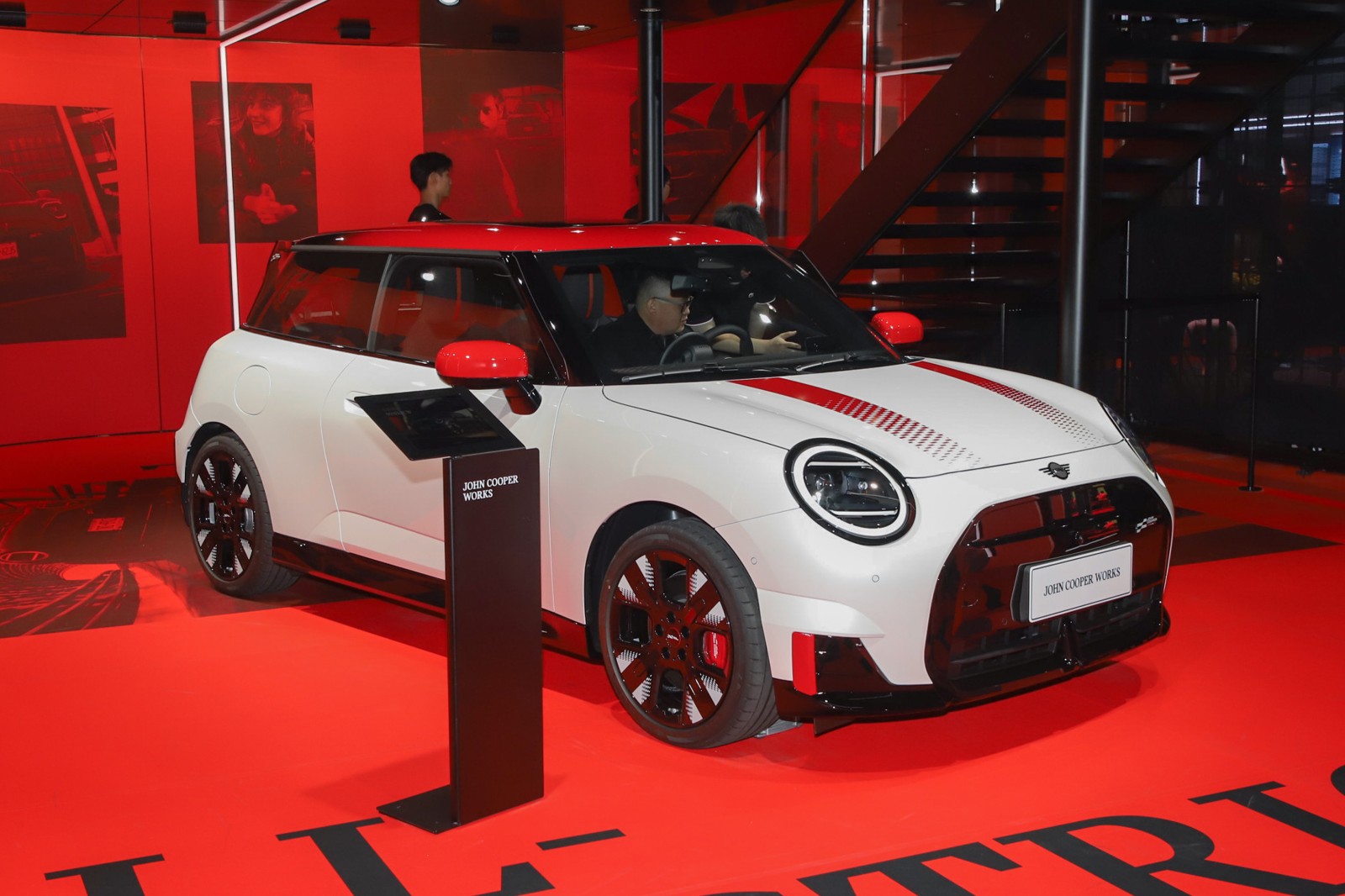
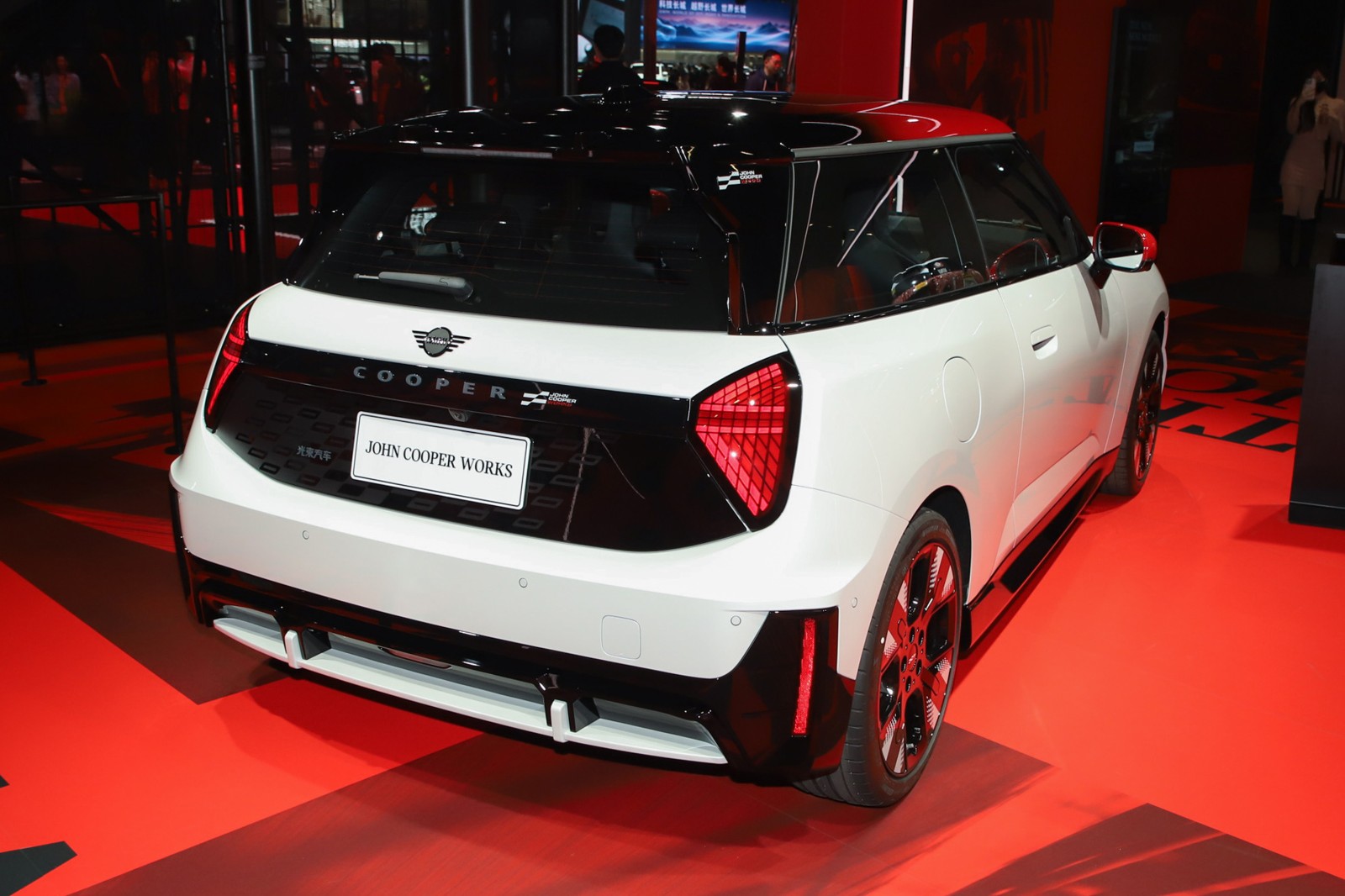
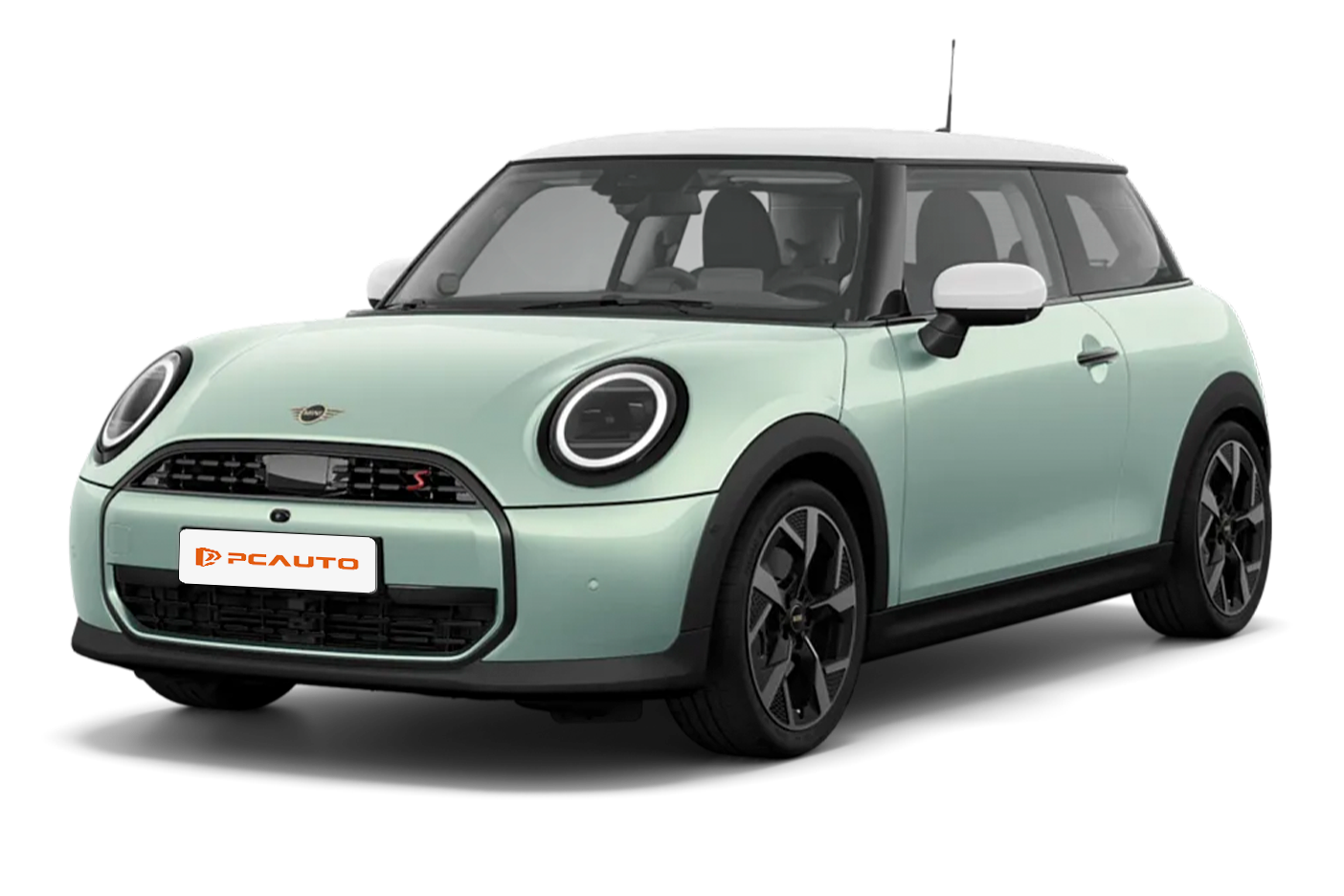
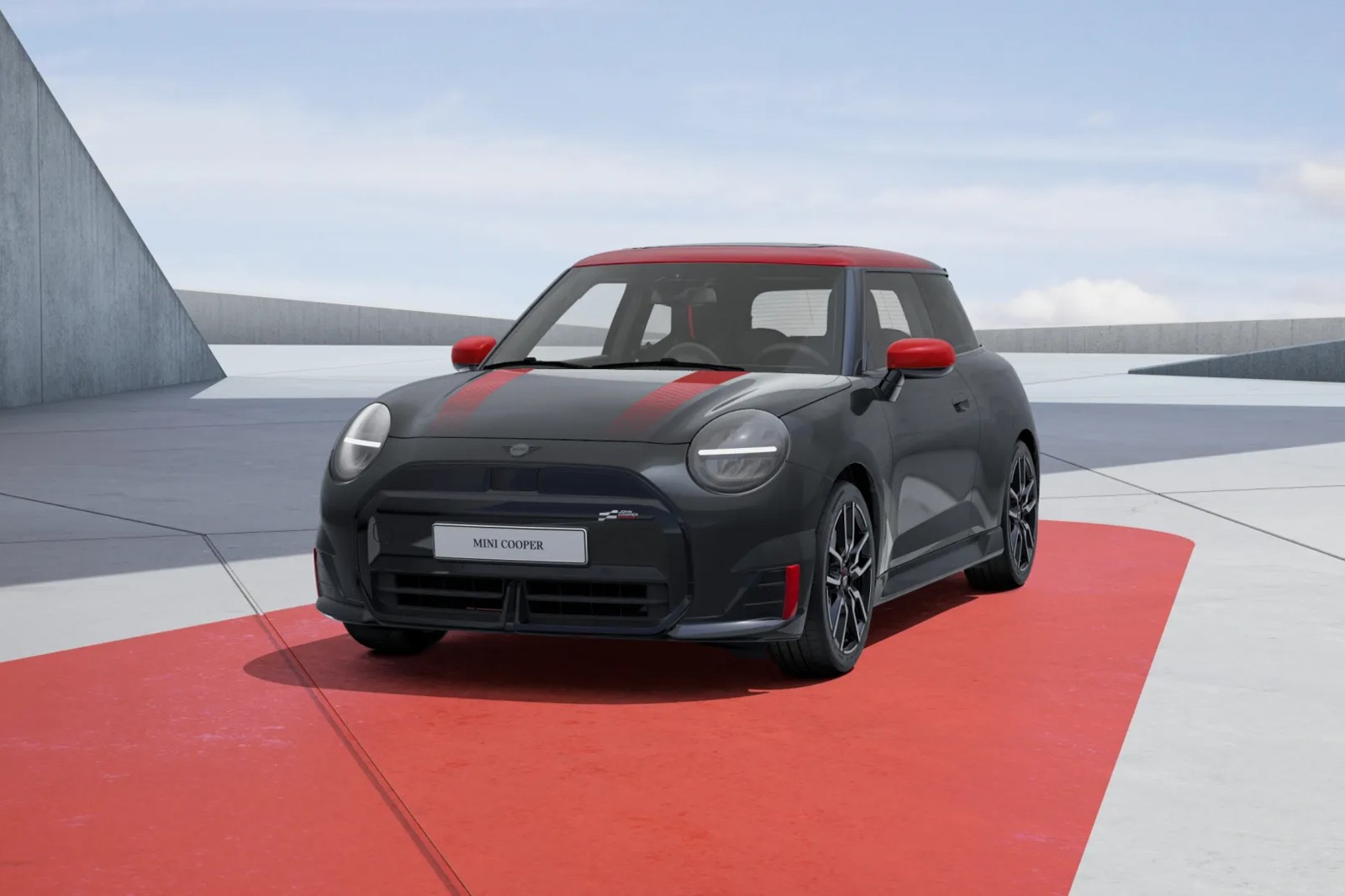
The JCW Electric's exterior continues MINI's classic retro hatchback silhouette, but the electric-specific details stand out. The circular LED headlights on the front feature blue accents inside, while the honeycomb-style closed grille retains the sporty trim of the JCW series. A red strip under the front lip highlights the performance attributes. The side profile of the car remains compact, with a 3858mm length paired with 18-inch dual five-spoke wheels, maintaining its harmonious proportions. At the rear, the LED taillights adopt a circular design, offering high recognizability when lit, and the shape of the rear bumper's diffuser echoes the sporty front fascia. Overall, it retains MINI's signature design while incorporating distinctive electric elements, making it stand out in traffic.
Inside the car, the JCW Electric's interior maintains MINI's consistent minimalist style, but the materials and configuration are more upscale. At the center of the dashboard is a 10.25-inch OLED circular touchscreen with excellent responsiveness, supporting wireless CarPlay and Android Auto; a HUD head-up display system comes standard, allowing the driver to view speed, navigation, and other information without looking down. The seats are a leather and Alcantara material combination, with the front seats offering electric adjustments and good support, ensuring comfort during long drives. In terms of storage space, the front door panels can hold two 500mL bottles of water, while the center armrest storage box is small but sufficient for loose items. The rear seats support a 60:40 split-fold, expanding the trunk space from 210L to 720L, which is sufficient for the occasional large item. Notably, the rear comes equipped with air conditioning vents and USB-C ports, demonstrating good attention to passenger comfort.
The power performance is the highlight of the JCW Electric. It is equipped with a front-mounted permanent magnet synchronous motor that delivers a maximum power of 190kW (258PS) and a peak torque of 350N·m. The official 0-100km/h acceleration time is 5.9 seconds, faster than the 6.1 seconds of the petrol-powered version in the same series. During daily driving, a light press on the accelerator pedal delivers responsive reactions, with a noticeable push-back sensation during initial acceleration. When switched to Sport Mode, the power output becomes even more direct, with the electric motor instantly unleashing maximum torque upon deep pedal inputs, effortlessly accelerating from 80km/h to 120km/h on the highway. In terms of chassis, the front MacPherson and rear multi-link independent suspension setup is tuned for sportiness, with minimal body roll when cornering. The steering wheel is highly responsive, retaining MINI's distinctive "go-kart" driving feel. However, when passing over speed bumps or uneven roads, the suspension's damping is somewhat stiff, which might feel slightly bumpy for rear passengers.
In terms of range and charging, the JCW Electric is equipped with a 54.2kWh ternary lithium battery, with an official pure electric range of 371km. During our test drive on city roads, with the air conditioning and navigation on, the actual range was around 320km, achieving approximately 86% of the claimed range. On highways cruising at 110km/h, the range dropped to about 280km, with an energy consumption of approximately 17kWh per 100km. In fast-charging mode, it takes just 30 minutes to charge from 30% to 80%, whereas slow charging takes around 5.25 hours. For daily commuting, slow charging is sufficient, while for long-distance trips, fast charging meets the needs. The noise control is excellent, with hardly any wind or tire noise at speeds below 80km/h, and the motor sound is also very faint. Above 100km/h, wind noise slightly increases but does not affect normal conversations.
Compared to vehicles in the same class, the JCW Electric has obvious advantages: it accelerates faster than the fuel-powered JCW, is more richly equipped, yet costs 100,000 MYR less (fuel-powered version priced at RM318,888), offering outstanding value for money. Compared to other B-segment electric hatchbacks, its handling is superior, and MINI's brand appeal is more attractive. However, its rear-seat space is relatively compact; passengers over 180cm tall may find the legroom insufficient, making it more suitable for two people or small family use.
Overall, the 2025 MINI 3 Door JCW Electric is an all-electric vehicle that balances performance and practicality. It retains MINI's driving fun while achieving lower operating costs through electrification, and its features are sufficiently comprehensive. If you're a young person seeking individuality and driving engagement, or if you need an everyday commuting car that occasionally delivers driving pleasure, the JCW Electric would be a great choice—it redefines the sporty genes of the JCW series with pure electric drive and offers a new option in the B-segment car market.
MINI 3 Door Car Compare
MINI 3 Door Loan Calculator
More MINI Reviews
Cars With Similar Price And Features

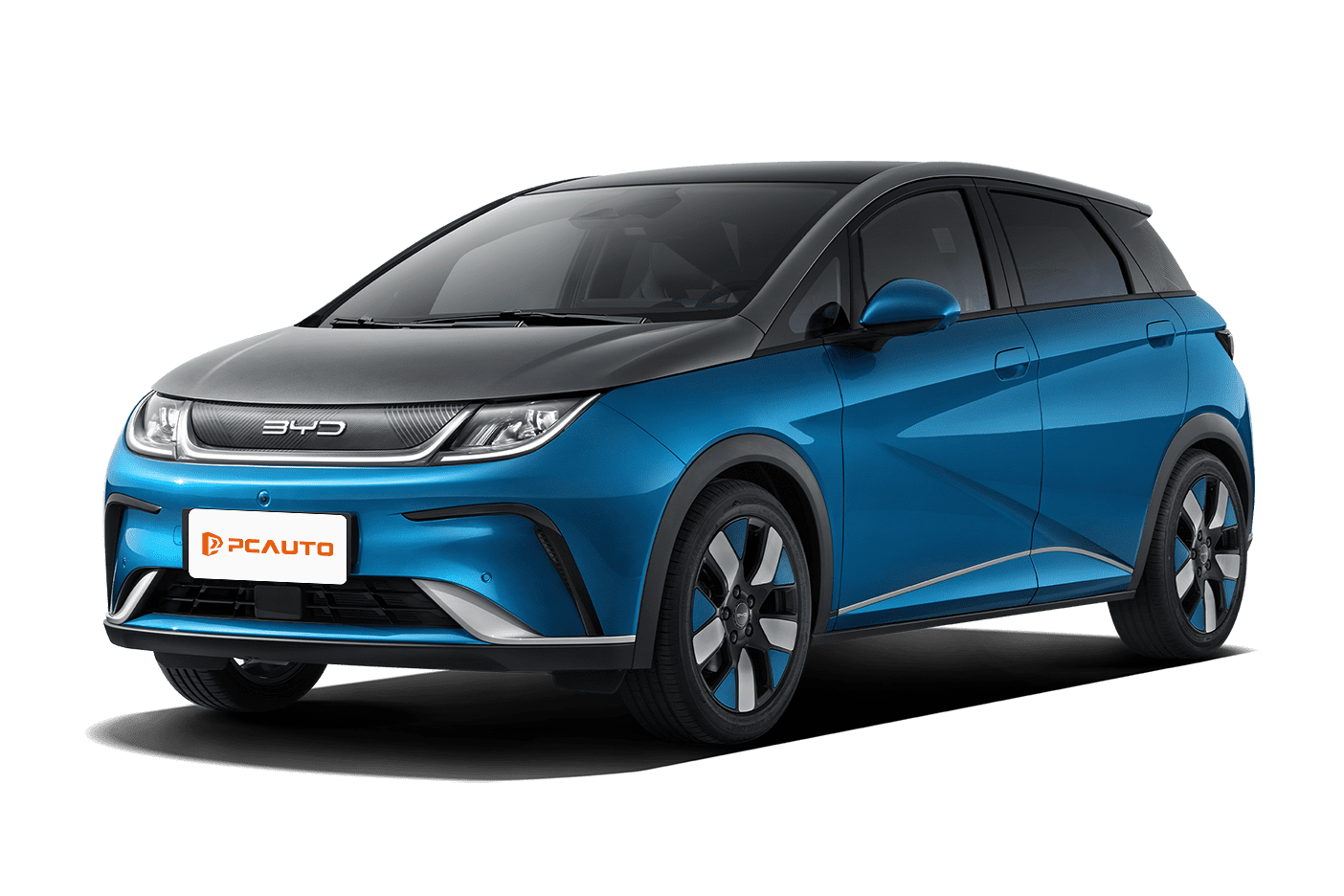
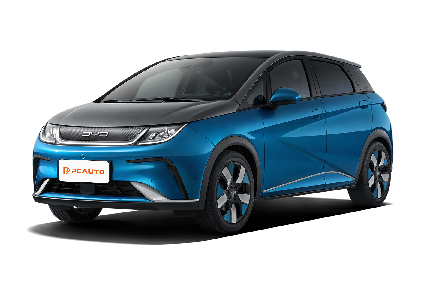
2023 BYD Dolphin Dynamic Standard, as a high-value B-class electric entry-level model, features a 410km range, L2 assisted driving, and a rotatable central control screen, balancing practicality and intelligence, suitable for family commuting.
7
Rank in Hatchback
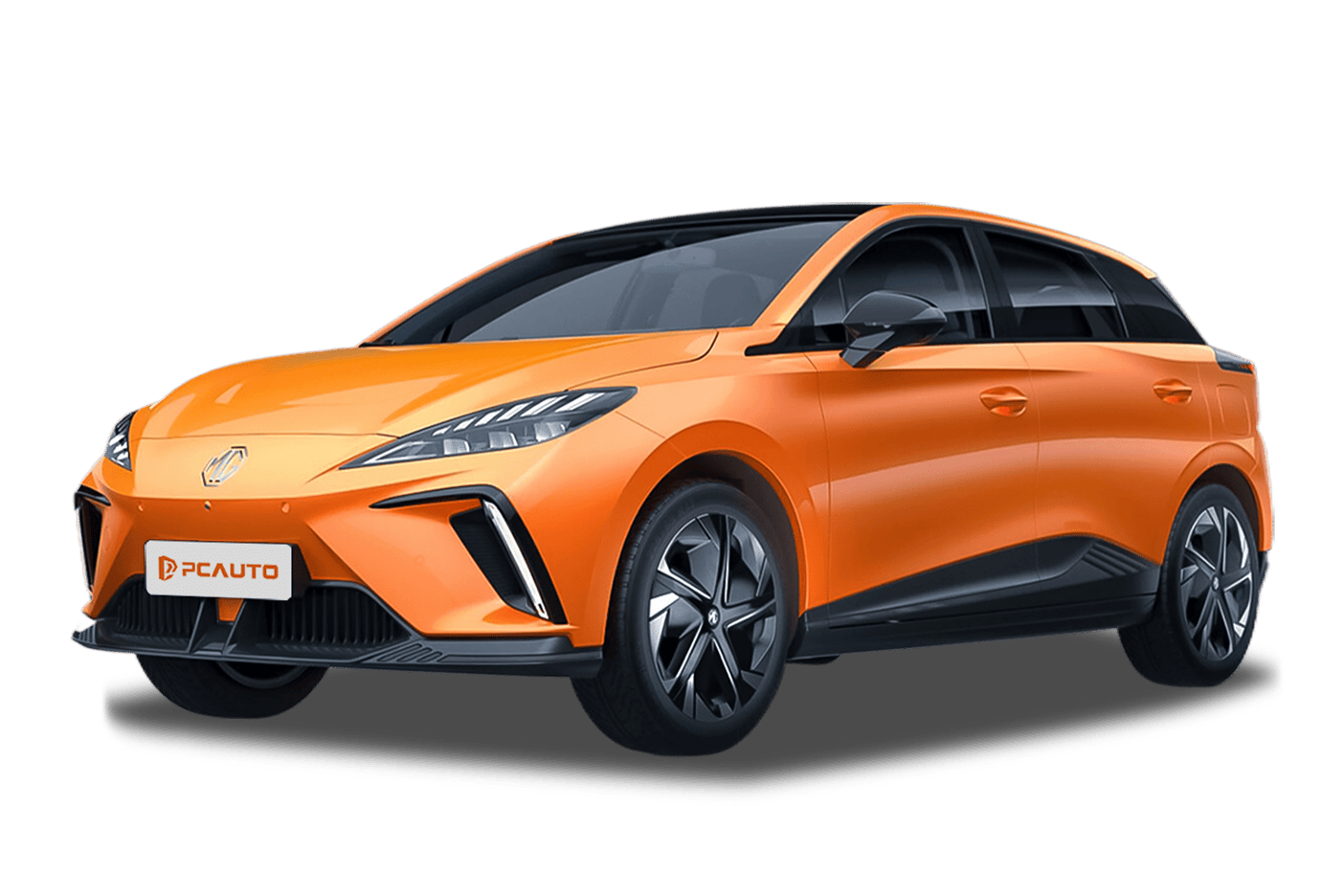
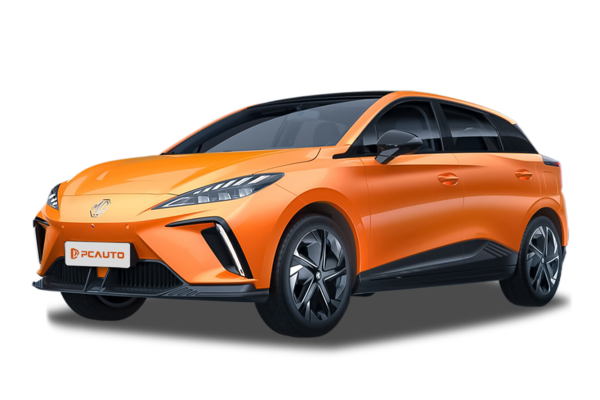
2024 MG4 Standard is a high-value pure electric hatchback, featuring a long wheelbase with spacious interior, comprehensive basic configurations, and rear-wheel-drive driving characteristics, designed to meet the core needs of family commuting.
11
Rank in Hatchback
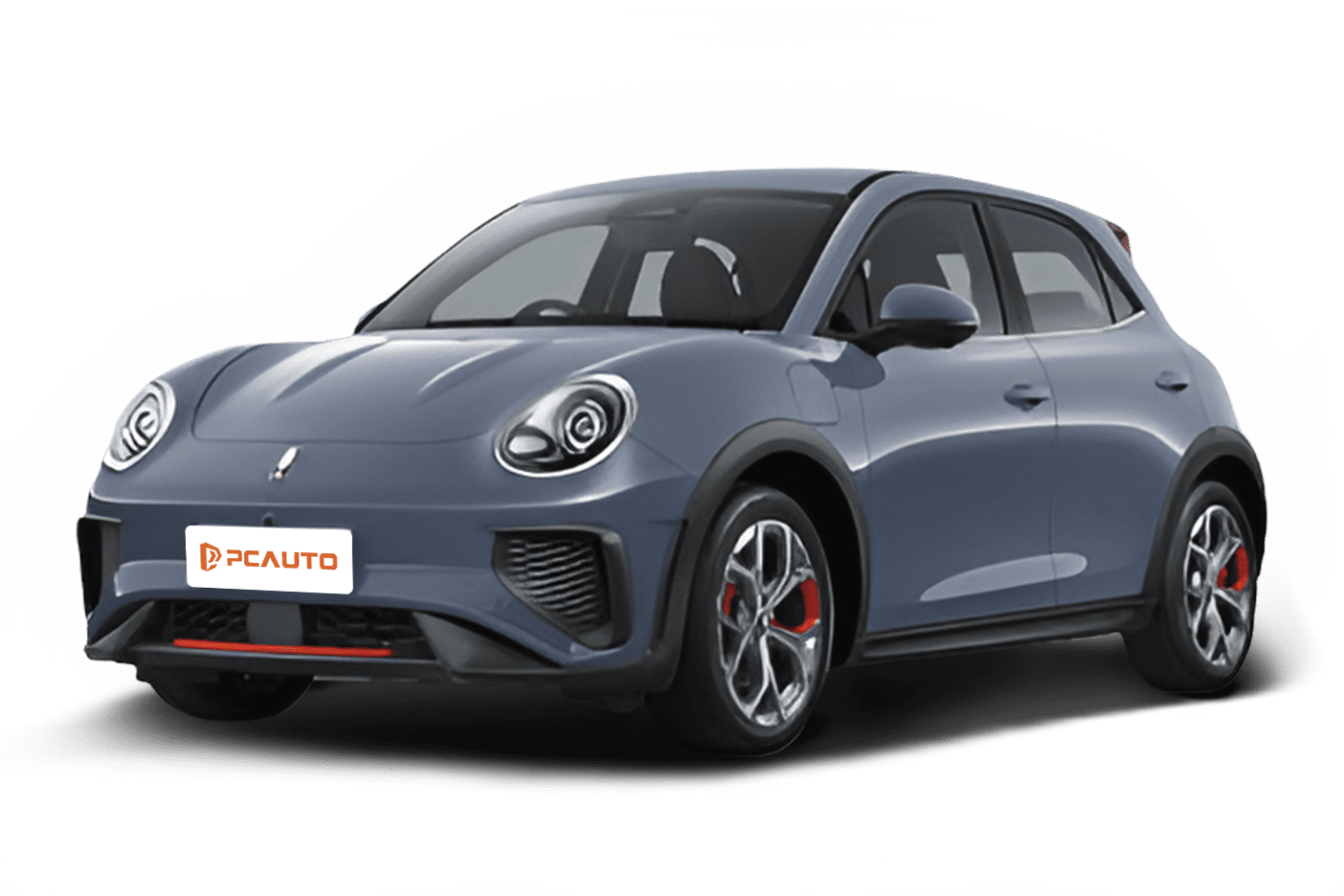
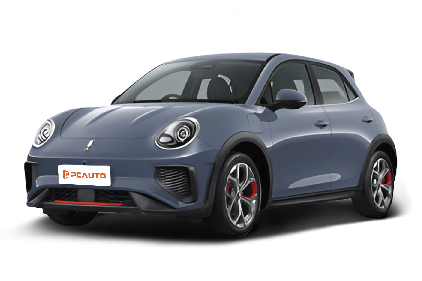
2025 ORA Good Cat Ultra features a retro design for distinctiveness, paired with a 480km range, rich intelligent safety configurations, and practical space, making it a cost-effective B-class electric commuting choice.

2023 Renault Zoe R110 is a B-segment pure electric vehicle, offering class-leading safety features, a comfortable driving experience, and a range of 395km, meeting daily commuting and weekend travel needs.