

Neta V Review

 Share
Share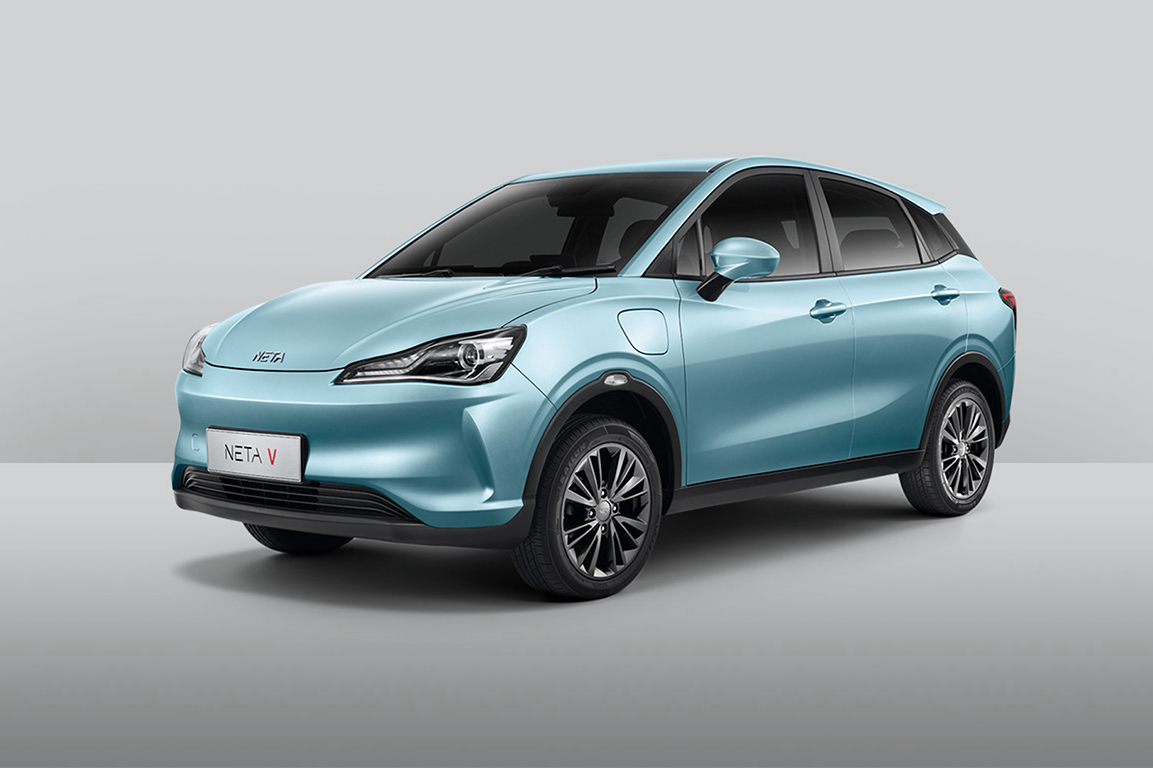
 Segment
 Body Type
 Motor Torque(Nm)
 EV Range(km)
 Battery Capacity(kWh)
 Driven Wheels
In Malaysia's B-Segment electric vehicle market, a budget of around RM 100,000 has always been a focus for family users and young working professionals. The goal is to meet daily commuting range needs while ensuring safety features and practical space. However, there aren't many choices. With a price tag of RM 99,800, the 2023 Neta V introduces advanced features such as 6 airbags, L2-level driving assistance, and electric seats, all at an entry-level price point, which inevitably raises curiosity: can it truly strike a balance between cost-efficiency and actual user experience? In this test drive, we’ll focus on three core aspects: driving comfort and smoothness, adequacy of features, and range performance, to provide you with a practical reference.
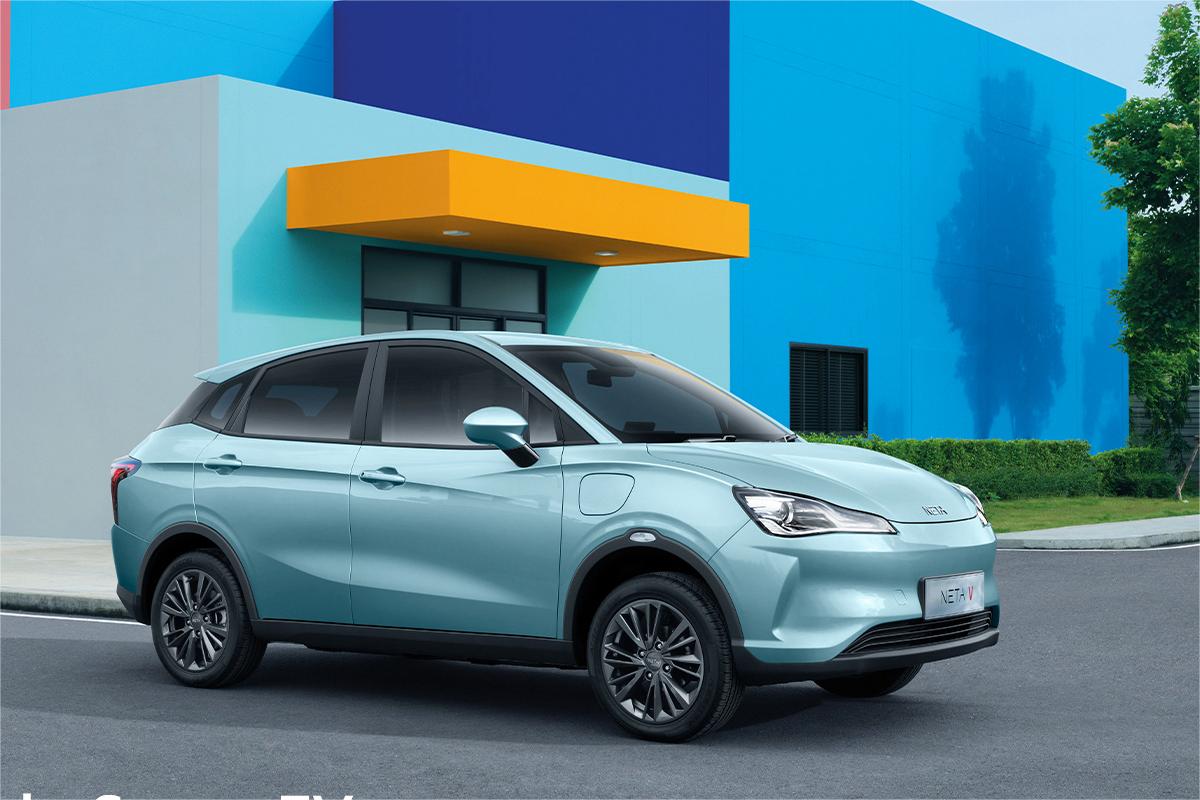
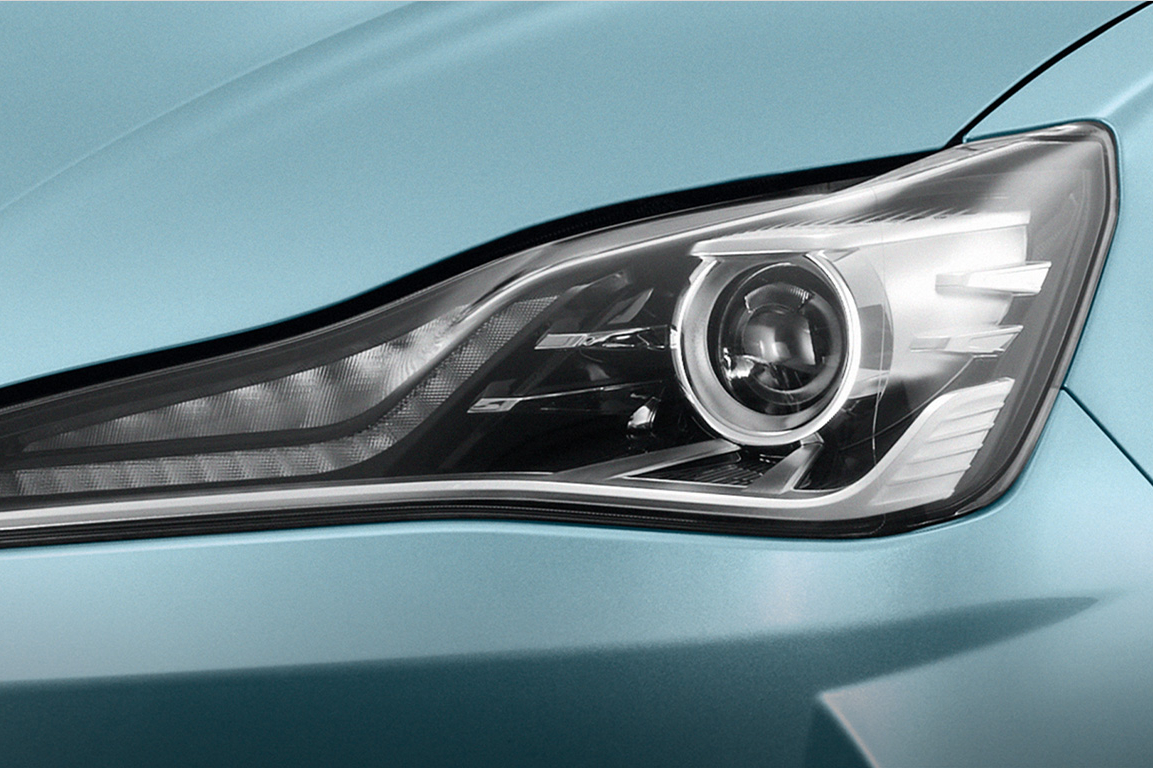
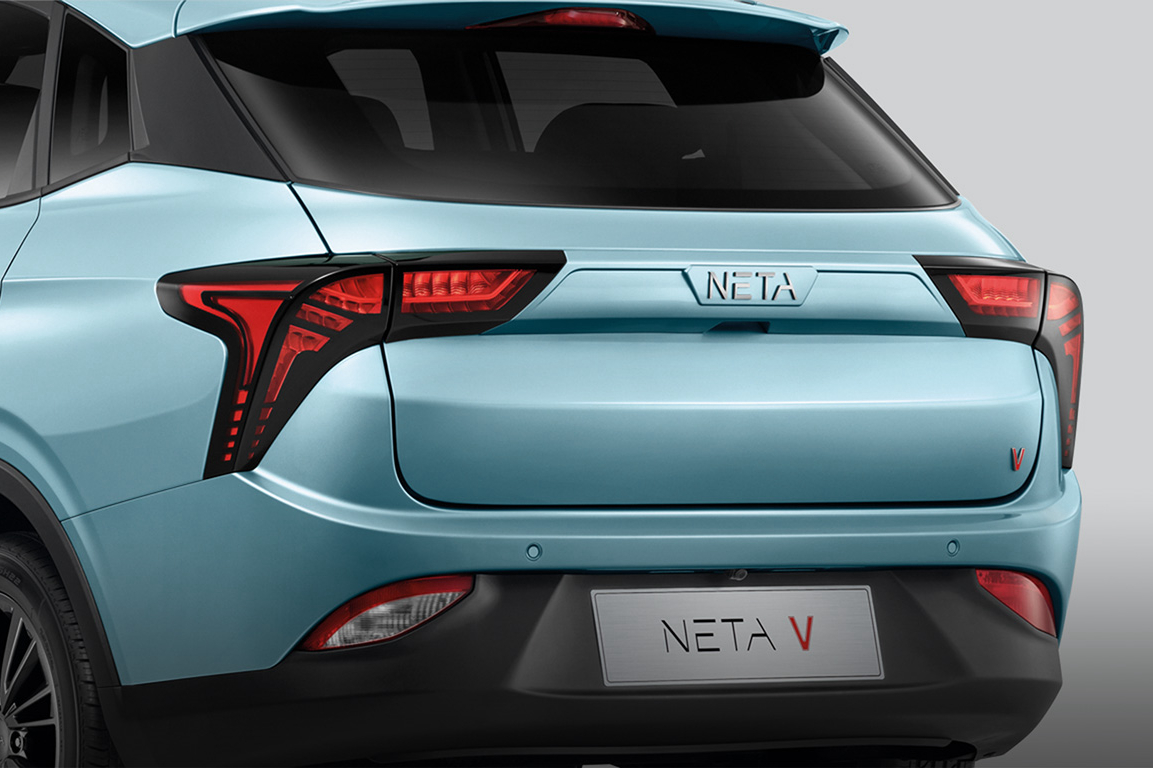
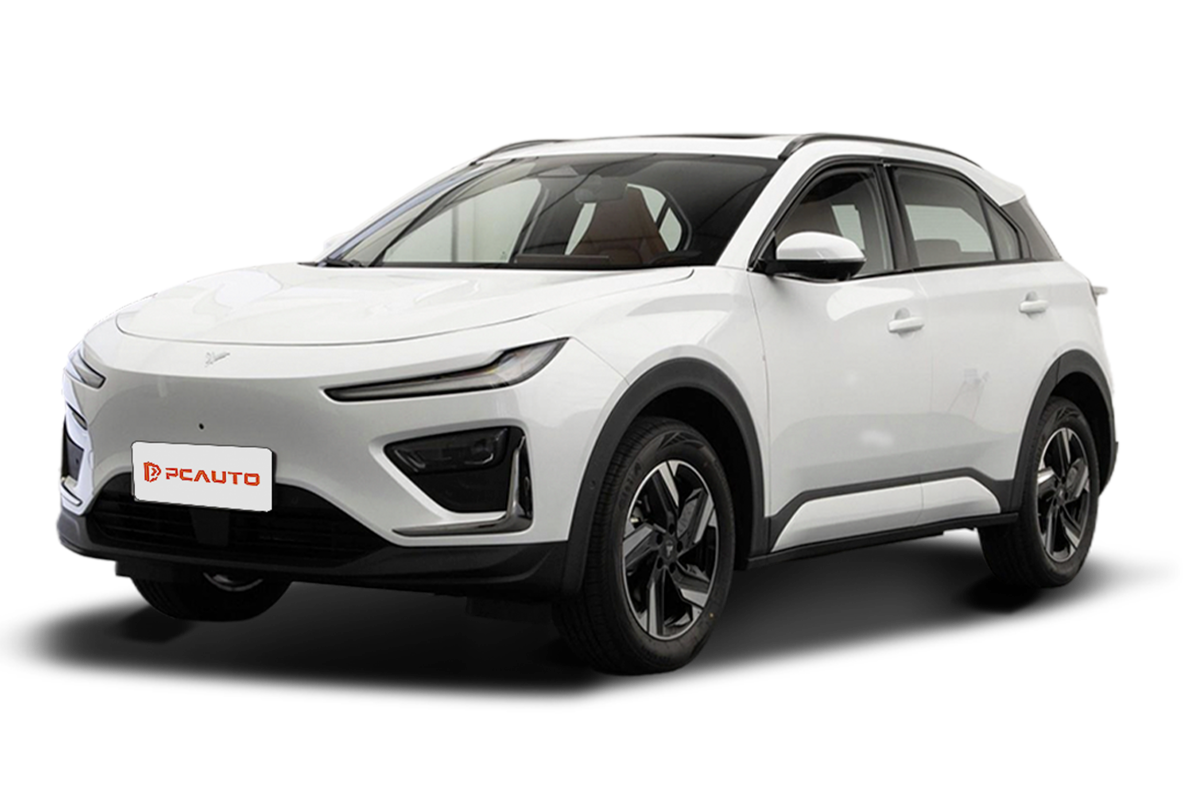
First, let's talk about the exterior. The 2023 Neta V’s overall style leans towards being rounded and cute, yet it adds a touch of sportiness in the details. The front features a closed grille design paired with sharp LED headlights on both sides. The daytime running lights have a distinctive "tear eye" design, which is highly recognizable when lit. The side profile has smooth lines, and the 16-inch wheel size feels just right—neither too big nor too small. At the rear, the through-type LED tail lamp echoes the front design, and there is a diffuser-style element under the rear bumper, which is a nice little surprise. It’s worth mentioning that the body dimensions are 4070mm×1690mm×1540mm, with a wheelbase of 2420mm, making it above average in its segment and leaving ample room for the interior.
Stepping inside, the first impression is that the interior materials feel better than expected. Most areas of the dashboard are wrapped in soft-touch plastic, which doesn’t feel cheap. A 12-inch touchscreen is mounted in the center, with a clearly laid-out interface and a reasonably responsive system, making it suitable for everyday navigation and music playback. The instrument panel is fully digital, displaying the range, speed, and driving assistance information. The HUD heads-up display projects critical data onto the windshield, so you don’t have to look down at the panel while driving, which is quite convenient. There are many highlight features in terms of equipment: both front seats are electrically adjustable, allowing the driver and passenger to find a comfortable seating position. A single sunroof with a sunshade enables more natural light to enter the cabin on sunny days. Details like electrically foldable mirrors and rain-sensing wipers are not missing either, making the price all the more worth it.
Space performance deserves special mention. After adjusting the front seat to a comfortable driving position, a 175cm tall passenger still has around a fist’s worth of headroom; in the rear seat, a passenger of the same height will have about two fists of legroom and four fingers of headroom, ensuring there’s no sense of being cramped. The floor in the middle of the rear seat is almost flat, making it fine for three people to sit comfortably on short trips. The trunk offers a capacity of 335L, sufficient for carrying two 20-inch suitcases and a few shopping bags for daily use. The rear seats support a 60:40 split-folding, so carrying longer items occasionally is manageable. As for storage spaces, the door panels have compartments that can hold two bottles of water, there’s a wireless charging area under the center console (though we didn’t test the charging speed this time), and there are two cup holders, making practicality excellent.
For dynamic driving performance, the Neta V is equipped with a front single electric motor delivering a maximum power of 96PS and torque of 160N·m. While these power figures aren't aggressive, they are sufficient for daily driving. Pressing the accelerator gives a very responsive power output, making city driving and overtaking light and easy. Switching to sport mode enhances acceleration slightly, and it handles speeds up to 100km/h with ease. However, it does feel a bit lacking when further accelerating beyond 100km/h, though this is more than adequate for typical highway driving in Malaysia. The steering wheel is relatively light, making it stress-free for female drivers, and it has decent precision. When cornering, the vehicle’s body roll is minimal, staying within the normal range for B-segment EVs.
The chassis tuning leans towards comfort, with the suspension filtering out most small bumps on the road. While crossing speed bumps, there is slight vibration, but it is not overly stiff. The car remains stable at high speeds without feeling floaty. In terms of braking, the feedback from the brake pedal is linear. It is not too sensitive in the initial stage, and the braking force is sufficient in the latter stage, making it easy to control during daily driving. The sound insulation performance exceeds expectations; at speeds below 60 km/h in the city, hardly any external noise can be heard. At 100 km/h on the highway, wind and tire noise are slightly noticeable but do not hinder normal conversation.
Range and charging are the core aspects of an electric car. The official range is 384 km. During our test drive, we spent half the time in the city and the other half on highways, with the air conditioning and music on. The actual range achieved was about 80% of the official figure, or just over 300 km, which means for daily commuting, charging once a week is sufficient. As for charging, fast charging takes 8 hours, which is not very fast; it is more suitable for plugging into a slow-charging terminal overnight at home. With a household socket, slow charging takes about 12 hours to fully charge. Despite being slow, it is convenient.
Safety features are a strong point of the Neta V: 6 airbags, ABS, and electronic stability control are standard. Additionally, it provides lane change assist, lane departure warning, and active braking as part of the L2-level driver assistance package. During the test drive, we tried the active braking system. It alerts you when you are too close to the car ahead and even actively decelerates, which feels reassuring. The lane change assist warns of approaching vehicles from behind when changing lanes on the highway, reducing risks.
To sum up, the biggest advantage of the 2023 Neta V is its "balance." At a price of RM 99,800, you get electric seats, a HUD, L2-level driver assistance, and 6 airbags. Its price-to-performance ratio is almost unmatched in the same segment. The space is ample, which makes it suitable for families, and the range is sufficient for daily use with convenient charging options. Compared to competitors in the same segment, such as the Alza EV, the Neta V offers richer features. Compared to the Atto 3, it is more budget-friendly.
If there are any drawbacks, they would be the relatively slow fast charging speed and lack of acceleration at high-speed later stages, but these are within an acceptable range. Overall, the Neta V is suitable for two types of people: first, those with a budget of around RM 100,000 who need a fully-featured, spacious family car for commuting; second, young professionals who are just starting their careers and prioritize value and tech features for daily transportation.
One sentence summary: The 2023 Neta V is a B-segment electric car with "no obvious shortcomings," offering sufficient features and practical space at an affordable price, making it a top recommendation in this price range.
Neta V Car Compare

Neta V Loan Calculator
More Neta Reviews
Cars With Similar Price And Features

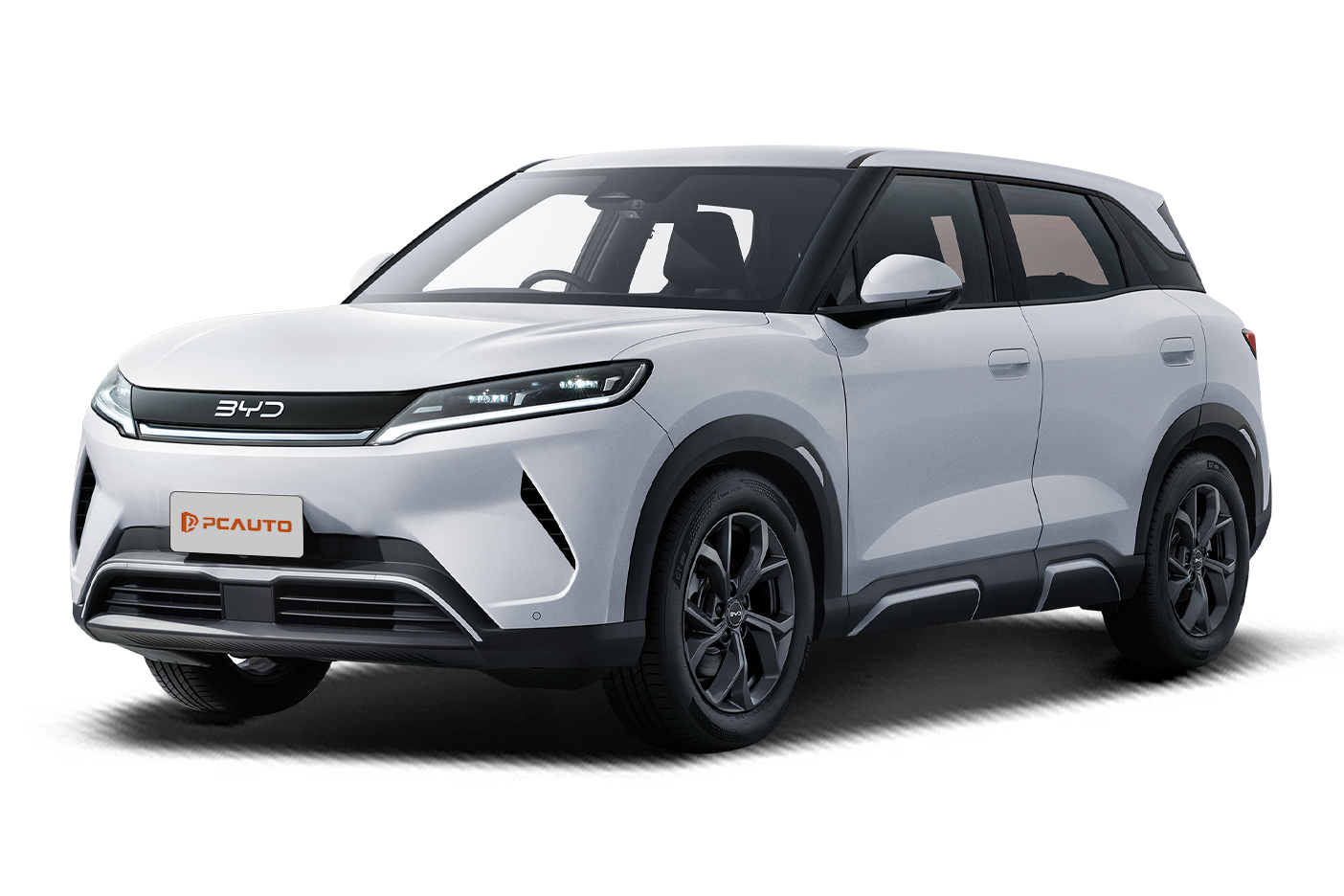
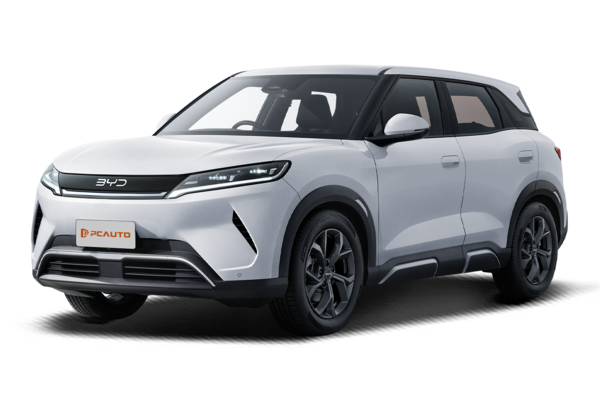
2025 BYD Atto 2 Premium is a B-segment electric vehicle priced at around 100,000 MYR, featuring 177PS power, 410km range, L2 assisted driving, and spacious interior, combining practicality and intelligence as an ideal family choice.
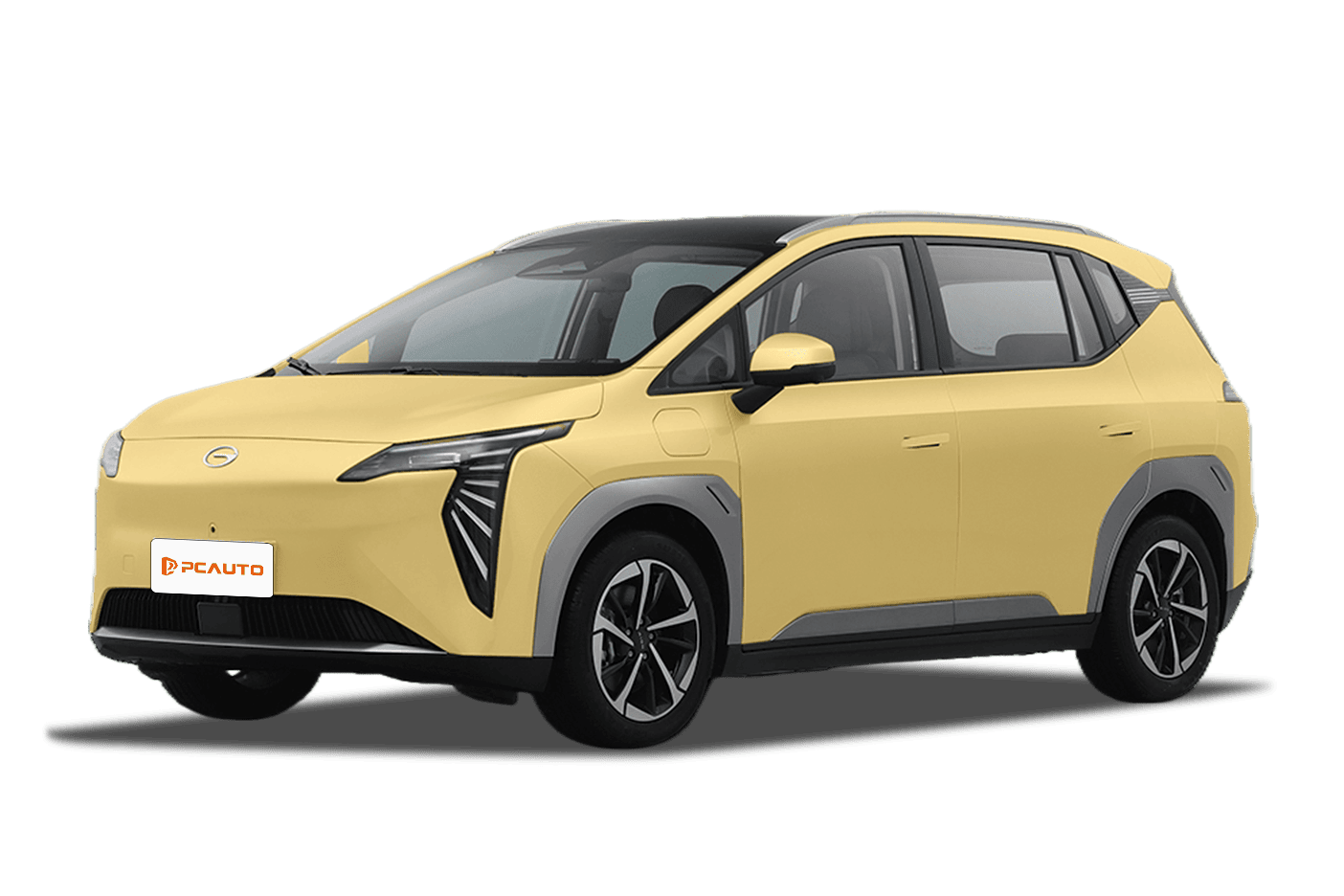
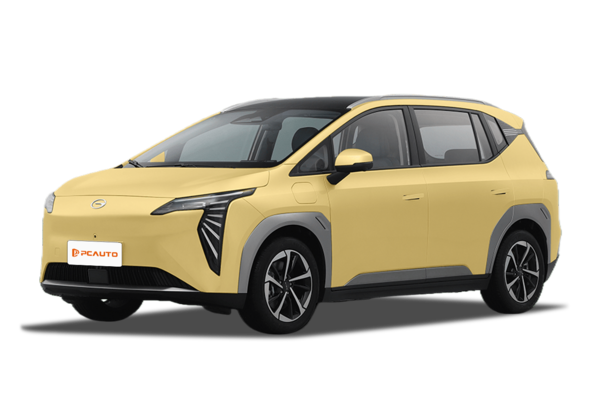
2024 GAC Aion Y Plus Elite is a pure electric mid-size SUV targeting the Southeast Asian home market, offering a spacious cabin with a 2750mm long wheelbase, standard 6 airbags, and a 14.6-inch central control screen, with solid range suitable for family travel.
14
Rank in SUV
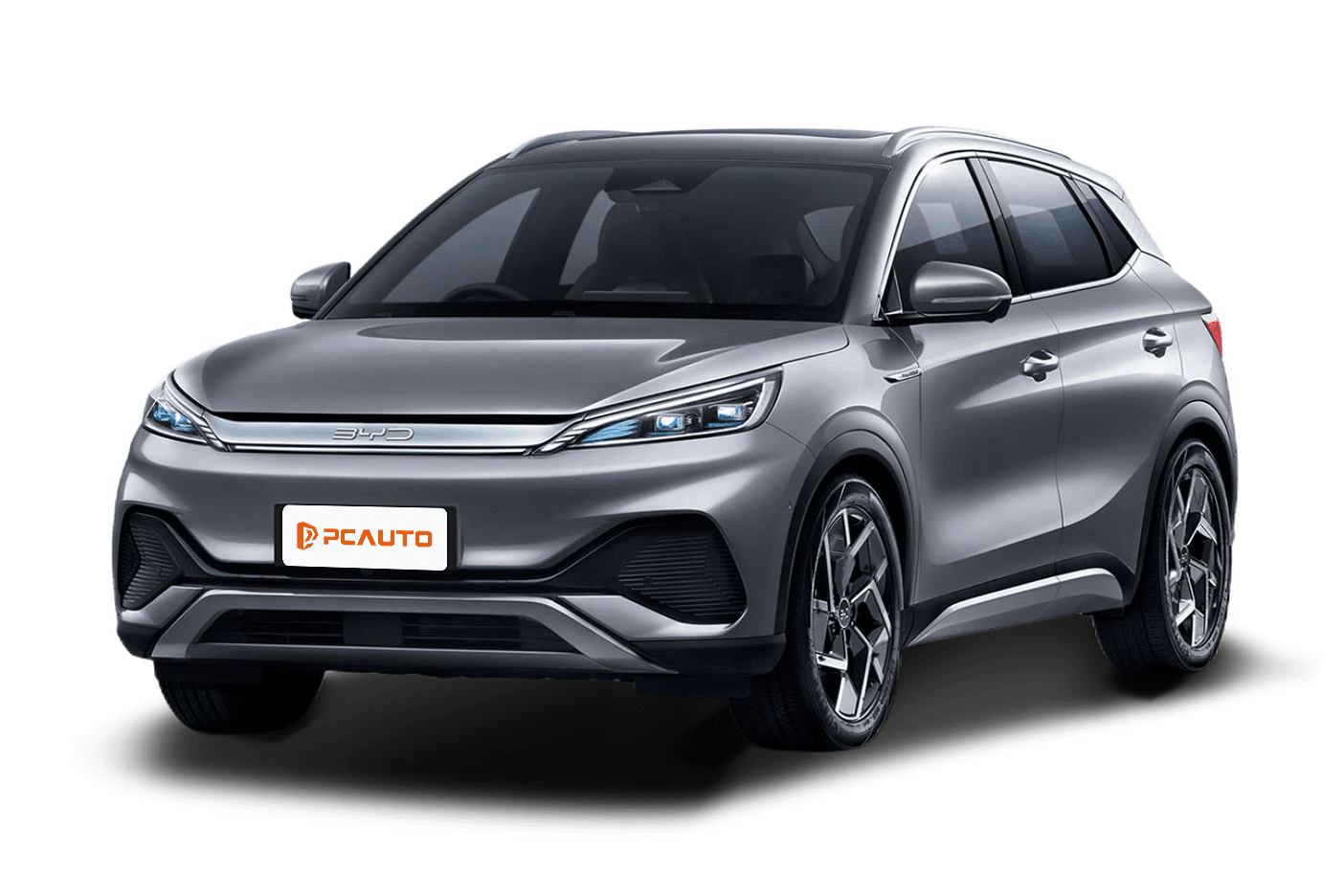
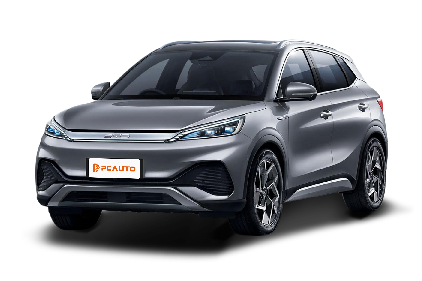
2025 BYD ATTO 3 Ultra is a cost-effective, solid-range, safety-feature-rich, and practical-space electric C-segment compact SUV that balances family needs with dynamic performance.
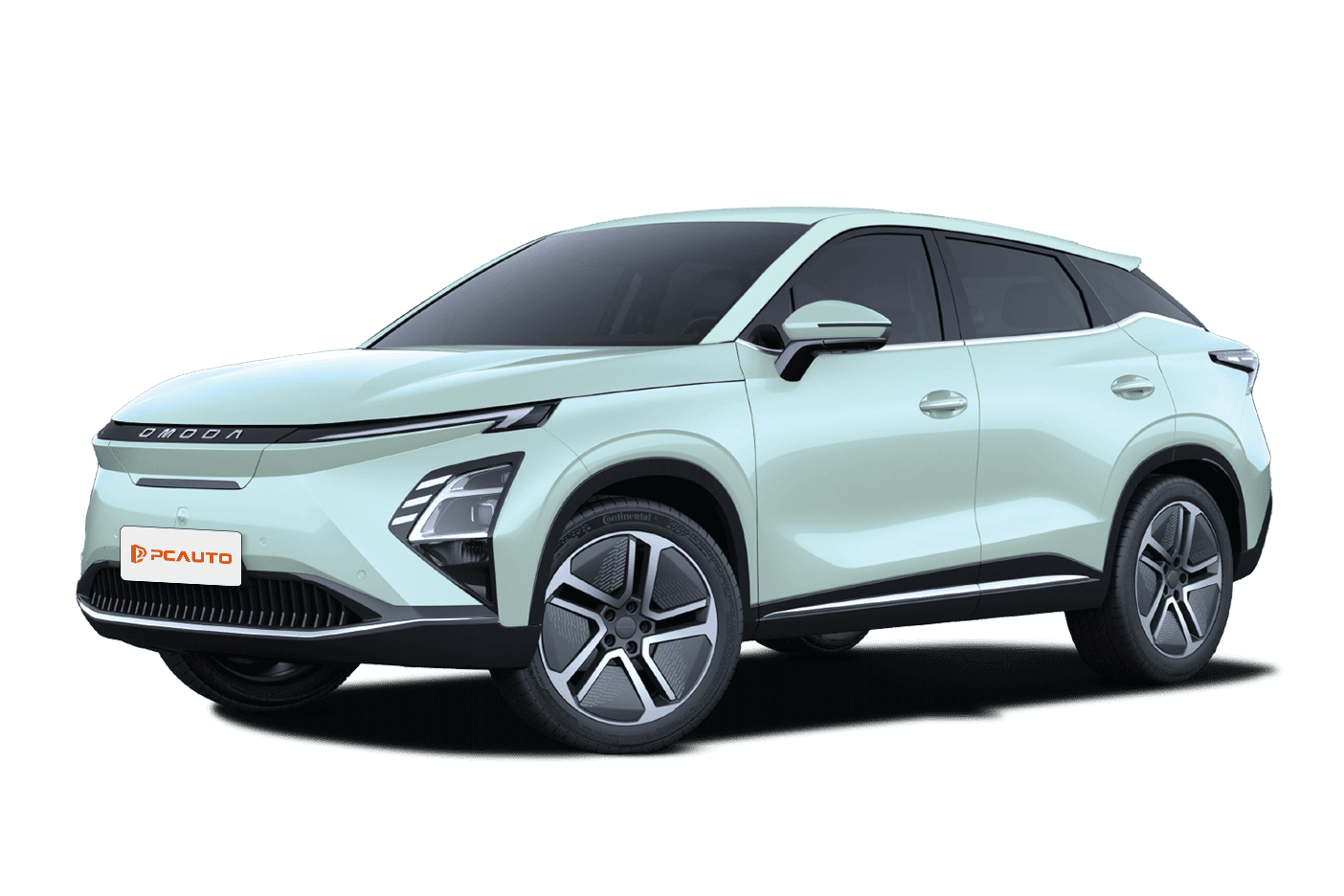
2024 Chery OMODA E5 is a mid-size pure electric vehicle designed for families, with core selling points of advanced features, balanced range, and affordable pricing, combining sporty design and comfortable driving experience.