Porsche Macan EV Review

 Share
Share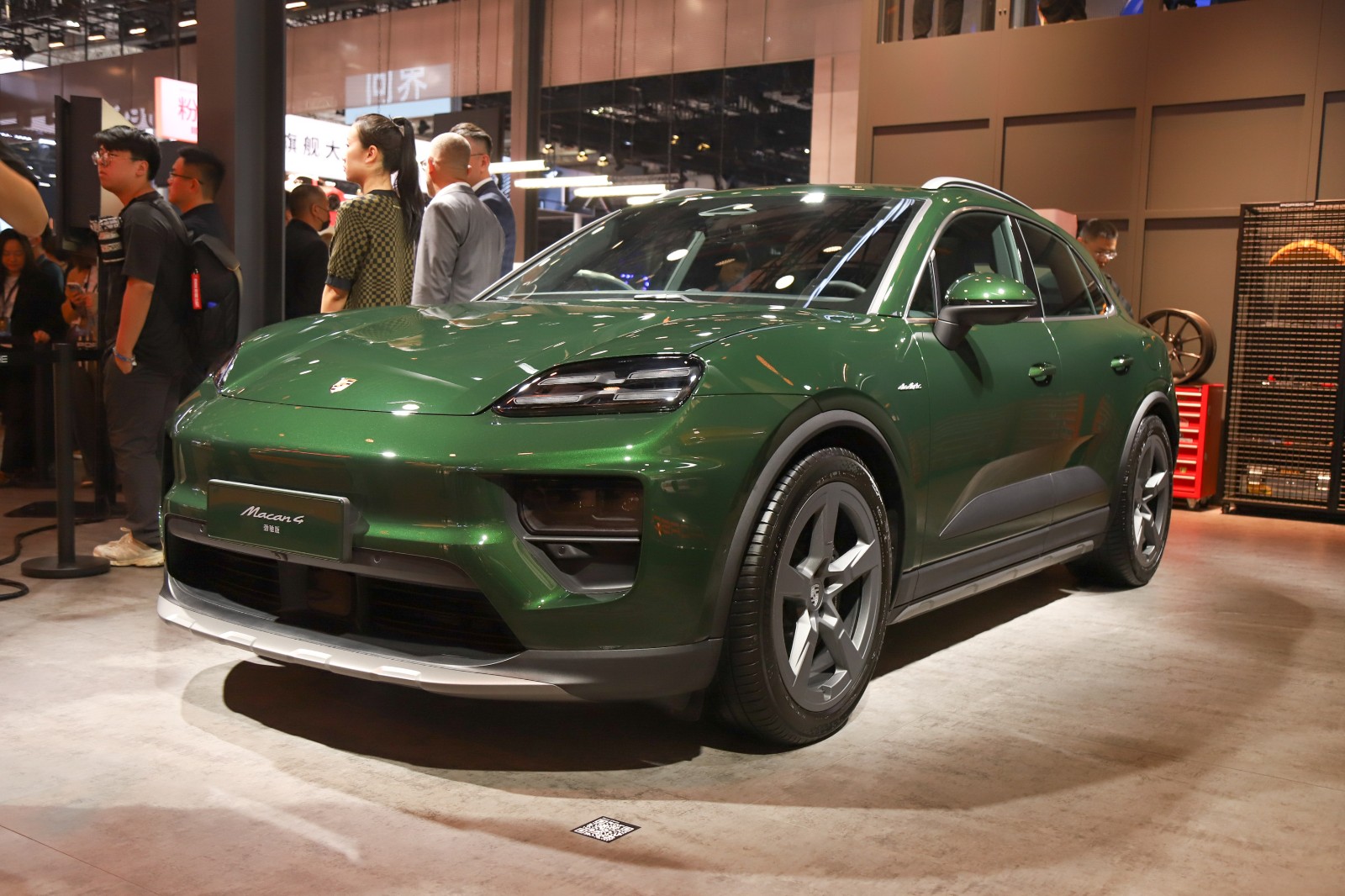
 Segment
 Body Type
 Motor Output(kW)
 Motor Torque(Nm)
 EV Range(km)
 Battery Capacity(kWh)
The competition in the luxury mid-sized electric vehicle market is becoming increasingly intense these days. Consumers want both the prestige of a brand and have specific demands for range, performance, and features. The 2025 Porsche Macan EV, as the brand's first mid-sized SUV built on the PPE pure electric platform, retains Porsche's sporty DNA while optimizing for everyday practicality. In this test drive, we focused on experiencing the different versions on sale, aiming to see how they cater to different needs and where their core competitiveness lies in the same segment.
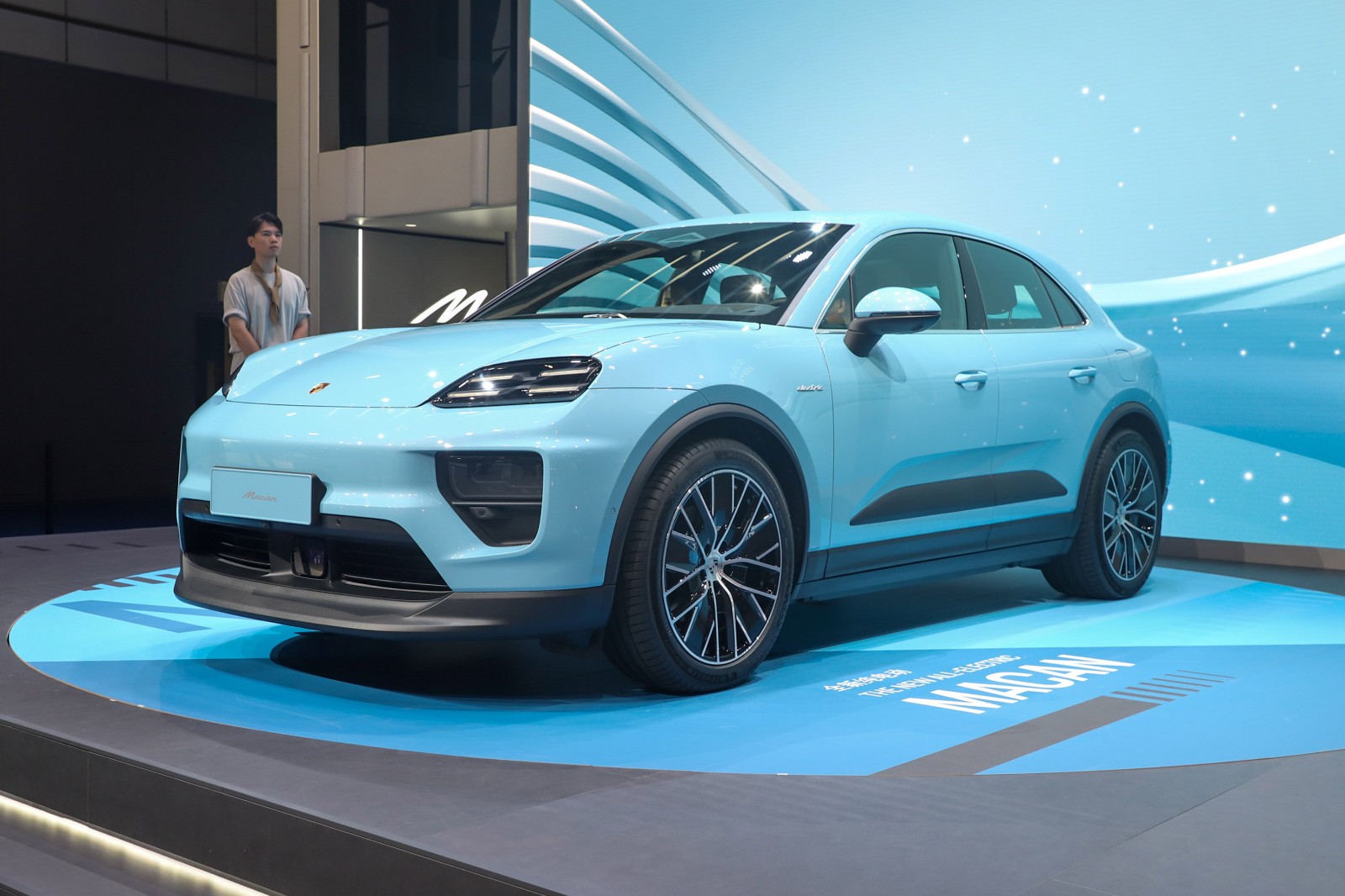
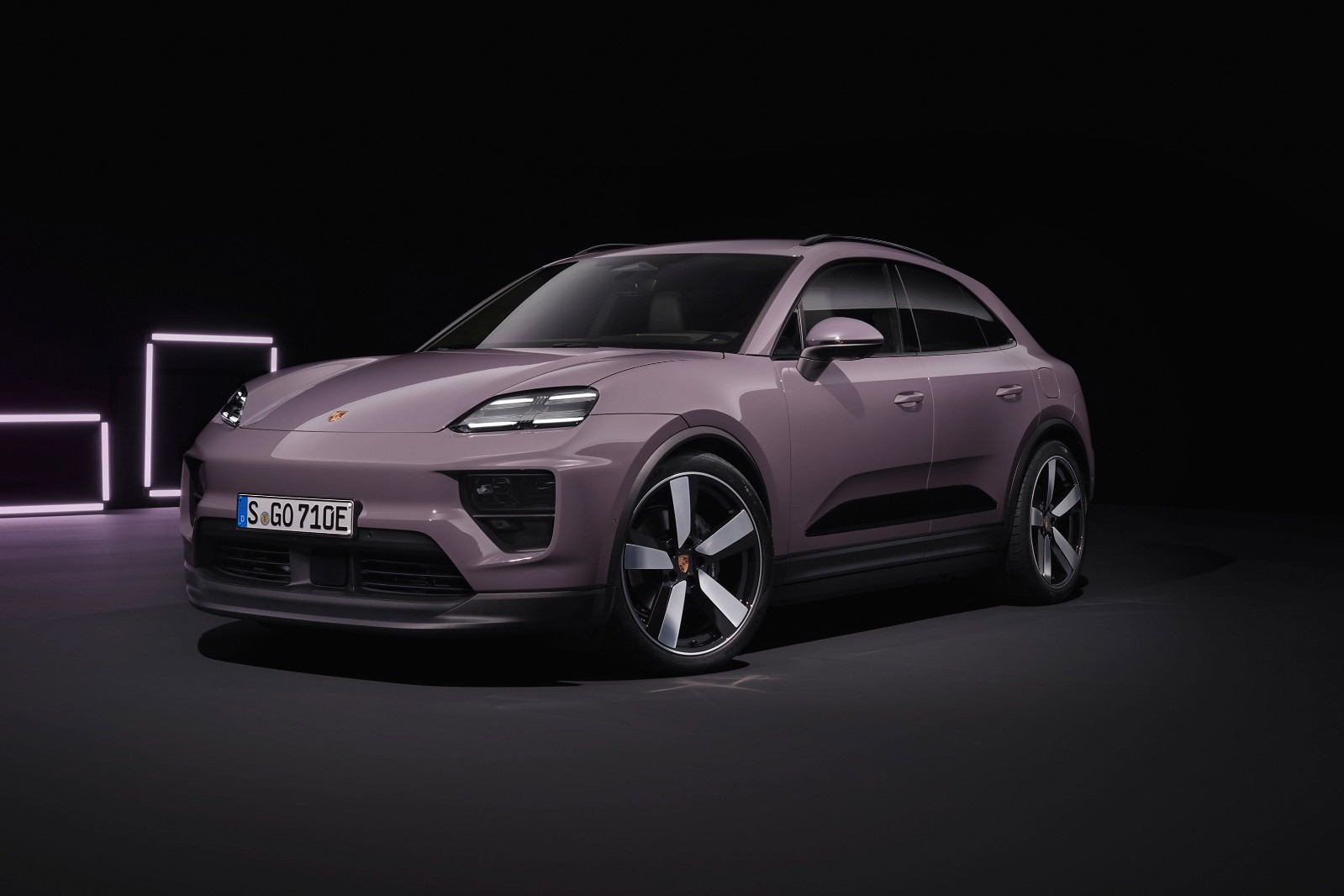
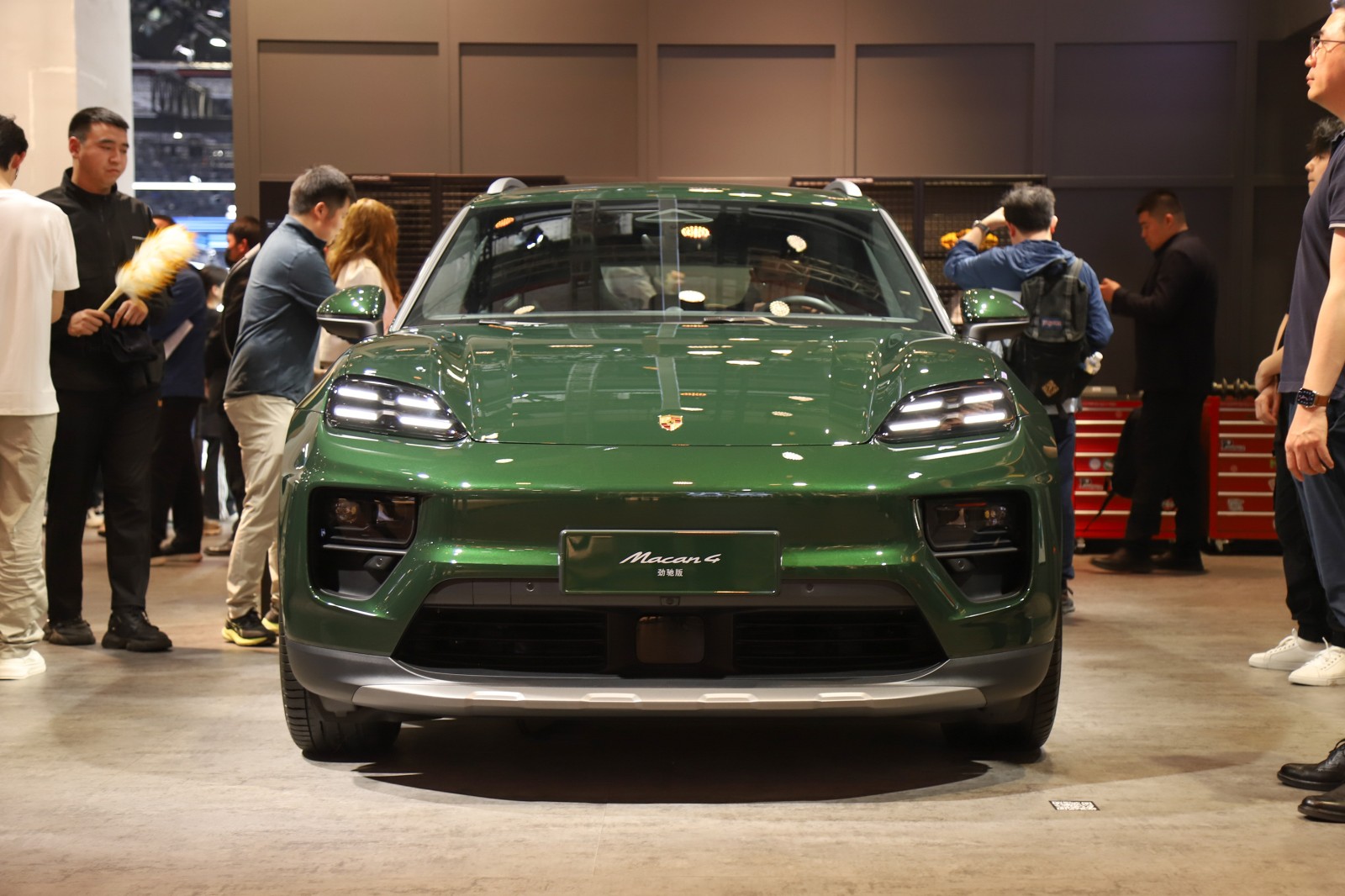
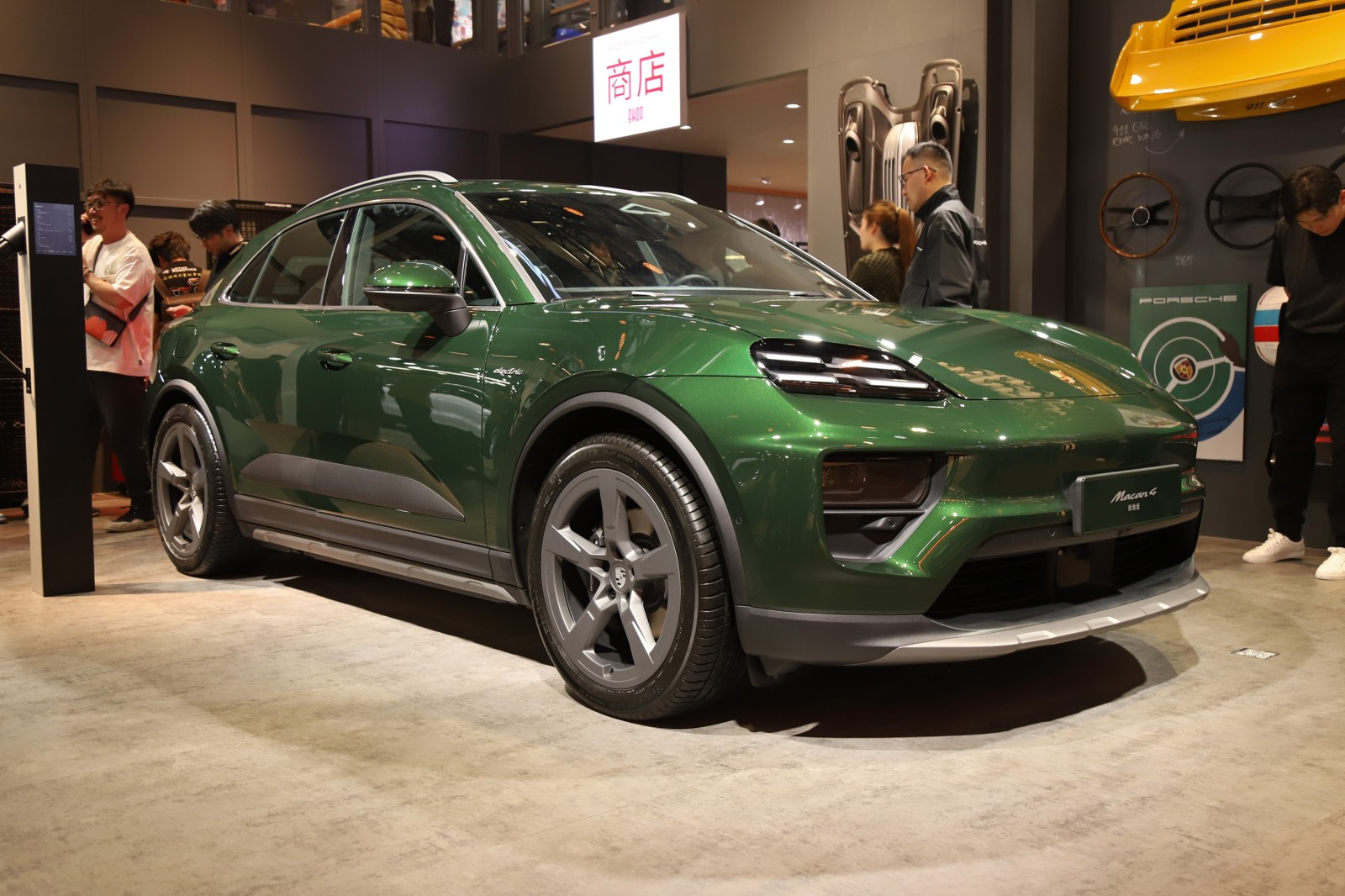
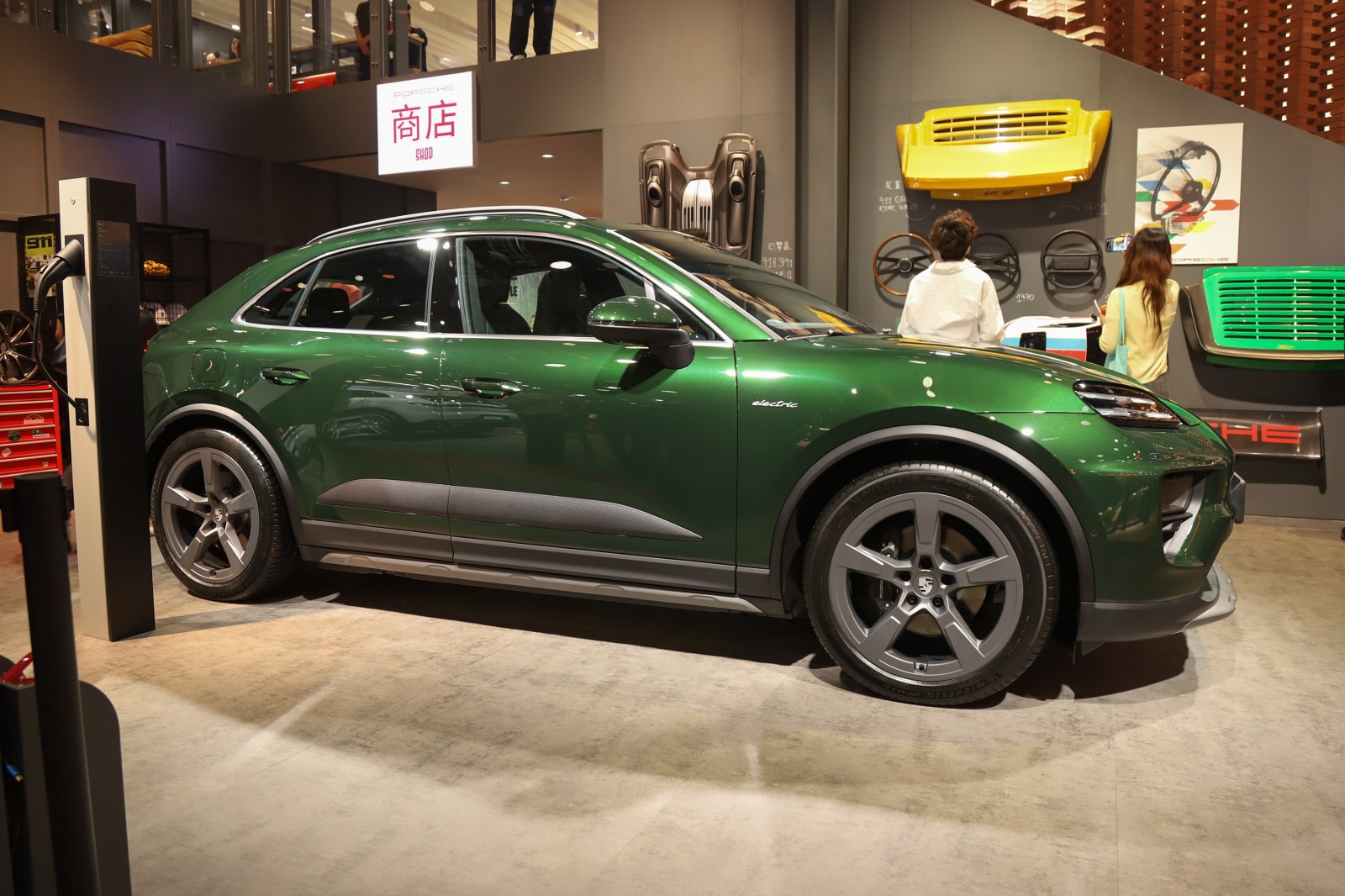
Approaching the Macan EV, the difference from the fuel version is immediately noticeable at first glance — the classic Porsche "frog-eye" headlights are as striking as ever, but now feature integrated LED daytime running lights that enhance recognition once illuminated. The side profile of the car features smooth lines, with a coupe-style slope extending from the A-pillar to the tail, giving it a more dynamic feel than the fuel version. Combined with standard 19-inch wheels, the overall proportions are balanced and muscular. The rear of the vehicle includes a signature design for electric models: a continuous LED taillight bar with the Porsche lettering in the middle, which looks premium when lit at night. Below, the diffuser retains elements of performance vehicles. Overall, the exterior design continues the family style of the Macan series while highlighting its electric identity through subtle adjustments.
Inside the cabin, the first thing you’ll notice is the 12.6-inch curved LCD instrument panel with clear display and well-organized information layout, allowing users to customize core data like range and navigation. The 10.9-inch touchscreen on the center console is smooth to operate and supports wireless CarPlay and Android Auto, although the menu logic may take some time to get used to. In terms of materials, the entire lineup comes standard with leather seats and soft-touch interior panels, which feel premium and align with the luxury brand positioning. The front seats offer electric adjustment, providing excellent support for the backrest and cushion, ensuring comfort even during long drives. The rear seats are manually adjustable, but the 2893mm wheelbase guarantees ample legroom. A 175cm tall passenger sitting in the back would have a two-fist gap between their knees and the front seats. For storage, the front central armrest box has a large capacity, the door storage compartments can hold two bottles of water, and the trunk offers a standard capacity of 540L, which can be expanded to around 1300L when the rear seats are folded down, sufficient for daily family use.
During this test drive, we primarily focused on the Macan 4 EV and Turbo EV versions. Starting with the Macan 4 EV, it is equipped with dual motors at the front and rear, offering a combined output of 387PS and 650N·m of torque, with an official 0-100km/h acceleration time of 5.2 seconds. In daily driving, the power delivery is very responsive, providing strong acceleration with just a light press of the pedal, and the mid-to-high-speed performance remains consistent. Switching to sport mode makes the power delivery even more aggressive, ideal for occasional bursts of driving excitement. In terms of chassis, the Macan EV uses a front double-wishbone and rear multi-link suspension, tuned for a sporty feel while maintaining comfort. It smooths over most bumps when passing speed bumps and exhibits minimal body roll during quick cornering. The steering is precise, with a substantial feel—classic Porsche styling.
The Turbo EV version boasts even more impressive power, with a combined output of 584PS and 1130N·m of torque and a 0-100km/h acceleration time of just 3.3 seconds. Stepping on the gas pedal delivers a significant sense of exhilaration, with performance comparable to supercars. However, during everyday driving, its power output can be adjusted to feel smooth, making it easy to handle and not overwhelming. The all-wheel-drive system performs steadily on slippery roads, distributing power precisely during cornering to enhance grip. As for range, during our city road test of the rear-wheel-drive Macan EV, with air conditioning and music on throughout, the energy consumption was about 18kWh per 100km. Based on a 100kWh battery capacity, the actual range is roughly 550km, slightly below the official figure of 641km, but still above average for its class. Fast charging is a major advantage, with the ability to charge from 10% to 80% in just 35 minutes, making it convenient for quick top-ups during long trips.
In terms of noise control, the Macan EV performs well. Wind noise and tire noise are not obvious during high-speed driving, and only a slight motor sound can be heard during rapid acceleration. The seat comfort is also commendable. The lumbar support and thigh support adjustments for the front seats fit the body well, while the cushioning of the rear seats is relatively soft. The energy recovery system has three adjustable levels; the highest level provides a more noticeable drag feeling that saves considerable braking, while the lowest level gives a gliding feel similar to fuel-powered cars, catering to users with different driving habits.
Overall, the core advantages of the 2025 Macan EV are clear: First, it has strong brand appeal. Porsche’s sporty genes and luxurious feel are difficult to replicate in other electric vehicles of the same class. Second, its performance is outstanding, especially the Turbo version's acceleration capabilities, which can satisfy speed enthusiasts. Third, its configuration is practical. With standard features across all models such as ACC adaptive cruise control, 360-degree panoramic cameras, and four-zone air conditioning, it offers richer options compared to competitors in the same segment. Compared to the Tesla Model Y Performance, the Macan EV excels in luxury and chassis quality but is slightly inferior in terms of technology and intelligent driving assistance. Compared to the Mercedes-Benz EQC, its performance and range hold greater advantages.
If you are a consumer who values brand and driving fun, the Macan 4S EV is an excellent choice, balancing performance with daily practicality. For those with a higher budget, the Turbo EV offers a supercar-level acceleration experience. Meanwhile, the entry-level rear-wheel-drive Macan EV is suitable for families seeking a well-rounded option, offering long range, sufficient configuration, and relatively affordable pricing. All in all, the 2025 Porsche Macan EV is a pure electric SUV that perfectly combines luxury, performance, and practicality. It is not only a key product in Porsche’s electrification transition but also a strong competitor in the luxury mid-size electric vehicle market.