

Proton Saga Review

 Share
Share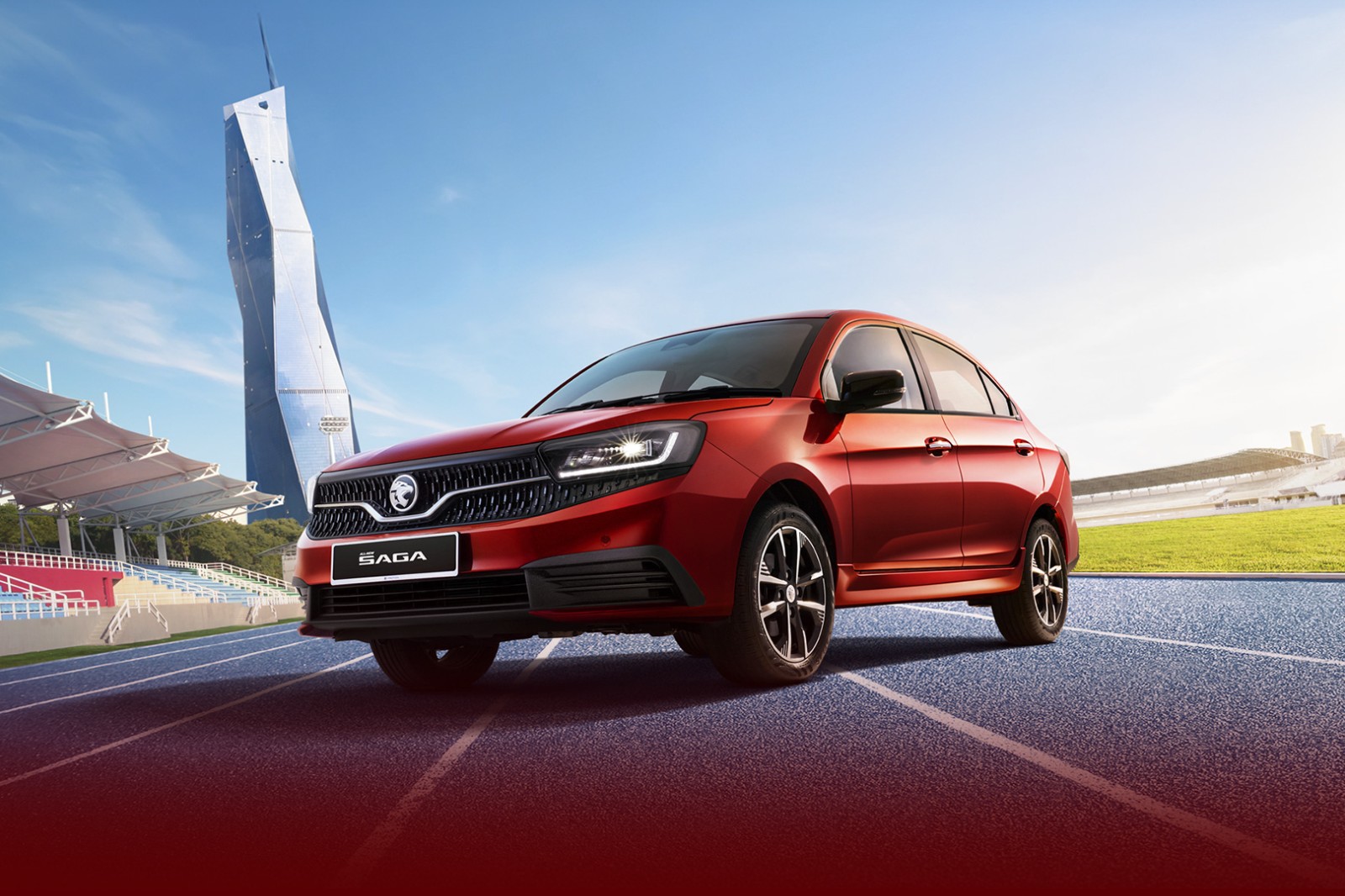
 Segment
 Body Type
 Capacity(L)
 Engine Power(PS)
 Engine Torque(Nm)
 Transmission
In Malaysia's entry-level sedan market, the Proton Saga has always been the focus of consumers, especially for cost-conscious families and young office workers who need a car with adequate power, practical features, and an affordable price. The 2025 Proton Saga 1.5 Standard AT, as the entry-level automatic version of the series, has upgraded its original 1.3L engine to a 1.5L naturally aspirated engine, with improved power parameters while maintaining the usual spacious advantage of the Saga series. This time, through static experience and dynamic test drives, we focus on testing whether its performance meets daily needs and whether its basic configuration can cater to commuting and family-use scenarios.
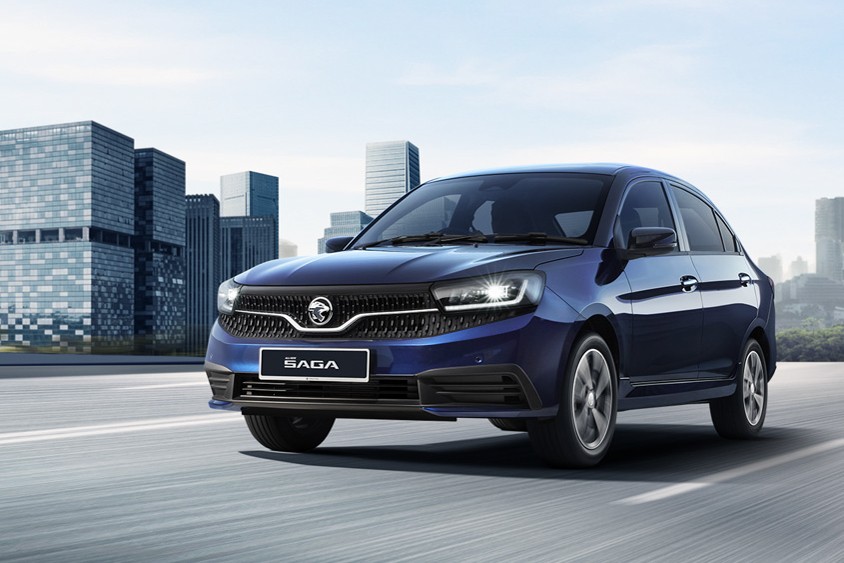
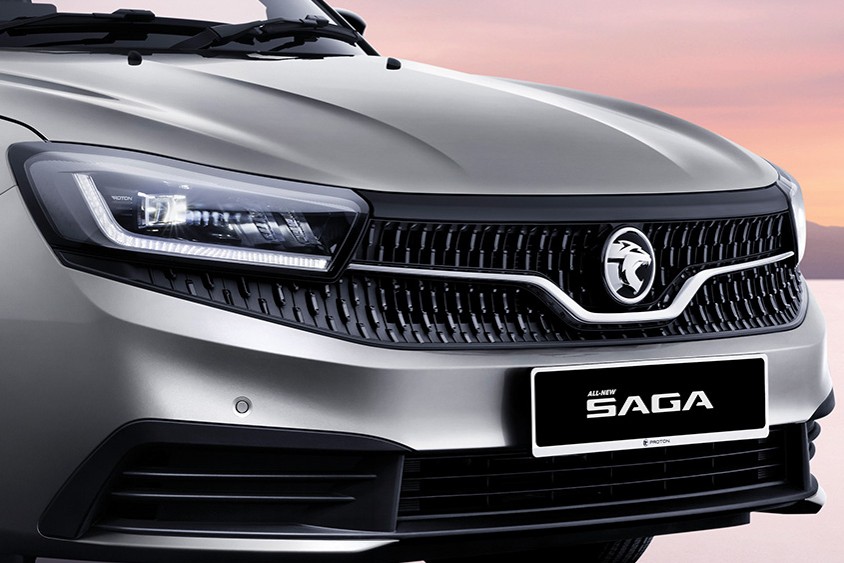
From the exterior, the overall dimensions of the 2025 Saga 1.5 Standard AT are 4,390mm × 1,690mm × 1,525mm, with a wheelbase of 2,465mm. Compared to the previous 1.3L model, its length has increased by 55mm, making the body appear more elongated. The front design continues Proton's family-style aesthetic, with a large grille paired with chrome trims. However, the Standard version does not come with front fog lamps, emphasizing a more functional and simplistic style. The body side features smooth lines, with a waistline running from the front fender to the rear. The 14-inch rims with 175/65 R14 front tires and 185/60 R14 rear tires align well with the positioning of an entry-level vehicle. At the rear, the LED taillights achieve good recognition when lit, and a small spoiler on the trunk lid adds a touch of sportiness. A rear fog lamp comes standard, enhancing safety when driving in rainy conditions.
Upon entering the car, the interior is dominated by dark tones, with a straightforward and clear overall layout. The center console is equipped with a 9-inch touchscreen. Although the Standard version only comes with two speakers, the screen operates smoothly and supports basic multimedia functions. The instrument cluster features an electro-illuminated analog display, which is clear and provides a direct view of RPM, speed, fuel level, and other information. The seats are upholstered in fabric, with the front seats offering manual adjustments. While lacking electric adjustment, the range is adequate for most drivers’ needs. The rear seats offer foldable backrests, allowing for expanded trunk space. The trunk has a capacity of 420L, sufficient for storing 2-3 suitcases or a baby stroller. In terms of configuration, the keyless entry and start function is a highlight, eliminating the hassle of frequently searching for keys. The inclusion of a 220V/230V power outlet adds convenience for passengers in the rear to charge devices or use small appliances. ISO FIX child seat anchors come standard, making it suitable for families with children.
In terms of dynamic driving, this car is equipped with a 1.5L naturally aspirated engine delivering a maximum output of 88kW (120PS) and a peak torque of 150N·m, paired with a 4-speed automatic transmission. During takeoff, the power response is relatively linear, with no significant delay. When driving in urban areas, lightly pressing the accelerator allows the car to keep pace with traffic. During acceleration, the transmission’s shift logic leans towards smoothness, with minimal jerkiness during gear changes. However, during high-speed overtaking, you need to press the accelerator more deeply to prompt the transmission to downshift, which results in a 1-2 second delay in power output. This is a common issue with 4-speed automatic transmissions. The steering wheel offers moderate resistance with decent accuracy, ensuring a fatigue-free experience for daily commuting. The suspension setup features front MacPherson independent suspension and rear torsion beam non-independent suspension, tuned for comfort. It effectively absorbs most minor bumps on the road, but more noticeable vibrations can be felt in the rear seat when passing over larger bumps.
In terms of fuel consumption, the official combined fuel consumption is 6.7L/100km. We drove 50km each in urban congested roads and highways, and the actual fuel consumption was about 7.2L/100km. Considering the combination of the 1.5L engine and 4AT gearbox, this result is within an acceptable range. Noise control performance is average, with noticeable wind and tire noise at high speeds. However, when driving at speeds below 60km/h in the city, cabin noise remains at a reasonable level. Regarding safety features, the Standard version is equipped with 2 airbags, an ABS anti-lock braking system, and electronic stability control. The hill-start assist feature is practical for starting on slopes, preventing rollback, but it lacks a reverse camera, which may require new drivers to adapt.
Overall, the 2025 Proton Saga 1.5 Standard AT’s main strengths lie in its practicality after the power upgrade and its high cost-effectiveness. Compared to the older 1.3L model, the 1.5L engine provides more ample power output, better meeting the demands of carrying passengers or cargo. Features like a 9-inch touchscreen and keyless entry are added bonuses among vehicles in the same price range. However, it also has some drawbacks, such as the average highway performance of the 4AT gearbox, the lack of a reverse camera, and the rear seats without a central armrest.
This car is suitable for budget-conscious consumers who focus on everyday practicality, especially for those who need a daily commute or occasionally travel with family. For consumers seeking richer features, it’s worth considering higher trims like the Executive or Premium versions. Nevertheless, with a price of RM 37,990, the Standard AT version provides sufficient power and basic practical configurations, making it a strong competitor in the entry-level market.
In conclusion, the 2025 Proton Saga 1.5 Standard AT is a practical entry-level sedan. Its power upgrade addresses the power shortcomings of the older model, its features meet daily needs, and its price is affordable, making it suitable as a family’s first car or a commuting tool.
Proton Saga Loan Calculator
More Proton Reviews
Cars With Similar Price And Features
2
Rank in Sedan
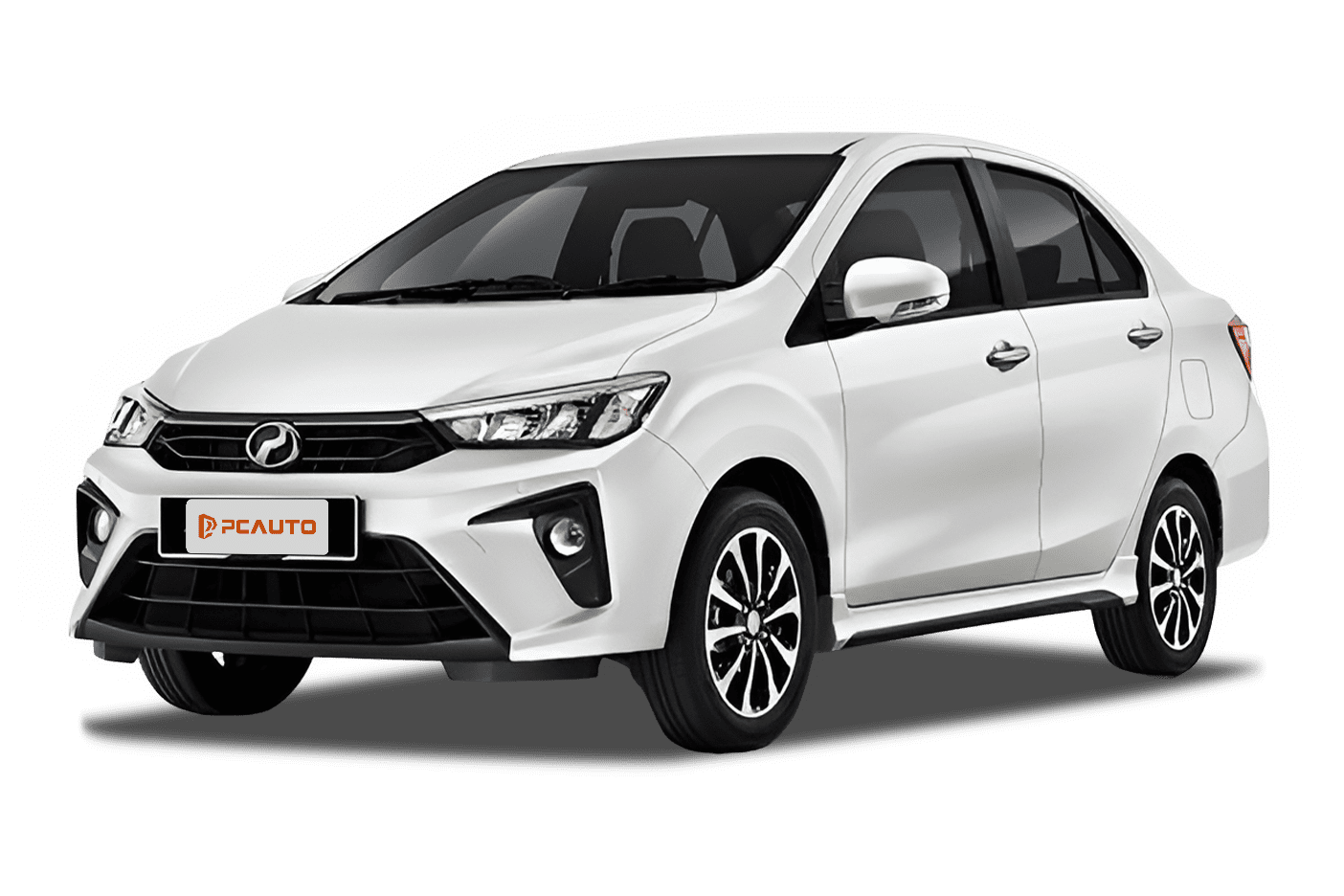
2023 Perodua Bezza 1.0 G (M) is a high-value A-segment manual sedan, offering practical features and durability at an affordable price, balancing daily commuting with safety and convenience.
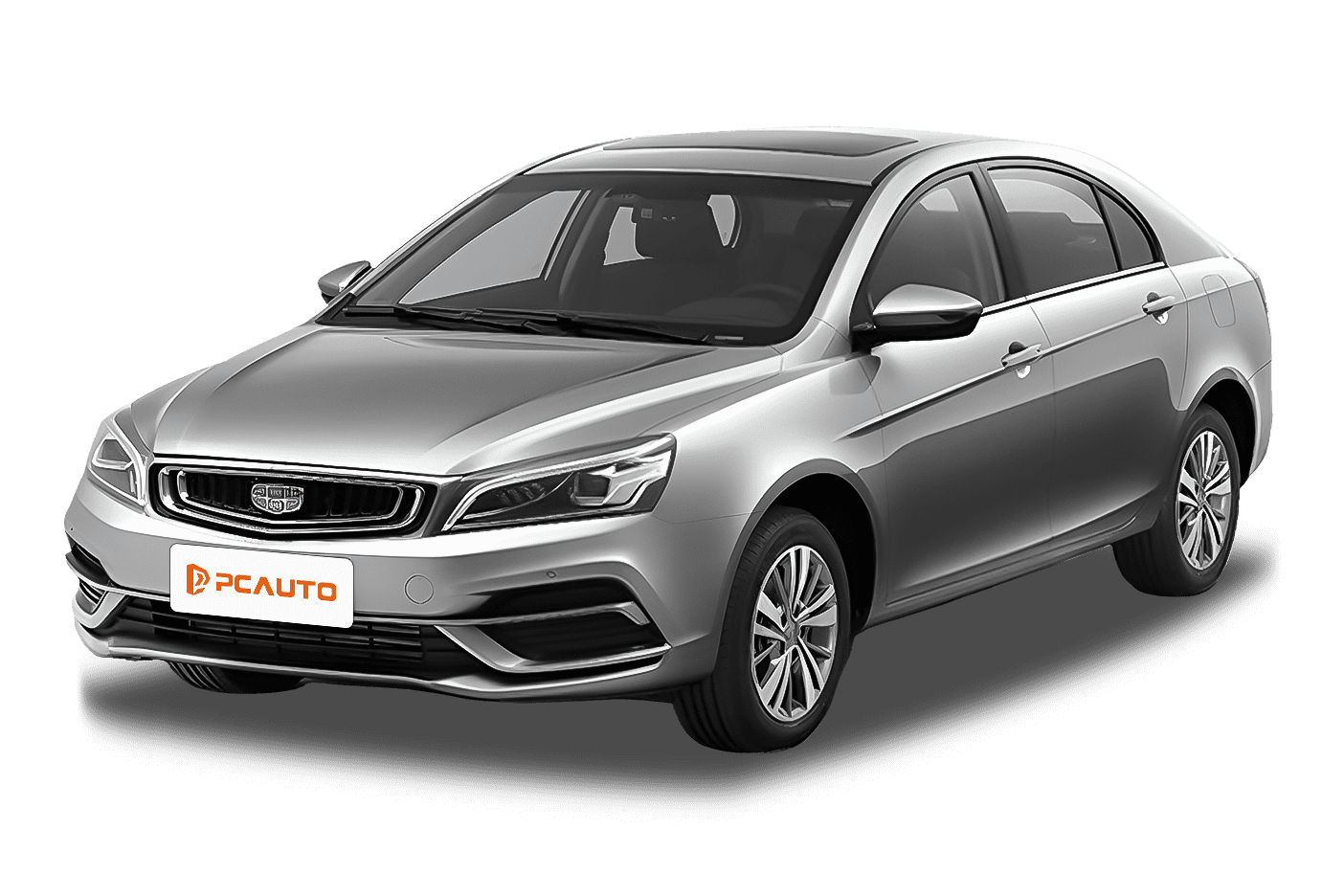
2019 Geely New Emgrand 1.5L-CVT is a balanced family sedan with practical space, rich safety features, and fuel efficiency, meeting the needs of daily commuting and short trips.