

2025 Proton Saga 1.5 Standard AT Review

 Share
Share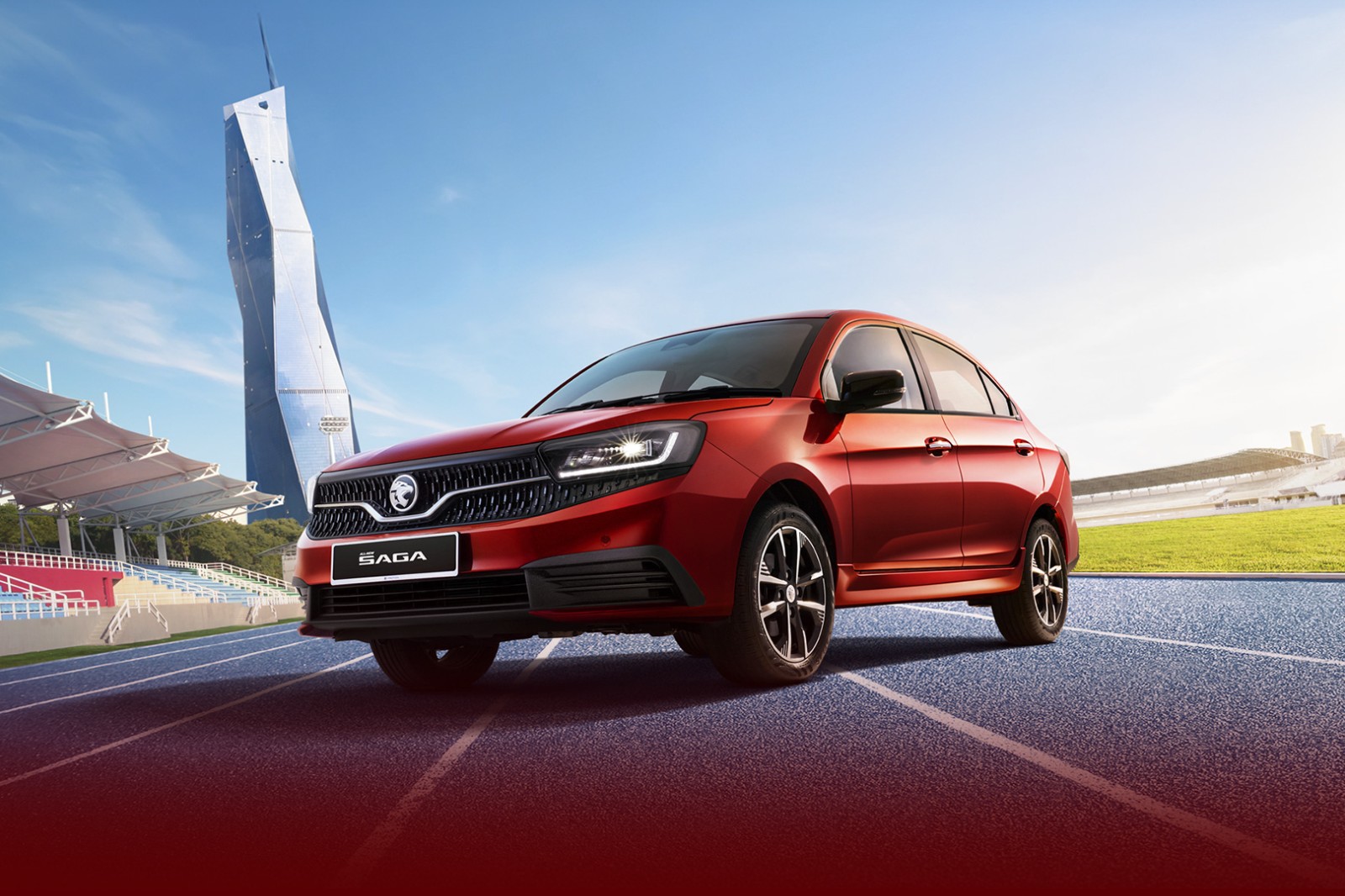
 Segment
 Body Type
 Capacity(L)
 Engine Power(PS)
 Engine Torque(Nm)
 Transmission
As competition in the Malaysian A-segment sedan market continues to intensify, consumers' demand for "high cost-performance ratio + adequate basic features" becomes increasingly clear—after all, for daily commutes and short family trips, ease of use is key. The 2025 Proton Saga 1.5 Standard AT, a familiar face in this segment, hasn't undergone major changes in this update, but its core selling points are straightforward: maintaining an affordable price (RM 37,990) while offering standard, practical features like LED lights, a 9-inch central control touchscreen, keyless entry, and even including electronic stability control (ESC) and hill-start assist as standard features. The purpose of our test drive this time is to see if this "national sedan" can still uphold Proton's reputation in the entry-level market and whether it is sufficient for daily use.
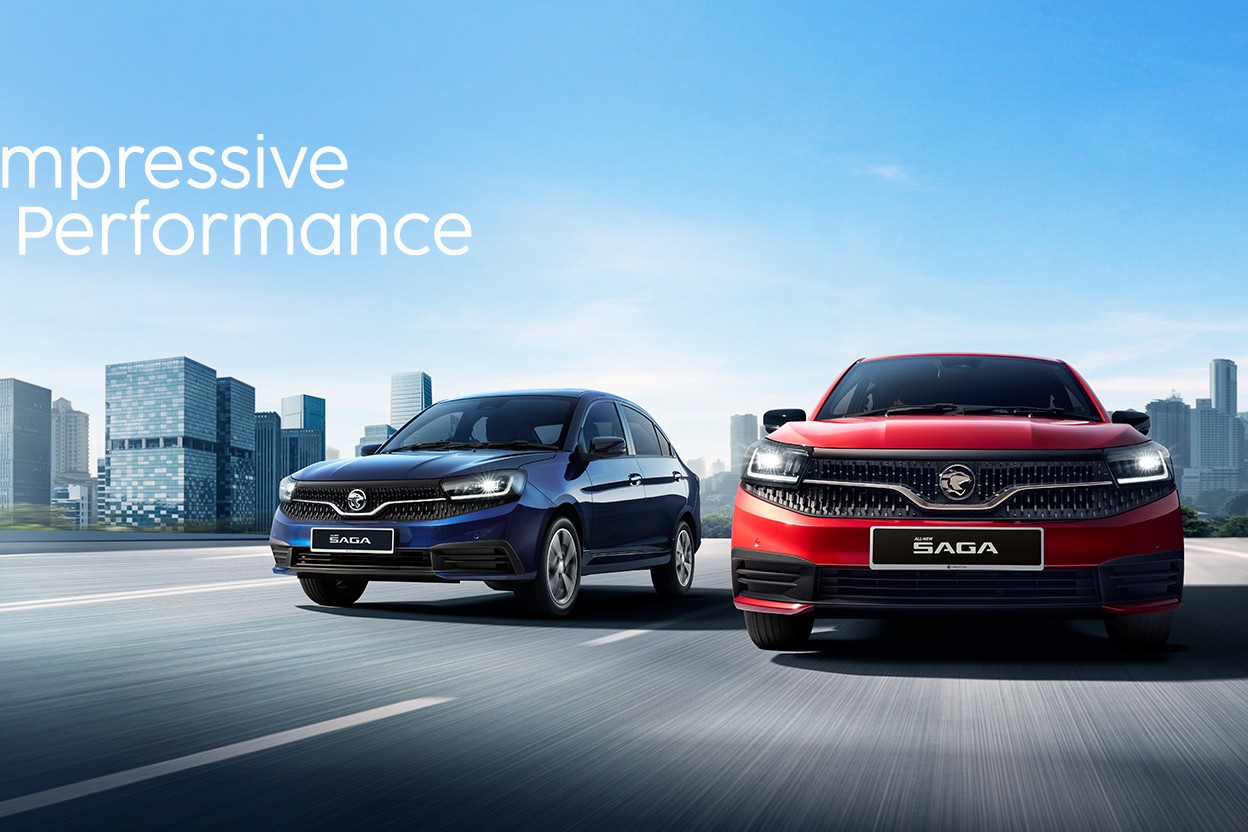
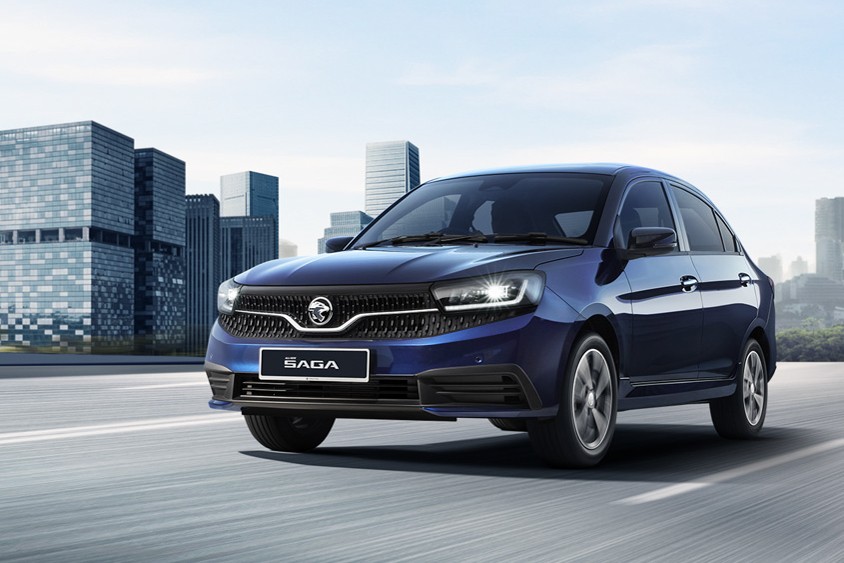
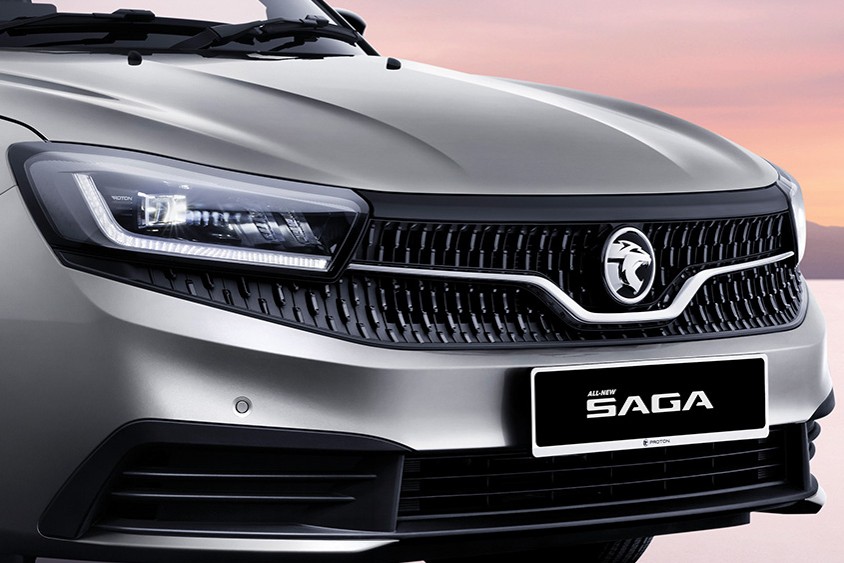
Starting with the exterior, the overall style of the 2025 Saga Standard AT continues the family's design language, with the front featuring a large "Infinite Weave" grille paired with sharp LED headlights on both sides, which significantly improves recognition compared to the old model. The side profile of the car is simple, with a length of 4,390mm and a wheelbase of 2,465mm, which are standard in the A-segment. The 14-inch wheels are not large in size, but paired with 175/65 R14 front tires and 185/60 R14 rear tires, they are visually balanced. The LED taillights at the rear echo the front headlights, and the rear fog lights are also standard. When illuminated at night, the visibility is decent. Overall, the design avoids flashy elements and sticks to a typical family sedan style—simple and unobtrusive.
Sitting inside, the interior layout is tidy. Although most materials used are hard plastics, the seams are controlled fairly well, so it doesn’t feel particularly cheap. The most eye-catching feature on the center console is the 9-inch touchscreen, which has smooth performance and supports Bluetooth connectivity and basic multimedia functions—sufficient for daily music listening or phone calls. The instrument cluster features backlit analog dials, with a clearly legible tachometer and speedometer. A small screen in the middle displays basic information like fuel level and mileage. In terms of equipment, the keyless entry is a pleasant surprise, allowing door access without taking out the key. The front row has a manual air conditioning system with knobs that provide moderate resistance and are intuitive to operate. The front seats are manually adjustable and provide decent support, so long drives won’t feel overly tiring. Rear space is just enough for adults; there’s about a fist’s distance between the knees and the front seats, with no significant headroom constraint. The center floor’s raised section is not too high, so temporarily sitting three people is bearable. The trunk has a capacity of 420L, enough to fit two 20-inch suitcases along with some miscellaneous items. The rear seats can also fold down, which is handy for carrying longer items occasionally.
As for the powertrain, the 1.5L naturally aspirated engine delivers a maximum output of 88kW (120PS) and a peak torque of 150N·m, paired with a 4-speed automatic transmission. The power response during takeoff isn’t particularly quick, but once the throttle is pressed, the power gradually kicks in, making it adequate for daily commutes, following traffic, or overtaking—especially since the car weighs only 1,055kg, which is relatively light. The gearbox's shift logic leans towards smoothness; there is minimal jolt during upshifts, though downshifts can feel slightly delayed, requiring a firmer press on the accelerator during rapid acceleration. We tested it on the highway, and at a speed of 100km/h, the engine ran at about 2,500 rpm. Noise control is decent, with wind and tire noise not being overly intrusive. As for fuel consumption, it averages around 6.8L/100km under mixed driving conditions, which is close to the official figure of 6.7L. Using RON95 petrol and filling the 40L fuel tank, you can drive approximately 550 kilometers, making it cost-effective for daily use.
The handling and chassis performance are in line with the positioning of a family car. The steering wheel uses hydraulic assist, with heavier steering weight but decent precision and provides some road feedback. The front MacPherson and rear torsion beam suspension are tuned for comfort, effectively filtering out most bumps when passing speed bumps or uneven roads, making it less jarring for passengers. When cornering, body roll is not significant, and overall stability is commendable. Regarding braking, the combination of front ventilated discs and rear drum brakes delivers linear braking force — it offers confidence during everyday driving. Practical features like ESC and Hill Start Assist are very useful, ensuring stability on wet or slippery roads and preventing rollback on hills.
The vehicle’s detail work on ride comfort is decent. The seat padding is not overly soft but provides enough support, ensuring you won’t feel back pain after sitting for a long time. Noise control in the cabin is average within its class: at speeds below 80km/h, there’s no obvious noise, but wind noise becomes noticeable on highways without affecting normal conversations. The rear seats include ISO FIX child seat anchors, which is very practical for families with children. The side mirrors support electric folding, saving the trouble of manually adjusting them when parking. However, there’s a minor regret: it lacks a reverse camera and only comes with rear parking sensors, which new drivers might take time to get used to.
In summary, the core advantages of the 2025 Proton Saga 1.5 Standard AT are clear: it’s affordable (RM 37,990) and comes standard with practical features like ESC, LED lighting, and keyless entry. It’s fuel-efficient, and maintenance costs are low. Compared to competitors in the same segment, for instance, the Perodua Bezza, it has a longer wheelbase, offering more spacious rear seating and richer features. Compared to the entry-level Toyota Vios, it’s nearly RM 10,000 cheaper, making it more cost-effective. This car is most suitable for young professionals just starting their careers or families looking for a reliable commuter car. If your needs revolve around daily commuting, school drop-offs, and occasional short trips, and you prioritize reliability and value for money over high-end features, then this is definitely a good choice.
Overall, the 2025 Saga Standard AT doesn’t have particularly stunning features, but it epitomizes the word “practical” — it has all the essential features, is easy to drive, fuel-efficient, spacious enough, and budget-friendly. For buyers with limited budgets, it’s a family sedan you can’t go wrong with, even with your eyes closed.
Proton Saga Loan Calculator
More Proton Reviews
Cars With Similar Price And Features
2
Rank in Sedan
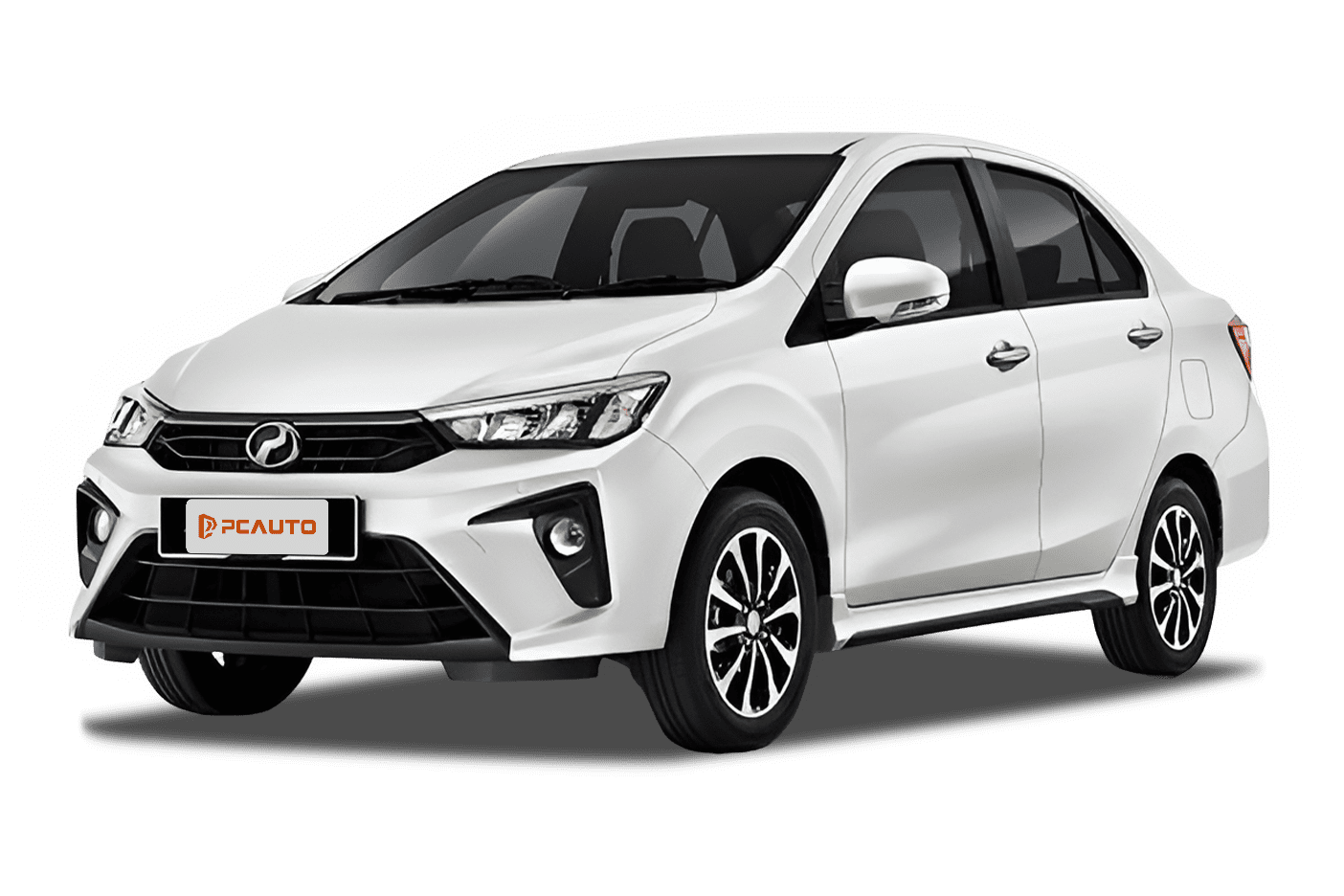
2023 Perodua Bezza 1.0 G (M) is a high-value A-segment manual sedan, offering practical features and durability at an affordable price, balancing daily commuting with safety and convenience.
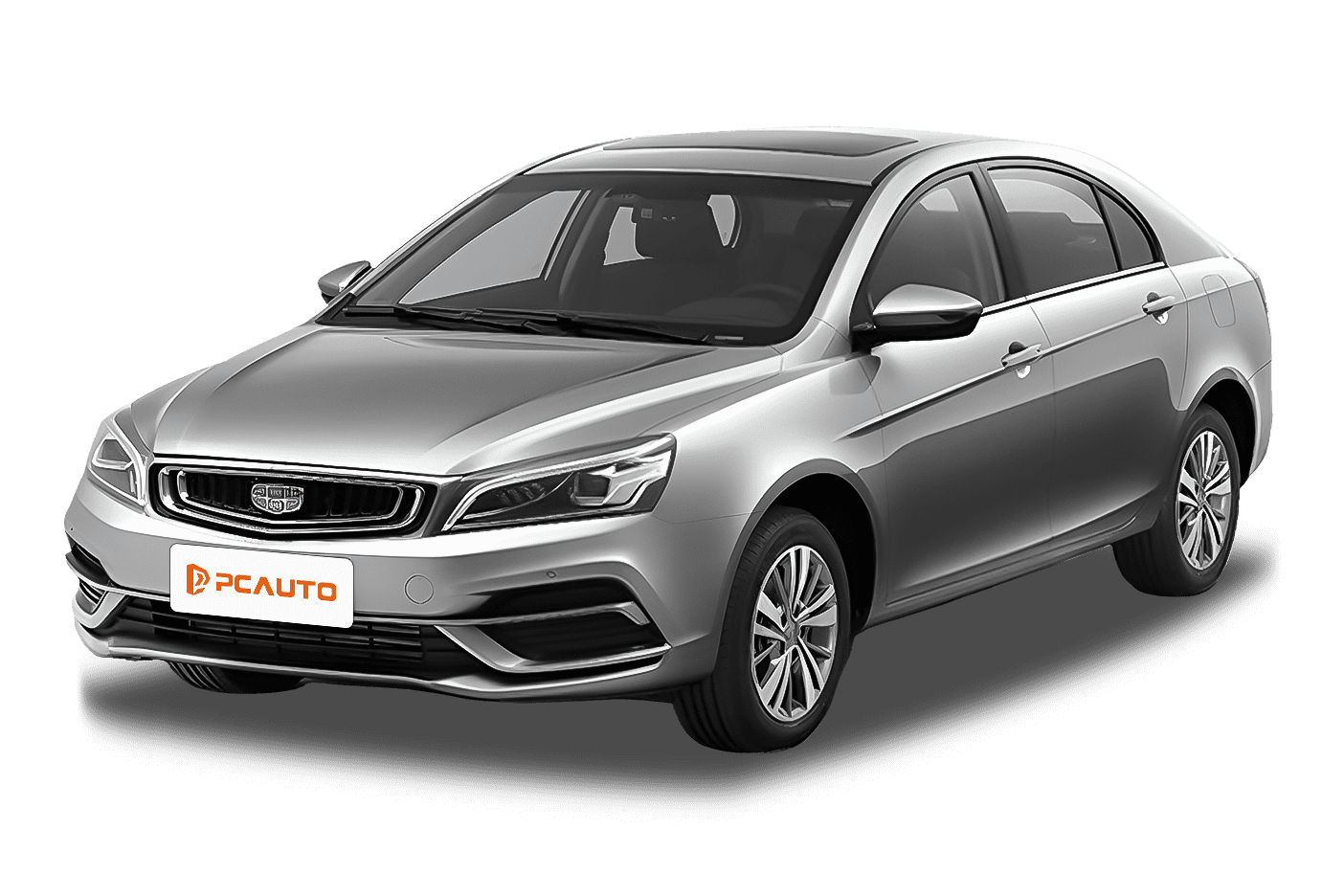
2019 Geely New Emgrand 1.5L-CVT is a balanced family sedan with practical space, rich safety features, and fuel efficiency, meeting the needs of daily commuting and short trips.