

Suzuki Jimny 2024 Review

 Share
Share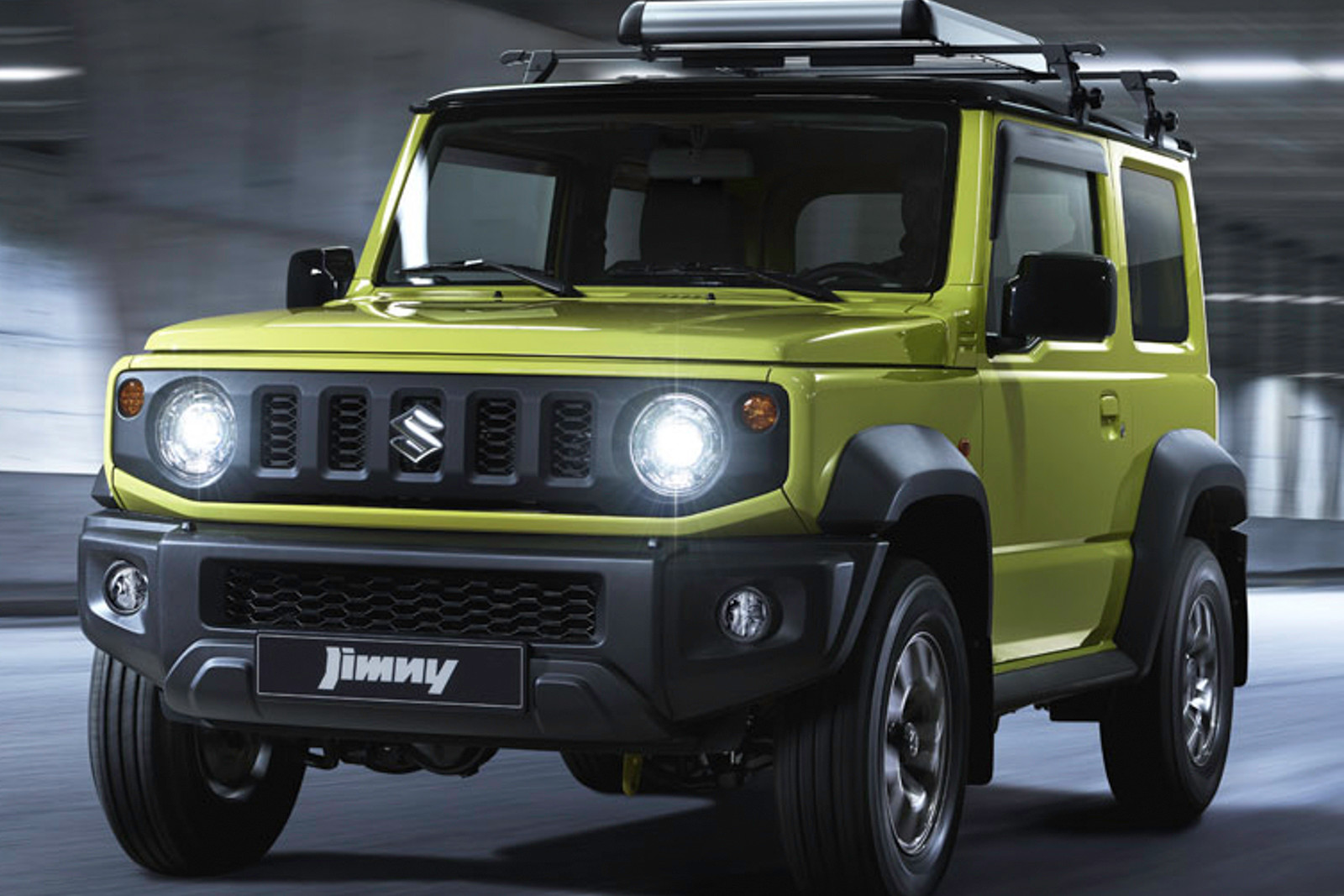
 Segment
 Body Type
 Capacity(L)
 Engine Power(PS)
 Engine Torque(Nm)
 Transmission
Malaysia's A-segment rugged SUV market has always emphasized practicality and off-road performance. Users either pursue compact flexibility for daily commuting or value the off-road capability for weekend excursions— the Suzuki Jimny 2024 is the "benchmark player" in this segment. While this facelift does not make significant adjustments to the powertrain, it features targeted upgrades in configuration details and design quality. Coupled with the classic non-load-bearing body and part-time four-wheel-drive combination, it is easy to ignite the interest of off-road enthusiasts. The focus of our test drive this time is to verify its overall performance in both urban commuting and light off-road scenarios and see if it can still maintain its positioning as a "small steel cannon."
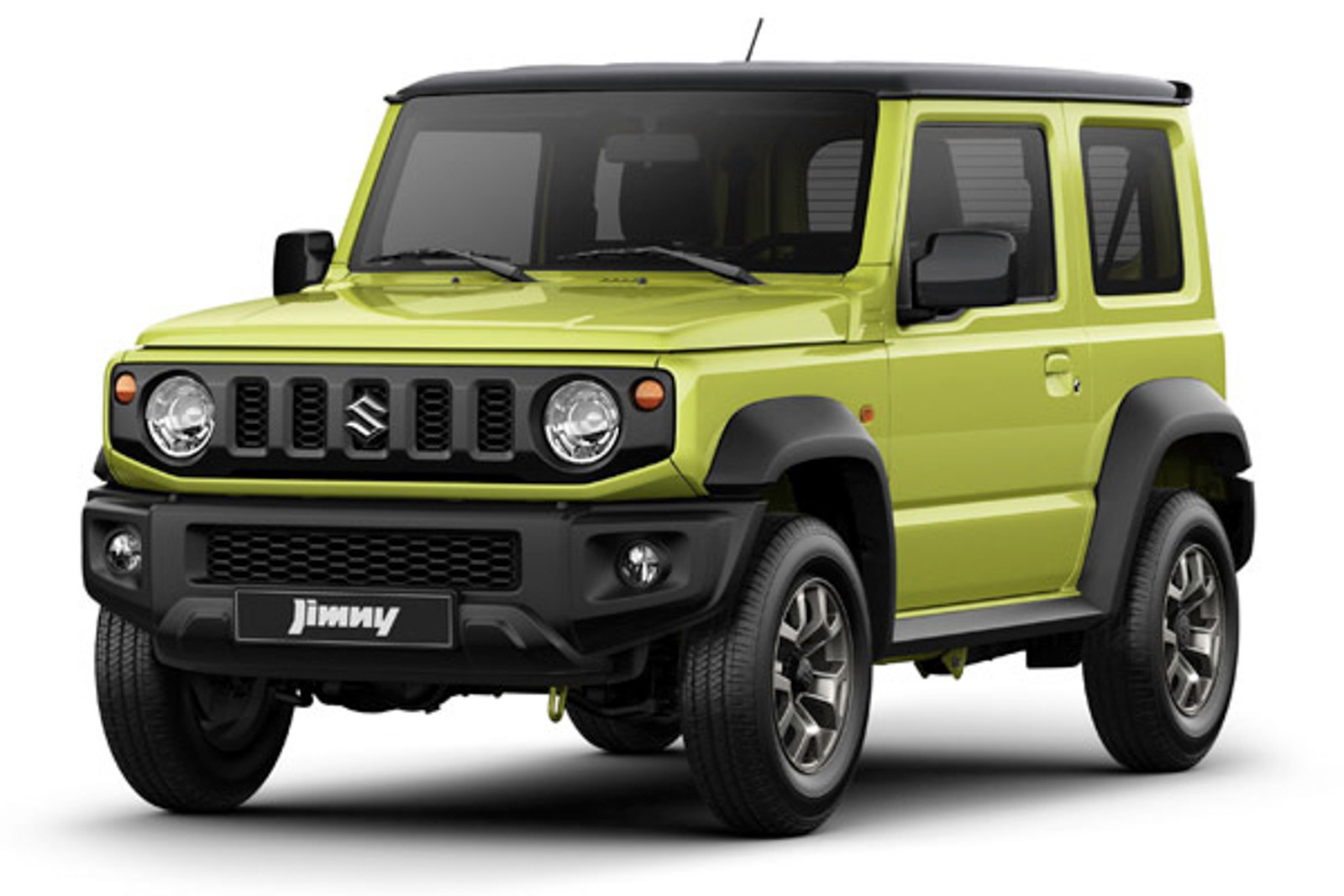
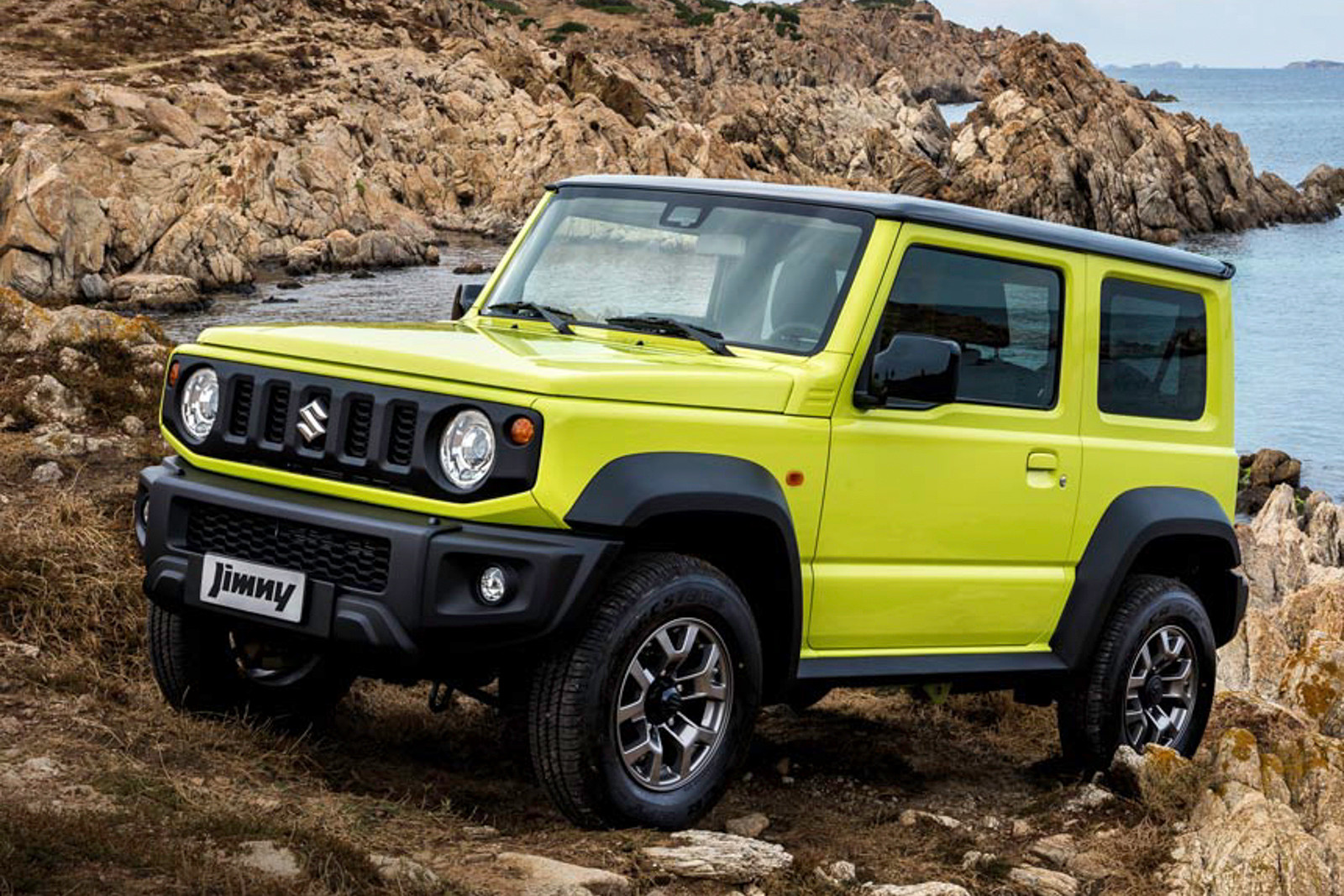
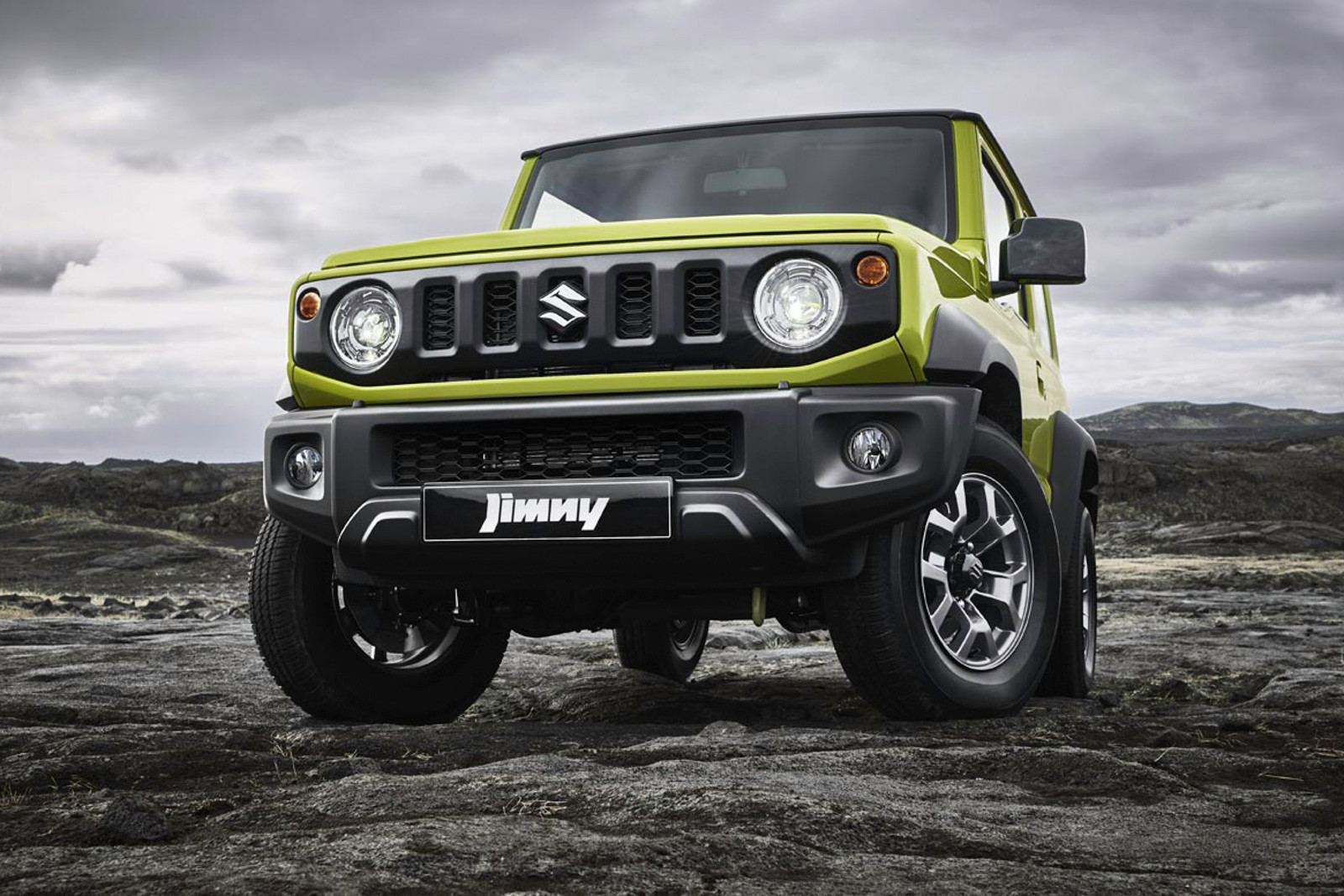
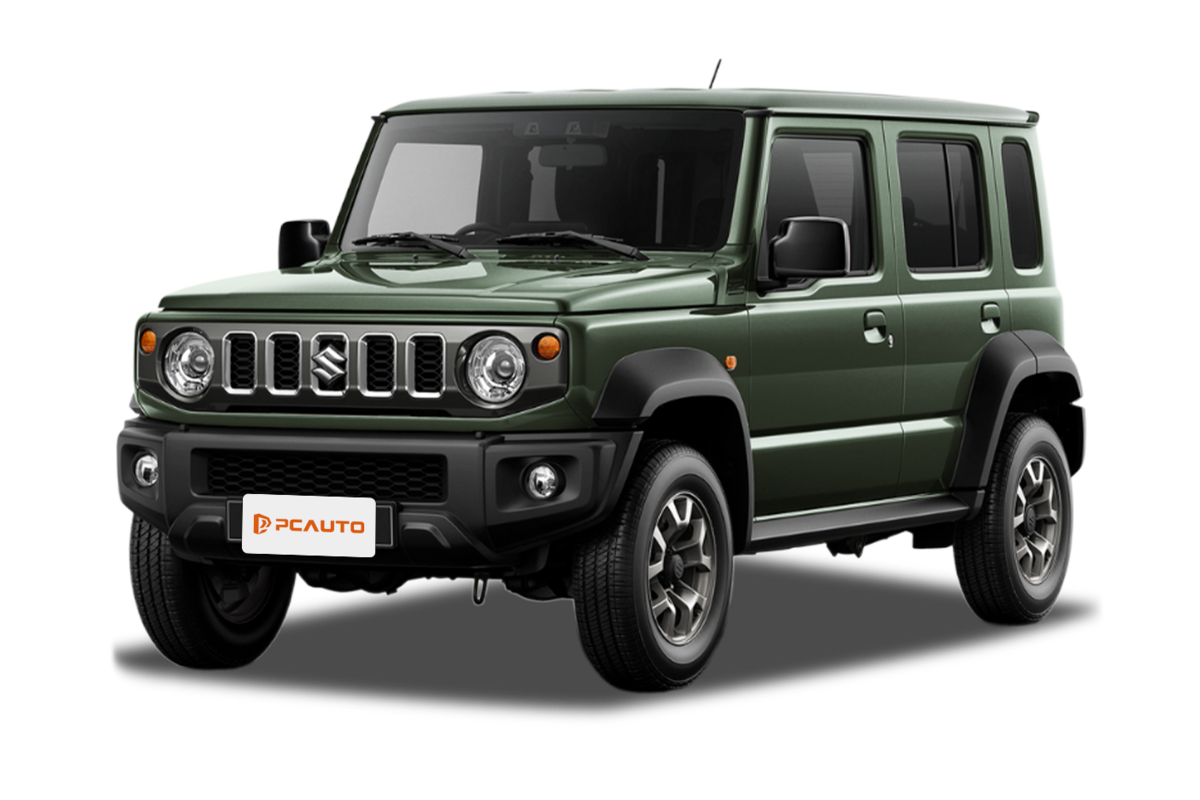
The exterior design continues the rugged and boxy style, with a highly recognizable five-slot grille at the front, combined with round LED headlights. The silver skid plate and round fog lamps below the front bumper further enhance its off-road characteristics. The side profile features straight lines, black fender flares, and 15-inch alloy wheels (with 195/80R15 tires), creating a rugged appearance. The square LED taillights at the rear complement the rear-mounted spare tire, and the tailgate is equipped with a silver skid plate, presenting a cohesive design that aligns with the rugged SUV theme.
The interior emphasizes practicality, with a symmetrical layout for the dashboard. The materials are primarily made of hard plastic, but silver trim details have been added to enhance the visual quality. The 7-inch touchscreen infotainment system supports Bluetooth connectivity with decent operational smoothness. The LCD instrument cluster provides clear display of speed, fuel level, and four-wheel-drive modes. The front row is equipped with single-zone automatic air conditioning, with an intuitive rotary knob for ease of use. The multifunction steering wheel supports volume control and call answering, ensuring sufficient practicality. The front seats are manually adjustable, offering average wrapping but adequate support. The rear seats feature a 50:50 split folding design, allowing for expanded trunk space to meet storage needs when folded.
The dimensions measure 3480mm×1645mm×1720mm, with a wheelbase of 2250mm and a weight of 1435kg. Front-row seating space is ample for passengers up to 175cm tall, with one fist's worth of headroom. The rear seating space is more compact, providing just a two-finger gap for the legs of passengers up to 170cm tall, making it more suitable for short trips. In terms of storage space, the front door pockets can hold two bottles of water, while the central armrest box has limited capacity. The trunk offers limited standard capacity, but folding down the rear seats can accommodate larger items.
In terms of power, it is equipped with a 1.5L naturally aspirated engine, delivering a maximum power of 74kW (100PS) at 6000rpm and a peak torque of 130N·m at 4000rpm, paired with a 4-speed automatic transmission. For daily commuting, the initial acceleration is relatively smooth, though there is a slight jerk during low-speed shifting. Accelerating at medium to high speeds requires deep pressing of the accelerator to achieve noticeable power output, and overtaking necessitates planning ahead. The part-time four-wheel-drive system supports 2H (two-wheel drive), 4H (high-speed four-wheel drive), and 4L (low-speed four-wheel drive) modes, with a simple switch located on the center console. In light off-road scenarios, the 4L mode provides sufficient torque amplification to handle gravel roads and small inclines with ease. However, due to its wheelbase and ground clearance limitations, it is not suitable for extreme off-road adventures.
The chassis adopts front and rear solid axle suspension with a relatively firm tuning. When driving on urban roads, the filtering effect on bumpy surfaces is average, and rear passengers may feel significant vibrations. Body roll is pronounced in corners, and the steering has noticeable play, focusing on stability rather than spirited driving. The steering system is a hydraulic power-assisted type, with a relatively heavy feel. Stability at high speeds is acceptable.
In terms of fuel consumption, the tested results show approximately 8.5L/100km in urban conditions, 6.8L/100km on highways, and a combined fuel consumption of 7.6L/100km. This performance is average among the same class of hardcore SUVs. The braking system uses front disc and rear drum brakes, with a soft initial pedal feel but sufficient braking force later on. During emergency braking, the vehicle remains stable, with a braking distance of about 42 meters from 100 kilometers per hour, meeting expectations.
Regarding driving comfort, noise insulation is average, with noticeable wind noise and road noise at high speeds. The seat padding is relatively firm, which may cause fatigue during long drives. The energy recovery system on automatic transmission models has no obvious engagement feeling, and the overall driving experience leans towards that of a traditional fuel vehicle.
In summary, the core advantages of the Suzuki Jimny 2024 lie in its rugged design, part-time four-wheel-drive system, and compact body size. Compared to models in the same class (such as older Jimny models or competing small SUVs), it has a greater advantage in off-road performance but offers average space and comfort. This car is suitable for two types of users: young consumers seeking a compact and agile vehicle for daily commuting with occasional light off-road adventures, and off-road enthusiasts who use it as a "toy car."
Overall, the Suzuki Jimny 2024 is a model with "distinct pros and cons." While maintaining its hardcore off-road attributes, it meets basic urban commuting needs, but its space and power performance limit its appeal in the family car market. If you value off-road performance and unique exterior design, it remains one of the top choices among A-segment hardcore SUVs.
Suzuki Jimny Car Compare

Suzuki Jimny Loan Calculator
More Suzuki Reviews
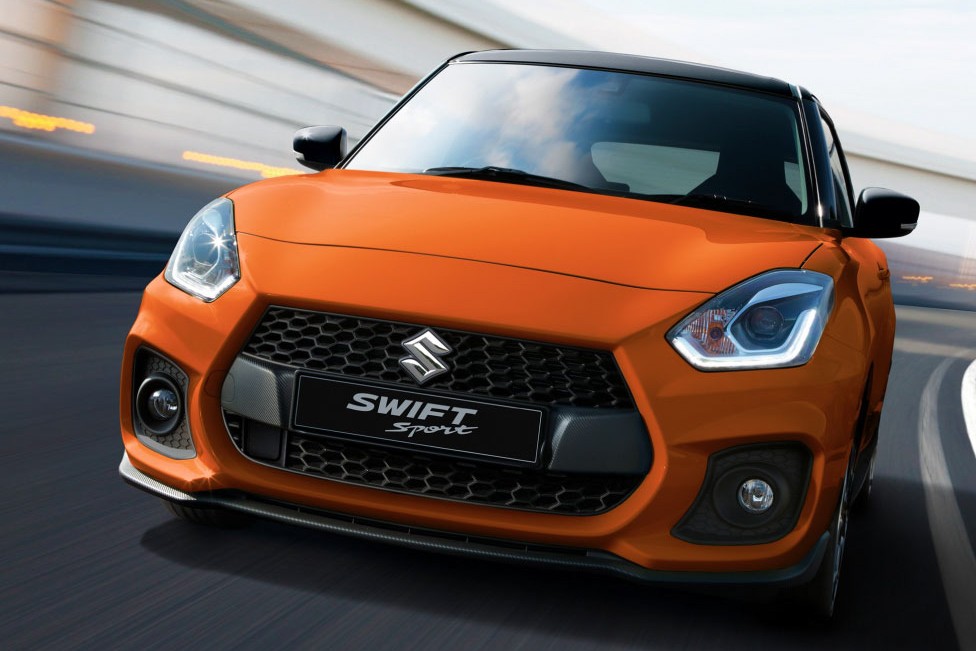
Cars With Similar Price And Features
20
Rank in SUV
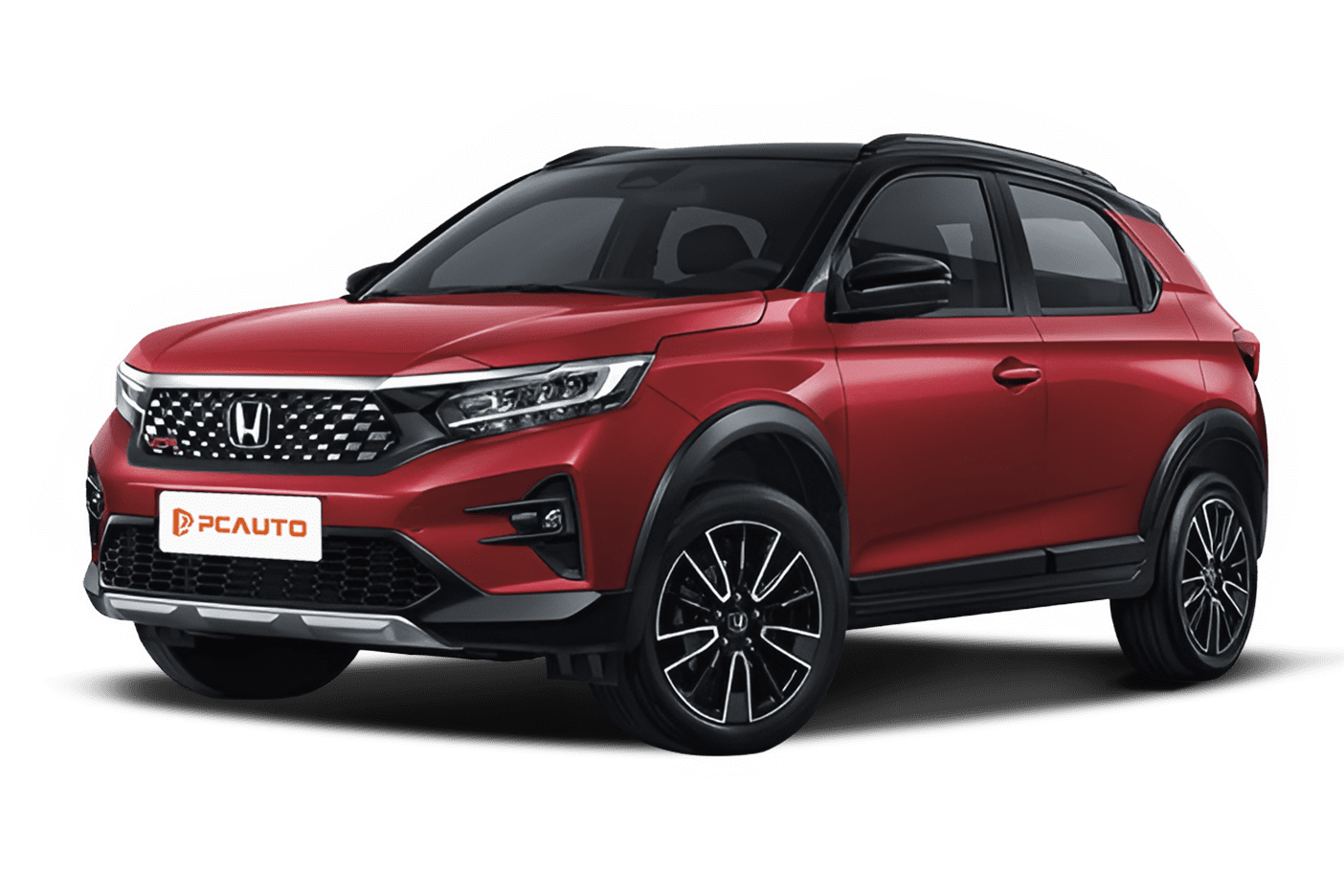
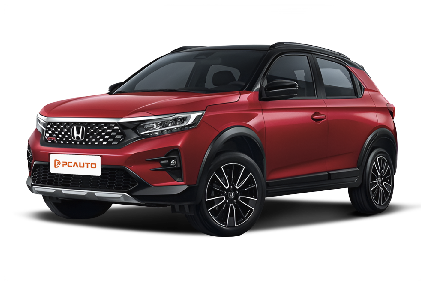
2023 Honda WR-V 1.5 S, as the entry-level model of an A-Segment SUV, enhances maneuverability with high ground clearance, featuring a standard sunroof and practical configurations, balancing urban agility and family needs.
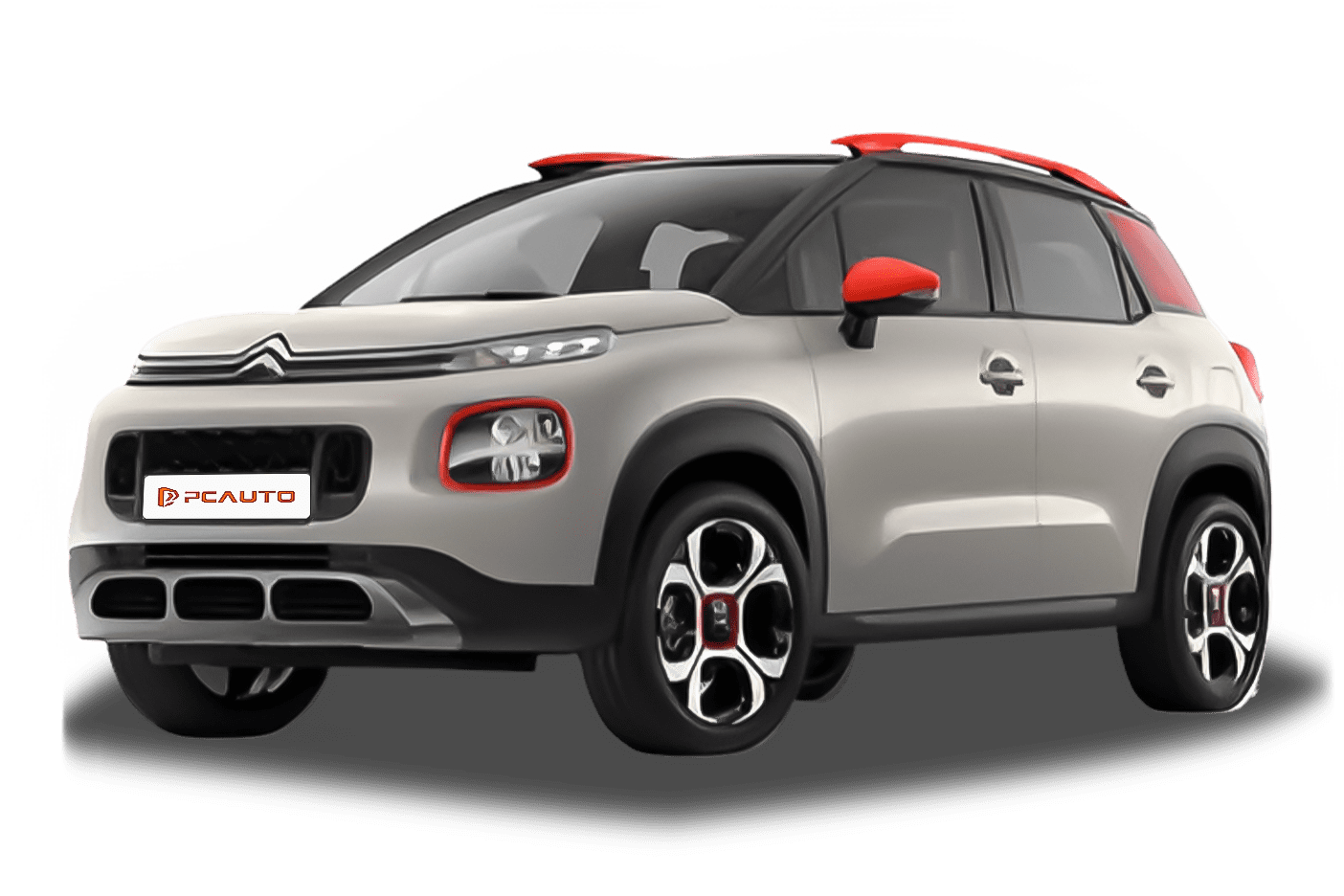
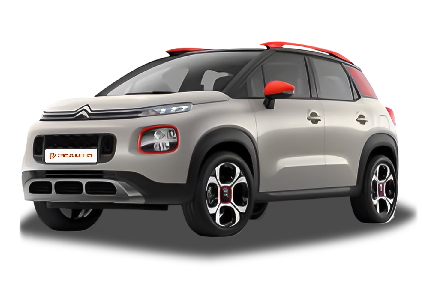
2025 Citroen C3 Aircross public is an A-Segment SUV designed for family users, focusing on flexible space, rich safety configurations, and affordable pricing as its core selling points, balancing urban commuting and multi-scenario practical needs.
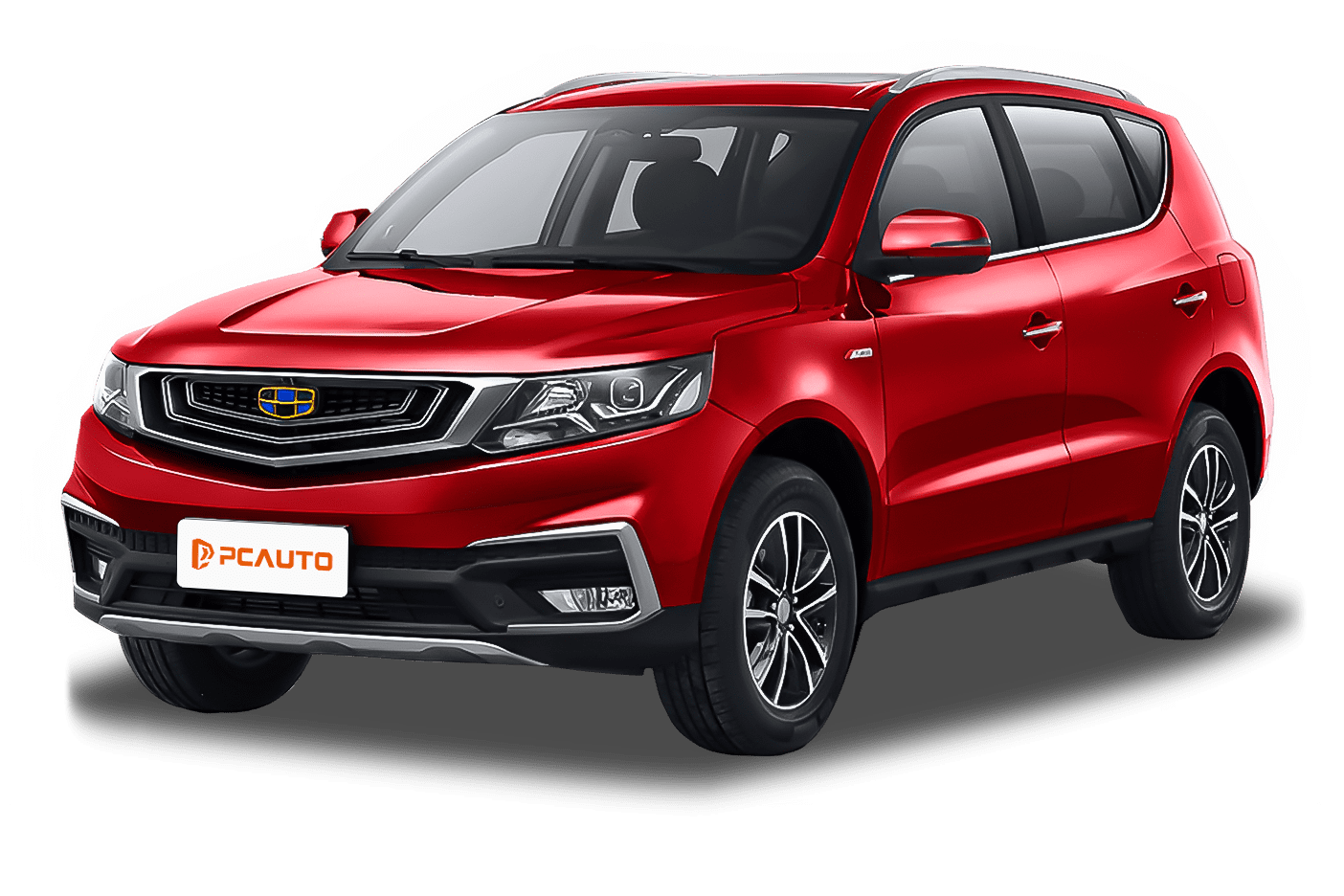
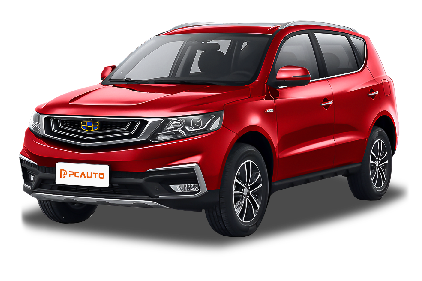
2019 Geely Emgrand X7 1.8L+5MT is a high-value-for-money family-oriented A-segment SUV with practical space and balanced configurations, suitable for budget-conscious family users.