Reference Only. Update Soon
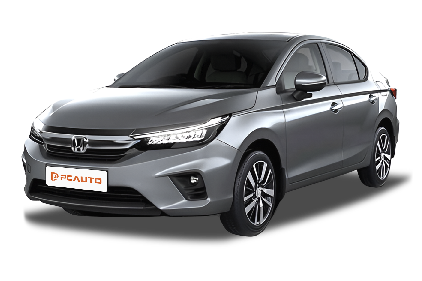
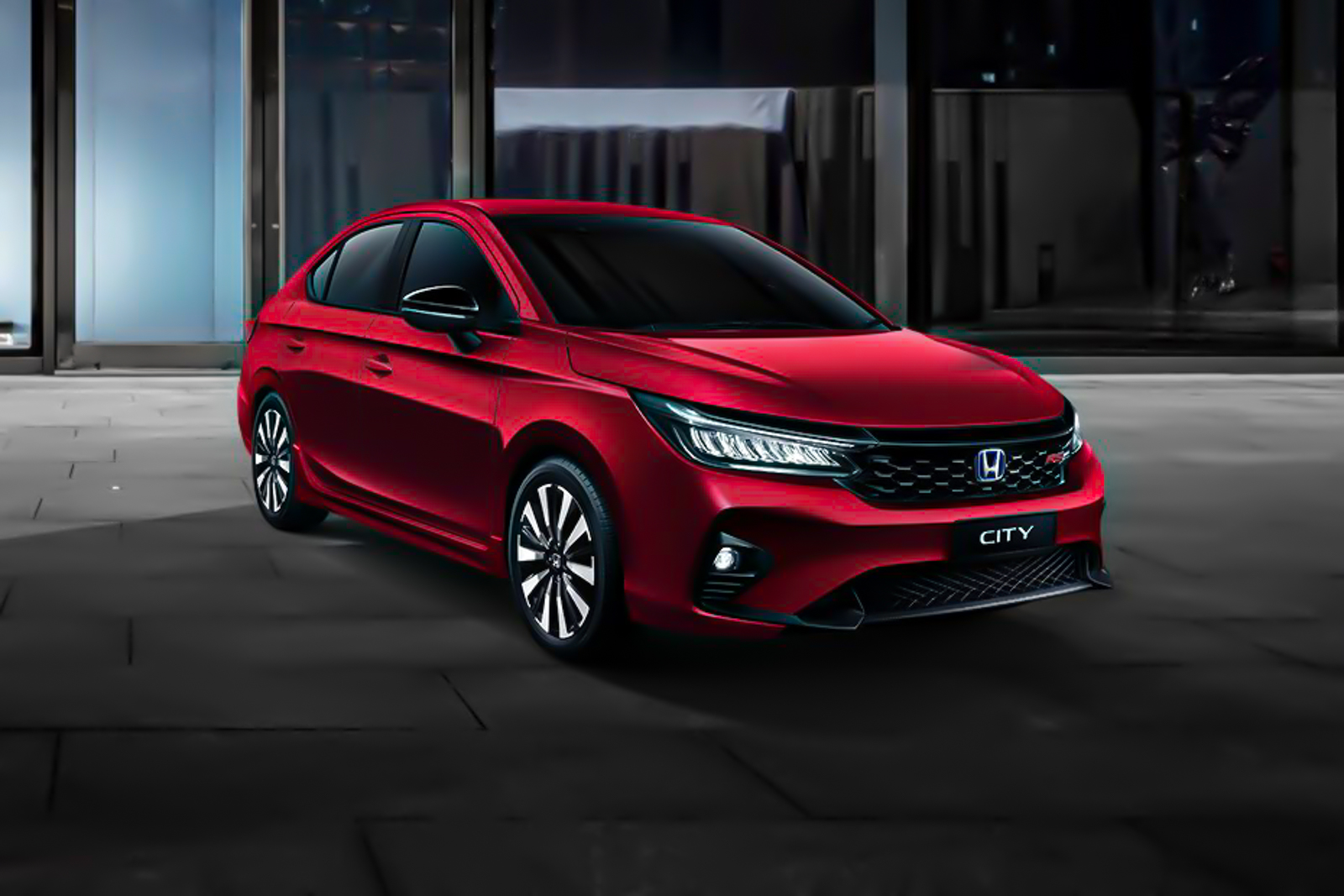
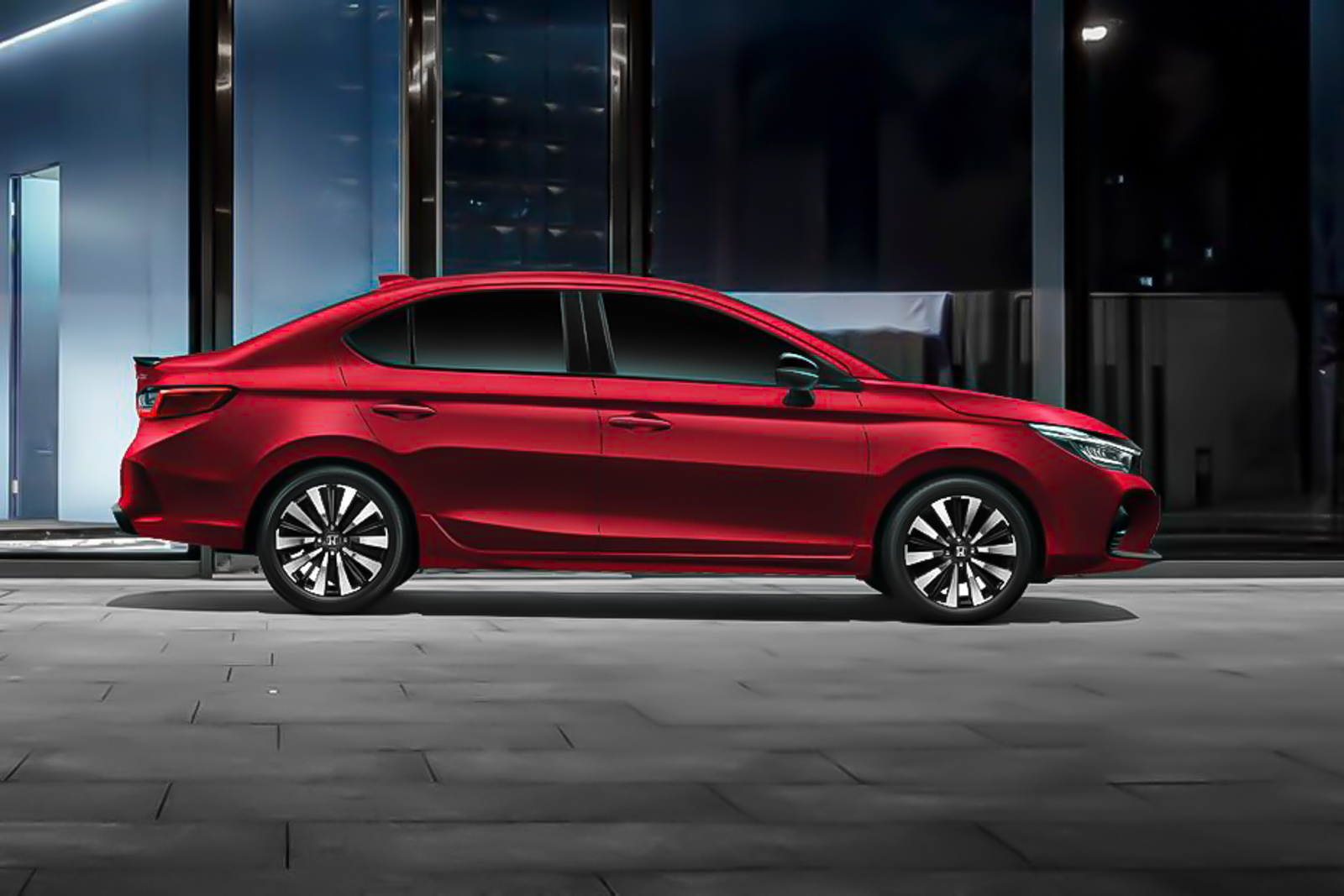
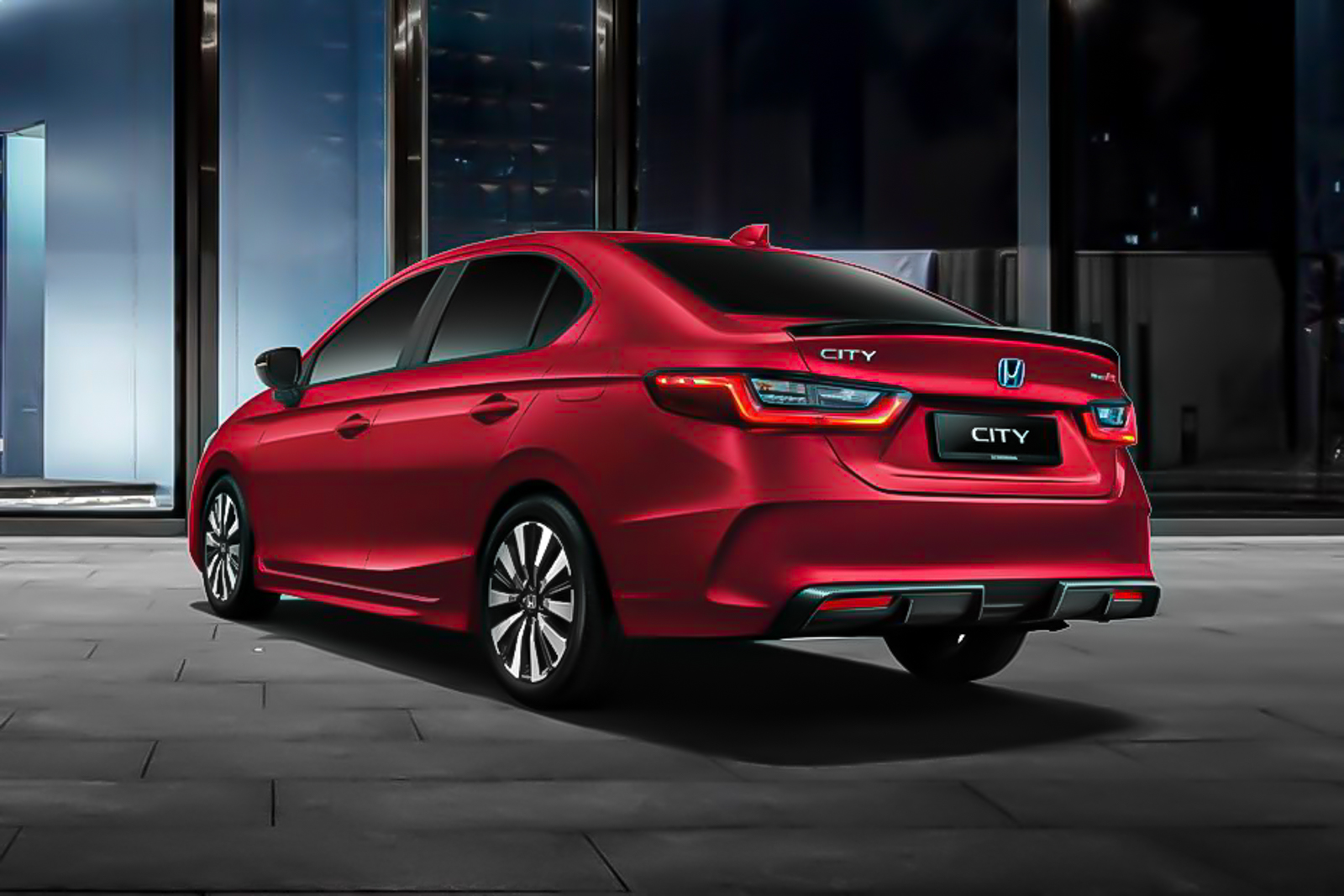
2020 Honda City 1.5L S
No.4 in Best SedanPrice
RM 77,600
Select a Vehicle Variant
2023 Honda City 1.5 S RM 84,900
Summary
The 2020 Honda City 1.5L S, launched in (2020, is a smart-choice B-Segment Sedan priced from RM 77,600. Fits 5 passengers with generous cabin space – check the dimensions: 4553mm L, 1748mm W, 1467mm H. Perfect if you need a family car that parks easily.
Enjoy stress-free highway driving thanks to its 196km/h top speed. Its 1500cc engine balances pep and efficiency. For a reliable daily driver that doesn’t break the bank, the 2020 Honda City 1.5L S delivers style, space, and sensible performance.
Enjoy stress-free highway driving thanks to its 196km/h top speed. Its 1500cc engine balances pep and efficiency. For a reliable daily driver that doesn’t break the bank, the 2020 Honda City 1.5L S delivers style, space, and sensible performance.
Core Specs

Segment
B-Segment

Engine Capacity(cc)
1500

Transmission
CVT

Fuel Comsumption (L/100km)
5.4

Fuel Tank(litres)
40

Top Speed(km/h)
196

Seats
5

Length(mm)
4553

Width(mm)
1748

Height(mm)
1467

Wheelbase(mm)
2600

Boot Volume(L)
519
Honda City Dealers
Related Q&A
View More >Q
What is the fuel consumption of Honda City 2018?
The fuel economy of the 2018 Honda City varies by powertrain. The version with the 1.5-liter i-VTEC naturally aspirated engine averages around 5.4 to 5.8 liters per 100 kilometers in combined driving, while the RS trim with the 1.5-liter Earth Dreams turbocharged engine is slightly higher at approximately 6.2 liters per 100 kilometers. Actual figures can fluctuate based on driving habits, road conditions, and maintenance status. Equipped with a CVT transmission that optimizes fuel efficiency, paired with an ECO mode for further savings, this car suits city commuting well. To boost fuel economy, regular maintenance like air filter replacements and using the recommended viscosity oil is advisable, along with avoiding aggressive acceleration or speeding. In its class, fuel efficiency ties closely to engine technology and lightweight design—some competitors achieve lower consumption through direct injection or hybrid systems, yet the Honda City remains popular for its reliability and strong after-sales network. Additionally, keeping tire pressure at the manufacturer's recommended levels and reducing idle warm-up time are small details that can marginally improve fuel economy.
 BookwormReaderNov 19, 2025
Q
Is the 2018 Honda City fuel efficient?
The 2018 Honda City does a solid job when it comes to fuel economy. Under the hood, you've got that 1.5-liter i-VTEC engine paired with a CVT transmission. Official figures peg the combined fuel consumption at around 5.4 liters per 100 kilometers. In real-world driving, if the roads are smooth and you keep a steady hand on the wheel, you can usually keep the mixed city-highway fuel use down to about 6 liters per 100 km. That makes it a pretty fuel-efficient pick for daily commutes or longer drives. A big part of that efficiency comes from Honda's Earth Dreams Technology, which boosts fuel economy by optimizing combustion efficiency and cutting down on mechanical resistance. If you're really looking to stretch a tank, there's always Eco mode—it tweaks the throttle response and air conditioning output to save even more fuel. Among its peers, its fuel economy sits comfortably in the upper-middle range, making it a great fit for shoppers who value practicality and cost-effectiveness. Oh, and don't forget—sticking to regular maintenance like changing the air filter and using the right viscosity oil will help keep that fuel economy in check, too.
 TeaAddictBrewerNov 19, 2025
Q
Does the 2018 Honda City have parking sensors?
The 2018 Honda City does come with parking sensors in some trim levels, but whether a specific model has them depends entirely on its actual specs and configuration grade. Higher-end variants typically feature front and rear parking sensors to help drivers park more safely and conveniently. These sensors use ultrasonic technology to detect distances to obstacles, alerting drivers with audio or visual cues—super handy in crowded city areas or tight parking spots. Beyond parking sensors, many modern cars also offer reverse cameras or even 360-degree surround-view systems, which take parking safety up another notch. If you're looking at a used model or considering upgrading features, it's best to check the vehicle in person or consult a dealer to confirm what's included. You might also want to ask about other driver-assist tech like automatic parking or blind-spot monitoring, as availability can vary between model years and trims.
 CoffeeLoverAddictNov 19, 2025
Q
Does the Honda City 2018 have airbags?
The 2018 Honda City does come with airbags, but the exact setup varies by trim level. Higher-spec models usually get 6 airbags – that's dual front, side, and side curtain airbags. The base version, though, might only have the dual front ones. Definitely check the specific trim's spec sheet before buying. Airbags are a key part of the passive safety system; they work with seatbelts during a crash to really cut down on injury risks. But remember, they only do their best job when you're properly buckled up, and never put a child seat in the front where there's an active airbag. The car also standardizes basics like ABS and EBD, and some versions might throw in VSA vehicle stability control – those help with handling in emergencies. Oh, and it's smart to keep an eye on the airbag system warning light day-to-day. If it lights up, get it checked out ASAP to make sure everything's working right.
 FitnessFanaticTrainerNov 19, 2025
Q
What is the fuel capacity of Honda City 2018?
The 2018 Honda City comes with a 40-liter fuel tank, a design that balances daily commuting and short to medium-distance travel needs. Paired with its efficient 1.5-liter i-VTEC petrol engine or 1.5-liter Earth Dreams diesel engine (in select markets), it delivers an approximate range of 500 to 600 kilometers, though actual performance varies based on driving habits and road conditions. Notably, all City models come standard with an ECO assist system, which further boosts fuel efficiency by optimizing throttle response and air conditioning output. The resin fuel tank not only reduces vehicle weight but also effectively lowers corrosion risks. For frequent long-distance drivers, regular tire pressure checks and air filter maintenance are recommended – these small details can lead to even better fuel economy. Competitors like the Toyota Vios offer a 42-liter tank, but real-world range depends on overall engine efficiency, and the City has always been competitive when it comes to fuel-saving technologies.
 ChocolateFreakFanaticNov 19, 2025
Q
Is the Honda City 2018 worth buying now?
The 2018 Honda City, a practical and budget-friendly B-segment sedan, still offers solid value for money today, especially for buyers on a tight budget who prioritize reliability. Under the hood, it’s powered by a 1.5L i-VTEC engine that delivers smooth performance and excellent fuel efficiency – around 14km/L in the city and up to 18km/L on the highway. Maintenance costs are low too, and Honda’s original 5-year unlimited mileage warranty might still partially apply to second-hand owners. Space-wise, it stands out in its class with generous rear legroom and a 536-liter trunk. However, when shopping for a used one, pay close attention to the CVT transmission’s condition (checking service records is a must), and keep in mind the 2018 model lacks advanced driver aids like AEB that are common in newer cars. If you find one in good shape priced between 50,000 to 60,000 Ringgit, it’s definitely worth considering. You could also compare it to the same-year Toyota Vios or Nissan Almera, but the City edges them out in handling agility and interior design. Before buying, I recommend getting a PUSPAKOM inspection to check the vehicle’s history, and prioritize units with full service records from authorized dealers to minimize risks.
 NovaNov 19, 2025
Q
How much is a Honda City 2018?
The used car price for a 2018 Honda City is currently around RM50,000 to RM70,000, depending on factors like vehicle condition, mileage, trim level, and location. The high-spec V trim usually costs RM10,000 to RM15,000 more than the base S trim. It's recommended to compare prices on used car platforms or check certified pre-owned options at authorized dealers before buying. This car comes with a 1.5L i-VTEC engine, offering excellent fuel efficiency (around 15km/L). Its large user base means easy maintenance and strong resale value in the used market, but be sure to check for common issues like shock absorber leaks or air conditioning system condition. Competitors in the same class include the Toyota Vios and Nissan Almera, but the City stands out for its space utilization, with a 536-liter trunk that's great for families. If your budget is similar, you could also consider the 2017 HR-V crossover, though its used price will be about 10%-15% higher.
 UipNov 19, 2025
Q
How much should I pay for a 2018 Honda City?
Used 2018 Honda City models typically range in price from RM55,000 to RM75,000, depending on factors like condition, mileage, trim level, and service history. Higher-spec V trims or low-mileage examples will sit closer to the top end, while base models or higher-mileage cars are more affordable. This car is super popular in the used market, mainly thanks to its reliable 1.5L i-VTEC engine and great fuel economy. Plus, maintenance costs are low and parts are easy to find—all key reasons it holds its value so well in its class. Before buying, it's smart to check the vehicle history through official channels to make sure there's no accident or flood damage, and get a professional mechanic to inspect it, especially the engine and gearbox. Also, rivals from the same year like the Toyota Vios or Nissan Almera have similar used prices, but differ a bit in features and driving feel, so you can pick based on personal preference and budget.
 DuskNov 19, 2025
Q
Does the Honda City 2018 have a sunroof?
Depending on the trim level, the 2018 Honda City does come with a power sunroof on some higher-spec variants, but it's not standard across the entire range. You'll need to check the specific Variant grade for that. As a popular sedan, the sunroof in the City does a nice job of letting in more light and improving ventilation, though it's worth noting that the sunroof version cuts into headroom a bit. Also, over time, you've got to keep the rails clean to avoid annoying squeaks or rattles. In this segment, sunroofs are usually reserved for top trims, so when buying, it's smart to compare the spec sheets of different versions. Beyond the sunroof, pay attention to practical safety features like VSA and the number of airbags. If you're looking at a used City, you can check the condition of the sunroof by inspecting the roof seal strips and how smoothly the switch operates. Regularly lubricating the tracks and cleaning the drain holes will help extend its lifespan.
 XipNov 19, 2025
Q
What size engine is in the Honda City 2018?
The 2018 Honda City comes with a 1.5-liter four-cylinder naturally aspirated engine, codenamed L15A. This engine features Honda's i-VTEC technology, which delivers solid power while keeping fuel economy in check. It puts out 120 horsepower and 145 Nm of peak torque, paired with either a CVT automatic or a 5-speed manual gearbox. The overall performance is smooth, making it well-suited for city driving. This engine offers plenty of low-end torque, perfect for daily commuting, and still maintains decent power response at higher revs, balancing fuel efficiency with driving fun. It's worth highlighting that Honda's i-VTEC technology optimizes engine efficiency across different driving conditions by intelligently adjusting valve timing and lift—that's a real standout feature here. If you're craving more power, keep an eye out for the hybrid versions in later models; they take fuel economy to an even better level. All in all, the 2018 Honda City's engine setup is right up there with the mainstream in its class, ideal for shoppers who prioritize practicality and reliability.
 SapphireBlueNov 19, 2025
Popular Cars
Model Year
Car Compare
Car Photo
Model List
Honda City is a B-Segment Sedan car launched by Honda. PCauto has cataloged various variants of this car produced from 2009 to 2023.You can compare differences in detail at the parameter table.
Among the 5 variants of Honda City, prices range from the affordable RM 84,900 to the most expensive RM 111,900.You can find different horsepower versions ranging from 98PS to 121PS.
Honda City offers 1.5L engines and CVT, E-CVT transmission. Check the spec sheet for more details.
5 Models on Sale
2023
2022
2021
2020
2018
2009
- 0-100km/h(s): 10.2
- Fuel Consumption: 5.6
- Engine Power(PS): 121
- Aspiration Form: NA
- Driven Wheels: Front Wheel Drive
- 0-100km/h(s): 10.2
- Fuel Consumption: 5.6
- Engine Power(PS): 121
- Screen: 8
- Aspiration Form: NA
- 0-100km/h(s): 10.4
- Fuel Consumption: 5.6
- Engine Power(PS): 121
- Screen: 8
- Aspiration Form: NA
- 0-100km/h(s): 10.4
- Fuel Consumption: 5.6
- Engine Power(PS): 121
- Screen: 8
- Aspiration Form: NA
- 0-100km/h(s): 9.9
- Fuel Consumption: 3.6
- Engine Power(PS): 98
- Blind Spot Info System
- Autonomous Emergency Braking
2023 Honda City 1.5 S
RM 84,900
2023 Honda City 1.5L E
RM 89,900
2023 Honda City 1.5L V
RM 94,900
Honda City 1.5L RS
RM 99,900
2023 Honda City 1.5L e:HEV RS
RM 111,900