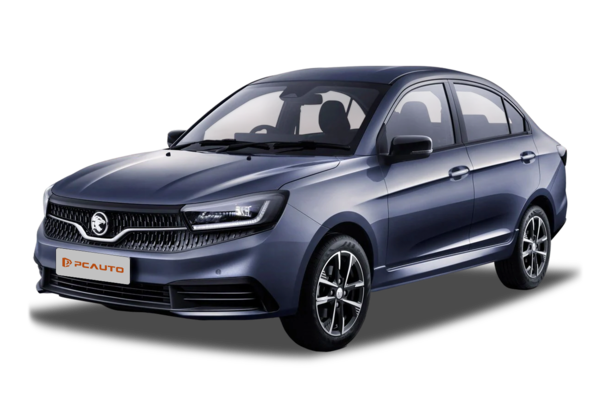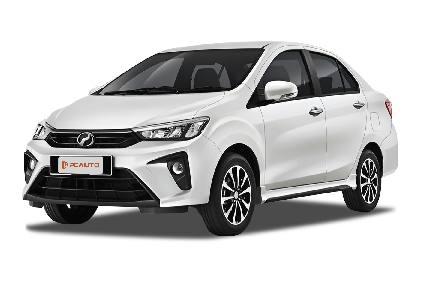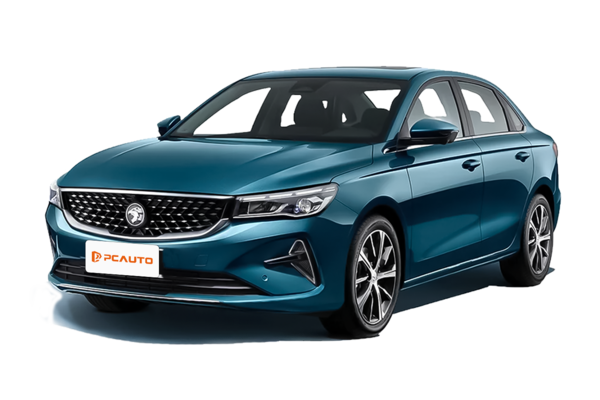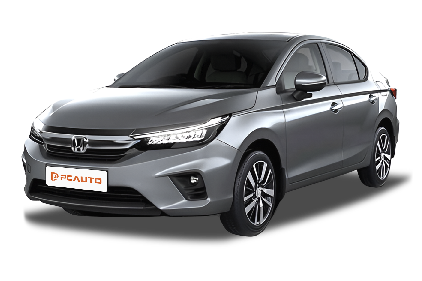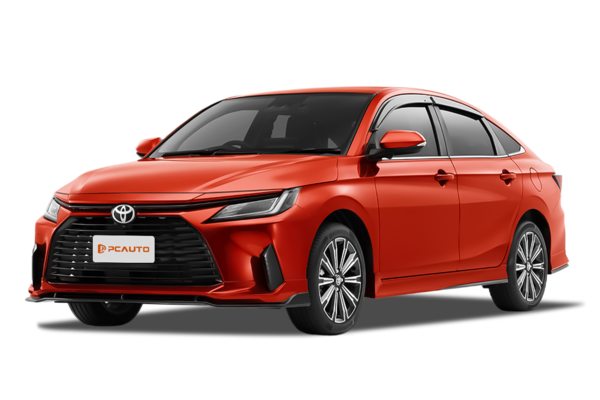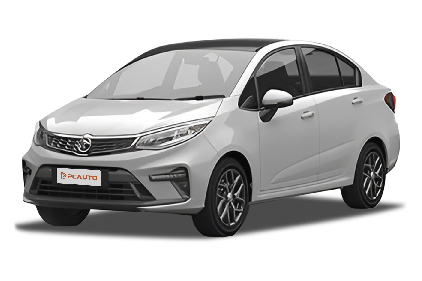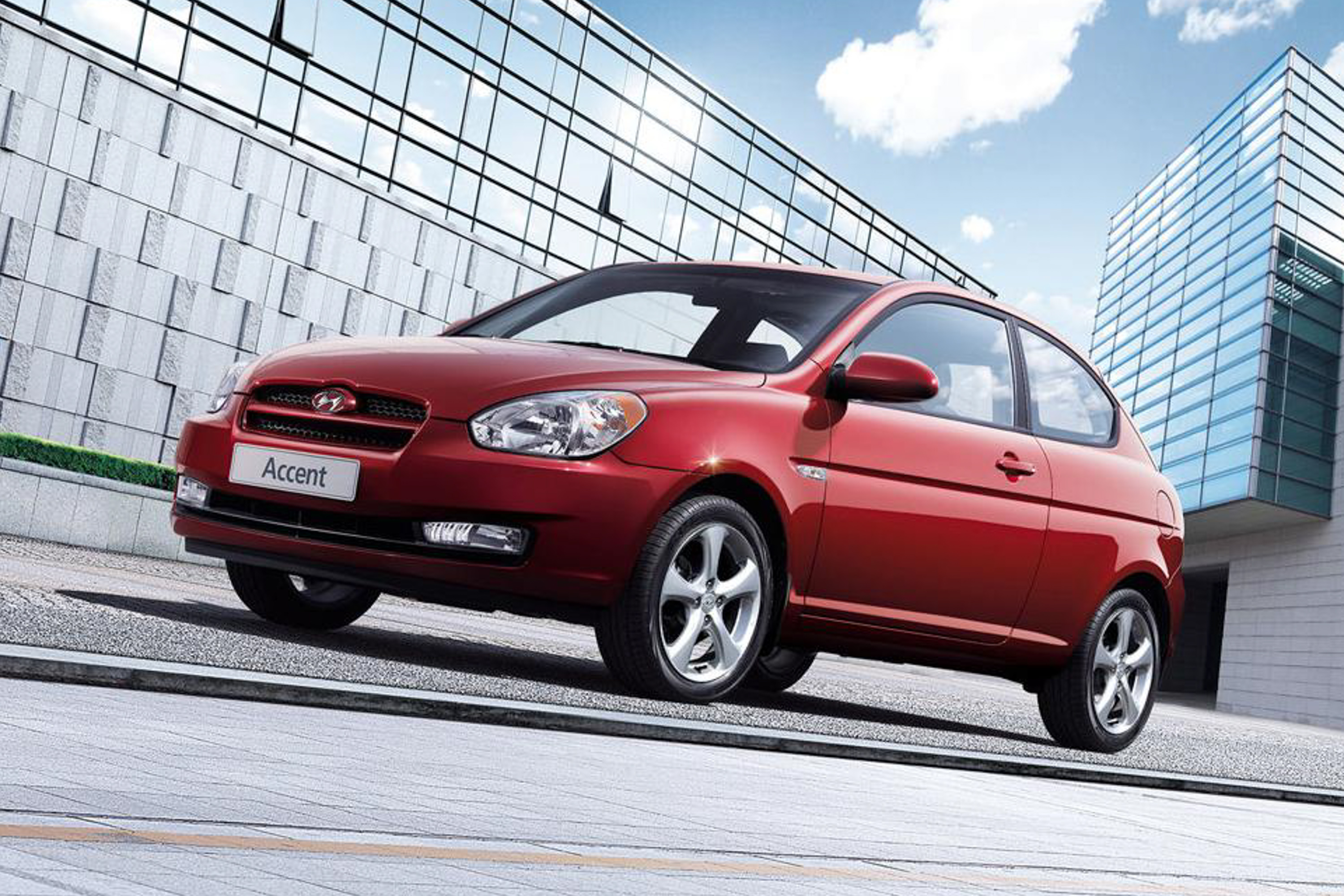
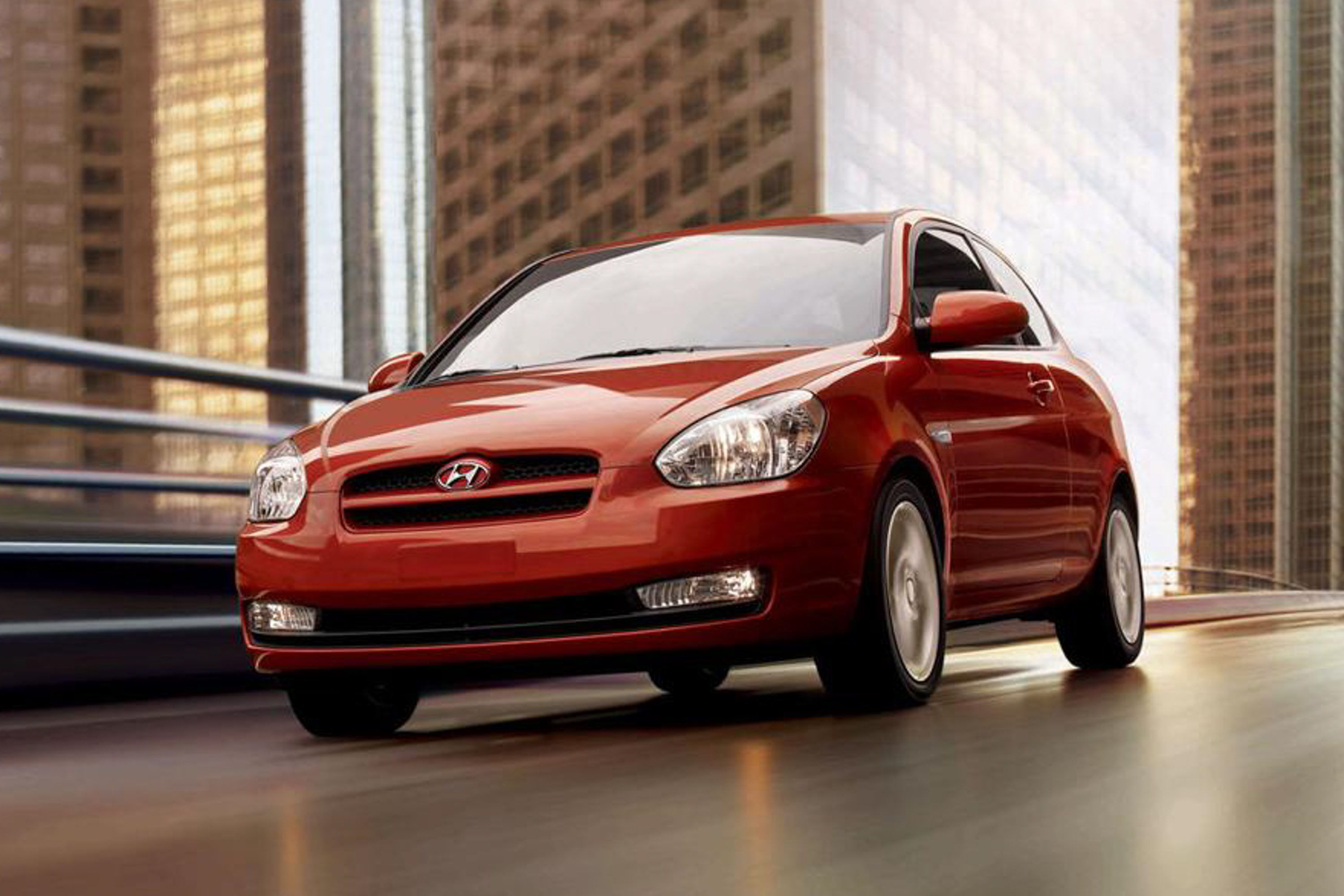
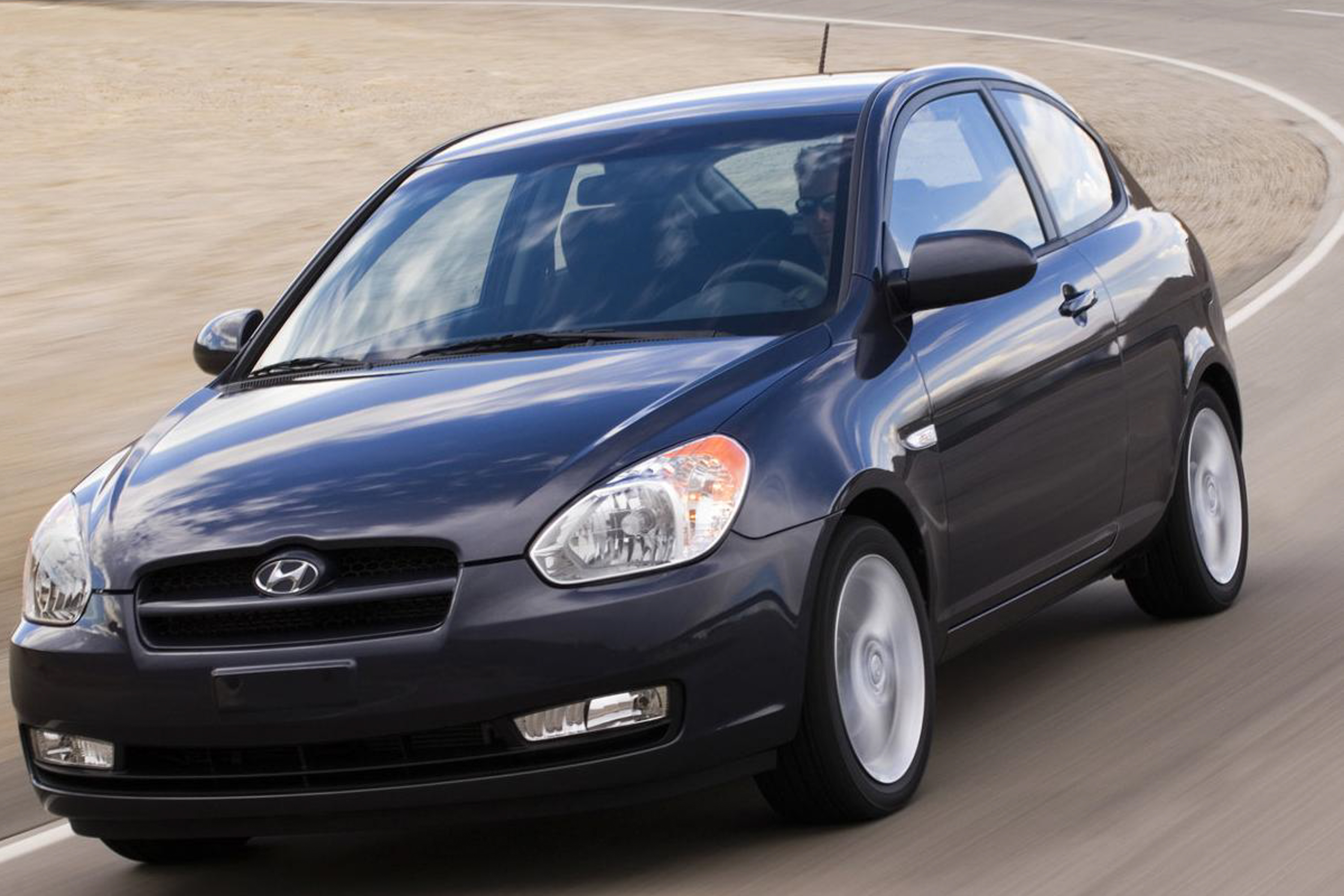
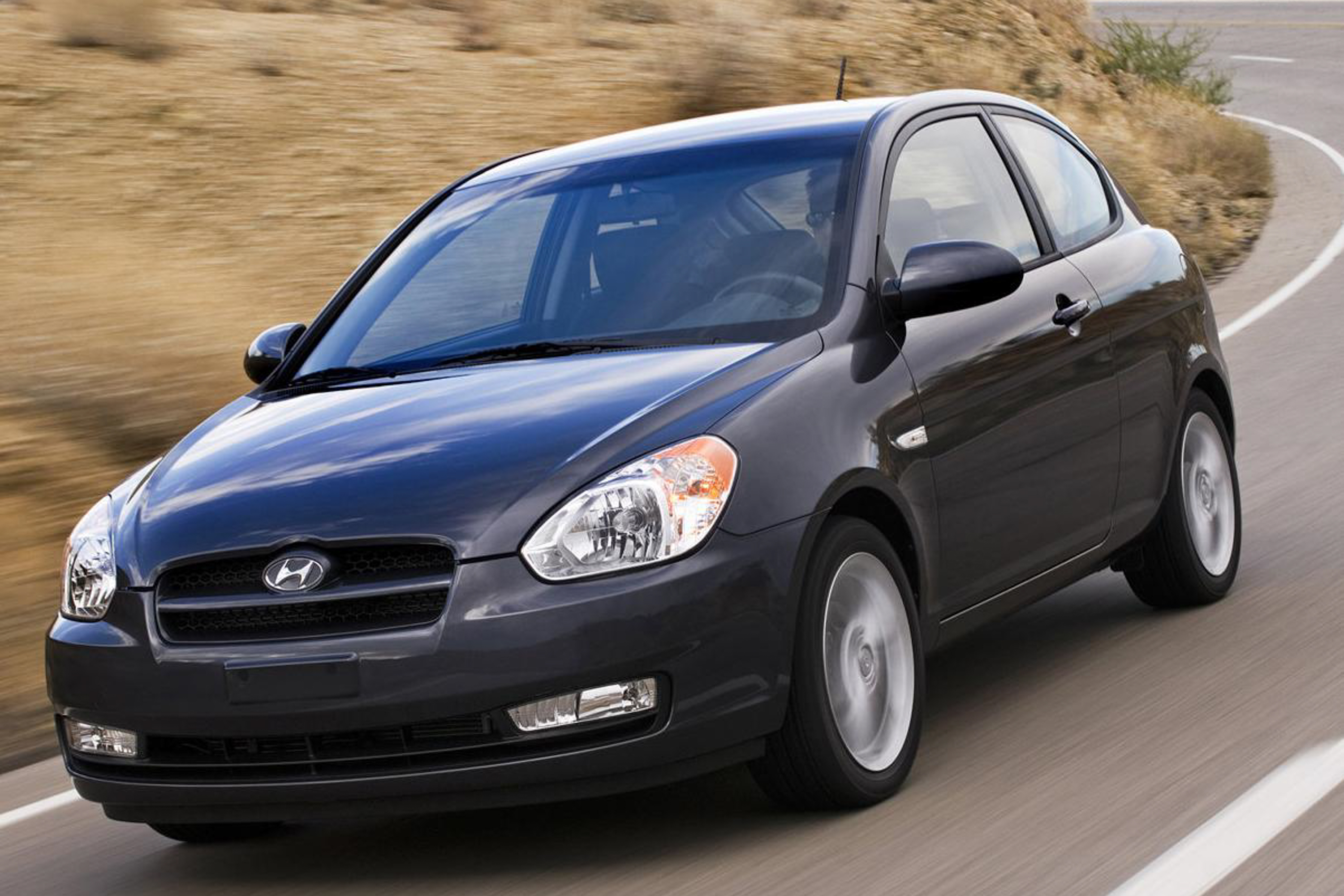
2010 Hyundai Accent public
Price
TBC
Select a Vehicle Variant
2023 Hyundai Accent 1.4 MPi 6 Speed Manual FF 2WD TBC
Summary
Launched in -, the 2010 Hyundai Accent public is a standout - Sedan that combines practicality and performance at an attractive price of TBC. With seating for - passengers, it’s ideal for families or those who prioritize cabin space. Its dimensions (-mm long, -mm wide, and -mm tall) ensure a comfortable ride with ample legroom and headroom, while still being agile enough for city driving.
Under the hood, the 2010 Hyundai Accent public delivers a spirited drive with a top speed of -km/h, making highway cruising effortless. The generous -cc engine capacity ensures strong acceleration and fuel efficiency, striking a great balance for daily commutes and longer trips. Whether you’re looking for a spacious family car or a reliable daily driver, the 2010 Hyundai Accent public offers a compelling package with modern styling, solid performance, and smart value—all in one well-rounded vehicle.
Under the hood, the 2010 Hyundai Accent public delivers a spirited drive with a top speed of -km/h, making highway cruising effortless. The generous -cc engine capacity ensures strong acceleration and fuel efficiency, striking a great balance for daily commutes and longer trips. Whether you’re looking for a spacious family car or a reliable daily driver, the 2010 Hyundai Accent public offers a compelling package with modern styling, solid performance, and smart value—all in one well-rounded vehicle.
Core Specs

Segment
-

Engine Capacity(cc)
-

Transmission
-

Fuel Comsumption (L/100km)
-

Fuel Tank(litres)
-

Top Speed(km/h)
-

Seats
-

Length(mm)
-

Width(mm)
-

Height(mm)
-

Wheelbase(mm)
-

Boot Volume(L)
-
Hyundai Accent Dealers
Related Q&A
View More >Q
What are the different types of 2018 Tucson?
The 2018 Hyundai Tucson was offered in Malaysia with two main powertrain options: a 2.0-liter naturally aspirated gasoline engine and a 2.0-liter CRDi turbodiesel, both paired with a 6-speed automatic transmission. The gasoline lineup was split into 2.0 GL and 2.0 GLS trims. Standard kit across the gas models included 6 airbags, stability control, and a reverse camera, while the GLS stepped things up with luxuries like a power tailgate, panoramic sunroof, and leather seats.
On the diesel side, there was only the range-topping 2.0 CRDi Premium variant, which brought more advanced features to the table – think full LED headlights, an 8-inch touchscreen, and a smart power tailgate – plus the added benefit of the more fuel-efficient diesel powertrain.
Styling-wise, the 2018 Tucson sported Hyundai's Fluidic Sculpture 2.0 design language, giving it a more dynamic and athletic look. Inside, its 2,770mm wheelbase translated to a surprisingly roomy rear cabin for the segment.
It’s easy to see why the Tucson was a hit in Malaysia. It struck a solid balance between performance and equipment levels. The diesel’s strong low-end torque made it a great pick for those who do a lot of highway driving, while the locally assembled (CKD) gasoline models offered a more budget-friendly entry point, appealing to cost-conscious buyers.
 DesignerFeb 18, 2026
Q
Does a 2018 Hyundai Tucson have a CVT transmission?
The 2018 Hyundai Tucson didn't come with a CVT gearbox in the Malaysian market. CVTs are known for fuel efficiency and that "seamless" feel without gear shifts, but Hyundai opted for the more established automatic transmission tech in the Tucson to prioritize responsive power delivery and long-term durability. If CVTs are more your thing, you might want to check out other Hyundai models like the Kona or even some Japanese brand offerings to see how their CVTs perform. But here's the thing – every transmission type has its pros and cons. For example, CVTs can feel a bit less direct when you're driving aggressively, whereas the 6AT strikes a better balance in terms of maintenance costs and all-around adaptability.
Our advice? Malaysian drivers should pick based on their own driving style and needs, and don't forget regular gearbox servicing to keep it running strong for years to come.
 SkaterzzFeb 18, 2026
Q
What is the fuel consumption of Hyundai Tucson 2018?
The fuel consumption varies among different models of the 2018 Hyundai Tucson. Specifically, the official combined fuel consumption of the 2018 Hyundai Tucson 1.6 T-GDI is 7.1L per 100 km, while that of the 2018 Hyundai Tucson 2.0 Elegance is 7.9L per 100 km. Additionally, for the 2018 Hyundai Tucson 1.6 GDI, its fuel consumption is 7.2 liters per 100 km in the combined mode (a combination of city and highway driving), with a city fuel economy of 8.2L per 100 km and a highway fuel consumption of 6.6L per 100 km. However, the actual fuel consumption may be affected by various factors such as driving habits, road conditions, and vehicle load, and thus may deviate from the official data to some extent.
 HappySunFeb 18, 2026
Q
Is the Hyundai Tucson 2018 fuel efficient?
The 2018 Hyundai Tucson performs above average in fuel economy. The specific fuel consumption depends on the powertrain configuration and driving habits. For the 2.0 - liter naturally aspirated gasoline engine version commonly seen in the Malaysian market, the fuel consumption in city driving is about 8 - 9L per 100km, and it can drop to 6 - 7L per 100km during highway cruising. The 1.6 - liter turbocharged version further optimizes fuel efficiency through more advanced direct - injection technology, making it especially suitable for long - distance driving.
The fuel consumption of this SUV is similar to that of its counterparts like the Honda CR - V or Toyota RAV4 in the same class. However, potential owners are advised to note that the actual fuel consumption can be affected by the hot climate in Malaysia and the stop - and - go traffic conditions. Regular maintenance, such as replacing the air filter and using engine oil with the appropriate viscosity, can help maintain the best fuel efficiency.
Hyundai's 6 - speed automatic transmission strikes a good balance between smoothness and fuel economy. If you're particularly concerned about fuel - saving features, you can also consider the diesel version. But keep in mind that there are relatively fewer diesel models in Malaysia and the maintenance cost is slightly higher. Overall, the 2018 Tucson offers a reasonable choice between power and fuel consumption as a family SUV.
 DancerzzFeb 18, 2026
Q
How to open trunk from inside Hyundai Tucson 2023?
Opening the trunk in the 2023 Hyundai Tucson is a breeze. Just hit the dedicated trunk release button near the driver’s-side door lock—it’s usually marked with a luggage icon. One press and the trunk pops open slightly. If your Tucson has a smart key, you can also hold down the trunk button on the fob for a remote open.
Heads-up: This feature only works when the car’s in Park, for safety. Some higher trims even get hands-free kick-to-open—just swipe your foot under the rear bumper’s center, and the trunk lifts automatically (super handy when your arms are full).
Family-friendly touches like an adjustable liftgate height and dual-level cargo floor make the Tucson’s trunk super practical. If it won’t open, first check if the ignition’s on. No luck? There’s an emergency mechanical release inside the trunk—look for a pull tab on the right side of the inner trim.
 HelperHandSupportDec 9, 2025
Q
How to open Hyundai Tucson 2023 with key?
To unlock the 2023 Hyundai Tucson using your key, first make sure the key fob battery has enough juice. If your model has a mechanical key slot (usually hidden under a cover on the door handle), you can pop off the cover with your fingernail or a flat tool, then insert the key and turn counterclockwise to unlock.
For smart key versions, simply press the button on the door handle when you're near the car. If the key fob dies, the mechanical key is your backup. Pro tip: Don’t get too comfortable with the smart key—take a minute to refresh yourself on how the physical key works, just in case. Also, check the battery occasionally and get familiar with emergency procedures.
Some trims even support Hyundai’s Bluetooth smartphone key—just pair your phone via the official app for keyless entry. But keep your phone charged and Bluetooth on, or you might be locked out. Oh, and avoid storing your smart key near other electronics to prevent signal interference. If the car won’t unlock, look around for anything creating a strong magnetic field that could be messing with the signal.
 ThinkerThoughtReflectionDec 9, 2025
Q
How to open the fuel door on a 2023 Hyundai Tucson?
To open the fuel filler door on the 2023 Hyundai Tucson, first make sure the vehicle is unlocked. Then, locate the fuel door release button—usually near the driver’s side floor or under the dashboard, marked with a fuel pump symbol. A quick press should pop it open. If you can’t find the button, some models may require manually pressing the right edge of the fuel door itself.
Pro tip: Certain trims might even have a dedicated fuel door button on the key fob—just hold it down to unlock.
While the Tucson’s dashboard will nudge you when fuel is low, it’s smart to check the gauge regularly to avoid last-minute gas runs. Design quirks can vary by model year or trim, so if the usual steps don’t work, peek at the owner’s manual or ping your dealer.
Oh, and when filling up? Stick to the recommended octane (usually noted inside the fuel door) to keep the engine happy long-term. Double-check that label—it’s an easy detail to miss when you’re in a hurry.
 StrongDec 9, 2025
Q
How big is the gas tank on a 2023 Hyundai Tucson?
The 2023 Hyundai Tucson features a 58-liter fuel tank capacity – a practical design that balances daily commuting and long-distance travel needs. When paired with its fuel-efficient powertrain, this setup typically delivers over 600 km of range. Tucson's Smartstream engine technology enhances combustion efficiency, while the available 7-speed DCT or hybrid system (depending on trim) further optimizes fuel consumption.
Real-world mileage may vary based on driving style, road conditions, and load. For best efficiency, maintain regular servicing and proper tire pressure. Among competitors like the Honda CR-V or Toyota RAV4 (which typically offer 55-60L tanks), Tucson's capacity sits squarely in the mainstream. When planning road trips, cross-reference the official range with fuel station locations.
If the low-fuel warning activates prematurely, have your fuel sensor or pump inspected – dealerships can usually diagnose these issues quickly.
 ToughDec 9, 2025
Q
Can I use unleaded 88 in my 2023 Hyundai Tucson?
According to Hyundai's official recommendations, the 2023 Tucson is designed to run on unleaded gasoline with a minimum RON 95 rating. Using unleaded 88 (typically RON 88), which falls below the recommended octane level, may lead to engine knocking or reduced performance over time—especially in high-temperature conditions. While occasional use in a pinch won’t cause major harm, sticking with RON 95 or RON 97 is advised for optimal engine protection and fuel efficiency.
The right fuel grade depends largely on your engine’s compression ratio. High-compression engines, like Tucson’s Smartstream unit, need higher-octane fuel to prevent premature combustion. Hyundai’s modern tech is finely tuned, making it more sensitive to fuel quality. Also, premium fuels often pack better detergent additives, helping minimize carbon buildup. If you’re after smoother performance and slightly better fuel economy, RON 97 could be worth considering—its combustion efficiency might just give you that extra edge on the road.
 JoggerPaceEnduranceDec 9, 2025
Q
How much is an oil change for a 2023 Hyundai Tucson?
The cost of an engine oil change for the 2023 Hyundai Tucson typically ranges between RM250 to RM400, depending on the type of oil used and the service center you choose. Factory-recommended 5W-30 or 5W-40 synthetic oils are common picks, and while authorized service centers may charge slightly more than independent workshops, they offer genuine warranty coverage.
Regular oil changes are especially crucial for the turbocharged engine—stick to the 10,000 km or 6-month interval to keep it running smoothly. While you’re at it, have them check the air filter and oil filter too. Opting for full synthetic oil? It’s pricier upfront but extends the service interval and provides better engine protection, which could save you money long-term.
Since the Tucson packs a Smartstream engine, using manufacturer-approved oil is key to maintaining fuel efficiency and performance. Always ask for service records during maintenance to ensure your warranty stays valid.
 GamerZoneFunDec 9, 2025
Popular Cars
Model Year
Car Compare
Car Photo
Model List
Hyundai Accent is a B-Segment Sedan car launched by Hyundai. PCauto has cataloged various variants of this car produced from - to -.You can compare differences in detail at the parameter table.
Among the 0 variants of Hyundai Accent, prices range from the affordable TBC to the most expensive TBC.You can find different horsepower versions ranging from - to -.
Hyundai Accent offers - engines and - transmission. Check the spec sheet for more details.
0 Model on Sale
2023
2018
2010
2004
- 0-100km/h(s): 12.2
- Engine Power(PS): 100
- Driven Wheels: Front Wheel Drive
- Electronic Stability Control(ESC)
- Airbags: 4
- 0-100km/h(s): 10.1
- Engine Power(PS): 123
- Driven Wheels: Front Wheel Drive
- Electronic Stability Control(ESC)
- Airbags: 4
- 0-100km/h(s): 10.3
- Engine Power(PS): 123
- Driven Wheels: Front Wheel Drive
- Electronic Stability Control(ESC)
- Airbags: 4
- 0-100km/h(s): 11.3
- Engine Power(PS): 123
- Driven Wheels: Front Wheel Drive
- Electronic Stability Control(ESC)
- Airbags: 4
- 0-100km/h(s): 11.3
- Engine Power(PS): 123
- Driven Wheels: Front Wheel Drive
- Electronic Stability Control(ESC)
- Airbags: 4
- 0-100km/h(s): 10.5
- Engine Power(PS): 132
- Driven Wheels: Front Wheel Drive
- Electronic Stability Control(ESC)
- Airbags: 4
- 0-100km/h(s): 10.1
- Engine Power(PS): 132
- Driven Wheels: Front Wheel Drive
- Electronic Stability Control(ESC)
- Airbags: 4
2023 Hyundai Accent 1.4 MPi 6 Speed Manual FF 2WD
TBCNot On Sale
2023 Hyundai Accent 1.6 MPi 6 Speed Manual FF 2WD
TBCNot On Sale
2023 Hyundai Accent 1.6 MPi 6 Speed Manual FF 2WD 1
TBCNot On Sale
2023 Hyundai Accent 1.6 MPi 6 Speed Automatic FF
TBCNot On Sale
2023 Hyundai Accent 1.6 MPi 6 Speed Automatic FF 1
TBCNot On Sale
2023 Hyundai Accent 1.6 GDi 6 Speed Automatic FF
TBCNot On Sale
2023 Hyundai Accent 1.6 GDi 6 Speed Manual FF 2WD
TBCNot On Sale