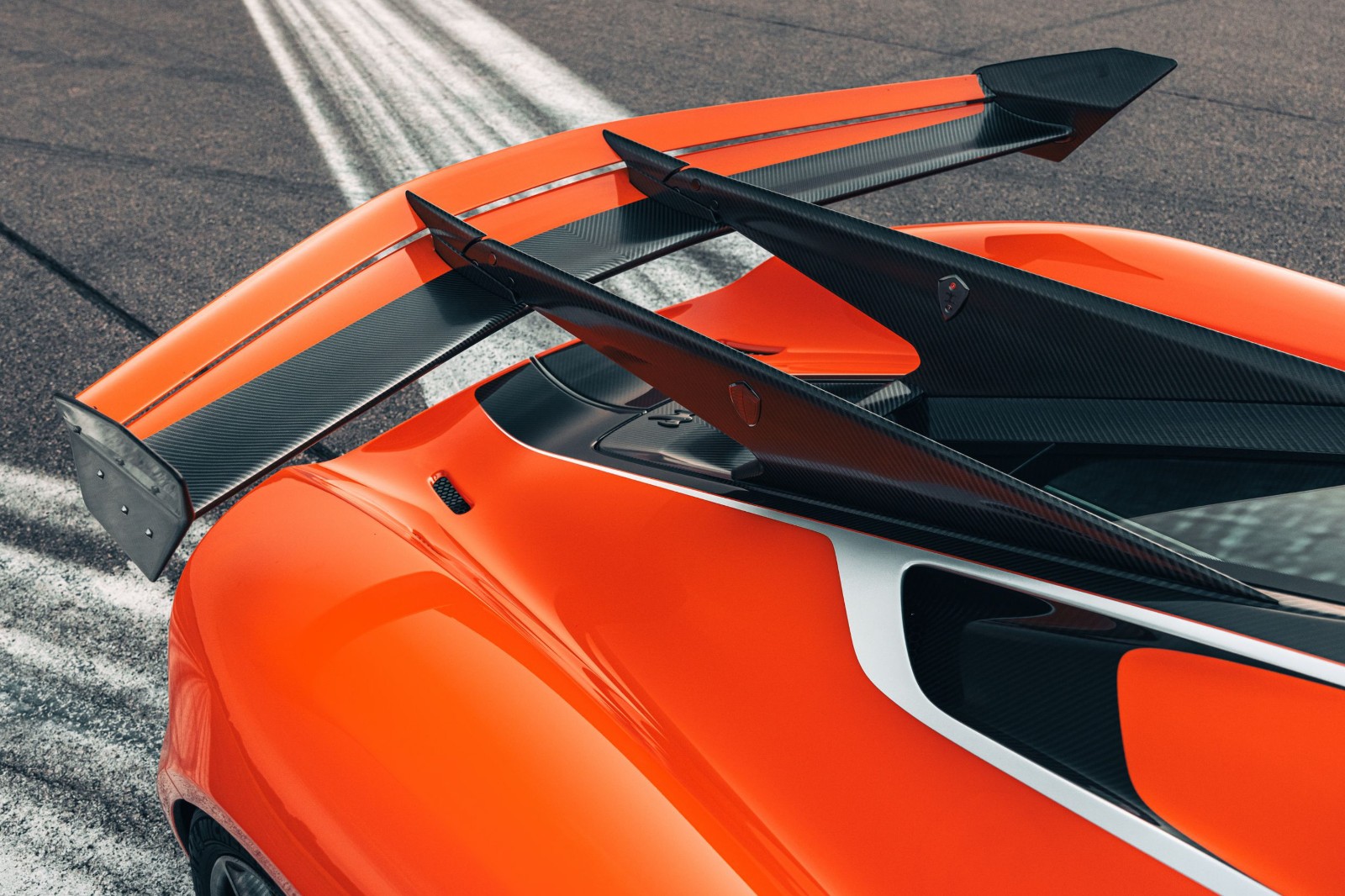
Reference Only. Update Soon
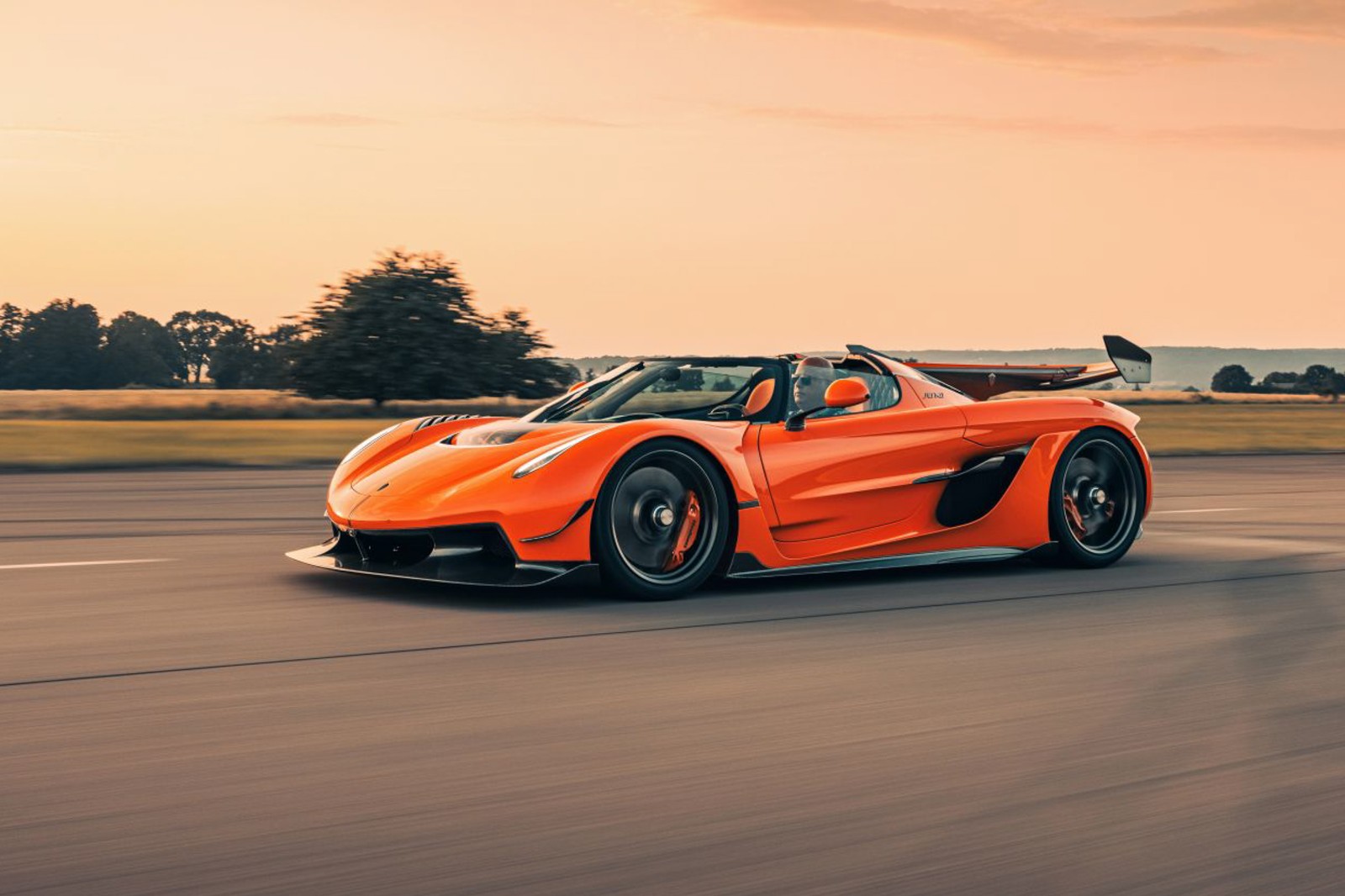
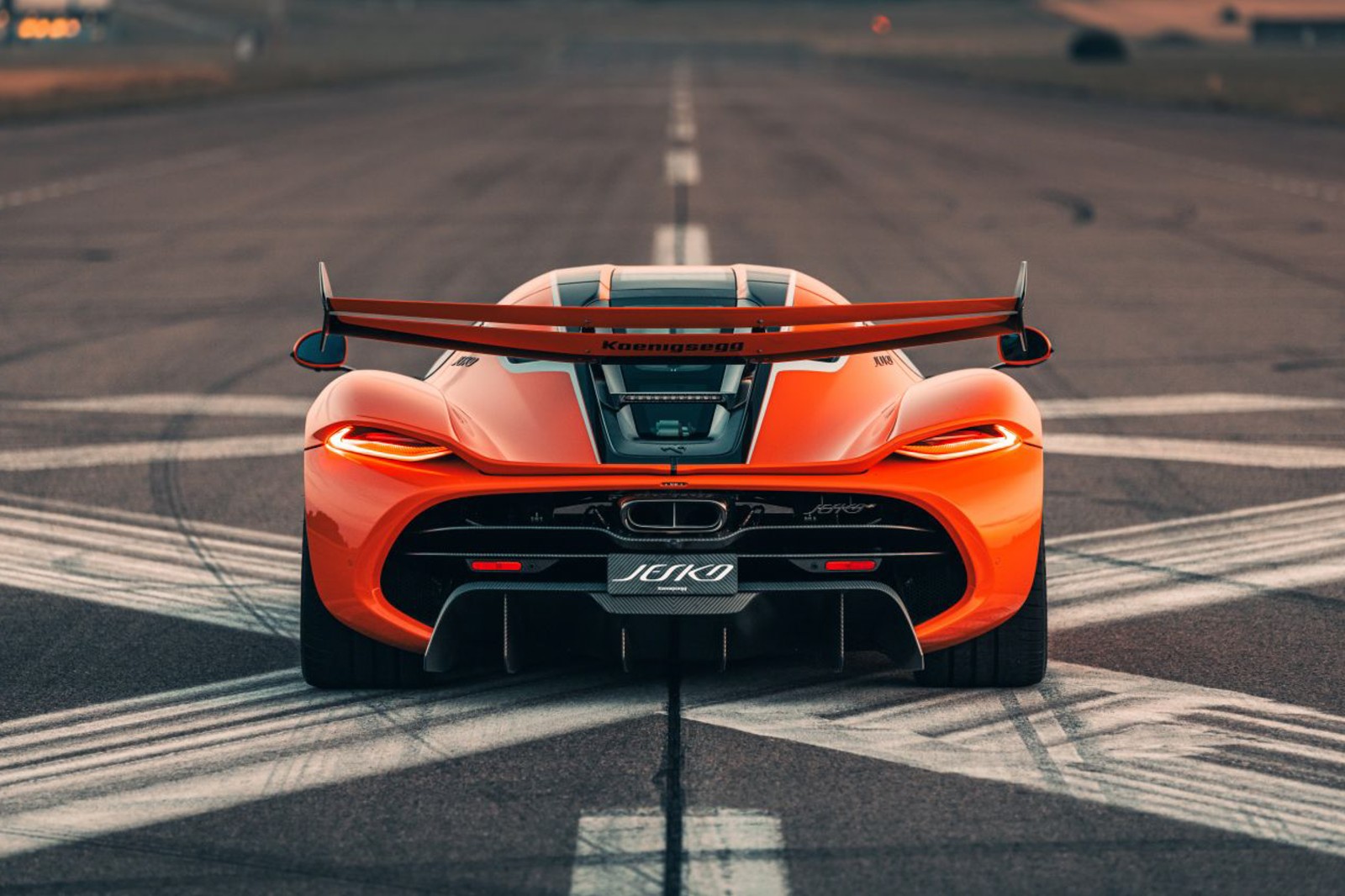
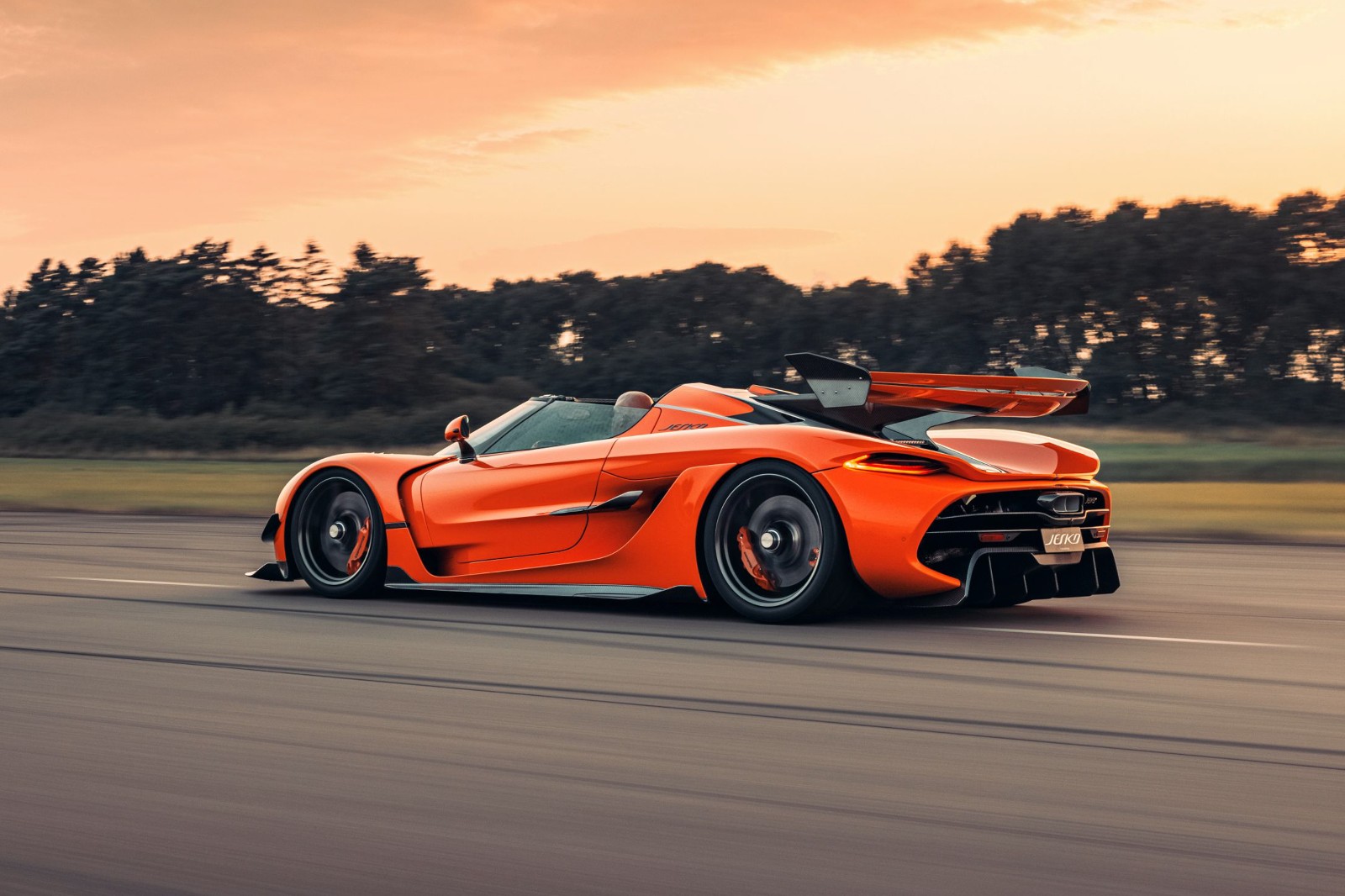
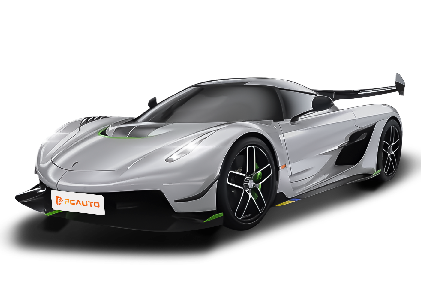
2023 Koenigsegg Jesko Absolut 5.0L V8
Price
TBC
Select a Vehicle Variant
2023 Koenigsegg Jesko Attack 5.0L V8 TBC
Summary
Get the 2023 Koenigsegg Jesko Absolut 5.0L V8 – a practical Super Car Coupe since 2023. Starts at TBC. Seats 2 comfortably in its spacious cabin (4845x2030x1210mm). Big enough for families, nimble enough for cities.
Zippy on highways with a 480km/h max speed. The 4997cc engine is both strong and efficient. Want a no-fuss car that looks good? The 2023 Koenigsegg Jesko Absolut 5.0L V8 packs value, modern design, and everyday performance together.
Zippy on highways with a 480km/h max speed. The 4997cc engine is both strong and efficient. Want a no-fuss car that looks good? The 2023 Koenigsegg Jesko Absolut 5.0L V8 packs value, modern design, and everyday performance together.
Core Specs

Segment
Super Car
Engine Capacity(cc)
4997

Transmission
AT

Fuel Comsumption (L/100km)
18.09

Fuel Tank(litres)
72

Top Speed(km/h)
480

Seats
2

Length(mm)
4845

Width(mm)
2030

Height(mm)
1210

Wheelbase(mm)
2700

Boot Volume(L)
100 L front, 50 L rear
Other Variants
Price
TBC
Body
4845×2030×1210
Engine Power(PS)
1298
Engine Torque(Nm)
-
TRANSMISSION
AT
Fuel Consumption
18.09
Related Q&A
View More >Q
how to set radio channel in proton saga
Setting the radio stations in the Proton Saga is a breeze. First, start the car and switch on the radio. Then hit the "Mode" or "Band" button to pick between AM or FM. Next, use the "Tune" knob or "Seek" button to scan for stations manually. When you land on a channel you like, just press and hold one of the number buttons (1-6) to save it as a preset. After that, you can flip between your favorite stations instantly with a quick press of the corresponding number.
The Saga's radio system is super straightforward to use—perfect for everyday driving. If you're someone who sticks to the same stations regularly, definitely make use of those presets to make things easier. Malaysia's got a solid selection of FM channels too, like popular music stations Fly FM and Hitz. Their signals are pretty widespread, so you'll usually get clear reception in the city. Out in more remote areas though, you might run into some interference. When that happens, try adjusting the antenna or switching stations to get a better signal.
Sure, the radio might be a classic feature, but it’s still a hit in practical cars like the Proton Saga. It’s especially handy for tuning into news or music during your daily commute.
 DaisySep 28, 2025
Q
how to release parking brake toyota corolla cross
To release the electronic parking brake on the Toyota Corolla Cross, first make sure the vehicle is powered up—either the ignition is on or the engine's running. Then, press and hold the brake pedal, and at the same time, push the electronic parking brake button (usually marked with a "P" or "EPB" symbol) located on the center console or near the steering wheel. You'll know it's released when you hear a beep or see the parking brake indicator disappear from the dashboard. If you've got the traditional manual handbrake version, just pull the lever up fully, press the release button, and then push the lever all the way down.
One thing to note: some models will automatically release the electronic parking brake when you shift into Drive and gently press the gas—this is called "Auto Hold"—but for safety's sake, it's still a good idea to release it manually first. For our friends in Malaysia, that humid weather can sometimes affect how smoothly the manual handbrake cables operate. It's worth checking the handbrake performance regularly—if you notice unusual resistance when pulling it up or the car rolls backward on a slope, head to an authorized service center to get the cables lubricated and adjusted.
While the electronic parking brake is super convenient, when leaving the car parked for a long time, it's best to use it along with the P (Park) gear to take some strain off the transmission. Also, try to avoid excessive use right after washing the car or driving through water to protect those sensitive electrical components. Keep in mind that Corolla Cross models from different years might have different types of parking brakes or button/lever positions, so when in doubt, the owner's manual is your best bet for the exact steps.
 EepSep 28, 2025
Q
How many types of Toyota Wish are produced?
The Toyota Wish in the Malaysian market is mainly divided into two generations, the first generation (2003-2009) and the second generation (2009-2017). Among them, the second-generation model is more popular among local consumers. The first-generation Wish offers two engine options, a 1.8L and a 2.0L, focusing on practicality and economy. While the second-generation models are upgraded to a 2.0L Dual VVT - i engine across the range, paired with a CVT or a 7-speed Super CVT - i transmission, which offers better fuel efficiency.
Common versions in Malaysia include the standard version, the sports version (S version), and the high-end version (X version). Some models are equipped with features such as electric sliding doors, leather seats, and panoramic sunroofs. It's worth mentioning that the Wish is well-known locally for its durability and flexible interior space. Its 7-seat design is particularly suitable for families, and it also has a relatively high resale value in the used-car market.
Although Toyota stopped producing the Wish in 2017, it still has a large number of vehicles on the road in Malaysia, and maintenance is relatively convenient. Many car owners choose to buy a used Wish from the second-hand market. For family users on a tight budget, a well-maintained used Wish is still a cost-effective choice.
 CuteKittyJul 30, 2025
Q
What Kia Sorento to stay away from?
Regarding the selection of the Kia Sorento models, it is recommended that Malaysian consumers avoid certain model - year vehicles or configurations when purchasing. For example, some models between 2011 and 2014 had a relatively high reported repair rate due to transmission problems or electronic system malfunctions. In particular, the versions equipped with the 2.4 - liter GDI engine may have carbon - deposit issues, which require more frequent maintenance over long - term use.
In addition, if the early diesel - powered models are not properly maintained, they may face the risk of DPF (Diesel Particulate Filter) blockage. These models are suitable for users who often drive long - distance, but urban commuters for short trips need to think twice.
More specifically, when buying a used Sorento, it is essential to check the maintenance records, focusing on the transmission oil change cycle and the engine's working condition. It is also advisable to give priority to certified pre - owned vehicles offered by local authorized dealers. These vehicles usually undergo comprehensive inspections and come with warranty services, effectively reducing the risks of subsequent use.
For new - car buyers, they can pay attention to the hybrid versions after recent facelifts. These versions offer better fuel economy and emission performance, which better meet the needs of the Malaysian market. However, they need to weigh the differences between configurations and prices according to their budgets.
 QuietDoveFeb 9, 2026
Q
What is the recall on the 2019 Toyota Camry?
Back in 2019, the Toyota Camry was recalled in Malaysia due to a fuel pump issue. This problem had the potential to cause the engine to stall while driving, posing a safety risk. Toyota Malaysia addressed this by having their authorized dealers replace the affected fuel pumps with an improved version free of charge. This recall was part of Toyota's global initiative to ensure driver safety. Malaysian Camry owners could check if their vehicle was included by entering their Vehicle Identification Number (VIN) on Toyota's official website.
When it comes to car recalls, there's no need to panic excessively. It actually shows that the manufacturer is taking responsibility. The key is to stay updated with manufacturer announcements and act promptly when needed. Malaysia's Road Transport Department (JPJ) also advised owners to register their contact details to ensure they receive recall notifications in a timely manner.
Beyond recalls, regular maintenance plays a big role in preventing similar issues. Things like inspecting the fuel system and replacing filters can go a long way. If you notice any unusual behavior from your car—like sluggish acceleration or difficulty starting—it's best to get it checked out by an authorized service center as soon as possible.
 FrostOct 27, 2025
Q
What is the warranty on a 2022 Honda Civic Hatchback?
The 2022 Honda Civic Hatchback in Malaysia comes with a factory warranty of 5 years or 150,000 kilometers, whichever comes first. This warranty covers major mechanical components of the vehicle, including the engine, transmission, and drivetrain. However, it's important to note that wear-and-tear parts like brake pads and tires, as well as damage caused by improper use or accidents, are typically not included in the coverage. Additionally, Honda Malaysia offers 5 years of unlimited roadside assistance for the Civic Hatchback, further enhancing the ownership experience. For Malaysian consumers, understanding the details of the warranty terms is crucial—for instance, regular maintenance at authorized service centers is a necessary condition to keep the warranty valid, and failure to do so may result in warranty invalidation. It's worth mentioning that beyond the factory warranty, many car owners also opt for extended warranty services to further protect their interests, especially if they plan to use the vehicle for an extended period. Honda has a well-established after-sales service network in Malaysia, with authorized service centers nationwide providing professional repair and maintenance support, which is one of the reasons many consumers choose the Honda brand.
 CuteyOct 31, 2025
Q
How do I turn on my 2019 Porsche Macan?
To fire up your 2019 Porsche Macan, first make sure the key fob is inside the vehicle. With your foot firmly on the brake pedal, press the starter button on the right side of the center console. If you've got the keyless entry version, just approach the car with the fob in your pocket—same drill: brake pedal down, then hit the start button.
You'll immediately recognize that signature Porsche growl from its turbocharged engine paired with the slick PDK transmission. The dash lights up with a system check as everything comes to life. Pro tip: let it idle for a moment after a cold start, especially in hot weather—your turbo will thank you for letting the oil circulate properly.
Ran into a no-start situation? First, check the key fob battery or try holding it right against the starter button—sometimes electronic interference messes with the signal. Oh, and don’t panic if the engine cuts off at stoplights; that’s just Porsche’s auto start/stop saving fuel. A light tap on the gas brings it back to life, but if you prefer to disable it temporarily, there’s a dedicated button on the console.
(Note: This version drops some redundant technical phrasing for natural flow, e.g., "system self-check" → "system check," and converts instructions like "weather hot" to conversational "hot weather." The tone mimics a seasoned car enthusiast explaining casually yet authoritatively.)
 RiderJourneyDec 1, 2025
Q
Is it worth the extra cost to service the power steering fluid?
Regular replacement of power steering fluid is indeed worth the extra cost, as this maintenance is crucial for the long-term performance and reliability of the vehicle's steering system. Power steering fluid tends to deteriorate in high-temperature and high-humidity environments; if not replaced promptly, it may cause steering pump wear, heavy steering, or abnormal noises, with repair costs potentially reaching hundreds to thousands of ringgit—far exceeding the cost of fluid replacement. Steering fluids from mainstream brands like Shell and Prestone are priced between RM50 and RM90, and replacement services at professional repair shops are usually included in regular maintenance packages, with basic maintenance costs ranging from approximately RM300 to RM600. It is worth noting that the replacement interval for power steering fluid varies by vehicle model: Japanese cars typically recommend replacement every 40,000 to 60,000 kilometers, while German cars may require more frequent maintenance. Synchronizing this service with other long-term maintenance items (such as transmission fluid replacement) can optimize labor costs. Maintaining the steering system in good condition not only enhances driving safety but also avoids high repair expenses due to component damage, which is particularly practical for the common congested road conditions and frequent low-speed steering operations in Malaysia.
 WittyRemarkFeb 21, 2026
Q
Can I still drive my car with an exhaust leak?
A vehicle can still be driven when the exhaust pipe leaks, but the risk needs to be assessed based on the location and severity of the leak. If the leak is in the tail section, it usually has little impact on vehicle performance, only possibly producing additional noise. However, a leak in the front section will reduce exhaust back pressure, leading to a drop in low-speed torque, weak acceleration, and increased fuel consumption. Turbocharged models are more sensitive to this, while naturally aspirated engines are relatively less affected. At high speeds, a front-section leak may slightly boost power due to smoother exhaust flow. A leak in the middle section may accelerate exhaust pipe rust due to the leakage of high-temperature gases, and even damage surrounding electrical components. A severe leak can cause engine power loss, increased carbon deposits, and failure in exhaust gas testing, affecting the vehicle's annual inspection. If aging interface gaskets, exhaust pipe rust, or abnormal noise are found in daily use, it is recommended to have the vehicle inspected and repaired as soon as possible. Small holes can be repaired by welding, while severely damaged parts need to be replaced. Long-term neglect may lead to exhaust pipe fracture or catalytic converter damage, with repair costs potentially ranging from hundreds to thousands of ringgit. Regularly checking the condition of the exhaust pipe (especially in rainy seasons or coastal areas) can prevent rust problems. For turbocharged vehicles, it is recommended to prioritize handling front-section leaks to avoid a drop in supercharging efficiency.
 ArtistBrushCreativityFeb 21, 2026
Q
Can I put water in my wiper fluid?
It is not recommended to use water instead of special windshield washer fluid. Although using plain water for short-term emergency purposes may not cause immediate problems, long-term use can pose various risks. Professional windshield washer fluid contains ingredients such as deionized water, ethanol, ethylene glycol, and surfactants. It not only effectively removes oil stains and bug residues but also provides anti-fogging, anti-static, and lubrication for the wiper blades, while preventing nozzle clogging. Ordinary tap water contains minerals that can form deposits and potentially clog precision nozzles. Additionally, the absence of anti-corrosion properties accelerates the deterioration of wiper blades. For cost considerations, concentrated windshield washer fluid can be diluted for use, with a cost of approximately 3 to 5 ringgit per liter. This approach maintains cleaning effectiveness while prolonging the lifespan of the fluid system. Notably, during rainy seasons, the water-repellent properties of professional windshield washer fluid can enhance visibility by approximately 40%, significantly improving driving safety.
 HappyGoatMar 26, 2026
Popular Cars
Model Year
Car Compare
Car Photo
Model List
Koenigsegg Jesko is a Super Car Coupe car launched by Koenigsegg. PCauto has cataloged various variants of this car produced from - to -.You can compare differences in detail at the parameter table.
Among the 0 variants of Koenigsegg Jesko, prices range from the affordable TBC to the most expensive TBC.You can find different horsepower versions ranging from - to -.
Koenigsegg Jesko offers - engines and - transmission. Check the spec sheet for more details.
0 Model on Sale
2023
- Fuel Consumption: 18.09
- Engine Power(PS): 1298
- Driven Wheels: All Wheel Drive
- Electronic Stability Control(ESC)
- Blind Spot Info System
- Fuel Consumption: 18.09
- Engine Power(PS): 1298
- Driven Wheels: All Wheel Drive
- Electronic Stability Control(ESC)
- Blind Spot Info System
2023 Koenigsegg Jesko Attack 5.0L V8
TBCNot On Sale
2023 Koenigsegg Jesko Absolut 5.0L V8
TBCNot On Sale