Reference Only. Update Soon
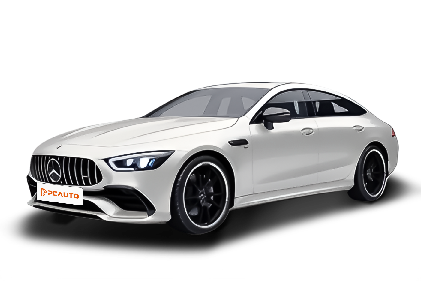
2019 Mercedes-Benz AMG GT 4-door AMG GT 63 S 4MATIC+
Price
RM 1,798,888
Select a Vehicle Variant
2019 Mercedes-Benz AMG GT 4-door AMG GT 63 S 4MATIC+ RM 1,798,888
Summary
Launched in 2019, the 2019 Mercedes-Benz AMG GT 4-door AMG GT 63 S 4MATIC+ is a standout Grand Tourer Sedan that combines practicality and performance at an attractive price of RM 1,798,888. With seating for 4 passengers, it’s ideal for families or those who prioritize cabin space. Its dimensions (-mm long, -mm wide, and -mm tall) ensure a comfortable ride with ample legroom and headroom, while still being agile enough for city driving.
Under the hood, the 2019 Mercedes-Benz AMG GT 4-door AMG GT 63 S 4MATIC+ delivers a spirited drive with a top speed of -km/h, making highway cruising effortless. The generous -cc engine capacity ensures strong acceleration and fuel efficiency, striking a great balance for daily commutes and longer trips. Whether you’re looking for a spacious family car or a reliable daily driver, the 2019 Mercedes-Benz AMG GT 4-door AMG GT 63 S 4MATIC+ offers a compelling package with modern styling, solid performance, and smart value—all in one well-rounded vehicle.
Under the hood, the 2019 Mercedes-Benz AMG GT 4-door AMG GT 63 S 4MATIC+ delivers a spirited drive with a top speed of -km/h, making highway cruising effortless. The generous -cc engine capacity ensures strong acceleration and fuel efficiency, striking a great balance for daily commutes and longer trips. Whether you’re looking for a spacious family car or a reliable daily driver, the 2019 Mercedes-Benz AMG GT 4-door AMG GT 63 S 4MATIC+ offers a compelling package with modern styling, solid performance, and smart value—all in one well-rounded vehicle.
Core Specs

Segment
Grand Tourer

Engine Capacity(cc)
-

Transmission
DCT

Fuel Comsumption (L/100km)
-

Fuel Tank(litres)
-

Top Speed(km/h)
-

Seats
4

Length(mm)
-

Width(mm)
-

Height(mm)
-

Wheelbase(mm)
-

Boot Volume(L)
-
Related Q&A
View More >Q
how much is proton x90
The Proton X90 is Proton's 7-seater midsize SUV, with current prices in Malaysia ranging from approximately RM120,000 to RM150,000 depending on the variant. Exact pricing may vary slightly based on optional configurations, promotional offers, or regional differences, so it's best to check directly with authorized Proton dealers for the latest quotes.
Under the hood, this SUV packs a 1.5-liter turbocharged engine paired with a 48V mild hybrid system, striking a balance between performance and fuel efficiency. Tech-wise, it comes loaded with Advanced Driver Assistance Systems (ADAS) and a fully digital instrument cluster, making it a strong contender for family buyers and those needing versatile functionality.
For Malaysian consumers, the X90 stands out in its class with competitive value for money. Its spacious interior and locally established after-sales service network are definite pluses. If you're in the market, it's worth cross-shopping against rivals like the Perodua Alza or Toyota Rush, though keep in mind the X90 sits in a more premium space. Proton's partnership with Geely has also noticeably boosted their technical refinement lately. Throw in the usual 5-year unlimited mileage warranty, and the long-term ownership costs start looking pretty manageable.
 BleSep 28, 2025
Q
how to connect bluetooth Mitsubishi Xpander
To connect to the Mitsubishi Xpander's Bluetooth, first make sure the vehicle is in ignition mode or the engine is running. Then, look for the "Settings" or "Bluetooth" option on the center console. Once you're in there, turn on the Bluetooth function and select "Pair New Device" – the car system will start searching for available devices. Next, go to your phone's Bluetooth settings, switch on Bluetooth, and search for the device named "Mitsubishi Xpander". Tap to pair, and both the car and phone will show a pairing code. Just confirm they match, and you're connected – you'll usually get a "Connected" prompt tone or icon to let you know it worked.
If you run into connection issues, try restarting the car's system or your phone's Bluetooth, and make sure the phone is within a reasonable range of the vehicle. Beyond just streaming music, Bluetooth also lets you make hands-free calls, which is a big plus for driving safety. Some models might even support syncing your phone's contacts, so you can dial right from the car's system. For Malaysian users, it's a good idea to check for car system software updates regularly to keep Bluetooth stable and compatible. Also, try to avoid using Bluetooth in areas with heavy signal interference – it can mess with the connection quality.
 OttoOct 9, 2025
Q
How much does it cost to service an Aston Martin DBX?
In Malaysia, the regular maintenance cost of the Aston Martin DBX is approximately between RM5,000 and RM8,000. The specific price depends on the pricing of the service center and the parts that need to be replaced, such as engine oil, filters, and brake fluid. Major maintenance, like changing the transmission fluid or spark plugs, may cost between RM10,000 and RM15,000. Since the DBX is a luxury SUV that uses high - performance components, the cost of original parts and professional technical services is relatively high.
In addition, it is recommended that car owners choose the officially authorized Aston Martin service centers to ensure that the vehicle maintenance meets the brand standards and to enjoy the original factory warranty service at the same time. If maintenance is carried out at non - authorized repair points, it may affect the warranty terms.
For DBX owners, regular maintenance can not only maintain the vehicle's performance but also extend its service life. In particular, its 4.0 - liter V8 twin - turbocharged engine and air suspension system require professional maintenance. Therefore, long - term maintenance costs should be considered when planning the budget.
 SingerzzSep 18, 2025
Q
What is the average cost of a 2020 BMW?
The average resale price of a 2020 BMW in Malaysia varies depending on the model, trim level, mileage, and overall condition, typically ranging from RM180,000 to RM350,000. For instance, an entry-level 320i Sport might set you back around RM180k to RM220k, while a high-performance X5 xDrive40i could easily exceed RM300k. When buying a used Beemer here, it's smart to go through official certified pre-owned channels or reputable dealers – that way, you know the car's been thoroughly inspected and often comes with some warranty coverage.
BMW's always been praised for its engaging driving dynamics and premium interiors, and the 2020 models are no exception. The TwinPower Turbo engines deliver that signature punch, and the iDrive system keeps things tech-savvy and user-friendly. If your budget's a bit tighter, don't sleep on slightly older models that have been well-maintained. You can still get that BMW feel without breaking the bank. Just keep in mind, maintaining a BMW in Malaysia isn't the cheapest – but sticking to regular servicing and using genuine parts will definitely help keep it running strong and preserve its performance for years to come.
 SailorAdventureOceanOct 20, 2025
Q
What is the top speed of Axia?
The Perodua Axia, a top pick among Malaysia's entry-level economy cars, maxes out at around 155 to 165 km/h. Your actual top speed might vary a bit depending on the model year and specs. Take the 2023 1.0L DVVT engine version, for example – it's smoother and more fuel-efficient, but when it comes to flat-out speed, it's pretty much on par with the earlier models.
Under the hood, you've got a 1.0L three-cylinder engine, and let's be real, this little guy's designed first and foremost for zipping around the city. That said, it still holds its own on the highway with steady power delivery. Just keep in mind, it's a lightweight car, so you'll definitely notice more wind noise when you're pushing those higher speeds. For safety and to keep that fuel gauge happy, sticking to a reasonable pace is the way to go.
For Malaysian buyers, the Axia's main draws are its wallet-friendly price tag, low maintenance costs, and impressive fuel economy – we're talking about an official 21km/L. It's perfect for daily runabouts. Now, if you're craving a bit more zip, you might want to check out rivals like the Proton Saga. Its 1.3L engine gives slightly stronger acceleration. But here's the thing: the Axia still has the edge when it comes to resale value and the backing of a solid brand service network.
 HappyTurkeyOct 23, 2025
Q
How long is the battery life on the Honda Civic 2023?
The battery life of the 2023 Honda Civic typically ranges from 3 to 5 years, depending on usage habits and environmental factors. Malaysia's tropical climate can have a noticeable impact on battery longevity, as high temperatures tend to speed up electrolyte evaporation and wear on internal components. It's a good idea to regularly check your battery's condition and maintain proper charging habits to get the most out of its lifespan.
These days, most car batteries are either maintenance-free lead-acid or AGM types. They offer better performance and durability, though they do come with a slightly higher price tag. If you're struggling to start your car or noticing sluggish responses from your electronics, those could be telltale signs your battery is starting to age—best to head to an authorized service center for a check-up right away.
Day-to-day, try to avoid frequent short trips where the battery doesn't get fully charged, and don't leave your car sitting unused for long stretches. Both habits can take a toll on the battery's charge state and overall life. For Malaysian drivers, picking a quality battery designed to handle tropical conditions and sticking to proper maintenance tips can really help stretch that battery life further.
 AvaFeb 19, 2026
Q
Does the 2021 Civic have good resale value?
The 2021 Honda Civic holds its value pretty well in the used car market, mainly thanks to its brand reputation, reliability, and strong market demand. The 1.5T turbo engine and 1.8L naturally aspirated engine in this car strike a good balance between fuel efficiency and performance, and maintenance costs are also reasonably affordable, so it's been a consumer favorite for a long time. Besides that, the Civic's exterior design and tech features, like the Honda Sensing safety system, have boosted its competitiveness and further supported its used car prices. If you're looking for a compact sedan with high resale value, the Civic is a solid option to consider. However, it's important to note that the specific retention rate will also be affected by factors like vehicle condition, mileage, and maintenance records, so it's advisable to thoroughly inspect the car and check market prices before making a purchase.
 GusNov 11, 2025
Q
How much is a 2019 BMW X5 worth?
The 2019 BMW X5 is currently priced between RM250,000 to RM350,000 in the used car market, depending on factors like condition, mileage, trim level, and service history. Higher-spec versions like the xDrive40i or M Sport typically command a premium.
This SUV packs a 3.0-liter turbocharged inline-six, delivering 340 horsepower paired with an 8-speed automatic transmission—delivering sharp performance and a engaging drive. Inside, you’ll find a well-appointed cabin with luxury finishes and tech features like a digital instrument cluster, large infotainment screen, and advanced driver aids.
A word of advice: Always check the vehicle’s maintenance records and get a professional inspection to rule out major accidents or hidden issues. Keep in mind that BMWs aren’t cheap to maintain, but regular servicing goes a long way in preserving performance and reliability. If your budget allows, consider a certified pre-owned (CPO) model—they come with extended warranties and thorough reconditioning for added peace of mind.
 TwilightShadowsDancerNov 26, 2025
Q
What engine is in the 2018 AMG GT?
The 2018 AMG GT is powered by a handcrafted 4.0-liter V8 biturbo engine developed in-house by Mercedes-AMG. This powerplant features the brand’s signature "hot inside V" configuration, where the turbochargers are mounted inside the cylinder banks for sharper throttle response and reduced lag.
Depending on the model, output ranges from 476 hp (AMG GT) to a blistering 577 hp (AMG GT R), with peak torque hitting between 630 Nm and 700 Nm. Paired with a 7-speed dual-clutch transmission, it rockets from 0-100 km/h in as little as 3.6 seconds.
The engine also employs a dry-sump lubrication system to maintain optimal performance during hard driving, while its exhaust note delivers that classic AMG soundtrack—growling at low revs and screaming at full tilt.
Notably, this same engine finds its way into the AMG GT 4-Door Coupe and select 63-series models, showcasing AMG’s engineering prowess. Whether you're daily driving or hitting the track, this V8 delivers the kind of thrills that true enthusiasts crave.
 CupDec 4, 2025
Q
Which tyre brand is safe?
In terms of safety tire selection, Linglong's Master series stands out with its nano-silane wet compound formula and hydroplaning resistance technology. Its EU Class A wet grip certification and 35-meter reduced wet braking distance effectively enhance handling stability in emergencies. The series has also passed rigorous OEM tests by manufacturers like BMW and Audi, with its safety redundancy design being highly reliable.
As a run-flat tire, Maxxis M36+ employs MRS technology to enable driving at 80 km/h for 80 kilometers under zero pressure conditions. The asymmetric tread pattern and quadruple drainage groove design achieve both wet traction and noise reduction, having earned the "Tire of the Year for Safety" award.
Michelin Primacy 4+ is renowned for durable safety performance, maintaining excellent wet grip even when tread-worn. Its EU Class A certification makes it ideal for those prioritizing proven reliability. Continental's UC7 series from Germany balances quietness and safety through "Noise Breaker" technology while maintaining Class A wet grip.
When selecting tires, focus on EU label ratings (prioritize Class A), tread depth, and TPMS compatibility. Regular inspection of tread wear indicators (recommended minimum remaining tread depth of 1.6mm) effectively prevents safety risks.
 SweetMar 9, 2026
Popular Cars
Model Year
Car Compare
Car Photo
Model List
Mercedes-Benz AMG GT 4-door is a Grand Tourer Sedan car launched by Mercedes-Benz. PCauto has cataloged various variants of this car produced from - to -.You can compare differences in detail at the parameter table.
Among the 0 variants of Mercedes-Benz AMG GT 4-door, prices range from the affordable TBC to the most expensive TBC.You can find different horsepower versions ranging from - to -.
Mercedes-Benz AMG GT 4-door offers - engines and - transmission. Check the spec sheet for more details.
0 Model on Sale
2019