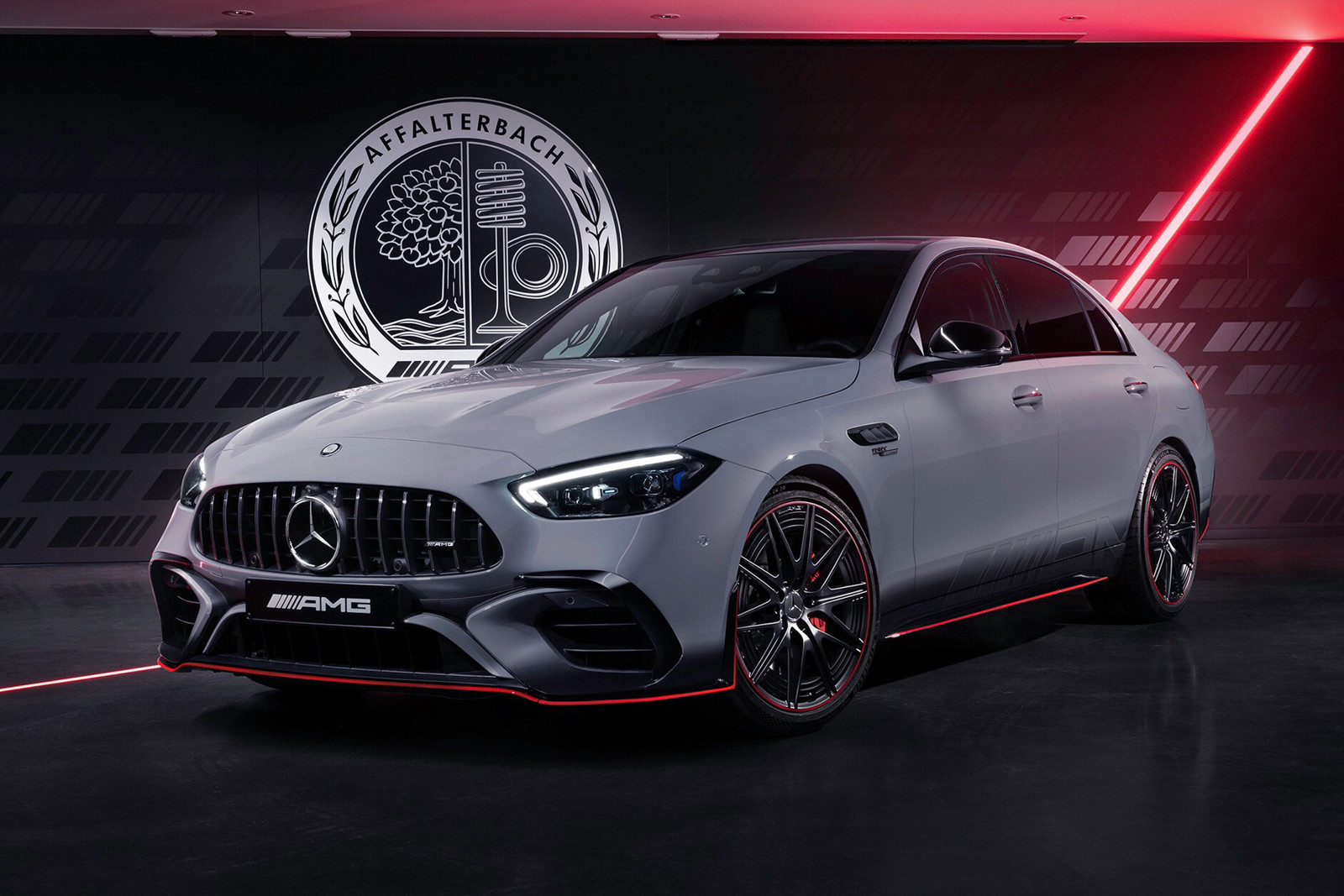
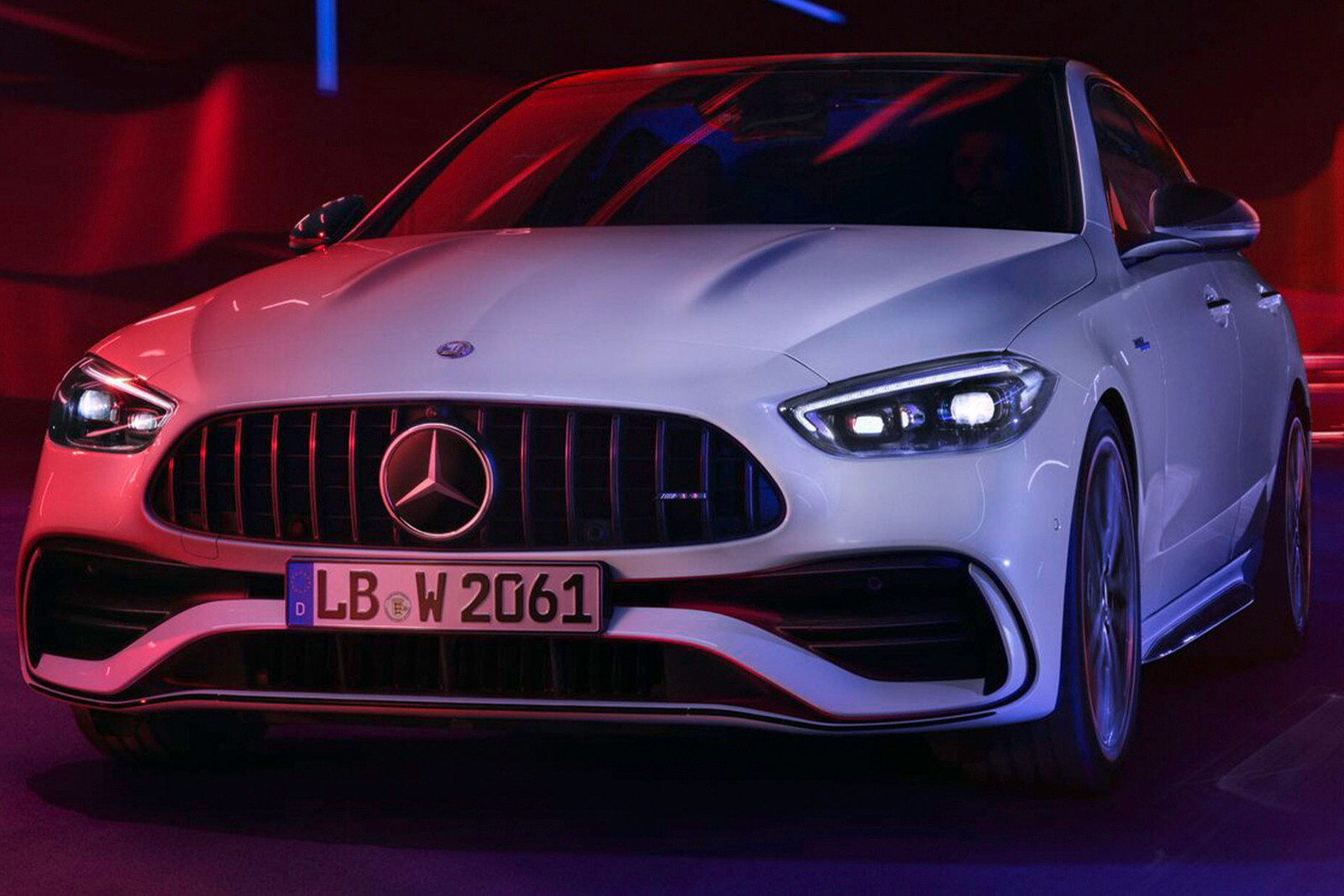
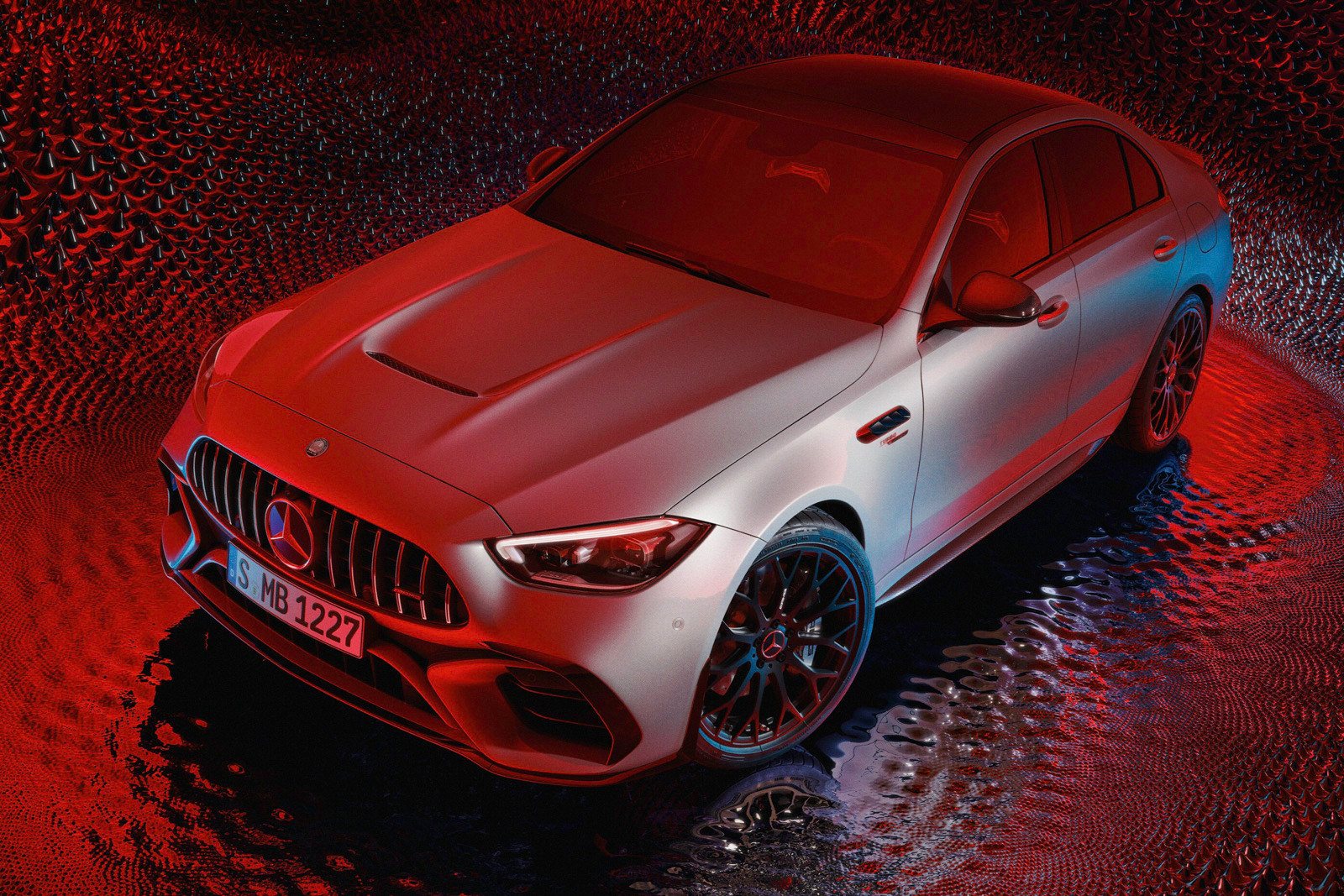
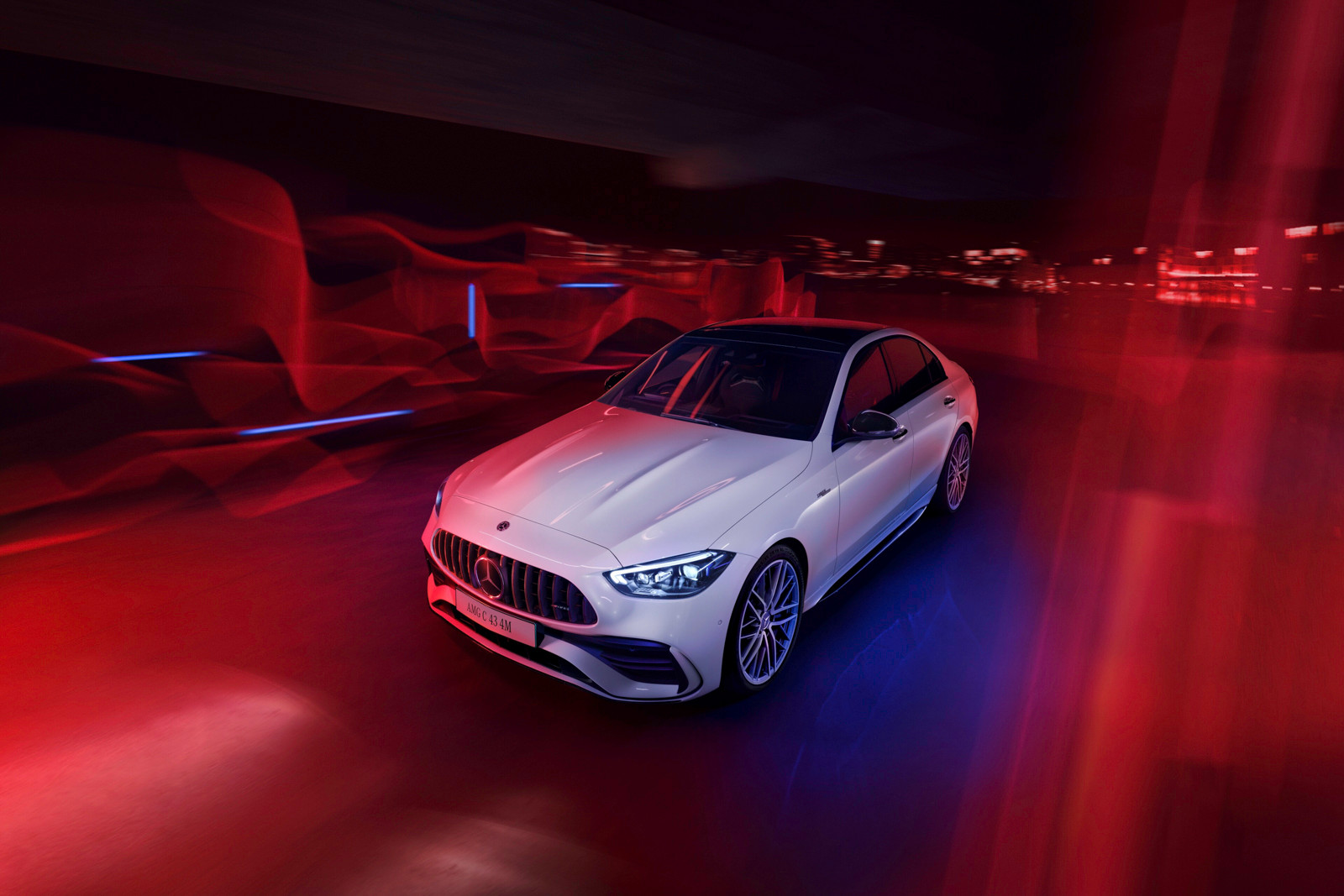
2024 Mercedes-Benz AMG C-Class AMG C 43
Price
RM 443,888
Select a Vehicle Variant
2019 Mercedes-Benz AMG GT 4-door AMG GT 63 S 4MATIC+ RM 1,798,888
Summary
Meet the 2024 Mercedes-Benz AMG C-Class AMG C 43 – a Grand Tourer Sedan launched in 2024. Starting at RM 443,888, it seats 5 people comfortably. Its size (4751mm long, 1820mm wide, 1437mm tall) means plenty of room inside. Great for families needing space that's still easy to drive in town.
It handles highways easily with a top speed of 250km/h. The 1999cc engine gives good power and fuel economy. Whether it’s daily drives or weekend trips, this car offers great value, modern looks, and solid performance all in one package.
It handles highways easily with a top speed of 250km/h. The 1999cc engine gives good power and fuel economy. Whether it’s daily drives or weekend trips, this car offers great value, modern looks, and solid performance all in one package.
Core Specs

Segment
Grand Tourer

Engine Capacity(cc)
1999

Transmission
DCT

Fuel Comsumption (L/100km)
7.8

Fuel Tank(litres)
50

Top Speed(km/h)
250

Seats
5

Length(mm)
4751

Width(mm)
1820

Height(mm)
1437

Wheelbase(mm)
2865

Boot Volume(L)
455
Other Variants
Price
RM 443,888
Body
4751×1820×1437
Combined System Output
-
Combined System Torque
-
-
-
- RM 958,8884751×1820×14376801020--
Related Q&A
View More >Q
how much is a mercedes e300
In Malaysia, the price of a Mercedes-Benz E300 can vary depending on the model year, configuration options, and whether it's a brand-new or pre-owned vehicle. Right now, the starting price for a brand-new E300 typically falls between RM 400,000 and RM 500,000. That said, the exact figure might shift based on selected add-ons, ongoing promotions, or individual dealership policies.
Slotting in as a mid-to-high-end offering in Merc's E-Class lineup, the E300 packs a 2.0-liter turbocharged engine paired with a 48V mild-hybrid system, churning out a solid 258 horsepower. It also comes loaded with the snappy MBUX infotainment system and a suite of smart driver-assistance features, making it a solid pick for folks who want a mix of luxury and cutting-edge tech.
Malaysian demand for Mercedes models is pretty strong, and the E-Class, in particular, is a hit for both business and family use. If you're interested, your best bet is to reach out directly to authorized dealers to get the latest quotes and set up a test drive. It’s also worth checking out pre-owned E300s from different years—you might find better value for your ringgit there.
On a side note, Malaysia’s import duties on foreign cars are pretty steep, which is one reason why Mercedes models carry a premium price tag locally. Even so, the strong resale value and the brand’s reputable badge keep plenty of loyal customers coming back.
 ClimberPeakChallengeOct 9, 2025
Q
How to starrt Perodua Bezza?
Starting up the Perodua Bezza is a total breeze. First off, make sure the car's in Park (P) or Neutral (N). Then, hit the brake pedal, pop the key into the ignition, and twist it clockwise to the "ON" position—you'll see the dashboard lights fire up for the self-check. Once that's done, give the key another twist to "START" to fire the engine. Let go of the key once you hear that engine purr to life. If you've got the keyless start version, just keep the smart key on you, step on the brake, and press the start button—that's all it takes to get her going.
Beyond the easy start, the Bezza's all about practicality and frugality. Under the hood, you've got your choice of efficient 1.0L or 1.3L engines, and there's even an ECO drive mode to squeeze every last km out of a liter. To keep that startup smooth and your drives safe, we'd definitely recommend regular maintenance—think checking oil levels, coolant, and battery health. And hey, don't sleep on the owner's manual—it's the best way to get to know all your Bezza's tricks and tips.
 OceanWaveRiderOct 13, 2025
Q
How to open the gas tank of Mazda 3?
To open the fuel cap on a Mazda 3, first make sure the vehicle is unlocked. Then head to the left side of the car where the fuel door is located (Mazda 3s in Malaysia typically have the fuel door on the left). Just press the outer edge of the fuel door, and it'll pop open. After that, twist the inner cap counterclockwise to start refueling.
A quick note: Some model years of the Mazda 3 might have a fuel door release button near the center console, but most variants stick with the direct push-to-open design. Given Malaysia's hot and rainy weather, it's a good idea to regularly check the fuel cap's seal. You don't want rubber degradation leading to fuel evaporation or water seeping in.
Different car brands have their own takes on fuel door designs—German cars often use interior release buttons, while Japanese brands like Mazda tend to favor the push-to-open style. These differences mainly come down to engineering layouts and user habit preferences. If you ever struggle to open the fuel door, try locking and unlocking the car a few times or check for any debris that might be jamming it. If all else fails, it's best to reach out to an authorized service center.
 HappyRhinocerosOct 14, 2025
Q
Is Toyota Rush expensive?
The price of the Toyota Rush ranges from RM 93,000 to RM 97,000, and whether this is considered expensive largely depends on individual perspectives and needs. For consumers on a tight budget who require a seven-seater vehicle, this price range may be quite reasonable, especially given the array of standard safety and practical features it offers, including six airbags, electronic stability control, and a 360-degree parking camera system.
From a segment perspective, this pricing is in line with the market positioning for a B-segment compact SUV. However, consumers seeking higher performance or luxury features may find it pricey, especially considering the engine produces a maximum output of 105 PS and that the majority of the seat adjustments are manual.
 DriverMay 21, 2025
Q
How Heavy Does Lamborghini Urus Weight? Check Here to Know!
As a high-performance luxury SUV, the Lamborghini Urus weighs approximately 2,200 kilograms. The exact figure may vary slightly depending on optional configurations, such as the material of the rims, interior materials, or additional technology packages. This vehicle uses a lightweight aluminum alloy frame and carbon fiber to balance the vehicle's weight and rigidity. At the same time, it is equipped with a 4.0-liter V8 twin-turbocharged engine that outputs up to 650 horsepower, ensuring strong power and handling performance. For Malaysian users, the Urus's weight is above average among similar SUVs. However, thanks to the active suspension system and four-wheel drive technology, it can still maintain a stable driving experience on tropical rainy roads. It's worth mentioning that the weight distribution and aerodynamic design of the Urus have been optimized. Even though the vehicle is heavy, it doesn't significantly affect its acceleration performance (it only takes 3.6 seconds to accelerate from 0 - 100 km/h). In daily use, it is recommended to regularly check the tire wear and braking system because high-horsepower vehicles may experience accelerated component wear in the high-temperature and high-humidity environment of Malaysia. If considering vehicles in the same class, you can refer to its weight-to-power ratio (approximately 3.38 kg/hp), which can intuitively reflect the vehicle's power efficiency.
 HappyGoatJul 16, 2025
Q
What is the Reslae Value of BMW X5?
The BMW X5 has an excellent performance in the used - car resale value in Malaysia. Generally, the residual value rate of a 3 - year - old vehicle can be maintained at around 60% to 70%. It specifically depends on factors such as the vehicle's condition, mileage, maintenance records, and configuration versions. There is a stable demand for German luxury SUVs in the local market. Additionally, the X5 is quite popular in the used - car market thanks to its brand appeal, powerful performance (like the 3.0T engine in the xDrive40i), and luxurious interior features (such as the panoramic sunroof and the iDrive system).
However, it should be noted that the post - 2018 facelifted G05 generation, equipped with newer technological features (such as the 12.3 - inch dual - screen and intelligent driving assistance), has a better resale value advantage than the earlier F15 generation. It is recommended that car owners have their vehicles regularly serviced at authorized BMW service centers and keep complete maintenance records, which can significantly increase the resale value.
Moreover, in Malaysia's hot climate, special attention should be paid to the maintenance of rubber parts (such as sunroof seals) and the battery. These details can affect the final transaction price. Compared with its counterparts in the same class, the X5's resale value rate ranks among the top in the luxury mid - to - large SUV segment.
 TonJul 28, 2025
Q
How much does it take to fill up a 2022 Toyota Camry?
The 2022 Toyota Camry in Malaysia comes with a 60-liter fuel tank. Based on current RON 95 petrol prices here – let's say around RM2.05 per liter – filling 'er up should set you back roughly RM123. Of course, that final number can tick up or down a bit as fuel prices fluctuate. Now, when it comes to how far that tank'll take you, the Camry's fuel economy really depends on how you drive and the roads you're on. Toyota's official figures peg the combined fuel consumption at about 6.5 liters per 100 km, which theoretically translates to a range of around 920 km on a full tank.
As a midsize sedan, the Camry holds its own in terms of fuel efficiency compared to its peers, but real-world numbers can vary. You'll likely see higher consumption in heavy city traffic, while highway cruising might be a bit kinder. A quick tip for owners: regular maintenance goes a long way. Keeping your tires properly inflated, swapping out the air filter when it's due – little things like that can help keep those fuel efficiency numbers in check. And if you're gearing up for a road trip, it's smart to map out your gas station stops in advance. Prices can dip or rise a touch from one area to the next, so a little planning might save you a ringgit or two.
 DaisyMeadowPeacefulOct 28, 2025
Q
What is the maintenance cost of a 2024 5 Series?
The maintenance costs for the 2024 BMW 5 Series in Malaysia can vary depending on the specific model and driving habits, but generally speaking, the regular servicing fees for the first 3 years of a new car are roughly between RM3,000 to RM5,000 per year. This depends on the chosen original maintenance package and the actual mileage driven. BMW offers various maintenance plan in Malaysia, allowing owners to opt for one-time payment or installment plans. These packages typically cover basic items like oil changes, filter replacements, and brake inspections. If the vehicle is equipped with more high-tech features, such as active suspension or a hybrid system, the long-term maintenance costs might be slightly higher. However, BMW's after-sales service network in Malaysia is quite comprehensive, with many authorized service centers capable of providing professional maintenance and repair services. To reduce long-term ownership costs, it's advisable for owners to follow the manufacturer's recommended regular maintenance schedule and use genuine parts. This not only extends the vehicle's lifespan but also helps maintain a good resale value. Additionally, given Malaysia's hot and humid climate, owners should pay extra attention to maintaining the air conditioning system and battery to ensure the vehicle always stays in optimal condition.
 CuteypieNov 3, 2025
Q
Is the 2017 Chevy Colorado good or bad?
The 2017 Chevrolet Colorado is a workhorse pickup built for utility and off-road capability. Under the hood, its 3.6L V6 churns out 308 horsepower, paired with either a 6-speed or 8-speed automatic transmission that balances smooth highway cruising with serious towing muscle (rated at roughly 3.5 tons).
Built on a rugged ladder frame with body-on-frame construction, it offers optional four-wheel drive and a rear locking differential to tackle tough terrain. The no-nonsense interior keeps things practical—expect a standard 7-inch touchscreen with Apple CarPlay, though hard plastics dominate the cabin.
In North America, the Colorado earns its stripes for reliability, but buyers elsewhere should confirm local service support, as right-hand-drive models may require gray-market imports. Compared to rivals like the Toyota Hilux or Ford Ranger (which prioritize fuel efficiency), the Colorado leans into raw power and classic American truck toughness—ideal for haulers who need performance.
Used buyers: pay extra attention to frame rust and transmission health. These trucks can go the distance, but only with religious maintenance.
 EepDec 11, 2025
Q
What safety features do sports cars have?
Although sports cars are known for their performance, they are also equipped with advanced safety technologies to ensure the safety of drivers and passengers. Common active safety systems include Electronic Stability Control (ESC), Anti lock Braking System (ABS), and Traction Control System (TCS), These systems can help maintain vehicle stability and prevent loss of control during high-speed driving or emergency situations. In terms of passive safety, they include high-strength body structure, multiple airbag configurations (such as side airbags and knee airbags), and pre tensioned seat belts, which can effectively disperse impact force and protect passengers during collisions. Some high-end sports cars are also equipped with intelligent driving assistance functions such as adaptive cruise control, lane keeping assistance, and automatic emergency braking, further reducing the risk of accidents. It is worth mentioning that the safety design of sports cars often balances lightweight and rigidity, such as using carbon fiber materials or aluminum alloy frames, which not only improve handling but also ensure collision protection capabilities. For car owners who love driving, understanding the operating principles of these technologies and regularly checking the vehicle status is important, Can better enjoy a driving experience that combines passion and safety.
 HelperzzJan 23, 2026
Popular Cars
Model Year
Car Compare
Car Photo
Model List
Mercedes-Benz AMG GT 4-door is a Grand Tourer Sedan car launched by Mercedes-Benz. PCauto has cataloged various variants of this car produced from - to -.You can compare differences in detail at the parameter table.
Among the 0 variants of Mercedes-Benz AMG GT 4-door, prices range from the affordable TBC to the most expensive TBC.You can find different horsepower versions ranging from - to -.
Mercedes-Benz AMG GT 4-door offers - engines and - transmission. Check the spec sheet for more details.
0 Model on Sale
2019