Reference Only. Update Soon
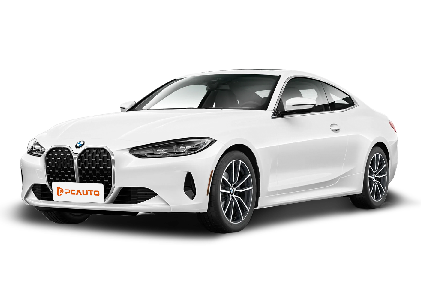
2018 Mercedes-Benz E-Class Coupe E 200 Coupe AMG Line
Price
RM 435,898
Select a Vehicle Variant
2021 Mercedes-Benz E-Class Coupe E300 AMG Line RM 533,888
Summary
Meet the 2018 Mercedes-Benz E-Class Coupe E 200 Coupe AMG Line – a Executive Coupe launched in 2018. Starting at RM 435,898, it seats 4 people comfortably. Its size (4826mm long, 1860mm wide, 1430mm tall) means plenty of room inside. Great for families needing space that's still easy to drive in town.
It handles highways easily with a top speed of 240km/h. The 1991cc engine gives good power and fuel economy. Whether it’s daily drives or weekend trips, this car offers great value, modern looks, and solid performance all in one package.
It handles highways easily with a top speed of 240km/h. The 1991cc engine gives good power and fuel economy. Whether it’s daily drives or weekend trips, this car offers great value, modern looks, and solid performance all in one package.
Core Specs

Segment
Executive

Engine Capacity(cc)
1991

Transmission
AT

Fuel Comsumption (L/100km)
6

Fuel Tank(litres)
66

Top Speed(km/h)
240

Seats
4

Length(mm)
4826

Width(mm)
1860

Height(mm)
1430

Wheelbase(mm)
2873

Boot Volume(L)
425
Other Variants
Price
RM 435,898
Body
4826×1860×1430
Engine Power(PS)
187
Engine Torque(Nm)
-
TRANSMISSION
AT
Fuel Consumption
6.0
Related Q&A
View More >Q
How long do 2020 BMW X5s typically last?
The 2020 BMW X5 can typically hit 200,000 to 300,000 kilometers or more with proper care and maintenance—its actual lifespan really depends on driving habits, how often you service it, and the conditions it's used in. Under the hood, you've got those tried-and-true inline-six or V8 engines paired with an 8-speed automatic transmission, making for a pretty solid powertrain. Staying on top of key maintenance like regular oil changes, transmission fluid swaps, and coolant flushes will definitely help it go the distance. The body uses high-strength steel and aluminum, so it holds up well against rust, but if you're in a damp climate, don't skip that undercarriage rustproofing. On the tech side, if you run into minor glitches with the iDrive infotainment or driver assistance features, get them fixed sooner rather than later to avoid bigger headaches. Being a luxury SUV, replacing worn suspension parts or brakes on the X5 can get pricey, so sticking with OEM parts is smart for long-term durability. In the same class, used X5s with a complete 4S shop service history usually stay in better shape and hold their resale value better too. It’s worth noting that the hybrid version’s battery pack typically lasts around 8-10 years, but BMW does offer warranty coverage for that. If you’re stuck in a lot of stop-and-go traffic regularly, consider shortening the transmission fluid change interval and cleaning the intake system periodically to keep the engine running efficiently.
 HappyDragonNov 26, 2025
Q
What is the meaning of 7.5 hp motor?
In a 7.5 hp motor, "hp" is the abbreviation for the power unit "horsepower", representing the rated power of the motor. The definition of horsepower originated from Watt's measurement of the power of steam engines in the late 18th century. Metric horsepower refers to the work done at 75 kilogram-force·meters per second, and 1 metric horsepower is approximately equal to 735 watts. Therefore, the power of a 7.5 hp motor converted to kilowatts is about 5.5 kilowatts (7.5 × 0.735 ≈ 5.5125 kilowatts). Motors of this power range have a wide range of applications, commonly found in small machinery, agricultural equipment (such as light-duty tillage tractors, water pumps), as well as compressors, conveyor belts, and HVAC systems in industrial settings. They can provide the required torque and rotational speed for these devices, meeting the power demands in different scenarios.
 IvyDec 31, 2025
Q
How long will a 2019 GTI last?
The lifespan of a 2019 GTI largely depends on maintenance and driving habits. With regular oil changes, transmission fluid replacements, and avoiding aggressive driving, it can easily clock over 200,000 kilometers—or even more. Its 2.0T engine and DSG gearbox are proven combos, and as long as you stick to the factory service schedule, mechanical reliability won’t be an issue.
Just keep in mind: turbocharged engines demand extra care. Always use the right spec full-synthetic oil and monitor the cooling system. Climate plays a role too—hot, humid conditions mean paying extra attention to rubber seals and electronics. Every 50,000 km, have the timing chain and high-pressure fuel pump inspected (key items for turbos).
Driving style matters. Don’t redline it constantly, and let the engine warm up properly after cold starts. Rustproofing helps long-term durability, so regular underbody washes are smart. Nail these details, and this car’s built to last.
 DriverRouteTravelDec 5, 2025
Q
How much does a 2020 M5 cost?
The 2020 BMW M5 in Malaysia typically goes for around 900k to 1.2 million ringgit, with the exact price depending on the car's condition, mileage, specs, and whether you're buying through an official dealership or the used car market. As a high-performance luxury sedan, the 2020 M5 packs a 4.4L V8 twin-turbo engine cranking out 600 horsepower, paired with the advanced xDrive all-wheel-drive system and 8-speed M Steptronic gearbox for an absolutely killer driving experience. Over here in Malaysia, this beast is super sought-after thanks to its raw power and plush interior—perfect for folks who want both serious performance and everyday comfort. When you're looking to buy, I'd recommend going through official certified pre-owned channels or reputable dealers to make sure you're getting a quality ride with proper after-sales support. Also, given Malaysia's road conditions and climate, keeping up with regular maintenance and checking performance parts is crucial—especially the turbo system and cooling components—to keep this baby running in top shape.
 GrinningSmileHappinessOct 20, 2025
Q
How can I make my car seats more comfortable?
To enhance the comfort of car seats, focus on three key aspects: adjustment, materials, and functionality. First, scientifically adjust the seat angle and height: tilt the backrest by 1 to 2 increments to ensure lumbar support, maintain a 120° knee bend for optimal pedal operation, and keep approximately a fist's distance between the head and the roof to maximize visibility. Second, select seat materials with high-resilience memory foam or latex padding, paired with breathable leather or fabric upholstery. In summer, adding ventilated seat cushions can prevent discomfort from heat retention. Regarding functionality, ensure proper alignment of power-adjustable features, lumbar support, and headrests with the head's centerline. If budget permits, upgrading to heated or massage functions can alleviate fatigue on long drives. For cost-effective solutions, consider replacing seats with used OEM units or adding lumbar cushions, though size compatibility must be verified. Additionally, regular seat maintenance and proper cabin ventilation can further enhance comfort. Implementing these measures collectively improves driving and riding comfort, particularly suited to daily commuting in the local hot climate.
 EmeraldFeb 12, 2026
Q
How much horsepower does a 2020 Mazda mx5 have?
The 2020 Mazda MX-5 available in Malaysia packs a 2.0-liter Skyactiv-G naturally aspirated four-cylinder engine, cranking out 184 horsepower (137 kilowatts) and 205 Nm of peak torque. This engine is known for its strong high-revving character and linear power delivery, paired with either a 6-speed manual or 6-speed automatic gearbox, delivering a seriously fun driving experience. As a classic rear-wheel-drive roadster, the MX-5 has long been a favorite among driving enthusiasts thanks to its lightweight design and pinpoint handling. The 2020 model takes things up a notch with revised chassis tuning and suspension, making it even sharper in the corners. What's really cool about Mazda's Skyactiv tech is that it doesn't just focus on power—it also keeps fuel economy in mind. That's a big plus for Malaysian buyers, letting you balance driving thrills with daily running costs. And let's not forget the soft-top roof, perfect for Malaysia's tropical weather—drop it and soak up the sun and breeze. If this sounds like your kind of ride, head down to a Mazda dealership and take it for a spin—experience that unique MX-5 magic for yourself.
 CharmingPersonalityOct 22, 2025
Q
Do inline 12 engines exist?
Inline 12-cylinder engines do exist, but they are extremely rare in mass-produced vehicles at present, mainly used in a few top luxury models. Represented by the Mercedes-Maybach S-Class, Audi A8, and Mercedes-Benz S-Class, this type of engine features an inline layout of 12 cylinders to achieve extraordinary power output. For example, the inline 12-cylinder gasoline engine of the Maybach S-Class can deliver a maximum power of 530kW and a peak torque of 1000Nm, demonstrating a combination of ultimate smoothness and explosive power. From an engineering perspective, the inline 12-cylinder structure occupies more longitudinal space than the V-type layout, making it suitable only for long-wheelbase models and requiring extremely high manufacturing precision. This explains why modern car manufacturers prefer to adopt V12 or W12 structures. It is worth noting that with the trend of electrification, such large-displacement engines are gradually being replaced by hybrid systems. However, the inline 12-cylinder is still regarded as one of the pinnacle technologies of the internal combustion engine era, and its precision mechanical structure's contribution to improving vehicle NVH performance remains difficult to fully replicate.
 YipJan 15, 2026
Q
Which is better Goodyear or Bridgestone?
Bridgestone and Goodyear are both internationally renowned tire brands, each with its own advantages. The Bridgestone Turanza T005 performed excellently in comprehensive tests, particularly scoring high in wet braking, dry and wet handling, and rolling resistance, making it suitable for car owners seeking all-round performance. Its overall rating of 88% and wide adaptability covering 214 sizes through 33 tests prove its reliability. The Goodyear Efficient Grip Performance series (including the upgraded Performance 2) excels in balance, with outstanding performance in dry handling and comfort. However, test data shows that its average rating (78%-88%) and compatible sizes (23-52) are slightly inferior to Bridgestone. If durability and long-distance driving are priorities, Goodyear's rigid sidewall design offers more advantages; if wet safety and multi-condition adaptability are prioritized, Bridgestone is the better choice. The price ranges of the two are similar. It is recommended to decide based on the specific vehicle model and usage scenarios (such as urban commuting or high-speed long-distance driving), while noting that Goodyear has launched the second-generation product, whose performance may be further optimized.
 DreamySundaysRelaxerMar 9, 2026
Q
Where is Proton X70 made?
The Proton X70 is produced locally in Malaysia. Its production base is the Proton City factory in Tanjung Malim, Perak, which is also the main manufacturing center of Proton Cars. As the first SUV after the cooperation between Proton and Geely, the X70 was initially introduced into Malaysia as an imported vehicle, but later local assembly was realized to reduce the selling price and enhance market competitiveness. Local production not only makes the X70 more in line with the needs of Malaysian consumers but also drives the development of the local automotive parts industry chain. With rich configurations such as intelligent voice control, panoramic sunroof, and Advanced Driver Assistance System (ADAS), the X70 has become a popular choice in the Malaysian mid - size SUV market. It is worth mentioning that Proton has further optimized the supply chain and technology transfer through the local production of the X70. For example, it has adopted Geely's platform technology and made adaptive adjustments according to Malaysia's road conditions and climate. For Malaysian consumers who want to support domestic products, the local production of the X70 also means more convenient after - sales service and shorter waiting time for parts, which all enhance its appeal in the market.
 ShockwaveJul 28, 2025
Q
What's the weight of the Suzuki Swift?
Depending on the model year and trim level, the Suzuki Swift's curb weight in the Malaysian market typically ranges from around 890 kg to 1,020 kg. The exact figure varies based on the specific variant and powertrain setup – for instance, base models with the 1.2L naturally aspirated engine tend to be lighter, while versions equipped with extra comfort features or hybrid systems tip the scales a bit more.
Weight plays a big role in how a car handles and sips fuel, and the Swift's lightweight design really shines in city driving. It delivers nimble steering and impressive fuel economy, making it a solid fit for Malaysia's twisty roads and stop-and-go traffic. What's more, Suzuki's use of lightweight yet high-strength steel not only keeps the body rigid and safe but also helps keep maintenance costs in check.
If fuel efficiency is a top priority, keep an eye on the official figures – they usually land between 18km/L and 22km/L. In a market like Malaysia where fuel prices can swing pretty often, that kind of frugality gives the Swift a clear edge when it comes to long-term running costs.
 RonOct 16, 2025
Popular Cars
Model Year
Car Compare
Car Photo
Model List
Mercedes-Benz E-Class Coupe is a Executive Coupe car launched by Mercedes-Benz. PCauto has cataloged various variants of this car produced from 2018 to 2021.You can compare differences in detail at the parameter table.
Among the 1 variants of Mercedes-Benz E-Class Coupe, prices range from the affordable RM 533,888 to the most expensive RM 533,888.You can find different horsepower versions ranging from 258PS to 258PS.
Mercedes-Benz E-Class Coupe offers 2.0T engines and AT transmission. Check the spec sheet for more details.
1 Model on Sale
2021
2018