Reference Only. Update Soon
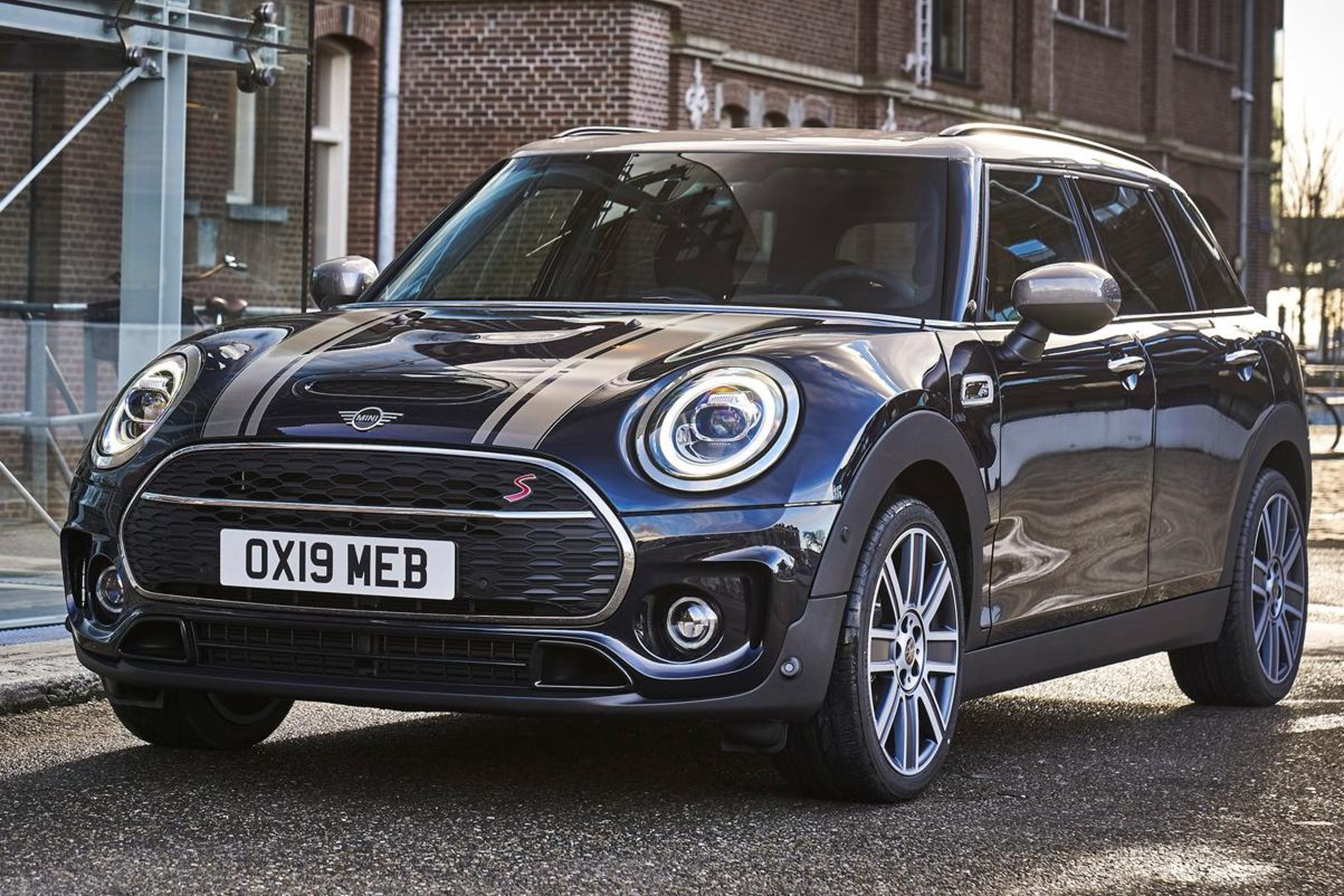
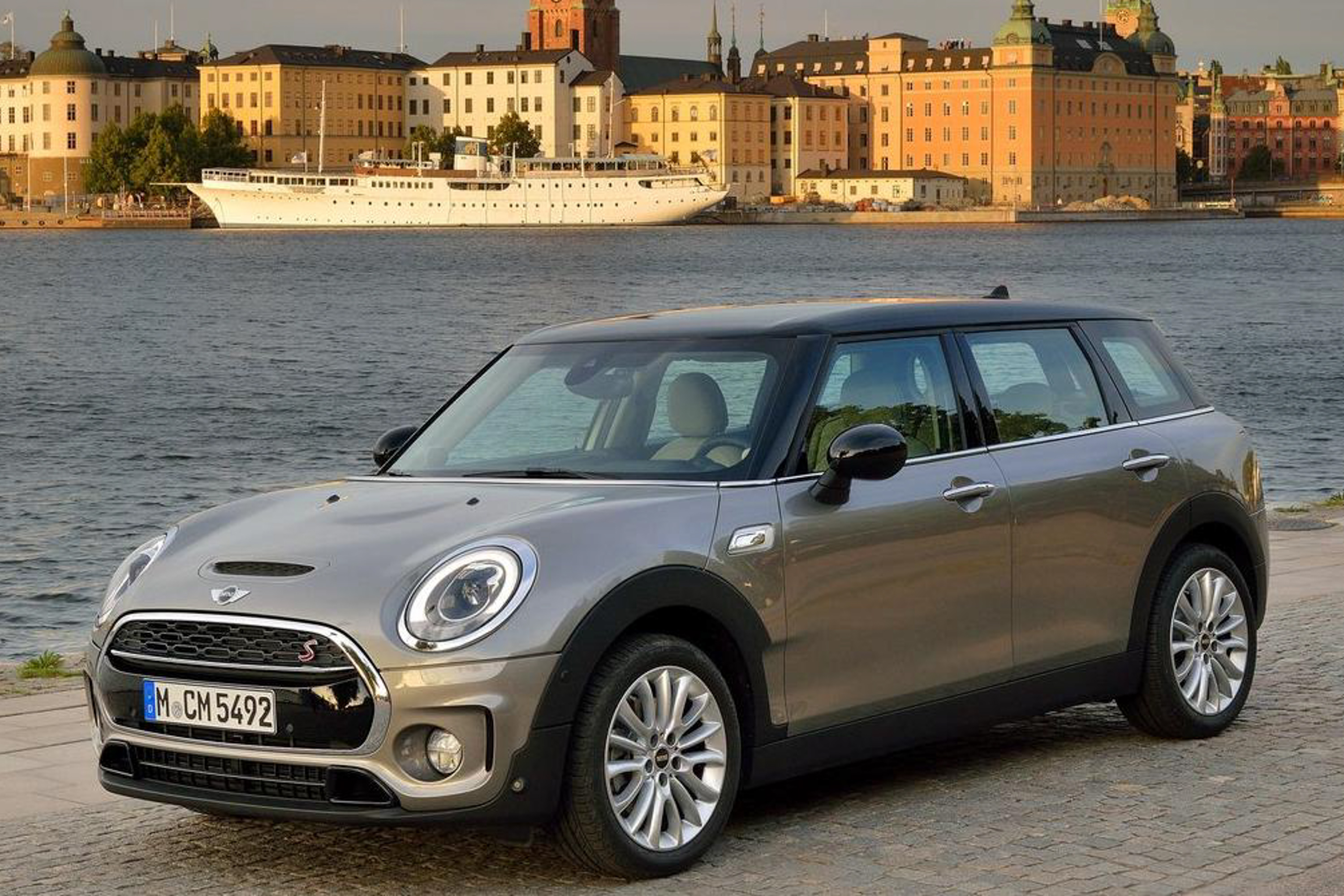
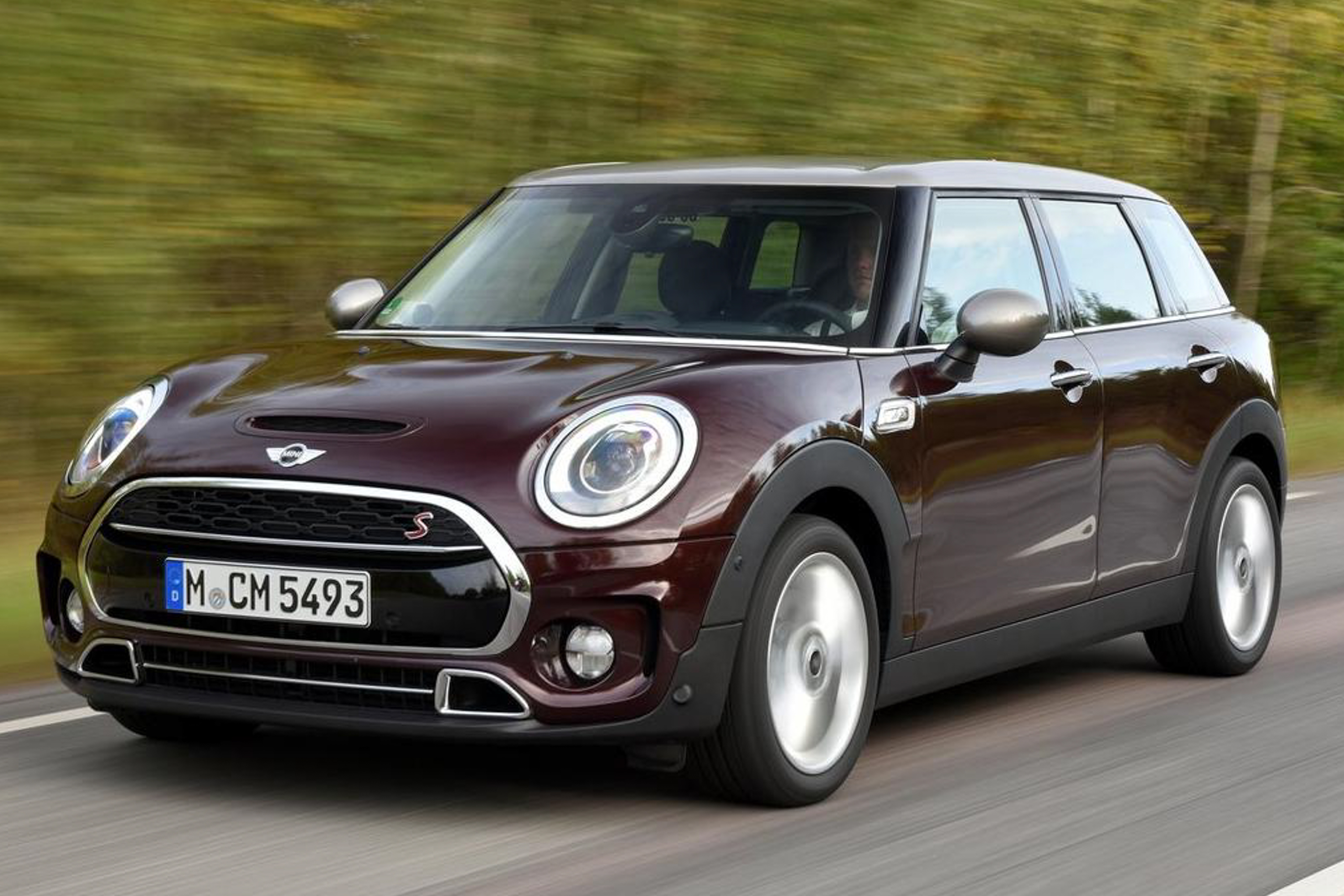
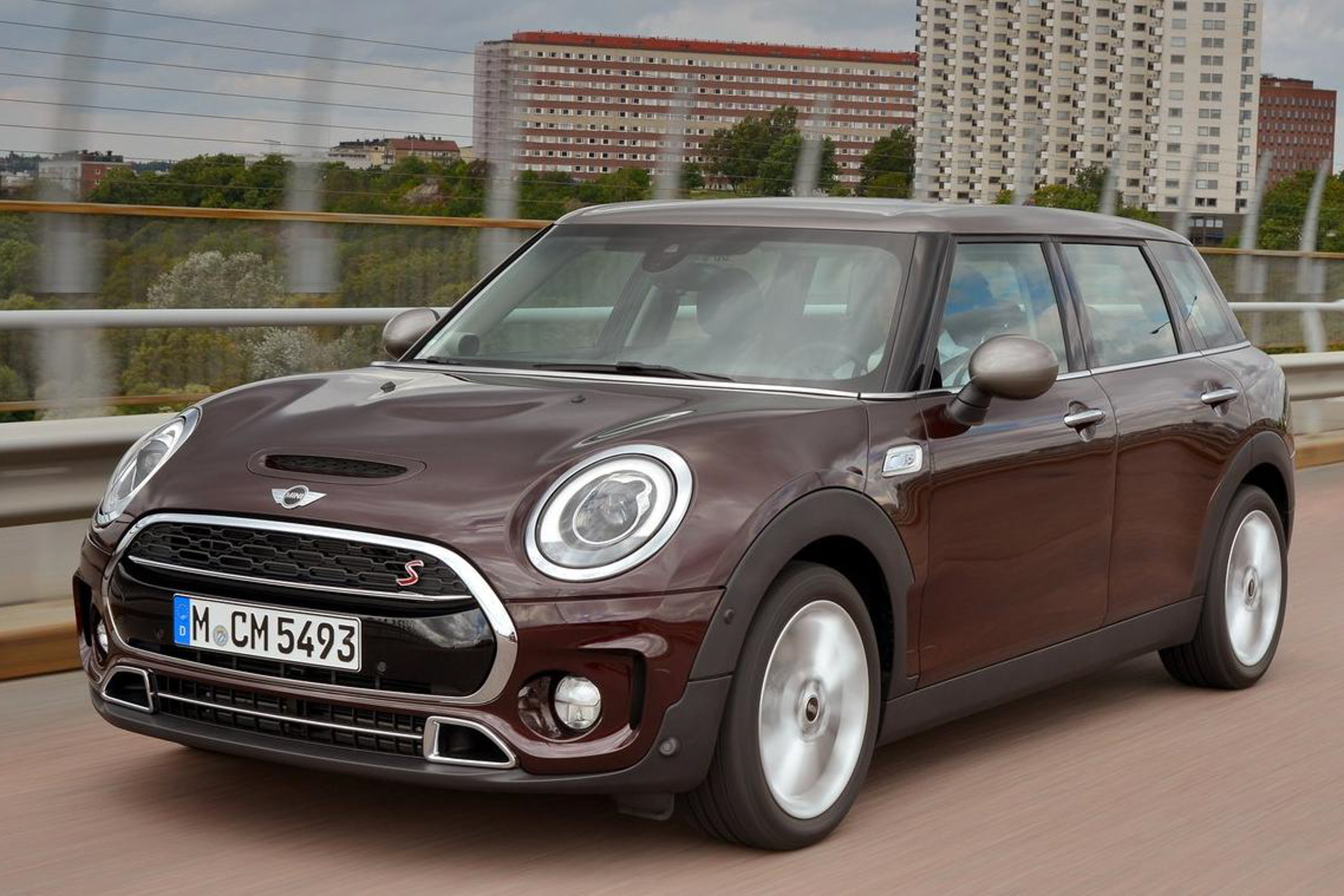
2018 MINI Clubman Cooper S
No.3 in Best WagonPrice
RM 262,888
Select a Vehicle Variant
2020 MINI Clubman public TBC
Summary
Get the 2018 MINI Clubman Cooper S – a practical C-Segment Wagon since 2018. Starts at RM 262,888. Seats 5 comfortably in its spacious cabin (4253x1800x1441mm). Big enough for families, nimble enough for cities.
Zippy on highways with a -km/h max speed. The 1998cc engine is both strong and efficient. Want a no-fuss car that looks good? The 2018 MINI Clubman Cooper S packs value, modern design, and everyday performance together.
Zippy on highways with a -km/h max speed. The 1998cc engine is both strong and efficient. Want a no-fuss car that looks good? The 2018 MINI Clubman Cooper S packs value, modern design, and everyday performance together.
Core Specs

Segment
C-Segment

Engine Capacity(cc)
1998

Transmission
AT

Fuel Comsumption (L/100km)
5.9

Fuel Tank(litres)
48

Top Speed(km/h)
-

Seats
5

Length(mm)
4253

Width(mm)
1800

Height(mm)
1441

Wheelbase(mm)
2670

Boot Volume(L)
360
MINI Clubman Dealers
Related Q&A
View More >Q
What are the recalls on the 2019 Mini Cooper Countryman?
In 2019, Mini Cooper Countryman issued global recalls for certain component issues. The more common problems included faulty fuel pump control modules that could cause stalling while driving, and improperly welded seatbelt retractor brackets compromising safety. Some vehicles also had incorrectly routed engine bay wiring harnesses posing short-circuit risks. Dealers addressed these by replacing upgraded parts or installing protective kits free of charge.
Owners can check if their vehicle is affected by entering the VIN on Mini's official website. Even if no symptoms appear, it's wise to schedule repairs promptly when recalls are announced—proactive fixes help avoid bigger headaches down the road. For used buyers, always request full service records to confirm recall work was completed.
Mini's global recall response has been efficient, with mature technical solutions in place. While no one likes a recall, their service network handles these situations smoothly, so owners shouldn’t lose sleep over it. Just stay on top of official bulletins and get it sorted.
 JoyfulHeartDec 8, 2025
Q
Is the 2019 MINI Countryman reliable?
The 2019 MINI Countryman delivers above-average reliability while staying true to the brand's fun-to-drive DNA. As a compact SUV, it offers more practical space than traditional MINIs. Its powertrain options—the 1.5L 3-cylinder and 2.0L 4-cylinder turbocharged engines—are proven units, though be aware that the three-cylinder mill may develop slight vibrations over time (a characteristic trait of this engine type). The 8-speed automatic transmission performs flawlessly with smooth shifts and solid reliability.
Minor issues include occasional electrical gremlins and interior rattles, but these rarely affect daily driving. Stick to the factory maintenance schedule and use genuine parts to maximize longevity. Resale values are mid-pack for the segment—look for examples with complete service history.
Driving dynamics lean sporty, with firm suspension tuning that enthusiasts will appreciate. If comfort is a priority, we'd recommend taking one for a test drive first.
 VipDec 8, 2025
Q
How much is a 2019 Mini Cooper Countryman worth?
The second-hand price of Mini Cooper Countryman in 2019 is usually between RM100000 and RM150000, depending on factors such as vehicle condition, mileage, configuration, and maintenance records. The high-end ALL4 four-wheel drive version or JCW performance version will be 15% to 20% more expensive than the front wheel drive base version. This car is equipped with a 1.5T or 2.0T engine, which has good fuel consumption performance and is suitable for city driving. Its unique exterior design and flexible handling are the main selling points. When purchasing a used car, it is recommended to check whether the turbocharger system leaks oil, whether the gearbox shifts smoothly, and confirm whether the original maintenance records are complete. Due to the small ownership of this car and relatively limited supply of parts, maintenance costs may be higher than ordinary Japanese cars, but its resale value is relatively stable among luxury small SUVs. If you want to save money, you can consider importing second-hand cars from the UK or Japan in parallel, but pay attention to the compatibility of the right-hand drive version.
 JoyfulMelodyDec 8, 2025
Q
How much is the Mini Cooper Countryman 2019?
The second-hand price of the 2019 Mini Cooper Countryman is usually between 120000 and 180000 ringgit, depending on the condition, mileage, configuration, and warranty situation. The high-end Cooper S or plug-in hybrid version may have a higher price. This car continues the classic design of the Mini family, but has a larger and more practical body, suitable for family use. It is equipped with a 1.5T or 2.0T engine, which provides flexible power performance and excellent handling. Countryman also offers an ALL4 four-wheel drive version, suitable for occasional light off-road driving, with exquisite interior workmanship and rich technological features such as head up display and adaptive cruise control. It is recommended to check the maintenance records when purchasing to ensure that the vehicle has no major accidents, and also pay attention to whether the original factory warranty is still valid to reduce subsequent maintenance costs. If you want to experience the driving pleasure of Mini and need more space, this car is a good choice. Its resale value is decent among luxury small SUVs, but it is recommended to compare the prices and services of several second-hand car dealers.
 TwilightMysteryDec 8, 2025
Q
Is a 2019 Mini Countryman a good car?
The 2019 Mini Countryman is a compact SUV that blends personality with practicality. It keeps Mini's iconic retro styling and go-kart-like handling while offering more cabin space than earlier models – making its rear seats and cargo area actually usable for families. Under the hood, you've got either a peppy 1.5L 3-cylinder or a more powerful 2.0L 4-cylinder turbo, both paired with a smooth-shifting 7-speed dual-clutch transmission. Just don't be surprised by some slight vibration at idle with the 3-pot engine – that's just part of its character.
Inside, you'll find Mini's signature circular motifs and decent materials, though some tech like the 8.8-inch infotainment screen was optional (always check the spec sheet when buying used). Watch out for clogged sunroof drains or occasional electrical gremlins in early production models – nothing major, but worth mentioning during routine maintenance. Reliability-wise, it's above average for luxury-branded small SUVs, though Japanese rivals will cost less to maintain.
What really sets the Countryman apart is its fun-to-drive nature and head-turning design. If you find a well-maintained used example with complete service records, this Mini makes a compelling choice for those wanting something different from the usual premium crossover crowd.
 MysticalJourneyDec 8, 2025
Q
What kind of engine is in the 2019 Mini Cooper S Countryman?
The 2019 Mini Cooper S Countryman packs a 2.0-liter four-cylinder turbocharged petrol engine, delivering 192 horsepower and 280 Nm of torque. It comes with your choice of an 8-speed Steptronic automatic or a 6-speed manual gearbox, available in both front-wheel drive and ALL4 all-wheel drive configurations.
This engine features twin-scroll turbocharging and Valvetronic variable valve lift tech, which sharpens throttle response and improves fuel efficiency. It’ll hit 0-100 km/h in around 7.4 seconds—plenty punchy for urban commutes or highway cruising, with strong low-end torque that drivers will appreciate.
Sharing modular engine architecture with certain BMW models, the Cooper S lineup benefits from shared powertrain components, making maintenance more straightforward. If you’re eyeing a used example, pay extra attention to the turbo system and high-pressure fuel pump—common focal points for direct-injection turbo engines.
In the compact SUV segment, this setup strikes a solid balance: it keeps Mini’s signature go-kart handling while staying practical for daily use. A fun, versatile choice for those who want a bit of spice without sacrificing usability.
 SparklingDewdropDec 8, 2025
Q
What's the fuel economy of a 2019 Countryman?
The 2019 Countryman's fuel efficiency varies by powertrain. The Cooper trim with a 1.5L turbocharged three-cylinder engine delivers around 6.1-6.3L/100km combined. Stepping up to the Cooper S's 2.0L turbo-four sees that number rise to 6.8-7.2L/100km. For those wanting maximum efficiency, the plug-in hybrid Cooper SE All4 offers about 55km of electric-only range and can achieve as low as 2.1L/100km combined.
Real-world figures will depend on driving style, road conditions, and maintenance—heavy acceleration or stop-and-go city traffic will hurt your mileage. As a compact SUV that balances space and driving dynamics, the Countryman works well for families. To optimize fuel savings, keep tires properly inflated, avoid carrying unnecessary weight, and make the most of the hybrid's EV mode when possible.
While some Japanese and German rivals match its efficiency, the Countryman stands out with its more distinctive driving character.
 AmberGlowDec 8, 2025
Q
How much is a 2019 MINI Countryman worth?
The second-hand price of MINI Countryman in 2019 is usually between 120000 and 180000 ringgit, depending on factors such as vehicle condition, mileage, configuration, and maintenance records. High end Cooper S or ALL4 four-wheel drive versions will be close to the price ceiling, while basic models or vehicles with higher mileage will be cheaper. This car is popular among small SUVs for its unique design, flexible handling, and practicality. The 2019 model is equipped with updated technology features such as a 6.5-inch or 8.8-inch touchscreen, Apple CarPlay, and multiple driving mode options. Some models also come with a panoramic sunroof and head up display function. When considering purchasing, it is recommended to check the vehicle's repair records and warranty status, as MINI's maintenance costs are relatively high, but good maintenance can significantly extend the vehicle's lifespan and maintain residual value. In addition, the MINI Countryman has a moderate resale value among cars in the same class, with a residual value rate of about 50% -60% after three years. Therefore, when compared to Japanese or German competitors of the same year, its price may be slightly higher, but personalization and driving pleasure are its significant advantages.
 OceanBreezeDec 8, 2025
Q
How big is the 2019 Countryman?
The 2019 Countryman, the largest model in MINI's lineup, measures 4,310 mm in length, 1,822 mm in width, and 1,616 mm in height, with a wheelbase of 2,670 mm. Compared to its predecessor, it’s 20 cm longer, offering more cabin space and a 436-liter trunk—expandable to 1,460 liters with the rear seats folded—making it ideal for families or road trips.
Built on the UKL front-wheel-drive platform, the Countryman retains MINI’s iconic design while boosting practicality with a raised roof and optimized seating. Its slightly higher ground clearance also helps tackle local road conditions better.
Available in Cooper, Cooper S, and plug-in hybrid Cooper SE variants, the hybrid version delivers an impressive combined fuel economy of just 2.1L/100km, balancing efficiency and performance. Standard features like a panoramic sunroof and rear AC vents enhance comfort in tropical climates, while the connected car system supports smartphone remote control, keeping up with modern drivers’ needs.
 StarryVoyagerDec 8, 2025
Q
How much is the 2019 Countryman?
The 2019 MINI Countryman's price varies depending on trim level and condition. When new, it was priced between RM250,000 to RM350,000, depending on the powertrain (Cooper, Cooper S, or plug-in hybrid Cooper SE) and optional extras. On the used market, prices typically range from RM150,000 to RM250,000, factoring in mileage, maintenance history, and market demand.
As MINI's compact SUV, the Countryman stands out with its quirky styling and fun-to-drive character while offering more practicality than traditional MINI models—making it a solid pick for style-conscious buyers who need family-friendly space. It comes with either a peppy 1.5T or 2.0T engine, and the plug-in hybrid version delivers better fuel efficiency. Standard features include a panoramic sunroof and multifunction steering wheel, while higher trims add perks like a heads-up display and adaptive cruise.
If you're eyeing a used Countryman, always check service records and—for the hybrid—battery health. Just a heads-up: maintenance costs can be steeper than average, but you’re paying for the MINI’s premium build quality and that signature go-kart driving feel.
 RunnerSpeedDec 8, 2025
Popular Cars
Model Year
Car Compare
Car Photo
Model List
MINI Clubman is a C-Segment Wagon car launched by MINI. PCauto has cataloged various variants of this car produced from 2008 to 2020.You can compare differences in detail at the parameter table.
Among the 2 variants of MINI Clubman, prices range from the affordable RM 298,888 to the most expensive RM 358,888.You can find different horsepower versions ranging from 195PS to 309PS.
MINI Clubman offers 2.0T engines and AT transmission. Check the spec sheet for more details.
0 Model on Sale
2020
2019
2018
2016
2008