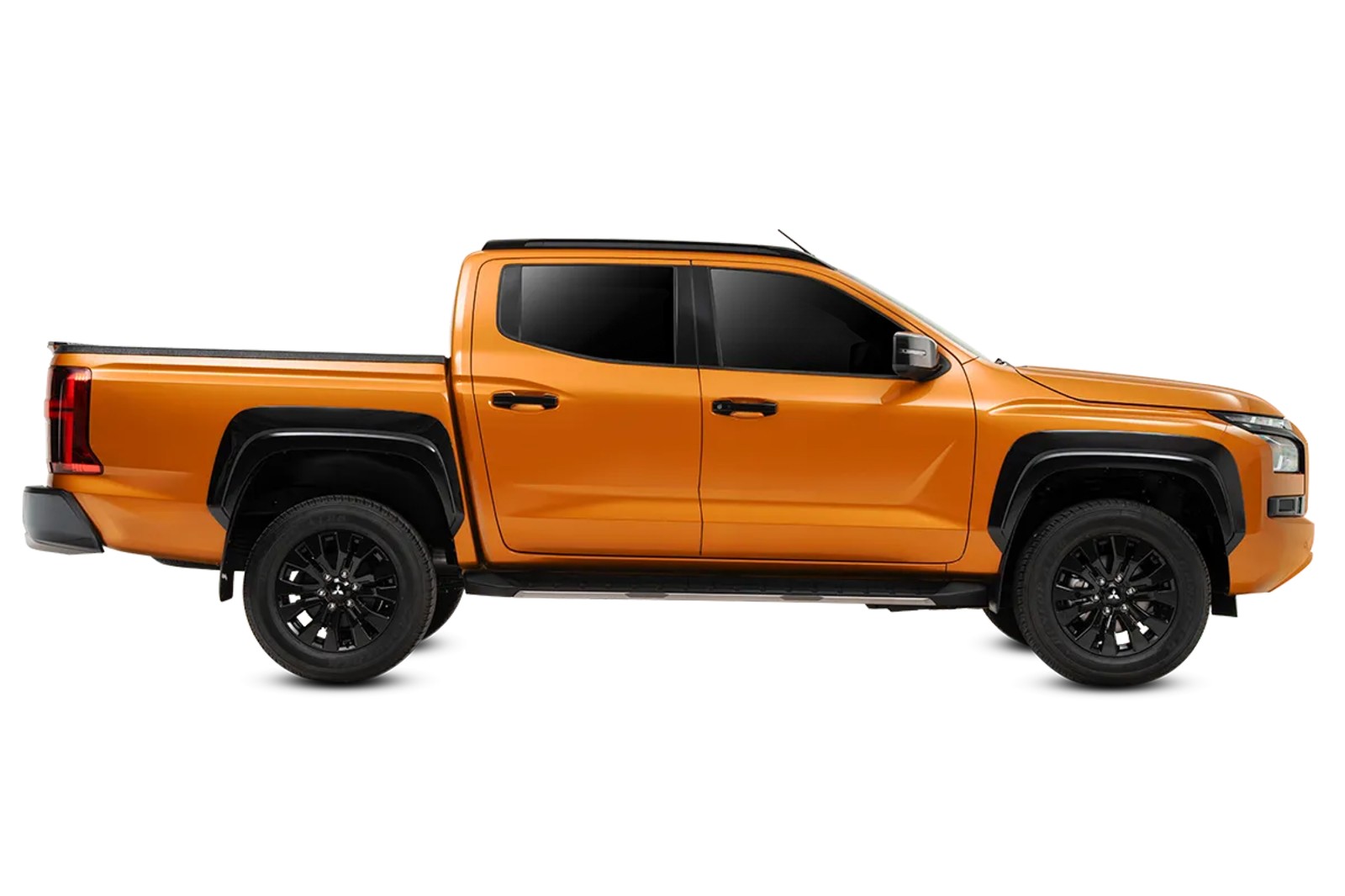
Reference Only. Update Soon
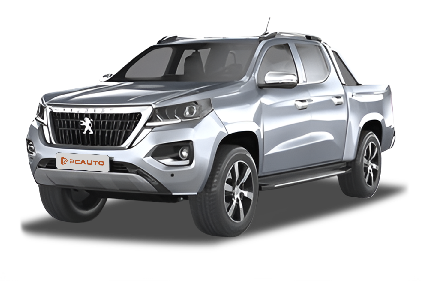
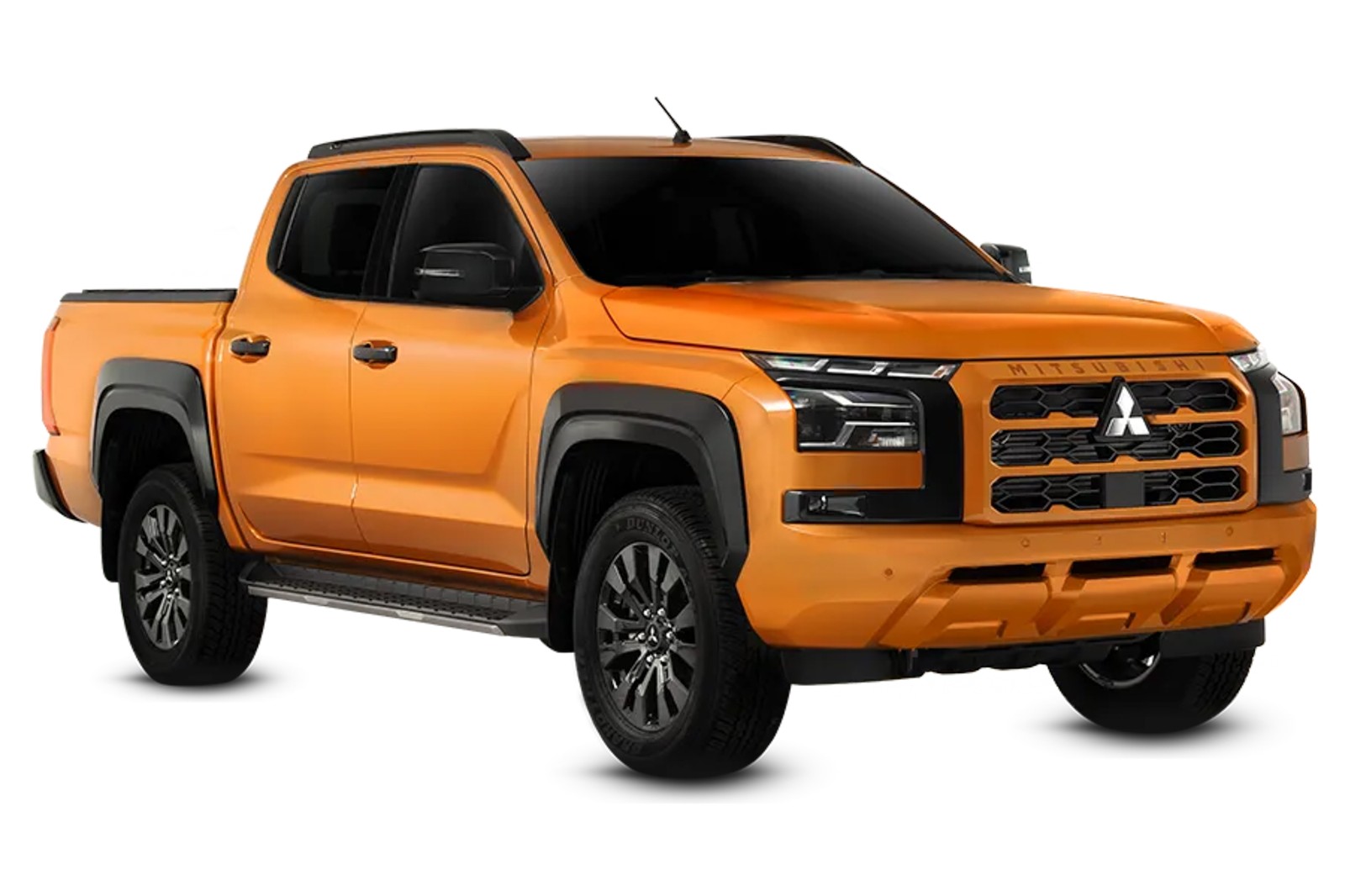
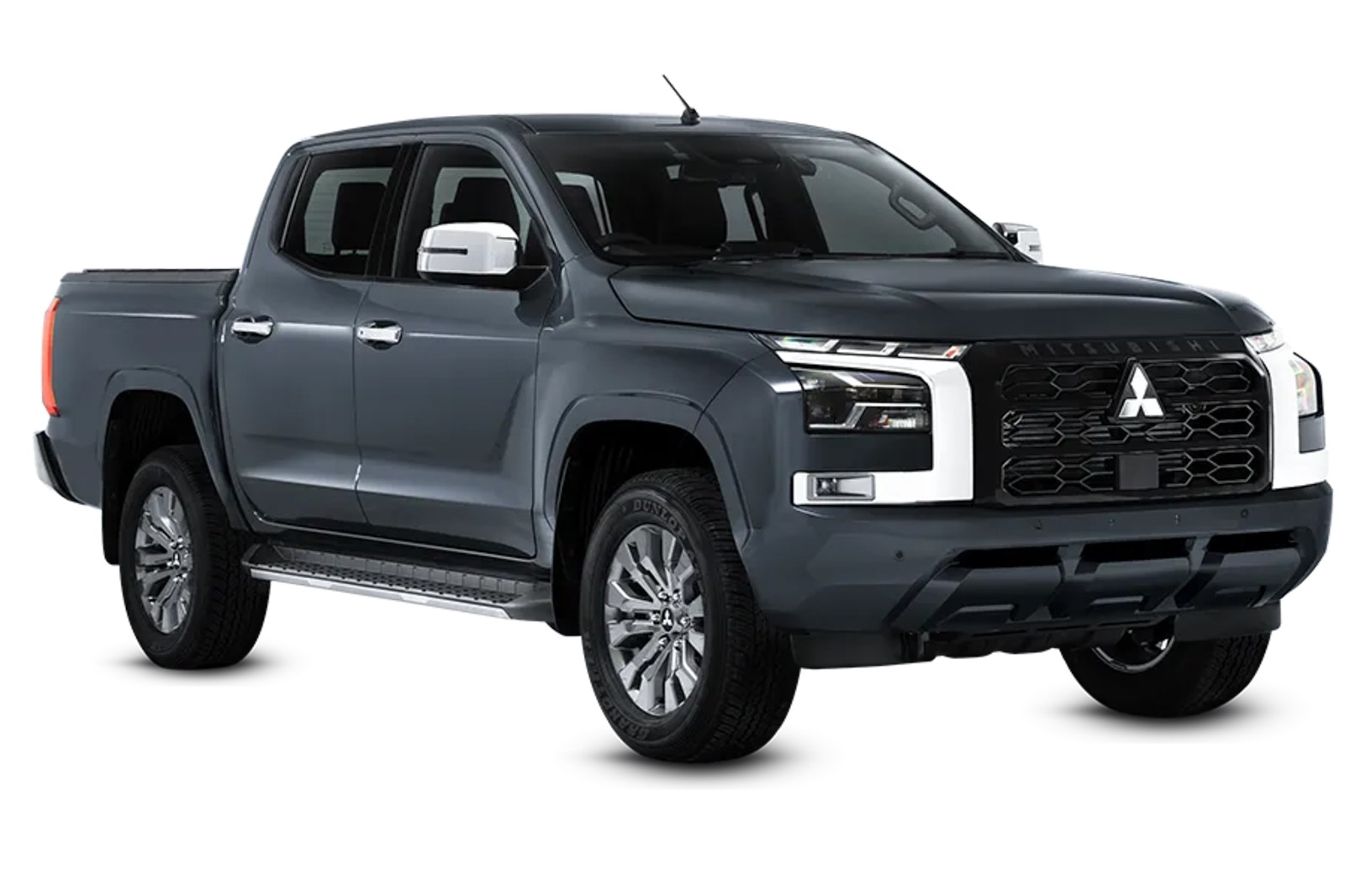
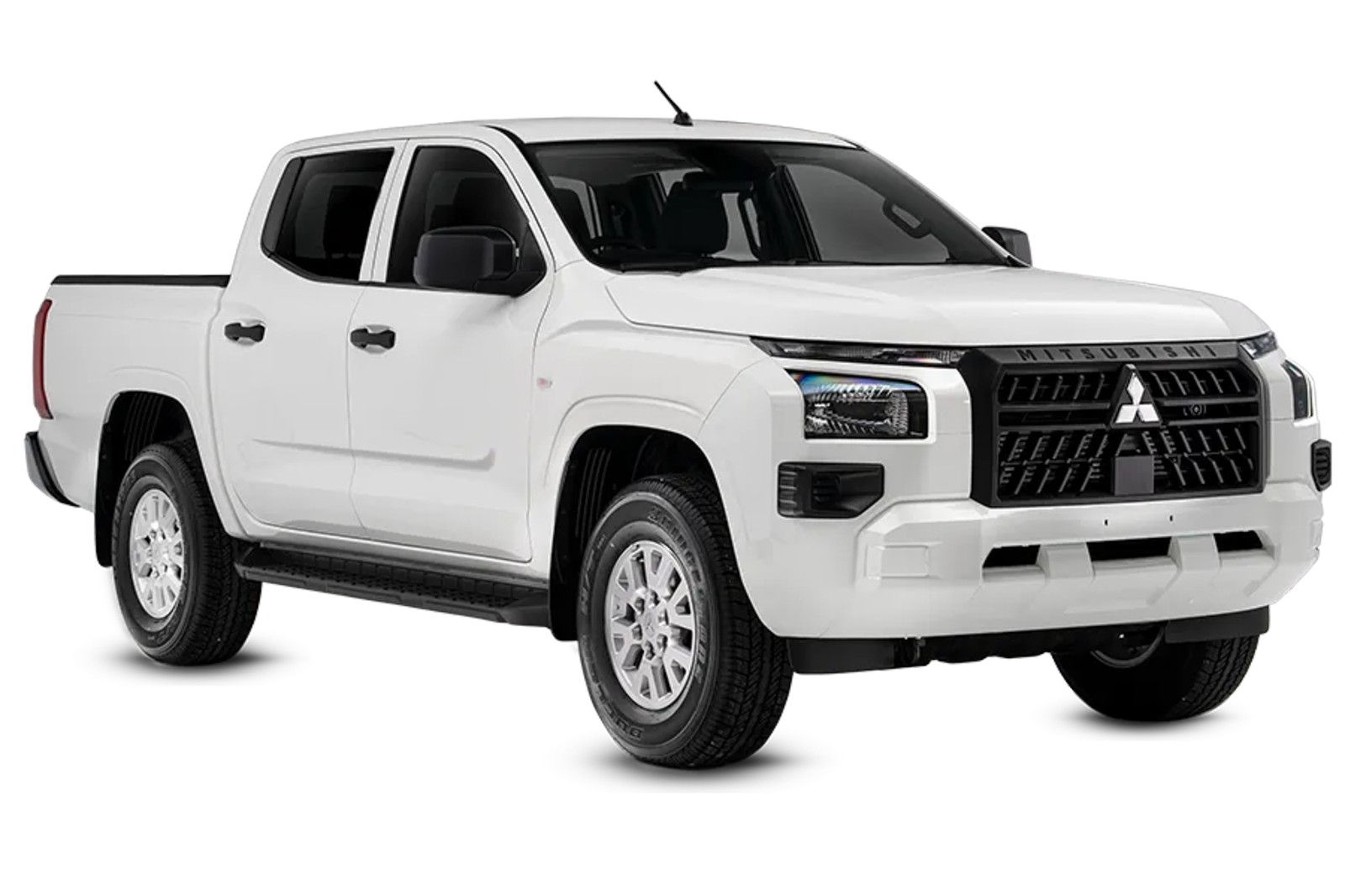
2020 Mitsubishi Triton Quest
No.2 in Best PickupPrice
RM 81,390
Select a Vehicle Variant
2024 Mitsubishi Triton Single Cab RM 101,980
Summary
Launched in 2020, the 2020 Mitsubishi Triton Quest is a standout 4x4 Pickup that combines practicality and performance at an attractive price of RM 81,390. With seating for 5 passengers, it’s ideal for families or those who prioritize cabin space. Its dimensions (5220mm long, 1815mm wide, and 1655mm tall) ensure a comfortable ride with ample legroom and headroom, while still being agile enough for city driving.
Under the hood, the 2020 Mitsubishi Triton Quest delivers a spirited drive with a top speed of -km/h, making highway cruising effortless. The generous 2477cc engine capacity ensures strong acceleration and fuel efficiency, striking a great balance for daily commutes and longer trips. Whether you’re looking for a spacious family car or a reliable daily driver, the 2020 Mitsubishi Triton Quest offers a compelling package with modern styling, solid performance, and smart value—all in one well-rounded vehicle.
Under the hood, the 2020 Mitsubishi Triton Quest delivers a spirited drive with a top speed of -km/h, making highway cruising effortless. The generous 2477cc engine capacity ensures strong acceleration and fuel efficiency, striking a great balance for daily commutes and longer trips. Whether you’re looking for a spacious family car or a reliable daily driver, the 2020 Mitsubishi Triton Quest offers a compelling package with modern styling, solid performance, and smart value—all in one well-rounded vehicle.
Core Specs

Segment
4x4

Engine Capacity(cc)
2477

Transmission
MT

Fuel Comsumption (L/100km)
-

Fuel Tank(litres)
75

Top Speed(km/h)
-

Seats
5

Length(mm)
5220

Width(mm)
1815

Height(mm)
1655

Wheelbase(mm)
3000

Boot Volume(L)
-
Other Variants
Price
RM 81,390
Body
5220×1815×1655
Engine Power(PS)
110
Engine Torque(Nm)
-
TRANSMISSION
MT
Fuel Consumption
-
Mitsubishi Triton Dealers
Related Q&A
View More >Q
What is the specs of the 2019 Triton?
The 2019 Mitsubishi Triton hit the Malaysian market with a solid range of configurations, packing a 2.4-liter MIVEC turbocharged diesel engine under the hood. This powerplant cranks out 181 horsepower and a meaty 430 Nm of torque, paired with either a 6-speed manual or automatic gearbox, striking a decent balance between go and fuel efficiency.
Size-wise, it measures 5305x1815x1780mm (length, width, height) with a 3000mm wheelbase. You could get it in Double Cab or Single Cab body styles, with a cargo bed that can handle around 1 tonne. Ground clearance sits at 220mm, making it pretty capable for different road conditions you might throw at it.
Safety kit includes 7 airbags, ABS with EBD, and Hill Start Assist (HSA) – all the essentials. Inside, there's a multifunction steering wheel, an 8-inch touchscreen infotainment system that supports Apple CarPlay and Android Auto, and dual-zone automatic climate control. Step up to the higher trims, and you'd find leather seats with power adjustment.
One of the Triton's party pieces is its Super Select 4WD-II system, offering 2H, 4H, 4HLc, and 4LLc modes, plus a rear differential lock – that really ups its off-road game. For Malaysian buyers, this pickup ticks boxes for both daily commercial hauling needs and tackling those tricky rainforest trails. Mitsubishi also backs it with a 5-year or 100,000km warranty for added peace of mind.
If you're scouting the used market, do your homework: check the service records thoroughly, pay extra attention to diesel engine carbon buildup, and make sure the 4WD system has been properly maintained.
 HappyFrogFeb 18, 2026
Q
How many seaters is Triton?
The Mitsubishi Triton offers a range of seating configurations in the Malaysian market, depending on the trim level. The popular Double Cab variant comes standard with a 5-seat setup, perfect for both family use and work duties. Higher-spec models might feature upgraded, more comfortable seat materials to enhance long-distance driving comfort. On the other hand, the Single Cab version typically sticks with a 2-seat layout, prioritizing cargo-hauling practicality.
As one of the top players in Malaysia's pickup truck scene, the Triton strikes a solid balance between off-road capability and everyday drivability. Its 4WD system and generous ground clearance make it well-suited for the country's varied terrain, while the latest generation steps up with smarter safety tech—think collision warning and lane-keeping assist—to meet buyers' demands for a versatile pickup.
Quick note: seat configurations can vary slightly between model years, so it’s always a good idea to check the latest specs on the official website or with a dealer before making a purchase.
 FearlessCourageFeb 18, 2026
Q
Which HiLux is most fuel efficient?
In the Malaysian market, the most fuel-efficient model in the Toyota HiLux lineup is the one powered by the 2.4-liter turbo diesel engine (codename 2GD-FTV). Paired with a 6-speed automatic transmission, this engine delivers an official fuel consumption figure of around 7.5 liters per 100 kilometers. In real-world driving though, that number can vary slightly depending on road conditions and your driving style. Compared to the older 2.5-liter and 3.0-liter diesel units, this 2.4-liter diesel mill offers a noticeable improvement in fuel economy while retaining the HiLux's legendary reliability and payload capacity. If you're looking to squeeze even more efficiency out of it, regular engine and transmission maintenance is a good start, as is keeping your tires properly inflated to the recommended pressure and avoiding aggressive driving habits like hard acceleration and sudden braking. On another note, while the 2.8-liter diesel version packs more punch, it's thirstier at the pump – better suited for those who prioritize performance. For Malaysian users who often hit the highway or need a workhorse that can handle both professional duties and cargo hauling, the 2.4-liter diesel HiLux strikes a solid balance between fuel efficiency and practicality.
 HunterQuestFeb 18, 2026
Q
What kind of engine is in the 2023 Triton GSR?
The 2023 Mitsubishi Triton GSR is powered by a 2.4-liter MIVEC turbocharged diesel engine. This unit features advanced common-rail fuel injection and a variable geometry turbocharger, churning out a solid 181 horsepower and a meaty 430 Nm of peak torque. It's a strong performer with impressive fuel efficiency, perfectly suited to Malaysia's diverse road conditions – whether you're navigating city streets or heading off the beaten path for some adventure, it handles it all with ease.
Mitsubishi has also thrown in a silent timing chain and balance shafts, which do a great job of cutting down on noise and vibration, making the drive that much more comfortable. For Malaysian buyers, the Triton GSR's engine isn't just about reliable power; it also scores points for durability and low maintenance costs, cementing its position as a high-performance pick in Mitsubishi's truck lineup. On top of that, the diesel engine's healthy low-end torque makes it a beast for hauling and towing – a big reason why so many Malaysian users swear by it.
 ExplorerDiscoverFeb 18, 2026
Q
Is a Triton a good car?
The Mitsubishi Triton is a pretty popular double-cab pickup truck in the Malaysian market, known for its durability and off-road capabilities – perfect for folks who need something that can handle daily commuting and hauling duties. Under the hood, the Triton's 2.4L turbo diesel engine delivers solid low-end torque, and when paired with the part-time 4WD system, it tackles Malaysia's varied terrain with ease, whether it's muddy rainforest trails or bumpy rural roads.
Inside, the cabin leans more towards practicality than luxury. It's not going to wow you with fancy finishes like a premium car, but the layout is logical and user-friendly. Higher-spec trims come with nice touches like a touchscreen infotainment system and reverse camera to keep things modern. Safety-wise, the Triton comes standard with ABS, EBD, and multiple airbags, while some versions step it up with active safety features like lane departure warning – right in line with what you'd expect from a mainstream pickup these days.
A quick heads-up though: the suspension is tuned on the firmer side, so the rear passengers might feel a bit more jostled when the truck's empty compared to an SUV. But load it up, and that stiffness translates to much better stability. If you regularly need to carry cargo or fancy the occasional off-road adventure, the Triton's reliability andmodification potential make it a solid pick. Of course, rivals like the Toyota Hilux or Ford Ranger each have their own strengths too – definitely worth test driving a few to see which one best fits your budget and needs.
 FrostyBreezeWhisperFeb 18, 2026
Q
What engine is in the 2019 Triton?
The 2019 Mitsubishi Triton hits the Malaysian market with two diesel engine options: the 2.4-liter MIVEC turbo diesel (code 4N15) and the 2.5-liter turbo diesel (code 4D56). The 2.4L comes in both high and low power tunes – the high-output variant pushes out 181 hp and a meaty 430 Nm of torque, while the lower-powered one delivers 150 hp and 400 Nm. As for the 2.5L, it's rated at 178 hp and 400 Nm. Both engines have built a solid rep for reliability and fuel efficiency, making them well-suited for Malaysia's diverse road conditions and hauling needs.
Mitsubishi hasn't skimped on the hardware either. The Triton gets a 6-speed manual or automatic gearbox, paired with the Super Select 4WD-II system to boost its off-road credentials. For Malaysian drivers who log long miles or regularly carry heavy loads, the Triton's engine setup strikes a good balance between power delivery and ruggedness. It also meets local emission standards and won't break the bank when it comes to maintenance. All in all, it's a practical workhorse worth having on your shortlist.
 GreenTreeFeb 18, 2026
Q
What is the 2019 Triton's fuel economy?
The fuel economy of the 2019 Mitsubishi Triton varies depending on the trim and drivetrain. According to official figures, the 2.4-liter turbocharged diesel engine (4N15 model) delivers around 7.6 liters per 100 km in the 2WD manual variant, while the 4WD automatic comes in at approximately 8.5 liters per 100 km. This engine leverages Mitsubishi's advanced clean diesel tech, striking a solid balance between power delivery and fuel efficiency—perfect for Malaysian drivers handling daily commutes and cargo-hauling needs.
It’s worth noting that pickup truck fuel consumption is heavily influenced by load, road conditions, and driving habits. We recommend owners stick to regular maintenance (like replacing air filters and keeping tire pressures optimal) to keep those numbers in check. On top of that, the Triton’s high-rigidity chassis and part-time 4WD system offer added stability when tackling Malaysia’s rain-prone terrain. If you’re frequently hitting the highway or carrying heavy loads, opt for the version with the larger fuel tank (around 75 liters) to stretch that range between fill-ups.
 HappyElephantFeb 18, 2026
Q
What is a 2019 Triton?
The 2019 Triton refers to Mitsubishi's fifth-generation Triton pickup truck, launched in 2019. This model was a big hit in the Malaysian market, known for its toughness, versatility, and off-road capabilities. Under the hood, the 2019 Triton packed a 2.4-liter turbocharged diesel engine, available in two tunes: a high-power version cranking out 181 horsepower and 430 Nm of torque, and a standard variant with 150 horsepower and 400 Nm. It came mated to either a 6-speed manual or 6-speed automatic gearbox, catering to different driving preferences.
Styling-wise, the 2019 Triton adopted Mitsubishi's latest Dynamic Shield design language, giving the front end a more aggressive stance. LED headlights and daytime running lights were also part of the package, boosting its road presence. Inside the cabin, you'd find a 7-inch touchscreen, a multifunction steering wheel, and a suite of driver assistance systems like lane departure warning and blind spot monitoring, which definitely upped the safety quotient.
As a pickup, the 2019 Triton didn't skimp on utility either, boasting impressive cargo bed capacity and payload capability—perfect for both workhorse duties and weekend getaways. In Malaysia, the Triton became a top pick for many families and businesses thanks to its great value for money and solid reliability, especially for folks who need to tackle rough terrain. On top of that, Mitsubishi's extensive after-sales service network in the country further sweetened the ownership experience for Triton drivers.
 SweetMelonFeb 18, 2026
Q
What is the fuel economy of a 2019 Mitsubishi Triton?
The 2019 Mitsubishi Triton's fuel economy in the Malaysian market varies depending on driving conditions and specifications. According to official figures, the automatic variant with the 2.4-liter turbocharged diesel engine (4N15 model) delivers a combined fuel consumption of approximately 8.2 liters per 100 kilometers, while the manual transmission version edges slightly lower to around 7.9 liters/100km. Real-world figures, however, can fluctuate based on payload, road conditions, or driving style.
This pickup truck leverages Mitsubishi's advanced clean diesel technology, striking a balance between power and fuel efficiency – a solid fit for Malaysia's diverse terrain needs, whether it's navigating city commutes or hauling cargo out of town. For those looking to squeeze out better mileage, regular maintenance (like fresh air filters), keeping tires properly inflated, and avoiding aggressive acceleration or overloading are all good practices.
Rivals such as the Toyota Hilux or Ford Ranger post similar fuel economy numbers, but the Triton pulls ahead in off-road scenarios thanks to its healthy torque output (430 Nm) and the Super Select 4WD-II system. Flipping to two-wheel drive for highway stints helps save on fuel too. Malaysian owners should also be mindful that local diesel quality – think B10/B20 biodiesel blends – can have a subtle impact on engine performance. Sticking to the manufacturer's recommended service intervals is key to keeping it running at its best.
 SoftSandFeb 18, 2026
Q
How much can a 2020 Mitsubishi Triton tow?
The towing capacity of the 2020 Mitsubishi Triton depends on the specific trim and configuration, but generally, it maxes out around 3.1 tonnes. That’s enough for most everyday towing jobs—think small boats, camper trailers, or building materials. Under the hood, this pickup packs a 2.4-liter turbo diesel engine, which dishes out plenty of low-end torque. Paired with either a 6-speed manual or automatic transmission, it keeps power delivery steady even when hauling heavy loads.
A quick heads-up: when you’re actually towing, you’ve got to factor in weight distribution, road conditions, and how well-maintained your truck is. It’s smart to regularly check the brakes and cooling system to stay safe out there. If you’re towing heavy stuff often, consider adding the factory-recommended accessories—things like a trailer stability system or electronic brake controller can really up the safety game. And if you need to tow something even heavier? Best to check the owner’s manual or hit up your dealer to confirm your specific model’s limits. Overloading’s just not worth the risk of damaging your ride.
 OonNov 19, 2025
Popular Cars
Model Year
Car Compare
Car Photo
Model List
Mitsubishi Triton is a Light Duty Pickup car launched by Mitsubishi. PCauto has cataloged various variants of this car produced from 2019 to 2024.You can compare differences in detail at the parameter table.
Among the 10 variants of Mitsubishi Triton, prices range from the affordable RM 101,980 to the most expensive RM 165,980.You can find different horsepower versions ranging from 181PS to 204PS.
Mitsubishi Triton offers 2.4T engines and AT, MT transmission. Check the spec sheet for more details.
6 Models on Sale
2024
2023
2021
2020
2019
- Fuel Consumption: 8.8
- Engine Power(PS): 184
- Airbags: 3
- Auto Headlamps
- Auto Wipers
- Fuel Consumption: 8.8
- Engine Power(PS): 184
- Airbags: 3
- Auto Headlamps
- Auto Wipers
- Fuel Consumption: 12.8
- Engine Power(PS): 184
- Airbags: 3
- Auto Headlamps
- Auto Wipers
- Fuel Consumption: 7.7
- Engine Power(PS): 181
- Airbags: 2
- Cruise Control: Cruise Control
- Parking Camera: rear cameras
- Fuel Consumption: 8.8
- Engine Power(PS): 184
- Blind Spot Info System
- Airbags: 7
- Cruise Control: Cruise Control
- Fuel Consumption: 8.3
- Engine Power(PS): 204
- Blind Spot Info System
- Airbags: 7
- Cruise Control: ACC
2024 Mitsubishi Triton Single Cab
RM 101,980
2024 Mitsubishi Triton MT GL
RM 114,980
2024 Mitsubishi Triton AT GL
RM 116,980
2024 Mitsubishi Triton 4x4 VGT AT Premium
RM 135,900
2024 Mitsubishi Triton AT Premium
RM 145,980
2024 Mitsubishi Triton Athlete
RM 165,980