
Q
Is a Triton a good car?
 FrostyBreezeWhisperFeb 18, 2026, 11:22 AM
The Mitsubishi Triton is a pretty popular double-cab pickup truck in the Malaysian market, known for its durability and off-road capabilities – perfect for folks who need something that can handle daily commuting and hauling duties. Under the hood, the Triton's 2.4L turbo diesel engine delivers solid low-end torque, and when paired with the part-time 4WD system, it tackles Malaysia's varied terrain with ease, whether it's muddy rainforest trails or bumpy rural roads.
Inside, the cabin leans more towards practicality than luxury. It's not going to wow you with fancy finishes like a premium car, but the layout is logical and user-friendly. Higher-spec trims come with nice touches like a touchscreen infotainment system and reverse camera to keep things modern. Safety-wise, the Triton comes standard with ABS, EBD, and multiple airbags, while some versions step it up with active safety features like lane departure warning – right in line with what you'd expect from a mainstream pickup these days.
A quick heads-up though: the suspension is tuned on the firmer side, so the rear passengers might feel a bit more jostled when the truck's empty compared to an SUV. But load it up, and that stiffness translates to much better stability. If you regularly need to carry cargo or fancy the occasional off-road adventure, the Triton's reliability andmodification potential make it a solid pick. Of course, rivals like the Toyota Hilux or Ford Ranger each have their own strengths too – definitely worth test driving a few to see which one best fits your budget and needs.
Special Disclaimer: This content is published by users and does not represent the views or position of PCauto.
Related Q&A
Q
How much is a 2020 Mitsubishi Triton worth?
The current used market price for the 2020 Mitsubishi Triton ranges from approximately RM65,000 to RM95,000, with the exact price depending on factors such as vehicle condition, mileage, trim level, and whether it still has the original factory warranty. For example, higher-spec Triton Adventure variants or models equipped with four-wheel drive systems typically command higher prices. This pickup truck is renowned for its durability and off-road capabilities, powered by a 2.4-liter turbocharged diesel engine that delivers 181 horsepower and 430 Nm of torque, paired with either a 6-speed manual or automatic transmission, making it suitable for both daily commuting and outdoor adventures. In the used market, the Triton maintains relatively stable resale value, but it is advisable to have a professional inspection to check the condition of the engine, transmission, and chassis before purchasing, while also reviewing maintenance records to ensure there have been no major accidents. If on a tighter budget, considering 2018-2019 model years could save RM10,000 to RM20,000, though note that some of these may be approaching the end of their warranty period. Additionally, Mitsubishi's extensive after-sales service network and ample parts supply result in lower long-term ownership costs, which is one of the reasons the Triton remains popular in the used market.
 CitySlickerNavigatorNov 19, 2025
Q
How much can a 2020 Mitsubishi Triton tow?
The towing capacity of the 2020 Mitsubishi Triton depends on the specific trim and configuration, but generally, it maxes out around 3.1 tonnes. That’s enough for most everyday towing jobs—think small boats, camper trailers, or building materials. Under the hood, this pickup packs a 2.4-liter turbo diesel engine, which dishes out plenty of low-end torque. Paired with either a 6-speed manual or automatic transmission, it keeps power delivery steady even when hauling heavy loads.
A quick heads-up: when you’re actually towing, you’ve got to factor in weight distribution, road conditions, and how well-maintained your truck is. It’s smart to regularly check the brakes and cooling system to stay safe out there. If you’re towing heavy stuff often, consider adding the factory-recommended accessories—things like a trailer stability system or electronic brake controller can really up the safety game. And if you need to tow something even heavier? Best to check the owner’s manual or hit up your dealer to confirm your specific model’s limits. Overloading’s just not worth the risk of damaging your ride.
 OonNov 19, 2025
Q
How much horsepower does a 2020 Triton have?
The 2020 Triton packs 110 horsepower. It's powered by a 2.5-liter (2477cc) diesel engine. This engine cranks out maximum power at 4000 rpm and peak torque at 2000 rpm. It delivers plenty of oomph for daily driving and all sorts of tasks, letting the truck handle different road conditions and payload demands with ease. There might be some performance variations across different trims, but overall, they all offer a reliable and practical driving experience.
 ViperFangNov 18, 2025
Q
What is the fuel consumption of a Mitsubishi Triton 2020?
The fuel economy of the 2020 Mitsubishi Triton varies depending on the specific trim and driving conditions. Official figures show that the version equipped with the 2.4-liter MIVEC turbocharged diesel engine (model 4N15) has a combined fuel consumption of approximately 8.6 liters per 100 kilometers. Manual transmission models might be slightly lower at 8.2 liters per 100 kilometers, while automatic variants tend to be a bit higher due to transmission tuning. In real-world driving, if you frequently carry heavy loads or go off-roading, fuel consumption could rise to 10-12 liters per 100 kilometers. This engine features common rail injection technology and a variable geometry turbocharger, balancing low-end torque with high-rev efficiency. The accompanying Super Select 4WD-II system maintains decent fuel economy even in 4H mode. It's important to note that diesel vehicle fuel consumption is significantly affected by fuel quality; using B7 or higher-grade diesel is recommended to achieve optimal performance. Additionally, regular maintenance of the fuel filter and injectors is crucial for keeping fuel consumption in check. Rivals in the same pickup segment like the Toyota Hilux and Ford Ranger have similar fuel economy figures, but the Triton's lightweight chassis design gives it a slight edge when unladen. Adding a bed cover or reducing highway cruising RPM can further optimize fuel efficiency.
 DarkHunterNov 18, 2025
Q
How much does a 2020 Mitsubishi cost?
The specific price of a 2020 Mitsubishi model depends on the vehicle type and configuration. For example, a used Mitsubishi Triton pickup truck costs around 80,000 to 120,000 Malaysian Ringgit, while the ASX compact SUV ranges from 70,000 to 100,000 Malaysian Ringgit. Actual prices are affected by condition, mileage, and additional features. Mitsubishi vehicles are known for durability and practicality. The Triton, for instance, suits users needing strong power and off-road capability, while the ASX is better for city driving with good fuel efficiency. When buying a used car, it's advisable to check maintenance records and vehicle history to ensure no major accidents. Additionally, Mitsubishi has an extensive after-sales network, sufficient parts supply, and relatively reasonable maintenance costs—all factors worth considering.
 ThunderStrikeNov 18, 2025
Q
How much is a Mitsubishi Triton 2020?
The 2020 Mitsubishi Triton Quest is priced at RM 81,390. This model runs on diesel fuel and is powered by a 2.5-liter engine with a maximum output of 110 horsepower. It comes with a 5-year or 100,000-kilometer warranty. The spacious interior and large 75-liter fuel tank make it suitable for various needs. Its 4x4 drive system and manual transmission provide decent control over different terrains. The vehicle is also equipped with standard safety features like ABS and multiple airbags to ensure driving safety.
 BlazeKnightNov 18, 2025
Q
What is the fuel economy of the 2021 Triton?
The fuel efficiency of the 2021 Mitsubishi Triton in the Malaysian market varies by model and drivetrain. According to official figures, the 2.4-liter turbo diesel engine (4N15 model) delivers a combined fuel consumption of approximately 7.6 liters per 100 km for the 2WD manual variant, while the 4WD automatic version comes in around 8.2 liters per 100 km. This engine features Mitsubishi's innovative variable geometry turbo technology, balancing low-end torque with high fuel efficiency. For Malaysian users who frequently need to carry loads or drive long distances, the diesel engine's low-rev, high-torque characteristics are particularly well-suited for local mountainous terrain and hot climatic conditions. It's worth noting that actual fuel consumption can be affected by driving habits, road conditions, and payload. Owners are advised to perform regular vehicle maintenance and maintain proper tire pressure to achieve optimal fuel efficiency. Among pickups in its class, the Triton's fuel economy ranks above average. Its Super Select 4WD-II system not only provides off-road capability but also optimizes power distribution for on-road driving, which is especially useful during the rainy season on Malaysia's east coast or for plantation road conditions. To further reduce fuel consumption, consider using the factory-fitted ECO driving mode, which enhances efficiency by adjusting throttle response and shift logic.
 SparklingFireflyNov 6, 2025
Q
How much power does the 2021 Mitsubishi Triton have?
The 2021 Mitsubishi Triton offers varying powertrain configurations across its trim levels in the Malaysian market. The range-topping Triton Athlete is equipped with a 2.4-liter MIVEC turbocharged diesel engine, churning out 181 horsepower and a peak torque of 430 Nm, paired with a 6-speed automatic transmission that balances off-road capability with daily driving needs. Entry-level models, on the other hand, use the same engine but in a slightly detuned state, delivering 150 horsepower and 400 Nm of torque.
This pickup truck is renowned for its robust chassis and Super Select 4WD system (available on certain variants), making it well-suited for Malaysia's diverse terrains. It also boasts a 5,250kg towing capacity, catering to both commercial and recreational demands. Notably, the diesel engine's low-end torque trait excels when hauling heavy loads or climbing slopes, while Mitsubishi's Dynamic Shield design language gives the exterior a modern touch. For users prioritizing fuel efficiency, the Triton's AdBlue diesel exhaust treatment technology effectively reduces emissions, complying with Malaysia's increasingly stringent environmental standards. These features keep it competitive in the local pickup truck market.
 SmallMouseNov 6, 2025
Q
What are the most common problems with the 2021 Mitsubishi Outlander Sport?
Common issues with the 2021 Mitsubishi Outlander Sport in the Malaysian market include transmission jerkiness, especially noticeable during low-speed gear changes. This is likely due to the CVT transmission tuning prioritizing fuel efficiency, so it's advisable to regularly check the transmission fluid condition to ensure smooth operation. Some owners have reported that the suspension is on the stiff side, which compromises comfort a bit when going over rough roads in Malaysia, but this actually enhances the vehicle's stability in corners. Interior sound insulation is average; wind and tire noise become quite noticeable at highway speeds, and upgrading the insulation materials could help improve this. Additionally, the infotainment system occasionally exhibits slow response; keeping the system software updated usually resolves such issues. It's worth noting that the car's 1.5L MIVEC engine performs reliably in Malaysia's hot climate, with a cooling system design that handles high temperatures well, and maintenance costs are relatively reasonable, making it well-suited for local consumers. Despite these minor drawbacks, the Outlander Sport remains a popular choice in Malaysia's urban SUV segment thanks to its flexible space layout and higher ground clearance compared to its peers. Prospective buyers are advised to pay close attention to the above aspects during a test drive to ensure it meets their personal needs.
BlueSkyNov 6, 2025Q
How many miles per gallon does a 2021 Mitsubishi get?
Mitsubishi's fuel efficiency in 2021 varies by model and powertrain. Take the Outlander, for example – the 2.4L four-cylinder front-wheel-drive version gets around 25 mpg combined (about 10.6 km/L). The plug-in hybrid (PHEV) model, on the other hand, delivers better efficiency in all-electric mode, though actual numbers depend on driving conditions and battery state. For Malaysian buyers, fuel economy is also affected by local road conditions, driving habits, and fuel quality. It’s best to check Mitsubishi Malaysia’s official localized data or real owner reviews for the most accurate info. With hybrids and EVs gaining traction globally, if you’re thinking about long-term running costs, keep an eye on Mitsubishi’s new energy tech – stuff like the PHEV system’s regenerative braking and all-electric range, which can really cut down on fuel use for city commutes. When picking a model, make sure to factor in your daily driving distance and how easy it is to access charging stations.
 HappyFishNov 5, 2025
Popular Cars
Model Year
Car Compare
Car Photo
Related Models
 Cars
CarsLatest Q&A
Q
Is AMT similar to automatic?
There are significant differences between AMT transmissions and automatic transmissions (AT) in terms of core structure and driving experience. AMT is essentially an electronically automated version of a manual transmission, simulating manual clutch operation and gear shifting through a computerized control system while retaining the gear set structure of manual transmissions. As a result, it offers higher transmission efficiency, with fuel consumption approximately 8%-12% lower than AT, making it particularly suitable for highway or long-distance driving. However, it may exhibit jerking similar to manual transmissions during low-speed gear shifts, especially noticeable in congested traffic conditions.
AT transmissions rely on torque converters for power transfer, delivering smooth and seamless gear shifts that appeal to comfort-oriented users. However, their complex structure (incorporating planetary gear sets, hydraulic systems, etc.) results in higher maintenance costs. A single service may cost between 800 to 1,500 ringgit, whereas AMT only requires gear oil replacement at approximately 400 ringgit.
From a market perspective, AMT is predominantly used in budget vehicles or commercial models priced below 80,000 ringgit, while AT is typically featured in mid-to-high-end vehicles. Consumers should select based on actual needs: AMT suits those prioritizing fuel efficiency and low maintenance costs, while AT better serves those valuing comfort. Notably, recent advancements in AMT electronic control technology have significantly mitigated jerking issues, though test drives should still emphasize low-speed performance evaluation.
 AriaMar 26, 2026
Q
Which is better, DCT or AT?
DCT (Dual-Clutch Transmission) and AT (Automatic Transmission) each have their own advantages and disadvantages, and the choice should be based on personal driving needs. AT transmissions transfer power through a torque converter, offering excellent shift smoothness, making them suitable for urban commuting or novice drivers. However, they tend to have higher fuel consumption, and vehicles equipped with them are usually more expensive. DCT transmissions utilize a dual-clutch structure, featuring fast shift speeds and high power transmission efficiency, which provides a more direct driving experience—particularly suitable for users seeking a sporty feel. However, they may exhibit jerking at low speeds and have relatively high maintenance costs. If durability and comfort are priorities, AT is the more reliable choice; if power responsiveness and driving pleasure are preferred, wet DCT (such as Volkswagen DSG) performs better, though dry DCT models should be avoided in prolonged stop-and-go traffic conditions. Additionally, CVT transmissions excel in smoothness and fuel efficiency, making them ideal for daily commuting, but they lack driving excitement. It is recommended to test-drive before purchasing, as tuning varies significantly across brands, and real-world experience is more important than theoretical specifications.
FlutteringMar 26, 2026Q
Is Amt good or bad?
AMT gearboxes have a significant cost advantage in the local market, typically being around 5,000 Ringgit cheaper than models equipped with conventional automatic transmissions. Their fuel efficiency is comparable to manual transmissions, resulting in long-term fuel savings. Featuring a straightforward design, they achieve transmission efficiency exceeding 90% with relatively low maintenance costs, making them ideal for practicality-oriented consumers. However, their shifting logic contains inherent limitations: gear changes between 1st and 2nd cause 0.3-0.5 second power interruptions, while unintended upshifts on inclines may reduce engine speed by 15%-20%, compromising driving smoothness. For urban commuters or budget-conscious buyers, AMT offers excellent value, though those prioritizing premium driving dynamics should consider alternative transmission types. Some domestic models like the Perodua Axia employ enhanced AMT systems, where optimized shift programming has reduced gearshift shock by approximately 30%.
 RainbowsMar 26, 2026
Q
Which gives better mileage, CVT or AMT?
From the perspective of fuel economy, CVT transmissions generally perform better under urban driving conditions. Their continuously variable design allows the engine to consistently operate within the optimal speed range, significantly reducing fuel consumption during frequent starts and stops. Test data shows that their fuel consumption in urban driving conditions is 10% to 15% lower than that of comparable models. AMT transmissions, on the other hand, inherit the high transmission efficiency of manual transmissions, delivering fuel efficiency close to manual transmissions during high-speed cruising. This makes them particularly suitable for long-distance driving in large-displacement vehicles. However, due to power interruption during gear shifts, their overall fuel consumption may be 5% to 8% higher than CVTs.
The difference in fuel-saving characteristics between the two transmissions stems from their technical principles: CVTs achieve continuous variability through steel belts and pulleys, eliminating the fixed gear ratio limitations of traditional transmissions; AMTs simulate manual gear changes via electronic control systems while maintaining the mechanical efficiency of gear transmission. Notably, actual fuel consumption is also influenced by driving habits. Smooth acceleration and anticipatory deceleration can maximize the transmissions' fuel-saving potential. If the vehicle budget permits and urban commuting is the primary use, CVTs offer a more economical choice. For frequent highway driving with an emphasis on cost-effectiveness, AMTs are equally worth considering.
 RubyBlazeMar 26, 2026
Q
Which is cheaper, AMT or CVT?
In terms of gearbox cost, AMT is usually more economical than CVT. Essentially, AMT is a manual transmission equipped with an electronic control unit, featuring a simple structure and low maintenance costs. The unit price ranges from approximately 5,000 to 8,000 ringgit, making it suitable for budget-conscious consumers or those who prioritize long-term operating costs. CVT incurs higher manufacturing costs due to its precision steel belt transmission system and continuous variable transmission technology, with a unit price of about 7,000 to 10,000 ringgit. However, it delivers a smoother driving experience and superior fuel efficiency. The primary differences between the two lie in technical complexity: AMT retains the gear-shifting mechanism, resulting in noticeable shift shock; CVT achieves linear power output through stepless speed variation but requires periodic belt inspection and incurs higher maintenance expenses. For those prioritizing initial cost and basic transportation needs, AMT offers better value; if comfort and long-term fuel economy are priorities, CVT represents a more worthwhile investment. Note that actual prices may vary based on vehicle model, brand, and local supply chain factors.
 ShadowProwlMar 26, 2026
Related News

Mitsubishi Triton (LC2T) returns to the Japanese market, targeting outdoor enthusiasts
MichaelJan 27, 2026
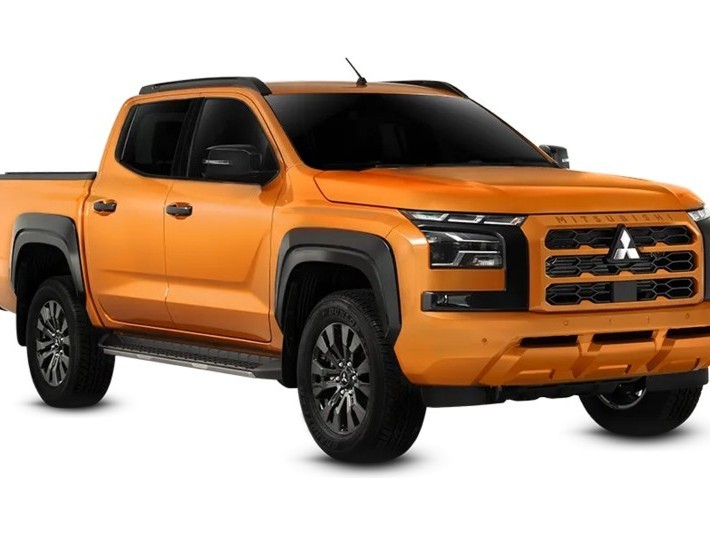
Why is the Mitsubishi Triton So Popular? Key: Sturdy Chassis and Excellent Four-Wheel Drive
WilliamApr 21, 2025
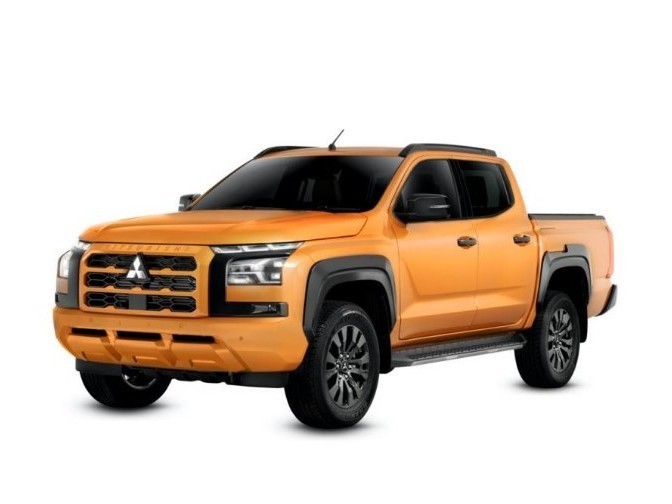
Brand new Mitsubishi Triton releasing on 16th October, limited time offer price RM102k-RM170k
JohnOct 15, 2024

Before buying a Mitsubishi Xpander, you must know these 5 common issues
AshleyMar 25, 2026

2026 Mitsubishi Outlander PHEV launched in North America, with increased power and price
MichaelMar 18, 2026
View More
Pros
Cons