
Q
Can I add remote start to my 2020 BMW X3?
 SecretGardenGazerNov 25, 2025, 09:44 AM
Adding remote start to a 2020 BMW X3 is possible, but you need to pay attention to the original factory configuration and compatibility. If the vehicle didn't come with this feature from the factory, you can have an authorized dealer install the original remote start kit. This usually involves software updates and key module matching to ensure system stability and that your warranty remains intact. Third-party modification options are cheaper, but they might require electrical modifications, posing compatibility risks or affecting in-vehicle network security. So, it's better to go with the factory solution first. Some high-end models now support remote start via a smartphone app – you can check with your dealer to see if this feature can be added to your vehicle. Before making any modifications, make sure to understand the relevant regulations and ensure the upgrade complies with local traffic laws. Remote start is super handy in hot weather – you can fire up the AC early to cool things down. Just keep in mind that you shouldn't let the engine idle for too long to avoid carbon buildup.
Special Disclaimer: This content is published by users and does not represent the views or position of PCauto.
Related Q&A
Q
What is the premium package on a 2024 BMW X3?
The 2024 BMW X3's Premium Package typically bundles upscale and practical features to elevate your driving experience. Think panoramic moonroof, premium leather seats, a power tailgate, and a Harman Kardon sound system—plus driver assists like blind-spot monitoring and lane-keep assist. Exact offerings may vary by trim or optional add-ons.
You’ll often find tech upgrades too, like wireless charging and a heads-up display, for a more connected ride. If you value comfort and cutting-edge features, this package is a solid pick for daily convenience.
Since the X3 sits in the midsize luxury SUV segment, its packages cater to personalization and high-end tastes. It’s worth checking your dealer’s full spec sheet before deciding. And if your budget allows, keep an eye on higher-tier options like the M Sport package or Executive Package—they throw in sportier styling, adaptive suspension, or upgraded interior materials for those who want it all.
 HappyDuckNov 27, 2025
Q
Does the 2024 BMW X3 have heated seats?
The 2024 BMW X3 does come equipped with heated front seats – a feature that really boosts comfort in cold weather or during long drives, especially in regions with big temperature swings. You can typically adjust the heating through either the central touchscreen or dedicated buttons, with multiple warmth levels to choose from.
While heated seats are standard, some higher trims might offer upgraded comfort features like ventilated seats or massage functions. For these details, it's best to check the official specs or confirm with your dealer. Most luxury rivals, including the Mercedes GLC and Audi Q5, now offer heated seats either standard or as an option, showing how much drivers value these comforts.
If you've got questions about how it works or available packages, just reach out to your local BMW dealer. They'll give you the latest info and help tailor the options to what you actually need – plus break down pricing between different models.
(Note: This version sounds more conversational by using contractions, casual transitions like "while" and "just," and phrasing like "really boosts" instead of "significantly improves." It also addresses the reader directly with "you" for a natural tone.)
 HappyGoatNov 27, 2025
Q
Where is the 2024 BMW X3 manufactured?
The 2024 BMW X3 is primarily manufactured at two key plants in BMW's global production network: Regensburg, Germany and Spartanburg, South Carolina, USA. These facilities are renowned for upholding the brand's high-quality standards and craftsmanship.
The Regensburg plant specializes in producing BMW's rear-wheel-drive and all-wheel-drive models, while Spartanburg serves as the main hub for the X-series SUVs, supplying markets worldwide—including right-hand-drive variants. This generation of the X3 continues to ride on BMW's CLAR platform, striking a balance between lightweight construction and enhanced rigidity. Buyers can choose from multiple powertrain options, such as the efficient 2.0L turbocharged four-cylinder and 3.0L inline-six engines, both now paired with 48V mild-hybrid tech.
For certain markets, imported X3 models may come tailored with region-specific features—think upgraded cooling systems or UV-resistant glass for tropical climates—showcasing BMW's attention to local driving conditions. Tech-wise, the X3 steps up with the latest iDrive 8.0 interface and improved driver-assistance systems, keeping pace with today's demand for smarter, more connected rides.
 HappySnakeNov 26, 2025
Q
How big is the gas tank on the 2024 X3?
The 2024 X3 features a 59-liter fuel tank – a sweet spot for daily commutes and road trips without sacrificing efficiency. That capacity puts it in the upper mid-range for compact SUVs, and when paired with its efficient engine tech, you're looking at roughly 700-800 km per fill-up (your mileage may vary based on driving style and conditions).
Smart fuel management systems like auto start-stop and eco driving modes help stretch each liter further. Pro tip for road trippers: keep those tires properly inflated and stay on top of maintenance – little things that add up at the pump. And if you're big on adventures, check out the tank's corrosion-resistant construction – one of those long-term durability features that pays off.
Bottom line? The 59-liter tank strikes a great balance between practicality and real-world usability.
 GracefulDeerNov 26, 2025
Q
Is the 2024 X3 a mild hybrid?
The 2024 BMW X3 does indeed feature a Mild Hybrid system. This tech utilizes a 48-volt starter-generator and an additional battery pack to provide extra power during acceleration while recapturing energy during deceleration for improved fuel efficiency. Specifically, the system enhances start-stop smoothness and reduces turbo lag—especially noticeable in city driving. Beyond fuel savings, the mild hybrid setup also cuts emissions, aligning with current eco trends.
One key point: The X3’s mild hybrid still relies primarily on its combustion engine, with the electric motor acting only as a support. That means no plug-in charging is required, and it drives just like a conventional fuel-powered vehicle. If you’re curious about hybrid tech, competitors like the Mercedes GLC or Audi Q5 offer similar systems with different tuning philosophies but the same core goals. As a transitional solution, mild hybrids appeal to drivers who want the convenience of traditional engines with a step toward efficiency—and the X3 delivers a mainstream take on this balance.
 QuirkyCatfishNov 26, 2025
Q
How much should I pay for a 2024 BMW X3?
**2024 BMW X3 Pricing & Buying Guide**
The 2024 BMW X3's price varies depending on trim and options. The entry-level xDrive20i starts at around RM300,000, while the high-spec M40i could go up to RM450,000. For the latest pricing and promotions, check with your local authorized dealer.
The X3 comes with a 2.0L turbocharged engine (or a 3.0L six-cylinder in the M40i), standard xDrive all-wheel drive, and the latest iDrive 8 infotainment system—great tech and driving dynamics. BMW often offers low-interest financing or flexible payment plans, so that’s worth exploring. Also, don’t overlook the warranty and complimentary maintenance packages—they help cut long-term costs.
If you’re on a budget, consider a certified pre-owned (CPO) X3. These go through rigorous inspections and come with extended warranty coverage, making them a smarter buy. When choosing your model, factor in insurance, road tax, and routine maintenance—they all add up over time.
 HappyCowNov 26, 2025
Q
What engine does the 2024 X3 have?
The 2024 X3 offers a range of powertrain options tailored to different markets, with two main choices: a 2.0-liter turbocharged inline-four and a 3.0-liter turbocharged inline-six. The 2.0T delivers around 248 horsepower, while the 3.0T pushes output to a robust 382 hp—both paired with an 8-speed automatic transmission. Select models come with xDrive all-wheel drive for sharper handling and all-weather capability.
These engines benefit from BMW’s latest modular tech, striking a balance between fuel efficiency, emissions compliance, and the brand’s signature driving dynamics. If you’re after more performance, keep an eye on the M Performance variants, which typically pack even hotter powertrains.
Turbocharging is now industry standard, offering strong low-end torque without sacrificing daily-driver efficiency. The addition of a 48V mild-hybrid system further refines responsiveness and fuel economy—key details worth noting when cross-shopping rivals.
 WildRoseNov 26, 2025
Q
How reliable is the 2024 BMW X3?
The 2024 BMW X3 delivers solid reliability, staying true to BMW’s well-built engineering legacy. Its proven B48 2.0T turbocharged engine pairs seamlessly with the 8-speed Steptronic transmission, offering smooth power delivery and noticeably improved fuel efficiency. The electronics have also seen multiple updates for better stability.
Built on the high-strength CLAR platform, the X3 comes standard with active safety features like lane-keeping assist and automatic emergency braking, making it a trustworthy choice for safety. That said, maintenance costs run slightly higher than some rivals, and certain advanced driver-assist functions require extra subscriptions. If you plan to keep it long-term, consider BMW’s certified extended warranty.
In its class, the X3 stands out with sharp handling and premium interior finishes—though if cabin space is a priority, it’s worth cross-shopping other German or Japanese midsize SUVs. Bottom line? Stick to the factory service schedule, and this SUV should deliver dependable performance for years.
 HappyHorseNov 26, 2025
Q
How safe is the 2024 BMW X3?
The 2024 BMW X3 excels in safety, packing cutting-edge active and passive technologies like adaptive cruise control, lane-keeping assist, automatic emergency braking, and blind-spot monitoring – all designed to minimize real-world driving risks. Its high-strength body shell earned a 5-star Euro NCAP crash rating, proving serious crash protection chops.
What sets the X3 apart is how its driver aids adapt to both highway and urban chaos. Think traffic sign recognition that actually works, or fatigue alerts that ping you before you zone out. Safety-conscious buyers will appreciate how these systems feel refined, not intrusive.
For tech geeks, BMW’s Driving Assistant Professional is worth a deep dive – its camera/radar fusion delivers eerily smart assists. This isn’t just X3 stuff anymore; it’s the new normal for premium SUVs, and soon, probably everything else on the road.
 MysticMoonNov 26, 2025
Q
Does the 2024 BMW X3 have a touch screen?
The 2024 BMW X3 does indeed feature a touchscreen as part of its latest iDrive infotainment system. This high-resolution center display supports direct touch input while retaining the classic rotary knob control—striking a balance between cutting-edge tech and practicality. The screen size is expected to remain similar to the current model (around 10.25 inches) and comes with wireless Apple CarPlay and Android Auto integration. Frequently used functions like navigation and multimedia can be operated swiftly via touch.
What stands out is BMW’s optimized touch interface, which offers intuitive menu logic and snappy responsiveness. Paired with voice control and gesture recognition (available in higher trims), it significantly enhances usability while driving. Competing luxury SUVs like the Mercedes-Benz GLC and Audi Q5 also use touchscreens, but the X3’s combination of tactile controls and touch input caters better to diverse user preferences.
If you’re curious about specific screen dimensions or feature sets, I’d recommend visiting your local dealer for a hands-on test—there’s no substitute for experiencing the touch responsiveness and system functionality in person.
 JoyfulSunflowerNov 26, 2025
Popular Cars
Model Year
Car Compare
Car Photo
Related Models
 Cars
CarsLatest Q&A
Q
What does 5W-40 oil stand for?
5W-40 is a viscosity grade designation for engine oil. The "5W" indicates low-temperature fluidity, where the number 5 signifies the oil can maintain good fluidity even in extremely cold environments of -35℃, ensuring rapid engine lubrication during cold starts. "W" stands for Winter, highlighting its low-temperature performance. The "40" denotes the oil's kinematic viscosity at 100℃; a higher value indicates greater high-temperature oil film strength, effectively reducing engine component wear under high-temperature conditions. This oil is particularly suitable for turbocharged engines, high-mileage vehicles, and models frequently subjected to heavy loads or long-distance driving. Its advanced cleaning and dispersant technology provides long-lasting protection against sludge and carbon deposit formation. Replacement is recommended every 8,000 to 10,000 kilometers or annually. When selecting oil, always check for API or ACEA certifications and avoid mixing different brands or viscosity grades to maintain optimal performance.
 CobaltCrushMar 13, 2026
Q
Is Chery Tiggo 8 a good car?
Chery Tiggo 8 is a D-segment SUV with outstanding overall performance. The 2026 fuel-powered model is priced at RM 129,800, featuring a 1.6L naturally aspirated engine delivering 197PS maximum horsepower, paired with a 7-speed dual-clutch transmission. The permanent all-wheel-drive system enables a top speed of 210km/h and accelerates from 0-100km/h in 8.9 seconds, with a combined fuel consumption of 7.2L/100km. For safety, it comes standard with nine airbags, lane departure warning, autonomous emergency braking, among other features. In the 2025 Euro NCAP crash tests, it earned a five-star rating with 82% adult occupant protection and 85% child occupant protection scores. The vehicle offers flexible 5/6/7-seat configurations, a 193L boot capacity, and is equipped with a 10.25-inch infotainment display and Sony sound system. The plug-in hybrid variant, Tiggo 8 PHEV, combines a 1.5T engine with an electric motor, generating 279PS combined system output and offering 90km pure electric range, priced at RM 159,800. Praised by automotive experts as "a practical family SUV delivering premium features at entry-level pricing," the series stands out for its exceptional value proposition, advanced technologies (including head-up display and 360-degree camera), and segment-leading safety – making it particularly suitable for buyers prioritizing space and safety.
 AstralFlightMar 13, 2026
Q
Why is Chery so cheap?
Chery Automobile's pricing strategy in the Malaysian market is primarily based on localized production, competitive positioning, and brand promotion requirements. Taking the Omoda 5 as an example, its starting price is 108,800 Malaysian ringgit, significantly lower than comparable models such as the Honda HR-V (approximately 130,000 Malaysian ringgit). This advantage stems from Chery's adoption of the CKD (Completely Knocked Down) model to reduce tariff and logistics costs, while streamlining production efficiency through simplified configurations (e.g., offering only one variant of the Tiggo 8 Pro). The pricing strategy also reflects the brand's market penetration approach during its re-entry phase. For instance, the Tiggo 7 Pro launch included a limited-time 4,000 Malaysian ringgit discount for early buyers, bringing the effective price to 119,800 Malaysian ringgit—a direct challenge to the Proton X70's 126,800 Malaysian ringgit. Notably, Chery addresses its brand recognition gap by offering extended warranties (7 years or 150,000 km) and complimentary services (5-year labor fee waiver). This "high value-for-money + long-term assurance" package effectively mitigates consumer hesitations about new brands.
From an industry standpoint, Malaysia's auto market is dominated by domestic brands like Perodua. Chery strategically positions its core models in the 100,000-160,000 Malaysian ringgit segment, avoiding price wars with local brands under 70,000 ringgit while competing with Japanese rivals at 70%-80% of their price points. This differentiation drove cumulative sales of 7,000 units from September 2023 to February 2024, outpacing secondary brands like Mitsubishi. Looking ahead, expanded localized production of electric models such as the Omoda E5 is expected to yield greater economies of scale, further reducing manufacturing costs.
 MysticGlowMar 13, 2026
Q
What are the top 3 most reliable cars?
Based on the reliability data and consumer feedback from the Malaysian automotive market between 2023 and 2026, the three most reliable car models currently are the Toyota Hilux, Honda City, and Mazda CX-5. The Toyota Hilux, with its durable diesel engine and highly corrosion-resistant body structure, has long dominated the pickup truck market. It is particularly suitable for both commercial and household use in tropical climates, boasting a used car resale value retention rate of up to 75%. As a benchmark in the B-segment sedan category, the Honda City is equipped with a 1.5L i-VTEC engine, achieving a combined fuel consumption of just 5.4L/100km. Its chassis tuning strikes a balance between comfort and handling, with maintenance costs 30% lower than comparable German models. The Mazda CX-5, built around SKYACTIV technology, features an engine with 40% thermal efficiency. Combined with the G-Vectoring torque control system, it delivers a near-luxury driving experience while maintaining low fuel consumption at 6.8L/100km, with a five-year failure rate of merely 8.7%. Notably, all three models come with original manufacturer warranties exceeding five years, with authorized service center coverage exceeding 90% nationwide and spare parts delivery cycles under three days—significantly reducing hidden ownership costs. For budgets ranging between RM80,000 to RM150,000, these three vehicles represent the optimal market choices in terms of durability, cost-efficiency, and after-sales support.
 AzureStormMar 13, 2026
Q
Is Chery Tiggo 8 fuel efficient?
Chery Tiggo 8 performs well in terms of fuel economy. Official data shows that its model equipped with the 1.6 TGDi engine has a combined fuel consumption of 7.0L/100km, which is a reasonable level among mid-size SUVs in the same class. This engine utilizes turbocharging technology, delivering a maximum output power of 197PS and a peak torque of 290Nm, paired with a 7-speed dual-clutch transmission. It optimizes fuel efficiency while maintaining power performance. In actual use, fuel consumption is influenced by driving habits and road conditions. For instance, it may increase to 9.2L/100km in congested urban areas, while dropping to as low as 5.6L/100km during highway cruising. The vehicle also features multiple energy-saving technologies, including an engine with a thermal efficiency of 44.5% and an efficient transmission system. These designs contribute to lowering long-term operating costs. Additionally, this model only requires 92-octane gasoline, further reducing fuel expenses. Overall, Tiggo 8 achieves an excellent balance between power and fuel economy, making it ideal for cost-conscious consumers who prioritize practicality.
 CrimsonHunterMar 13, 2026
Related News
BMW X3 Review: Agile Handling Delivers Pure Driving Joy
AshleyMay 8, 2025
The wheelbase extended by 110mm, the all-new BMW X3 L is ready for production in China! Review the history of BMW X3!
AshleyAug 8, 2024
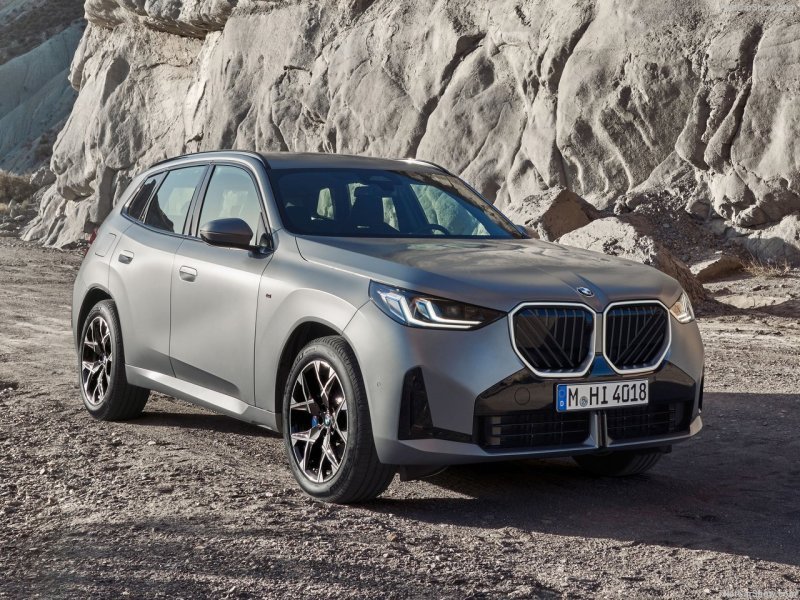
Will the BMW X3M model be phased out? What's going on?
AshleyJul 24, 2024
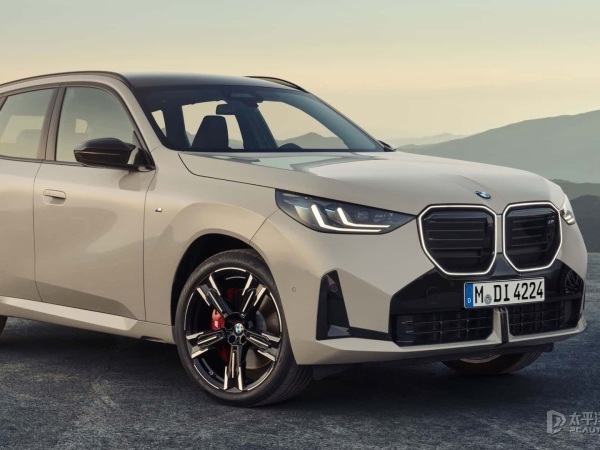
2025 BMW X3 (G45) will premiere at the end of the year, can it land in Malaysia next year?
LienJul 2, 2024
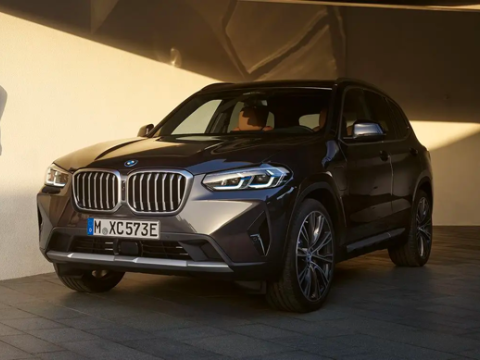
The 2024 BMW X3 Final Edition is priced from RM 338,500, is it the farewell masterpiece of the third generation X3?
LienJun 25, 2024
View More
Pros
Cons