
Q
Does the 2021 Nissan Rogue have automatic braking?
 ValeNov 07, 2025, 05:51 PM
Yes, the 2021 Nissan Rogue (known as the X-Trail in Malaysia) comes with Automatic Emergency Braking (AEB) as part of Nissan's Safety Shield 360 package. This system uses a front-facing camera and radar to monitor for vehicles or pedestrians ahead, automatically triggering the brakes if a potential collision is detected to either reduce the risk of impact or minimize injury. Beyond AEB, the 2021 Rogue also offers other advanced driver-assistance features like blind-spot monitoring, lane-keeping assist, and rear cross-traffic alert—all working together to boost on-road safety. In the Malaysian market, these kinds of safety features are gaining more attention from consumers because they effectively lower the risk of rear-end collisions in congested urban areas, especially in busy spots like Kuala Lumpur. It’s important to note, though, that while automatic braking systems can assist drivers, you still need to stay focused behind the wheel. The system might have limitations in certain complex road conditions or bad weather, which is a common trait across all brands' ADAS systems these days.
Special Disclaimer: This content is published by users and does not represent the views or position of PCauto.
Related Q&A
Q
How to open a 2021 Nissan car without a key?
If you've lost or damaged the key fob for your 2021 Nissan, your first move should be to reach out to an authorized Nissan dealer or a professional locksmith. Modern cars come with electronic anti-theft systems, so trying to force the locks or messing with it yourself could wreck the vehicle or set off the security alarm. For models with the smart key system, you might be able to unlock it remotely using Nissan's official app, like NissanConnect, but only if you've registered and activated the service beforehand. In Malaysia, some third-party auto service companies offer professional key programming, but make sure to choose a reputable provider to ensure security. It's worth noting that most 2021 Nissan models use encrypted transmission technology, so traditional mechanical lock-picking might not work, and trying to take apart the door yourself could void your warranty. As a daily habit, keep your spare key somewhere safe or think about installing a GPS tracking system just in case. If your key does go missing, heading to the dealer to get a new one programmed and deactivating the old key's code is the safest fix.
 HappyCamelNov 10, 2025
Q
How do you start a 2021 Nissan with a dead key fob?
If your 2021 Nissan key fob is dead, you can still start the vehicle using these steps: First, locate the mechanical key inside the fob—it's usually hidden near the keyring. Press the release button to pull it out. Next, insert the mechanical key into the driver's door lock (on some models, the lock might be hidden under a small cover on the door handle that you'll need to gently pry off). Once you're inside, hold the dead key fob close to the start button (typically on the right side of the steering wheel or near the center console), then press the brake pedal and hit the start button to fire up the engine.
It's worth noting that the key detection area can vary by Nissan model—some have it below the start button, others in the center armrest storage bin—so checking your owner's manual for the exact spot is a good idea. To avoid this hassle, Malaysian owners should regularly check their key fob battery (usually a CR2032 coin cell). If you notice the remote range getting shorter or the indicator light dimming, replace the battery ASAP. Keeping a spare battery in the car is also a smart move.
While modern smart key systems are super convenient, that traditional mechanical key is still a crucial backup. Make sure you're familiar with how to use it—you never know when you might need it.
 FastRabbitNov 10, 2025
Q
How long will a 2021 Rogue last?
Under normal usage conditions in Malaysia, the 2021 Nissan Rogue can typically clock around 250,000 to 300,000 kilometers or last over 15 years with regular servicing and maintenance. Of course, the actual lifespan depends on factors like driving habits, road conditions, and how often you keep up with maintenance. It’s got a solid 2.5-liter four-cylinder engine and that Xtronic CVT transmission, with an overall mechanical setup that’s been refined for better durability. To make it last longer, Malaysian owners should pay extra attention to how the tropical climate affects the car – like checking the cooling and air-con systems every 6 months, using engine oil suited for high temperatures, and regularly cleaning the radiator to prevent overheating. Also, with Malaysia’s frequent rain and humidity, rustproofing the undercarriage and body is a must. As a globally popular SUV, Rogue has pretty good parts availability, which is a big plus for long-term ownership. It’s worth noting that any car’s lifespan hinges on sticking to the manufacturer’s recommended maintenance schedule – think timely transmission fluid changes and regular brake checks. For Malaysians looking at a used Rogue, focus on inspecting the CVT transmission’s performance and the condition of the undercarriage; these are key to how much life the vehicle has left.
 KindHeartNov 10, 2025
Q
Can I remote start my 2021 Nissan Rogue?
The 2021 Nissan Rogue offers remote start functionality on some trims, depending on whether your vehicle is equipped with NissanConnect services and the corresponding smart key system. If you opted for the version with remote start when purchasing, you can fire up the car using a button combination on the factory key fob—usually pressing the lock button first, then holding down the remote start button—or through the NissanConnect mobile app. This is super handy in Malaysia's hot weather, letting you kick on the AC early to cool things down. Just keep in mind that remote start typically has a time limit (around 10-15 minutes), and the vehicle stays locked for security. For owners without the factory setup, you might consider adding an aftermarket remote start system to get similar features, but it's best to go with a professional shop to avoid messing with the original wiring or voiding your warranty. Different brands of remote start systems can have slightly different operation methods—like some requiring double-pressing the lock button before the start button—so it's a good idea to check your owner's manual for the exact steps. Also, when using the mobile app for remote start, make sure the vehicle is in an area with good network coverage, and this feature usually requires a subscription to keep using it.
 SilentStreamNov 10, 2025
Q
Why is my 2021 Nissan Rogue not blowing cold air?
Your 2021 Nissan Rogue's air conditioning not cooling could be due to several common issues. First, check if the refrigerant is low – that's the most common problem with AC systems. A refrigerant leak or lack of regular replenishment will reduce cooling performance, so it's best to have a professional shop run a pressure test and top it up. Next, it might be a faulty AC compressor. The compressor is the heart of the cooling system; if you hear strange noises or it won't start at all, you'll need to get it repaired or replaced ASAP. Additionally, a clogged condenser or a malfunctioning cooling fan can also affect cooling, especially in Malaysia's hot weather where these problems tend to get worse faster. Regularly cleaning the condenser and checking the fan's electrical connections can help prevent this. Finally, don't rule out a dirty cabin air filter restricting airflow. It's a good idea to replace the filter every 10,000 to 20,000 kilometers to keep air moving freely. For newer models like the 2021 Rogue, electronic control system failures are less likely, but if all the above checks come up empty, you might need a diagnostic scanner to read error codes for further troubleshooting. In daily use, try to avoid turning on the AC immediately after the car has been sitting in the sun for a long time. Open the windows first to let the hot air out, then gradually lower the temperature – this reduces strain on the AC system and helps it last longer.
 SoftCloudNov 10, 2025
Q
What issues does the 2021 Nissan Rogue have?
The main issues with the 2021 Nissan Rogue in the Malaysian market center around technical details like transmission jerkiness, occasional lag in the infotainment system, and some owners reporting overly sensitive brake pedals. These problems are more common in early production batches and can usually be fixed with a software update or dealer inspection. The Rogue's ProPILOT semi-autonomous driving assist system may require the driver to take over more frequently in complex road conditions, a technical trait common among SUVs in this class. It's worth noting that the Rogue's 2.5L naturally aspirated engine shows good cooling stability in tropical climates, and its 271mm ground clearance works really well for Malaysia's rainy road conditions. Potential owners should check Nissan Malaysia's official website for the latest Service Campaigns and prioritize purchasing the factory extended warranty—these preventive steps go a long way in ensuring the long-term reliability of electronic components. Compared to its peers, the Rogue's rear Magic Seat design offers a unique advantage when hauling large items, a practical feature Malaysian users who often need to transport family goods should pay attention to.
 HealerHeartNov 10, 2025
Q
Why is my Nissan Rogue 2021 not starting?
Your 2021 Nissan Rogue failing to start can stem from several common issues. First, check the battery condition—Malaysia's hot and humid climate tends to speed up battery terminal corrosion or drain power. Use a multimeter to test the voltage (should read above 12.4V); if lower, try jump-starting or replacing the battery. Next, look at the smart key system: low key battery (typically CR2032) or nearby electromagnetic interference can disable keyless start—try physically touching the key to the start button. For the fuel system, consistent use of low-octane gasoline might clog injectors, so regular use of genuine fuel additives is recommended. Also inspect the fuse box (especially 15-20A fuses related to the ignition system) and ensure the transmission is fully in Park. Notably, modern vehicles' smart diagnostic systems will display specific warning lights on the dashboard—a yellow engine-shaped light may indicate electronic throttle issues, while a red battery light points to charging system problems. It’s advisable to connect an OBD-II scanner to read error codes promptly. For models with auto-start-stop, frequent short trips can drain the auxiliary battery—temporarily disabling this feature and attempting to start might work. If these basic checks don’t resolve the issue, contact an authorized service center to inspect critical components like the starter motor, fuel pump, or crankshaft position sensor, which can develop intermittent faults in high-temperature environments.
 MoonlightNov 10, 2025
Q
Why is my 2021 Nissan Rogue stuck in park?
There are a few common reasons why your 2021 Nissan Rogue might be stuck in Park (P). First off, the brake light switch could be faulty. Modern cars have a safety feature that requires you to press the brake pedal to shift out of Park, so if this switch is broken, the signal won't reach the transmission control module. Second, the shift lock mechanism might be jammed or have an electrical issue – this tends to happen more often in Malaysia's humid climate. You can try gently wiggling the steering wheel while pressing the brake to release the lock. Additionally, a temporary glitch in the transmission position sensor or the Engine Control Unit (ECU) could also cause this problem. I recommend disconnecting the negative battery terminal for 5 minutes to reset the car's computer. If the issue persists, you'll need a professional diagnostic tool to read the trouble codes. It's worth noting that Malaysia's hot and rainy weather can accelerate the oxidation of electrical contacts, so regularly checking the condition of electrical connections can help prevent these kinds of problems. For models with an electronic gear shifter, also be careful to avoid spilling liquids on the control panel. If these simple checks don't work, contact an authorized service center promptly. They can quickly pinpoint the issue using the CONSULT diagnostic system, and let's face it, transmission-related repairs are safety-critical and require specialized expertise.
 WittyRemarkIntelligenceNov 10, 2025
Q
Why is the check engine light on in my Nissan Rogue 2021?
There are several possible reasons why the check engine light is on in your 2021 Nissan Rogue. The most common issues are related to the emissions system, such as a loose gas cap, a faulty oxygen sensor, or a declining catalytic converter efficiency. It could also be due to worn spark plugs, a dirty mass airflow sensor, or carbon buildup on the throttle body causing incomplete combustion. We recommend first checking if the gas cap is fully sealed since that's the easiest fix. If the light stays on, you'll need an OBD-II scanner to read the trouble codes and pinpoint the exact problem. Given Malaysia's hot and humid climate, it's a good idea to regularly check the battery condition and sensor wiring, as high temperatures and humidity can speed up the aging of electronic components. If you just filled up with low-quality fuel at the station, that might also trigger the light. In that case, try refueling with good quality gasoline that meets RON95 or RON97 standards and drive for a while to see if it helps. It's important to note that modern vehicles have very sensitive ECU systems, and even minor issues will trigger the check engine light to alert you to get it checked promptly, preventing small problems from turning into major ones. If the light is flashing continuously, you need to stop and get it inspected immediately—this usually indicates a serious misfire that could damage the catalytic converter.
 KindheartedSoulKindnessNov 10, 2025
Q
How do you release the parking brake on a 2021 Nissan Rogue?
Releasing the electronic parking brake on the 2021 Nissan Rogue (X-Trail) is super straightforward. When the vehicle is started and in Park, just tap the brake pedal and press the electronic parking brake switch near the center console (the button with the "P" symbol) to disengage it, and the instrument cluster will show a release indicator. For Malaysian owners, when starting on a slope, it's a good idea to use the Auto Hold function or a quick tap of the throttle to automatically release the brake—that way you avoid the risk of rolling back. It's worth mentioning that electronic parking brakes save more space and are easier to use than traditional hand levers, but you should check the system's responsiveness regularly. If you see any warning lights pop up, head to an authorized Nissan service center for a check-up right away. In daily use, Malaysia's rainy weather can increase moisture in the brake system, so replacing the brake fluid every 2 years is recommended to keep the electronic parking brake performing at its best. If you're leaving the vehicle parked for a long time, consider using wheel chocks for extra security and to take some strain off the parking brake system.
 GracefulMovementDanceNov 10, 2025
Popular Cars
Model Year
Car Compare
Car Photo
Related Models
 Cars
CarsLatest Q&A
Q
What are the five stages of burnout?
The five stages of occupational burnout are a gradual developmental process, initially manifesting as the honeymoon phase. During this period, individuals are full of enthusiasm and motivation for their new job, with high work efficiency and a willingness to take on responsibilities, but they may neglect their own energy consumption due to over-commitment. Then comes the fatigue phase, where initial enthusiasm fades, and stress symptoms such as anxiety, irritability, and distraction begin to appear, physical fatigue intensifies, and even sleep and eating problems may accompany. The third stage is the resistance phase: as stress continues to accumulate, individuals may exhibit cynicism, social avoidance, and procrastination, and relieve discomfort through substances like caffeine or alcohol, while internal conflicts intensify. After entering the burnout phase, individuals meet the medically defined criteria for burnout. Long-term stress leads to negative emotions and self-doubt, avoidance of work, and chronic physical symptoms such as headaches or gastrointestinal issues, and they may fall into social isolation. The final stage is the apathy phase, where the body and mind are extremely exhausted, numbness and apathy become defense mechanisms, thinking stagnates, efficiency drops sharply, and it may even develop into chronic depression or physical illness, requiring a work suspension for recovery. The evolution of these stages suggests that occupational burnout requires early intervention, and its deterioration can be avoided by adjusting stress management, reshaping the meaning of work, and seeking professional support. It is worth noting that occupational burnout was classified as an occupational phenomenon by the World Health Organization in 2019, emphasizing its correlation with work environment stress.
 GracefulMar 9, 2026
Q
How to manage driver fatigue?
Managing driving fatigue requires efforts in both prevention and emergency handling, with the key lying in maintaining physical condition and scientifically planning the journey. Before departure, ensure 7-8 hours of sufficient sleep and avoid staying up late or engaging in high-intensity activities. When driving, follow the "4-hour principle": do not drive continuously for more than 4 hours during the day or 2 hours at night, and stop at a service area for a rest of more than 20 minutes halfway. For long-distance trips, it is recommended to travel with a companion and take turns driving every 2-3 hours. The itinerary should avoid periods when the human body is prone to drowsiness, such as between 12:00 AM to 6:00 AM and 1:00 PM to 3:00 PM. During driving, stiffness can be relieved by slightly adjusting sitting posture, taking deep breaths, and stretching muscles. If drowsiness occurs, immediately open the window for ventilation, lower the air conditioning temperature, or drink coffee to refresh oneself. The most effective way is to pull into a service area for a 15-20 minute nap. It is worth noting that some drivers rely on energy drinks, but excessive intake may cause subsequent fatigue to worsen. Therefore, moderate water intake and light exercise are more conducive to maintaining alertness.
 ExplorerMar 9, 2026
Q
How long does it take to fix a brake system?
The maintenance time for the brake system typically depends on the specific issue and service items. A standard brake pad replacement takes 1 to 2 hours, while inspections or repairs involving brake discs, brake fluid, or brake lines may require 3 to 5 hours. For routine brake pad replacement, it is recommended between 30,000 to 60,000 kilometers, though actual intervals are heavily influenced by driving habits—such as frequent hard braking or urban stop-and-go traffic, which may reduce the interval to 20,000 to 30,000 kilometers. Brake disc replacement intervals are longer, approximately 100,000 to 200,000 kilometers, but immediate attention is required if abnormal vibrations or cracks appear. Brake fluid should be replaced every 2 years or 40,000 to 60,000 kilometers, as its hygroscopic properties degrade braking performance. Notably, maintenance cycles differ between compact cars and SUVs; due to their greater weight, SUVs may need brake pad replacements as early as 20,000 to 50,000 kilometers. Regular checks of brake pad thickness (replace if below 5mm) and brake fluid moisture content (replace if exceeding 2.5%) are critical for safety. Regarding costs, brake pad replacement ranges from 300 to 800 ringgit, while brake disc replacement costs approximately 800 to 2,000 ringgit, with variations based on vehicle model and brand. Opting for OEM or certified parts ensures compatibility, and professional technician diagnostics are advised to prevent misdiagnosis.
 ThinkMar 9, 2026
Q
How do I know if my car AC filter needs replacing?
To determine whether a car's air conditioning filter needs replacement, a comprehensive assessment can be made from multiple aspects. First, observe the change in airflow volume. If the airflow feels significantly weaker even at the maximum fan speed after ruling out other malfunctions, it typically indicates a clogged filter requiring replacement. Second, if musty or sour odors are detected when the AC is turned on, this is often caused by bacterial growth or accumulated pollutants in the filter, necessitating immediate replacement. Visually inspecting the filter, if severe blackening, heavy dust accumulation, or physical damage is observed upon removal, replacement is advised even before the recommended maintenance interval. The standard recommendation is to replace the filter annually or every 10,000-20,000 kilometers. However, for vehicles frequently driven in sandy, dusty, or smoggy conditions or with heavy AC usage, the interval should be reduced to 6 months. During installation, ensure correct filter orientation (arrow indicates airflow direction) and consider selecting an activated carbon variant for enhanced odor absorption. Regular replacement not only improves AC efficiency but also reduces dust allergy risks, particularly crucial for individuals with respiratory sensitivities. Note that some vehicle models position the filter behind the glove compartment; consult the manual during removal to avoid damaging the retaining clips.
 HappyHareMar 9, 2026
Q
What is a 5 link suspension?
The five-link suspension is an independent suspension system composed of five links: the control arm, rear locating arm, upper arm, lower arm, and front locating arm. Its core advantage lies in precisely controlling the wheel's movement trajectory through the multi-link structure. This design optimizes the position of the caster angle, significantly reduces the impact of road bumps on vehicle dynamics, improves ride smoothness during acceleration and braking, and enhances straight-line driving stability. Under cornering or braking conditions, the five-link system can actively adjust the rear wheel toe angle to create a positive toe effect, effectively suppressing understeer and improving tracking performance. Its compact mechanical layout reduces the occupation of interior space, optimizing the volume of the rear seats and trunk. The theoretical framework of this technology was first proposed by German engineers, and it was first mass-produced and applied by Honda in 1997. It has now become a mainstream solution for mid-to-high-end models to enhance handling and comfort, with typical representatives including models such as the Audi A6 and BMW 7 Series. It should be noted that the five-link suspension has high requirements for tuning technology, and its performance is closely related to the manufacturer's chassis matching capability.
 FoxMar 9, 2026
Related News

It used to be as powerful as Hilux, but now it has to avoid competing with Hilux.
Kevin WongNov 18, 2025

2025 Nissan Navara X-Tremer launched in Malaysia, exterior enhanced with off-road design
RobertSep 1, 2025
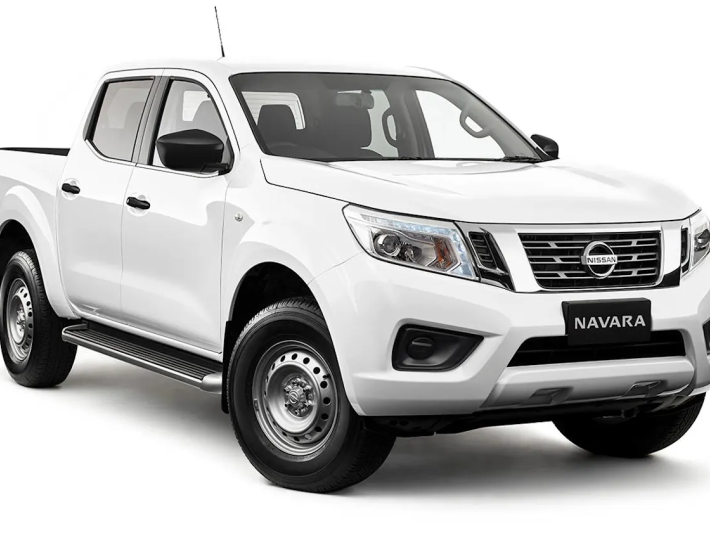
Nissan Navara : Stylish Design Meets Utility
JamesMay 13, 2025

1000km full-tank range! 2026 Nissan Serena e-Power officially launched in Malaysia
JohnMar 5, 2026

2026 Nissan March: A Rebirth or the End of the Road for the B-Segment Hatchback?
JamesMar 4, 2026
View More
Pros
Cons