
Q
Does the Swift 2024 have good resale value?
 ForestTrailAdventureOct 28, 2025, 05:25 PM
Based on the general performance of Malaysia's auto market, the 2024 Suzuki Swift is expected to hold its resale value well. This largely comes down to Suzuki's solid reputation locally, the Swift lineup's long-standing reliability, and strong market demand. The car is known for being fuel-efficient, nimble to drive, and having relatively affordable maintenance costs—all factors that positively impact its second-hand value. In Malaysia, small cars like the Swift are usually popular with urban commuters, so they tend to move quickly in the used car market, which helps keep prices stable. What's more, if the 2024 Swift maintains the durability and low fault rate of previous models, its resale value could outperform some rivals in the same class. To further boost its second-hand worth, it's a good idea to stick to regular servicing at authorized centers, keep complete records, and avoid heavy modifications—all of which directly affect the price assessment when it comes time to sell. When shopping for such high-resale-value models, Malaysian consumers can also check out annual residual value reports from local used car platforms or industry associations for more specific market data.
Special Disclaimer: This content is published by users and does not represent the views or position of PCauto.
Related Q&A
Q
How much horsepower does a 2021 Swift Sport have?
The 2021 Swift Sport packs a punch with its 1.4L BOOSTERJET turbocharged four-cylinder engine, delivering 140 horsepower and 230 Nm of torque. Paired with either a 6-speed manual or 6-speed automatic transmission, it offers peppy performance without sacrificing fuel efficiency.
Staying true to the Swift lineage, this hot hatch retains nimble handling, while its lightweight design dials up the fun factor—perfect for city commutes and the occasional backroad blast. The turbo tech really shines here, serving up strong low-end grunt that makes overtaking or quick acceleration effortless.
For those craving more performance, factory-approved upgrades like sport exhausts or suspension tweaks are available without voiding the warranty. While some European hot hatches match its power, the Swift Sport stands out with lower maintenance costs, bulletproof reliability, and solid resale value. It’s a no-brainer for budget-minded drivers who refuse to compromise on thrills.
 MoeDec 18, 2025
Q
What is the safety rating of Swift car 2024?
The safety rating for the 2024 Swift in Southeast Asian markets, including Malaysia, has not yet been officially released by ASEAN NCAP or Global NCAP. However, looking at the performance of previous Swift models—like the 2017 version which scored a 4-star rating in ASEAN NCAP (82% adult protection, 78% child protection)—we can expect improvements in the new model. These likely include enhanced body rigidity, more airbags (possibly 6 as standard), and upgraded active safety systems such as improved ESP and forward collision warning. Notably, it might come with Suzuki’s latest dual-sensor brake support system for better emergency braking response. Malaysian buyers should keep an eye on local specs to see if features like lane keep assist or blind spot monitoring are included, as these often impact final ratings. It’s important to remember that Swift models can have different ratings across markets due to varying specifications. We recommend checking official reports from MIROS or ASEAN NCAP once the car launches. Also, a quick reminder: safe driving habits and regular vehicle maintenance are just as crucial. Even high-rated cars require proper use of seatbelts and child safety seats to maximize protection.
 AmberGlowOct 29, 2025
Q
What is the warranty on Swift 2024 engine?
The 2024 Swift's engine warranty is typically 5 years or 150,000 kilometers, whichever comes first. This is Suzuki Malaysia's official standard warranty policy, though specific terms might vary slightly with dealer promotions, so it's best to check with authorized dealers for the latest details before buying. It's important to note that the warranty usually covers manufacturing defects in the engine, but damage caused by improper maintenance as per the manual, use of non-genuine parts, or human error isn't included. Malaysia has a tropical climate, with high temperatures and humidity placing higher demands on engine durability. Owners are advised to strictly follow the maintenance schedule for oil and coolant changes, and regularly inspect the condition of belts and hoses. Additionally, Suzuki's warranty policy generally includes 24-hour roadside assistance, which is especially useful for long-distance drivers in Peninsular Malaysia and East Malaysia. While understanding the warranty details, owners should also keep complete maintenance records, as this can effectively boost the vehicle's residual value during future used car transactions.
 ButterflyKissOct 28, 2025
Q
Is Swift 2024 worth buying?
The 2024 Suzuki Swift is a compact hatchback worth considering in the Malaysian market, especially for city commuters and budget-conscious buyers. It carries forward the Swift lineup's reputation for affordability and practicality, powered by a 1.2L naturally aspirated engine that delivers impressive fuel efficiency – official figures peg the combined consumption at around 4.5L/100km, which is pretty wallet-friendly given Malaysia's fuel prices. The interior is straightforward but well-equipped, with a standard 7-inch touchscreen supporting Apple CarPlay and Android Auto, hitting the mark for younger users. On the safety front, it comes with 6 airbags, ESP, and hill-start assist as standard, keeping pace with mainstream offerings in its class. That said, rear legroom is a bit tight, making it better suited for small families or singles. Compared to the Perodua Myvi, the Swift edges ahead in handling agility and brand reputation, though the Myvi might be the go-to for those on an extremely tight budget thanks to its easier maintenance and cheaper parts. If you're after driving fun and fuel economy, the 2024 Swift is a solid pick – but do yourself a favor: head to a dealership for a test drive to check if the space works for you, and shop around different dealers too. The Malaysian market often has promotions like free servicing or low-interest loans up for grabs.
 PeachBlossomOct 28, 2025
Q
What is the maintenance cost of Swift 2024?
The 2024 Suzuki Swift has relatively affordable maintenance costs in Malaysia. A regular service (like oil and filter changes) runs around RM200 to RM300 per visit, depending on the oil type used (mineral, semi-synthetic, or fully synthetic) and the authorized service center's pricing. Servicing is required every 10,000 km or 6 months, whichever comes first. For major services (involving brake fluid, transmission oil replacement, etc.), costs can go up to RM500 to RM800. As an economical hatchback, the Swift benefits from ample parts supply and reasonable pricing, making long-term ownership costs low—ideal for budget-conscious buyers. Additionally, it's advisable for owners to stick to the factory maintenance schedule; not only does this extend the vehicle's lifespan, but it also preserves warranty coverage. Malaysia's hot and rainy climate means regular checks on the air-conditioning system and undercarriage rust protection are important too. These extra items might incur small additional costs, but they effectively prevent expensive repair bills down the line. Overall, the 2024 Swift is easy on the maintenance side, making it a great value-for-money choice for city commuting.
 OceanBreezeOct 28, 2025
Q
What is the fuel consumption of Swift 2024?
The 2024 Suzuki Swift delivers impressive fuel economy in Malaysia. Powered by a 1.2-liter naturally aspirated engine paired with a lightweight body design, official figures put its combined fuel consumption at around 4.5 liters per 100 kilometers (actual numbers may vary slightly depending on driving habits and road conditions). It's perfect for city commutes or long drives, helping you keep fuel costs in check. The Swift has always been known for being economical and practical, and the 2024 model takes it up a notch with optimized engine combustion efficiency. There might even be a hybrid version available depending on market specifications, boosting its eco-friendly credentials further. When picking a car in Malaysia, besides fuel consumption, factors like regular maintenance costs and insurance premiums matter too. The Swift scores here with readily available parts and easy servicing, making it a great long-term value proposition. If you're after even better mileage, stick to smooth driving habits and keep up with regular maintenance—like changing the air filter and engine oil on time. Those little things can really help improve fuel efficiency.
 MusicianNoteMelodyOct 28, 2025
Q
What are the disadvantages of Swift 2024?
The 2024 Swift is an affordable, fuel-efficient compact car, but it does fall short in some areas. The interior relies heavily on hard plastics, which feel pretty basic to the touch—maybe not as premium as some competitors in the same price range. Rear legroom is on the tight side, so taller passengers might not find it super comfortable. The trunk is also small, making it a tough fit for families who regularly need to haul bigger items. Then there’s the noise insulation; it’s just okay, so wind and road noise get pretty noticeable at highway speeds. Power-wise, it’s fine for city driving, but that 1.2L naturally aspirated engine feels a bit strained when you need to overtake or climb hills on the highway. On the features front, the base trim is pretty bare-bones—you have to step up to higher trims to get more comfort amenities. For Malaysian buyers, the Swift’s fuel efficiency and nimble handling are definite pluses, but if you’re after more space or a quieter ride, you might want to check out other options. One thing to note with Malaysia’s hot weather: after the car’s been baking in the sun for a while, the air-con might take longer to cool things down effectively. Potential buyers should really weigh their priorities, and it’s worth checking out rivals like the Perodua Myvi or Honda Jazz to see which one fits best.
 RainbowSpectrumOct 28, 2025
Q
Is the 2024 Swift good for city driving?
The 2024 Swift is perfect for city driving, especially shining in Malaysia's congested traffic. Its compact size (under 4 meters) and light steering make zipping through narrow streets or parking a breeze. The 1.2L naturally aspirated engine paired with the lightweight body delivers smooth low-speed power response, while the CVT gearbox optimizes fuel efficiency – official figures show around 5.3L/100km in the city, ideal for stop-and-go traffic. What's more, the Swift's suspension is tuned for comfort, effectively smoothing out the bumpy roads common in Malaysia. The standard reverse camera and optional blind spot monitoring further boost urban driving safety. It's also worth noting that AC cooling efficiency matters a lot for small cars in tropical climates, and the Swift's quick-cooling system holds up reliably in Malaysia's scorching heat. If you're planning long-term city use, we recommend going for the version with Automatic Emergency Braking (AEB) – it's really helpful for avoiding sudden hazards like motorcycles cutting in, and these safety features are becoming more and more essential in local traffic conditions.
 JoyfulMelodyOct 28, 2025
Q
Is the Suzuki Swift reliable in 2024?
The 2024 Suzuki Swift maintains its solid reputation in the Malaysian market. Its 1.2L naturally aspirated engine paired with a mature mild hybrid system delivers impressive fuel efficiency, making it perfect for city driving. Official figures claim a combined fuel consumption as low as 4.1L/100km, and with relatively low maintenance costs, it's a great fit for budget-conscious buyers. The Swift's chassis is tuned for nimble handling, and its compact size makes weaving through tight city streets a breeze, though the sound insulation could use some improvement. For safety, you get dual airbags, ABS, and ESP as standard, with higher trims possibly adding more active safety features—best to check the exact specs before buying. It's worth keeping in mind that Malaysia's hot and rainy climate can be tough on cars, so regular checks on the cooling system and rubber components are a good idea. If you're looking at used models, post-2017 Swifts are a safer bet since they moved to a new platform that significantly boosted body rigidity. Rivals like the Perodua Myvi and Honda Jazz each have their own strengths, so I'd recommend test-driving all to see which suits your needs best. All in all, with its fuel efficiency, agility, and strong reliability record, the Swift remains one of the most dependable choices for urban driving in Malaysia.
 PetalSoftnessOct 28, 2025
Q
Does the Swift 2024 have a turbo engine?
The 2024 Suzuki Swift offers two engine options in the Malaysian market: a 1.2-liter naturally aspirated engine and a 1.4-liter turbocharged engine. The 1.4L turbo variant does come with turbocharging tech, delivering stronger power output and better fuel efficiency—perfect for drivers who crave some fun behind the wheel. As an affordable compact car, the Swift has long been a favorite among Malaysian buyers, and the addition of the turbo engine just ups its game in the market. Turbocharging works by compressing the intake air to boost engine power, giving more torque at lower revs compared to a naturally aspirated engine. That makes the car perform better in city driving and when overtaking on the highway. Plus, turbo engines usually offer better fuel economy, especially noticeable on long drives. For Malaysian consumers, picking the turbo Swift means enjoying peppy performance while saving on fuel costs over time—it’s a solid value-for-money choice.
 GrinningSmileHappinessOct 28, 2025
Popular Cars
Model Year
Car Compare
Car Photo
Related Models
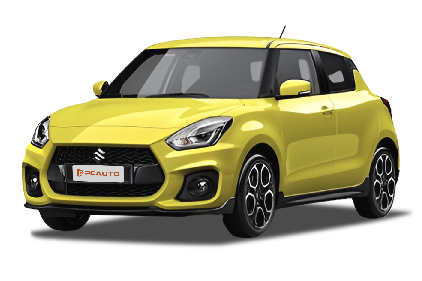
 Cars
CarsLatest Q&A
Q
Is AMT similar to automatic?
There are significant differences between AMT transmissions and automatic transmissions (AT) in terms of core structure and driving experience. AMT is essentially an electronically automated version of a manual transmission, simulating manual clutch operation and gear shifting through a computerized control system while retaining the gear set structure of manual transmissions. As a result, it offers higher transmission efficiency, with fuel consumption approximately 8%-12% lower than AT, making it particularly suitable for highway or long-distance driving. However, it may exhibit jerking similar to manual transmissions during low-speed gear shifts, especially noticeable in congested traffic conditions.
AT transmissions rely on torque converters for power transfer, delivering smooth and seamless gear shifts that appeal to comfort-oriented users. However, their complex structure (incorporating planetary gear sets, hydraulic systems, etc.) results in higher maintenance costs. A single service may cost between 800 to 1,500 ringgit, whereas AMT only requires gear oil replacement at approximately 400 ringgit.
From a market perspective, AMT is predominantly used in budget vehicles or commercial models priced below 80,000 ringgit, while AT is typically featured in mid-to-high-end vehicles. Consumers should select based on actual needs: AMT suits those prioritizing fuel efficiency and low maintenance costs, while AT better serves those valuing comfort. Notably, recent advancements in AMT electronic control technology have significantly mitigated jerking issues, though test drives should still emphasize low-speed performance evaluation.
 AriaMar 26, 2026
Q
Which is better, DCT or AT?
DCT (Dual-Clutch Transmission) and AT (Automatic Transmission) each have their own advantages and disadvantages, and the choice should be based on personal driving needs. AT transmissions transfer power through a torque converter, offering excellent shift smoothness, making them suitable for urban commuting or novice drivers. However, they tend to have higher fuel consumption, and vehicles equipped with them are usually more expensive. DCT transmissions utilize a dual-clutch structure, featuring fast shift speeds and high power transmission efficiency, which provides a more direct driving experience—particularly suitable for users seeking a sporty feel. However, they may exhibit jerking at low speeds and have relatively high maintenance costs. If durability and comfort are priorities, AT is the more reliable choice; if power responsiveness and driving pleasure are preferred, wet DCT (such as Volkswagen DSG) performs better, though dry DCT models should be avoided in prolonged stop-and-go traffic conditions. Additionally, CVT transmissions excel in smoothness and fuel efficiency, making them ideal for daily commuting, but they lack driving excitement. It is recommended to test-drive before purchasing, as tuning varies significantly across brands, and real-world experience is more important than theoretical specifications.
 FlutteringMar 26, 2026
Q
Is Amt good or bad?
AMT gearboxes have a significant cost advantage in the local market, typically being around 5,000 Ringgit cheaper than models equipped with conventional automatic transmissions. Their fuel efficiency is comparable to manual transmissions, resulting in long-term fuel savings. Featuring a straightforward design, they achieve transmission efficiency exceeding 90% with relatively low maintenance costs, making them ideal for practicality-oriented consumers. However, their shifting logic contains inherent limitations: gear changes between 1st and 2nd cause 0.3-0.5 second power interruptions, while unintended upshifts on inclines may reduce engine speed by 15%-20%, compromising driving smoothness. For urban commuters or budget-conscious buyers, AMT offers excellent value, though those prioritizing premium driving dynamics should consider alternative transmission types. Some domestic models like the Perodua Axia employ enhanced AMT systems, where optimized shift programming has reduced gearshift shock by approximately 30%.
 RainbowsMar 26, 2026
Q
Which gives better mileage, CVT or AMT?
From the perspective of fuel economy, CVT transmissions generally perform better under urban driving conditions. Their continuously variable design allows the engine to consistently operate within the optimal speed range, significantly reducing fuel consumption during frequent starts and stops. Test data shows that their fuel consumption in urban driving conditions is 10% to 15% lower than that of comparable models. AMT transmissions, on the other hand, inherit the high transmission efficiency of manual transmissions, delivering fuel efficiency close to manual transmissions during high-speed cruising. This makes them particularly suitable for long-distance driving in large-displacement vehicles. However, due to power interruption during gear shifts, their overall fuel consumption may be 5% to 8% higher than CVTs.
The difference in fuel-saving characteristics between the two transmissions stems from their technical principles: CVTs achieve continuous variability through steel belts and pulleys, eliminating the fixed gear ratio limitations of traditional transmissions; AMTs simulate manual gear changes via electronic control systems while maintaining the mechanical efficiency of gear transmission. Notably, actual fuel consumption is also influenced by driving habits. Smooth acceleration and anticipatory deceleration can maximize the transmissions' fuel-saving potential. If the vehicle budget permits and urban commuting is the primary use, CVTs offer a more economical choice. For frequent highway driving with an emphasis on cost-effectiveness, AMTs are equally worth considering.
 RubyBlazeMar 26, 2026
Q
Which is cheaper, AMT or CVT?
In terms of gearbox cost, AMT is usually more economical than CVT. Essentially, AMT is a manual transmission equipped with an electronic control unit, featuring a simple structure and low maintenance costs. The unit price ranges from approximately 5,000 to 8,000 ringgit, making it suitable for budget-conscious consumers or those who prioritize long-term operating costs. CVT incurs higher manufacturing costs due to its precision steel belt transmission system and continuous variable transmission technology, with a unit price of about 7,000 to 10,000 ringgit. However, it delivers a smoother driving experience and superior fuel efficiency. The primary differences between the two lie in technical complexity: AMT retains the gear-shifting mechanism, resulting in noticeable shift shock; CVT achieves linear power output through stepless speed variation but requires periodic belt inspection and incurs higher maintenance expenses. For those prioritizing initial cost and basic transportation needs, AMT offers better value; if comfort and long-term fuel economy are priorities, CVT represents a more worthwhile investment. Note that actual prices may vary based on vehicle model, brand, and local supply chain factors.
 ShadowProwlMar 26, 2026
Related News
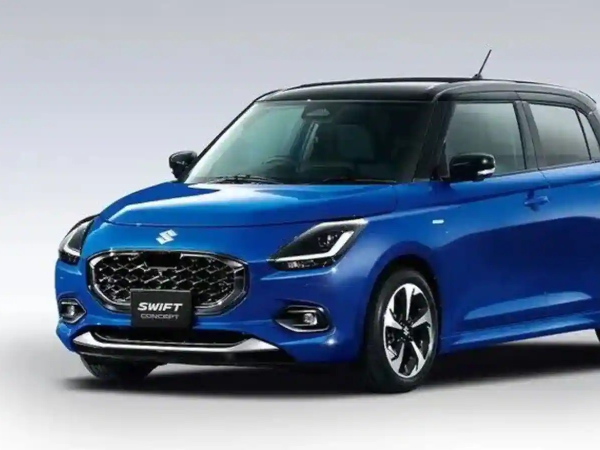
All-New Suzuki Swift Sport Will Debut with Revolutionary 1.4T Engine
MichaelJun 3, 2025
Compact and flexible, full of power: Suzuki Swift Sport Review!
JohnSep 11, 2024

The 5 questions you must know before buying a Suzuki Jimny
JamesMar 17, 2026

Suzuki acquires Kanadevia solid-state battery business, the big ambition of the small car expert
WilliamMar 5, 2026

Subaru applies for a patent for an electric vehicle simulated manual transmission, electric STI may use this technology
MichaelFeb 5, 2026
View More
Pros
Cons