
Suzuki acquires Kanadevia solid-state battery business, the big ambition of the small car expert
 WilliamMar 05, 2026, 04:13 PM
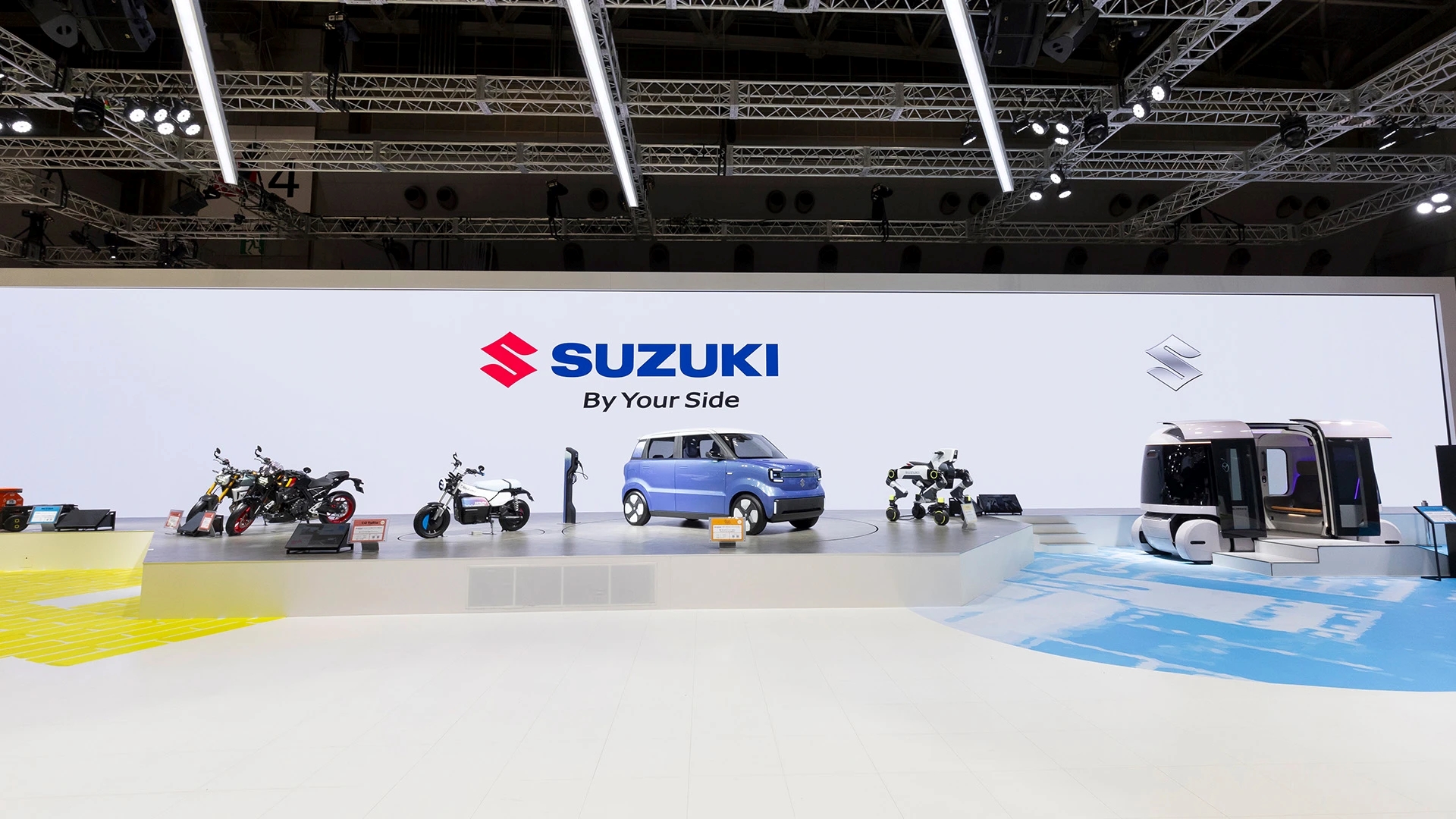
[PCauto] For many, Suzuki is still remembered as the "small car expert" focusing on K-Cars, Jimny, or Swift. But in today's auto industry, where electrification is being fully promoted, Suzuki clearly has no intention of just being a bystander.
This Wednesday (March 4), Suzuki announced the acquisition of the all-solid-state lithium-ion battery business under Kanadevia.
This transaction is expected to be officially completed on July 1 this year. Although both parties are tight-lipped about the final transaction price, Kanadevia's earnings forecast suggests the transaction has generated a special gain of approximately 7.4 billion yen (equivalent to 186 million MYR).
Although this isn't considered a blockbuster figure in the automotive industry's mergers and acquisitions, for Suzuki, which has always tread cautiously on the path of electrification, this is definitely a generous move.
Who is Kanadevia?
Speaking of Kanadevia, veteran car enthusiasts might be more familiar with its old name — Hitachi Zosen.

This company is not a newcomer to the battery industry. As early as 2006, they started researching solid-state batteries (All-solid-state Lithium-ion Battery).
Their core technology product AS-LiB is mainly known for its durability.
Due to its unique dry process manufacturing technology, this type of battery completely eliminates the risk of electrolyte leakage, and it can operate stably in extremely high or low temperatures, even in a vacuum environment.
In fact, this type of battery was previously used for aerospace equipment.
Kanadevia once collaborated with JAXA (Japan Aerospace Exploration Agency) to send its batteries to the International Space Station.
Now, Suzuki has decided to transfer this technology, originally applied in the aviation field, to electric vehicles.
It sounds promising, as solid-state batteries have always been regarded as the ultimate solution for electric vehicles. They offer higher energy density, faster charging, and a significantly lower risk of fire.
Why is Suzuki in such a hurry?
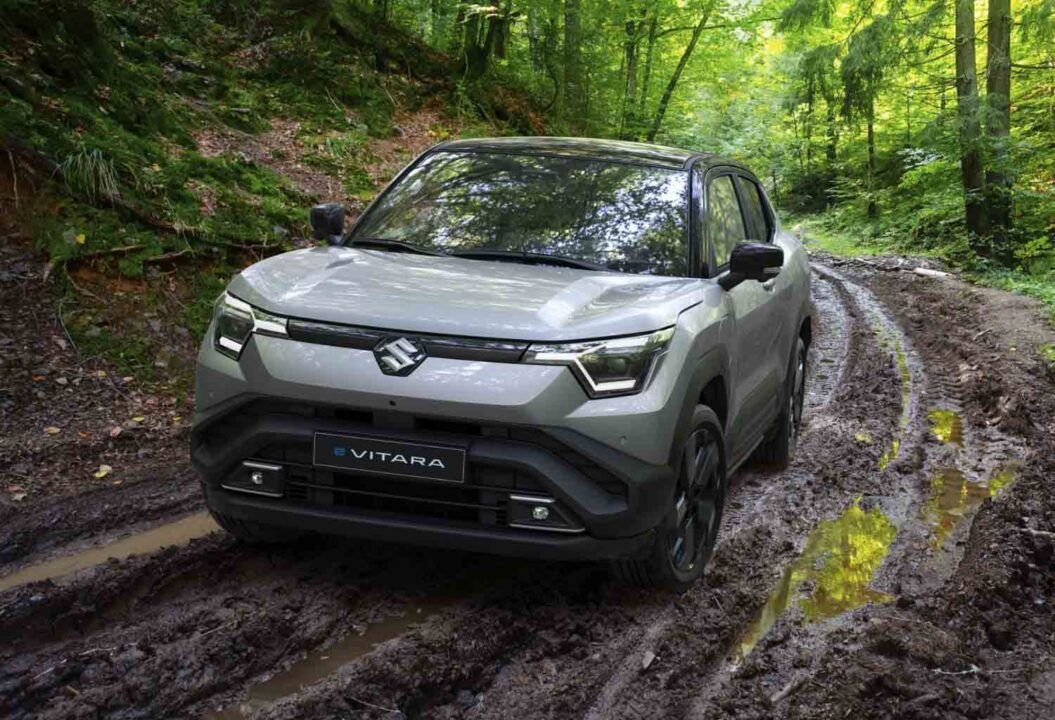
Not long ago, Suzuki launched its first global strategic pure electric vehicle, the e-Vitara, in Indonesia and India.
The car may come across as a compelling offering, but its core battery technology still relies heavily on external suppliers.
Currently, global automotive giants are scrambling to develop their own battery technologies. Even Toyota and Nissan have already set solid-state battery production schedules. Under such circumstances, if Suzuki doesn't have some technological leverage, its future could be challenging.
However, while the potential for solid-state batteries is huge, they are indeed hard to tackle. The current consensus in the industry is that fully solid-state batteries involve complex manufacturing processes and are initially extremely expensive to produce.
According to previous industry research, the unit cost of solid-state batteries might be more than three times that of traditional liquid lithium-ion batteries.
For Suzuki, which has always been focused on being "affordable" and offering great value for money, this is undoubtedly a huge contradiction.
After all, it is hard to imagine that a small pure electric SUV with a Suzuki badge could sell at the price of a Lexus just because it is equipped with solid-state batteries.
This is a long-term investment
Suzuki may not equip its new cars with fully solid-state batteries next year, but they must possess the capability to develop and improve this technology.
By inheriting Kanadevia’s nearly 20 years of research achievements, Suzuki can bypass many initial pitfalls and attempt to apply this type of battery at a reduced scale in compact electric vehicles, which have higher safety requirements or extremely strict demands for space layout.
Suzuki acted decisively
When many brands choose to directly purchase ready-made solutions, they have opted to acquire an entire business segment. This demonstrates the survival instinct of an independent car company in the face of a transformative era; they do not want to merely become someone else’s assembly plant.
Of course, technological transfer is just the first step. Turning "aerospace batteries" from the lab into "automotive batteries" that can be mass-produced on factory assembly lines is the true test of Suzuki’s manufacturing capabilities.
Before this issue is resolved, we may have to endure range anxiety for some time. But in any case, seeing this low-key Japanese automaker actively take the helm amidst turbulent times is something worth contemplating in itself.
If any infringement occurs, please contact us for deletion










Popular Cars
Model Year
Car Compare
Car Photo