
Subaru applies for a patent for an electric vehicle simulated manual transmission, electric STI may use this technology
 MichaelFeb 05, 2026, 10:53 AM
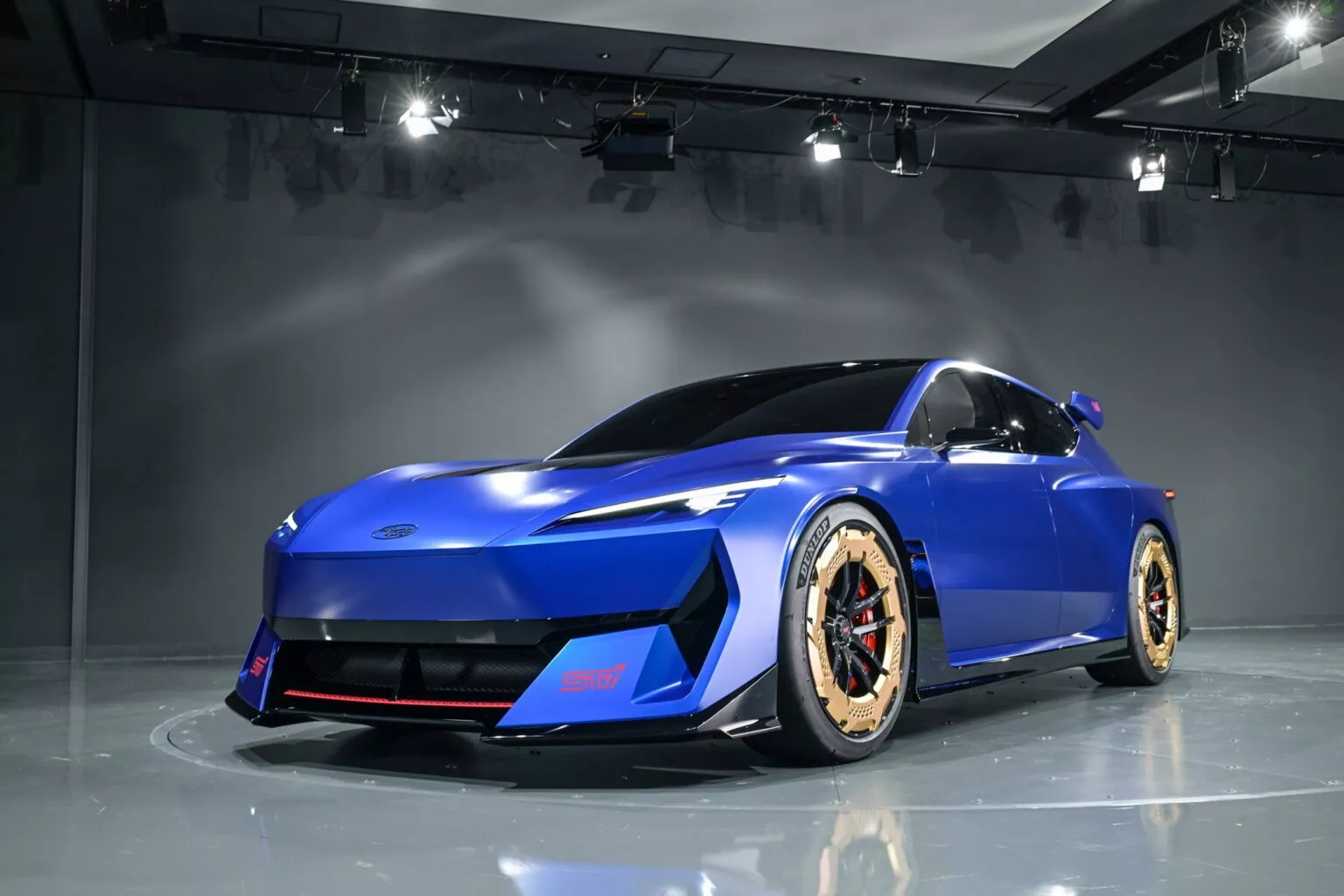
[PCauto] While most carmakers are focusing on making electric vehicles smoother and more convenient, Subaru has chosen a different path. With the US 20260021713 patent, it has launched a simulated manual transmission system with a "clutch start" feature.
While not a real mechanical structure, it represents Subaru's attempt to retain the driving engagement of classic models such as the WRX and STI in the wave of electrification, giving us a look at another possibility for electrifying performance cars.
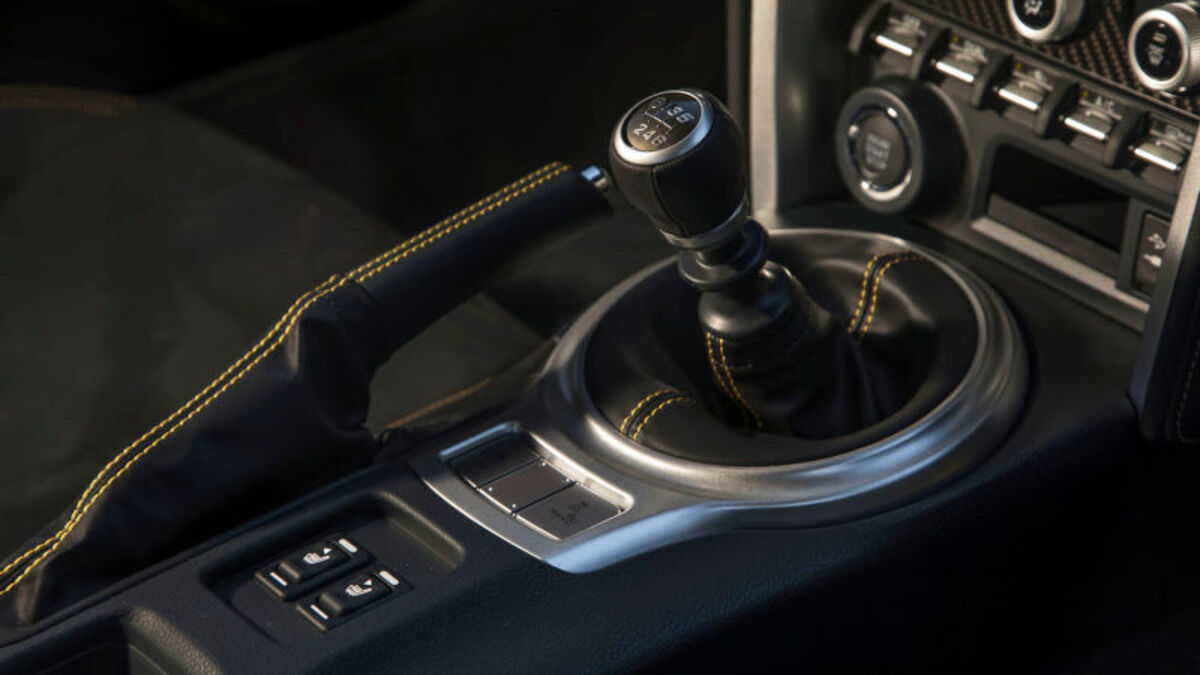
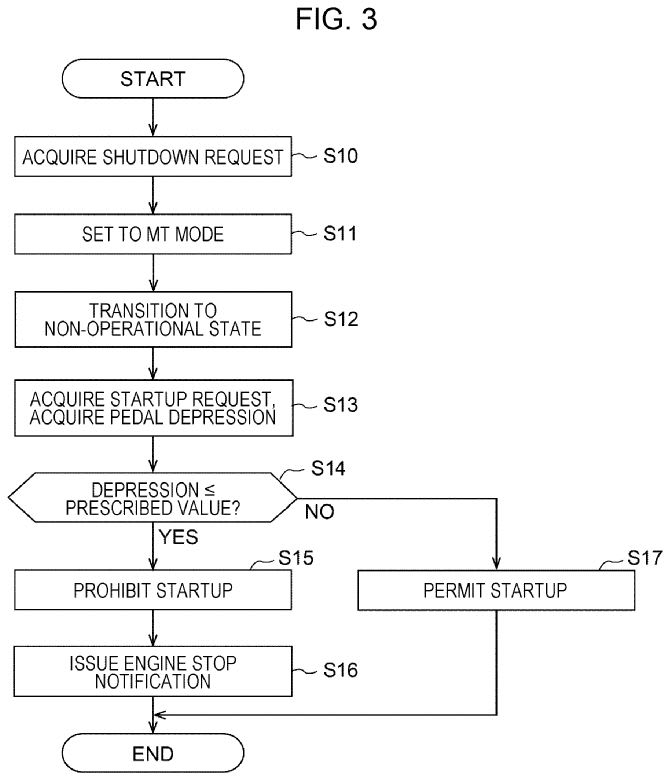
Let’s start with the most unique feature of this patent: the mandatory clutch start logic.
Those who are familiar with manual petrol cars know that pressing the clutch before starting the engine is a basic step—it’s both a safety habit and a kind of ritual.
Subaru has brought this habit intact to electric vehicles. Even though EVs have no traditional idling, you must press the simulated clutch pedal to start the system before switching to driving mode.
Interestingly, even when using autonomous driving or automatic shifting modes, this sense of ritual remains.
Internally, this feature is known as the Anti-Rollout Device. Besides bringing back that nostalgic feel, its more practical role is to prevent mishandling. If you attempt to shift without pressing the clutch, the system will cut motor power, simulating the jerk of a stalling petrol car. Such attention to detail is indeed rare in the current EV market.
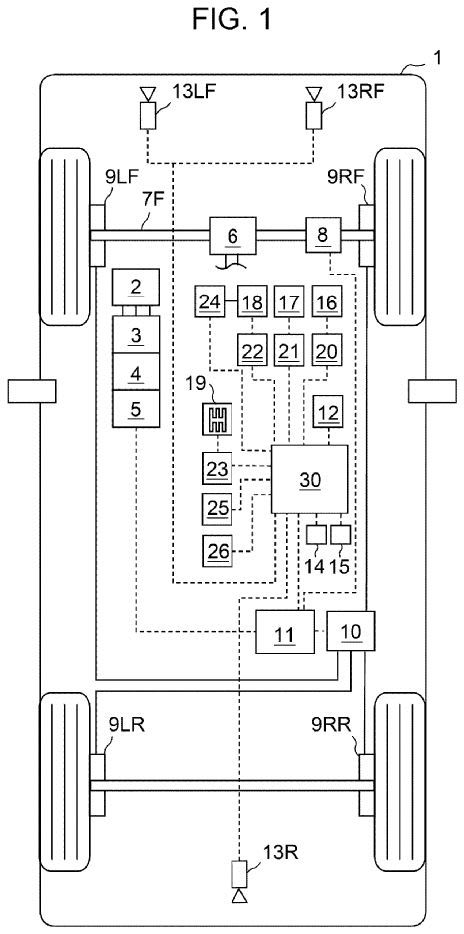
Of course, don’t get fooled by the term “manual transmission.” It doesn’t actually have a multi-gear gearbox; essentially, this is Subaru’s torque trick, similar in concept to the approach Toyota showcased with its electric prototypes, but with even more hardcore details.
The whole system depends on sensors and algorithms to control the motor’s output. The clutch pedal and gear lever aren’t mechanically linked; they basically work as switches that send electronic signals.
The clutch pedal comes with a force feedback simulator, and different virtual gears provide varying levels of resistance. The weight and engagement points can all be adjusted via software.
During shifts, the system alters the motor’s torque output to mimic the feel of different gear ratios, allowing you to clearly feel the process of power interruption and connection. If you release the clutch too fast, you’ll even feel the frustration of stalling. This deliberate imperfection is exactly what Subaru is going for, because a drive that’s completely smooth and uneventful would actually take away the joy for those who love being in control.
The brilliance of Subaru lies in its balanced approach. This system supports seamless switching between manual and automatic modes, perfectly resolving the pain points of manual transmissions in traffic jams.
When you feel like having fun, just switch to manual mode, step on the clutch, and shift gears like driving a Subaru STI to enjoy the pure pleasure of driving engagement.
When commuting in traffic, switch back to automatic mode, and it becomes a smooth and quiet standard electric car, balancing nostalgia with practicality.
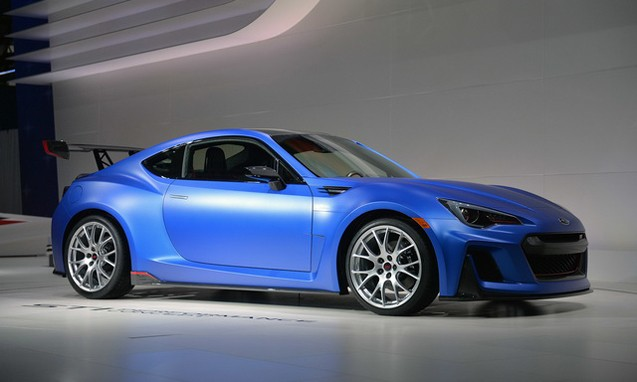
Even more exciting is the rumour that Subaru is developing a special STI tuning mode. In this mode, the motor will completely mimic the torque characteristics of the EJ20 or FA24 engines, even including the fuel cutoff sensation at redline. Together with simulated engine sounds that match the action and instant maximum torque feedback when you drop the clutch, this setup comes remarkably close to recreating the driving experience of a petrol-powered STI in an electric car.
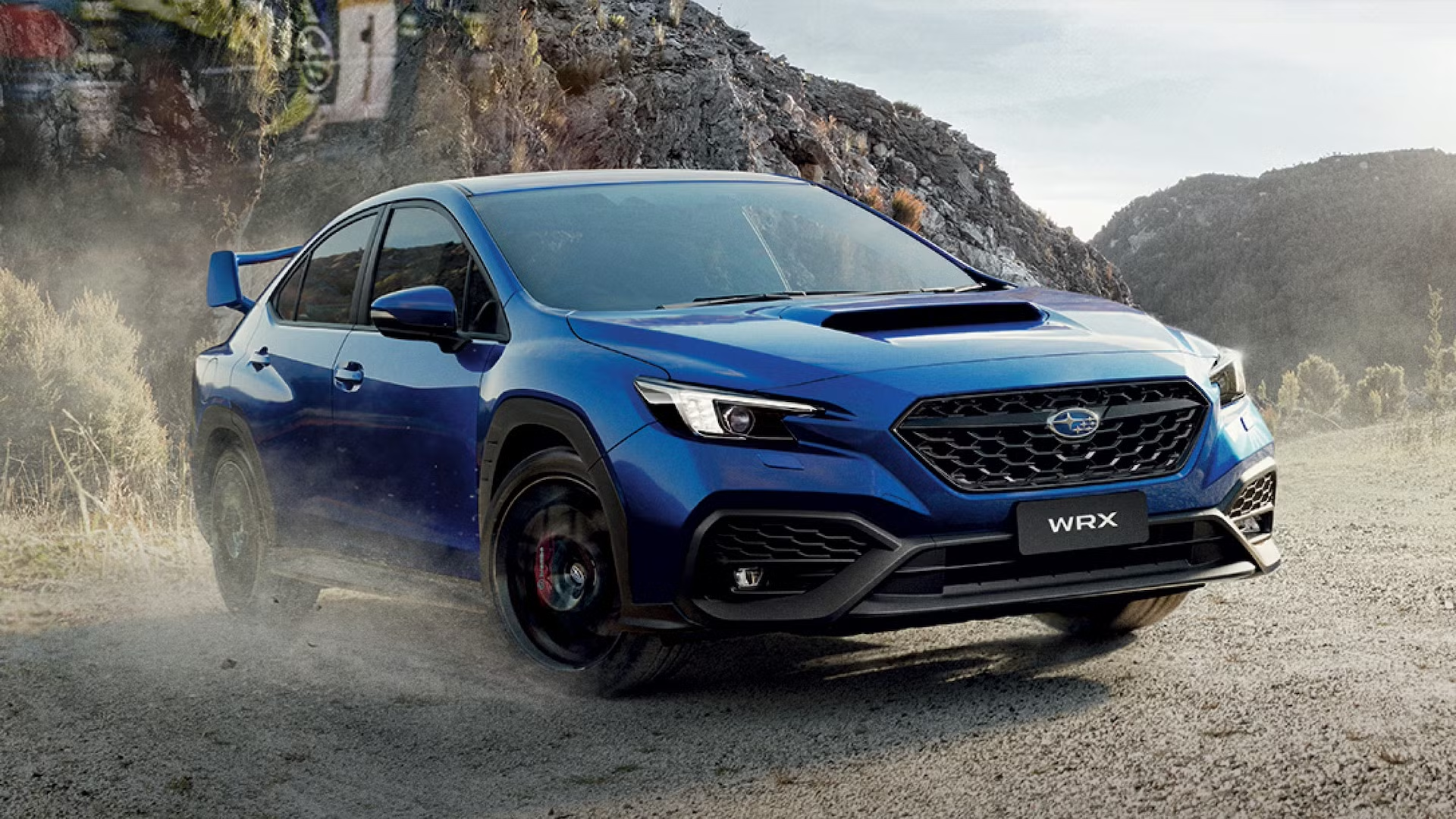
So why is Subaru putting in so much effort to create a simulated manual transmission? The answer really comes down to its brand DNA.
Subaru has always emphasized driving engagement. Classic models like the WRX and STI became fan favorites not because of flashy specifications, but because of their pure driving pleasure.
Now, as electrification becomes an inevitable trend, these iconic models will eventually transition to electric. However, Subaru is concerned that the rather monotonous feel of pure electric cars, similar to oversized go-karts, could put off hardcore enthusiasts.
And this simulated manual system is Subaru’s way of retaining its fans. It’s not selling technology; it’s selling emotion—a commitment to preserving the soul of traditional performance cars in the electric era.
It's worth noting that while Subaru isn't alone in this endeavour, its approach differs significantly from Toyota's.
Toyota previously showcased a prototype of the electric Levin, which also features a simulated manual shifting function, but it’s more of an optional feature that can be deactivated at any time.
On the other hand, Subaru’s system emphasizes adhering to the rules of manual transmission, starting with the mandatory use of a clutch. This hardcore adherence is more in line with Subaru’s brand identity.
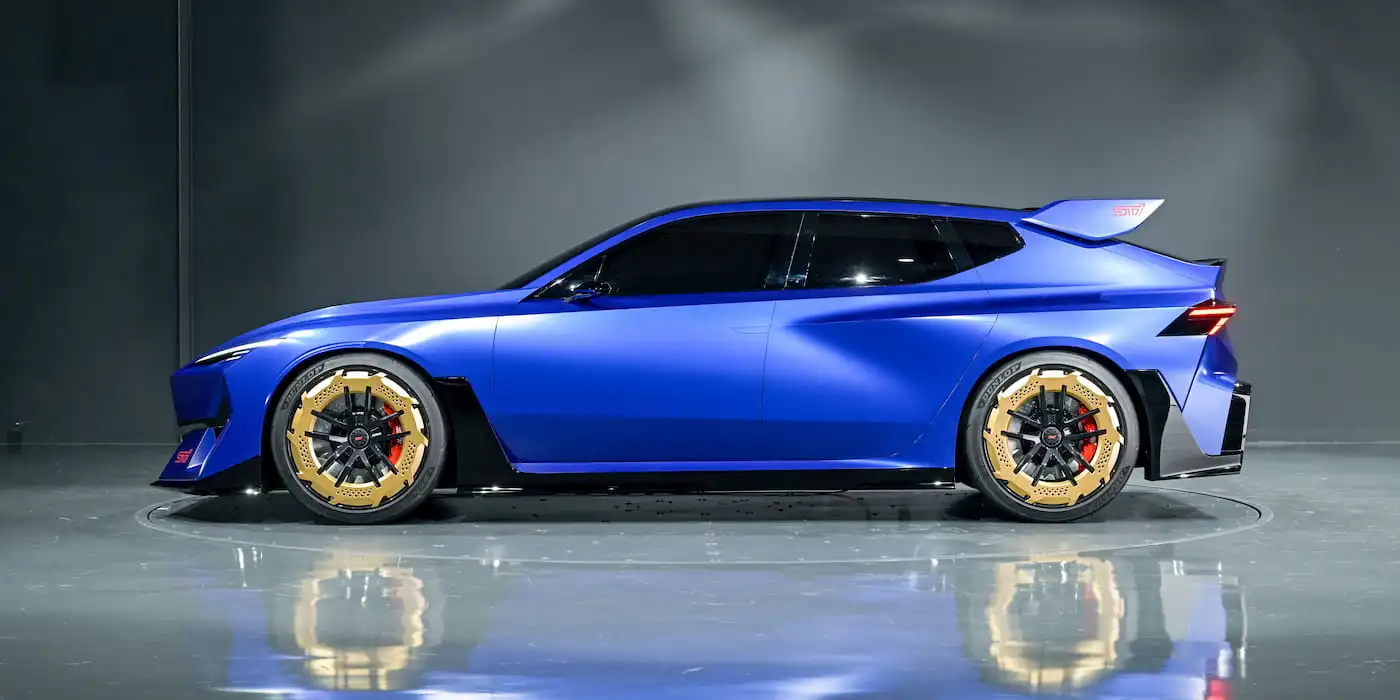
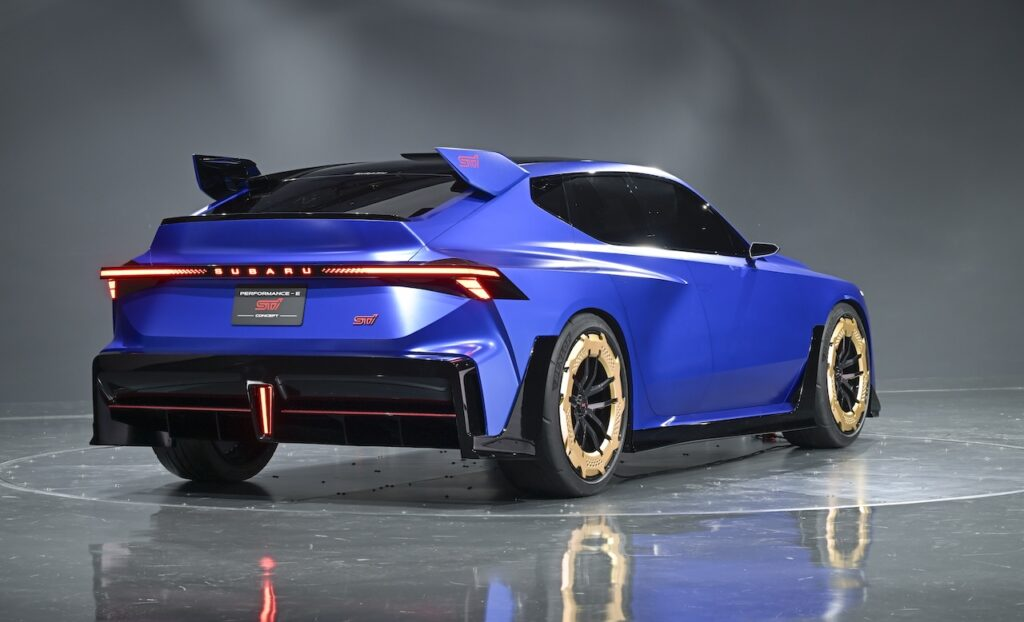
And all of this is likely to debut with the Performance-E STI Concept car, which will be showcased at the Tokyo Auto Salon in January 2026. This model, widely regarded as a preview of the all-electric WRX STI, already features a six-speed manual shift lever and three pedals in its cabin, clearly tailored for this system.
This patent may be questioned by many as redundant. After all, electric vehicles aim for efficiency and smoothness, so why deliberately simulate the complexities of a manual transmission?
But in my opinion, Subaru’s effort actually offers another possibility for electrifying performance cars. Today, many electric vehicles are competing in acceleration, range, and intelligence, gradually forgetting the true meaning of driving itself. Subaru's system isn't about rejecting the trend, but about preserving the passion and retaining those who truly love driving.
If any infringement occurs, please contact us for deletion










Popular Cars
Model Year
Car Compare
Car Photo