
Q
What's the price of the Audi Q3 2021?
 SailorAdventOct 16, 2025, 05:19 PM
The 2021 Audi Q3 in Malaysia ranges roughly from RM230,000 to RM280,000, depending on the trim and specs. Exact pricing might shift a bit with dealer promotions or optional extras. Under the hood, you're looking at either a 1.4L or 2.0L turbocharged engine, with choices between front-wheel drive or quattro all-wheel drive – a solid pick if you're after a luxury compact SUV. Inside, it's got Audi's Virtual Cockpit setup, with a standard 10.1-inch touchscreen and Apple CarPlay, among other features. Compared to its classmates, the Q3 stands out with its tech-forward vibe and brand cachet, though maintenance costs do run a touch higher than your typical Japanese rivals. Pro tip: Before signing on the dotted line, hit up an authorized showroom for a test drive and maybe check out used car market trends for different model years too. And given Malaysia's hot, rainy weather? Don't skip regular checks on the sunroof drainage and turbo cooling systems – they're total lifesavers.
Special Disclaimer: This content is published by users and does not represent the views or position of PCauto.
Related Q&A
Q
What engine is in the 2023 Q3?
The 2023 Audi Q3 offers multiple powertrain options tailored to different markets. The most common choice is the 2.0-liter turbocharged four-cylinder engine, available in two states of tune: a base version delivering 184 horsepower and a higher-output variant pushing 228 hp. Both pair with a 7-speed dual-clutch transmission, while select models get Audi’s quattro all-wheel drive for balanced daily driving refinement and sporty character.
This engine benefits from Audi’s advanced direct fuel injection and variable valve timing, boosting performance without sacrificing efficiency. For those craving more punch, the SQ3 steps up with a specially tuned 2.0T churning out 310 hp, rocketing from 0-100 km/h in just 4.8 seconds.
Notably, its modular design simplifies maintenance, and Audi’s proven turbo tech ensures solid reliability. Eco-conscious buyers can opt for a mild-hybrid setup with a 48V system that trims fuel consumption—a competitive edge in this segment.
 CascadeDec 2, 2025
Q
Is a 2023 Audi Q3 a good car?
The 2023 Audi Q3 is a well-rounded luxury compact SUV that strikes a great balance between brand prestige and everyday usability. Under the hood, you'll find either a peppy 1.4T or more powerful 2.0T turbocharged engine, both paired with Audi's smooth-shifting 7-speed dual-clutch transmission. It delivers decent fuel economy for daily commutes while still offering confident highway overtaking power.
Inside, the Q3 features Audi's signature Virtual Cockpit with a standard 10.25-inch digital instrument cluster and an 8.8-inch infotainment touchscreen (upgradable to 10.1 inches in higher trims). The MMI system supports Apple CarPlay and Android Auto, keeping the tech experience ahead of many rivals. Practical touches include sliding/reclining rear seats and a versatile cargo area that expands to 1,525 liters—perfect for family trips.
Safety is solid, with standard autonomous emergency braking, lane-keeping assist, and seven airbags, earning it a Euro NCAP five-star rating. Just note that some markets might miss features like panoramic sunroofs or adaptive cruise control, so check local specs.
While the BMW X1 offers more rear legroom and the Volvo XC40 shines in safety tech, the Q3 holds its own with sharper interior finishes, strong brand appeal, and that typical German driving feel. It's particularly appealing for young families or drivers who want a premium badge without sacrificing everyday practicality.
 FriendshipBondTightDec 2, 2025
Q
How much is a 2023 Q3?
The locally assembled 2023 Audi Q3 is priced between approximately RM250k to RM300k depending on specifications, with possible variations due to optional extras or ongoing promotions. This compact SUV offers two powertrain options - a 1.4T and 2.0T engine, featuring standard tech like Virtual Cockpit and a 10.1-inch infotainment screen, while higher trims come with quattro all-wheel drive.
Audi Malaysia is currently offering low-interest financing for selected models, so we'd recommend checking with authorized dealers for the latest quotes and test drive arrangements. Its main rivals - the BMW X1 and Mercedes-Benz GLA - have similar starting prices, though the Q3 tends to appeal more to young families with its sportier styling and versatile rear seating.
Just a heads-up: maintenance costs for premium brands typically run about 30% higher than mainstream models - a basic service (including oil change) averages RM800 to RM1,200. It's worth factoring in long-term ownership expenses before making your decision.
 SkaterRinkDec 2, 2025
Q
What's the release date of the all-new Audi Q3?
Audi Malaysia hasn't officially pinned down an exact launch date for the all-new Q3 just yet, but if we go by global market trends and how they've rolled out new models in the past, we're betting it could hit local showrooms sometime in 2024. Word on the street is the new Q3 might pack upgraded powertrains, including a more efficient 1.5TFSI mild hybrid and the tried-and-tested 2.0TFSI engine. Inside, expect the latest MMI infotainment system and a suite of driver assistance tech to keep things fresh.
For Malaysian buyers, the Audi Q3 has long been a solid pick in the premium compact SUV segment. Its blend of sharp handling and everyday practicality makes it a good fit for our diverse road conditions. If you're shopping around this class, it's worth keeping an eye on the updates for the BMW X1 and Mercedes-Benz GLB too – these three German contenders each bring their own strengths to the table when it comes to specs and pricing.
When it comes time to sign on the dotted line, don't forget to factor in Malaysia's import tax policies – they can definitely play a role in the final sticker price and how long you'll wait for delivery. If you're keen, your best bet is to stay tuned to Audi Malaysia's official website or pop by your nearest authorized dealer for the latest scoop.
 RiderJourneyHorizonOct 16, 2025
Q
How many seats is the Audi Q3 equipped with?
The Audi Q3, a luxury compact SUV, comes standard with a 5-seat configuration in the Malaysian market, featuring a 2+3 seating layout that caters perfectly to daily family trips or outings with friends. The rear seats fold down in a split to flexibly expand the cargo space—super handy for those weekend getaways. What really stands out though is the Q3's seat design, which strikes a great balance between support and comfort. The higher trim models even get leather upholstery and power-adjustable seats, a total lifesaver for those long drives in Malaysia's hot weather.
In its class, the Mercedes-Benz GLA and BMW X1 also offer 5-seat setups, but the Q3 edges them out with its improved rear headroom and panoramic sunroof—both big wins for enhancing passenger comfort in our tropical climate. If you're dead set on 7 seats, then the Audi Q5L or other SUVs from the brand would be better options to explore.
When shopping for a Q3 in Malaysia, it's smart to weigh up your actual passenger needs against the vehicle's size and parking ease. Also, keep in mind that some variants might have configuration differences due to import policies—always check the fine print before signing on the dotted line.
 DriverRouteOct 16, 2025
Q
When was the Audi Q3 first launched?
The Audi Q3 made its global debut at the 2011 Shanghai Auto Show in China, hitting the worldwide market the same year. As a compact luxury SUV in Audi's lineup, it slotted nicely into the gap between the Q5 and the smaller Q1. Over in Malaysia, the Q3 arrived a bit later, starting to roll into showrooms roughly between 2012 and 2013—exact timing could vary slightly depending on dealerships and market demand.
Right out of the gate, the Q3 struck a chord with Malaysian luxury SUV buyers, thanks to its sleek interior, cutting-edge tech features, and peppy yet efficient powertrains. A key selling point? Audi offered multiple engine options in Malaysia, including both petrol and diesel variants, so drivers could pick what best suited their needs.
Like any standout model, the Q3 has kept evolving. We saw the second-generation launch in 2018, followed by a mid-cycle refresh in 2021. These updates kept the styling fresh and the tech up-to-date, ensuring it stays competitive in the crowded compact luxury SUV segment.
For Malaysian motorists, the Q3 isn't just a city slicker. Its raised ride height and available quattro all-wheel drive mean it can handle the occasional weekend adventure too. It's that perfect blend of everyday practicality and premium feel that makes it such a solid choice.
 RubyRedGlowOct 16, 2025
Q
What is the main difference between the Audi Q3 and Audi Q5?
The key differences between the Audi Q3 and Q5 boil down to their positioning, size, and powertrain setups. The Q3 is your compact SUV – nimbler, more city-friendly with its tighter dimensions. It rides on a roughly 2.68-meter wheelbase and offers around 530 liters of boot space. The Q5, on the other hand, steps up to the mid-size SUV category, meaning more room all around. Its wheelbase stretches to about 2.82 meters, and the boot swells to approximately 550 liters, making it the better pick for family getaways.
Both come with turbocharged engines, but the Q5 takes it up a notch with higher power outputs on offer – some markets even get the sporty SQ5 variant. The Q3, though, leans more towards fuel efficiency. Over in Malaysia, you're looking at a roughly 30% to 50% price premium for the Q5 compared to the Q3.
When it comes to kit, the Q5 comes standard with Audi's quattro all-wheel drive, while the Q3 makes it an optional extra on some trims. Tech-wise, both feature Audi's Virtual Cockpit and MMI system, but the Q5 gets a larger screen and more upscale interior materials. Under the skin, the Q5 benefits from a more sophisticated multi-link suspension setup, translating to superior ride comfort.
It's worth noting that Malaysia's hot and rainy climate demands robust cooling and air-conditioning systems, and Audi has upped the ante in both models to cope. Ultimately, your choice hinges on budget and usage. For daily urban commutes, the Q3 is the more economical choice. But if you're frequently hitting the highway or carrying more passengers, the Q5 is the way to go.
 PilotFlightOct 16, 2025
Q
How to permanently turn off the auto start-stop function of the Audi Q3?
If you're an Audi Q3 owner looking to permanently disable the auto start-stop function, here's the deal: Audi doesn't officially offer a built-in permanent off switch. That's mainly to meet strict environmental regulations and fuel efficiency standards these days. But there are workarounds to get that "always off" effect you want.
The go-to method is the good old manual override—just hit the auto start-stop button on the center console every time you fire up the engine. Yeah, it's a bit of a repetitive chore, but hey, it's simple and totally reliable with zero risk.
Now, some owners opt for the OBD port route, using it to flash the ECU and permanently shut the system down. But heads-up: messing with ECU programming could potentially void your warranty or cause issues during vehicle inspections. Play it safe and check with your Audi authorized service center first to make sure that's even legal in your area.
Let's not forget why this system exists in the first place, though. It's designed to cut down on fuel waste and emissions when you're idling—super handy in Malaysia's bumper-to-bumper city traffic, where it can actually save you around 5-8% on fuel over time.
If the constant starting and stopping is really cramping your driving style, besides switching it off, you can try feathering the brake pedal to control when the system kicks in. It takes a bit of practice, but it's a useful trick for stop-and-go traffic.
One last thing to keep in mind: your battery's health directly affects how well auto start-stop works. If you notice the system acting up or not engaging when it should, that might be your car's way of telling you the battery is on its last legs and due for a replacement.
 StrongWillOct 16, 2025
Q
Which model of the Audi Q3 is the best?
In the Malaysian market, the most well-rounded and highly recommended model in the Audi Q3 lineup is the 2023 Audi Q3 45 TFSI quattro S line. Under its hood lies a 2.0-liter turbocharged engine churning out a healthy 228 horsepower and 350 Nm of torque. Paired with a 7-speed S tronic dual-clutch gearbox and Audi's legendary quattro all-wheel drive system, this Q3 handles everything from city commutes to the occasional weekend escape with ease. The S line package adds those sporty exterior tweaks and interior accents that really appeal to a younger crowd's taste.
If your budget is a bit tighter, the entry-level Q3 35 TFSI is still a solid pick. Its 1.4-liter turbo engine is more than adequate for daily driving, and it's easier on fuel too.
Broader considerations when picking your Q3 should align with your personal needs. Tech-wise, the higher-spec models come standard with the 12.3-inch Virtual Cockpit and a 10.1-inch infotainment screen, which definitely elevate the user experience. For safety, features like Lane Keeping Assist and Adaptive Cruise Control prove super handy on long drives.
Given Malaysia's hot and rainy climate, splurging on the ventilated seats and Matrix LED headlights is a smart move for added comfort and safety. Plus, Audi's authorized service centers are spread out across all major cities in the country, making routine maintenance and any necessary repairs a breeze.
 SparklingOct 16, 2025
Q
How to unlock Audi Q3 without the key?
If you’ve accidentally locked your Audi Q3 keys inside the car or lost them, here are some ways to get back in. First off, reach out to Audi’s official roadside assistance or an authorized dealer. They can verify your ownership using the VIN and then provide professional unlocking services—this is the safest option and won’t damage your vehicle.
Another option: if your Q3 is equipped with Audi Connect, you can unlock it remotely via the mobile app, but only if the car has a network connection and the service is activated. In Malaysia, some professional auto locksmiths can also help, but make sure to go with certified technicians to avoid messing up the door locks or electronic systems.
Heads-up though: trying to unlock modern cars yourself with tools like coat hangers is a bad idea. It’ll likely trigger the alarm and could even damage the weatherstripping or paint. This goes double for models with keyless entry—leave non-professional attempts alone.
Pro tip: Keep a spare key in a secure spot or consider key insurance for peace of mind. If you do lose your keys, head to an authorized service center ASAP to reprogram the key system. With car thefts still happening in Malaysia, it’s better to be safe than sorry.
While these tips work for other car brands too, the exact steps might vary, so keep that in mind.
 PetalSoftOct 16, 2025
Popular Cars
Model Year
Car Compare
Car Photo
Related Models
 Cars
CarsLatest Q&A
Q
Is AMT similar to automatic?
There are significant differences between AMT transmissions and automatic transmissions (AT) in terms of core structure and driving experience. AMT is essentially an electronically automated version of a manual transmission, simulating manual clutch operation and gear shifting through a computerized control system while retaining the gear set structure of manual transmissions. As a result, it offers higher transmission efficiency, with fuel consumption approximately 8%-12% lower than AT, making it particularly suitable for highway or long-distance driving. However, it may exhibit jerking similar to manual transmissions during low-speed gear shifts, especially noticeable in congested traffic conditions.
AT transmissions rely on torque converters for power transfer, delivering smooth and seamless gear shifts that appeal to comfort-oriented users. However, their complex structure (incorporating planetary gear sets, hydraulic systems, etc.) results in higher maintenance costs. A single service may cost between 800 to 1,500 ringgit, whereas AMT only requires gear oil replacement at approximately 400 ringgit.
From a market perspective, AMT is predominantly used in budget vehicles or commercial models priced below 80,000 ringgit, while AT is typically featured in mid-to-high-end vehicles. Consumers should select based on actual needs: AMT suits those prioritizing fuel efficiency and low maintenance costs, while AT better serves those valuing comfort. Notably, recent advancements in AMT electronic control technology have significantly mitigated jerking issues, though test drives should still emphasize low-speed performance evaluation.
 AriaMar 26, 2026
Q
Which is better, DCT or AT?
DCT (Dual-Clutch Transmission) and AT (Automatic Transmission) each have their own advantages and disadvantages, and the choice should be based on personal driving needs. AT transmissions transfer power through a torque converter, offering excellent shift smoothness, making them suitable for urban commuting or novice drivers. However, they tend to have higher fuel consumption, and vehicles equipped with them are usually more expensive. DCT transmissions utilize a dual-clutch structure, featuring fast shift speeds and high power transmission efficiency, which provides a more direct driving experience—particularly suitable for users seeking a sporty feel. However, they may exhibit jerking at low speeds and have relatively high maintenance costs. If durability and comfort are priorities, AT is the more reliable choice; if power responsiveness and driving pleasure are preferred, wet DCT (such as Volkswagen DSG) performs better, though dry DCT models should be avoided in prolonged stop-and-go traffic conditions. Additionally, CVT transmissions excel in smoothness and fuel efficiency, making them ideal for daily commuting, but they lack driving excitement. It is recommended to test-drive before purchasing, as tuning varies significantly across brands, and real-world experience is more important than theoretical specifications.
 FlutteringMar 26, 2026
Q
Is Amt good or bad?
AMT gearboxes have a significant cost advantage in the local market, typically being around 5,000 Ringgit cheaper than models equipped with conventional automatic transmissions. Their fuel efficiency is comparable to manual transmissions, resulting in long-term fuel savings. Featuring a straightforward design, they achieve transmission efficiency exceeding 90% with relatively low maintenance costs, making them ideal for practicality-oriented consumers. However, their shifting logic contains inherent limitations: gear changes between 1st and 2nd cause 0.3-0.5 second power interruptions, while unintended upshifts on inclines may reduce engine speed by 15%-20%, compromising driving smoothness. For urban commuters or budget-conscious buyers, AMT offers excellent value, though those prioritizing premium driving dynamics should consider alternative transmission types. Some domestic models like the Perodua Axia employ enhanced AMT systems, where optimized shift programming has reduced gearshift shock by approximately 30%.
 RainbowsMar 26, 2026
Q
Which gives better mileage, CVT or AMT?
From the perspective of fuel economy, CVT transmissions generally perform better under urban driving conditions. Their continuously variable design allows the engine to consistently operate within the optimal speed range, significantly reducing fuel consumption during frequent starts and stops. Test data shows that their fuel consumption in urban driving conditions is 10% to 15% lower than that of comparable models. AMT transmissions, on the other hand, inherit the high transmission efficiency of manual transmissions, delivering fuel efficiency close to manual transmissions during high-speed cruising. This makes them particularly suitable for long-distance driving in large-displacement vehicles. However, due to power interruption during gear shifts, their overall fuel consumption may be 5% to 8% higher than CVTs.
The difference in fuel-saving characteristics between the two transmissions stems from their technical principles: CVTs achieve continuous variability through steel belts and pulleys, eliminating the fixed gear ratio limitations of traditional transmissions; AMTs simulate manual gear changes via electronic control systems while maintaining the mechanical efficiency of gear transmission. Notably, actual fuel consumption is also influenced by driving habits. Smooth acceleration and anticipatory deceleration can maximize the transmissions' fuel-saving potential. If the vehicle budget permits and urban commuting is the primary use, CVTs offer a more economical choice. For frequent highway driving with an emphasis on cost-effectiveness, AMTs are equally worth considering.
 RubyBlazeMar 26, 2026
Q
Which is cheaper, AMT or CVT?
In terms of gearbox cost, AMT is usually more economical than CVT. Essentially, AMT is a manual transmission equipped with an electronic control unit, featuring a simple structure and low maintenance costs. The unit price ranges from approximately 5,000 to 8,000 ringgit, making it suitable for budget-conscious consumers or those who prioritize long-term operating costs. CVT incurs higher manufacturing costs due to its precision steel belt transmission system and continuous variable transmission technology, with a unit price of about 7,000 to 10,000 ringgit. However, it delivers a smoother driving experience and superior fuel efficiency. The primary differences between the two lie in technical complexity: AMT retains the gear-shifting mechanism, resulting in noticeable shift shock; CVT achieves linear power output through stepless speed variation but requires periodic belt inspection and incurs higher maintenance expenses. For those prioritizing initial cost and basic transportation needs, AMT offers better value; if comfort and long-term fuel economy are priorities, CVT represents a more worthwhile investment. Note that actual prices may vary based on vehicle model, brand, and local supply chain factors.
 ShadowProwlMar 26, 2026
Related News
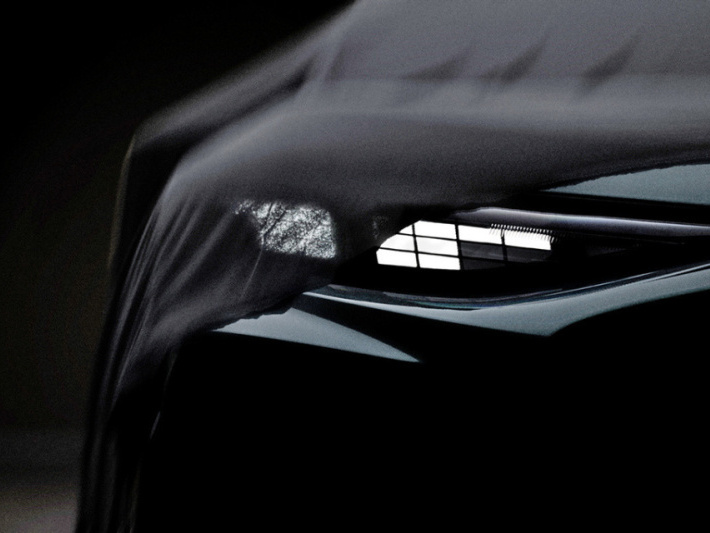
Beyond Expectations: All-New Audi Q3 Coming June 16
RobertJun 13, 2025

Audi A8 discontinued, successor to be released in the next decade
RobertMar 19, 2026

Audi's version of the "G-Wagen" is coming? Developing a rugged 4x4 with the help of the Scout platform
JamesMar 10, 2026

Audi RS6 sedan version may return to compete fully with the BMW M5
WilliamNov 21, 2025

Audi TT Moment 2.0 Debuts This September on Porsche EV Platform
MichaelAug 1, 2025
View More
Pros
Cons