
Q
How to change the headlight bulb of Kia Cerato?
 JoggerPaceEnduranceOct 16, 2025, 05:25 PM
Here's how to swap out the headlight bulb in your Kia Cerato. First off, make sure the car's turned off and cooled down, then pop the hood. Locate the waterproof cap at the back of the headlight assembly and twist it counterclockwise to remove it. Unplug the electrical connector, then press down on the metal clip to release the old bulb—be careful pulling it out, and avoid touching the glass part with your fingers. When installing the new bulb, double-check it's the right type (like H7 or HB3) and again, keep those fingerprints off the glass; the oils from your skin can shorten its lifespan. Once it's in, test the lights to make sure they're working before buttoning everything back up.
For Malaysian owners, remember to pick bulbs that meet JKKP standards to stay street-legal. It's also a good idea to check the headlight's seal before the rainy season hits to prevent water from getting in and causing a short. If you're not confident doing this yourself, give the owner's manual a read or hit up a pro mechanic. Keeping the lens clean regularly can also help boost visibility. Halogen bulbs typically last around 500 hours, while LED or HID options are more durable but come with a higher price tag—choose the upgrade that fits your needs best.
Special Disclaimer: This content is published by users and does not represent the views or position of PCauto.
Related Q&A
Q
Does the 2019 Kia Cerato have Apple CarPlay?
The 2019 Kia Cerato did come equipped with Apple CarPlay, which was a pretty standard tech feature for its class at the time. It lets you mirror your iPhone’s navigation, music, and calls onto the car’s display via USB—handy for keeping things safe and convenient on the road. Android Auto was also onboard, so it covered both major phone ecosystems. The 8-inch touchscreen was responsive, with a clean interface that made it easy to use.
Just a heads-up: for the best CarPlay experience, make sure your iPhone’s OS is compatible and use an original cable. Back in 2019, rivals like the Toyota Corolla and Honda Civic offered similar tech, but the Cerato stood out for its value, especially if you wanted solid features without overspending. If you run into any hiccups with CarPlay, the owner’s manual or a dealership visit should sort you out.
 MoonlitDec 2, 2025
Q
What is the fuel economy of the Kia Cerato 2019?
The 2019 Kia Cerato delivers pretty solid fuel efficiency, though the numbers vary depending on the transmission. The 1.6L naturally aspirated engine paired with the 6-speed automatic gets around 8.5L/100km in the city and 5.5L/100km on the highway, with a combined figure of roughly 6.8L/100km. Opt for the 2.0L engine, and you're looking at slightly higher consumption—about 7.2L/100km combined. Of course, real-world mileage can swing based on driving style, road conditions, and how well you maintain the car.
To squeeze out every extra kilometer, stick to the maintenance schedule—replace air filters, use the right oil, and keep those tires properly inflated. Smooth driving helps too; lay off the aggressive throttle and hard braking if you want to save fuel.
As a practical daily driver, the Cerato’s fuel economy sits comfortably above average for its class, whether you're commuting or hitting the highway. If you're hyper-focused on efficiency, the hybrid version is worth a look—just weigh the higher upfront cost against long-term savings at the pump.
 ShadowDec 2, 2025
Q
What is the power of the 2019 Kia Cerato GT?
The 2019 Kia Cerato GT packs a punch with its 1.6-liter turbocharged four-cylinder petrol engine, delivering 204 horsepower (150 kW) and a solid 265 Nm of torque. Paired with a 7-speed dual-clutch transmission, this setup offers genuinely exciting performance – perfect for drivers who crave some fun behind the wheel.
What stands out is how this powertrain stacks up against rivals in its class. The turbo tech gives you strong low-end grunt, making city driving and highway overtakes effortless. Kia also threw in sport-tuned suspension and drive mode selectors to sharpen the handling.
A quick heads-up though: while turbo engines deliver great performance, they do demand proper care. Stick to regular oil changes with quality lubricants to keep that turbo happy long-term.
When you cross-shop this against competitors like the Honda Civic Turbo or Toyota Corolla Altis, the Cerato GT holds its own with a more attractive price tag and solid specs. It’s a smart pick for budget-conscious buyers who still want some proper driving excitement.
 WhisperDec 2, 2025
Q
What is the fuel consumption of the Kia Cerato 2019?
The 2019 Kia Cerato's fuel efficiency varies depending on engine options and driving conditions. The 1.6L Gamma naturally aspirated engine delivers around 7.5-8.2L/100km in city driving, dropping to 5.8-6.3L/100km on the highway. The 2.0L version consumes roughly 0.5L more per 100km across both scenarios. Real-world figures may fluctuate based on driving style, road conditions, and maintenance status.
Equipped with a six-speed automatic transmission, the Cerato offers above-average fuel economy for its class, making it a solid choice for daily commutes and longer trips. To maximize efficiency, stick to regular maintenance—like replacing air filters and spark plugs—keep tires properly inflated, and avoid aggressive acceleration or braking.
Keep in mind that official fuel consumption data comes from lab tests, so your actual results might differ. Under mixed driving conditions, expect a combined average of 6.5-7.5L/100km, though your mileage will ultimately depend on how and where you drive.
 SunbeamDec 2, 2025
Q
What size engine is in the 2019 Cerato?
The 2019 Cerato comes with two engine options: a 1.6L and a 2.0L naturally aspirated four-cylinder gasoline unit. The 1.6L delivers 128 horsepower and 156 Nm of torque, while the 2.0L pushes out 152 hp and 192 Nm. Both engines pair with either a 6-speed manual or a 6-speed automatic transmission, offering smooth performance and decent fuel efficiency.
Naturally aspirated engines have their perks—simple design, lower maintenance costs, and solid reliability, making them great for daily commuting. The Cerato’s powerplants are no exception, with a reputation for being durable and fuss-free. If fuel economy is your priority, the 1.6L is the more budget-friendly pick. But if you want extra punch for highway driving or just prefer stronger acceleration, the 2.0L is the way to go.
Plus, the Cerato’s comfort-tuned chassis works well with both engines, delivering a composed ride whether you’re navigating city streets or cruising on long trips.
 FrostyDec 2, 2025
Q
How much is a Kia Cerato 2019?
The 2019 Kia Cerato typically goes for RM60k to RM80k on the used market, depending on factors like condition, mileage, trim level, and whether it's still under factory warranty. Higher-spec versions like the GT Line or models with the 1.6L turbo engine will command a premium.
This car's got a lot going for it – sleek styling, generous kit (think 8-inch touchscreen, Apple CarPlay/Android Auto, smart key), and solid reliability. Plus, it's easy on fuel, making it a practical daily driver.
If you're shopping for a used Cerato, prioritize units with full service history and check for any outstanding recalls. It's also worth cross-shopping rivals like the Honda Civic (more sporty) or Toyota Corolla (bulletproof reputation) – test drive a few to see what suits your needs best.
 EmeraldDec 2, 2025
Q
Is the 2019 Kia Cerato a good first car?
The 2019 Kia Cerato is a solid pick for young Malaysians looking to buy their first car. Styling-wise, it rocks that sleek tiger-nose grille and a streamlined body that totally fits what young folks want these days. Inside, you've got an 8-inch touchscreen with Apple CarPlay and Android Auto – all the useful tech stuff that makes the daily drive more connected and fun. Under the hood, there's a 2.0L naturally aspirated engine pumping out 152 hp and 192 Nm of torque, mated to a 6-speed auto box. The power delivery is smooth, and it's pretty fuel-efficient too, which is perfect for city cruising.
Safety-wise, it comes standard with 6 airbags, stability control, and a reverse camera – all the essentials for Malaysian roads. Space is another plus; that 502-liter trunk is actually pretty decent for family use when you need to haul stuff around.
When it comes to maintenance, Kia has a pretty solid after-sales network in Malaysia, so parts aren't too hard to come by, and servicing costs are about average for the class. Resale value holds up reasonably well too, so if you decide to upgrade after a few years, you won't take too big a hit.
One thing that stands out is the Cerato's comfort-focused suspension setup – it does a great job ironing out Malaysia's varied road surfaces. The noise insulation is also better than a lot of its competitors. All in all, the 2019 Cerato strikes a nice balance between performance, features, and price, making it a really compelling option for an entry-level sedan.
 LavenderHazeOct 20, 2025
Q
Is the 2019 Kia Cerato good on gas?
The 2019 Kia Cerato holds its own when it comes to fuel efficiency, making it a solid pick for daily commutes around Malaysia. Under the hood, you've got the 1.6-liter Gamma engine paired with a 6-speed automatic transmission. Official figures peg the combined fuel consumption at around 6.2 liters per 100 km, with city driving coming in at about 7.5 liters/100 km and highway cruising dropping to roughly 5.5 liters/100 km. That puts it comfortably above average for the class, which is definitely appealing if you're watching your budget and fuel costs closely.
Beyond just sipping fuel, the Cerato also comes with Drive Mode Select, offering Eco, Normal, and Sport settings. Eco mode is your buddy for squeezing out every last kilometer in stop-and-go city traffic, while Sport mode sharpens up the throttle response for when you want a bit more fun behind the wheel.
And hey, don't sleep on regular maintenance – keeping things like the air filter fresh, using the right viscosity oil, and making sure your tires are properly inflated will all help keep that fuel economy in check. Now, if you're chasing even better MPG, there are hybrid options in the same segment to consider, but the Cerato still stands strong as a well-rounded contender with a good balance of value and overall performance.
 PeachBlossomOct 20, 2025
Q
Does the 2019 Kia Cerato have a sunroof?
The 2019 Kia Cerato did offer sunroof-equipped versions in the Malaysian market, but it's worth noting that this feature was typically reserved for the higher-spec trims, like the GT Line or certain special packages. The base models probably skipped out on it. A sunroof isn't just about letting in light and fresh air – it really ups the overall driving and riding experience, especially in Malaysia's tropical climate where cracking it open can help kickstart that heat escape nicely. The 2019 Cerato, being a popular compact sedan, already had a lot going for it with its sharp looks, decent interior quality, and tech features. Adding a sunroof just gave it an extra edge in the market. If you're hunting for a used one or considering this model, my advice is to check the specific vehicle's specs sheet or hit up a dealer to confirm. You know how specs can vary a bit between model years and regions. And hey, while sunroofs are handy, they do need a little TLC – keeping the tracks clean and checking the seals regularly will help make sure it keeps working smoothly for years to come.
 CherryBlossomOct 20, 2025
Q
What is a 2019 Kia Cerato worth?
In Malaysia's used car market, you're looking at roughly RM65,000 to RM85,000 for a 2019 Kia Cerato. The actual price can swing based on a few things: how the car's been kept, mileage, trim level—like whether it's the 1.6L or 2.0L engine—and the service history. The higher-spec KX or GT Line models usually command a bit more.
What keeps the Cerato in the game for B-segment sedans? That sharp styling, solid kit—think the 8-inch touchscreen, Apple CarPlay, and some pretty decent safety features—and it doesn't guzzle fuel either. If you're eyeing a used one, definitely check if it's still under the original warranty (some might still have coverage left from that 5-year/unlimited mileage plan) and prioritize cars with a full service record.
Sure, rivals like the Toyota Corolla Altis or Honda Civic tend to hold their value better and have higher used prices, but the Cerato hits that sweet spot for bang-for-your-buck. It's a solid pick if you're watching your wallet. Oh, and pro tip: go through a reputable used car dealer or certified channel to keep the headaches to a minimum.
 ButterflyKissOct 20, 2025
Popular Cars
Model Year
Car Compare
Car Photo
Related Models
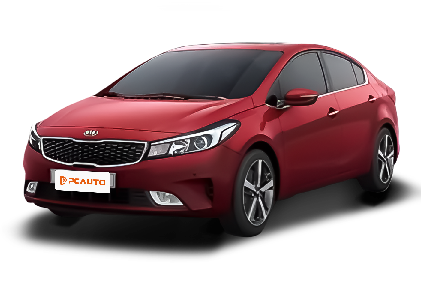
 Cars
CarsLatest Q&A
Q
Do spark plugs degrade over time?
Spark plugs do age gradually over time, and their performance degradation is mainly influenced by a combination of material, engine operating conditions, and usage environment. As a basic type, nickel alloy spark plugs are recommended to be inspected and replaced every 20,000 kilometers. Platinum and iridium spark plugs, due to their excellent corrosion resistance, can last 50,000 to 80,000 kilometers, while ruthenium spark plugs can even reach 150,000 kilometers. Turbocharged engines, due to their high-temperature and high-pressure environment, accelerate electrode wear, requiring the replacement interval to be shortened to about 60% of that for ordinary models. If the vehicle experiences difficulty starting in cold conditions, lacks acceleration power, or shows abnormally increased fuel consumption, it may be caused by enlarged electrode gaps or carbon deposits on the spark plug insulators, necessitating immediate inspection and repair. It is worth noting that even if the mileage threshold is not reached, spark plugs will exhibit decreased ignition efficiency due to metal oxidation after three years of installation. It is recommended to dynamically adjust the maintenance plan based on the service manual and actual vehicle conditions. Regularly using a specialized gap gauge to check the electrode gap (typically 0.7-1.1mm) and avoiding low-quality fuel can effectively extend spark plug service life.
 ChromeCrusherFeb 14, 2026
Q
Will my car run better with new spark plugs?
Replacing spark plugs can indeed make a vehicle run more smoothly and improve overall performance. New spark plugs ensure more complete ignition, increasing fuel combustion efficiency, thereby enhancing power output and reducing fuel consumption—typically saving about 5% to 10% of fuel. Worn spark plugs can cause difficulty in starting, reduced power, and increased exhaust emissions, while new ones improve cold-start performance, reduce engine vibration, protect the three-way catalytic converter, and extend engine life.
It is recommended to determine the replacement interval based on the material: ordinary nickel alloy spark plugs should be replaced every 20,000 kilometers, platinum spark plugs approximately every 40,000 kilometers, and iridium spark plugs can last 60,000 to 80,000 kilometers. Specific intervals should be referenced from the vehicle manual. Additionally, matching the OEM heat range specification is crucial: high-compression-ratio engines require cold-type spark plugs (high heat range), while low-compression-ratio engines are suitable for hot-type spark plugs (low heat range). Incorrect selection may lead to knocking or carbon buildup.
When replacing spark plugs yourself, ensure the spark plug holes are cleaned to prevent debris from entering the cylinders, and tighten them to the specified torque—over-tightening may damage the cylinder head threads. If the vehicle exhibits symptoms like sluggish acceleration, rough idling, or abnormally high fuel consumption, the spark plug condition should be inspected promptly.
 WalkerPathLeisureFeb 14, 2026
Q
What are the signs of bad spark plugs?
Spark plug malfunctions can affect vehicle performance through various obvious symptoms, mainly manifesting as difficulty starting (multiple attempts required for both hot and cold starts), abnormal engine vibration at idle and during driving, a noticeable reduction in power output, an abnormal increase in fuel consumption, and unexplained stalling while driving. The core causes of these issues include electrode carbon deposits leading to short-circuit and spark failure, improper spark plug gaps (too small limits spark intensity, too large results in insufficient voltage), insulator cracks causing leakage, or electrode detachment due to long-term electrical erosion. When the insulation resistance value of the spark plug decreases, the ignition voltage will be weakened or even completely fail. In addition, short-circuiting of high-voltage lines or erosion of platinum contacts may also cause single-cylinder or multi-cylinder misfires. It is recommended to replace spark plugs regularly every 40,000 to 60,000 kilometers, but the specific interval should refer to the vehicle manual, as material differences (such as nickel alloy for 20,000 kilometers, iridium for 60,000-80,000 kilometers) will also affect their lifespan. If excessive exhaust emissions (such as black smoke) or acceleration hesitation are detected, the spark plug condition should be checked immediately to avoid derivative problems such as three-way catalytic converter damage caused by prolonged malfunctions. During replacement, ensure debris is cleaned from the installation holes and high-voltage lines are correctly connected according to the ignition sequence to maintain cylinder balance.
 ActorStagePerformanceFeb 14, 2026
Q
Can spark plugs affect gas mileage?
Spark plugs do have a significant impact on fuel economy, and their performance status is directly related to the combustion efficiency of the engine. When the spark plug electrodes are worn or carbon-fouled due to long-term use, the ignition energy will weaken, leading to incomplete combustion of the air-fuel mixture. At this point, the ECU will compensate for the power loss by increasing the fuel injection volume, and fuel consumption may rise by 15% to 20%. The spark plug gap is also a key factor; the standard gap is typically 0.8-1.1 millimeters. A gap that is too large will result in insufficient ignition voltage, while a gap that is too small will impede flame kernel propagation. Both scenarios will reduce thermal efficiency. The replacement intervals for spark plugs made of different materials vary significantly: nickel alloy spark plugs are recommended to be replaced every 30,000 kilometers, platinum ones can last up to 60,000 kilometers, and iridium spark plugs can maintain performance for 80,000-100,000 kilometers due to their higher melting point. It is worth noting that heat range matching is equally important. If a cold-type spark plug with excessive heat dissipation is used, it is prone to carbon buildup under low-temperature conditions; conversely, hot-type spark plugs may cause pre-ignition in high-temperature environments. It is recommended that vehicle owners adhere to the manufacturer's maintenance schedule and select premium spark plugs that meet the heat range specifications and carry MS 828 certification. This approach not only optimizes fuel efficiency but also extends the oxygen sensor's lifespan, achieving overall fuel cost savings of approximately 5%-8%.
 MonFeb 14, 2026
Q
How do I know if my spark plugs need replacing?
To determine whether spark plugs need replacement, the following signs and criteria can be used: When a vehicle experiences difficulty starting, rough idling, weak acceleration, or an abnormal increase in fuel consumption, it may be due to aging spark plugs causing reduced ignition efficiency. During disassembly and inspection, the electrode condition should be observed; if the tip shows severe erosion, carbon buildup, or the electrode gap exceeds 0.8mm (the standard value for ordinary nickel alloy spark plugs), immediate replacement is required. Spark plugs of different materials have significantly different lifespans: nickel alloy spark plugs are recommended to be replaced every 20,000 kilometers, while platinum and iridium spark plugs can last 40,000 kilometers and 60,000-80,000 kilometers respectively. It is worth noting that prolonged short-distance driving or frequent start-stop cycles will accelerate spark plug wear, and in such cases, replacement should be performed 20% earlier than the recommended mileage. When selecting replacement parts, the original equipment manufacturer's heat range specifications must be strictly matched. Common brands such as NGK or Bosch provide vehicle-specific cross-reference tables in their product catalogs; incorrect heat ranges can lead to engine knocking or carbon buildup issues. During installation, a torque wrench should be used to tighten to the specification of 15-20N·m; over-tightening may damage the cylinder head threads, resulting in repair costs as high as 300-500 Malaysian Ringgit.
 NonFeb 14, 2026
Related News

In Malaysia, which sliding door MPVs are available?
MichaelOct 30, 2025
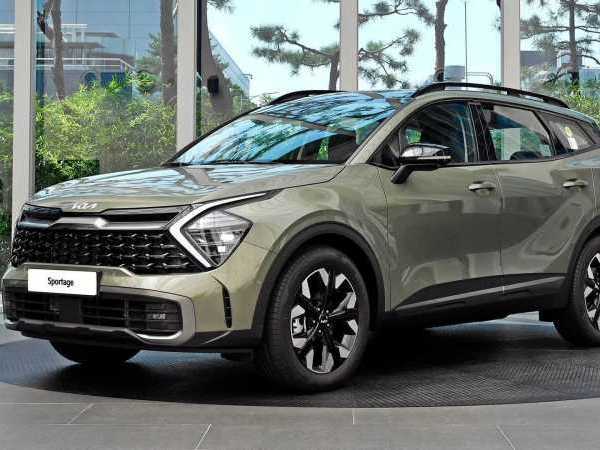
Kia Sportage: Superior Suspension for Smooth Ride
Kevin WongMay 19, 2025

Kia Carnival: Spacious & Versatile for Every Journey
Kevin WongMay 19, 2025

Kia reveals all details of PV5, with a maximum range of up to 400 kilometers
LienMar 11, 2025
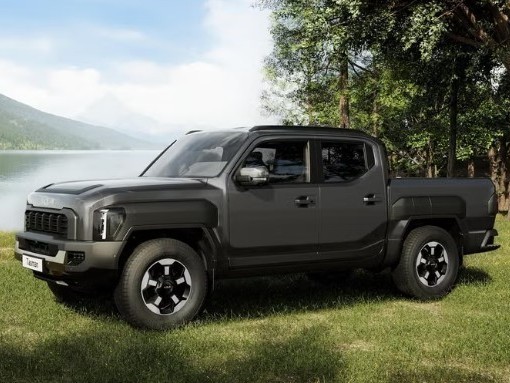
173L cargo box, 3500kg towing capacity, KIA Tasman meets all your needs!
MichaelOct 31, 2024
View More
Pros
Cons