
Q
Is Audi A3 sedan fast?
 YipJun 06, 2025, 11:25 AM
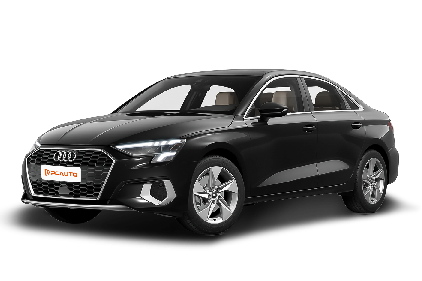
The speed of 2019 Audi A3 Sedan 1.4 TFSI model is quite fast. It has a top speed of up to 224 km/h, and the officially announced 0 - 100 km/h acceleration time is 8.2 seconds. This 1.4 TFSI engine has a displacement of 1395 cc and a power output of 150 horsepower. It can deliver maximum torque at 1500 - 3500 rpm, providing sufficient power for overtaking and normal high - speed driving. The dual - clutch transmission (DCT) also helps to achieve smooth and relatively fast gear shifts.
In the compact car segment, these performance figures are commendable. For daily commuting on city roads and short - distance trips on the highway, its acceleration ability and top speed can meet the needs of most people. However, if you're looking for extremely fast acceleration or high - speed performance comparable to high - end sports cars, it may not suitable. But overall, for general driving scenarios, it strikes a good balance between speed and practicality.
Special Disclaimer: This content is published by users and does not represent the views or position of PCauto.
Related Q&A
Q
What's the lifespan of Audi A3's engine?
The service life of Audi A3's engine can be different. Under normal maintenance and usage conditions, it can run for about 300,000 kilometers or be used for around 10 years without significant problems. The prerequisite is that you use high - quality engine oil and filters and replace them on time, as the engine requires proper lubrication and clean intake air. For example, using fully synthetic engine oil that meets Volkswagen standards (such as 502 00, SAE 5W40) can improve the engine's durability.
In addition, the driving environment is also crucial. Harsh conditions like extreme high or low temperatures, dusty areas, or traffic with frequent stops and starts may shorten its service life. Similarly, driving habits also have an impact. Aggressive driving styles with rapid acceleration and hard braking will cause more wear and tear on engine components. On the contrary, gentle driving and allowing the engine to properly warm up and cool down can help extend its service life.
 CoraJun 6, 2025
Q
Is Audi A3 a small or medium car?
The Audi A3 is a small car, specifically a compact vehicle. It belongs to the C-segment category. Its body length is 4,458 millimeters, width is 1,796 millimeters, height is 1,416 millimeters, and wheelbase is 2,637 millimeters. These dimensions classify it as a compact car. Compact cars like the Audi A3 are well - known for being more suitable for urban driving and typically having lower fuel consumption. They're perfect for daily commuting and can be parked in tight spaces. The size of the A3 also means it generally requires less storage space and is easier to be driven on congested roads. Even though the Audi A3 is a small car, it still offers a high level of comfort, safety features, and performance, which makes it a popular choice for car buyers who value the combination of practicality and luxury.
 KonJun 6, 2025
Q
Does Audi A3 deliver potent power output?
Yes, Audi A3 can be regarded as a car with potent power. 2019 Audi A3 Saloon 1.4 TFSI is equipped with a 1.4-liter turbocharged engine, which can deliver 150 horsepower and a power output of 110 kilowatts. It has a top speed of up to 224 km/h and can accelerate from 0 to 100 km/h in just 8.2 seconds. Such performance is adequate for daily driving, enabling smooth acceleration both on urban roads and highways. Moreover, with the engine's torque output at 1500 - 3500 revolutions per minute, it can provide instant power when needed. The dual-clutch transmission (DCT) also helps achieve seamless gear shifts, offering a smooth driving experience. Although it may not be a high-performance sports car, it can provide sufficient power to meet the needs of most drivers, whether for daily commuting or weekend road trips. Combining its power with features like front-wheel drive and independent suspension, it becomes a well-balanced choice in terms of performance and handling.
 KitJun 6, 2025
Q
Is Audi A3 a comfortable car?
Audi A3 can be considered a comfortable car in many aspects. It has various features that bring a pleasant driving and riding experience. The front seats offer 4-way electric adjustment for the driver and passengers, making it easy for them to find a proper sitting position. The dual-zone automatic air - conditioning system in the front row ensures that the driver and front - seat passengers can enjoy a comfortable temperature.
In terms of driving quality, it is equipped with a MacPherson independent suspension at the front and a multi - link independent suspension at the rear, which can absorb shocks and handle uneven roads, providing a smooth driving and riding experience. There are also some comfort - enhancing configurations inside the car. The fully digital instrument cluster and the touch - controlled center console screen provide a modern and convenient operating interface.
However, for some people, the rear - seat space with a 60:40 split - folding function may seem a bit compact. And the small trunk volume can be a drawback for those who need to carry a large amount of stuff. Overall, despite the certain limitations in space, the Audi A3 can still offer a good comfort experience for daily commuting and short trips.
 BeeJun 6, 2025
Q
Which one is better, Audi A3 or A4?
Audi A3 and A4 each have their own advantages, making it difficult to simply judge which one is better. A3 is a compact car with a guide price of RM 231,360. It has dimensions of 4458*1796*1416mm and a wheelbase of 2637mm. It's small and nimble, perfect for city commuting. The interior has a strong sense of technology, with a simple layout of the center console. The three - spoke leather multi - function steering wheel highlights its sporty character. It's equipped with a 1.4T engine, and the power is sufficient for daily use.
On the other hand, the A4 is a mid - sized car, usually with a higher price. It has dimensions of 4858*1847*1439mm and a wheelbase of 2908mm, offering more spacious interior space, especially in the rear seats where passengers can enjoy a more comfortable ride. The interior is luxurious, and the configuration is more abundant, such as a panoramic sunroof that can be opened and leather seats. In terms of power, it's equipped with a 2.0T engine, providing stronger power.
If you have a limited budget and value individuality and flexible handling more, A3 is a great choice. However, if you pursue a sense of luxury, large space, and strong power, and your budget allows, the A4 would be more suitable for you.
 TateJun 6, 2025
Q
Which model year of Audi A3 is the best?
It's difficult to say which model year of Audi A3 is the best, as it depends on personal needs and budget. If your budget is limited, the models from 2014 to 2016 are more suitable. They have an affordable price and a relatively stable resale value. However, these early models may have some minor problems like abnormal noises and oil leaks. You need to carefully check the vehicle condition when purchasing. If you pursue quality and performance, the models from 2017 to 2019 are a good balanced choice. Take the 2019 Audi A3 Sedan 1.4 TFSI as an example. It's priced at RM 231,360. Its top speed can reach 224 km/h, and it takes 8.2 seconds to accelerate from 0 to 100 km/h according to the official data. The official combined fuel consumption is 4.9L/100km. It is equipped with rich configurations, such as 6 airbags, engine start - stop technology, a multi - function steering wheel and so on. Later versions, like the 2025 model, may be more advanced in terms of power and technological configurations. For instance, it's equipped with a new engine, with more stable and smooth power tuning. It offers better stability and noise insulation during high - speed driving, providing a more premium overall driving experience.
 KindheartedSoulJun 6, 2025
Q
Does Audi A3 have high maintenance cost?
The maintenance cost of Audi A3 is relatively high. It provides a 5 - year, unlimited - mileage warranty. The first maintenance is required at 10,000 kilometers or 1 year, and a free minor adjustment is provided, which includes engine oil and filter replacement with no labor cost. After that, the maintenance interval is also 10,000 kilometers or 1 year.
The cost of a minor adjustment at the original factory is about RM1,463. The cost of a routine maintenance at 60,000 kilometers is about RM11,645. The maintenance cost per 10,000 kilometers is about RM1,940, and the price of a routine maintenance at 100,000 kilometers is about RM21,745.
Compared with some models in the same class, the frequency of some maintenance items for the Audi A3 is higher and the cost is a bit more. For example, its maintenance cycle is 10,000 kilometers or 12 months, while the BMW 1 Series has a maintenance cycle of 15,000 kilometers or 12 months, so the engine oil and filter of the Audi A3 need to be replaced more frequently.
However, if you choose non - original maintenance, the cost can be reduced by about 30%. But you need to carefully choose the repair shop. When the car is used for a long time or has covered a long distance, the maintenance cost will increase. Reasonably planning the maintenance schedule and developing good driving habits can control the maintenance cost to a certain extent.
 NovaJun 6, 2025
Q
Is Audi A3 bigger than Mercedes A Class?
Body dimensions and wheelbase are often used to compare the size of car models. Take the 2023 imported Mercedes - Benz A - Class A200 Fashion Hatchback and the 2022 Audi A3 Sportback 35 TFSI Luxury Elegant Edition as examples. The length, width and height of the Mercedes - Benz A - Class are 4419mm × 1796mm × 1432mm, with a wheelbase of 2729mm. The length, width and height of the Audi A3 are 4343mm × 1815mm × 1458mm, and its wheelbase is 2630mm. As can be seen, the Mercedes - Benz A - Class has advantages in length and wheelbase, which means it might have more spacious longitudinal interior space, offering a more comfortable ride for passengers, especially in the rear seats. However, the Audi A3 is slightly wider, so its interior lateral space may be a bit better. Generally speaking, the overall space of the Mercedes - Benz A - Class is larger. Of course, the dimensions of different versions of car models may vary. When buying a car, you can make a detailed comparison of the sizes of specific models.
BearJun 6, 2025Q
Is Audi A3 a good choice for beginners?
Yes, Audi A3 is a great choice for beginners. Priced at RM 231,360, it makes people get a luxury car without too much cost. It can reach a top speed of 224 km/h and accelerate from 0 to 100 km/h in just 8.2 seconds, so its performance is adequate for meeting daily driving needs.
The car is equipped with a range of standard safety features, such as six airbags, an Anti - lock Braking System (ABS), and a Electronic Stability Control system, which are crucial for novice drivers. Automatic air - conditioning, a full - LCD display, and a touchscreen add to comfort and convenience. The 4 - way power - adjustable front seats and 60:40 split - folding rear seats offer flexibility.
The compact size of the Audi A3 makes it easy to handle and park in traffic, which is especially beneficial for new drivers. However, like any car, it also has its disadvantages. But overall, it strikes a good balance between luxury, functions, and driving performance for beginners.
 ShadowBladeJun 6, 2025
Q
Is Audi A3 faster than A4?
Normally, Audi A4 is faster than A3. The 2019 Sedan 1.4 TFSI version of the Audi A3 is equipped with a 1.4T engine, with a maximum horsepower of 150Ps, a top speed of 224km/h, and an official 0 - 100km/h acceleration time of 8.2 seconds. While the Audi A4 is generally equipped with a 2.0T engine, with a maximum horsepower of 252Ps, which offers stronger power. The greater horsepower enables the A4 to display better power performance in scenarios like acceleration and overtaking, achieving a faster speed. However, the actual driving speed of a vehicle is also affected by various factors such as driving style, road conditions, and vehicle load. For example, in congested traffic, the compact body of the A3 may allow it to move through more nimbly, but this doesn't mean it's truly faster. On open roads like highways, the power advantage of the A4 can be more fully utilized.
 HappyCricketJun 6, 2025
Popular Cars
Model Year
Car Compare
Car Photo
Related Models
 Cars
CarsLatest Q&A
Q
Is AMT similar to automatic?
There are significant differences between AMT transmissions and automatic transmissions (AT) in terms of core structure and driving experience. AMT is essentially an electronically automated version of a manual transmission, simulating manual clutch operation and gear shifting through a computerized control system while retaining the gear set structure of manual transmissions. As a result, it offers higher transmission efficiency, with fuel consumption approximately 8%-12% lower than AT, making it particularly suitable for highway or long-distance driving. However, it may exhibit jerking similar to manual transmissions during low-speed gear shifts, especially noticeable in congested traffic conditions.
AT transmissions rely on torque converters for power transfer, delivering smooth and seamless gear shifts that appeal to comfort-oriented users. However, their complex structure (incorporating planetary gear sets, hydraulic systems, etc.) results in higher maintenance costs. A single service may cost between 800 to 1,500 ringgit, whereas AMT only requires gear oil replacement at approximately 400 ringgit.
From a market perspective, AMT is predominantly used in budget vehicles or commercial models priced below 80,000 ringgit, while AT is typically featured in mid-to-high-end vehicles. Consumers should select based on actual needs: AMT suits those prioritizing fuel efficiency and low maintenance costs, while AT better serves those valuing comfort. Notably, recent advancements in AMT electronic control technology have significantly mitigated jerking issues, though test drives should still emphasize low-speed performance evaluation.
 AriaMar 26, 2026
Q
Which is better, DCT or AT?
DCT (Dual-Clutch Transmission) and AT (Automatic Transmission) each have their own advantages and disadvantages, and the choice should be based on personal driving needs. AT transmissions transfer power through a torque converter, offering excellent shift smoothness, making them suitable for urban commuting or novice drivers. However, they tend to have higher fuel consumption, and vehicles equipped with them are usually more expensive. DCT transmissions utilize a dual-clutch structure, featuring fast shift speeds and high power transmission efficiency, which provides a more direct driving experience—particularly suitable for users seeking a sporty feel. However, they may exhibit jerking at low speeds and have relatively high maintenance costs. If durability and comfort are priorities, AT is the more reliable choice; if power responsiveness and driving pleasure are preferred, wet DCT (such as Volkswagen DSG) performs better, though dry DCT models should be avoided in prolonged stop-and-go traffic conditions. Additionally, CVT transmissions excel in smoothness and fuel efficiency, making them ideal for daily commuting, but they lack driving excitement. It is recommended to test-drive before purchasing, as tuning varies significantly across brands, and real-world experience is more important than theoretical specifications.
FlutteringMar 26, 2026Q
Is Amt good or bad?
AMT gearboxes have a significant cost advantage in the local market, typically being around 5,000 Ringgit cheaper than models equipped with conventional automatic transmissions. Their fuel efficiency is comparable to manual transmissions, resulting in long-term fuel savings. Featuring a straightforward design, they achieve transmission efficiency exceeding 90% with relatively low maintenance costs, making them ideal for practicality-oriented consumers. However, their shifting logic contains inherent limitations: gear changes between 1st and 2nd cause 0.3-0.5 second power interruptions, while unintended upshifts on inclines may reduce engine speed by 15%-20%, compromising driving smoothness. For urban commuters or budget-conscious buyers, AMT offers excellent value, though those prioritizing premium driving dynamics should consider alternative transmission types. Some domestic models like the Perodua Axia employ enhanced AMT systems, where optimized shift programming has reduced gearshift shock by approximately 30%.
 RainbowsMar 26, 2026
Q
Which gives better mileage, CVT or AMT?
From the perspective of fuel economy, CVT transmissions generally perform better under urban driving conditions. Their continuously variable design allows the engine to consistently operate within the optimal speed range, significantly reducing fuel consumption during frequent starts and stops. Test data shows that their fuel consumption in urban driving conditions is 10% to 15% lower than that of comparable models. AMT transmissions, on the other hand, inherit the high transmission efficiency of manual transmissions, delivering fuel efficiency close to manual transmissions during high-speed cruising. This makes them particularly suitable for long-distance driving in large-displacement vehicles. However, due to power interruption during gear shifts, their overall fuel consumption may be 5% to 8% higher than CVTs.
The difference in fuel-saving characteristics between the two transmissions stems from their technical principles: CVTs achieve continuous variability through steel belts and pulleys, eliminating the fixed gear ratio limitations of traditional transmissions; AMTs simulate manual gear changes via electronic control systems while maintaining the mechanical efficiency of gear transmission. Notably, actual fuel consumption is also influenced by driving habits. Smooth acceleration and anticipatory deceleration can maximize the transmissions' fuel-saving potential. If the vehicle budget permits and urban commuting is the primary use, CVTs offer a more economical choice. For frequent highway driving with an emphasis on cost-effectiveness, AMTs are equally worth considering.
 RubyBlazeMar 26, 2026
Q
Which is cheaper, AMT or CVT?
In terms of gearbox cost, AMT is usually more economical than CVT. Essentially, AMT is a manual transmission equipped with an electronic control unit, featuring a simple structure and low maintenance costs. The unit price ranges from approximately 5,000 to 8,000 ringgit, making it suitable for budget-conscious consumers or those who prioritize long-term operating costs. CVT incurs higher manufacturing costs due to its precision steel belt transmission system and continuous variable transmission technology, with a unit price of about 7,000 to 10,000 ringgit. However, it delivers a smoother driving experience and superior fuel efficiency. The primary differences between the two lie in technical complexity: AMT retains the gear-shifting mechanism, resulting in noticeable shift shock; CVT achieves linear power output through stepless speed variation but requires periodic belt inspection and incurs higher maintenance expenses. For those prioritizing initial cost and basic transportation needs, AMT offers better value; if comfort and long-term fuel economy are priorities, CVT represents a more worthwhile investment. Note that actual prices may vary based on vehicle model, brand, and local supply chain factors.
 ShadowProwlMar 26, 2026
Related News

Audi A8 discontinued, successor to be released in the next decade
RobertMar 19, 2026

Audi's version of the "G-Wagen" is coming? Developing a rugged 4x4 with the help of the Scout platform
JamesMar 10, 2026

Audi RS6 sedan version may return to compete fully with the BMW M5
WilliamNov 21, 2025

Audi TT Moment 2.0 Debuts This September on Porsche EV Platform
MichaelAug 1, 2025
Beyond Expectations: All-New Audi Q3 Coming June 16
RobertJun 13, 2025
View More
Pros
Cons