
Q
Is BRZ 2017 good for long drives?
 FopOct 21, 2025, 03:55 PM
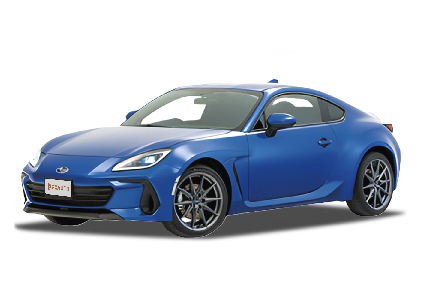
The 2017 Subaru BRZ, as a rear-wheel-drive sports car, delivers a well-balanced performance for long drives in Malaysia. Its low center of gravity and boxer engine provide stable handling, making it a solid fit for smooth highways like the North-South Expressway. However, the firm suspension setup might take a toll on comfort when tackling some of Malaysia's older, rougher road surfaces. The 2.0L naturally aspirated engine offers linear power delivery, ideal for cruising, though its 6.9L/100km fuel consumption means you'll want to keep an eye on Malaysia's fluctuating petrol prices. The cabin, while cozy, can feel a bit tight for taller drivers on extended trips. A quick tip for our local climate: considering the factory cooling system upgrade kit is smart given Malaysia's heat. Also, with that rear-wheel-drive layout, extra caution is definitely advised during the rainy season. What's cool though is the BRZ's strong aftermarket support here – the local car community often shares suspension upgrade ideas specifically aimed at boosting long-distance comfort. If you're regularly hitting the roads for inter-state journeys, those proven setups are worth checking out to level up your drive.
Special Disclaimer: This content is published by users and does not represent the views or position of PCauto.
Related Q&A
Q
Does the 2017 Subaru BRZ have a manual or automatic transmission?
The 2017 Subaru BRZ hits the Malaysian market with two transmission options to suit different driving styles: a 6-speed manual for those who crave that direct, hands-on control, and a 6-speed automatic that's more at home in stop-and-go city traffic or daily commutes. Under the hood, you've got a 2.0-liter flat-four engine pumping out 200 horsepower and 205 Nm of torque—smooth power delivery with sharp throttle response. Pair that with the rear-wheel-drive setup, and you're looking at a car that handles like a dream, perfect for drivers who live for the thrill of the road.
In Malaysia, the BRZ has built up a solid following among performance car enthusiasts, thanks to its unique driving dynamics and relatively accessible price tag. And let's not forget its modification potential—it's a favorite in the local tuning scene, with plenty of folks upgrading suspension, exhausts, and intakes to squeeze out even more fun. Whether you row your own gears with the manual or opt for the automatic, the 2017 BRZ delivers loads of driving enjoyment for Malaysian owners who want that sporty, engaging feel behind the wheel.
 BlazingOct 21, 2025
Q
What is the safety rating of the 2017 Subaru BRZ?
The 2017 Subaru BRZ scored well in several major safety evaluations. For instance, it earned the "Top Safety Pick" designation from the Insurance Institute for Highway Safety (IIHS), with strong performances in frontal crash, side crash, and roof strength tests. However, it only received an "Acceptable" rating for head restraint and seat safety.
For Malaysian buyers, while ASEAN NCAP hasn't specifically tested the 2017 BRZ, Subaru has always emphasized safety technology. The BRZ comes standard with essential safety features like multiple airbags, Vehicle Stability Control (VSC), and Anti-lock Braking System (ABS), which enhance everyday driving safety.
It's worth noting that as a rear-wheel-drive sports car, the BRZ's low center of gravity and precise handling can indirectly help reduce accident risks. That said, drivers still need to be mindful of a rear-drive car's dynamics on wet roads—moderating speed and steering inputs is key to staying safe.
If you're considering a used BRZ, it's advisable to check the service records and accident history to ensure all safety systems are functioning properly.
 JopOct 21, 2025
Q
Does the 2017 Subaru BRZ have a noise issue?
The 2017 Subaru BRZ doesn't typically have significant noise issues in everyday driving. But some owners might notice a bit more wind or road noise at highway speeds, that's not surprising considering its sporty setup and those slick frameless doors. They look awesome, sure, but they are not very effective in sound insulation. Still, overall, the noise levels are totally in line with expectations from a sports car in this class.
For Malaysian owners, the hot climate can make tires wear out a bit quicker. My tip? Keep an eye on your tire condition regularly and maybe replace them with a set that's better at reducing road noise – that'll have a significant impact. Also, don't neglect servicing those chassis bushings and suspension bits. The tropical rain and humidity around here can speed up rubber aging, and worn parts can start to produce abnormal noises before you know it.
If you do hear something weird, start by checking the exhaust system mounts or the driveshaft universal joints. Those can get a little loose after long - term use. And hey, remember that the BRZ's engine note is actually tuned – especially when you're revving it higher, you'll hear more intake noise in the cabin. That's deliberate, to make you feel more connected to the drive, not a mechanical problem.
If you're really after more peace and quiet, adding sound - deadening material in the trunk and wheel wells is a solid move. It's a pretty common modification here in Malaysia, and it's very effective.
 HopOct 21, 2025
Q
Is the 2017 Subaru BRZ reliable?
The 2017 Subaru BRZ holds up pretty well in terms of reliability. Under the hood, you've got that 2.0-liter flat-four FA20 engine – it delivers power smoothly with decent fuel economy, making it a solid fit for daily drives around Malaysia and the occasional mountain road blast. Thanks to that boxer engine's low center of gravity, the handling is sharp and engaging. A heads-up though: with these boxer engines, keeping an eye on the oil level becomes a bit more important as they rack up miles, just to avoid any potential lubrication hiccups down the line.
When it comes to the gearbox, both the 6-speed manual and 6-speed auto variants earn praise for their durability and crisp, smooth shifts. The chassis and suspension setup feel robust too, handling Malaysia's varied road conditions nicely. Now, since the BRZ sends power to the rear wheels, you'll want to be a touch more cautious when the roads are wet or slippery to prevent any unexpected slides.
Inside, the cabin materials prioritize functionality over flash, but the build quality is solid – you won't hear a lot of annoying rattles even after years of use. Maintenance costs land somewhere in the middle of the sports car spectrum, and sticking to regular servicing is a smart move to keep it running strong for the long haul. If you're after driving fun and don't mind a slightly firmer ride from the suspension, the 2017 BRZ is definitely one to consider.
 GopOct 21, 2025
Q
What is the fuel economy of the 2017 BRZ?
The 2017 Subaru BRZ delivers moderate fuel economy. Official figures put the manual transmission model at around 8.4 liters per 100 kilometers combined (that's roughly 12 km per liter), while the automatic is slightly better at approximately 7.8 liters per 100 km combined (about 13 km per liter). Of course, your actual mileage will vary depending on how you drive, the roads you're on, and how well you keep up with maintenance.
Under the hood, you've got a 2.0 - liter naturally aspirated flat - four engine. This car is not about achieving maximum fuel efficiency; it's all about the driving fun. So, those fuel numbers are pretty much in line with other performance - focused cars in its class.
For Malaysian buyers, the BRZ's fuel economy is generally acceptable for city commutes, but you'll want to be mindful of fuel costs during longer highway stints. Sticking to regular maintenance is a good idea to keep it running at its best and control fuel expenses.
If outright fuel efficiency is your top priority, you might want to look into a hybrid or turbocharged alternative. But the BRZ's highlight is its sharp handling and that sweet rear - wheel - drive thrill – it's well - suited for drivers who live for the experience behind the wheel.
 EepOct 21, 2025
Q
How fast does a Subaru BRZ go 0-60?
The Subaru BRZ clocks in at around 6.2 seconds for the 0-60 mph (roughly 0-97 km/h) sprint. That kind of pace comes courtesy of its 2.4-liter flat-four naturally aspirated engine, which cranks out 228 horsepower and 250 Nm of torque. Pair that with either a 6-speed manual or 6-speed automatic gearbox, and you get snappy throttle response and a nice, linear power delivery. For drivers here in Malaysia, the BRZ's rear-wheel-drive setup and low center of gravity really dial up the fun factor, making it a hoot on our twisty mountain roads or even at the track. Now, it's worth mentioning that real-world acceleration can vary a bit depending on road surface, tire choice, or how you're shifting, but the BRZ still stands out in its class for offering solid bang for your buck and a super engaging drive. If you're craving more performance, you could look into legally modifying the intake, exhaust, or swapping in some lighter components—just make sure you're keeping it in line with JPJ's regulations.
 DipOct 21, 2025
Q
What is the L 100km on a 2017 BRZ?
The fuel economy of the 2017 Subaru BRZ (measured in liters per 100 kilometers) varies depending on driving conditions and transmission type. Official figures put the manual transmission variant at approximately 8.4 L/100km combined, while the automatic version comes in at around 7.8 L/100km. This rear-wheel-drive sports car, powered by a 2.0-liter flat-four engine, strikes a nice balance between driving excitement and fuel efficiency. For Malaysian owners, it's worth noting that real-world fuel consumption can be affected by traffic congestion, driving habits, and fuel quality. We recommend using RON 95 or higher octane fuel to unlock its optimal performance. While sports cars like this do tend to drink a bit more than your average family sedan, the BRZ's key selling points lie in its precise handling and that perfect 50:50 weight distribution, which deliver an exceptional driving experience. And for daily maintenance, keeping an eye on tire pressure and engine condition will go a long way in helping maintain that fuel efficiency.
 CupOct 21, 2025
Q
How much does a 2017 BRZ weigh?
The 2017 Subaru BRZ's weight varies depending on the specific trim. The manual transmission models tip the scales at around 1,270 kg (curb weight), while the automatic versions are a bit heftier, coming in at approximately 1,290 kg. As a rear-wheel-drive sports car, that lightweight design really helps sharpen up the handling – it makes a noticeable difference when you're carving through Malaysia's twisty mountain roads or pushing it on a track, giving you that nimble, connected feel.
The BRZ shares its platform with the Toyota 86, and both cars prioritize a low center of gravity and balanced chassis – perfect for folks who live for driving thrills. Over here in Malaysia, with our hot climate, a lot of owners end up adding extra bits like body kits or upgraded cooling systems, which can add a tiny bit of weight. It's a good idea to keep an eye on your tires and suspension with regular checks to make sure everything's performing at its best.
Fuel economy on the BRZ isn't too shabby either, making it a solid pick for daily driving and weekend mountain runs. All in all, it's a pretty bang-for-your-buck entry-level sports car.
 BopOct 21, 2025
Q
What is the top speed of the 2017 Subaru BRZ?
The 2017 Subaru BRZ tops out at 210 km/h (around 130 mph). This rear-wheel-drive sportscar packs a 2.0-liter naturally aspirated flat-four engine, cranking out 200 horsepower and 205 Nm of torque. Paired with either a 6-speed manual or 6-speed automatic gearbox, its power delivery prioritizes linearity and driver engagement over outright top speed bragging rights.
Here in Malaysia, the BRZ's chassis setup and low center of gravity make it a riot on twisty mountain roads or track days. That flat-four engine's inherent balance also does wonders for cornering stability. It's worth noting, though, that real-world top speed can vary depending on local weather, road surfaces, or electronic limiter settings – always best to explore a car's limits on a closed circuit or track.
For those craving a bit more pep, some owners tweak the intake/exhaust or remap the ECU for small power gains. Just make sure any mods comply with JPJ regulations to avoid issues come inspection time or voiding your warranty.
 AidOct 21, 2025
Q
Are there any recalls on the 2017 Subaru BRZ?
Regarding the recall status of the 2017 Subaru BRZ in Malaysia, there are currently no records of any officially issued recall notices for this model locally. However, owners are advised to regularly check Subaru Malaysia's official website or authorized service centers for the latest updates to ensure vehicle safety. As a rear-wheel-drive sports car focused on driving pleasure, the 2017 BRZ, which shares a platform with the Toyota 86, performs well in terms of handling and reliability. That said, in Malaysia's humid climate, special attention should be paid to tire wear and chassis maintenance. Malaysian owners should also be aware of local regulations regarding modified vehicles, especially parts related to exhaust systems and ECU tuning, to avoid affecting warranty eligibility or annual inspection passing. If any abnormalities are found in the vehicle, such as the airbag warning light illuminating or abnormal noises from the brake system, contact an authorized Subaru service center promptly for professional inspection. While such issues have led to recalls in some markets, in Malaysia, official announcements should be the definitive reference.
 ZedOct 21, 2025
Popular Cars
Model Year
Car Compare
Car Photo
Related Models
 Cars
CarsLatest Q&A
Q
Is AMT similar to automatic?
There are significant differences between AMT transmissions and automatic transmissions (AT) in terms of core structure and driving experience. AMT is essentially an electronically automated version of a manual transmission, simulating manual clutch operation and gear shifting through a computerized control system while retaining the gear set structure of manual transmissions. As a result, it offers higher transmission efficiency, with fuel consumption approximately 8%-12% lower than AT, making it particularly suitable for highway or long-distance driving. However, it may exhibit jerking similar to manual transmissions during low-speed gear shifts, especially noticeable in congested traffic conditions.
AT transmissions rely on torque converters for power transfer, delivering smooth and seamless gear shifts that appeal to comfort-oriented users. However, their complex structure (incorporating planetary gear sets, hydraulic systems, etc.) results in higher maintenance costs. A single service may cost between 800 to 1,500 ringgit, whereas AMT only requires gear oil replacement at approximately 400 ringgit.
From a market perspective, AMT is predominantly used in budget vehicles or commercial models priced below 80,000 ringgit, while AT is typically featured in mid-to-high-end vehicles. Consumers should select based on actual needs: AMT suits those prioritizing fuel efficiency and low maintenance costs, while AT better serves those valuing comfort. Notably, recent advancements in AMT electronic control technology have significantly mitigated jerking issues, though test drives should still emphasize low-speed performance evaluation.
 AriaMar 26, 2026
Q
Which is better, DCT or AT?
DCT (Dual-Clutch Transmission) and AT (Automatic Transmission) each have their own advantages and disadvantages, and the choice should be based on personal driving needs. AT transmissions transfer power through a torque converter, offering excellent shift smoothness, making them suitable for urban commuting or novice drivers. However, they tend to have higher fuel consumption, and vehicles equipped with them are usually more expensive. DCT transmissions utilize a dual-clutch structure, featuring fast shift speeds and high power transmission efficiency, which provides a more direct driving experience—particularly suitable for users seeking a sporty feel. However, they may exhibit jerking at low speeds and have relatively high maintenance costs. If durability and comfort are priorities, AT is the more reliable choice; if power responsiveness and driving pleasure are preferred, wet DCT (such as Volkswagen DSG) performs better, though dry DCT models should be avoided in prolonged stop-and-go traffic conditions. Additionally, CVT transmissions excel in smoothness and fuel efficiency, making them ideal for daily commuting, but they lack driving excitement. It is recommended to test-drive before purchasing, as tuning varies significantly across brands, and real-world experience is more important than theoretical specifications.
 FlutteringMar 26, 2026
Q
Is Amt good or bad?
AMT gearboxes have a significant cost advantage in the local market, typically being around 5,000 Ringgit cheaper than models equipped with conventional automatic transmissions. Their fuel efficiency is comparable to manual transmissions, resulting in long-term fuel savings. Featuring a straightforward design, they achieve transmission efficiency exceeding 90% with relatively low maintenance costs, making them ideal for practicality-oriented consumers. However, their shifting logic contains inherent limitations: gear changes between 1st and 2nd cause 0.3-0.5 second power interruptions, while unintended upshifts on inclines may reduce engine speed by 15%-20%, compromising driving smoothness. For urban commuters or budget-conscious buyers, AMT offers excellent value, though those prioritizing premium driving dynamics should consider alternative transmission types. Some domestic models like the Perodua Axia employ enhanced AMT systems, where optimized shift programming has reduced gearshift shock by approximately 30%.
 RainbowsMar 26, 2026
Q
Which gives better mileage, CVT or AMT?
From the perspective of fuel economy, CVT transmissions generally perform better under urban driving conditions. Their continuously variable design allows the engine to consistently operate within the optimal speed range, significantly reducing fuel consumption during frequent starts and stops. Test data shows that their fuel consumption in urban driving conditions is 10% to 15% lower than that of comparable models. AMT transmissions, on the other hand, inherit the high transmission efficiency of manual transmissions, delivering fuel efficiency close to manual transmissions during high-speed cruising. This makes them particularly suitable for long-distance driving in large-displacement vehicles. However, due to power interruption during gear shifts, their overall fuel consumption may be 5% to 8% higher than CVTs.
The difference in fuel-saving characteristics between the two transmissions stems from their technical principles: CVTs achieve continuous variability through steel belts and pulleys, eliminating the fixed gear ratio limitations of traditional transmissions; AMTs simulate manual gear changes via electronic control systems while maintaining the mechanical efficiency of gear transmission. Notably, actual fuel consumption is also influenced by driving habits. Smooth acceleration and anticipatory deceleration can maximize the transmissions' fuel-saving potential. If the vehicle budget permits and urban commuting is the primary use, CVTs offer a more economical choice. For frequent highway driving with an emphasis on cost-effectiveness, AMTs are equally worth considering.
 RubyBlazeMar 26, 2026
Q
Which is cheaper, AMT or CVT?
In terms of gearbox cost, AMT is usually more economical than CVT. Essentially, AMT is a manual transmission equipped with an electronic control unit, featuring a simple structure and low maintenance costs. The unit price ranges from approximately 5,000 to 8,000 ringgit, making it suitable for budget-conscious consumers or those who prioritize long-term operating costs. CVT incurs higher manufacturing costs due to its precision steel belt transmission system and continuous variable transmission technology, with a unit price of about 7,000 to 10,000 ringgit. However, it delivers a smoother driving experience and superior fuel efficiency. The primary differences between the two lie in technical complexity: AMT retains the gear-shifting mechanism, resulting in noticeable shift shock; CVT achieves linear power output through stepless speed variation but requires periodic belt inspection and incurs higher maintenance expenses. For those prioritizing initial cost and basic transportation needs, AMT offers better value; if comfort and long-term fuel economy are priorities, CVT represents a more worthwhile investment. Note that actual prices may vary based on vehicle model, brand, and local supply chain factors.
 ShadowProwlMar 26, 2026
Related News

Subaru XV Common Problems: These 5 Major Issues You Should Know About
RobertMar 23, 2026

Subaru plans to launch a new Forester in 2026, adding a 1.8L Turbo power version
Kevin WongFeb 11, 2026

Subaru switched to a CBU strategy, CX-5 prices dropped significantly, who is the ultimate choice for handling performance?
RobertDec 30, 2025

Does STI still have a future? Subaru gives the most ambiguous answer with two concept cars
Kevin WongDec 15, 2025

Subaru Registers New EV Trademark, Signaling Strategic Shift
Kevin WongAug 8, 2025
View More
Pros
Cons